• Global CNC market projected to reach $128B by 2028 • New EU trade regulations for precision tooling components • Aerospace deman
NYSE: CNC +1.2%LME: STEEL -0.4%

5 Axis Machining for impeller manufacturing: Why toolpath smoothing affects surface fatigue life
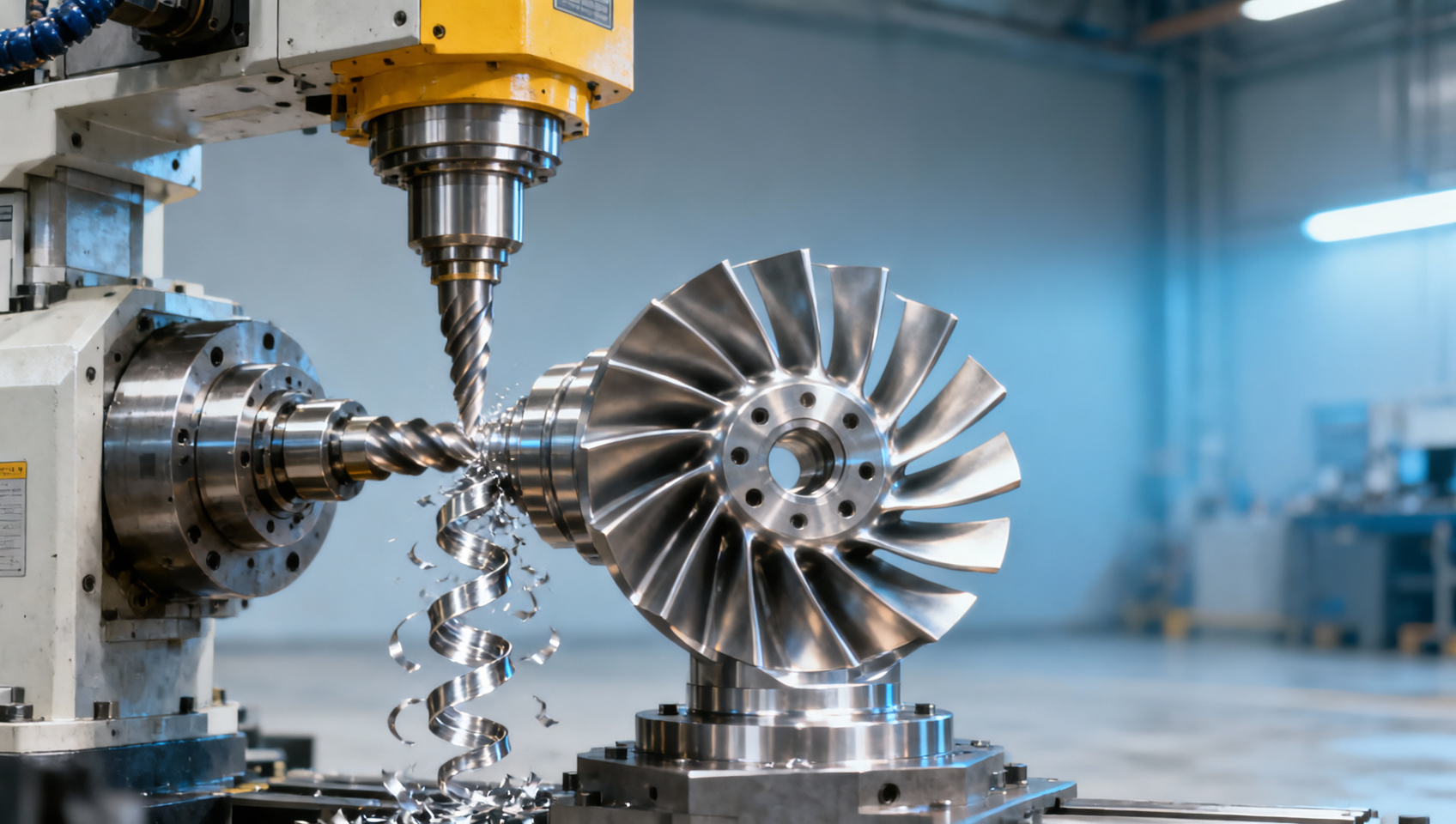
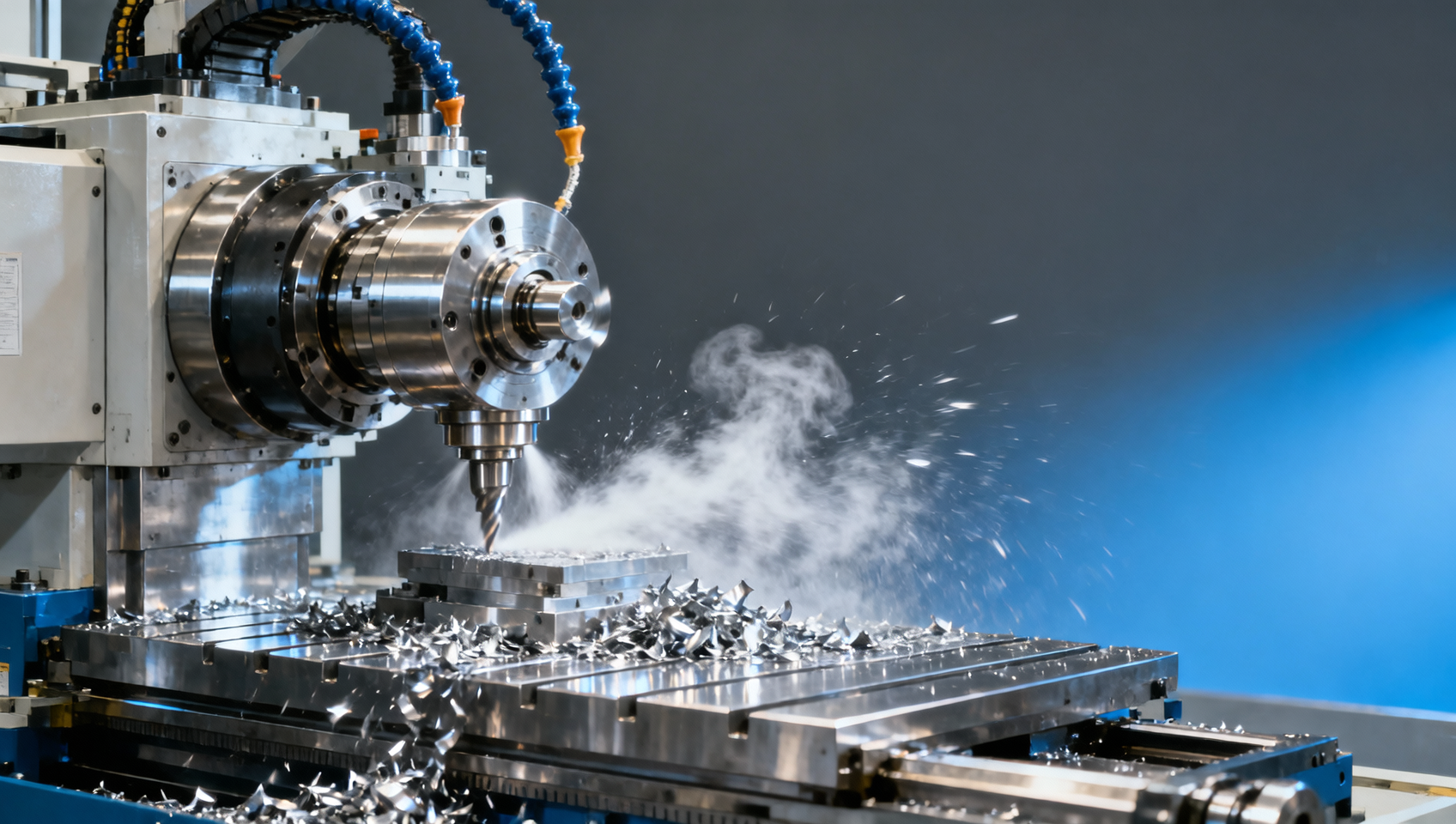
In high-precision impeller manufacturing—especially for aerospace, energy equipment, and medical devices—5-axis machining delivers unmatched geometric accuracy and efficiency. Yet beyond machine capability, toolpath smoothing critically influences surface integrity and, ultimately, fatigue life under cyclic loading. This article explores how advanced multi-axis CNC manufacturing, combined with intelligent motion control and precision CNC manufacturing practices, minimizes micro-defects and residual stress—key factors in extending component service life. Whether you're a procurement professional evaluating a CNC manufacturing supplier, an engineer optimizing automated CNC manufacturing workflows, or a decision-maker sourcing from a CNC manufacturing factory, understanding this link between toolpath quality and structural reliability is essential for cost-effective, high-precision, and low-maintenance CNC manufacturing.
Why Toolpath Smoothing Is a Fatigue Life Determinant — Not Just a Surface Finish Issue
Surface fatigue life in rotating impellers is rarely compromised by macro-scale geometry errors—but by sub-micron deviations introduced during toolpath execution. Unsmoothed 5-axis toolpaths generate high-frequency velocity reversals and non-uniform feed rates, causing localized thermal spikes and inconsistent chip load. These lead to micro-ripples (Ra > 0.4 µm), tensile residual stresses (> +350 MPa), and subsurface microcrack nucleation—accelerating crack initiation under 10⁶–10⁷ cycle fatigue regimes typical in gas turbines and centrifugal compressors.
Empirical testing on Inconel 718 impellers shows that unoptimized toolpaths reduce median fatigue life by 32–47% compared to smoothed paths using NURBS interpolation and adaptive feedrate control. The difference is not visible to the naked eye but measurable via X-ray diffraction stress mapping and electron backscatter diffraction (EBSD) analysis.
This effect intensifies in thin-bladed, high-aspect-ratio impellers where dynamic deflection amplifies path deviation. A ±0.012 mm contour error at blade tip—well within ISO 230-2 positional tolerance—can elevate local stress concentration factor (Kt) by 1.8×, directly impacting safe operational lifespan.
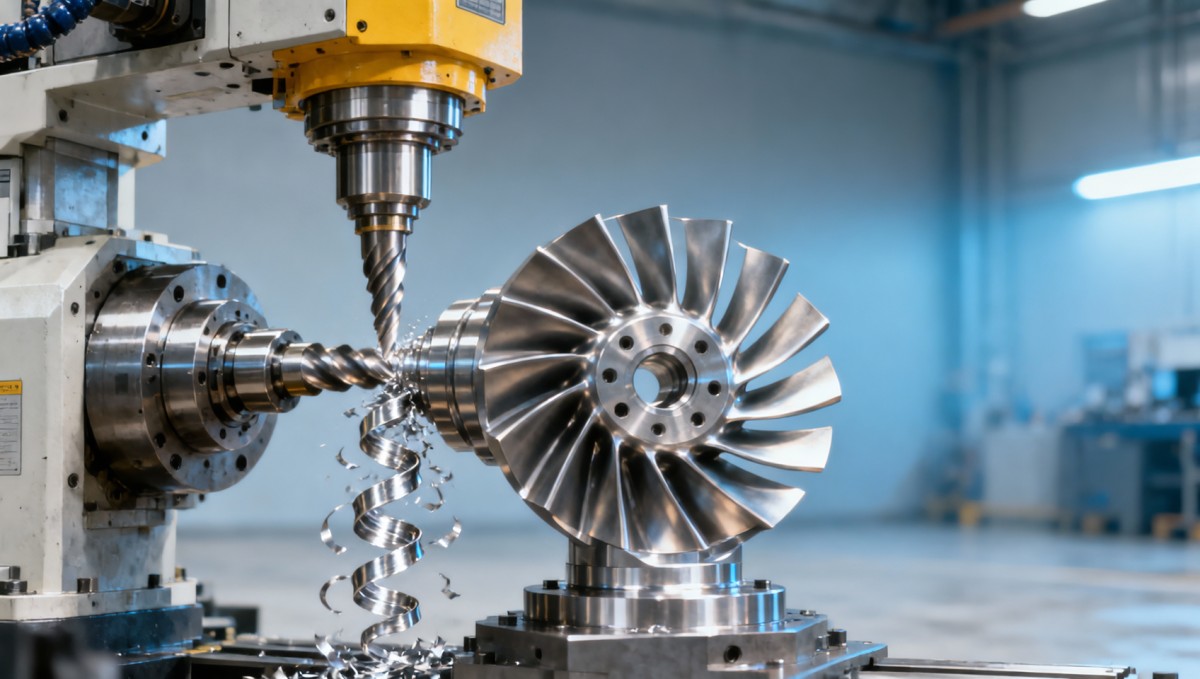
How 5-Axis CNC Systems Translate Smoothing Into Structural Reliability
True toolpath smoothing requires synergy across three layers: CAM software intelligence, CNC controller firmware, and mechanical system dynamics. Modern high-end controllers (e.g., Siemens SINUMERIK ONE, Heidenhain TNC 640) implement real-time look-ahead of ≥ 200 blocks, enabling jerk-limited acceleration/deceleration and continuous path blending at ≤ 0.005 mm junction tolerance—critical for maintaining constant cutting engagement on complex airfoil surfaces.
CAM systems must output G-code compatible with these capabilities: avoiding abrupt vector changes, applying chordal deviation ≤ 0.002 mm, and embedding feedrate profiles based on curvature radius and material removal rate. Post-processing for smoothing isn’t optional—it’s a mandatory step before NC program release, especially for titanium and nickel-based superalloys used in aerospace-grade impellers.
Mechanically, thermal stability and axis synchronization are non-negotiable. A 0.5°C ambient fluctuation can induce 3–5 µm thermal drift in a 2-meter travel axis—enough to degrade smoothing fidelity. That’s why leading impeller manufacturers specify machines with dual-temperature-controlled hydraulic oil circuits and real-time laser interferometer feedback (±0.1 µm resolution).
Key Smoothing Capabilities by System Tier
The table above reflects industry-standard capability alignment—not marketing claims. When evaluating suppliers, verify smoothing performance via live demo parts measured with coordinate measuring machines (CMM) using ASME B89.4.10-2020 profile deviation protocols—not just visual inspection.
Procurement Checklist: 5 Critical Verification Points Before Finalizing a Supplier
Selecting a 5-axis impeller machining partner involves more than quoting price per part. Fatigue-critical applications demand verifiable process rigor. Use this checklist to assess technical readiness:
- Request documented proof of toolpath smoothing validation: CMM reports showing blade profile deviation ≤ ±0.008 mm across ≥ 3 sample blades per lot
- Confirm controller firmware version supports NURBS interpolation and real-time feed override with ≤ 5 ms latency
- Verify environmental controls: Machine room temperature stability ±0.3°C over 24 hours (per ISO 230-2 Annex D)
- Review residual stress measurement protocol: XRD or hole-drilling method applied to ≥ 2 locations per impeller, with report traceable to NIST standards
- Require fatigue test correlation data: At least 3 full-scale impellers tested to 10⁷ cycles at design RPM/load, with failure mode analysis included
Suppliers unable to provide this level of traceability typically rely on post-process polishing to mask toolpath defects—a practice that removes hardened surface layers and reduces fatigue margin by up to 22%. Avoid vendors offering “surface finish guarantees” without specifying Ra, Rz, and residual stress limits.
Why Partner With a Precision CNC Manufacturing Factory Specialized in Rotating Components?
Impeller fatigue life isn’t determined solely by material grade or heat treatment—it’s engineered into every micron of the toolpath. Our precision CNC manufacturing factory serves global aerospace OEMs and Tier-1 energy equipment suppliers with certified ISO 9001:2015 and AS9100D processes, backed by in-house metrology labs equipped with Zeiss CONTURA G2 CMMs and Bruker D8 Discover XRD systems.
We apply a 4-stage verification workflow: (1) CAM smoothing simulation with thermal/deflection modeling, (2) dry-run validation on identical machine kinematics, (3) first-article CMM + XRD stress mapping, and (4) accelerated fatigue sampling per ASTM E466. Typical lead time for qualified impeller programs: 8–12 weeks—including 3 iterative toolpath optimization cycles.
Whether you’re sourcing for a new turbomachinery platform or qualifying a second-source supplier, we offer free technical consultation on toolpath strategy, material-specific cutting parameters, and fatigue-critical inspection planning. Contact us to request our Impeller Smoothing Validation Protocol (ISVP-2024) document and schedule a virtual shop floor audit.
NEXT ARTICLE
Recommended for You
 Heavy-duty Machining Center for mold making: Why coolant filtration standards evolve faster than OEM manualsMachine Tool Industry Editorial Team
 Quick-change Fixture Design for CNC turning: Why clamping force consistency drops after 200 cyclesCNC Machining Technology Center
 5 Axis Machining for impeller manufacturing: Why toolpath smoothing affects surface fatigue lifeCNC Machining Technology Center
 Lean Production Process implementation: Where value stream mapping fails to expose hidden machine downtimeManufacturing Market Research Center
 Modular Tooling System for flexible manufacturing: Why interface repeatability degrades faster than expectedMachine Tool Industry Editorial Team
 Industrial Automation control system for CNC machines: When cybersecurity updates disrupt scheduled maintenanceMachine Tool Industry Editorial Team

Aris Katos
Future of Carbide Coatings
15+ years in precision manufacturing systems. Specialized in high-speed milling and aerospace grade alloy processing.
▶
5 Axis Machining for impeller manufacturing: Why toolpath smoothing affects surface fatigue lifeCNC Machining Technology Center▶
Efficient Machining Process for aluminum alloys: Why chip evacuation defines success more than feed rateCNC Machining Technology Center▶
Multi-axis machine tool: When kinematic error mapping exposes hidden geometry driftCNC Machining Technology Center▶
CNC Programming for Multi Axis Parts Where Errors BeginCNC Machining Technology Center▶
CNC Milling Feed Rate Choices That Ruin Corner AccuracyCNC Machining Technology Center
Mastering 5-Axis Workholding Strategies
Join our technical panel on Nov 15th to learn about reducing vibrations in thin-wall components.

Providing you with integrated sanding solutions
Before-sales and after-sales services
Comprehensive technical support