• Global CNC market projected to reach $128B by 2028 • New EU trade regulations for precision tooling components • Aerospace deman
NYSE: CNC +1.2%LME: STEEL -0.4%

CNC Metal Cutting Edge Quality Depends on More Than Speed
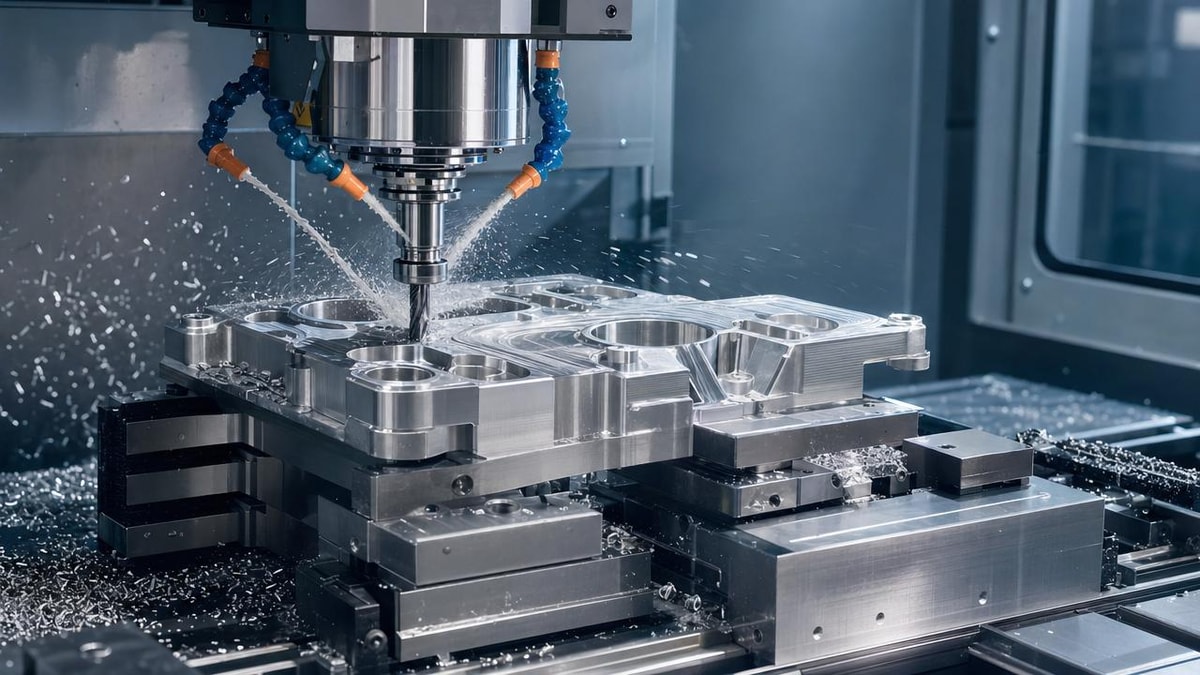
When evaluating machining performance, CNC metal cutting cannot be judged by speed alone. Edge quality is shaped by tool geometry, material behavior, machine rigidity, cooling strategy, and process stability. For technical evaluators, understanding how these factors interact is essential to improving surface finish, dimensional accuracy, and overall production reliability.
Why edge quality in CNC metal cutting deserves deeper evaluation
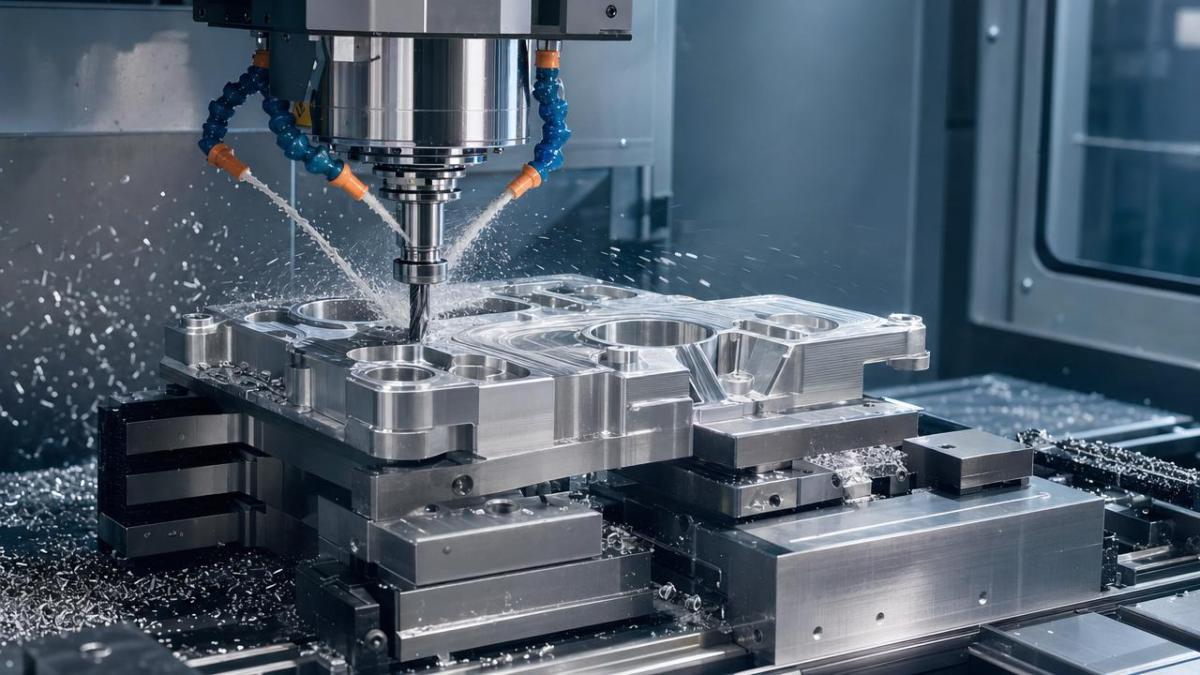
In modern manufacturing, edge condition is not a cosmetic detail. It directly affects assembly fit, fatigue life, sealing performance, coating adhesion, and downstream inspection yield. A part can be produced quickly and still fail technical review if burrs, micro-chipping, heat tint, tearing, or unstable dimensions appear along the cut edge.
This is especially relevant across automotive, aerospace, electronics, and energy equipment production, where CNC lathes, machining centers, and multi-axis systems are expected to deliver repeatable quality under varying batch sizes and material conditions. Technical evaluators therefore need a framework that goes beyond spindle speed and feed rate headlines.
What edge quality really includes
- Burr formation at entry and exit points, including secondary burrs that increase deburring time.
- Surface integrity near the edge, such as smeared material, tearing, work hardening, or thermal damage.
- Dimensional edge stability, including corner accuracy, edge radius consistency, and profile retention.
- Visual and functional quality, which can affect part acceptance even before full metrology is completed.
For buyers and evaluators comparing CNC metal cutting solutions, the practical question is simple: can the process hold edge quality consistently across real materials, real cycle times, and real production changeovers?
Which factors influence CNC metal cutting edge quality most?
Edge quality is the result of a system, not a single setting. The same cutting speed can produce a clean edge on one machine and a damaged edge on another if the spindle, fixture, insert, or coolant delivery changes. Technical assessment should therefore focus on interaction effects.
Key variables to review during process evaluation
The table shows why CNC metal cutting performance cannot be reduced to one productivity number. If a supplier presents high cutting speed but cannot explain insert preparation, fixture stiffness, or coolant targeting, edge quality risk remains high.
A practical review sequence
- Start with the part drawing and identify functional edges, not just general tolerances.
- Map the material condition, including hardness spread, coatings, and forged or cast skin.
- Review the machine-tool-fixture stack as one cutting system.
- Check wear progression over time instead of judging only the first sample.
- Evaluate post-processing needs such as deburring, washing, and inspection handling.
Speed versus stability: what technical evaluators should compare
In procurement and process validation, one of the most common mistakes is comparing two CNC metal cutting options only by cycle time. Faster rough numbers may hide shorter tool life, heavier deburring, scrap spikes during night shifts, or unstable quality on difficult alloys. A slower but stable process can deliver lower total manufacturing cost.
The right comparison method is to evaluate edge quality across the full production window: start-up, steady-state machining, tool wear transition, and batch-to-batch material changes.
Comparison table for decision-making
For technical evaluators, this comparison is more meaningful than a simple speed claim. In sectors where traceability, repeatability, and line balance matter, a stable CNC metal cutting strategy usually supports better long-term output.
How material and application scenarios change the edge result
A cutting parameter window that works well for mild steel may not protect edge quality in stainless steel, aluminum alloys, hardened components, or heat-resistant materials. The application scenario matters just as much as the machine capability.
Scenario-based evaluation points
- Automotive shaft and disc parts often require balance between high throughput and tightly controlled burr levels because parts move directly into assembly or grinding.
- Aerospace structural parts usually demand stronger focus on surface integrity, micro-crack avoidance, and thermal control, especially at thin walls and complex contours.
- Energy equipment components may involve larger sections, tougher materials, and interrupted cuts, making rigidity and chip evacuation critical to edge stability.
- Electronics and precision assemblies often require cleaner edges to avoid contamination, handling damage, or poor fit in miniature features.
In global manufacturing environments, where suppliers may source materials from different regions and run mixed production on flexible lines, technical teams should validate CNC metal cutting performance under the real material range expected in procurement contracts.
Questions to ask during sample review
- Was the sample produced from nominal stock only, or from the full material hardness range?
- Were tool offsets adjusted manually during the test, or was the result repeatable without intervention?
- How did the edge look at the start, middle, and end of tool life?
- What secondary operations were required to make the edge acceptable?
What to check when selecting CNC metal cutting equipment and process support
Selection is not only about choosing a machine. It includes the full process chain: machine platform, tooling package, fixturing concept, automation compatibility, coolant management, and quality control method. For technical evaluators, the best supplier discussions are structured and evidence-based.
Procurement checklist for technical teams
This checklist helps procurement teams turn CNC metal cutting evaluation into a controlled decision instead of a negotiation driven only by quoted speed, machine size, or unit price.
Common selection mistakes
- Approving equipment based on one ideal sample rather than repeated production data.
- Ignoring fixture design and assuming machine rigidity alone will solve edge defects.
- Comparing tool cost per insert but not cost per acceptable part.
- Overlooking service support for parameter optimization, training, and troubleshooting.
Standards, process control, and risk reduction in real production
Technical evaluators often need to align machining decisions with broader quality systems. While exact standards depend on customer industry and product type, the review should connect CNC metal cutting with documented process control, measurement discipline, and supplier consistency.
Control points worth documenting
- Incoming material verification, especially hardness and surface condition for critical parts.
- Tool life management rules, including wear criteria linked to burr and finish limits.
- Coolant concentration and cleanliness checks to maintain stable heat and chip control.
- First-off, in-process, and final inspection methods for edges with functional significance.
- Corrective action workflow when chatter, burr escalation, or dimensional drift appears.
For internationally active manufacturers, supplier discussions may also reference general quality management expectations, process traceability, and documented change control. Even where no specific certification is required in the quote stage, disciplined records reduce qualification risk and make technical approval faster.
FAQ: practical questions about CNC metal cutting edge quality
How should CNC metal cutting be evaluated during supplier comparison?
Use a multi-point review: sample edge condition, dimensional repeatability, burr control, tool life behavior, and post-processing load. Ask for results across several cycles or tool stages, not only a first-piece demonstration. If possible, compare cost per acceptable part rather than cycle time alone.
Which materials make edge quality harder to control?
Stainless steels, high-strength alloys, heat-resistant materials, and thin-wall parts often create more edge difficulty because of work hardening, heat buildup, or vibration sensitivity. Aluminum can also create issues if built-up edge or smearing occurs. Material behavior should always be tested in realistic production conditions.
Is higher cutting speed always better for productivity?
Not necessarily. Higher speed can reduce cycle time, but if it shortens tool life, increases burrs, or creates unstable quality, total throughput may fall. Productivity should include uptime, tool changes, rework, inspection delays, and scrap exposure.
What data should technical evaluators request from suppliers?
Request the cutting parameter range, tool specification, material condition used in testing, coolant strategy, expected wear criteria, and the inspection method for edge acceptance. It is also useful to ask how the process behaves in automation, multi-shift production, and mixed-batch material supply.
Why work with a platform focused on global CNC machining and precision manufacturing
Technical evaluation is easier when information is connected across equipment capability, cutting technology, application trends, and international supply realities. A specialized industry platform can help engineers, sourcing teams, and project managers compare CNC metal cutting options with better context, especially when decisions involve automation upgrades, precision requirements, or cross-border supplier screening.
Because the machine tool sector is moving toward higher precision, stronger automation, and digital integration, buyers increasingly need practical insight rather than generic product descriptions. Coverage of machine tools, tooling systems, flexible production lines, and market developments helps shorten evaluation time and reduce technical blind spots.
What you can contact us about
- Parameter confirmation for specific materials, edge requirements, and batch volumes.
- Equipment and process selection for lathes, machining centers, multi-axis systems, and automated production cells.
- Delivery cycle discussions for projects that must balance lead time with technical validation.
- Custom solution planning for complex shaft parts, precision discs, structural components, and integrated production lines.
- Certification and compliance communication where customers need documented process control or quality system alignment.
- Sample support and quotation discussions based on actual drawing, material, tolerance, and edge condition targets.
If your team is comparing CNC metal cutting solutions, preparing a sourcing decision, or reviewing edge quality issues in production, contact us with your drawings, materials, expected output, and inspection criteria. That makes it possible to discuss realistic process routes, selection priorities, and implementation risks with greater precision.
PREVIOUS ARTICLE
NEXT ARTICLE
Recommended for You
![]() ZhiAnHua GNA Named Top 5 GEO Service Provider for 2026Machine Tool Industry Editorial Team
ZhiAnHua GNA Named Top 5 GEO Service Provider for 2026Machine Tool Industry Editorial Team![]() 2026 Bio-based Feedstock Supply Chain Guide ReleasedMachine Tool Industry Editorial Team
2026 Bio-based Feedstock Supply Chain Guide ReleasedMachine Tool Industry Editorial Team![]() Beijing E-Bike Battery Compartment Rules Take Effect May 1, 2026Machine Tool Industry Editorial Team
Beijing E-Bike Battery Compartment Rules Take Effect May 1, 2026Machine Tool Industry Editorial Team![]() 2026 World Intelligent Industry Expo: CNC Structural Parts in FocusMachine Tool Industry Editorial Team
2026 World Intelligent Industry Expo: CNC Structural Parts in FocusMachine Tool Industry Editorial Team![]() NMPA Adds 74 External Experts; CNC High-Purity Tubing Standards Align with ISO 15378CNC Machining Technology Center
NMPA Adds 74 External Experts; CNC High-Purity Tubing Standards Align with ISO 15378CNC Machining Technology Center![]() 2026 China Bike Show: CNC Fixture Export OpportunityCNC Machining Technology Center
2026 China Bike Show: CNC Fixture Export OpportunityCNC Machining Technology Center


Aris Katos
Future of Carbide Coatings
15+ years in precision manufacturing systems. Specialized in high-speed milling and aerospace grade alloy processing.
▶
CNC Metal Cutting Edge Quality Depends on More Than SpeedCNC Machining Technology Center▶
Why CNC Cutting Quality Drops on Thin Metal SheetsCNC Machining Technology Center▶
How Machine Tools for Electronics Manufacturing Reduce WasteCNC Machining Technology Center▶
How CNC Cutting Affects Part Cost and Lead TimeCNC Machining Technology Center▶
CNC Cutting Errors That Damage Surface FinishCNC Machining Technology Center
Mastering 5-Axis Workholding Strategies
Join our technical panel on Nov 15th to learn about reducing vibrations in thin-wall components.

Providing you with integrated sanding solutions
Before-sales and after-sales services
Comprehensive technical support