• Global CNC market projected to reach $128B by 2028 • New EU trade regulations for precision tooling components • Aerospace deman
NYSE: CNC +1.2%LME: STEEL -0.4%

How CNC Cutting Affects Part Cost and Lead Time
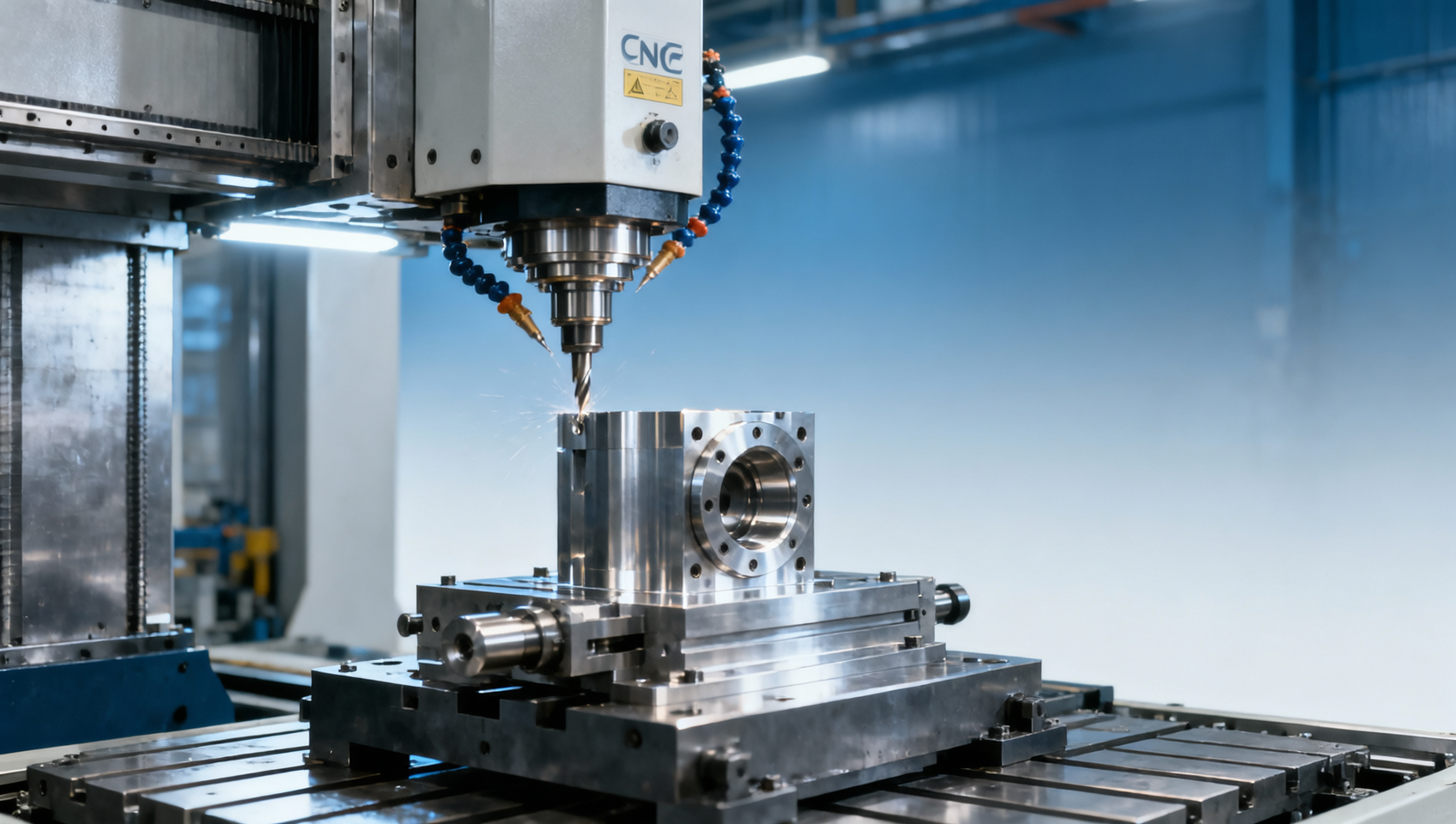
CNC cutting plays a direct role in both part cost and lead time across the Manufacturing Industry, influencing material use, tool wear, setup complexity, and production efficiency. For buyers, operators, and decision-makers in industrial CNC and CNC metalworking, understanding these factors is essential to improving the production process, controlling budgets, and supporting faster, more reliable automated production.
In practical sourcing and production environments, the impact of CNC cutting is rarely limited to machine time alone. A part that looks simple on a drawing may require multiple setups, specialty tools, tight tolerances, or additional finishing steps that raise total cost by 20% to 60% and extend delivery from a few days to several weeks. For procurement teams and technical evaluators, this is why part geometry, batch size, material grade, and machining strategy must be reviewed together rather than in isolation.
For machine operators and production planners, the same design can produce very different outcomes depending on spindle capability, toolpath programming, fixture design, and whether the work runs on a 3-axis, 4-axis, or 5-axis platform. In high-mix manufacturing, even a 15-minute reduction in setup time can change quoting logic and improve delivery reliability across multiple orders.
This article explains how CNC cutting affects part cost and lead time from a manufacturing and purchasing perspective. It focuses on the real variables that influence pricing, delivery schedules, and process stability in global CNC machining, precision metalworking, and automated production environments.
Key Cost Drivers in CNC Cutting
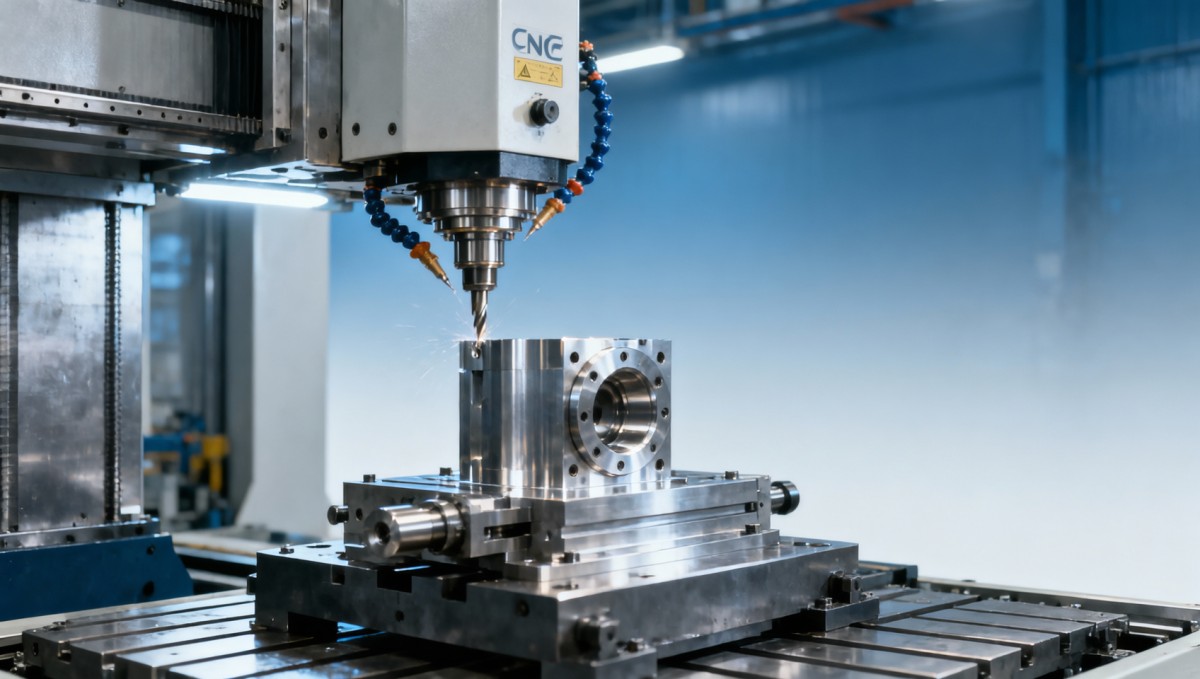
The cost of CNC cutting is built from several layers: raw material, machine time, tooling, setup, labor, inspection, and secondary processing. In many workshops, machine time accounts for 30% to 50% of the quoted price, but this ratio changes when the part requires special materials, fine surface finishes, or repeat inspection. A low-cost material can still become an expensive job if the geometry creates long cycle times or unstable cutting conditions.
Material choice is one of the first factors buyers should evaluate. Aluminum is generally faster to cut than stainless steel, titanium, or hardened alloy steel. A part made from 6061 aluminum may machine 2 to 4 times faster than an equivalent part in 304 stainless steel, depending on wall thickness, depth of cut, and required finish. Faster cutting typically reduces spindle hours, lowers tool wear, and shortens delivery planning.
Part geometry also has a strong effect on cost. Deep pockets, thin walls, internal corners, small radii, and undercuts usually increase cycle time. Features that require long-reach tools or multiple tool changes often reduce feed rates and increase the risk of chatter. If a part needs 8 tool changes instead of 3, the cost increase may not look dramatic per cycle, but across 500 pieces it becomes commercially significant.
Tolerance requirements are another major pricing lever. Holding a tolerance of ±0.10 mm is very different from holding ±0.01 mm on the same feature. Tighter control may require slower cutting parameters, in-process measurement, thermal stabilization, and final inspection with a CMM or high-precision gauge. These steps improve quality, but they also add process time and cost.
How feature complexity changes machining cost
The table below outlines how common design features influence CNC cutting cost in production settings. These are typical manufacturing patterns rather than fixed rules, but they help procurement teams estimate why two parts of similar size can have very different quotations.
The main takeaway is that cost does not depend only on part size. Complexity per feature often matters more than part volume, especially in precision manufacturing where scrap risk, tool breakage, and inspection effort directly influence the final quotation.
Four practical cost checkpoints for buyers
- Check whether the drawing calls for unnecessarily tight tolerances on non-critical features.
- Confirm if all edges require finishing, deburring, or cosmetic surface treatment.
- Review whether material grade can be standardized across multiple parts or projects.
- Ask if geometry can be adapted to reduce setups from 3 operations to 1 or 2.
Why CNC Cutting Decisions Extend or Shorten Lead Time
Lead time in CNC machining includes more than the cutting cycle. It usually covers drawing review, CAM programming, fixture preparation, tool allocation, machine scheduling, first article verification, production, inspection, and packing. For a simple repeat job, the total lead time may be 3 to 7 working days. For a new complex precision part, it can extend to 2 to 4 weeks even before external finishing is added.
Setup complexity is one of the biggest reasons lead time expands. If a part can be machined in one clamping on a multi-axis machine, the workflow is usually faster and more stable. If it needs 3 separate setups across different machines, each handoff creates waiting time, alignment checks, and added inspection. This affects not only speed but also schedule predictability for procurement teams managing delivery commitments.
Tool availability also matters. Standard end mills, drills, and inserts are usually easy to source, but custom form tools, micro-tools, or tools for hard materials may require extra preparation time. In some cases, waiting 2 to 5 days for the right tool creates more lead time pressure than the machining cycle itself. Shops with better tooling management often deliver faster because they reduce these hidden delays.
Programming and verification are equally important. A part with freeform surfaces, compound angles, or collision-sensitive toolpaths may require several hours of CAM work and simulation. For aerospace, energy, and electronics components where repeatability matters, the first article approval step can add another 1 to 2 days. Fast delivery is realistic only when process planning is mature and design risk is controlled early.
Typical lead time contributors in CNC production
The following table shows how common production elements affect delivery timing in machine shops serving industrial, automotive, electronics, and precision equipment sectors.
These timing elements explain why two suppliers can quote different lead times for the same drawing. The more integrated the production flow, the more likely the supplier can compress preparation stages without increasing process risk.
Lead time reduction methods used in advanced workshops
- Standardize fixtures and tooling for repeat part families to reduce setup from 60 minutes to 20 minutes.
- Use offline programming and simulation so CAM work is completed before the machine becomes available.
- Group similar materials and cutting parameters in the production schedule to limit tool changes and machine cleaning.
- Introduce in-process probing to reduce manual rechecks and speed up first-piece confirmation.
How Part Design and Process Planning Influence Both Cost and Delivery
Design for manufacturability has a direct impact on CNC cutting economics. Engineers often focus on function, while suppliers must also think about clamping access, tool reach, chip evacuation, and dimensional stability. A small design adjustment can lower production cost by 10% to 30% and reduce lead time by several days without changing the part’s core performance.
Corner radius is a common example. If a pocket uses an internal radius smaller than standard tooling allows, the shop may need a micro-tool, lower step-over, and additional finishing passes. Increasing the internal radius by even 0.5 mm can allow a stronger cutter, higher feed rate, and better tool life. The same logic applies to hole depth, thread length, wall thickness, and unsupported slender features.
Process planning must also match the production volume. For prototypes and low-volume runs, shops may accept a more manual approach because tooling investment is limited. For batches of 200, 500, or 2,000 pieces, dedicated fixtures, pallet systems, and tool presetting become more attractive because they improve consistency and reduce per-part cost over time.
This is especially relevant in smart manufacturing environments where CNC machine tools connect with automated loading, digital scheduling, and quality traceability. A well-planned process not only reduces cycle time but also lowers unplanned downtime, which can disrupt delivery windows across an entire production line.
Design choices that help control machining results
When reviewing a drawing with a CNC supplier, the following design points usually deserve early discussion:
- Use standard drill sizes and thread depths whenever possible to avoid custom tooling and repeated tool changes.
- Limit cosmetic surface finish requirements to visible or functionally critical areas instead of the full part.
- Reduce unnecessary multi-side features that force repeated re-clamping and datum transfer inspection.
- Define critical tolerances selectively, rather than applying precision levels to every non-functional feature.
Prototype versus batch production logic
A prototype often carries higher unit cost because setup, programming, and inspection are spread over only 1 to 5 pieces. In contrast, a batch order of 100 pieces may absorb those same fixed costs much more efficiently. This is why unit price can drop sharply after the first production run, especially when the process has already been proven and tooling offsets are validated.
For commercial evaluation teams, the best question is not only “What is the piece price?” but also “How much of this quote is one-time setup versus repeat production cost?” That distinction helps compare suppliers more accurately and supports better long-term sourcing decisions.
Procurement and Operations Strategies to Balance Price, Quality, and Speed
For procurement professionals, choosing a CNC supplier should involve more than a simple low-price comparison. An aggressive quote can become expensive if it leads to late delivery, unstable quality, or repeated clarification cycles. A balanced sourcing decision should evaluate technical fit, machine capability, quality control, communication speed, and the supplier’s ability to manage both prototype and production volumes.
Operations teams should also verify whether the supplier’s equipment matches the part family. A shop focused on general 3-axis milling may struggle with complex 5-axis contours or tight positional tolerances. Likewise, a highly automated line is not always the best option for low-volume, frequently changing orders. Matching machine capability to order profile is one of the fastest ways to avoid hidden cost growth.
Communication quality influences lead time more than many buyers expect. Missing tolerancing notes, unclear surface finish requirements, or delayed approval of first article reports can easily add 2 to 5 days to a project. Early technical review meetings, shared revision control, and agreement on inspection points reduce these losses.
In global CNC machining trade, supplier responsiveness also matters. When sourcing across regions such as China, Germany, Japan, or South Korea, buyers should consider not only production strength but also time zone coordination, export packing standards, and whether the supplier can support dimensional reports, material certificates, and shipping milestones without delay.
Supplier evaluation checklist for CNC cutting orders
The table below provides a practical framework for procurement, engineering, and business evaluation teams comparing CNC machining partners for precision parts and industrial components.
A strong supplier is not simply one with advanced machines. The better partner is usually the one that can translate drawing intent into a controlled process with predictable delivery, transparent communication, and scalable production planning.
Five sourcing actions that improve project outcomes
- Share 2D drawings, 3D files, material requirements, and finish standards together at RFQ stage.
- Ask suppliers to separate setup cost, machining cost, and secondary process cost in the quote.
- Confirm whether quoted lead time is for machining only or includes inspection, coating, and shipment.
- Request DFM suggestions before order release when the part has thin walls, deep pockets, or tight tolerances.
- Review reorder pricing and repeat lead time for annual demand planning, not only the first batch.
Common Questions and Risk Points in CNC Cutting Projects
Even experienced buyers and operators face recurring questions when CNC cutting projects move from quotation to production. Many cost overruns do not come from one major error, but from several small assumptions that were never clarified. Understanding these common risk points helps both technical and commercial teams build more reliable sourcing plans.
One common misconception is that faster cutting always means lower cost. In reality, pushing feed and speed beyond a stable range can increase tool wear, reduce dimensional consistency, and create scrap. If a shop has to remake 3 parts out of every 50 because the process window is too aggressive, the apparent cycle-time gain may disappear.
Another risk is assuming that all tolerances carry equal value. Over-specifying flatness, concentricity, or surface roughness on every feature can slow the process and increase inspection load without improving the final application. This is particularly important in sectors such as automotive fixtures, industrial automation parts, and electronics housings where some dimensions are functional while others are simply reference dimensions.
Lead time risk also rises when secondary processes are ignored during planning. Heat treatment, anodizing, black oxide, passivation, or grinding may each add 2 to 7 days depending on supplier queues and transport. If these steps are not reflected in the initial schedule, the final delivery date can easily slip.
How can buyers reduce unexpected CNC machining cost?
Start by reviewing whether the part uses standard materials, realistic tolerances, and accessible features for cutting tools. Ask for manufacturability feedback before final release. On many projects, one early design revision can remove a special setup or reduce tooling complexity, which may lower total cost by 10% to 25% depending on part type and order volume.
What lead time is typical for CNC metal parts?
Simple repeat parts can often be produced in 3 to 7 working days. New medium-complexity parts commonly need 7 to 15 working days, especially when first article inspection is required. Complex parts with finishing or outsourced treatments often need 2 to 4 weeks. Actual timing depends on material stock, fixture readiness, machining load, and quality documentation requirements.
When is 5-axis machining worth the extra cost?
5-axis machining is often justified when it can reduce 3 setups to 1, improve surface access, or eliminate custom fixtures. Although hourly machine rates may be higher, the total job cost can be lower if setup time, repositioning errors, and manual handling are reduced. This is common in aerospace brackets, impeller-like geometries, and complex automation components.
Frequent project mistakes to avoid
- Releasing RFQs without clear revision control or complete surface finish notes.
- Comparing quotations without checking what is included in inspection and post-processing.
- Choosing the lowest piece price without evaluating repeatability and delivery discipline.
- Ignoring setup logic when estimating prototype-to-production transition cost.
CNC cutting affects part cost and lead time through a connected set of variables: material machinability, feature complexity, tolerance level, setup count, tooling strategy, programming effort, and inspection depth. For industrial buyers, operators, and business evaluators, the most effective approach is to assess the full production chain rather than focusing on machine time alone.
A better CNC result usually comes from early design review, realistic tolerance planning, aligned machine capability, and transparent supplier communication. Whether you are sourcing prototype parts, repeat production components, or precision metalworking solutions for automated manufacturing, careful process evaluation can improve both delivery confidence and total cost control.
If you want to reduce machining cost, shorten lead time, or compare CNC production options more effectively, now is the right time to discuss your drawings, volume targets, and technical requirements with an experienced manufacturing partner. Contact us to get a tailored solution, review your part design, and learn more about CNC machining strategies that fit your production goals.
PREVIOUS ARTICLE
NEXT ARTICLE
Recommended for You
 How to Choose the Right Metal Machining ProcessCNC Machining Technology Center
 Metal Machining vs CNC Metalworking: What MattersCNC Machining Technology Center
 What Drives Cost in Industrial CNC ProjectsManufacturing Market Research Center
 Is Industrial CNC Worth Upgrading in 2026Machine Tool Industry Editorial Team
 How CNC Industrial Systems Improve Shop EfficiencyMachine Tool Industry Editorial Team
 CNC Industrial Setup Mistakes to Avoid FirstCNC Machining Technology Center

Aris Katos
Future of Carbide Coatings
15+ years in precision manufacturing systems. Specialized in high-speed milling and aerospace grade alloy processing.
▶
How CNC Cutting Affects Part Cost and Lead TimeCNC Machining Technology Center▶
CNC Cutting Errors That Damage Surface FinishCNC Machining Technology Center▶
Domestic PLM Systems Drive Green Transition in Coatings & CNC Tool CoatingCNC Machining Technology Center▶
High Temperature Alloy Cutting Tools Wear Out for Hidden ReasonsCNC Machining Technology Center▶
CNC Cutting Gas Choice Affects More Than Edge FinishCNC Machining Technology Center
Mastering 5-Axis Workholding Strategies
Join our technical panel on Nov 15th to learn about reducing vibrations in thin-wall components.

Providing you with integrated sanding solutions
Before-sales and after-sales services
Comprehensive technical support