• Global CNC market projected to reach $128B by 2028 • New EU trade regulations for precision tooling components • Aerospace deman
NYSE: CNC +1.2%LME: STEEL -0.4%

CNC Cutting Errors That Damage Surface Finish
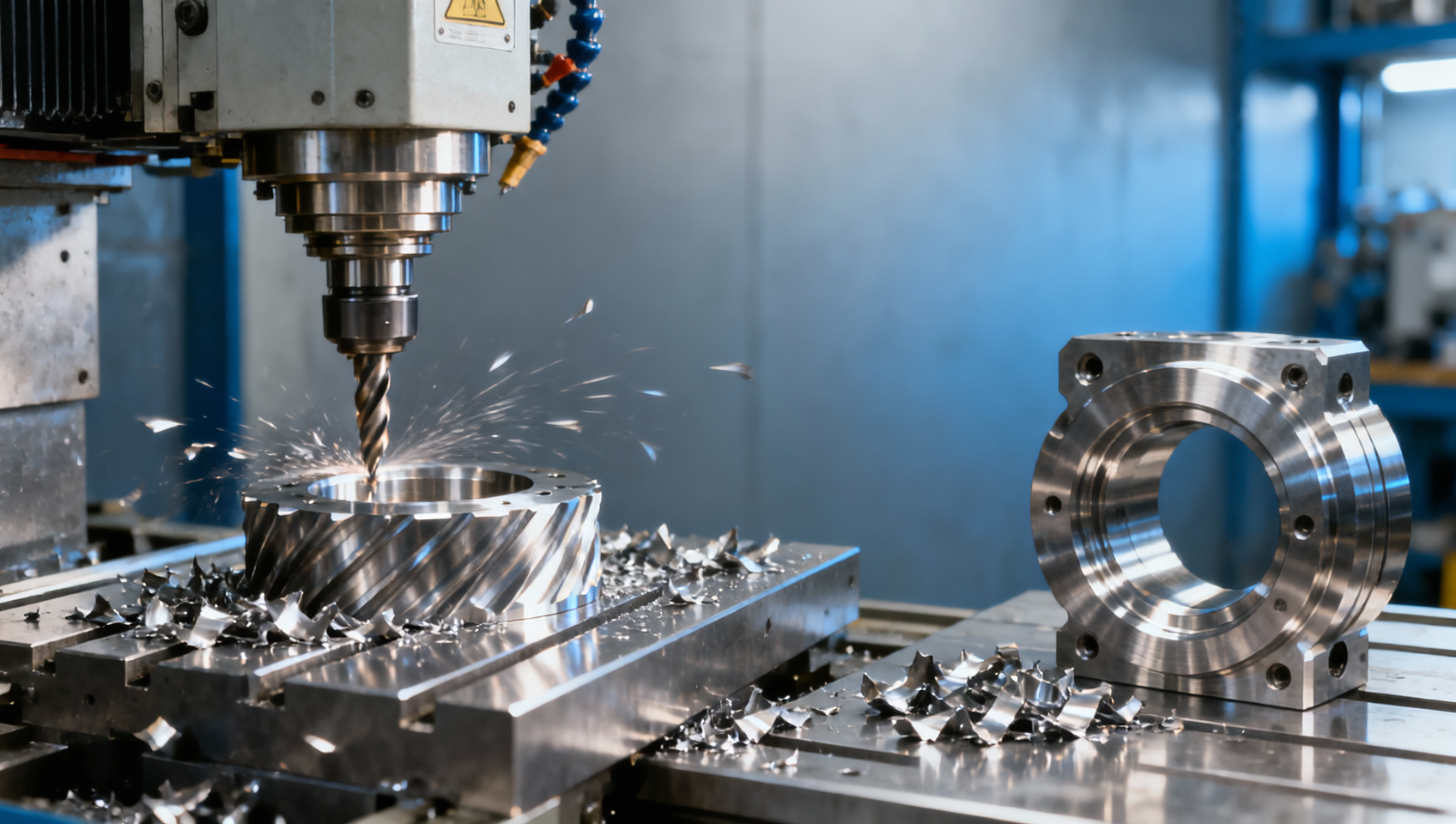
Even minor CNC cutting errors can ruin surface finish, increase scrap, and disrupt the production process in modern metal machining. From CNC milling and automated lathe operations to complex industrial CNC systems, understanding these issues is critical for better part quality, longer tool life, and more reliable automated production. This article explores the most common causes and how manufacturers can prevent them.
For machine operators, process engineers, sourcing teams, and business evaluators, surface finish is not only a quality issue. It directly affects dimensional compliance, downstream coating or assembly performance, customer acceptance, and the total cost per part. In sectors such as automotive, aerospace, energy equipment, and electronics manufacturing, a roughness shift from Ra 0.8 μm to Ra 3.2 μm can turn a sellable part into scrap or force an expensive rework cycle.
In global CNC machining environments, the root cause is rarely a single factor. Surface damage often comes from a chain of process mistakes: unstable cutting parameters, tool wear, poor chip evacuation, weak workholding, thermal variation, or programming errors. A practical prevention strategy must connect machine capability, tooling, setup discipline, and inspection routines across the full production workflow.
Why Surface Finish Errors Matter in CNC Production
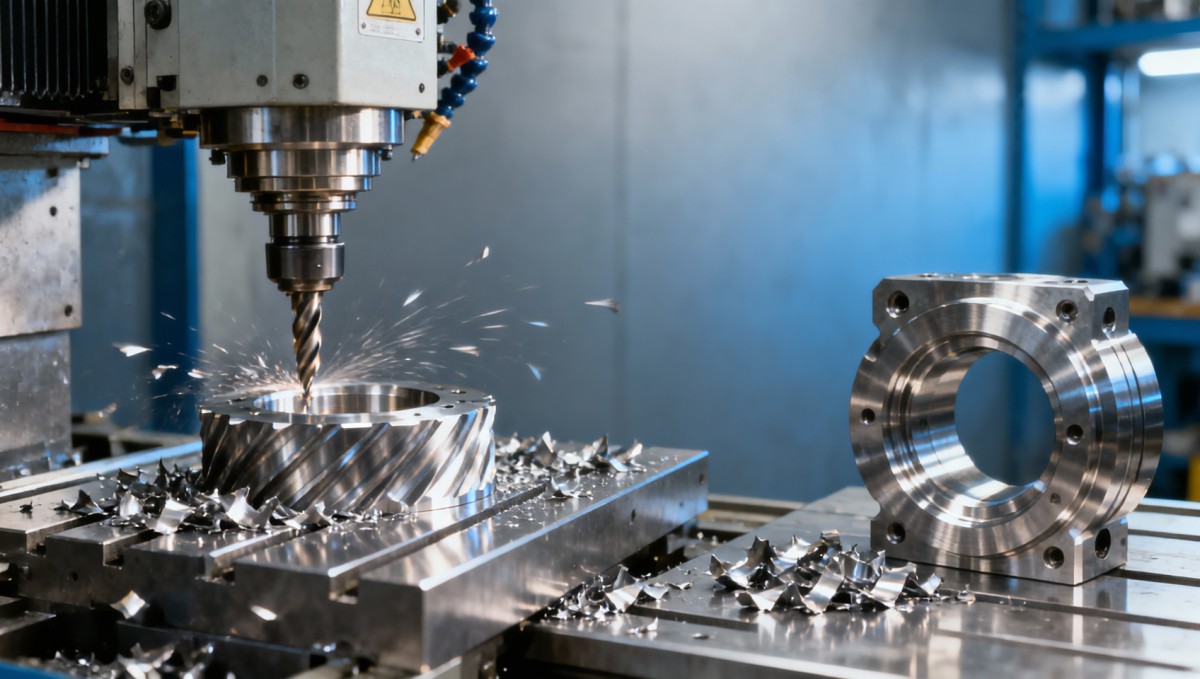
Surface finish is a visible indicator of process stability. In CNC turning, milling, and multi-axis machining, marks such as chatter lines, tearing, burr formation, smearing, and built-up edge traces usually signal deeper problems in cutting dynamics. These defects are not cosmetic alone. They can reduce fatigue strength, increase friction, weaken sealing performance, and interfere with precision assembly where tolerances may be held within ±0.01 mm to ±0.05 mm.
For operators, the most immediate effect is inconsistent output. A line that produces 200 parts per shift can lose 5% to 12% productivity when surface defects trigger tool changes, process pauses, manual polishing, or dimensional rechecks. In automated lathe and machining center operations, even a minor finish issue can spread quickly across a batch before the problem is detected, especially during unattended night shifts.
For procurement and commercial teams, poor finish quality changes the cost model. A lower-cost insert, holder, or fixture may appear attractive during sourcing, but if it shortens tool life by 20% or increases scrap by 3% to 6%, the real part cost rises. Surface finish therefore should be treated as a purchasing and risk-control parameter, not only as a shop-floor inspection item.
In precision manufacturing, finish requirements vary by application. General structural components may accept Ra 3.2 μm to Ra 6.3 μm, while sealing surfaces, bearing seats, and visible consumer-facing metal parts may require Ra 0.8 μm, Ra 0.4 μm, or better. Matching process capability to actual finish targets is essential before setting cycle time, tooling, and machine loading plans.
Typical production impact of poor surface finish
The table below shows how common finish-related issues affect production economics and process control in CNC machining environments.
The key takeaway is that surface finish problems amplify across quality, capacity, and cost. A defect that seems minor at the machine often becomes a scheduling, purchasing, and delivery problem once it reaches final inspection or customer approval.
The Most Common CNC Cutting Errors That Damage Surface Finish
Most finish defects can be traced to a small group of repeat errors. In many shops, the first is incorrect cutting parameter selection. Excessive feed per tooth, overly low cutting speed, or depth of cut that exceeds machine-tool rigidity can cause waviness, tearing, or vibration marks. For example, increasing feed from 0.08 mm/rev to 0.20 mm/rev in finish turning may improve output speed, but it can quickly push the surface beyond the required Ra target if the nose radius and material condition are not matched.
The second frequent error is using a worn or inappropriate tool. A flank wear land above about 0.2 mm to 0.3 mm in finishing operations often produces heat buildup, edge rounding, and poor chip control. In aluminum machining, a tool without proper edge sharpness can create built-up edge. In stainless steel or alloy steel, the wrong coating or geometry can increase rubbing instead of cutting, leaving smeared surfaces and unstable finish values across the part.
A third problem is poor clamping and setup rigidity. Workpiece overhang, weak chucking pressure, fixture distortion, or unsupported thin-wall sections can generate micro-movement during machining. Even if the machine spindle and axis accuracy are acceptable, a flexible setup can introduce chatter and taper, especially in shafts, discs, and thin structural parts common in automotive and energy equipment production.
Programming and toolpath mistakes are also major contributors. Sharp toolpath direction changes, poor step-over settings, missing finish allowances, or incorrect lead-in and lead-out strategies can leave witness lines and transition marks. In 3-axis and 5-axis milling, a finishing pass with a step-over of 0.6 mm may be acceptable on one geometry but too aggressive on a visible or sealing surface that requires a much finer cusp height.
Error categories operators should check first
- Cutting data mismatch: spindle speed, feed rate, and depth of cut are not aligned with material hardness, tool geometry, and finish target.
- Tool condition issues: insert wear, chipped edge, incorrect nose radius, or wrong grade for carbon steel, stainless steel, cast iron, or aluminum.
- Machine and fixture instability: spindle runout, backlash, loose holders, weak fixtures, or excessive workpiece overhang above 3× diameter in turning.
- Coolant and chip evacuation problems: poor flow, wrong concentration, or chips recutting into the finished surface.
- Programming mistakes: incorrect finish allowance, step-over, tool compensation, or path smoothing settings in CAM output.
Material-specific risk is often underestimated
Different materials fail in different ways. Aluminum tends to suffer from built-up edge and smearing. Stainless steel often generates heat and work hardening. Hardened steels can reveal vibration and micro-chipping quickly. Cast iron may show inconsistent texture when tool wear or edge integrity is poor. That is why a parameter set that works for one family of parts may fail immediately when transferred to another production program.
How to Diagnose Surface Finish Problems on the Shop Floor
Effective diagnosis starts with separating appearance from cause. A rough surface can result from vibration, rubbing, thermal growth, or chip damage, but the visible pattern gives clues. Regular, wave-like spacing often points to chatter or spindle-related instability. Random scratches may suggest chip recutting or contamination. A shiny but smeared surface can indicate built-up edge, low cutting efficiency, or incorrect coolant behavior.
A practical method is to review four checkpoints in sequence: tool, setup, program, and machine condition. This reduces trial-and-error changes that waste hours on production lines. In many CNC environments, teams change speed or feed first, but if the holder runout is already above 0.01 mm or the fixture is distorting the part, parameter tuning alone will not solve the finish problem.
Measurement should combine visual inspection and basic data. Surface roughness testers, microscope checks on the cutting edge, spindle load trends, and first-part-to-last-part comparisons across a lot of 20 to 30 pieces can reveal whether the issue is progressive wear or immediate setup instability. When available, machine monitoring data such as vibration alarms, spindle power spikes, or coolant pressure drops can shorten troubleshooting time significantly.
For sourcing and operations managers, the diagnosis process should also include consumables and supplier consistency. If finish variation increases after switching insert brand, holder type, coolant supplier, or workholding components, the issue may be linked to compatibility rather than operator error alone.
A fast diagnostic checklist
The following checklist helps machining teams narrow the root cause before changing multiple variables at once.
This sequence is useful because it turns a vague quality complaint into a repeatable troubleshooting routine. Shops that document these four checks often reduce reaction time from several hours to less than 30 minutes for recurring finish issues.
When to suspect the machine instead of the program
If the same toolpath and material previously produced acceptable finish, but a later batch fails without parameter changes, machine condition should be reviewed. Common causes include spindle bearing wear, axis backlash, poor lubrication, thermal drift after 2 to 4 hours of continuous operation, or a toolholder taper problem. These faults usually appear as unstable finish across identical parts, not as a one-time mark on a single component.
Process Adjustments That Improve Surface Finish and Tool Life
Improvement should focus on controlled adjustments rather than broad changes. Start with the cutting edge. Select the right insert geometry, edge preparation, and nose radius for the material and finish target. A sharper edge is often better for aluminum and softer alloys, while tougher geometries may be needed for interrupted cuts in steel. In finish turning, a larger nose radius can improve finish, but if the setup lacks rigidity it may also increase chatter, so the change must be balanced.
Next, optimize cutting data within practical ranges. Many shops use roughing parameters too close to finishing passes, which damages the final surface. A controlled finishing pass with lower depth of cut, more stable feed, and proper speed often produces a better result than trying to save 5 to 10 seconds per part. In milling, reducing step-over and using constant engagement paths can lower tool load variation and create more uniform surface texture.
Coolant strategy also matters. Flood coolant, through-tool delivery, minimum quantity lubrication, or dry cutting all have valid applications, but the wrong choice can worsen finish. Stainless steel may benefit from better heat control, while cast iron often requires a clean dry process to avoid abrasive slurry. Whatever method is used, chip evacuation must be reliable enough to prevent chips from being dragged back across the surface.
Finally, build finish quality into the process plan. Instead of checking roughness only at final inspection, measure it during setup approval, after the first 5 parts, and at defined intervals such as every 25 or 50 parts in longer runs. This is especially important in automated production lines where unattended machining can multiply a small error into a large quality loss.
Recommended improvement actions
- Separate roughing and finishing tools or at least separate parameter windows so the final pass is not compromised by a roughing-oriented setup.
- Limit unnecessary overhang in tools and workpieces. Even a reduction from 80 mm to 50 mm can improve rigidity noticeably in small-part turning and milling.
- Standardize tool change criteria based on wear, part count, or spindle load trend instead of waiting for visible finish failure.
- Use trial cuts with 3 to 5 parameter combinations when introducing new material lots or complex geometries rather than copying legacy settings blindly.
- Introduce in-process verification for critical surfaces, especially those requiring Ra 1.6 μm or below.
Balancing cycle time and finish quality
The best process is rarely the fastest one in pure machining seconds. A cycle reduced by 8% may seem attractive, but if it raises insert consumption, adds deburring work, or causes one rejected part in every 40 pieces, overall equipment efficiency can fall. The goal is stable production over full batches, not just a short individual cycle.
What Buyers and Production Managers Should Evaluate Before Choosing CNC Equipment or Suppliers
Surface finish quality does not depend only on the operator. It is strongly influenced by machine capability, tooling system quality, fixture design, software support, and supplier process control. For buyers evaluating CNC equipment, contract manufacturers, or production line upgrades, finish performance should be reviewed as a capability package rather than a single brochure claim.
A good evaluation starts with application fit. The requirements for a high-volume automotive shaft are different from those for aerospace structural parts or electronics housings. Buyers should ask whether the machine or supplier can repeatedly hold the required roughness range, tolerance band, and batch consistency over actual production lengths, such as 500 parts per week or mixed-batch low-volume runs.
Commercial teams should also examine the support system behind finish quality. This includes process documentation, tool management methods, fixture repeatability, inspection frequency, and response time when defects appear. A supplier with a 24 to 48 hour corrective-action loop and clear trial-part approval standards often delivers lower operational risk than one offering a lower quote but weak process transparency.
For internal investment decisions, digital integration matters more than before. CNC systems connected to tool life monitoring, MES data capture, or basic condition monitoring can detect shifts in spindle load or cycle stability earlier. In smart factory environments, this reduces the chance that a finish problem will continue unnoticed across multiple machines or shifts.
Evaluation factors for purchasing and supplier selection
The table below provides a practical framework for buyers and plant managers comparing CNC equipment, machining vendors, or process upgrade proposals.
This kind of evaluation helps shift the decision from unit price alone to total process capability. In precision manufacturing, stable finish quality often determines whether a supplier can scale from trial quantities to reliable series production.
Common procurement mistakes
- Comparing only machine power or spindle speed without checking rigidity, thermal behavior, and finishing stability.
- Assuming all tooling systems deliver the same finish quality when holder precision and insert consistency can vary significantly.
- Approving suppliers based on sample parts only, without reviewing repeatability over 30, 100, or 500-part production runs.
- Ignoring service responsiveness, which becomes critical when finish defects threaten delivery schedules.
FAQ: Practical Questions About CNC Surface Finish Problems
Many finish issues repeat across industries, but the best response depends on the material, machine, tool system, and production model. The questions below reflect common concerns from researchers, operators, buyers, and business decision-makers in CNC machining and automated manufacturing.
How do I know whether chatter or tool wear is causing the poor finish?
Chatter usually leaves rhythmic, repeating wave marks and often comes with audible vibration or unstable spindle load. Tool wear more often creates progressive deterioration, heat marks, smearing, or burr increase over time. If the first 3 to 5 parts look acceptable and later parts degrade, tool wear is more likely. If the defect appears immediately after setup, suspect rigidity, path strategy, or parameter mismatch first.
What roughness targets are common in CNC machining?
Typical machined finishes range from Ra 6.3 μm for non-critical surfaces to Ra 1.6 μm or Ra 0.8 μm for precision fits, sealing faces, or visible metal parts. Some specialized applications require Ra 0.4 μm or lower, often with carefully controlled finishing passes or secondary processes. The right target should be based on function, not only appearance, because tighter finish requirements can increase machining time and tool cost.
Can coolant alone solve surface finish problems?
Usually not. Coolant can improve heat control, lubrication, and chip evacuation, but it cannot compensate for wrong geometry, unstable fixturing, or excessive wear. In many cases, coolant helps only after the tool, holder, program, and setup are already correct. A useful rule is to treat coolant as one of 4 core finish factors: tool, setup, path, and thermal control.
How often should surface finish be checked in production?
For critical parts, check during first-article approval, after the initial 5 pieces, and then at defined intervals such as every 25 to 50 parts, depending on batch size and tool life stability. In automated or unattended machining, more frequent checks may be needed at the start of a run until process capability is proven. The inspection interval should reflect risk, not convenience.
CNC cutting errors that damage surface finish usually come from controllable sources: poor parameter selection, worn tools, weak setups, chip recutting, and incomplete process verification. Companies that address these factors systematically can reduce scrap, protect tool life, and improve consistency across machining centers, CNC lathes, and automated production lines.
If you are evaluating CNC equipment, optimizing a machining process, or comparing production partners, a finish-focused review can reveal hidden risks before they become delivery or quality problems. To discuss application-specific requirements, get a customized machining solution, or learn more about CNC manufacturing and precision production strategies, contact us for detailed support.
NEXT ARTICLE
Recommended for You
 How to Choose the Right Metal Machining ProcessCNC Machining Technology Center
 Metal Machining vs CNC Metalworking: What MattersCNC Machining Technology Center
 What Drives Cost in Industrial CNC ProjectsManufacturing Market Research Center
 Is Industrial CNC Worth Upgrading in 2026Machine Tool Industry Editorial Team
 How CNC Industrial Systems Improve Shop EfficiencyMachine Tool Industry Editorial Team
 CNC Industrial Setup Mistakes to Avoid FirstCNC Machining Technology Center

Aris Katos
Future of Carbide Coatings
15+ years in precision manufacturing systems. Specialized in high-speed milling and aerospace grade alloy processing.
▶
How CNC Cutting Affects Part Cost and Lead TimeCNC Machining Technology Center▶
CNC Cutting Errors That Damage Surface FinishCNC Machining Technology Center▶
Domestic PLM Systems Drive Green Transition in Coatings & CNC Tool CoatingCNC Machining Technology Center▶
High Temperature Alloy Cutting Tools Wear Out for Hidden ReasonsCNC Machining Technology Center▶
CNC Cutting Gas Choice Affects More Than Edge FinishCNC Machining Technology Center
Mastering 5-Axis Workholding Strategies
Join our technical panel on Nov 15th to learn about reducing vibrations in thin-wall components.

Providing you with integrated sanding solutions
Before-sales and after-sales services
Comprehensive technical support