• Global CNC market projected to reach $128B by 2028 • New EU trade regulations for precision tooling components • Aerospace deman
NYSE: CNC +1.2%LME: STEEL -0.4%

Metal Machining Bottlenecks That Slow Delivery More Than Expected
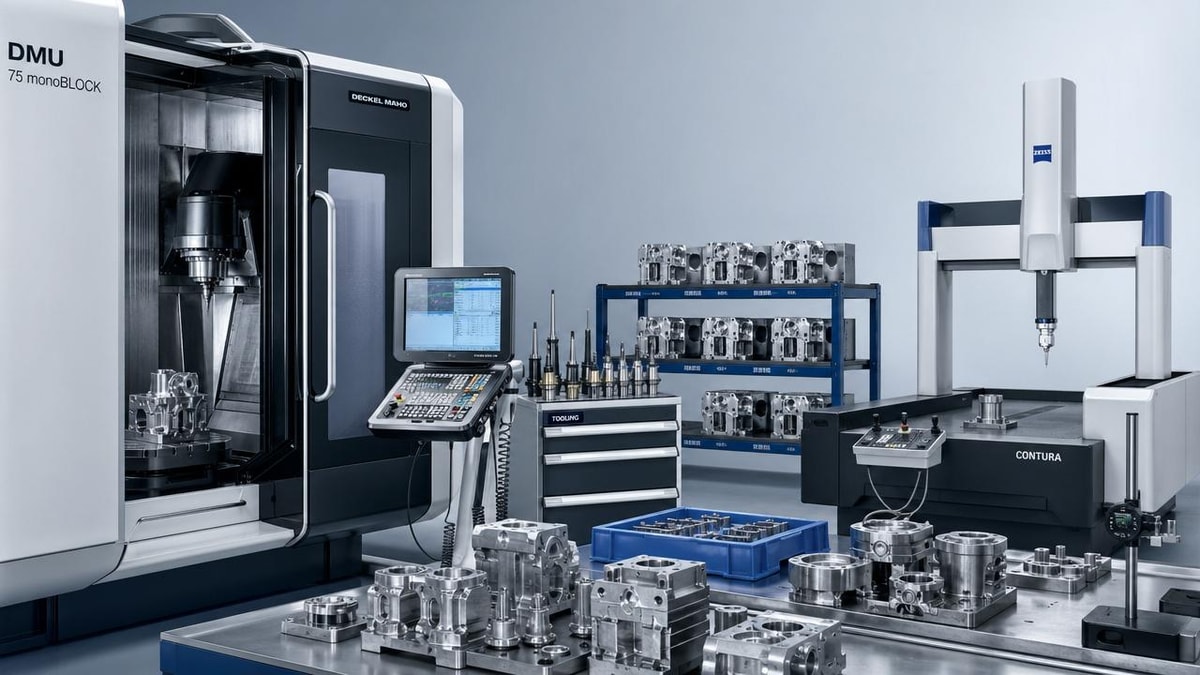
In metal machining, delivery delays often come from bottlenecks that stay hidden until schedules begin to slip. For project managers and engineering leads, understanding where capacity, tooling, programming, or quality control slow production is essential to protecting timelines, costs, and customer commitments. This article explores the most overlooked causes and how to reduce their impact before they affect final delivery.
Why metal machining delivery slips even when machine capacity looks sufficient
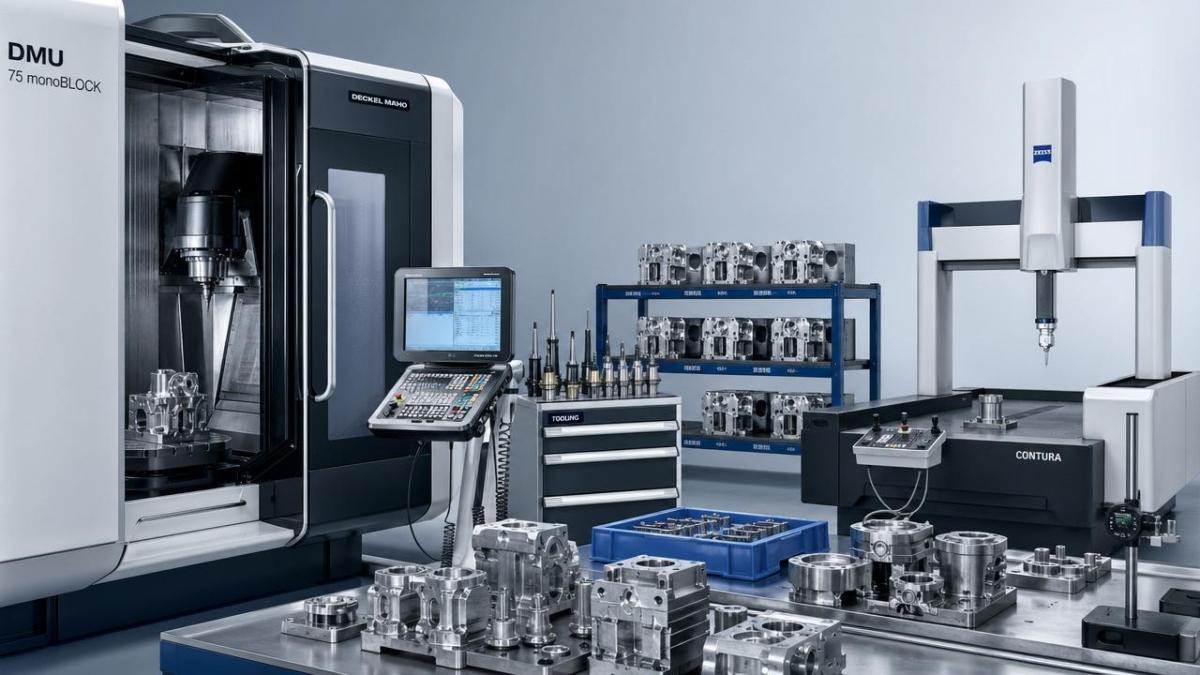
In many CNC-driven production environments, late delivery is not caused by a single dramatic failure. The more common pattern is a chain of smaller constraints inside metal machining: CAM programming queues, fixture availability, first-article approval delays, tool wear, inspection hold points, and changeover losses. On paper, spindle hours may appear available. In practice, usable capacity is much lower.
This matters across automotive, aerospace, energy equipment, electronics, and custom industrial parts because modern machining projects rely on more than raw machine time. Multi-axis systems, CNC lathes, machining centers, tool libraries, automation interfaces, and quality documentation all have to move in sync. If one node falls behind, the entire schedule stretches.
For project leaders, the risk is not only late shipment. A hidden bottleneck in metal machining can trigger premium freight, overtime, quality escapes, customer escalations, and poor equipment utilization. The real management task is to identify where theoretical throughput differs from actual throughput.
- A machine may be technically free, but unavailable because setup personnel are tied to another urgent order.
- A finished batch may wait for CMM inspection, material traceability review, or customer-specific documentation.
- A high-precision part may require stable tooling, fixture validation, and process capability checks before volume production can begin.
Which bottlenecks in metal machining usually create the biggest schedule impact?
The most damaging constraints are often outside the machining cycle itself. Project managers who only track cutting time can miss the real cause of delayed output. The table below summarizes common bottlenecks in metal machining and the delivery impact they create.
For many engineering projects, the highest risk lies in handoffs. A part may complete on a machining center exactly on schedule but still miss shipment because fixture validation took two extra days or subcontracted coating returned late. Effective delivery management in metal machining requires visibility across the full route, not only the CNC cell.
Programming queues are often underestimated
Complex parts for aerospace structures, energy components, or electronics housings often require simulation, collision checks, and optimization before release. When one experienced programmer supports several machines, a delayed program can starve expensive equipment. This is especially common in mixed production where high-mix, low-volume orders compete with repeat jobs.
Setup and fixturing consume more time than dashboards show
ERP systems may report standard setup hours, but real setup includes locating jaws, balancing tools, proving offsets, checking clamping repeatability, and verifying the first part. For precision metal machining, setup stability often determines whether the batch runs smoothly or generates scrap and rework.
How project managers can identify the real constraint before delivery is at risk
A practical way to manage metal machining lead time is to separate visible production time from hidden queue time. Most delays accumulate in waiting stages. A job may spend only eight hours being machined but three days waiting for tools, approval, or inspection. This difference is where schedule recovery starts.
- Map the full route from raw material receipt to final packing, including outsourced and quality gates.
- Measure queue time separately from processing time for each step in the metal machining workflow.
- Flag operations with high dependency on scarce skills such as 5-axis programming, CMM inspection, or fixture design.
- Review schedule assumptions against actual batch size, tolerance level, and surface finish requirements.
- Track change orders, drawing revisions, and engineering clarifications as lead-time events, not admin events.
This approach is especially valuable when parts move through digital and automated manufacturing systems. Even smart factory environments with robotic handling and flexible production lines still depend on accurate planning logic. Digital integration improves responsiveness, but it does not remove process bottlenecks by itself.
Watch the difference between utilization and flow
High machine utilization may look good, but overloaded resources usually increase queue time. In metal machining, flow is often more important than driving every asset to maximum occupancy. A lightly protected bottleneck resource, such as inspection or fixture preparation, can stabilize delivery more effectively than adding another rush job to a busy spindle.
What to evaluate when selecting a metal machining partner for shorter lead times
Supplier selection should go beyond machine lists. Many vendors can claim CNC capacity, but fewer can control the supporting system around metal machining: programming depth, fixture engineering, tool management, process documentation, and secondary operation coordination. The matrix below helps compare suppliers from a delivery-risk perspective.
For buyers in precision manufacturing, a supplier with fewer machines but stronger process control may outperform a larger shop with fragmented scheduling. In metal machining, dependable lead time is usually built on planning discipline, not brochure capacity.
Questions worth asking before placing an urgent order
- Which operation is currently the bottleneck for this part family: programming, setup, machining, inspection, or outside processing?
- What assumptions were used in the quoted lead time regarding material arrival and drawing freeze date?
- Will the first article be inspected on the same shift, or will it wait in a queue?
- What contingency exists if a tool breaks, a fixture needs correction, or a tolerance stack-up appears during proving?
Cost pressure versus lead time: where rushed metal machining becomes expensive
A common misconception is that the fastest delivery always comes from expediting machine time alone. In reality, rushed metal machining can create higher total project cost if it increases setup repetition, overtime, scrap, special freight, or fragmented batch flow. Project managers should compare the full cost of recovery actions, not only the unit price.
For example, splitting an order across multiple suppliers may shorten nominal machining time, but it can also create new quality alignment issues. Different fixture concepts, surface finish behavior, tool wear patterns, and measurement methods may force added inspection or sorting. Recovery plans should be judged on both speed and control.
Smarter alternatives to late-stage expediting
- Release long-lead material and tooling before final PO if the design is stable enough for controlled pre-planning.
- Approve a pilot batch early to validate fixturing, cutting conditions, and inspection strategy before volume launch.
- Use family-based scheduling for similar metal machining parts to reduce changeovers and programming duplication.
- Separate critical dimensions from cosmetic features when designing inspection gates so release decisions happen faster.
How standards, documentation, and quality control affect machining lead time
In regulated or technically demanding sectors, delivery speed depends heavily on documentation quality. Even when machining is complete, parts may not ship if certificates, material records, inspection reports, or revision controls are incomplete. This is particularly relevant for aerospace, energy, and high-precision industrial applications.
Common frameworks such as ISO 9001-based quality management, drawing revision control, gauge calibration discipline, and traceability procedures do not guarantee shorter lead times by themselves. However, they reduce the risk of late discovery problems. In metal machining, late discovery is one of the most expensive forms of delay because it appears after most value has already been added.
Documents that frequently block shipment
- Material certificates that do not match the released drawing or purchase specification.
- Inspection reports missing key dimensions, sampling logic, or operator sign-off.
- Uncontrolled drawing revisions still present at the machine or in the CAM file.
- Subcontract process records not returned in time for final package release.
FAQ: practical questions about metal machining bottlenecks and delivery control
How can I tell whether the bottleneck is machining time or pre-production preparation?
Ask for milestone dates covering programming release, tooling readiness, setup completion, first-article approval, in-process inspection, and secondary operations. If the cutting cycle is short but the start date keeps moving, the bottleneck is likely upstream. In many metal machining projects, delays start before the spindle turns.
What is the most overlooked risk when sourcing complex CNC parts?
The most overlooked risk is dependency on a scarce resource that is not visible in the quotation, such as an experienced 5-axis programmer, a CMM queue, or a custom fixture supplier. These dependencies often determine the real lead time more than the number of machines on the shop floor.
Should I split orders across multiple suppliers to reduce lead time?
Sometimes yes, but only after checking process consistency. If tolerances are tight, the part has multiple critical datums, or assembly fit is sensitive, splitting can create variation between lots. It is often better to divide by part family or operation type than to duplicate the same critical metal machining process without a common control plan.
What lead-time questions should be included in RFQ discussions?
Include questions on material lead time, tooling assumptions, fixture complexity, first-article timing, inspection capacity, outside processing, and whether the quoted schedule assumes frozen drawings. These questions expose hidden constraints early and improve supplier comparison.
Why choose us for insight, sourcing support, and metal machining project decisions
For project managers and engineering leaders, the hardest part is rarely finding a shop that can machine metal. The harder task is judging whether a supplier or production plan can deliver complex parts on time under real industrial conditions. Our platform focuses on the global CNC machining and precision manufacturing industry, with attention to machine tools, automation trends, process capability, market movement, and international supply chain dynamics.
If you are comparing metal machining options for automotive parts, aerospace structures, energy equipment components, electronics housings, or precision industrial assemblies, you can contact us to discuss practical topics such as:
- parameter confirmation for material, tolerance, surface finish, and batch size;
- supplier selection logic for CNC lathes, machining centers, and multi-axis work;
- delivery cycle evaluation based on tooling, fixtures, programming, and inspection flow;
- custom process route planning for complex parts and secondary operations;
- documentation and certification-related questions tied to traceability and quality release;
- sample support, quotation communication, and risk review before order placement.
When delivery pressure is high, better decisions come from earlier visibility. If you need help reviewing a machining schedule, comparing sourcing paths, or identifying hidden bottlenecks before they affect customer commitments, contact us with your drawing stage, quantity range, and timing target so the discussion can start from the right technical and commercial baseline.
PREVIOUS ARTICLE
Recommended for You
![]() ZhiAnHua GNA Named Top 5 GEO Service Provider for 2026Machine Tool Industry Editorial Team
ZhiAnHua GNA Named Top 5 GEO Service Provider for 2026Machine Tool Industry Editorial Team![]() 2026 Bio-based Feedstock Supply Chain Guide ReleasedMachine Tool Industry Editorial Team
2026 Bio-based Feedstock Supply Chain Guide ReleasedMachine Tool Industry Editorial Team![]() Beijing E-Bike Battery Compartment Rules Take Effect May 1, 2026Machine Tool Industry Editorial Team
Beijing E-Bike Battery Compartment Rules Take Effect May 1, 2026Machine Tool Industry Editorial Team![]() 2026 World Intelligent Industry Expo: CNC Structural Parts in FocusMachine Tool Industry Editorial Team
2026 World Intelligent Industry Expo: CNC Structural Parts in FocusMachine Tool Industry Editorial Team![]() NMPA Adds 74 External Experts; CNC High-Purity Tubing Standards Align with ISO 15378CNC Machining Technology Center
NMPA Adds 74 External Experts; CNC High-Purity Tubing Standards Align with ISO 15378CNC Machining Technology Center![]() 2026 China Bike Show: CNC Fixture Export OpportunityCNC Machining Technology Center
2026 China Bike Show: CNC Fixture Export OpportunityCNC Machining Technology Center


Aris Katos
Future of Carbide Coatings
15+ years in precision manufacturing systems. Specialized in high-speed milling and aerospace grade alloy processing.
▶
NMPA Adds 74 External Experts; CNC High-Purity Tubing Standards Align with ISO 15378CNC Machining Technology Center▶
Why Shaft Parts Often Fail Tolerance Checks Late in ProductionCNC Machining Technology Center▶
Metal Machining Bottlenecks That Slow Delivery More Than ExpectedCNC Machining Technology Center▶
CNC Metalworking Tolerances: Where Rework Usually BeginsCNC Machining Technology Center▶
What High-Tolerance Disc Parts Require in Aerospace MachiningCNC Machining Technology Center
Mastering 5-Axis Workholding Strategies
Join our technical panel on Nov 15th to learn about reducing vibrations in thin-wall components.

Providing you with integrated sanding solutions
Before-sales and after-sales services
Comprehensive technical support