• Global CNC market projected to reach $128B by 2028 • New EU trade regulations for precision tooling components • Aerospace deman
NYSE: CNC +1.2%LME: STEEL -0.4%

What High-Tolerance Disc Parts Require in Aerospace Machining
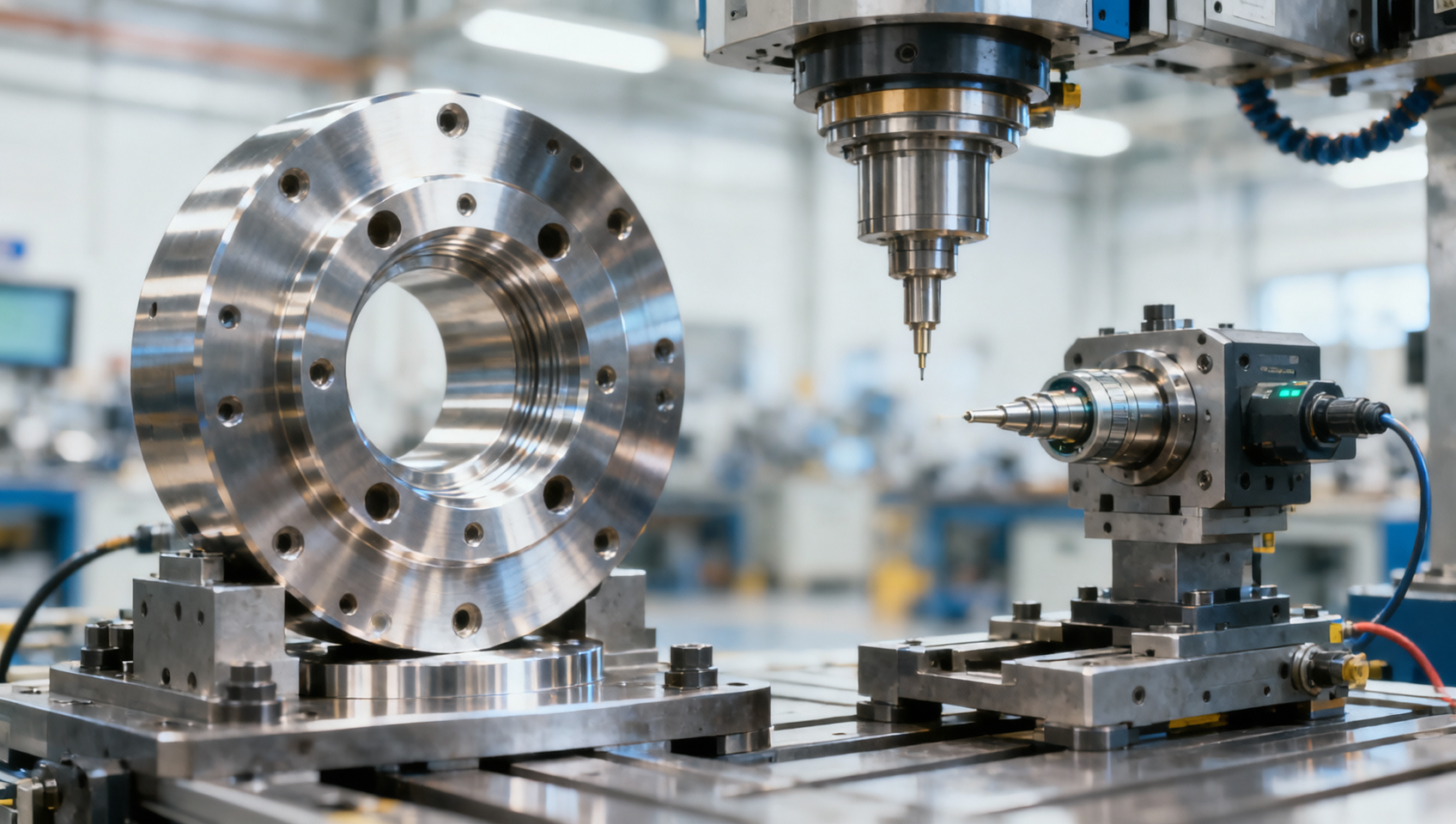
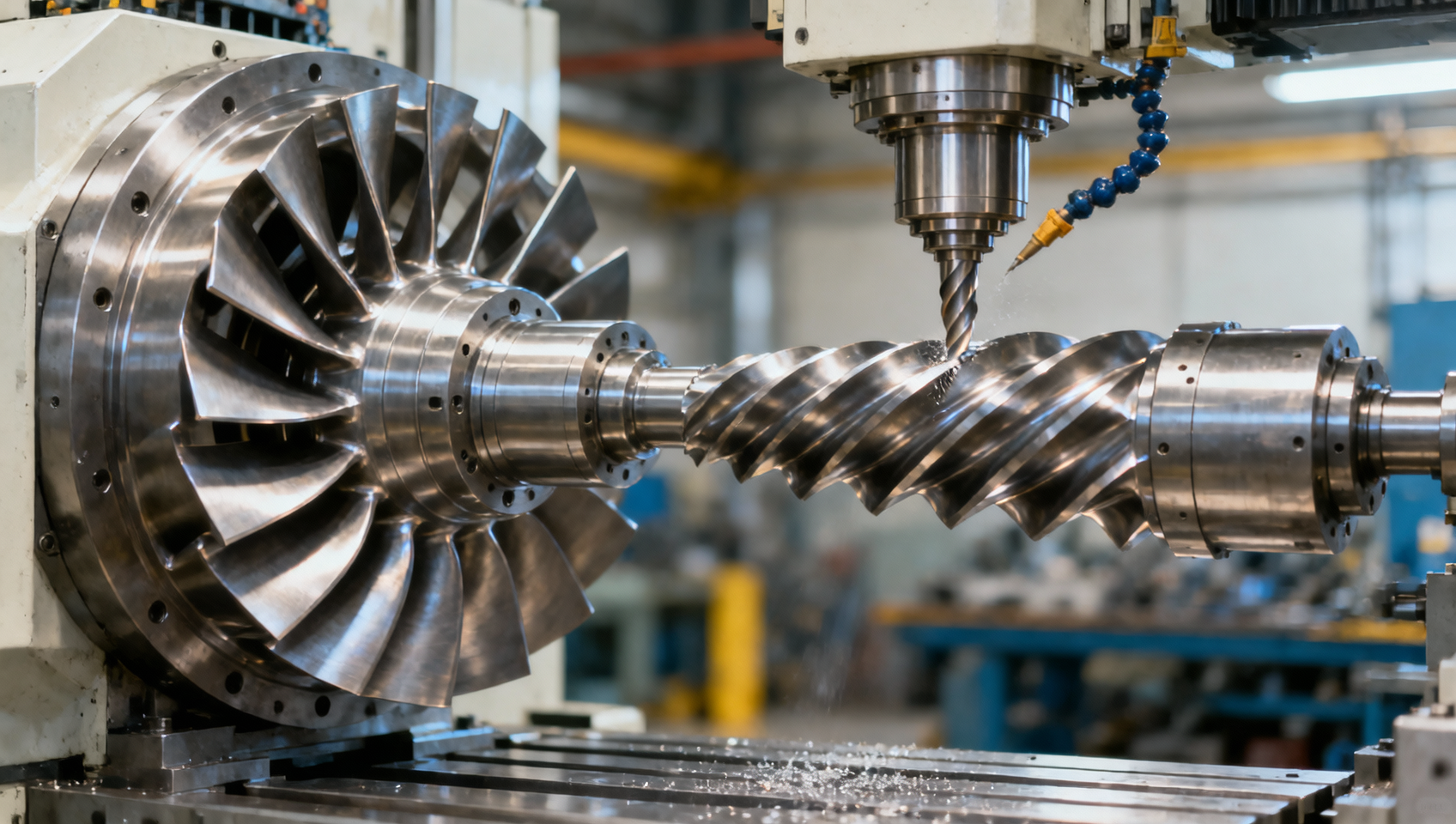
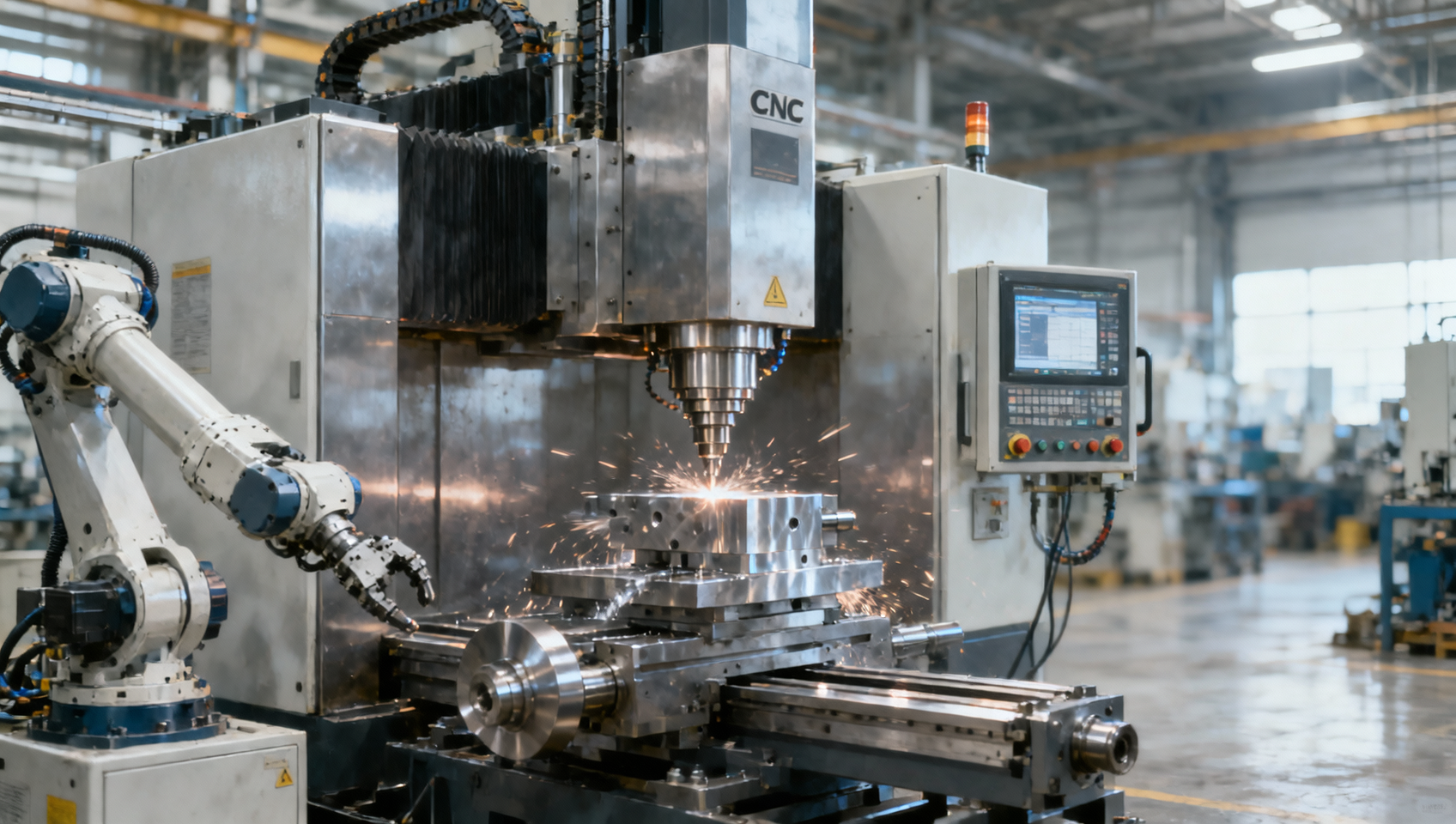
In aerospace machining, high-tolerance disc parts are not simply “round components made accurately.” They are safety-critical parts that must hold tight dimensional tolerances, stable geometry, excellent surface integrity, and repeatable material performance under demanding operating conditions. For buyers, operators, and manufacturing decision-makers, the key question is not only whether a supplier can machine a disc part, but whether they can do it consistently, economically, and with traceable quality. In practice, that means the right combination of high precision CNC manufacturing, multi-axis CNC manufacturing, process control, inspection capability, and machine tool for aerospace applications.
This article explains what high-tolerance disc parts require in aerospace machining, which risks matter most, how to evaluate CNC manufacturing for aerospace, and what separates a capable supplier from a general machining vendor.
Why are high-tolerance disc parts so demanding in aerospace machining?
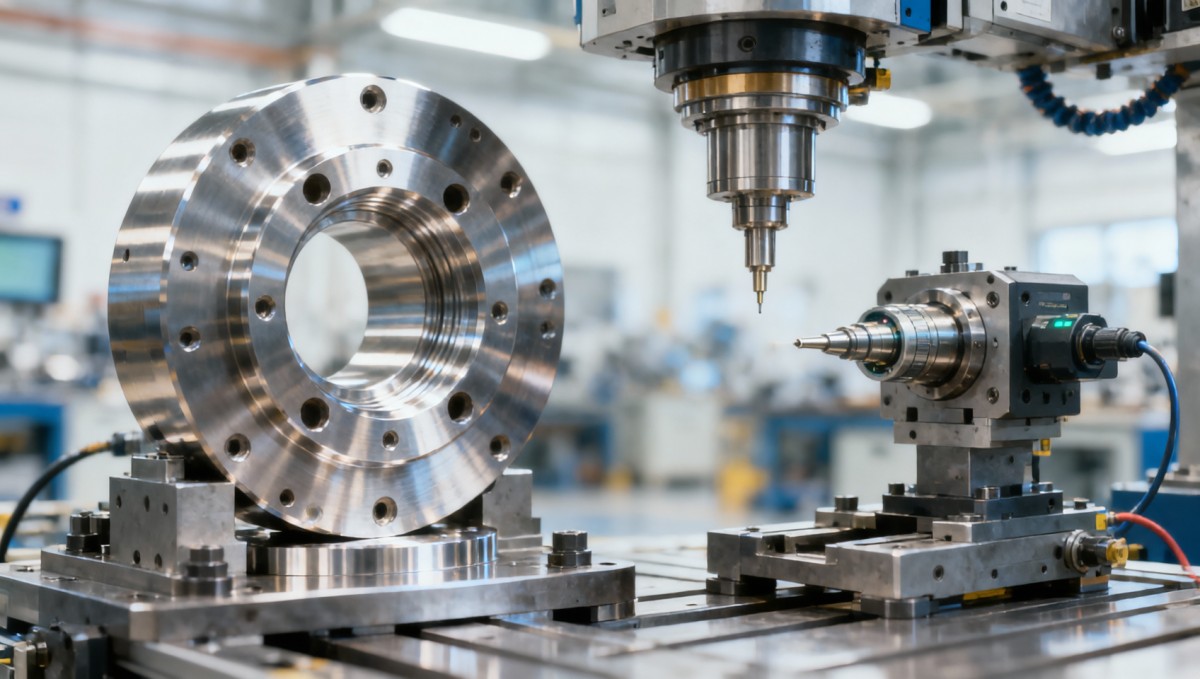
Aerospace disc parts often operate in assemblies where balance, concentricity, flatness, and material reliability directly affect performance and safety. These parts may be used in engines, braking systems, actuation systems, rotating assemblies, structural interfaces, or precision housings. Even when the geometry looks simple compared with a complex turbine blade or housing, the manufacturing challenge can be severe.
The main reason is that aerospace disc parts usually combine several strict requirements at the same time:
- Tight dimensional tolerances on outer diameter, inner diameter, thickness, bore position, and critical interface features
- High geometric accuracy such as flatness, parallelism, roundness, runout, and concentricity
- Controlled surface finish for sealing, fatigue resistance, friction behavior, or assembly fit
- Reliable material integrity without distortion, overheating, chatter marks, microcracks, or residual stress problems
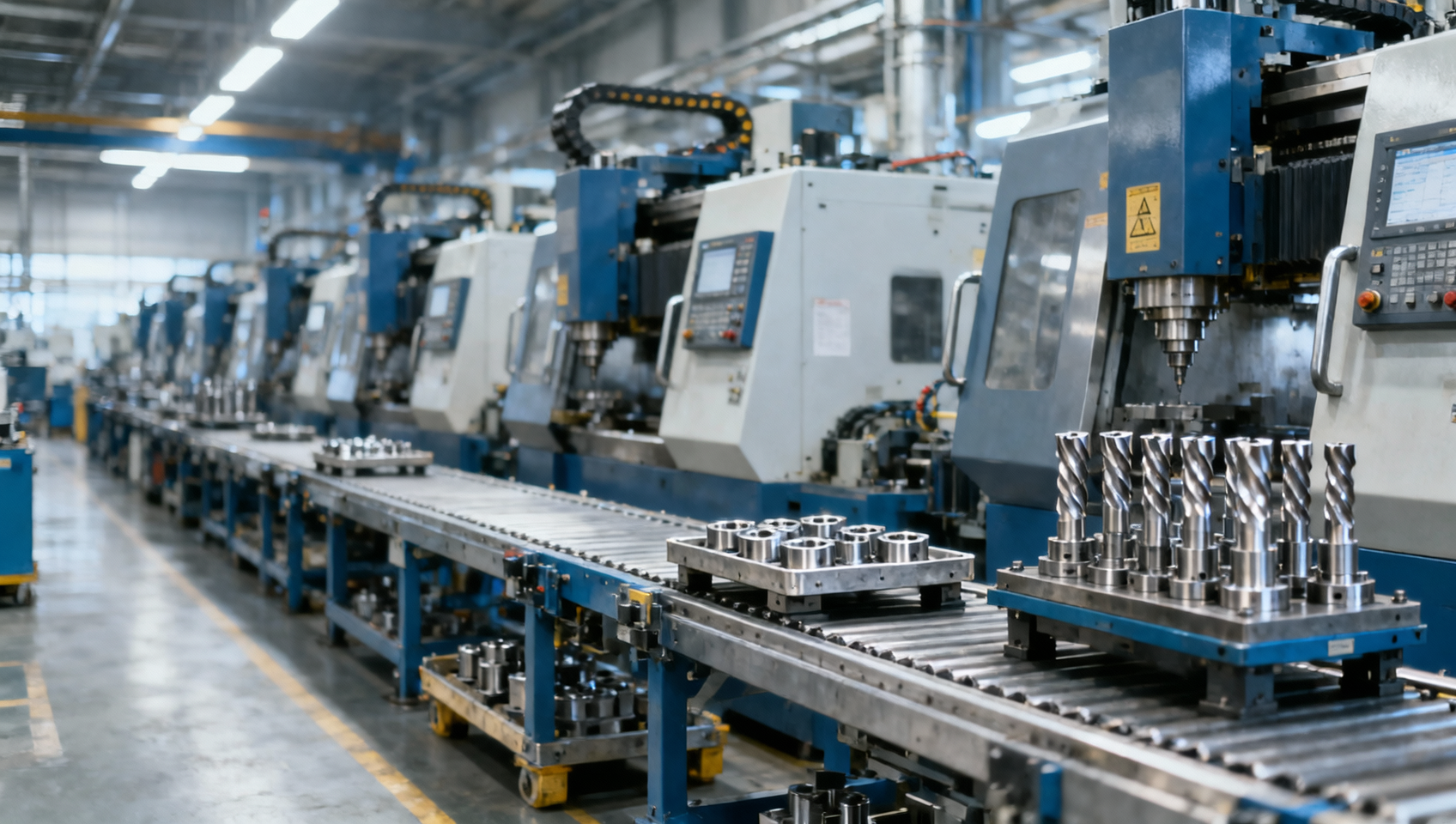
- Repeatable batch consistency across multiple setups, machines, operators, and production runs
- Full traceability and inspection records required by aerospace quality systems
In other words, the challenge is not just precision in one dimension. It is precision across the whole part lifecycle, from raw material selection to final inspection.
What types of disc parts typically require high-tolerance aerospace machining?
Depending on the application, high-tolerance disc parts may include:
- Compressor and turbine-related discs or preforms
- Brake discs and braking system components
- Bearing seats and retaining discs
- Flanges and interface discs for structural assemblies
- Rotor-related support discs
- Precision sealing discs
- Instrument or control-system discs with fine-machined features
Some are made from aluminum alloys where weight reduction and efficient machining process planning are important. Others use titanium, stainless steel, nickel-based alloys, or specialty aerospace materials where heat generation, tool wear, and deformation control become much more difficult.
For procurement teams and technical evaluators, the important point is this: the same “disc part” category can vary greatly in machining difficulty depending on material, tolerance stack-up, feature relationships, and downstream use.
Which tolerances and quality characteristics matter most?
When evaluating high-tolerance disc parts for aerospace applications, readers should focus on the characteristics that most strongly affect assembly, rotation, and service life.
1. Concentricity and runout
For rotating or assembly-critical disc parts, poor concentricity can lead to imbalance, vibration, noise, excess wear, and performance loss. CNC manufacturing for aerospace must ensure that bores, outer diameters, and functional faces are machined from well-controlled references, often in as few setups as possible.
2. Flatness and parallelism
Disc components often interface with mating surfaces, seals, or clamped assemblies. Small deviations in flatness or parallelism can create uneven loading, leakage, or poor assembly alignment.
3. Thickness control
Uniform thickness matters for weight balance, structural behavior, and fit. In thin-wall or large-diameter parts, distortion during clamping or roughing can make this difficult.
4. Surface finish and surface integrity
Surface roughness is only part of the story. Aerospace machining also has to protect the subsurface condition. Excessive heat, built-up edge, smearing, burr formation, or tensile residual stress can reduce fatigue life or damage functional performance.
5. Bore accuracy and fit features
Disc parts often rely on accurate bores, keyways, grooves, or mounting interfaces. These features may determine alignment quality and load transfer in the final assembly.
6. Balance-sensitive geometry
If the part rotates at high speed, mass distribution becomes critical. A part can meet simple dimensional checks and still perform poorly if geometry variation creates imbalance.
What machining capabilities are needed to produce these parts reliably?
A supplier producing high-tolerance disc parts for aerospace should offer more than standard turning capacity. Reliable production usually requires a combination of machine capability, process planning, and inspection control.
High precision CNC manufacturing
Machine stability, spindle accuracy, thermal control, and repeatable axis movement are foundational. Tight-tolerance disc parts cannot be produced consistently on equipment that drifts under heat, vibration, or variable loading.
Multi-axis CNC manufacturing
Multi-axis CNC manufacturing can reduce repositioning errors, improve access to complex features, and allow more complete machining in fewer setups. For aerospace work, this often improves both accuracy and productivity.
Process-specific fixturing
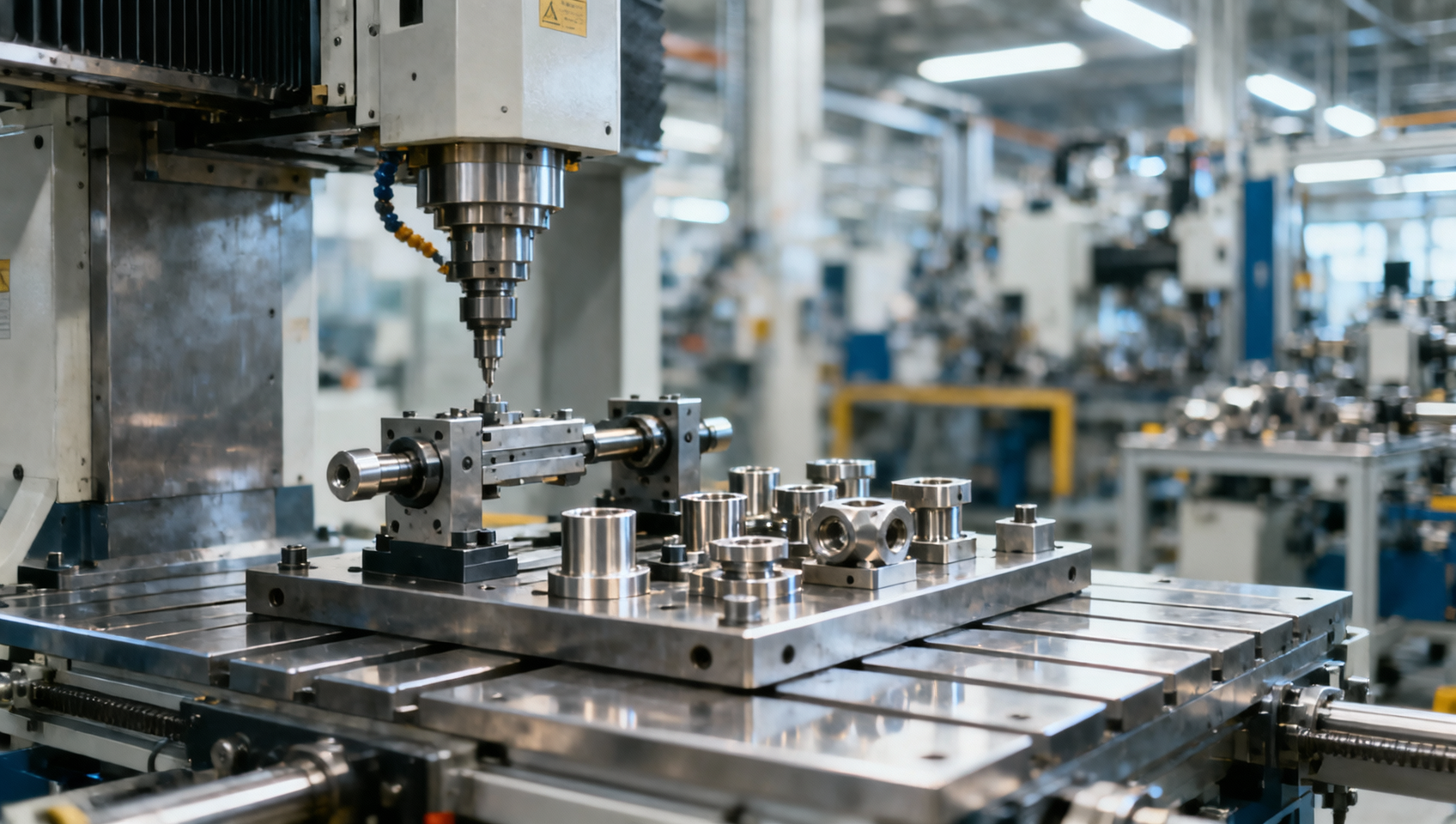
Disc parts are especially vulnerable to deformation from clamping pressure. Purpose-built fixtures, soft jaws, vacuum support, custom locating strategies, or low-distortion clamping methods may be required depending on geometry and wall thickness.
Tooling strategy matched to material
Aluminum alloys, titanium, heat-resistant alloys, and stainless materials all behave differently. Tool geometry, coating, cutting parameters, coolant approach, and chip evacuation strategy must match the material and tolerance objective.
In-process verification
For critical aerospace parts, checking only at the end is risky. In-process probing, offset correction, temperature compensation, and interim dimensional checks help prevent scrap and improve repeatability.
Final inspection and traceability
A capable aerospace machining supplier should support CMM inspection, surface roughness measurement, runout checks, and documented quality records. If the part is highly critical, customers may also expect first article inspection and full material traceability.
How does material choice change the machining requirements?
Material selection has a major impact on process stability, cost, and achievable tolerance.
Aluminum alloys
Aluminum is widely used in aerospace because of its low weight and good machinability. However, efficient machining process planning still matters. Thin disc sections can deform during clamping, and high-speed cutting can introduce thermal growth if not controlled properly. For aluminum disc parts, a strong supplier should understand how to balance speed, surface quality, and dimensional stability.
Titanium alloys
Titanium is common in aerospace but significantly more difficult to machine. It generates heat near the cutting edge, increases tool wear, and can be sensitive to process instability. Disc parts in titanium often require conservative process windows, rigid setups, and careful monitoring of surface integrity.
Nickel-based alloys
Used in high-temperature applications, these materials are tough on tools and demand robust machine tool for aerospace solutions. The challenge is maintaining tolerance and surface quality while controlling cycle time and tool cost.
Stainless steels and specialty alloys
These materials may create burrs, work hardening, or distortion issues depending on grade and feature geometry. Machining strategy must be adapted accordingly.
For buyers, the takeaway is clear: ask not only whether a supplier machines the material, but whether they have proven process knowledge for that material in disc-part geometry.
What process risks most often cause failure or inconsistency?
Many aerospace disc parts fail quality or delivery targets for reasons that are predictable and preventable. The most common risks include:
- Thermal distortion during long machining cycles or high-speed cutting
- Clamping deformation that changes after release from the fixture
- Datum transfer errors caused by multiple setups
- Tool wear variation that shifts bore size, flatness, or surface finish
- Chatter and vibration that damage roundness and surface condition
- Burrs or edge-condition problems that affect assembly and function
- Insufficient inspection planning leading to late detection of process drift
Operators care about these because they affect setup success and scrap rates. Procurement teams care because these same issues impact lead time reliability and total cost. Decision-makers care because unstable processes make scaling difficult.
How should buyers and engineers evaluate a machining supplier?
If you are sourcing high-tolerance disc parts for aerospace applications, evaluating by price alone is risky. A better assessment includes technical, quality, and operational factors.
Ask about part family experience
A supplier with direct experience in precision disc parts will better understand runout control, balance-sensitive geometry, and distortion management.
Review machine platform capability
Look for high precision CNC manufacturing equipment suitable for aerospace tolerances, including multi-axis CNC manufacturing where needed. Machine age alone does not tell the full story; maintenance condition, calibration, and process discipline matter just as much.
Verify quality system strength
Inspection equipment, calibration procedures, traceability, first article capability, and documented control plans are essential. Reliable CNC manufacturing for aerospace depends on both machining and quality assurance.
Check process engineering depth
Can the supplier explain fixture design, datum strategy, roughing and finishing sequence, stress control, and critical inspection points? A strong technical explanation is often a better predictor of success than a generic capability list.
Evaluate communication and change control
Aerospace programs often involve revisions, documentation requirements, and issue-tracking expectations. Good suppliers manage engineering changes carefully and communicate process risks early.
Look at total manufacturing value
The lowest quoted part price can become the highest actual cost if it leads to delays, quality escapes, rework, or poor delivery consistency. Long-term manufacturing value comes from stable output, predictable lead times, and reduced quality risk.
What do operators and production teams need to focus on?
For machinists, programmers, and shop-floor teams, success with high-tolerance disc parts usually depends on disciplined execution of a few key practices:
- Use a datum strategy that minimizes stack-up and setup transfer error
- Control clamping force to reduce distortion
- Separate roughing and finishing with enough stabilization time when needed
- Monitor tool wear closely on critical diameters and bores
- Manage coolant delivery and chip evacuation to protect surface finish
- Use in-process measurement on high-risk dimensions
- Validate post-machining geometry after unclamping, not only in-fixture
These points are especially important when pursuing an efficient machining process for aluminum alloys or trying to stabilize harder-to-machine aerospace materials. Process repeatability comes from control, not from speed alone.
What business value comes from getting aerospace disc machining right?
For enterprise buyers and decision-makers, the value of capable aerospace machining goes beyond part conformance.
- Lower quality risk through better process control and traceability
- Improved assembly performance due to reliable fit, alignment, and rotational accuracy
- Better production planning from consistent lead times and lower rework rates
- Longer service reliability through stronger surface integrity and dimensional stability
- Better cost control over time by reducing scrap, delays, and supplier management burden
This is why advanced machine tool for aerospace solutions and disciplined manufacturing systems matter. They support not just tighter tolerances, but more predictable business outcomes.
Conclusion
High-tolerance disc parts in aerospace machining require much more than nominal dimensional accuracy. They demand a controlled manufacturing system built around material knowledge, stable CNC platforms, multi-axis CNC manufacturing where appropriate, distortion-aware fixturing, in-process verification, and rigorous final inspection. For users and operators, the focus should be setup control, tooling strategy, and measurement discipline. For procurement teams and business leaders, the real priority is supplier capability, consistency, and long-term manufacturing value.
If a supplier can demonstrate reliable CNC manufacturing for aerospace, proven experience with high precision disc geometries, and a clear process for protecting tolerance, surface integrity, and traceability, they are far more likely to deliver parts that meet both engineering requirements and business expectations.
PREVIOUS ARTICLE
NEXT ARTICLE
Recommended for You
 How to Choose a Heavy-Duty Machining Center for Mold MakingMachine Tool Industry Editorial Team
 How Quick-Change Fixture Design Cuts CNC Turning Setup TimeCNC Machining Technology Center
 Why 5 Axis Machining Is Ideal for Impeller ManufacturingCNC Machining Technology Center
 How to Start Lean Production Without Disrupting OutputManufacturing Market Research Center
 When a Modular Tooling System Improves Flexible ManufacturingMachine Tool Industry Editorial Team
 How CNC Machine Control Systems Improve Automation StabilityMachine Tool Industry Editorial Team

Aris Katos
Future of Carbide Coatings
15+ years in precision manufacturing systems. Specialized in high-speed milling and aerospace grade alloy processing.
▶
What High-Tolerance Disc Parts Require in Aerospace MachiningCNC Machining Technology Center▶
How to Improve Machining Efficiency for Aluminum AlloysCNC Machining Technology Center▶
How CNC Manufacturing for Electronics Helps Reduce DefectsCNC Machining Technology Center▶
Why Precision CNC Manufacturing Fails Tolerance GoalsCNC Machining Technology Center▶
Why Electronics Parts Need Specialized CNC ManufacturingCNC Machining Technology Center
Mastering 5-Axis Workholding Strategies
Join our technical panel on Nov 15th to learn about reducing vibrations in thin-wall components.

Providing you with integrated sanding solutions
Before-sales and after-sales services
Comprehensive technical support