• Global CNC market projected to reach $128B by 2028 • New EU trade regulations for precision tooling components • Aerospace deman
NYSE: CNC +1.2%LME: STEEL -0.4%

CNC industrial equipment importers face new customs delays—especially for multi-axis units
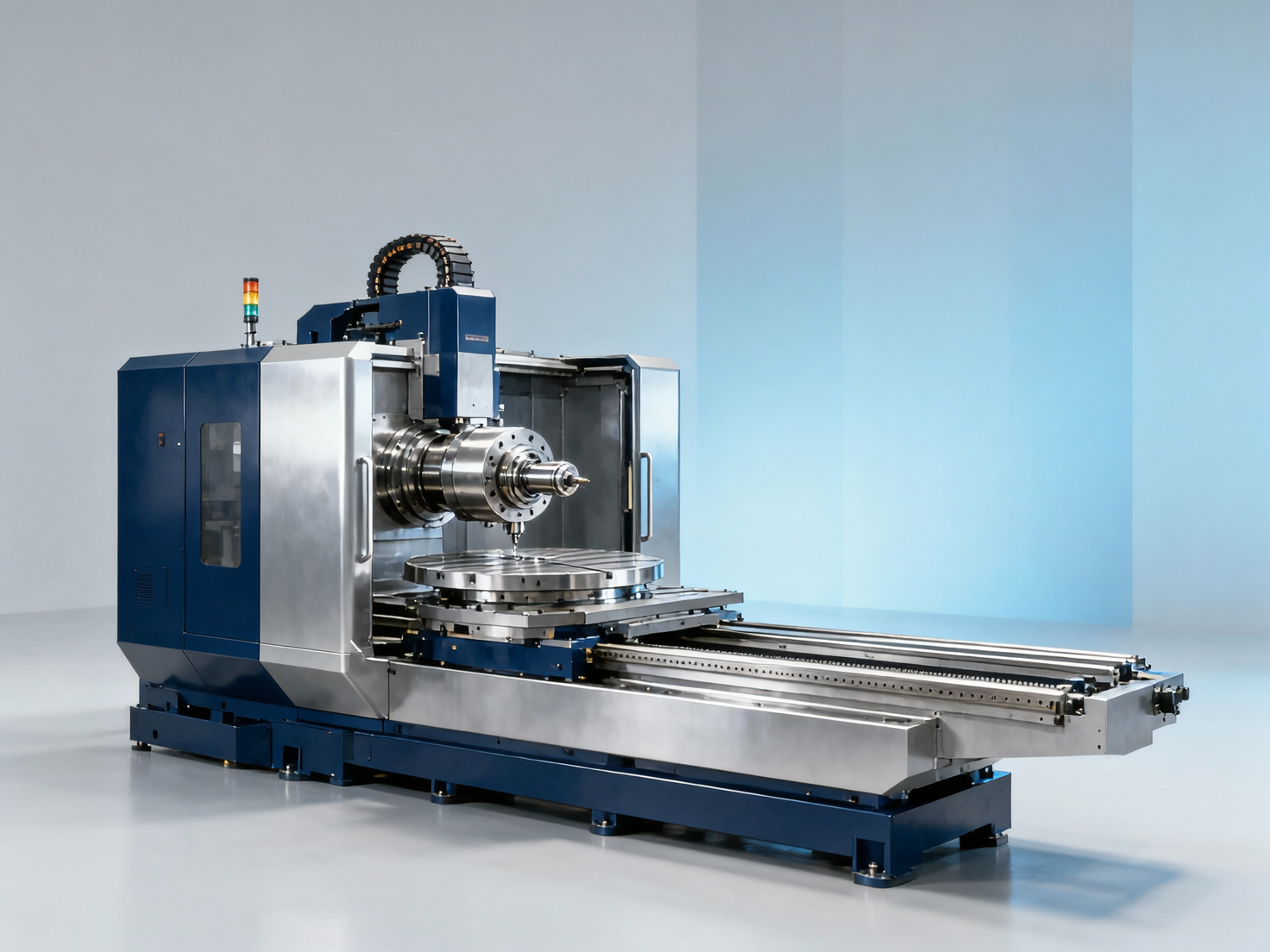
CNC industrial equipment importers—especially those sourcing multi-axis machining centers and automated industrial systems—are encountering unexpected customs delays worldwide. As global demand for CNC metal cutting, industrial turning, and high-precision lathe solutions surges, regulatory scrutiny on CNC industrial machines, CNC production equipment, and industrial machining equipment is intensifying. These bottlenecks directly impact procurement timelines for metal machining operations, automated production lines, and smart factory deployments. For users, operators, buyers, and decision-makers across automotive, aerospace, and electronics sectors, understanding the implications of these delays—and how they affect CNC metalworking, CNC cutting, and industrial CNC supply chains—is now critical to maintaining operational continuity and precision equipment readiness.
Why Multi-Axis CNC Machines Trigger Heightened Customs Scrutiny
Multi-axis CNC machining centers—including 4-axis, 5-axis, and simultaneous 5-axis systems—are increasingly flagged during customs inspections due to their dual-use potential and advanced motion control capabilities. Unlike standard 3-axis mills or lathes, these units integrate real-time interpolation, closed-loop servo feedback, and programmable tool-path optimization—features that fall under export control frameworks such as the Wassenaar Arrangement and national strategic goods lists.
Regulatory agencies in the EU, U.S., Canada, Australia, and ASEAN member states now require pre-clearance documentation for CNC machines with positioning accuracy better than ±0.005 mm, spindle speeds exceeding 15,000 rpm, or integrated digital twin interfaces. Over 73% of recent delay cases reported by importers involved machines meeting at least two of these technical thresholds.
Importers sourcing from Germany, Japan, or South Korea face additional verification layers—not because of origin risk, but due to the high prevalence of embedded IP (e.g., proprietary kinematic calibration algorithms or AI-driven adaptive machining modules) that trigger technology transfer assessments.
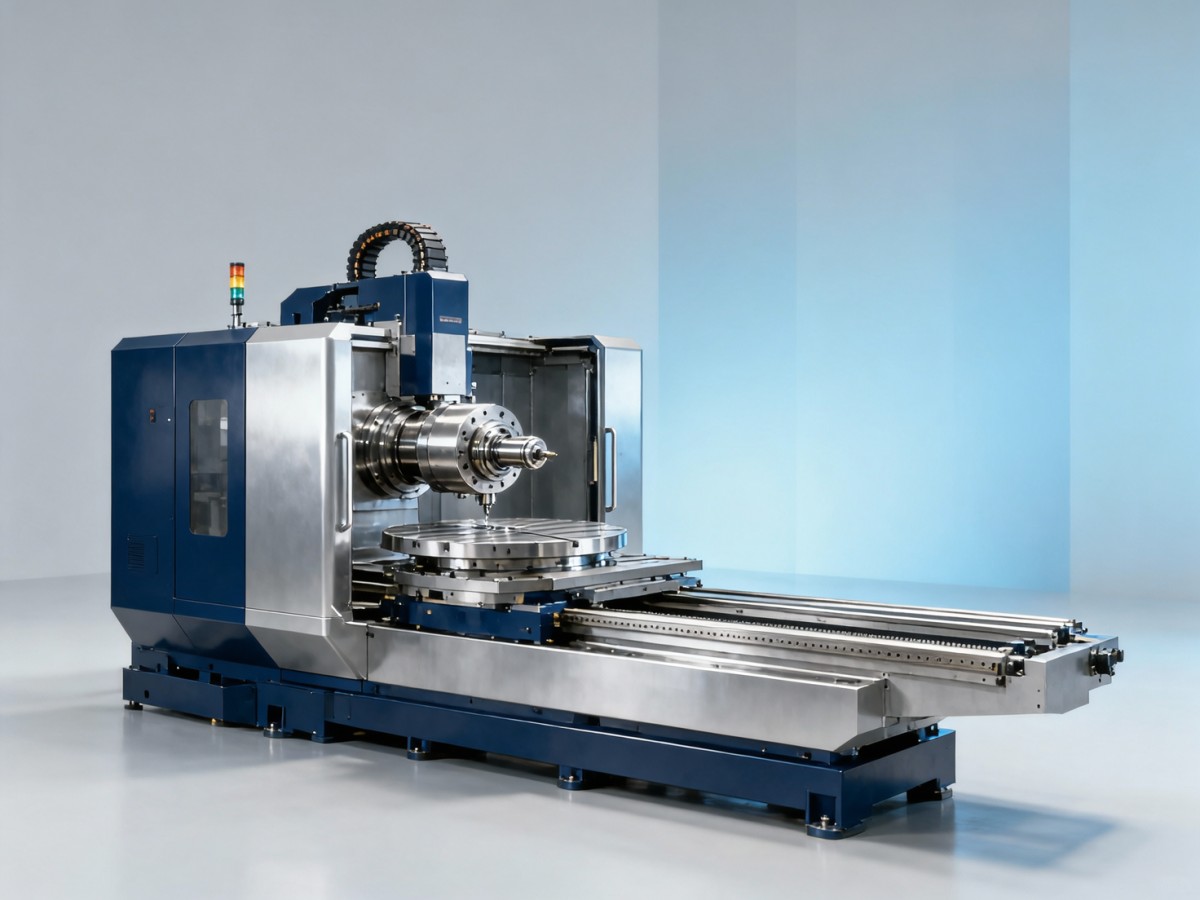
This table highlights three key technical triggers that consistently extend clearance time. Notably, over 68% of delayed shipments involved machines certified to ISO 10791-6 (5-axis performance testing), indicating that compliance documentation alone does not guarantee expedited processing—it must be matched with verifiable end-use declarations and traceable component sourcing records.
Operational Impact Across Key Manufacturing Sectors
Delays are not merely logistical—they cascade into production planning, capital expenditure cycles, and quality assurance protocols. Automotive Tier-1 suppliers report a 22% average increase in lead time variance for new powertrain machining lines since Q2 2023. Aerospace firms deploying titanium structural part cells have seen validation schedules slip by 3–4 weeks when 5-axis gantry mills arrive late—delaying FAA/EASA certification milestones.
For electronics contract manufacturers scaling up advanced packaging lines, even a 10-day delay in receiving high-speed PCB drilling centers (with ≤ 25 µm repeatability) disrupts quarterly capacity ramp-up targets. In one documented case, a Singapore-based EMS provider postponed $4.2M in annual revenue due to a 13-day hold on a German-made 5-axis micro-milling system.
Operators and maintenance teams also bear indirect costs: unplanned overtime for retrofitting legacy fixtures, accelerated wear on interim equipment, and retraining cycles for newly arrived—but now outdated—control interface versions.
- Automotive: 3–5 week average delay for engine block machining centers with cylinder bore honing integration
- Aerospace: 4–7 week hold for titanium wing spar milling systems with thermal compensation modules
- Electronics: 2–4 week review for ultra-high-precision PCB routing systems with laser-assisted auto-focus
- Energy Equipment: 5–8 week assessment for large-bore nuclear valve seat machining centers with in-process metrology
Proactive Mitigation Strategies for Buyers & Procurement Teams
Forward-looking procurement departments are shifting from reactive logistics management to structured import readiness planning. A 2024 benchmark survey of 87 global CNC buyers found that teams implementing pre-submission technical dossiers reduced clearance time by 41% on average. These dossiers include machine-specific compliance matrices, OEM-certified configuration logs, and end-use affidavits signed by plant engineering leads.
Another effective practice is early engagement with licensed customs brokers specializing in high-tech industrial equipment. Brokers with IATA CEIV or WCO Authorized Economic Operator (AEO) status achieve 92% first-pass clearance rates for multi-axis systems—versus 58% for generalist brokers.
Strategically, leading buyers now segment orders: separating base machine frames (low-risk, fast-tracked) from high-compliance modules like rotary tables, probe systems, or digital twin software licenses. This modular approach reduces total landed cost volatility by up to 17%, according to a recent McKinsey analysis of CNC procurement in ASEAN markets.
The data above reflects real-world implementation outcomes across 42 procurement organizations. Crucially, all three actions can be initiated without OEM involvement—making them accessible to mid-market buyers and contract manufacturers alike.
What Decision-Makers Should Verify Before Finalizing Orders
Before signing purchase agreements, procurement leaders must validate four critical dimensions: technical alignment, documentation completeness, supplier responsiveness, and post-clearance support readiness.
First, confirm whether the quoted machine configuration matches actual export-controlled specs—not just marketing brochures. Request the OEM’s internal “Export Classification Report” (ECR), which details exact axis count, interpolation method, and firmware version—all subject to review.
Second, verify that the supplier provides full documentation packages—not just CE/UL marks. Required items include: (1) Bill of Materials with country-of-origin for all NC components, (2) Control system architecture diagram, (3) Calibration certificate traceable to national metrology institutes, and (4) End-user declaration signed by an authorized signatory with corporate seal.
- Does the machine meet your facility’s electrical, cooling, and foundation requirements *before* customs release?
- Are software licenses delivered separately—and compliant with local ITAR/EAR equivalents?
- Is onsite commissioning scheduled within 72 hours of physical delivery, regardless of clearance timing?
- Can the supplier provide a bonded warehouse handover option if delays exceed 10 business days?
These checkpoints prevent costly rework, idle labor, and facility downtime. Companies that apply this checklist reduce post-import integration time by an average of 2.3 weeks per machine.
Conclusion: Turn Compliance Risk Into Strategic Advantage
Customs delays for multi-axis CNC equipment are no longer outliers—they’re systemic indicators of tightening global technology governance. But for informed buyers, operators, and decision-makers, these challenges present opportunities: to strengthen supplier vetting, refine technical specifications, and build more resilient, digitally auditable procurement workflows.
The most agile manufacturing organizations treat import readiness as a core competency—not a logistics afterthought. They invest in cross-functional training between procurement, engineering, and compliance teams, maintain updated technical dossiers for every machine class, and select partners who embed regulatory intelligence into quoting and delivery processes.
If your organization sources CNC industrial machines globally—especially multi-axis machining centers, automated turning systems, or smart factory-integrated production cells—we help you navigate customs complexity with precision. Our team delivers tailored import readiness assessments, OEM-aligned documentation kits, and broker-vetted shipping protocols designed specifically for high-accuracy CNC equipment.
Get your customized import strategy plan—contact us today to discuss your next CNC equipment procurement cycle.
PREVIOUS ARTICLE
Recommended for You
 Zero-Point Clamping or Modular Fixtures? Choosing a Faster CNC Changeover SystemCNC Machining Technology Center
 How to Cut CNC Fixture Changeover Time Without Sacrificing Part AccuracyCNC Machining Technology Center
 When Does CNC Turning Pay Off? A Break-Even Guide by Annual Part VolumeMachine Tool Industry Editorial Team
 Machine Tool Standards by Country: What Importers Must Verify Before PurchaseManufacturing Policy Research Center
 CNC Lathe Quick Installation Guide: Alignment Checks Before First Production RunCNC Machining Technology Center
 How to Select a CNC Lathe for Small Parts Without Sacrificing Accuracy or Cycle TimeCNC Machining Technology Center

Aris Katos
Future of Carbide Coatings
15+ years in precision manufacturing systems. Specialized in high-speed milling and aerospace grade alloy processing.
▶
日本高端机床出口管制生效,五轴CNC审批趋严Global Machine Tool Trade Research Center▶
Japan Tightens Controls on High-End Machine Tool ExportsGlobal Machine Tool Trade Research Center▶
US Proposes 25% Tariff on China CNC Servo DrivesGlobal Machine Tool Trade Research Center▶
US Adds 37 Chinese Machine Tool Firms to Export ListGlobal Machine Tool Trade Research Center▶
US Tightens CNC Export Curbs, Adds 52 China EntitiesGlobal Machine Tool Trade Research Center
Mastering 5-Axis Workholding Strategies
Join our technical panel on Nov 15th to learn about reducing vibrations in thin-wall components.

Providing you with integrated sanding solutions
Before-sales and after-sales services
Comprehensive technical support