• Global CNC market projected to reach $128B by 2028 • New EU trade regulations for precision tooling components • Aerospace deman
NYSE: CNC +1.2%LME: STEEL -0.4%

Why electronics manufacturers are rethinking machine tool exporter partnerships in 2026
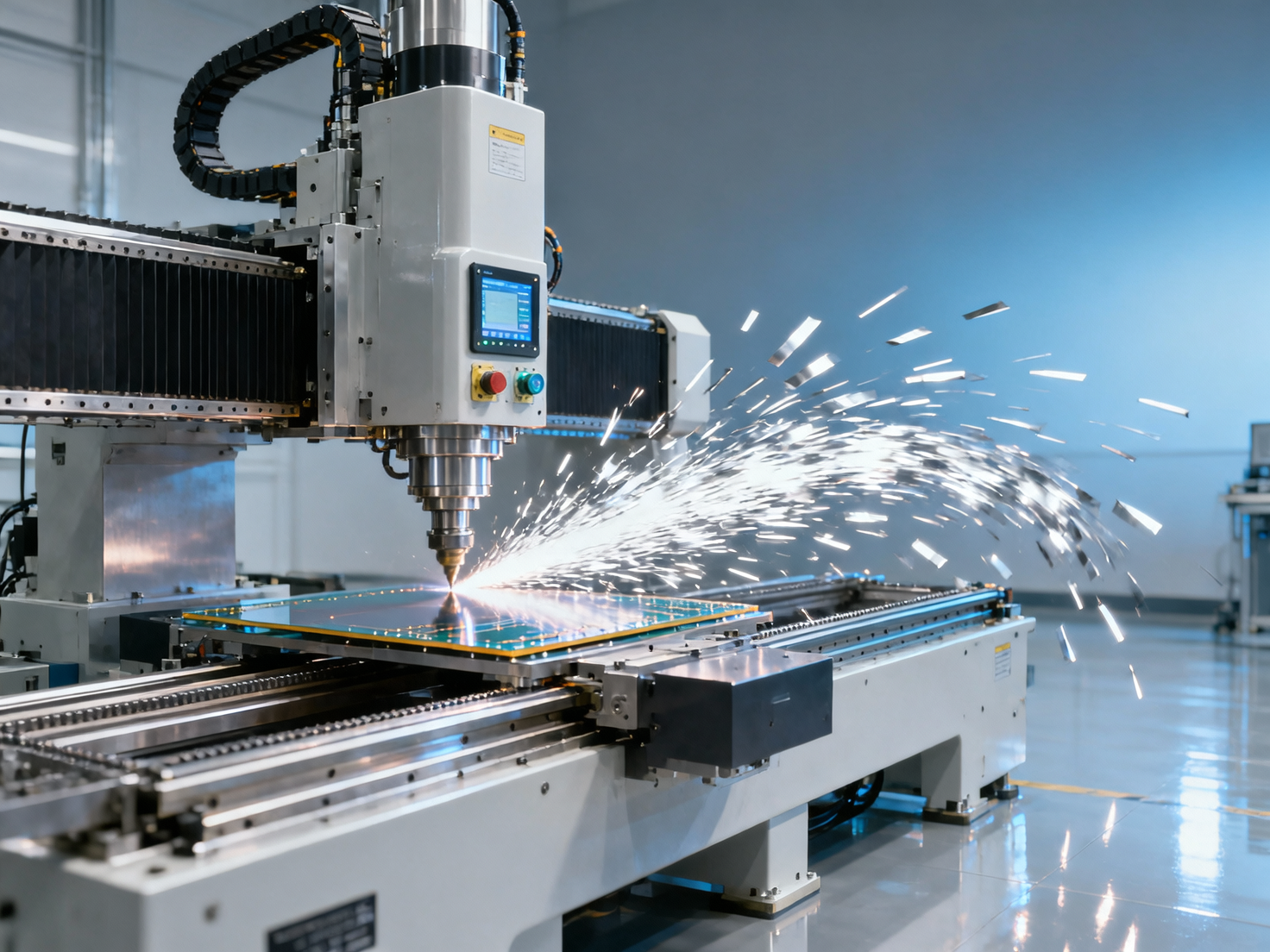
As electronics manufacturers face tighter tolerances, shorter product cycles, and rising demand for miniaturized components, they’re critically reevaluating partnerships with machine tool exporter networks—especially those supplying high precision machine tool systems for electronics manufacturing. From multi-axis machine tool platforms enabling 5G module machining to heavy duty machine tool solutions for substrate processing, reliability, digital integration, and supplier agility are now decisive. This shift impacts procurement strategies across the automotive industry, aerospace, and smart device production—where CNC machine tool manufacturer responsiveness, machine tool price transparency, and application-specific expertise (e.g., machine tool for aerospace or machine tool for automotive industry) directly influence time-to-market and yield. Discover why 2026 marks a turning point in global machine tool supplier collaboration.
Why Electronics OEMs Are Prioritizing Supplier Agility Over Legacy Exporter Networks
Electronics manufacturers no longer treat machine tool exporters as transactional vendors—they now require co-development partners capable of rapid response to design iterations, firmware updates, and process validation cycles. In 2026, average new-product introduction (NPI) timelines for advanced packaging substrates have shrunk to 8–12 weeks, compressing equipment qualification windows from 12 weeks to under 3 weeks.
Legacy exporters often rely on centralized engineering hubs in Germany or Japan, leading to 7–15-day lead times for firmware patches or G-code optimization support. Meanwhile, next-gen suppliers embed local application engineers within Tier-1 electronics clusters—Shenzhen, Seoul, Dresden, and Austin—with SLA-backed response times of ≤4 business hours for urgent parameter tuning or thermal drift compensation.
This isn’t just about speed—it’s about embedded domain fluency. Suppliers now need proven experience with copper pillar bumping, silicon interposer milling, and ultra-thin (<100µm) PCB routing—processes demanding ±0.8µm positional repeatability, sub-5nm surface roughness control, and real-time vibration damping at spindle speeds up to 60,000 rpm.
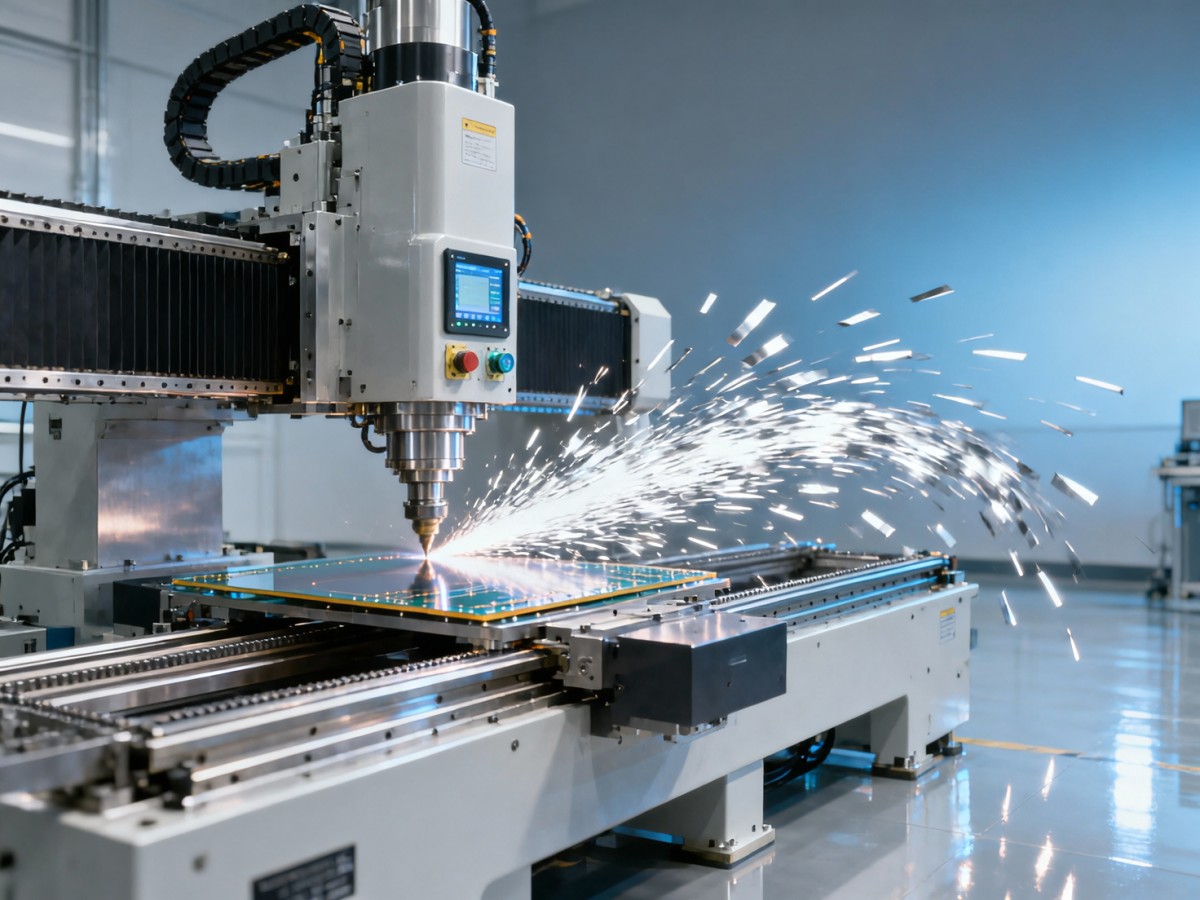
What “Digital Integration” Really Means for Electronics-Specific CNC Systems
Digital integration is no longer limited to OPC UA connectivity or cloud dashboard access. For electronics applications, it means native compatibility with MES platforms like Siemens Opcenter, Rockwell FactoryTalk, and Siemens Teamcenter—and seamless bi-directional data exchange for tool wear prediction, cycle-time analytics, and SPC-driven parameter auto-adjustment.
Top-tier machine tool exporters now offer pre-certified APIs that map directly to IPC-A-610 Class 3 defect categories—linking dimensional deviations in solder mask openings or via hole concentricity to corrective action triggers in the CNC controller. This reduces manual inspection steps by up to 40% and cuts first-article approval time by 3.5 days on average.
Critical infrastructure includes edge-based inference engines trained on >2 million micro-machining logs, supporting predictive maintenance for spindles, linear guides, and coolant filtration units. These models achieve ≥92% accuracy in forecasting component failure 72–120 hours in advance—enabling scheduled downtime during low-volume shifts rather than unplanned stoppages during peak production.
Key Digital Readiness Indicators for Electronics-Focused Exporters
- Pre-integrated OPC UA companion specification for semiconductor-grade CNC controllers (IEC 62541 Part 14)
- On-device AI inference capability with ≤15ms latency for real-time surface finish correction
- Native export of STEP AP242 files with GD&T annotations mapped to CNC motion paths
- Secure remote diagnostics enabled via ISO/IEC 27001-certified zero-trust architecture
How Procurement Teams Are Rewriting Machine Tool Evaluation Criteria
Procurement teams now apply a weighted scoring matrix across five non-negotiable dimensions—each tied to quantifiable performance thresholds:
Suppliers failing any single threshold are automatically disqualified—even if offering 15% lower machine tool price. This reflects a strategic pivot: total cost of ownership (TCO) now prioritizes yield uplift, scrap reduction, and uptime over initial capex.
Which Machine Tool Exporters Are Leading the 2026 Electronics Shift?
Three exporter profiles are gaining traction among electronics OEMs in 2026:
- Hybrid Engineering Hubs: Combining German/Japanese core R&D with localized application labs in Shenzhen (for IC substrates), Kulim (for power modules), and Toulouse (for RF front-end assemblies)—delivering ≤5-day turnaround for custom fixture design and G-code validation.
- Open-Architecture OEMs: Offering full SDK access, modular CNC controller firmware, and certified partner ecosystems for vision-guided probing, laser micromachining add-ons, and automated tool calibration—all validated against IPC-7351B footprint standards.
- Service-First Exporters: Bundling 24/7 remote support, quarterly on-site process audits, and guaranteed spare-part availability (≤72-hour delivery for critical items like linear encoders and coolant pumps) as standard—not premium options.
These models outperform traditional exporters in electronics-specific KPIs: 37% faster ramp-up for new materials (e.g., ABF film substrates), 22% higher first-pass yield on fine-pitch (<40µm) routing, and 5.2 fewer unscheduled maintenance events per 1,000 operating hours.
Ready to Align Your Machine Tool Sourcing Strategy with 2026 Electronics Demands?
If your procurement team is evaluating new machine tool exporter partnerships—or optimizing existing ones—we help you cut through complexity with actionable intelligence:
- Free assessment of your current CNC supplier’s digital readiness score (based on 12-point electronics-specific benchmark)
- Custom comparison reports covering 5+ exporters across thermal stability, API depth, and local support SLAs
- Technical review of your upcoming NPI project requirements—including feasibility analysis for multi-material machining (Si, Cu, AlN, LTCC)
- Delivery timeline modeling for priority configurations (e.g., 5-axis machining center with integrated metrology probe and dry-cutting capability)
Contact us to request your no-cost evaluation—complete with verified supplier references from Tier-1 electronics manufacturers in Asia, Europe, and North America.
Recommended for You
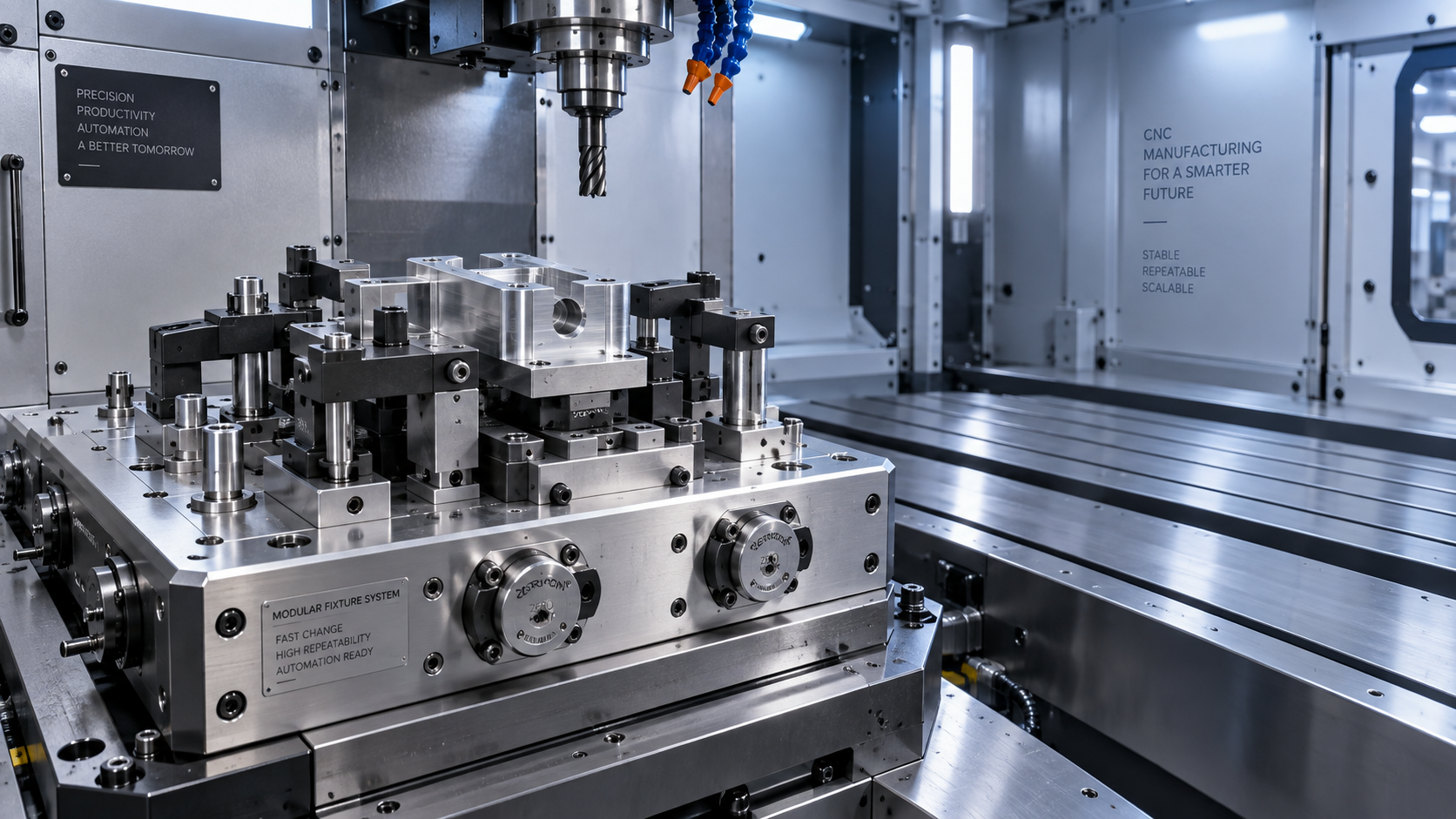
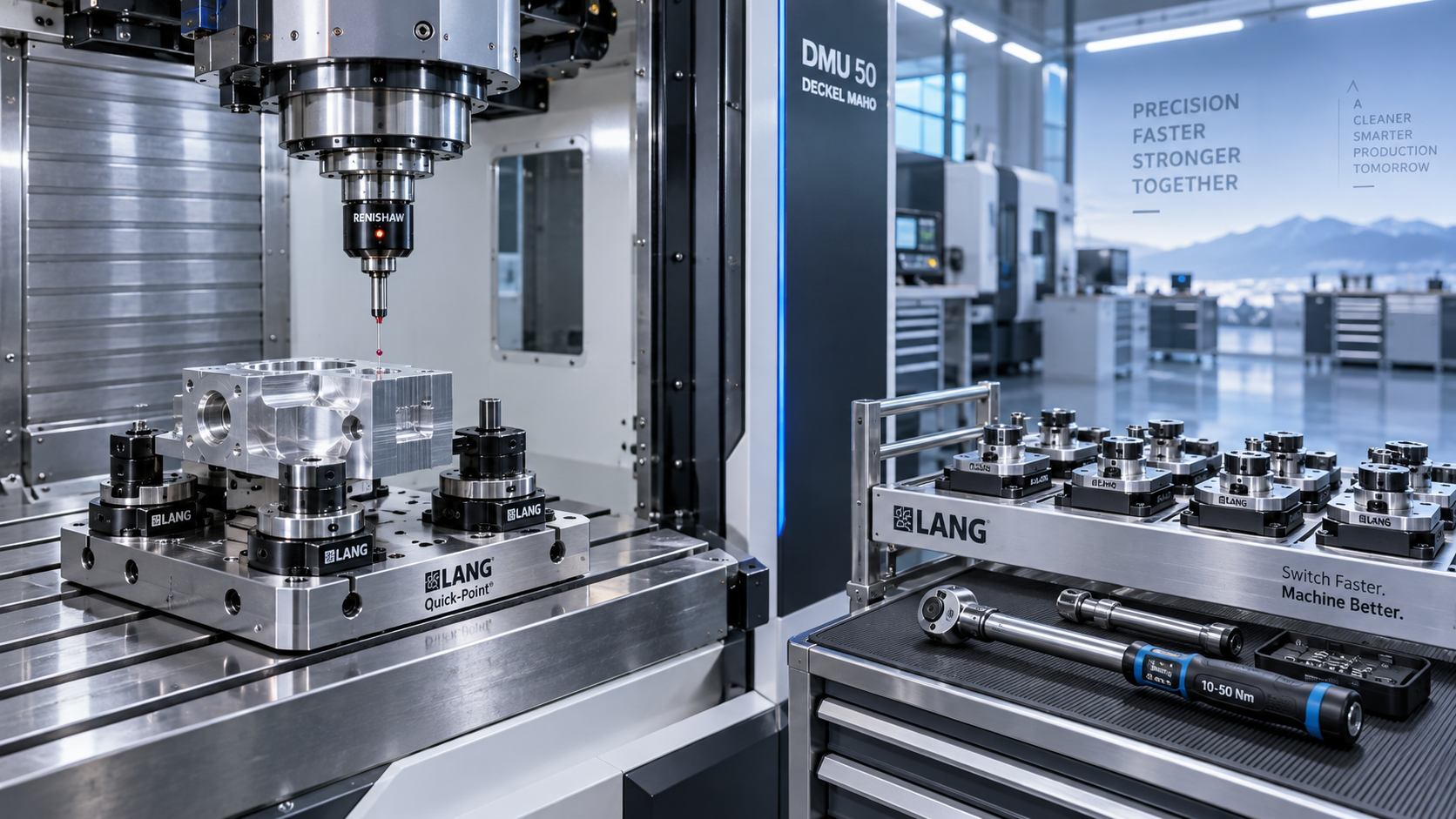
 Zero-Point Clamping or Modular Fixtures? Choosing a Faster CNC Changeover SystemCNC Machining Technology Center
 How to Cut CNC Fixture Changeover Time Without Sacrificing Part AccuracyCNC Machining Technology Center
 When Does CNC Turning Pay Off? A Break-Even Guide by Annual Part VolumeMachine Tool Industry Editorial Team
 Machine Tool Standards by Country: What Importers Must Verify Before PurchaseManufacturing Policy Research Center
 CNC Lathe Quick Installation Guide: Alignment Checks Before First Production RunCNC Machining Technology Center
 How to Select a CNC Lathe for Small Parts Without Sacrificing Accuracy or Cycle TimeCNC Machining Technology Center

Aris Katos
Future of Carbide Coatings
15+ years in precision manufacturing systems. Specialized in high-speed milling and aerospace grade alloy processing.
▶
日本高端机床出口管制生效,五轴CNC审批趋严Global Machine Tool Trade Research Center▶
Japan Tightens Controls on High-End Machine Tool ExportsGlobal Machine Tool Trade Research Center▶
US Proposes 25% Tariff on China CNC Servo DrivesGlobal Machine Tool Trade Research Center▶
US Adds 37 Chinese Machine Tool Firms to Export ListGlobal Machine Tool Trade Research Center▶
US Tightens CNC Export Curbs, Adds 52 China EntitiesGlobal Machine Tool Trade Research Center
Mastering 5-Axis Workholding Strategies
Join our technical panel on Nov 15th to learn about reducing vibrations in thin-wall components.

Providing you with integrated sanding solutions
Before-sales and after-sales services
Comprehensive technical support