• Global CNC market projected to reach $128B by 2028 • New EU trade regulations for precision tooling components • Aerospace deman
NYSE: CNC +1.2%LME: STEEL -0.4%

Commerce Ministry: China-Switzerland FTA Upgrade to Expand Market for Swiss Machine Tools

On November 5, 2026, China's Ministry of Commerce outlined the potential trade effects of the upgraded China-Switzerland free trade agreement, saying that products ultimately receiving zero-tariff treatment would cover more than 99% of bilateral trade value. The announcement is relevant to Swiss equipment suppliers and Chinese buyers assessing future procurement costs, particularly for machine tools and medical equipment.
Zero-Tariff Coverage in the Upgraded Agreement
At a regular press conference, the ministry said that, following the signing of the upgrade protocol, products ultimately subject to zero tariffs would account for more than 99% of bilateral trade value. It identified Swiss machine tools, watches, medical equipment and other advanced products as having broader market prospects in China. The ministry also said lower import costs would support technology upgrades and industrial advancement among Chinese manufacturers.
Where Trade and Procurement Could Feel the Effects
Machine Tool Suppliers and Manufacturing Buyers
From an industry perspective, the prospect of lower tariffs could affect how Swiss machine tool suppliers price products for China and how Chinese manufacturers compare equipment investments. Buyers considering technology upgrades may need to assess the potential tariff treatment alongside equipment specifications and total procurement costs. The announcement does not establish the tariff treatment of any individual machine tool.
Medical Products and Watch Distribution
Swiss medical product suppliers and watch distributors may also see opportunities to review their pricing and sourcing plans as details become available. Analysis suggests that any benefit will depend on the treatment of the products concerned and the timing of implementation. Buyers and distributors may also need to check applicable product documentation and market requirements separately from tariff treatment.
Importers and Supply Chain Partners
For importers and service providers, the practical effect may emerge in quotations, customs documentation and delivery planning. The announcement does not specify the procedures or documentation needed to claim preferential treatment. Businesses may therefore need to confirm the applicable requirements before incorporating a projected tariff saving into a transaction.
What Buyers Can Check Before Revising Plans
Product Coverage and Timing
Companies can monitor further official information on implementation dates and product-specific tariff treatment. Coverage of more than 99% of bilateral trade value is an aggregate figure; it does not establish that every product will receive zero-tariff treatment at the same time.
Origin and Trade Documentation
Importers and suppliers can review the origin information and trade documents available for their products, then verify any requirements applicable under the upgraded agreement when those details are available. This is a planning step, not a statement that the announcement has introduced a particular documentation requirement.
Technical and Compliance Review
Manufacturers considering Swiss equipment may wish to assess technical specifications, supporting documents and applicable product requirements alongside the potential tariff treatment. For medical products in particular, businesses should verify the relevant compliance requirements independently; the announcement does not describe any change to them.
Quotations and Delivery Assumptions
Procurement teams can ask suppliers to clarify the assumptions behind quotations and delivery schedules, including whether a quoted price depends on future tariff treatment. Comparing scenarios before changing purchasing plans may help avoid treating an anticipated saving as an established cost reduction.
From Announcement to Practical Execution
At this stage, the announcement is best understood as a signal about the intended scope of the agreement's eventual zero-tariff coverage, rather than confirmation that every affected product already receives that treatment. Further information on implementation timing, product coverage and procedures could materially affect purchasing decisions and pricing. Market feedback will also be relevant when businesses begin applying the rules in actual transactions.
Planning Around the Upgrade
The ministry's statement points to potential opportunities for Swiss suppliers and Chinese manufacturers, especially where advanced equipment forms part of technology investment plans. A measured response is to assess relevant products and procurement options while verifying the details needed to determine whether and when a particular transaction may benefit.
Basis for This Report
This article is based on the user-provided news title, event date and event summary. No specific official source link was provided in the input, so the announcement and subsequent implementation details require continued verification. Relevant material to monitor includes official announcements and trade authority information, as well as updates on product treatment, implementation procedures and industry feedback.
NEXT ARTICLE
Recommended for You
![]() Commerce Ministry: China-Switzerland FTA Upgrade to Expand Market for Swiss Machine ToolsGlobal Machine Tool Trade Research Center
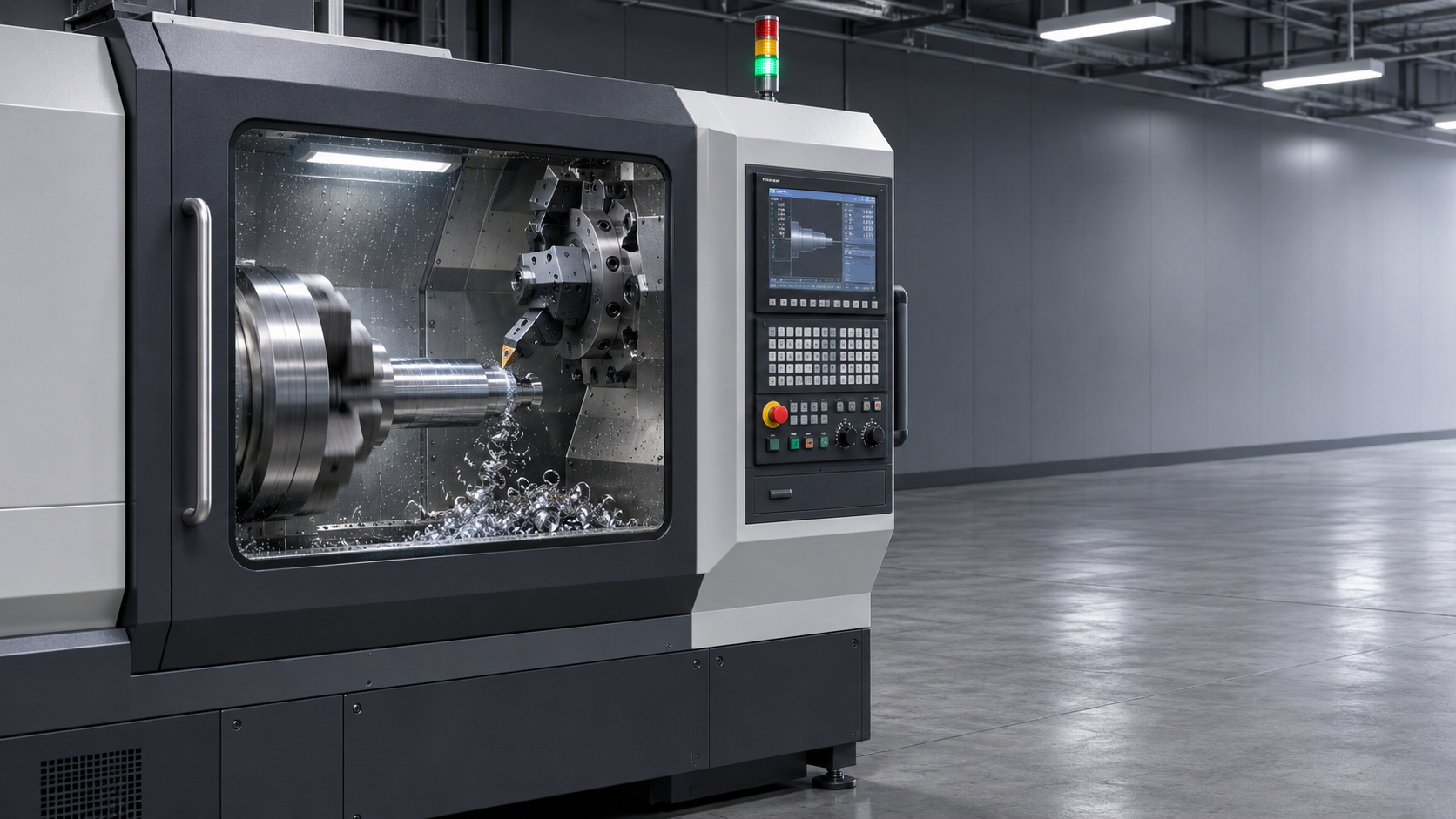
 What Is a Turning Center? Capabilities, Components, and ApplicationsCNC Machining Technology Center
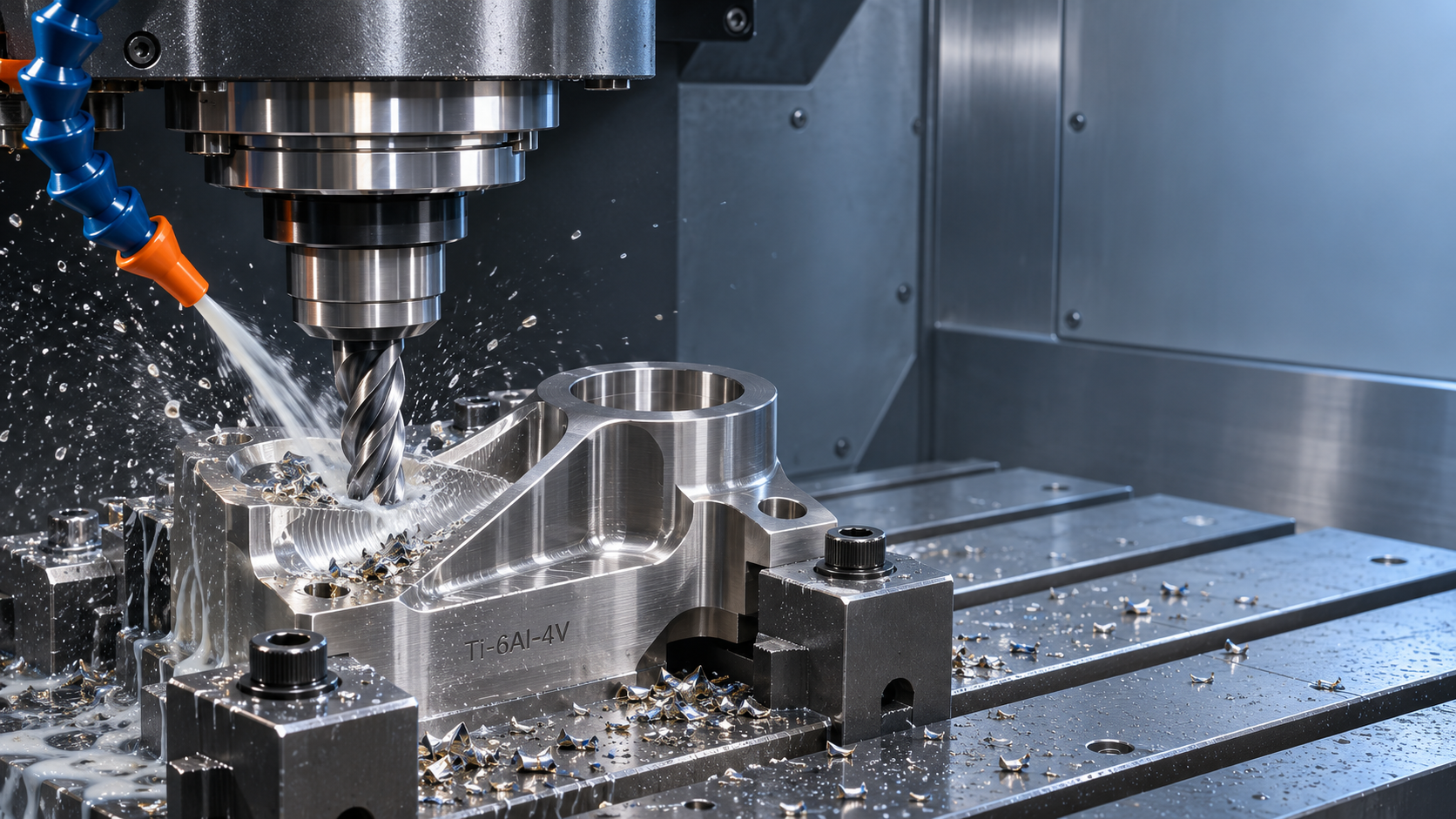
 CNC Milling Spindle Speed for Titanium: How to Calculate RPMCNC Machining Technology Center
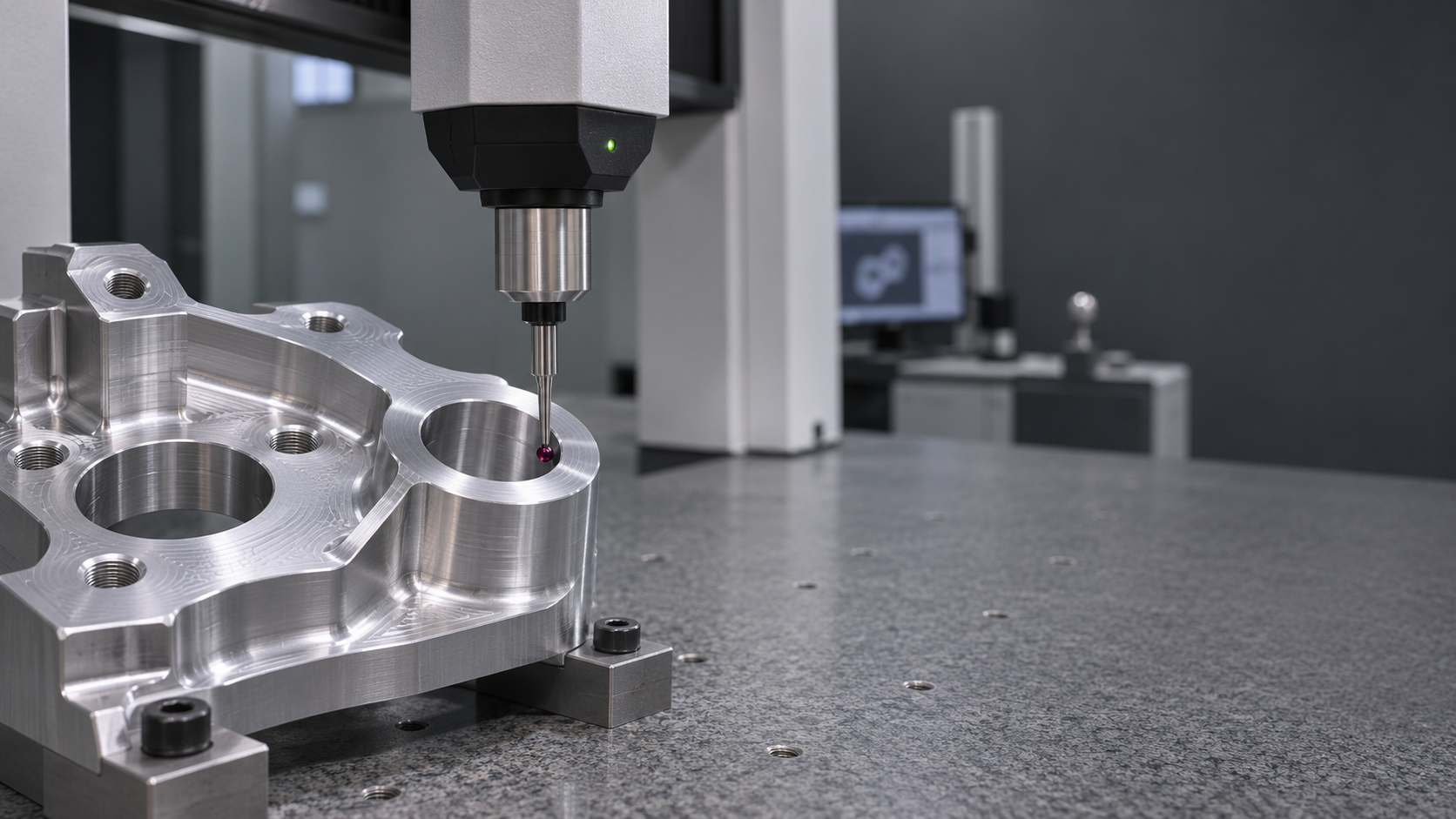
 How Precise Are Modern CNC Shops? Tolerances and Their LimitsCNC Machining Technology Center
![]() Report: 56% of China's Key Steelmakers Lost Money in SeptemberManufacturing Market Research Center
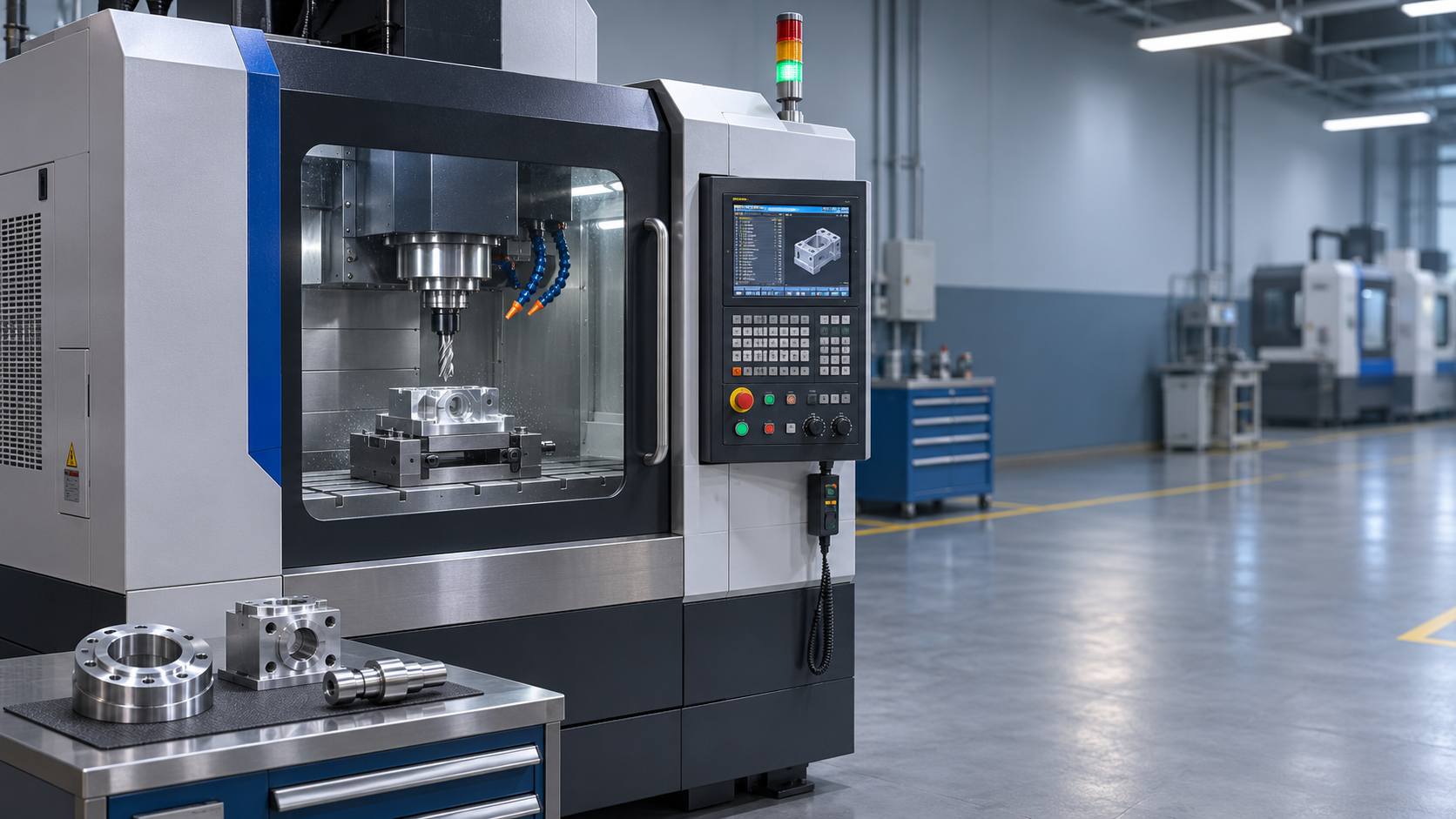
 Machine Tool Prices: Is a CNC Upgrade Worth the Investment?Manufacturing Market Research Center

Aris Katos
Future of Carbide Coatings
15+ years in precision manufacturing systems. Specialized in high-speed milling and aerospace grade alloy processing.
▶
Commerce Ministry: China-Switzerland FTA Upgrade to Expand Market for Swiss Machine ToolsGlobal Machine Tool Trade Research Center▶
Li Daokui: China Overtakes Germany With 21.6% of Global Machine Tool ExportsGlobal Machine Tool Trade Research Center▶
33rd JIMTOF 2026 Set to Open in Tokyo as Taiwanese Exhibitors Seek OrdersGlobal Machine Tool Trade Research Center▶
日本高端机床出口管制生效,五轴CNC审批趋严Global Machine Tool Trade Research Center▶
Japan Tightens Controls on High-End Machine Tool ExportsGlobal Machine Tool Trade Research Center
▶
Mastering 5-Axis Workholding Strategies
Join our technical panel on Nov 15th to learn about reducing vibrations in thin-wall components.

Providing you with integrated sanding solutions
Before-sales and after-sales services
Comprehensive technical support