• Global CNC market projected to reach $128B by 2028 • New EU trade regulations for precision tooling components • Aerospace deman
NYSE: CNC +1.2%LME: STEEL -0.4%

How to Evaluate a Machine Tool Exporter: 8 Checks Before Requesting a Quote
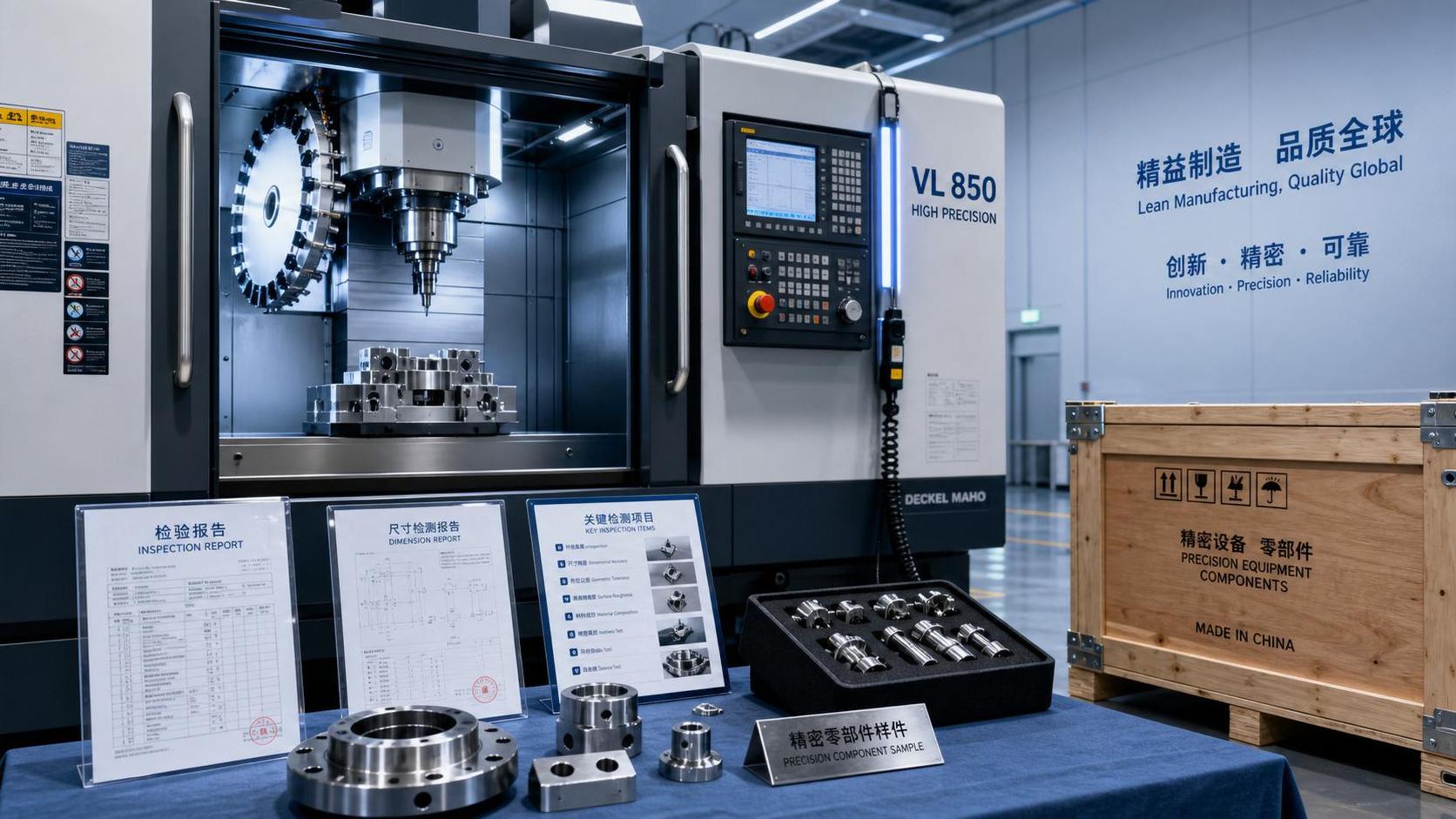
How to Evaluate a Machine Tool Exporter: 8 Checks Before Requesting a Quote
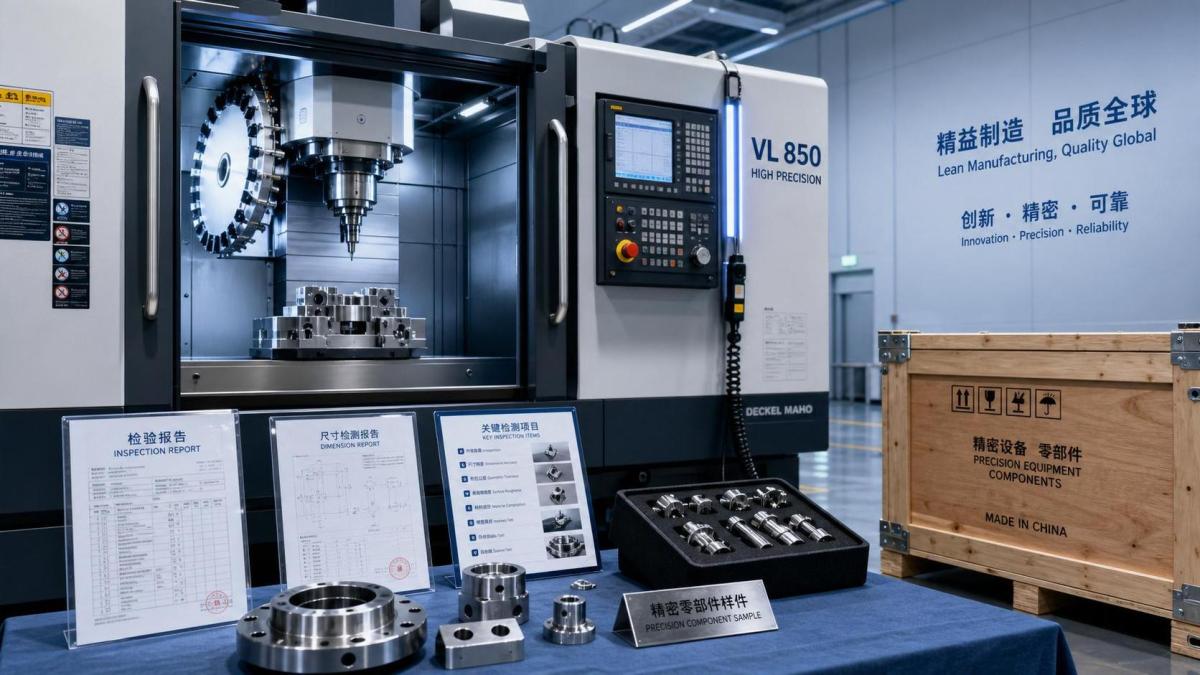
Choosing a machine tool exporter is not only about price.
It affects delivery speed, machining quality, spare parts support, and production stability.
A polished brochure can look convincing.
Still, the real capability of a machine tool exporter shows up in details.
Before requesting a quote, it helps to review the supplier from several angles.
That includes manufacturing depth, export process control, and service responsiveness.
In the CNC machine tool industry, these checks reduce risk early.
They also make supplier comparison much more practical.
The eight points below can help you evaluate any machine tool exporter with more confidence.
1. Confirm Whether the Machine Tool Exporter Has Real Manufacturing Capability
Some suppliers are true manufacturers.
Others are trading companies with limited technical control.
That difference matters a lot when specifications change.
Ask who designs the machine, who assembles it, and who tests it.
A reliable machine tool exporter should explain its factory setup clearly.
Look for machining workshops, assembly lines, inspection stations, and test-run procedures.
If possible, request factory videos, live walkthroughs, or production records.
This is especially important for CNC lathes, machining centers, and multi-axis systems.
Complex equipment demands stronger internal coordination.
What to ask
- Do you manufacture the base machine in-house?
- Which key components come from external suppliers?
- Can you show assembly, testing, and calibration records?
2. Check Product Match, Not Just Product Range
A long catalog does not guarantee a good fit.
The right machine tool exporter should understand your actual workpiece and process.
That means material type, tolerance target, batch size, and automation level.
For example, shaft parts and precision discs need different machine configurations.
The same is true for aerospace parts and general industrial components.
A qualified machine tool exporter usually asks detailed application questions first.
If the supplier sends a price immediately, be careful.
That often means the recommendation is generic, not engineered.
Useful evaluation points
- Recommended spindle power and speed range
- Axis travel and table size suitability
- Tool magazine, fixture, and automation compatibility
- Upgrade options for future production expansion
3. Review Component Brands and Configuration Transparency
Machine performance depends heavily on core components.
This includes the CNC control system, spindle, servo motors, ball screws, and bearings.
A trustworthy machine tool exporter should list brands and model details clearly.
Vague phrases like “top quality parts” are not enough.
You need to know what is standard, optional, and customizable.
This becomes more important when comparing multiple quotes.
Sometimes the lowest offer hides weaker electrical parts or lower control specifications.
That can create higher maintenance costs later.
4. Verify Quality Control and Testing Standards
Quality control is where many sourcing problems begin or end.
A strong machine tool exporter should have documented inspection steps.
These should cover incoming materials, assembly accuracy, alignment, trial machining, and final inspection.
Ask whether the machine is tested with actual cutting, not just idle running.
In practical sourcing, this one point reveals a lot.
It shows whether the exporter understands real production conditions.
You can also request sample inspection reports or accuracy certificates.
If the machine tool exporter exports globally, it should already have standard documentation ready.
Important documents to review
- Factory inspection checklist
- Geometric accuracy test report
- Trial cutting record
- Packing inspection record
5. Look at Export Experience and Market Track Record
Export experience is more than shipping ability.
It reflects how well a machine tool exporter handles compliance, packaging, customs paperwork, and regional standards.
An exporter serving Europe, Asia, and the Americas usually has more structured processes.
Ask where the supplier has shipped similar machines before.
Also ask whether it has customer references in your industry.
Automotive, aerospace, energy, and electronics each have different expectations.
A machine tool exporter with relevant project history can usually respond faster and more accurately.
That saves time before the quote stage even begins.
6. Evaluate Communication Speed and Technical Clarity
Good communication is often the first sign of good execution.
A dependable machine tool exporter answers clearly, not vaguely.
This matters when discussing tolerance, cycle time, tooling, voltage, and layout details.
Slow or inconsistent replies usually create bigger issues later.
More importantly, you should check who is replying.
Is it a salesperson only, or a team with engineering support?
In recent market changes, technical communication has become a key buying signal.
It usually predicts how smooth installation and after-sales service will be.
7. Check Certifications, Compliance, and Documentation Readiness
Certifications do not replace technical evaluation.
Still, they are essential when selecting a machine tool exporter.
Depending on the market, you may need CE, ISO-related documents, or electrical compliance records.
You should also confirm whether manuals, wiring diagrams, packing lists, and spare parts lists are available in advance.
This sounds basic, but missing paperwork causes real delays.
A professional machine tool exporter prepares these documents as part of the normal process.
8. Review After-Sales Service, Spare Parts, and Long-Term Support
The quote is only the beginning of the supplier relationship.
A capable machine tool exporter should support installation, training, troubleshooting, and spare parts supply.
Ask how service requests are handled.
Ask response times, warranty scope, and whether remote diagnostics are available.
For automated lines and precision machine tools, downtime is expensive.
That is why long-term support deserves the same attention as purchase price.
A serious machine tool exporter should explain its spare parts planning clearly.
This includes stock availability, lead times, and replacement procedures.
A Simple Pre-Quote Evaluation Table
Final Thought Before You Request a Quote
A good quote starts with a good evaluation process.
When you compare a machine tool exporter using these eight checks, pricing becomes easier to interpret.
You can spot hidden risk earlier.
You can also identify which supplier is more likely to support stable production over time.
In today’s CNC and precision manufacturing market, careful supplier screening is no longer optional.
It is one of the most practical ways to improve sourcing outcomes.
Before sending your next RFQ, use this checklist to narrow down the right machine tool exporter first.
PREVIOUS ARTICLE
Recommended for You
 How to Specify a CNC Lathe for High-Volume Automotive Shaft ProductionCNC Machining Technology Center
 How Automated Precision Machining Maintains Tolerance in High-Mix ProductionCNC Machining Technology Center
 How to Evaluate a Machine Tool Factory Before Sourcing CNC EquipmentGlobal Machine Tool Trade Research Center
 CNC Programming Explained: From CAD Models to Reliable Shop-Floor ToolpathsCNC Machining Technology Center
 How Multi-Axis Machining Produces Complex Components With Fewer SetupsCNC Machining Technology Center
 Which Metals Are Hardest to Machine With Standard Tools?CNC Machining Technology Center



Aris Katos
Future of Carbide Coatings
15+ years in precision manufacturing systems. Specialized in high-speed milling and aerospace grade alloy processing.
▶
日本高端机床出口管制生效,五轴CNC审批趋严Global Machine Tool Trade Research Center▶
Japan Tightens Controls on High-End Machine Tool ExportsGlobal Machine Tool Trade Research Center▶
US Proposes 25% Tariff on China CNC Servo DrivesGlobal Machine Tool Trade Research Center▶
US Adds 37 Chinese Machine Tool Firms to Export ListGlobal Machine Tool Trade Research Center▶
US Tightens CNC Export Curbs, Adds 52 China EntitiesGlobal Machine Tool Trade Research Center
Mastering 5-Axis Workholding Strategies
Join our technical panel on Nov 15th to learn about reducing vibrations in thin-wall components.

Providing you with integrated sanding solutions
Before-sales and after-sales services
Comprehensive technical support