• Global CNC market projected to reach $128B by 2028 • New EU trade regulations for precision tooling components • Aerospace deman
NYSE: CNC +1.2%LME: STEEL -0.4%

What Precision Machining OEM Services Should Include for High-Tolerance B2B Parts
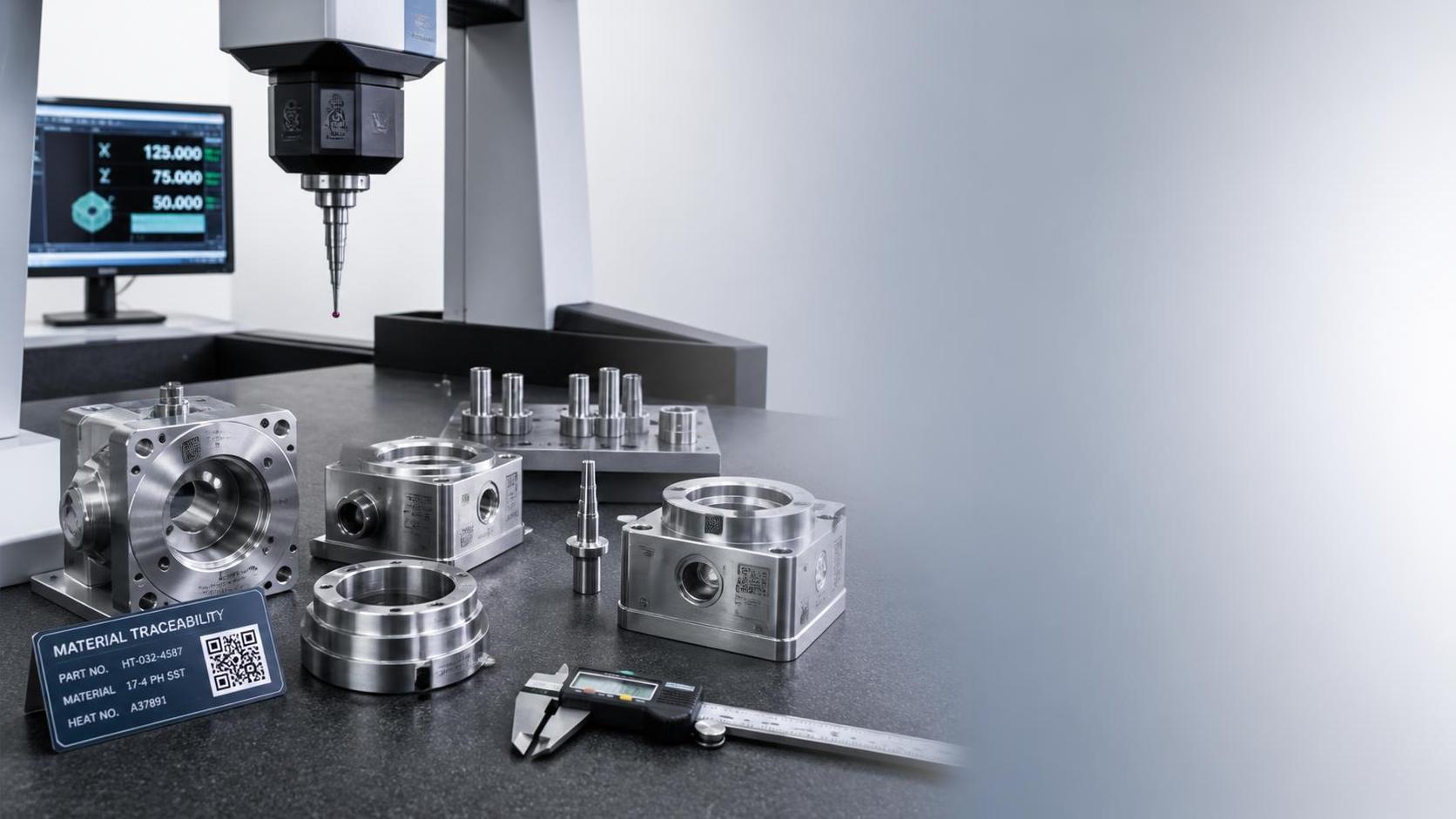
For procurement teams, the real question is not whether a supplier can machine parts, but whether Precision Machining OEM Services can repeatedly meet tolerance, traceability, lead-time, and volume requirements without creating hidden risk. In high-tolerance B2B sourcing, the best partner is the one that proves process control, documentation discipline, and scalable capacity before the first purchase order is issued.
That is why buyers in automotive, aerospace, energy, and electronics should evaluate OEM machining providers against a practical checklist: engineering support, equipment fit, inspection capability, material control, production stability, and commercial responsiveness. These are the factors that determine whether a supplier can move from sample to stable supply.
What procurement teams should expect from a precision machining OEM
Precision Machining OEM Services should start with manufacturability support, not just machining capacity. A credible supplier reviews drawings early, flags tolerance risks, and suggests process changes that reduce cost, scrap, and delivery surprises.
For buyers, this means the OEM should be able to convert design intent into a controlled production plan. That includes selecting the right machines, fixturing, cutting strategy, inspection points, and packaging method for the part’s function and tolerance class.
In practice, the supplier should demonstrate that it understands both geometry and business impact. A part that is technically possible but unstable in production is a sourcing risk, especially when repeatability matters more than a one-off sample.
Why tolerance capability is only part of the answer
Many suppliers can quote a tight tolerance, but the real issue is whether they can hold it across batches, shifts, and material lots. Procurement teams should look for process capability evidence, not just verbal assurances or isolated sample results.
Ask how the supplier monitors dimensional drift, tool wear, thermal variation, and machine calibration. A supplier with robust process controls will explain how it keeps variation within limits rather than relying on final inspection to catch defects.
For high-tolerance B2B parts, consistency is often more valuable than peak precision. If a vendor can make one excellent part but cannot scale the same result into serial production, it may not be the right OEM partner.
Material traceability and documentation buyers should require
Traceability is a core requirement in regulated and mission-critical industries. Precision Machining OEM Services should include full material identification, batch tracking, certificates of conformity, and clear linkage between raw stock and finished parts.
Procurement teams should confirm whether the supplier can provide material test reports, heat numbers, and inspection records in a format that supports internal quality audits. Missing documentation often becomes a downstream problem when customers or regulators ask for proof.
This also matters for change control. If a supplier substitutes material, alters a process, or shifts production to another site, buyers need visibility before shipment. Traceability without change discipline is only partial protection.
Inspection and quality control that support real sourcing decisions
Quality control should cover the full workflow, from incoming material checks to in-process inspection and final verification. Buyers should favor suppliers that use calibrated equipment, documented inspection plans, and defined acceptance criteria for every critical dimension.
For complex parts, the question is not whether the OEM owns a CMM or micrometer. The question is whether inspection data is tied to production control and whether nonconforming parts are isolated before shipment.
Useful suppliers also understand how to present data. A clean first article report, clear lot records, and readable dimensional summaries help procurement and quality teams make faster decisions with less internal friction.
Production scale, lead time, and supply continuity
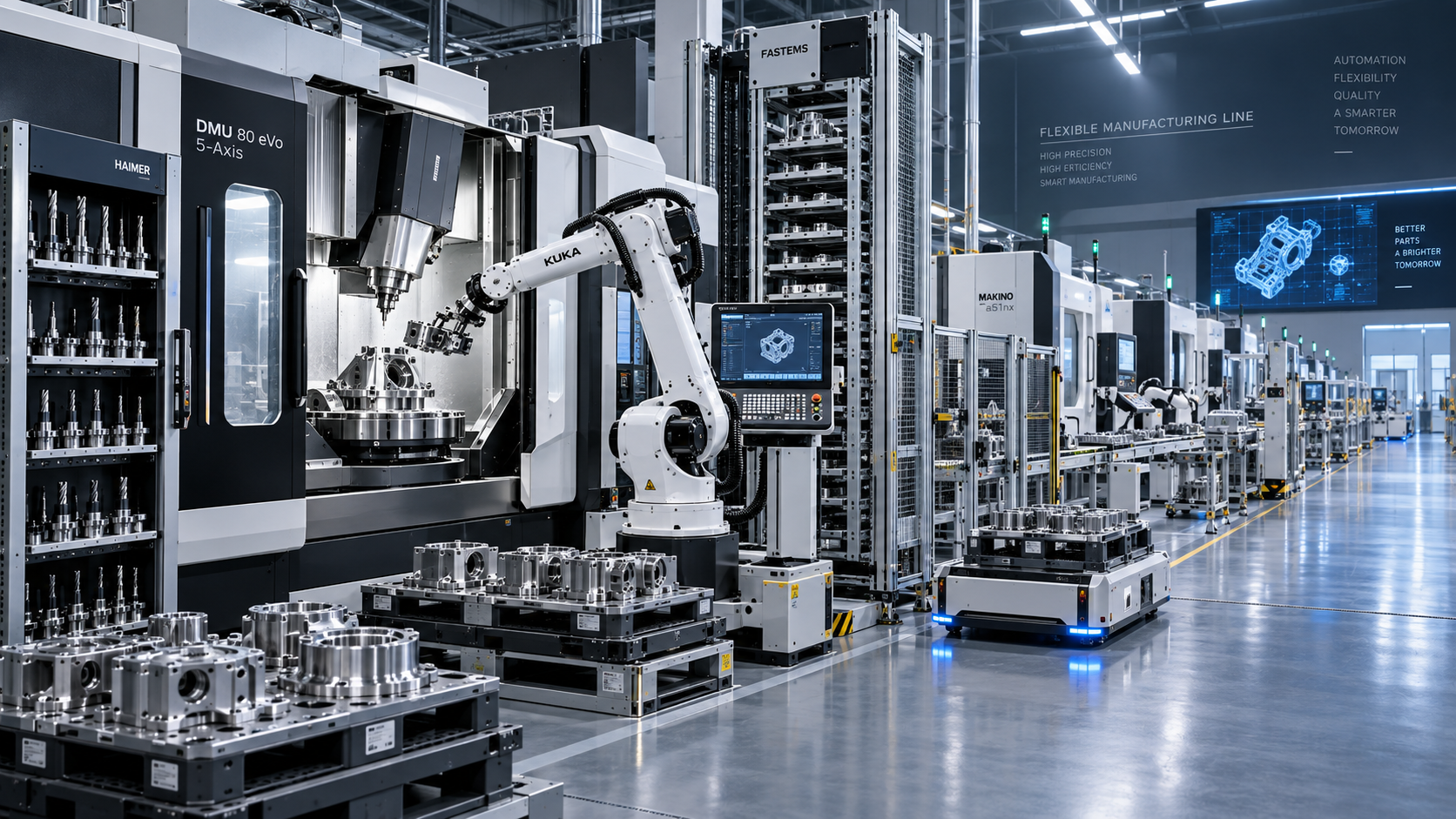
A strong OEM service model should support prototype, pilot, and volume production without forcing the buyer to restart qualification at each stage. That continuity saves time and reduces risk when demand changes or programs ramp quickly.
Procurement teams should ask how the supplier handles capacity planning, machine redundancy, and rush orders. If one machine failure can stop output entirely, the supplier may create single-point-of-failure risk in your supply chain.
Lead time is also a process question, not just a scheduling promise. Reliable vendors keep cycle times visible, communicate delays early, and show how they protect delivery through tooling readiness, material planning, and job sequencing.
Engineering support that lowers total sourcing cost
OEM machining partners add value when they reduce part complexity before production begins. DFM feedback, tolerance rationalization, and feature simplification can lower cost without hurting function, especially in repeated B2B programs.
This matters because the lowest unit price is not always the lowest total cost. Poorly engineered parts often trigger more scrap, more inspection work, and more supplier management effort, which raises procurement overhead.
A capable supplier should be able to discuss fixture design, secondary operations, surface finish requirements, and assembly fit in practical terms. That kind of support signals production maturity, not sales polish.
Commercial terms that matter as much as technical fit
Procurement teams should evaluate payment terms, MOQ flexibility, warranty handling, and response time for corrective action. Precision Machining OEM Services are easier to manage when commercial rules match the technical risks of the part.
Clear ownership of defects is essential. Buyers need to know how the supplier handles rework, replacement, root cause analysis, and chargebacks when parts fail specification after delivery.
It is also worth checking how the vendor manages communication. A responsive engineering contact and a disciplined account process can save days during launch, especially when drawings or revisions change close to release.
Questions that help buyers compare suppliers fairly
When comparing suppliers, use the same questions for each candidate so you can judge them on evidence rather than presentation. Ask for tolerance history, sample reports, machine list, material traceability process, and examples of similar parts produced at scale.
Also ask what would prevent them from taking your job. A strong supplier will be honest about part complexity, lead-time constraints, or material availability instead of overpromising to win the order.
Finally, verify whether the OEM can support your target market. Aerospace, automotive, energy, and electronics each place different stress on quality systems, documentation, and delivery discipline.
What a qualified precision machining OEM should look like
The right supplier combines technical capability with operational control. It can produce tight-tolerance parts, prove traceability, manage risk, and grow with the program instead of treating every order as a one-off job.
For procurement teams, that combination is what turns Precision Machining OEM Services into a reliable sourcing advantage. The goal is not just to buy machined parts, but to secure a stable manufacturing partner that protects quality, schedule, and cost over time.
In short, the best OEM is the one that can show how it will deliver consistent parts, defend the specification, and support production at the scale your business actually needs. That is the standard worth applying before any supplier is approved.
Recommended for You
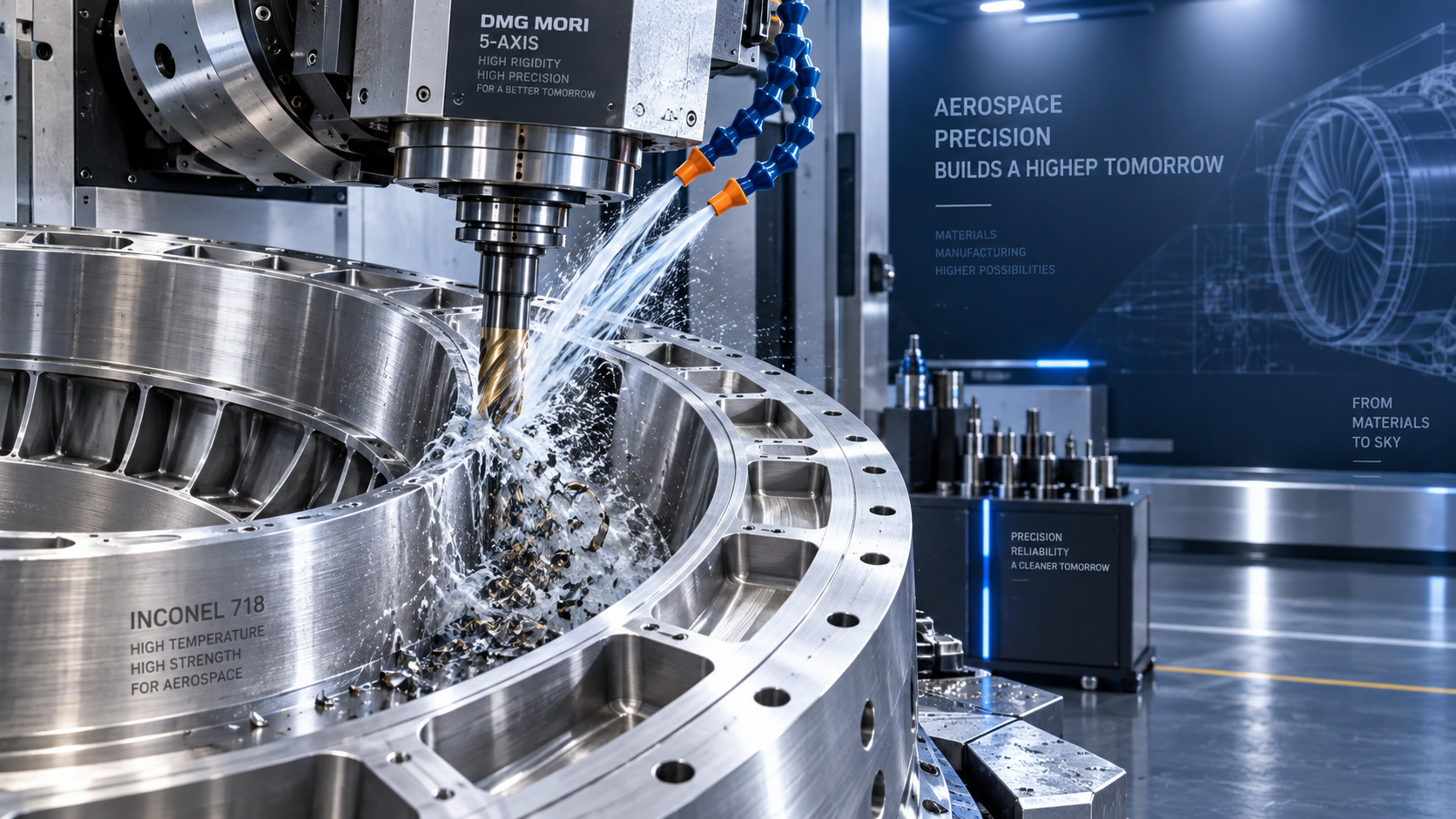
 Can CNC Machining Inconel Control Tool Wear in High-Temperature Aerospace Parts?CNC Machining Technology Center
 Machine Tool Market Outlook: Demand Drivers, Capacity Shifts, and Investment RisksManufacturing Market Research Center
 Zero-Point Clamping or Modular Fixtures? Choosing a Faster CNC Changeover SystemCNC Machining Technology Center
 How to Cut CNC Fixture Changeover Time Without Sacrificing Part AccuracyCNC Machining Technology Center
 When Does CNC Turning Pay Off? A Break-Even Guide by Annual Part VolumeMachine Tool Industry Editorial Team
 Machine Tool Standards by Country: What Importers Must Verify Before PurchaseManufacturing Policy Research Center

Aris Katos
Future of Carbide Coatings
15+ years in precision manufacturing systems. Specialized in high-speed milling and aerospace grade alloy processing.
▶
How Does Precision Machining Differ From Standard Machining?CNC Machining Technology Center▶
CNC Precision: Which Tolerances, Materials, and Processes Fit Your Part?CNC Machining Technology Center▶
How to Choose Metal Machining Processes for Tight Tolerances and Production VolumeCNC Machining Technology Center▶
Production Process Explained: Key Stages, Controls, and Quality CheckpointsCNC Machining Technology Center▶
How to Select a Machine Tool for Electronics Manufacturing with Tight Tolerance NeedsCNC Machining Technology Center
Mastering 5-Axis Workholding Strategies
Join our technical panel on Nov 15th to learn about reducing vibrations in thin-wall components.

Providing you with integrated sanding solutions
Before-sales and after-sales services
Comprehensive technical support