• Global CNC market projected to reach $128B by 2028 • New EU trade regulations for precision tooling components • Aerospace deman
NYSE: CNC +1.2%LME: STEEL -0.4%

US Proposes 25% Tariff on China CNC Servo Drives

On August 9, 2026, the U.S. Department of Commerce issued a proposed rule, FR Doc. 2026-17842, that would add a 25% tariff from October 1, 2026 on China-origin high-precision servo drives used in CNC machine tools. The proposal targets drives defined by positioning accuracy of at least 0.001° and response frequency of at least 5 kHz, a product scope relevant to five-axis machining centers, high-dynamic CNC turn-mill systems, and automation control lines. For importers, equipment integrators, and supply-chain participants, the development is worth close attention because it links a trade rule change directly to procurement cost, compliance planning, and delivery forecasting.
What the proposed tariff specifically covers
The confirmed facts are limited but commercially significant. According to the provided information, the U.S. Department of Commerce released the proposed rule on August 9, 2026 under FR Doc. 2026-17842. The rule is proposed to take effect on October 1, 2026 and would impose an additional 25% tariff on servo drives originating in China when those products meet the stated technical thresholds: positioning accuracy of at least 0.001° and response frequency of at least 5 kHz.
The affected product is described as a core supporting component for CNC machine tools. The same information states that these servo drives are widely used in five-axis machining centers, high-dynamic CNC turn-mill composite machines, and automated production line control systems. The direct areas identified in the input are overseas importer purchasing costs, compliance certification pathways for end equipment, and delivery-cycle estimates.
Where the pressure is likely to appear first
Imported component purchasing for CNC equipment
From an industry perspective, overseas importers and procurement teams are the first group likely to feel the impact because the proposed rule changes the landed cost structure for a defined category of China-origin servo drives. The practical effect may appear in quotation validity, sourcing comparisons, and purchase timing. What deserves closer attention is whether technical specifications, country-of-origin documentation, and product classification records are aligned well enough to support procurement decisions under the proposed tariff scope.
Machine builders and system integrators working with regulated configurations
Analysis shows that manufacturers and integrators using these drives in five-axis equipment, turn-mill systems, or automation control assemblies may need to reassess not only cost but also the compliance route for the finished equipment. The provided information already points to possible effects on certification pathways for end products. In practice, that means technical files, bill-of-material consistency, and component selection logic may require closer review where a certified or pre-qualified equipment configuration depends on the specified servo drive parameters.
Delivery planning across supply-chain and service functions
Observably, supply-chain service providers, project delivery teams, and after-sales support organizations may also face adjustment pressure because the event directly affects delivery-cycle forecasting. Where a drive is a core matched component in a machine or line-control system, any change in sourcing or compliance review can influence scheduling assumptions, spare-parts planning, and handover timing. The key issue here is not a confirmed disruption but the need to treat lead-time estimates more cautiously while the proposed rule remains under review.
What companies should review now
Recheck product scope against technical thresholds
Analysis shows that companies dealing with servo drives, finished CNC equipment, or automation assemblies should first verify whether their products fall within the stated technical parameters of at least 0.001° positioning accuracy and at least 5 kHz response frequency. This is a basic but necessary step for procurement review, customs planning, and technical bid alignment.
Keep compliance files and technical documents consistent
What deserves closer attention is document consistency across origin records, specifications, test references, certification materials, and tender documents. Because the provided information identifies possible effects on end-equipment compliance certification pathways, companies should watch for any mismatch between the component named in technical documents and the component actually being sourced or delivered.
Review purchase timing and delivery commitments carefully
Observably, teams handling contracts, delivery schedules, and customer commitments should reassess assumptions tied to October 1, 2026. The input does not provide detailed enforcement mechanics, so this should not be treated as a settled execution outcome. It is more appropriate to monitor how the proposal is described in later official wording and to reflect that uncertainty in procurement plans and shipment commitments.
Track follow-up wording rather than assume a final result
From an industry perspective, this is a proposed rule, not a completed enforcement result described in the input. Companies should therefore continue to watch official language, compliance interpretation, tender-document changes, and market feedback before treating the measure as fully settled operating practice.
Why this matters beyond a single tariff line
Analysis shows that the significance of this development lies less in headline tariff language alone and more in how narrowly defined technical products can reshape several business steps at once. A component-level trade rule can move quickly into sourcing decisions, end-equipment compliance review, and delivery forecasting when the affected product sits at the core of precision CNC and automation systems.
It is more appropriate to understand this event, at the current stage, as a clear execution signal that deserves preparation, while still remaining a rule development that requires continued observation. The input does not confirm final implementation details beyond the proposed effective date, so industry participants should distinguish between immediate planning needs and confirmed enforcement outcomes.
How this development is best understood for now
In summary, the proposed 25% additional tariff on specified China-origin high-precision servo drives is not just a trade-policy headline. It points to a practical rule change with possible effects on procurement cost, certification pathways, and delivery planning in CNC machine tools and automation-related applications. A neutral reading is that the market should treat this as a material policy development with operational implications, while continuing to verify how the rule is finalized, interpreted, and reflected in commercial execution.
Basis of this article and points still requiring verification
This article is generated from the user-provided news title, event date, and event summary. For developments of this type, commonly relevant source categories may include official government notices, releases from regulatory authorities, customs or trade-administration information, industry association updates, standards-related documents, and reporting by authoritative media. A specific official source link was not provided in the input, so the precise official publication path still requires ongoing verification.
Further observation is still needed on later policy wording, enforcement interpretation, certification treatment, tender-document changes, industry feedback, and how companies adjust procurement and delivery arrangements in response to the proposal.
PREVIOUS ARTICLE
Recommended for You
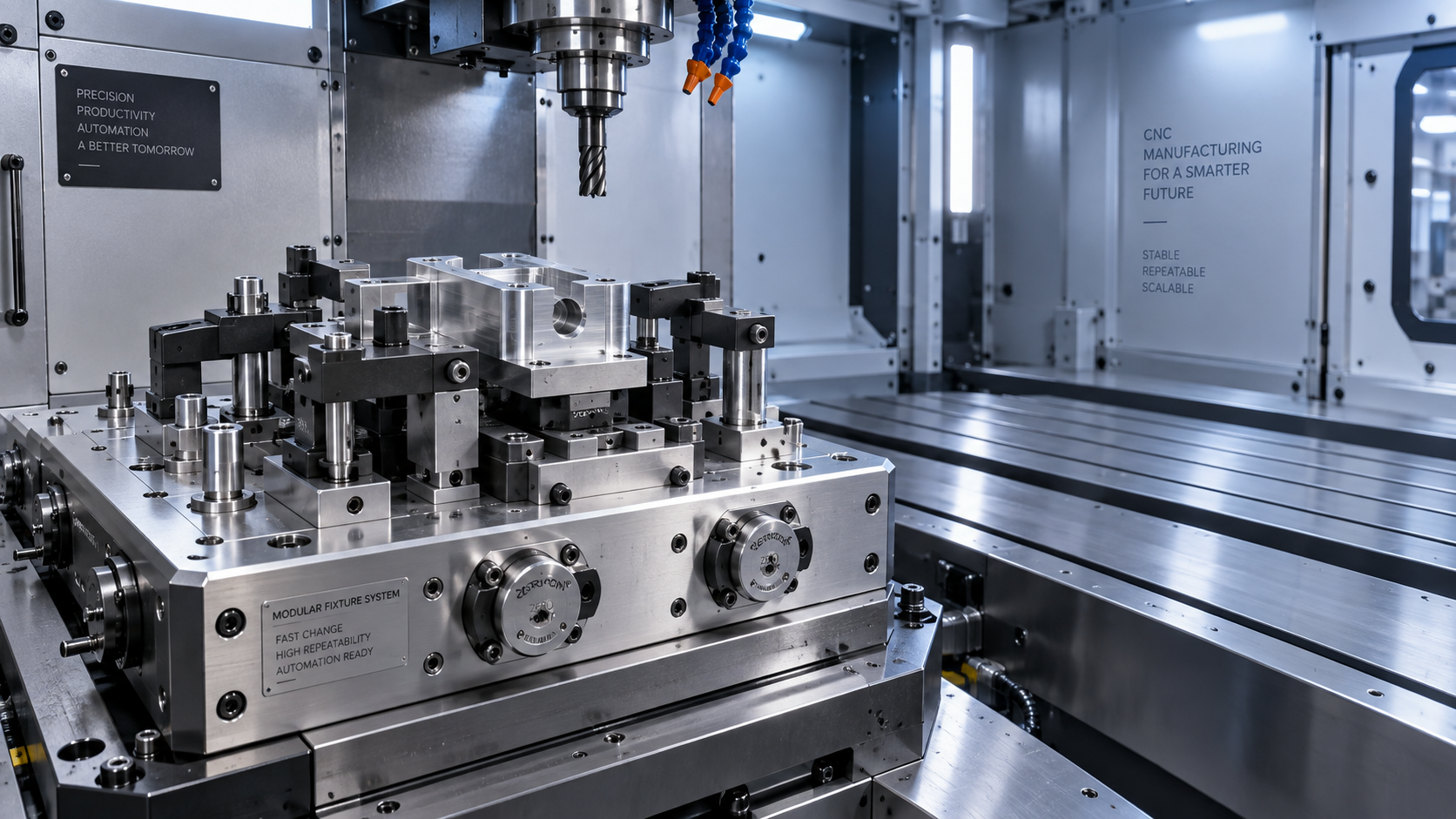
 Zero-Point Clamping or Modular Fixtures? Choosing a Faster CNC Changeover SystemCNC Machining Technology Center
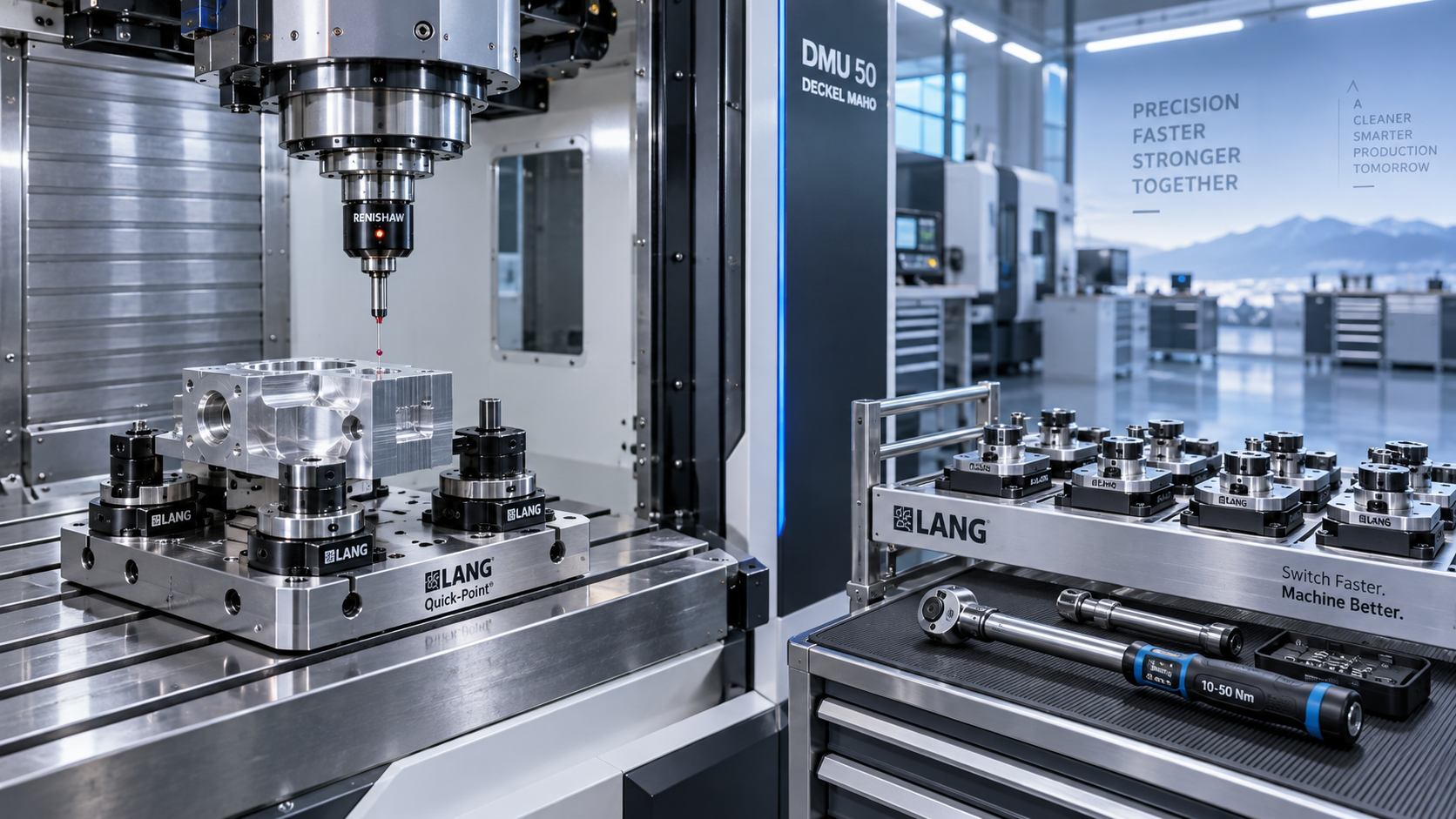
 How to Cut CNC Fixture Changeover Time Without Sacrificing Part AccuracyCNC Machining Technology Center
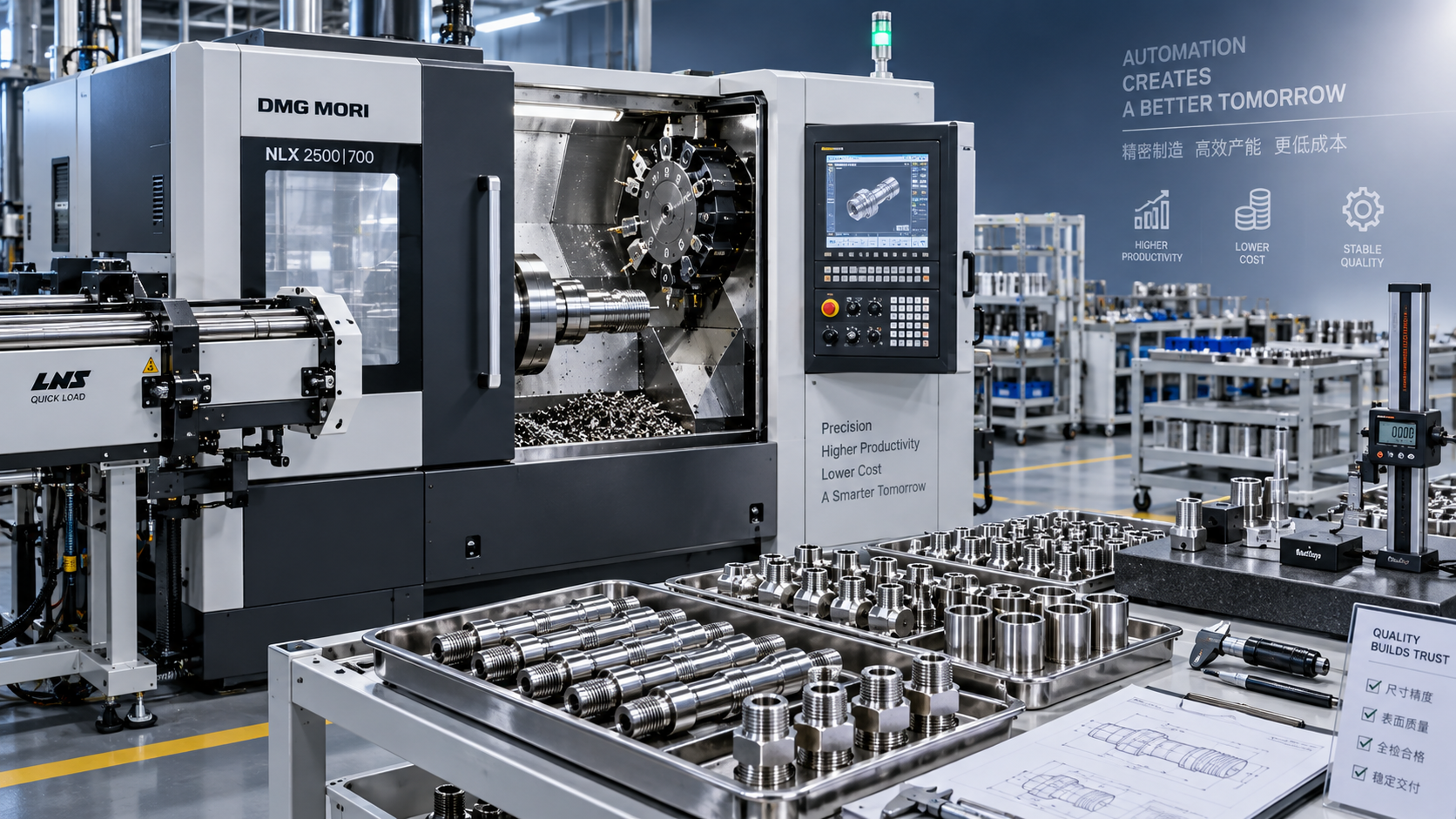
 When Does CNC Turning Pay Off? A Break-Even Guide by Annual Part VolumeMachine Tool Industry Editorial Team
 Machine Tool Standards by Country: What Importers Must Verify Before PurchaseManufacturing Policy Research Center
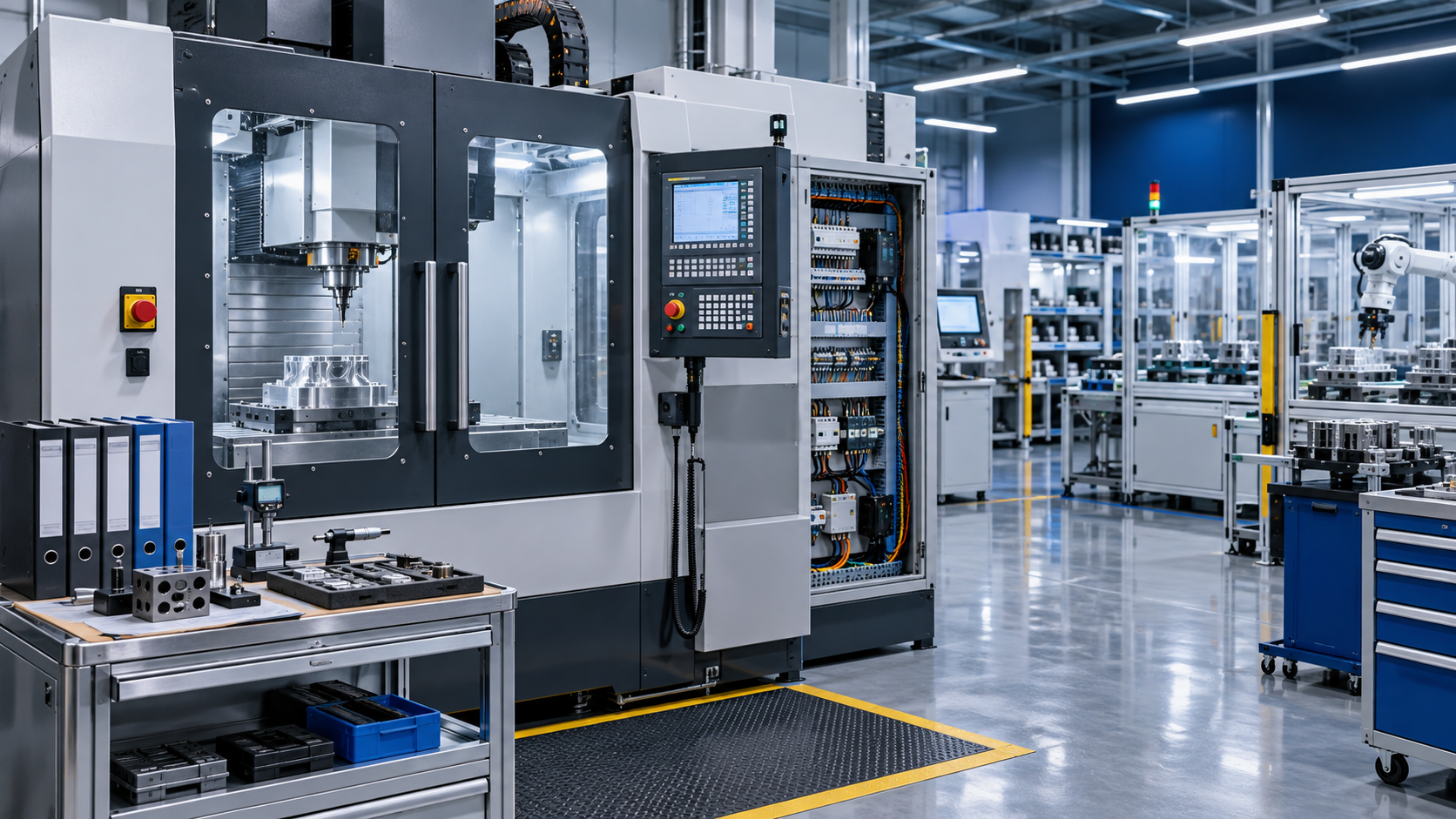
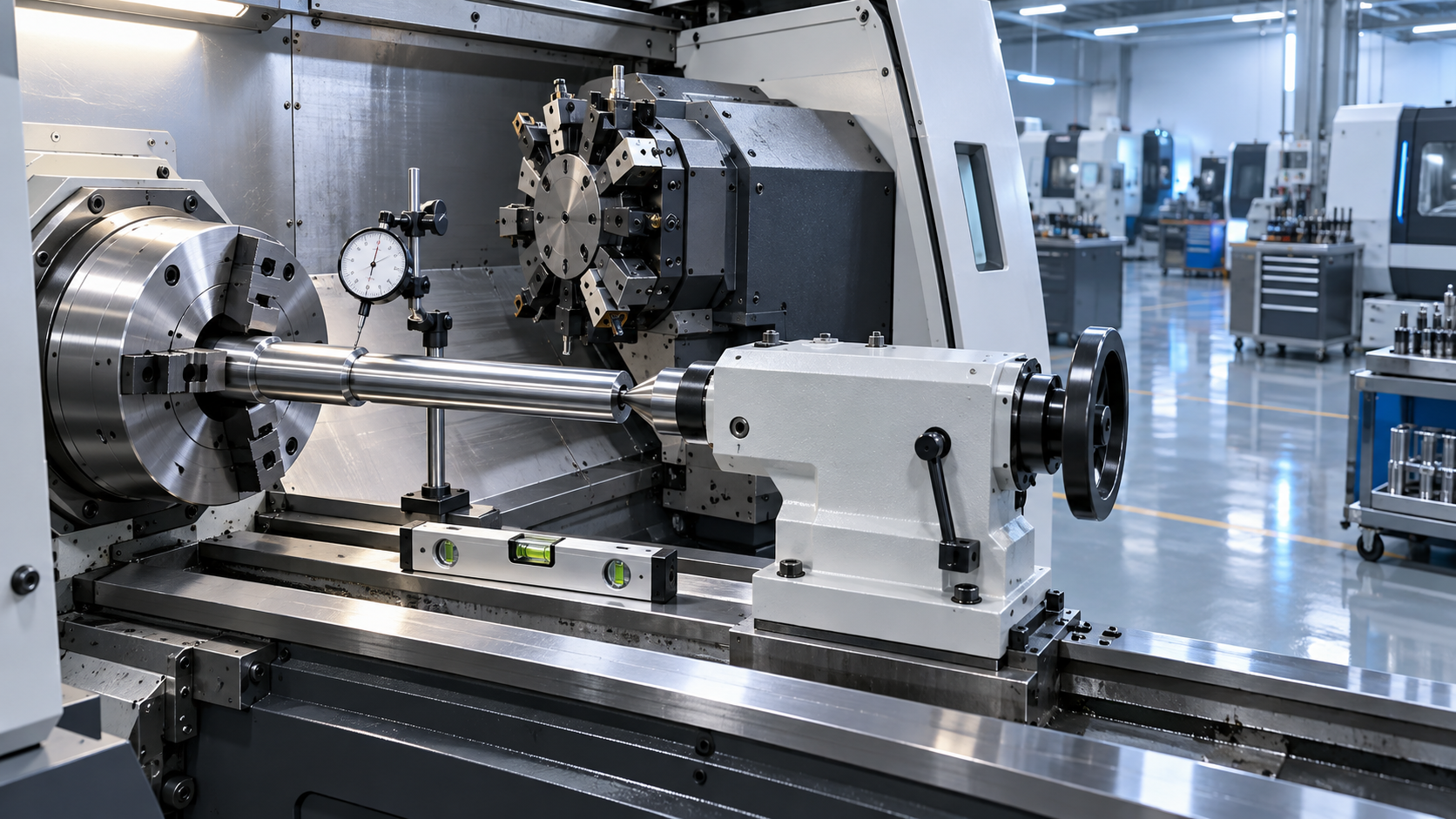
 CNC Lathe Quick Installation Guide: Alignment Checks Before First Production RunCNC Machining Technology Center
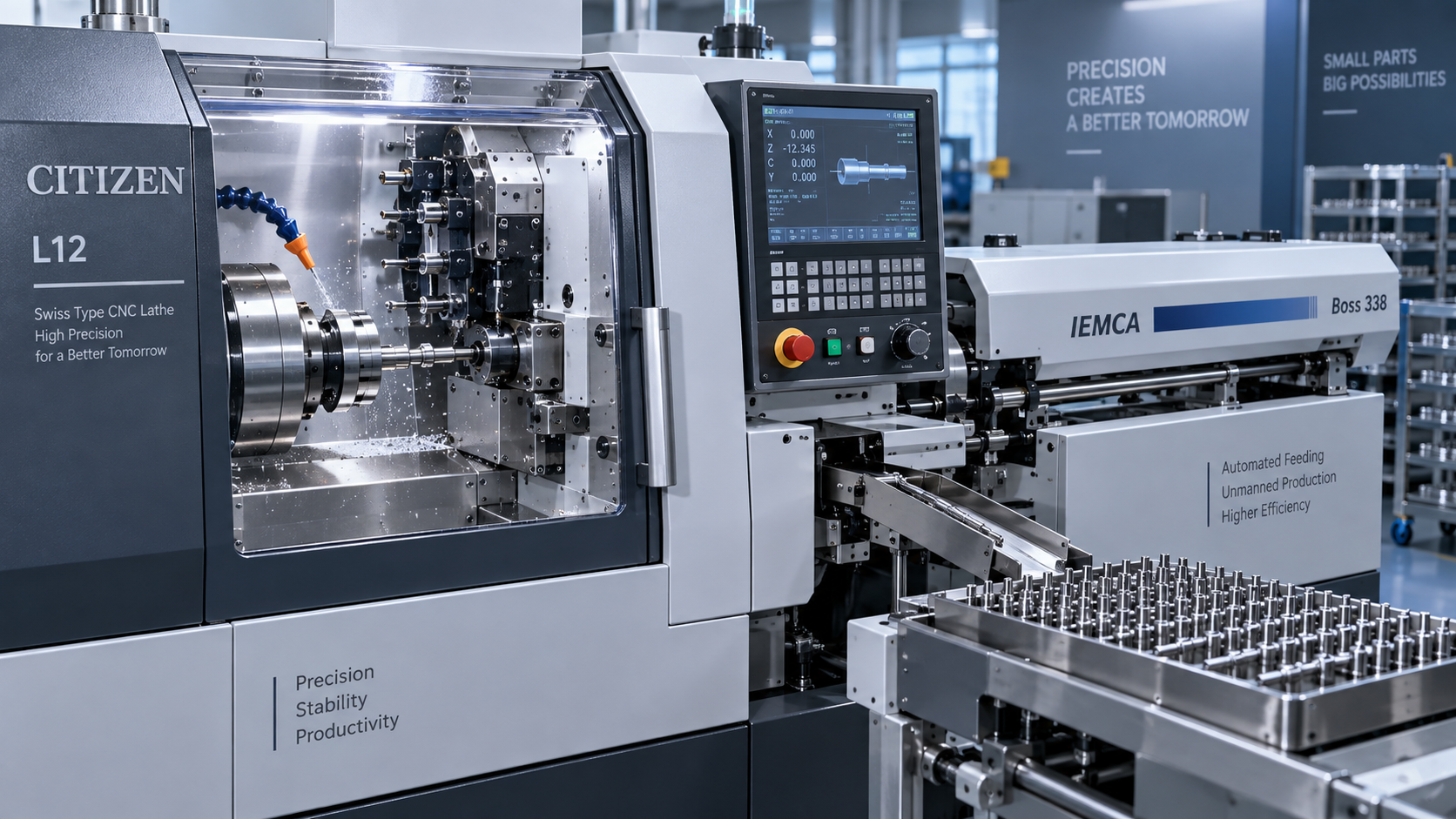
 How to Select a CNC Lathe for Small Parts Without Sacrificing Accuracy or Cycle TimeCNC Machining Technology Center

Aris Katos
Future of Carbide Coatings
15+ years in precision manufacturing systems. Specialized in high-speed milling and aerospace grade alloy processing.
▶
日本高端机床出口管制生效,五轴CNC审批趋严Global Machine Tool Trade Research Center▶
Japan Tightens Controls on High-End Machine Tool ExportsGlobal Machine Tool Trade Research Center▶
US Proposes 25% Tariff on China CNC Servo DrivesGlobal Machine Tool Trade Research Center▶
US Adds 37 Chinese Machine Tool Firms to Export ListGlobal Machine Tool Trade Research Center▶
US Tightens CNC Export Curbs, Adds 52 China EntitiesGlobal Machine Tool Trade Research Center
Mastering 5-Axis Workholding Strategies
Join our technical panel on Nov 15th to learn about reducing vibrations in thin-wall components.

Providing you with integrated sanding solutions
Before-sales and after-sales services
Comprehensive technical support