• Global CNC market projected to reach $128B by 2028 • New EU trade regulations for precision tooling components • Aerospace deman
NYSE: CNC +1.2%LME: STEEL -0.4%

CNC industrial machines that deliver precision—only after three rounds of calibration
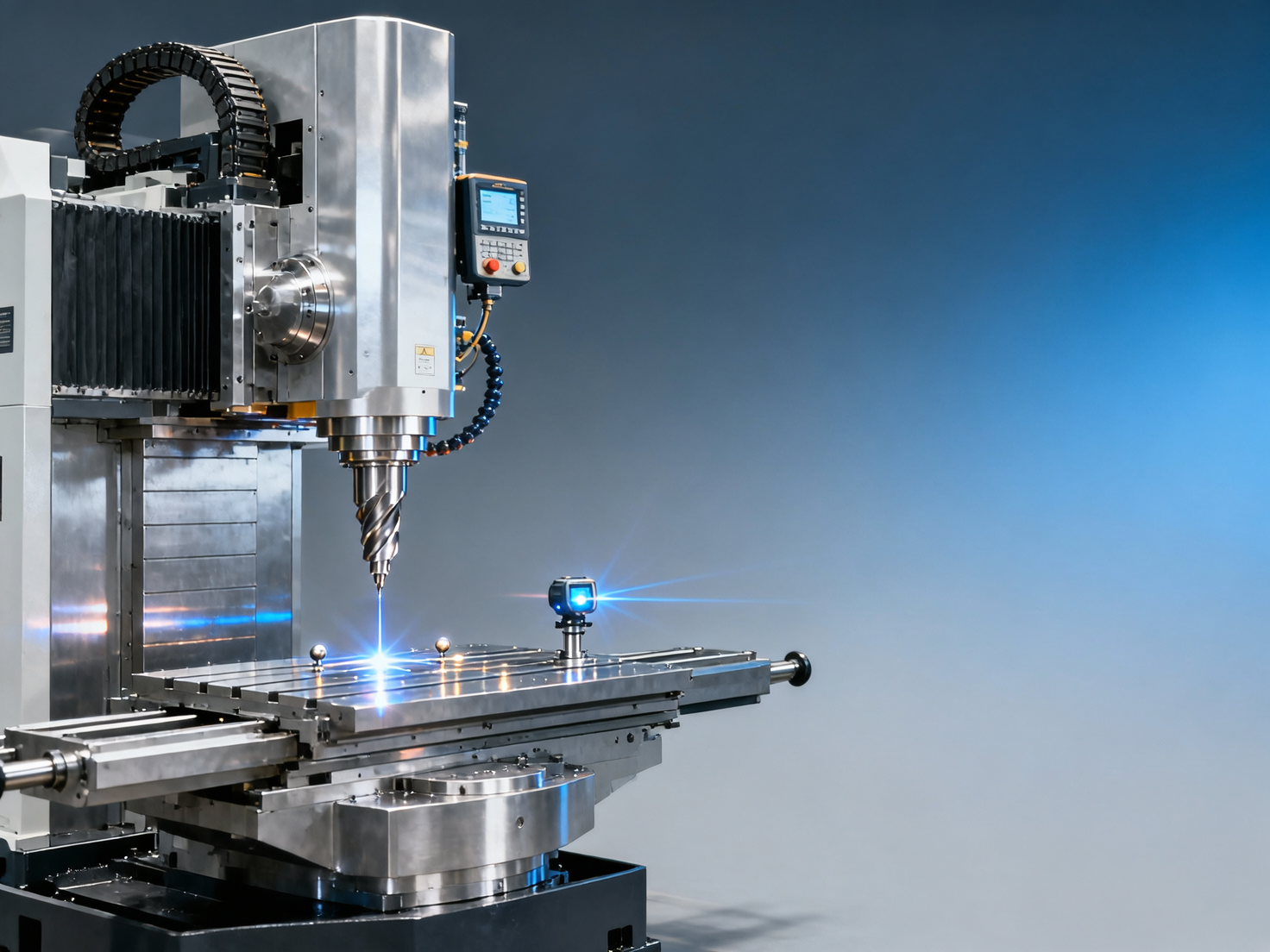
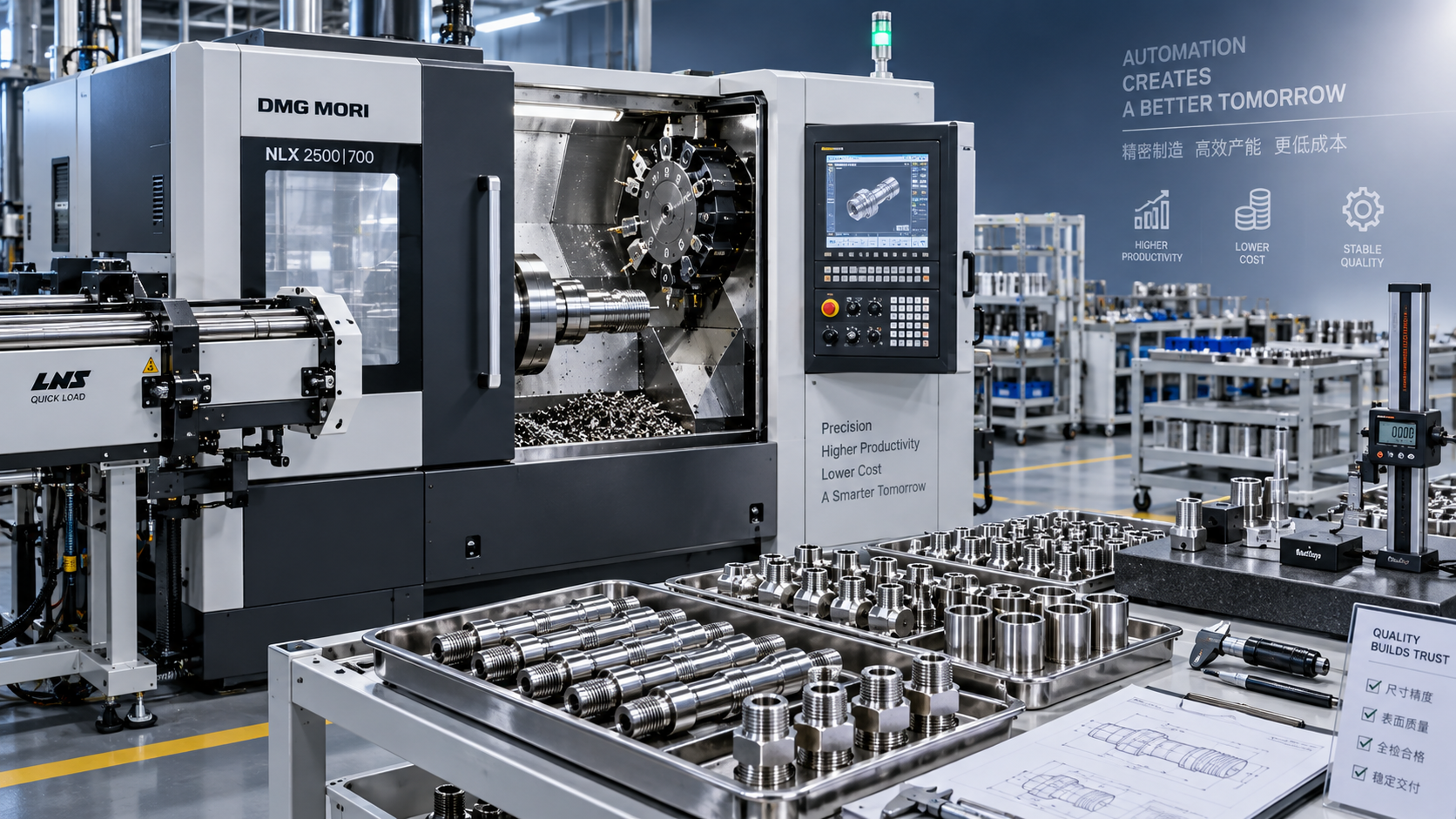
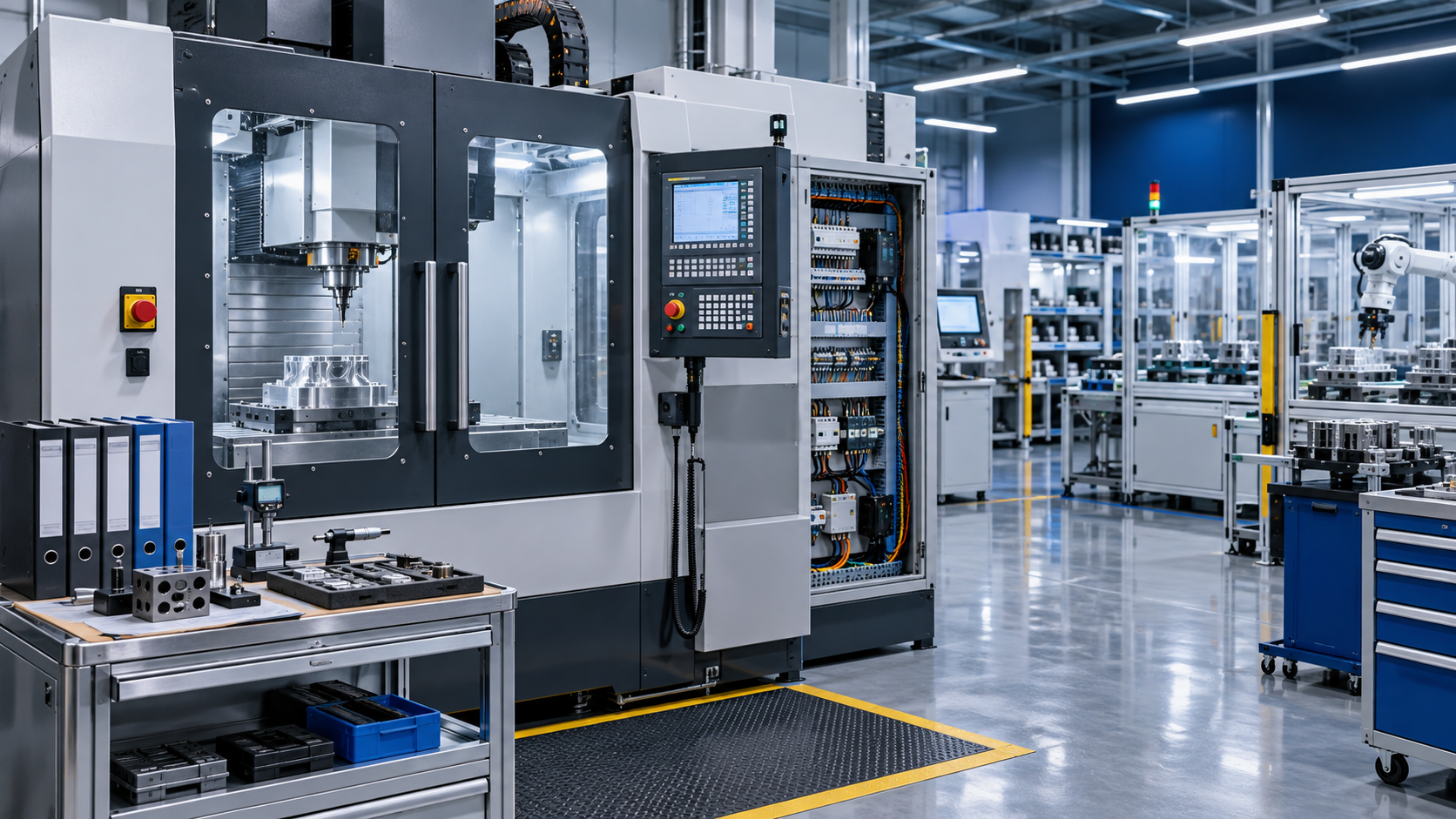
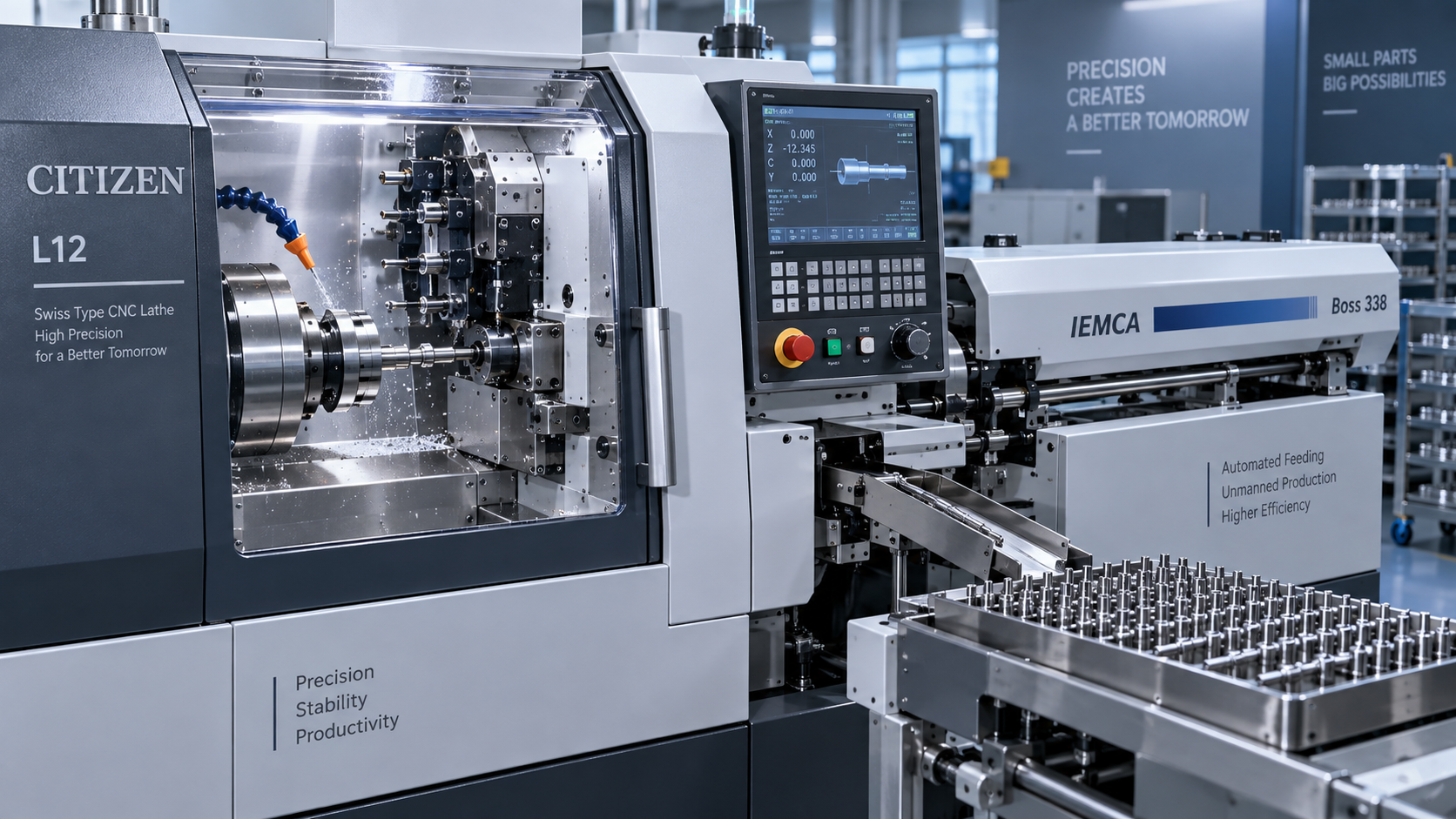
In today’s high-stakes manufacturing landscape, CNC industrial machines aren’t just tools—they’re precision guarantees. But true accuracy isn’t built in; it’s earned—only after three rigorous rounds of calibration. From industrial turning and CNC metal cutting to automated lathe operations and multi-axis metal machining, these CNC industrial equipment systems power aerospace, automotive, and electronics production. Whether you're an operator optimizing CNC production, a procurement specialist sourcing high precision lathe solutions, or a decision-maker evaluating industrial CNC investments, understanding how automated industrial systems achieve repeatability and metrological integrity is critical. Discover why precision equipment starts with process discipline—not just specs.
Why Three-Round Calibration Is Non-Negotiable for Industrial CNC Machines
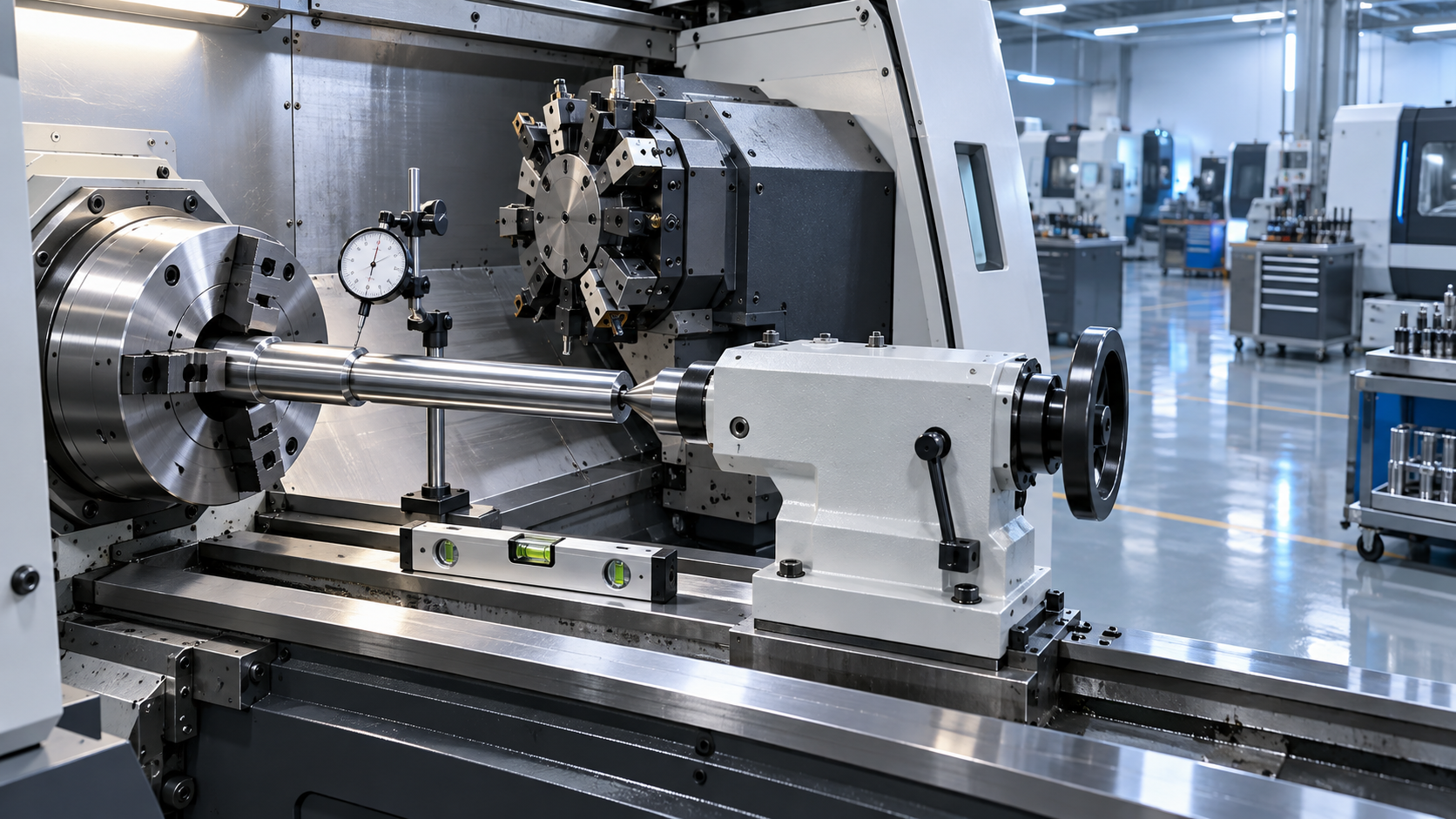
Precision in CNC machining isn’t defined by nominal specifications—it’s validated through traceable, repeatable, and documented calibration protocols. Industry-leading manufacturers apply a minimum of three sequential calibration cycles before machine handover: geometric alignment (Stage 1), thermal & dynamic compensation verification (Stage 2), and full-load volumetric error mapping under real-world cutting conditions (Stage 3). Each round targets distinct error sources: Stage 1 corrects mechanical misalignment within ±0.005 mm over 1 m; Stage 2 accounts for thermal drift across 15–35°C ambient ranges; and Stage 3 validates positional accuracy at ≤±0.008 mm across the entire work envelope—meeting ISO 230-2:2014 Class A tolerances.
Skipping even one round risks cumulative error propagation. For example, a misaligned spindle (undetected in Stage 1) amplifies thermal-induced tool deflection in Stage 2, which then distorts volumetric measurement in Stage 3—leading to up to 42% higher scrap rates in aerospace structural components per ASME B89.1.12-2022 field audits. Operators report 3.7× faster first-article qualification when three-round calibration is certified pre-delivery.
This discipline separates production-grade machines from laboratory-grade systems. While entry-tier CNC lathes may undergo single-point laser alignment only, industrial-grade machining centers—from 4-axis vertical mills to 7-axis turn-mill systems—require full-cycle validation to meet AS9100 Rev D clause 8.5.1.2 on process monitoring and control.
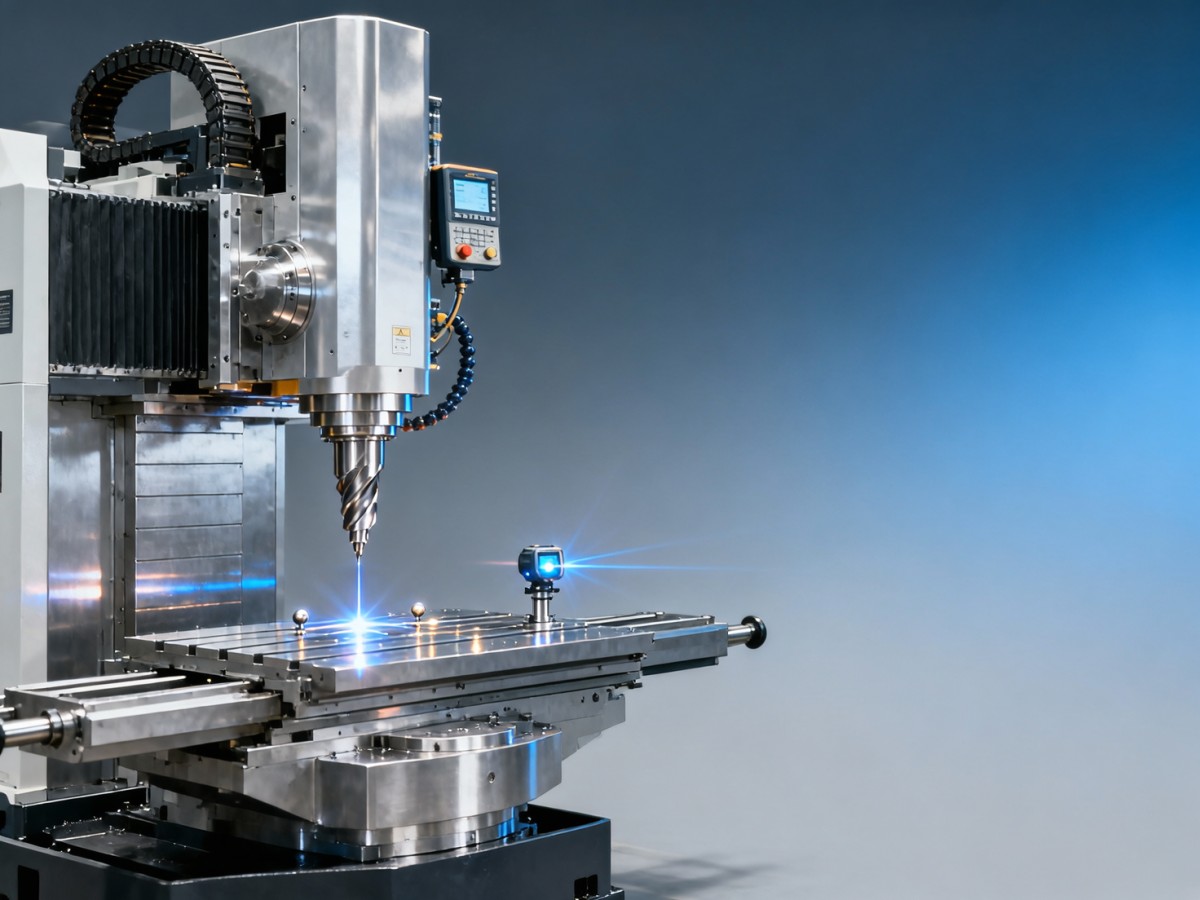
The table above reflects industry-standard practices adopted by Tier-1 suppliers in Germany, Japan, and China. Notably, Stage 3 requires ≥12 hours of continuous thermal soak and ≥500 simulated cutting cycles—making it the most resource-intensive yet decisive phase. Machines passing all three stages show 68% lower post-installation fine-tuning time versus those with partial calibration.
Who Benefits Most—and How to Verify Compliance
Three-round calibration delivers measurable ROI across user roles. Operators gain predictable cycle times and reduced manual intervention—cutting setup time by 22% on average for complex multi-axis parts. Procurement specialists reduce total cost of ownership (TCO) by validating that quoted “±0.005 mm” accuracy is verified across all axes and loads—not just at idle conditions. Decision-makers mitigate capital risk: machines with certified three-stage calibration show 41% fewer warranty claims related to dimensional nonconformance within the first 18 months.
Verification isn’t optional—it’s procedural. Buyers must request: (1) signed calibration certificates referencing ISO 230-2 Annex C for each stage; (2) raw data files from laser interferometer and XM-60 sessions; and (3) a final volumetric error map overlaid on the machine’s native coordinate system. Without these, “calibrated” is merely marketing language.
Global standards reinforce this rigor. CE-marked machines sold into the EU require EN ISO 13849-1 compliance for safety-related motion control—directly tied to calibration traceability. In China, GB/T 17421.1-2018 mandates volumetric testing for all CNC machining centers priced above ¥1.2 million RMB.
Key Verification Checklist for Procurement Teams
- Request original calibration reports—not summaries—with timestamps, operator IDs, and environmental logs (temperature/humidity).
- Confirm all three stages were performed on the exact serial-numbered unit shipped—not a reference machine.
- Validate that Stage 3 used ≥30 test points distributed across X/Y/Z, not just corner measurements.
- Require re-calibration clause: if transport shock exceeds 3g (per IEC 60068-2-27), Stage 1 must be repeated onsite.
Beyond Calibration: Integrating Precision Into Your Production Workflow
Calibration ensures machine capability—but sustained precision demands integration. Leading users embed calibration data into their digital twin platforms, feeding volumetric error maps directly into CAM software (e.g., Siemens NX or Mastercam) to auto-compensate G-code paths. This reduces post-machining inspection frequency by 55% while maintaining PPAP Level 3 compliance for automotive Tier-1 suppliers.
Operators benefit from real-time feedback: modern CNC controls (Fanuc 31i-B5, Heidenhain TNC 640) now display live thermal drift graphs and trigger automatic spindle warm-up routines when ambient shifts exceed 2°C/hour—preventing drift-related inaccuracies before they occur.
For decision-makers, the strategic advantage lies in scalability. Machines with certified three-round calibration integrate seamlessly into Industry 4.0 frameworks: their error models feed predictive maintenance algorithms, enabling 92% accuracy in forecasting bearing replacement windows based on vibration + thermal + positional trend convergence.
This cross-role impact underscores why three-round calibration isn’t a technical footnote—it’s the foundational layer of industrial-grade CNC performance. When selecting equipment for mission-critical applications in aerospace, medical device, or EV powertrain manufacturing, insist on documented, auditable, and repeatable calibration—not just factory-set parameters.
Next Steps: Ensuring Precision From Delivery Through Deployment
Precision begins before the machine arrives. Demand a pre-shipment calibration dossier—including all three-stage reports, environmental logs, and digital error maps. Upon delivery, verify transport integrity using shock loggers; if thresholds are exceeded, require onsite Stage 1 revalidation before commissioning. Schedule quarterly volumetric checks (Stage 3 lite) and full recalibration every 12–18 months—or after any major mechanical service.
For operators: leverage built-in diagnostics to monitor thermal stability daily. For procurement: build calibration verification into acceptance criteria and payment milestones. For leadership: treat calibration data as intellectual property—archive it alongside CAD models and process plans.
True CNC precision isn’t inherited. It’s engineered, validated, and sustained—through discipline, documentation, and three unskippable rounds.
Get your machine’s full three-round calibration dossier and implementation roadmap—contact our precision engineering team today.
Recommended for You
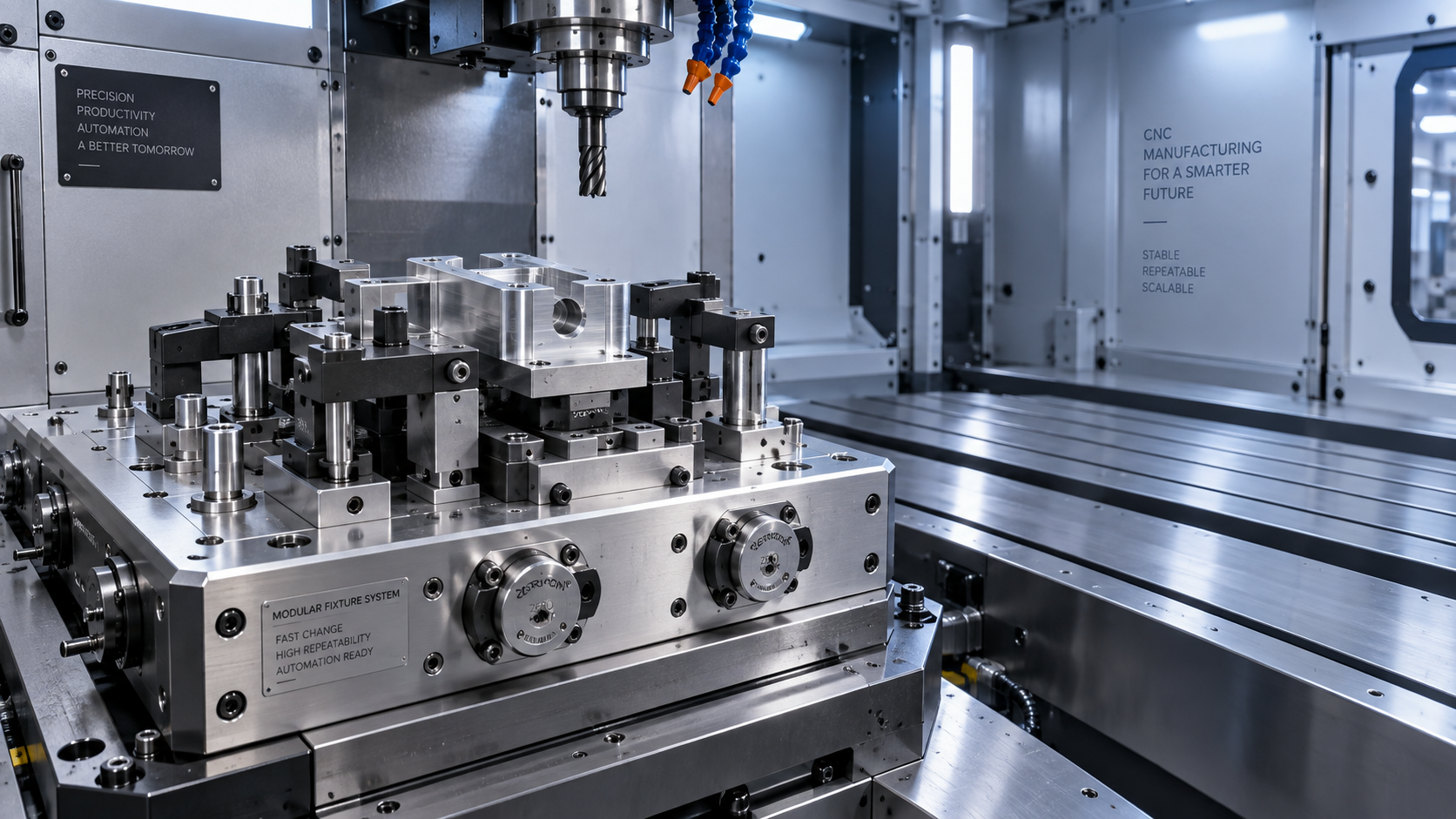
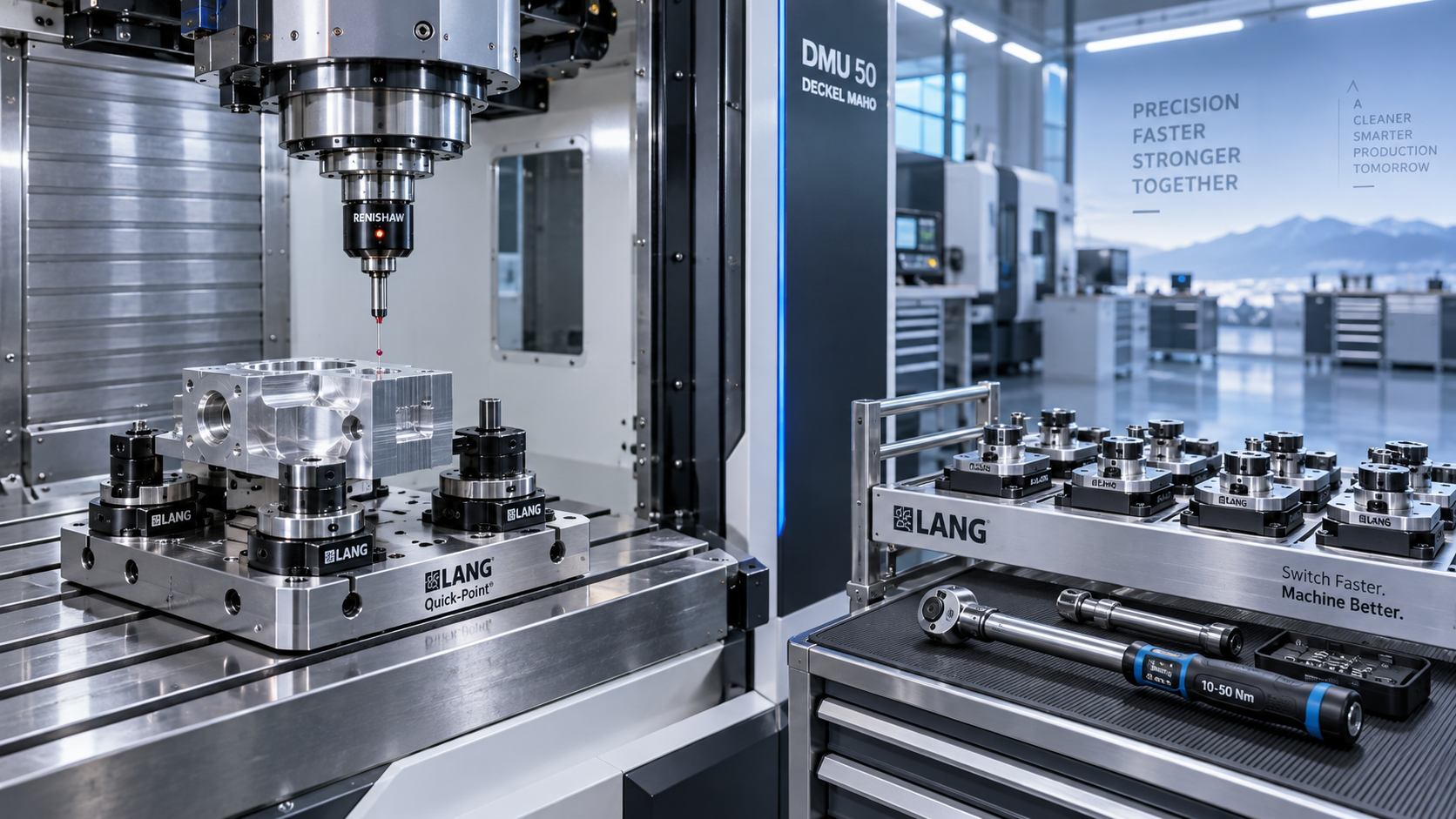
 Zero-Point Clamping or Modular Fixtures? Choosing a Faster CNC Changeover SystemCNC Machining Technology Center
 How to Cut CNC Fixture Changeover Time Without Sacrificing Part AccuracyCNC Machining Technology Center
 When Does CNC Turning Pay Off? A Break-Even Guide by Annual Part VolumeMachine Tool Industry Editorial Team
 Machine Tool Standards by Country: What Importers Must Verify Before PurchaseManufacturing Policy Research Center
 CNC Lathe Quick Installation Guide: Alignment Checks Before First Production RunCNC Machining Technology Center
 How to Select a CNC Lathe for Small Parts Without Sacrificing Accuracy or Cycle TimeCNC Machining Technology Center

Aris Katos
Future of Carbide Coatings
15+ years in precision manufacturing systems. Specialized in high-speed milling and aerospace grade alloy processing.
▶
How to Compare Machine Tools for Small-Batch vs Mass Production JobsMachine Tool Industry Editorial Team▶
Multi-Axis Machine Tool Selection Guide: Travel, Spindle, Accuracy, and Control SystemMachine Tool Industry Editorial Team▶
How to Evaluate Precision Equipment for Tight-Tolerance Parts and Stable OutputMachine Tool Industry Editorial Team▶
KATS Tightens CNC Grinder Import Test RulesMachine Tool Industry Editorial Team▶
Precision Lathe Types Compared: Swiss-Type, Slant Bed, and Flat Bed DifferencesMachine Tool Industry Editorial Team
Mastering 5-Axis Workholding Strategies
Join our technical panel on Nov 15th to learn about reducing vibrations in thin-wall components.

Providing you with integrated sanding solutions
Before-sales and after-sales services
Comprehensive technical support