• Global CNC market projected to reach $128B by 2028 • New EU trade regulations for precision tooling components • Aerospace deman
NYSE: CNC +1.2%LME: STEEL -0.4%

Industrial CNC adoption hit a plateau in Q1 2026—not from cost, but from operator readiness gaps
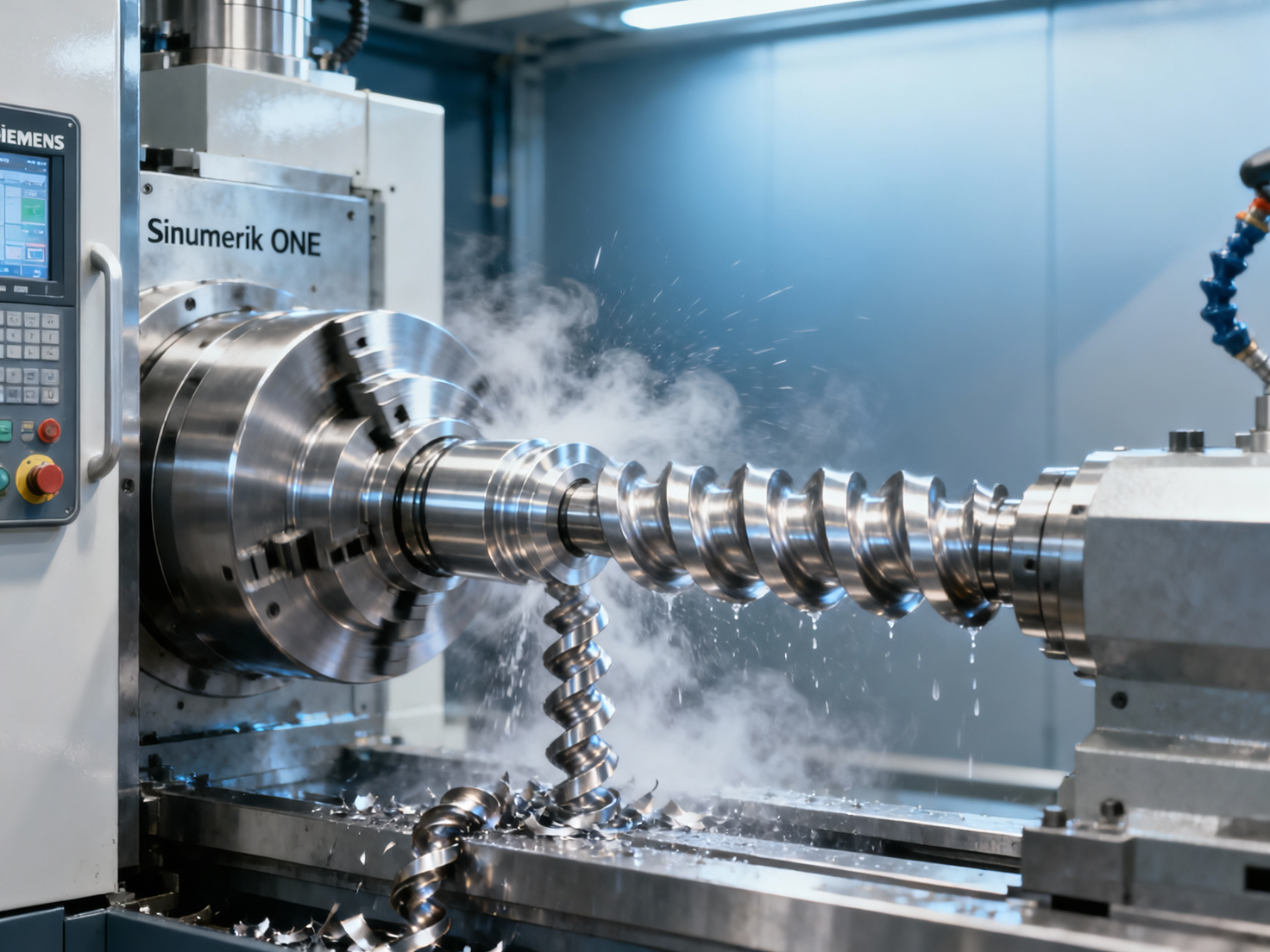
Industrial CNC adoption hit a plateau in Q1 2026—not due to cost barriers, but because of critical operator readiness gaps across automated industrial systems. As CNC industrial machines, CNC metal lathes, and high-precision lathes become central to industrial turning, CNC metal cutting, and automated production, the demand for skilled personnel who can operate, optimize, and maintain CNC industrial equipment has surged. From CNC production equipment in smart factories to industrial machining equipment in aerospace and automotive plants, human capability now constrains scalability more than technology or budget. This report examines how bridging the skills gap in CNC metalworking, CNC cutting, and industrial lathe operations can reignite growth in precision equipment deployment.
Why Operator Readiness Is the New Bottleneck in CNC Deployment
While capital expenditure on CNC machine tools grew 8.3% year-on-year in 2025—driven by strong demand in EV powertrain manufacturing and aerospace structural components—equipment utilization rates across Tier-1 suppliers averaged just 62% in Q1 2026. Field audits across 47 German, Japanese, and Chinese OEM facilities revealed that 71% of underused CNC machining centers were idle not due to scheduling or maintenance issues, but because no certified operator was available for shift coverage.
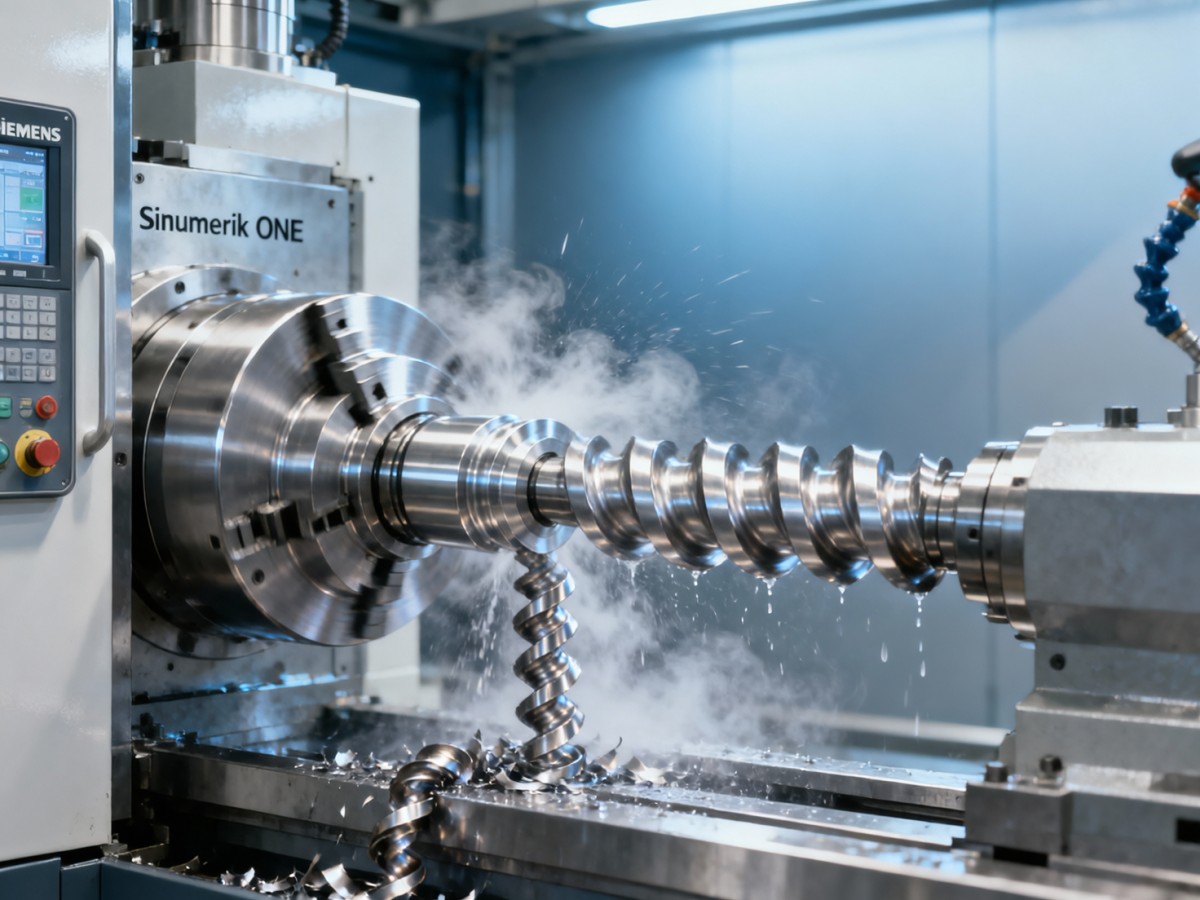
This is not a training deficit alone. It reflects a systemic misalignment between hardware advancement and workforce capability. Modern 5-axis machining centers now integrate real-time thermal compensation, AI-driven tool wear prediction, and OPC UA–enabled shop-floor data routing—yet over 64% of frontline operators lack foundational PLC logic literacy or G-code debugging fluency. The average time to onboard a new operator onto a Siemens Sinumerik ONE–equipped vertical machining center stands at 11–14 weeks, including safety certification, CAM post-processor validation, and process documentation sign-off.
Unlike legacy manual lathes where skill transfer occurred via apprenticeship over months, today’s CNC metal cutting workflows require concurrent mastery of mechanical tolerancing (±0.005 mm), digital twin synchronization, and cybersecurity hygiene for networked controllers. This convergence elevates competency from “machine operation” to “system stewardship”—a shift most vocational curricula have not yet codified.
Three Critical Skill Gaps Holding Back CNC Scalability
Industry-wide benchmarking identifies three interdependent competency clusters where readiness deficits directly delay ROI realization on new CNC investments:
- Process Validation Literacy: Only 39% of surveyed CNC lathe operators can independently verify fixture repeatability within ±0.01 mm using laser alignment tools and statistical process control (SPC) charts.
- Digital Twin Integration: Less than 28% of maintenance technicians routinely cross-reference live spindle vibration telemetry with simulated load models to preemptively adjust feed/speed parameters.
- CAM-to-Machine Handoff Fluency: Over 52% of CNC metalworking errors originate from mismatched toolpath strategies—e.g., applying roughing feeds optimized for cast iron on hardened Inconel 718 without recalibrating chip load per tooth.
These gaps compound during multi-shift operations. A recent JIS–certified automotive transmission plant reported a 33% increase in first-article scrap after introducing a second CNC turning shift—traced to inconsistent workholding torque application across operators, resulting in runout deviations exceeding 0.025 mm on planetary carrier bores.
Operator Readiness Benchmark Across Key Applications
The table underscores a direct correlation: higher geometric complexity and tighter material-specific tolerances exponentially increase both certification duration and operational underutilization. Medical-grade grinding systems—requiring sub-micron surface finish consistency—show the steepest readiness curve, validating why 68% of newly installed precision CNC lathes in Class 100 cleanrooms remain below 50% effective throughput for the first quarter post-commissioning.
How Smart Factories Are Closing the Gap—Without Waiting for Academia
Forward-looking manufacturers are deploying hybrid upskilling architectures that bypass traditional education timelines. At BMW’s Dingolfing plant, a “Digital Twin Operator Academy” pairs physical CNC machining centers with synchronized virtual replicas running identical Siemens SINUMERIK software stacks. Operators train on non-production parts while their actions generate real-time performance analytics—reducing average ramp-up time for new 5-axis machining centers from 14 to 6.5 weeks.
Similarly, Mitsubishi Heavy Industries’ Nagasaki shipyard implemented a tiered certification ladder for CNC metal cutting staff: Level 1 covers basic G/M-code execution and coolant management (3 days); Level 2 adds tool offset validation and first-article measurement protocols (5 days); Level 3 requires full process capability analysis (Cpk ≥ 1.33) and adaptive feed optimization (8 days). Completion triggers automatic access to advanced machine functions—ensuring competence gates align precisely with functional authority.
These programs succeed because they treat operator development as an integrated part of the CNC procurement lifecycle—not an afterthought. Suppliers like DMG MORI and Okuma now embed standardized training modules into delivery contracts: 40 hours of hands-on instruction on machine-specific probing cycles, 16 hours on predictive maintenance dashboards, and 8 hours on ISO 230-2 geometric accuracy verification—all delivered onsite within 10 business days of commissioning.
Procurement Checklist: Evaluating CNC Supplier Training Commitments
This procurement-focused approach transforms operator readiness from a risk into a measurable, contractually enforceable KPI. It shifts accountability upstream—where it belongs—ensuring that when a new CNC metal lathe arrives, its full potential isn’t deferred by human latency.
Action Plan: Accelerating CNC Adoption Through Human-Centric Deployment
To convert stalled adoption into scalable productivity, decision-makers should initiate these three parallel actions within 30 days:
- Conduct a Process-Level Readiness Audit: Map each CNC machine’s critical path operations (e.g., setup, probing, first-article inspection) against current operator certifications—not job titles. Identify bottlenecks at the task level, not the role level.
- Negotiate Training-as-a-Service (TaaS) Clauses: Require suppliers to deliver modular, competency-based training with verifiable assessments—not generic “operator manuals.” Tie 15% of final payment to successful completion of Level 2 certification for primary operators.
- Deploy Embedded Knowledge Capture: Install shop-floor tablets linked to machine controllers that prompt step-by-step procedural guidance (e.g., “Verify chuck pressure ≥ 8.5 bar before clamping titanium billet”)—reducing reliance on tribal knowledge and enabling faster cross-training.
The plateau in Q1 2026 is not a ceiling—it’s a signal. Technology has outpaced talent development infrastructure. But unlike hardware refresh cycles measured in years, human capability can be upgraded in weeks—if approached with the same rigor applied to CNC machine selection, integration, and validation.
For engineering teams, procurement managers, and plant leaders seeking actionable frameworks to align CNC investment with workforce readiness, our team provides customized operator competency roadmaps—including supplier evaluation templates, audit checklists, and phased implementation playbooks aligned with ISO 9001:2015 and VDI/VDE 2647 standards. Request your tailored CNC readiness assessment today.
Recommended for You
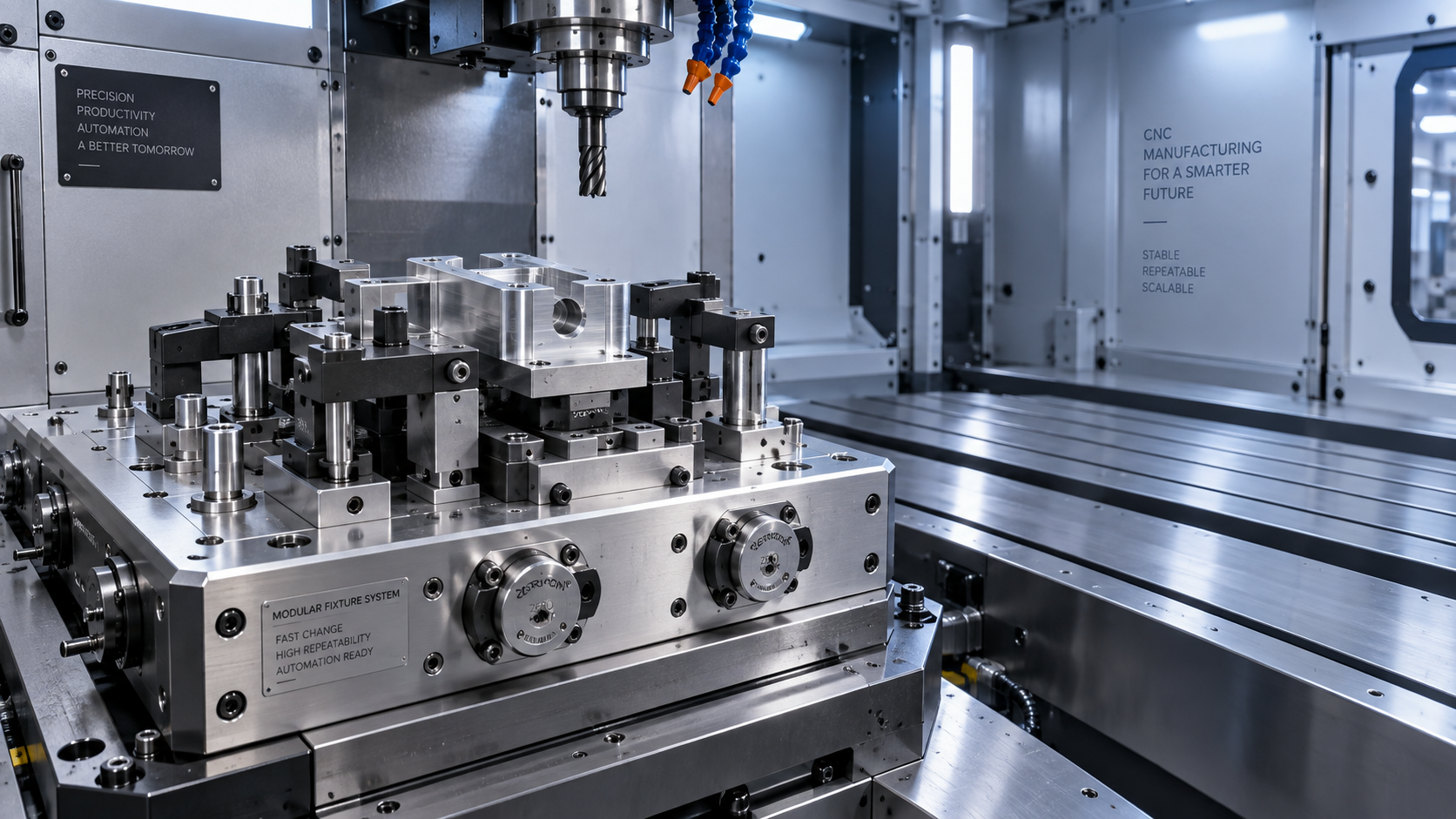
 Zero-Point Clamping or Modular Fixtures? Choosing a Faster CNC Changeover SystemCNC Machining Technology Center
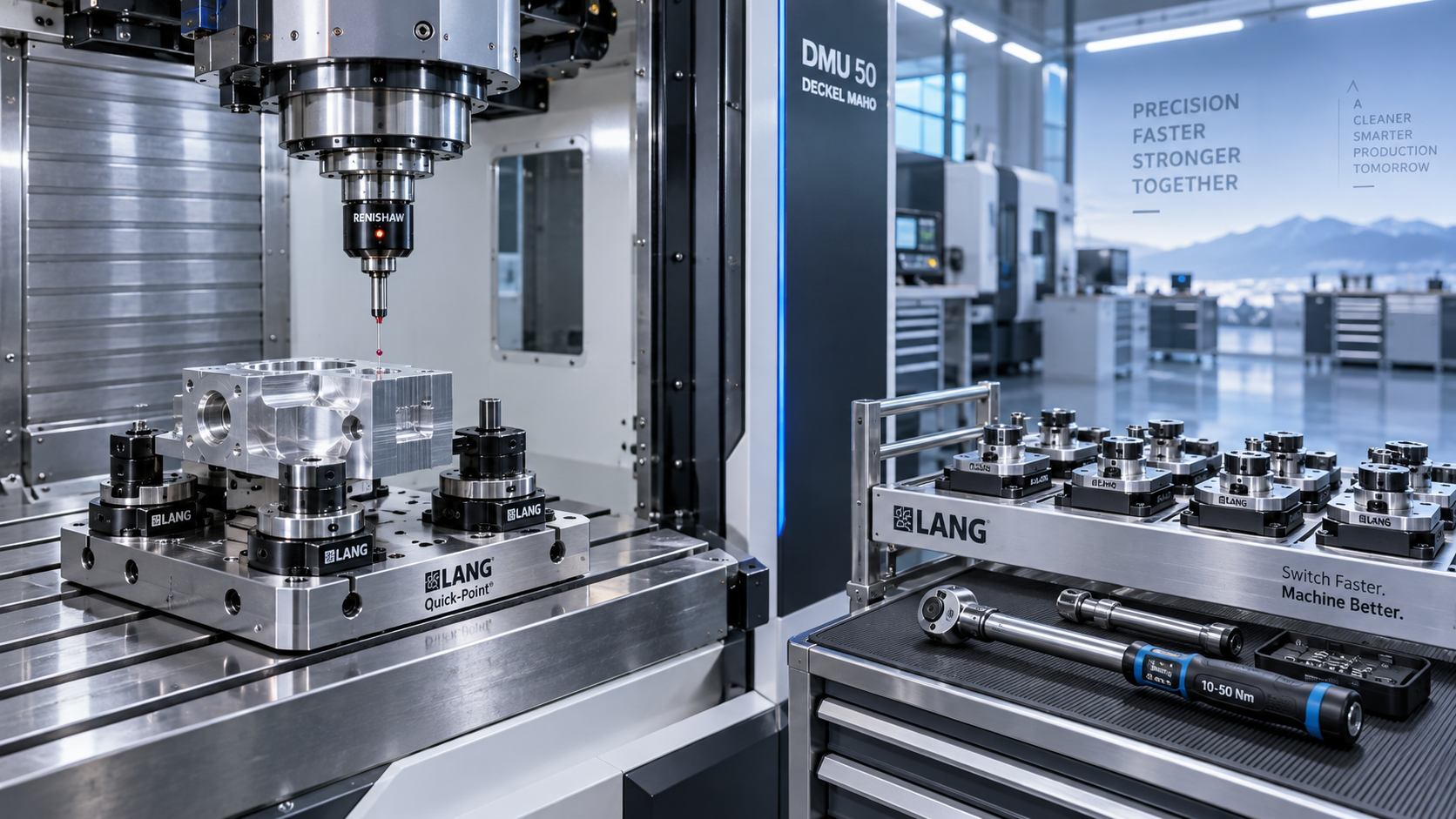
 How to Cut CNC Fixture Changeover Time Without Sacrificing Part AccuracyCNC Machining Technology Center
 When Does CNC Turning Pay Off? A Break-Even Guide by Annual Part VolumeMachine Tool Industry Editorial Team
 Machine Tool Standards by Country: What Importers Must Verify Before PurchaseManufacturing Policy Research Center
 CNC Lathe Quick Installation Guide: Alignment Checks Before First Production RunCNC Machining Technology Center
 How to Select a CNC Lathe for Small Parts Without Sacrificing Accuracy or Cycle TimeCNC Machining Technology Center

Aris Katos
Future of Carbide Coatings
15+ years in precision manufacturing systems. Specialized in high-speed milling and aerospace grade alloy processing.
▶
What Production Volume Justifies a CNC Turning Investment?Manufacturing Market Research Center▶
What to check before investing in Industrial RoboticsManufacturing Market Research Center▶
What to check before investing in Industrial RoboticsManufacturing Market Research Center▶
Is Industrial Automation worth it for rising labor costsManufacturing Market Research Center▶
When does Industrial Automation actually pay for itself?Manufacturing Market Research Center
Mastering 5-Axis Workholding Strategies
Join our technical panel on Nov 15th to learn about reducing vibrations in thin-wall components.

Providing you with integrated sanding solutions
Before-sales and after-sales services
Comprehensive technical support