• Global CNC market projected to reach $128B by 2028 • New EU trade regulations for precision tooling components • Aerospace deman
NYSE: CNC +1.2%LME: STEEL -0.4%

How to Evaluate a CNC Manufacturing Supplier for Custom Parts and Repeat Orders

Choosing a CNC manufacturing supplier for custom parts is rarely just about getting a fair quote. The real test is whether that supplier can hold tolerances, manage change, and deliver the same result again when repeat orders begin.
That matters even more in today’s CNC machine tool market. Precision machining now supports automotive systems, aerospace assemblies, energy equipment, industrial automation, and electronics production, where a small variation can turn into a large commercial risk.
A capable CNC manufacturing supplier should show more than machining capacity. It should prove process control, stable quality systems, responsive communication, and the ability to scale from prototype work to ongoing production without losing consistency.
The points below help make that evaluation practical. They focus on what can actually be checked before placing business-critical custom parts and repeat orders.
Start with process capability, not just equipment lists
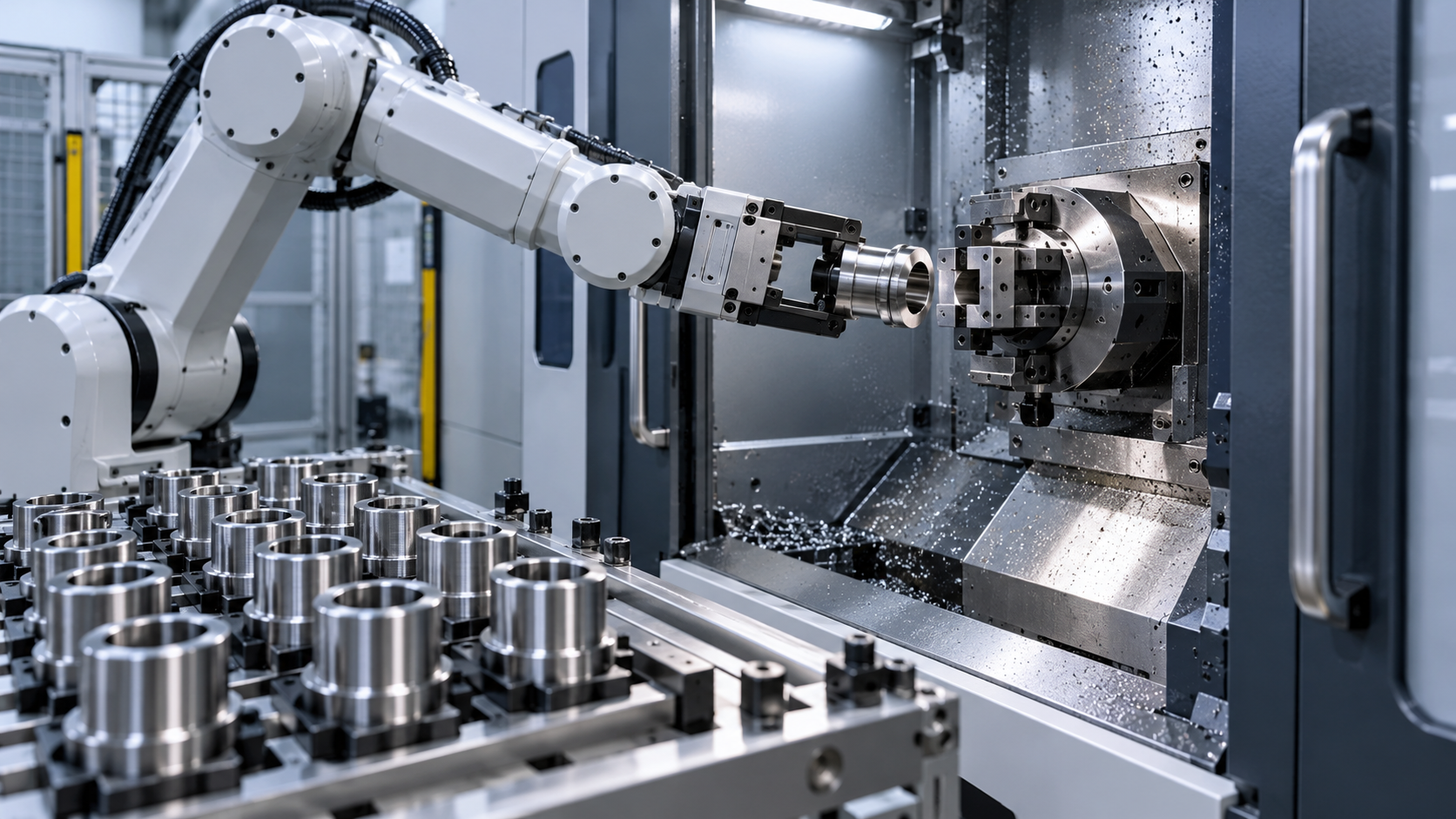
A modern website may show multi-axis machining centers, CNC lathes, and automated lines. That is useful, but it is only a starting point. The better question is whether those resources match the part geometry, material, tolerance stack, and expected order volume.
A strong CNC manufacturing supplier should explain how the part will actually move through programming, fixturing, machining, inspection, and packaging. Clear process thinking usually matters more than a long machine list.
[Image 01: CNC supplier process review meeting with drawings, inspection plan, and machining workflow]
- Check whether the supplier matches machine type, spindle range, fixture method, and inspection tools to the exact part requirements, not just to broad claims about precision capability.
- Ask how the supplier controls dimensional variation between first article, pilot batch, and repeat order runs, especially when multiple machines or shifts may be involved.
- Confirm material handling experience, including aluminum, stainless steel, tool steel, brass, or engineering plastics, because machining behavior changes sharply by material and heat treatment condition.
- Review whether the process includes in-process inspection, tool life monitoring, and offset control, which are key signs of a CNC manufacturing supplier built for repeatability.
Why this matters for custom parts
Custom parts often include unstable features such as thin walls, tight concentricity, deep cavities, or cosmetic surfaces. A supplier that sounds confident but cannot explain the process in detail may still create hidden risk.
If the part is likely to become a repeat order, process logic matters even more. Early decisions on tooling, datum strategy, and inspection points directly affect future consistency and cost.
Look closely at quality systems and proof of consistency
For supplier evaluation, quality should be visible in records, not only in promises. Certificates can help, but the deeper value comes from evidence that the CNC manufacturing supplier can detect issues early and prevent recurrence.
This is especially important in industries shaped by smart manufacturing and automation. As parts move into larger production systems, dimensional drift or incomplete traceability can slow entire operations.
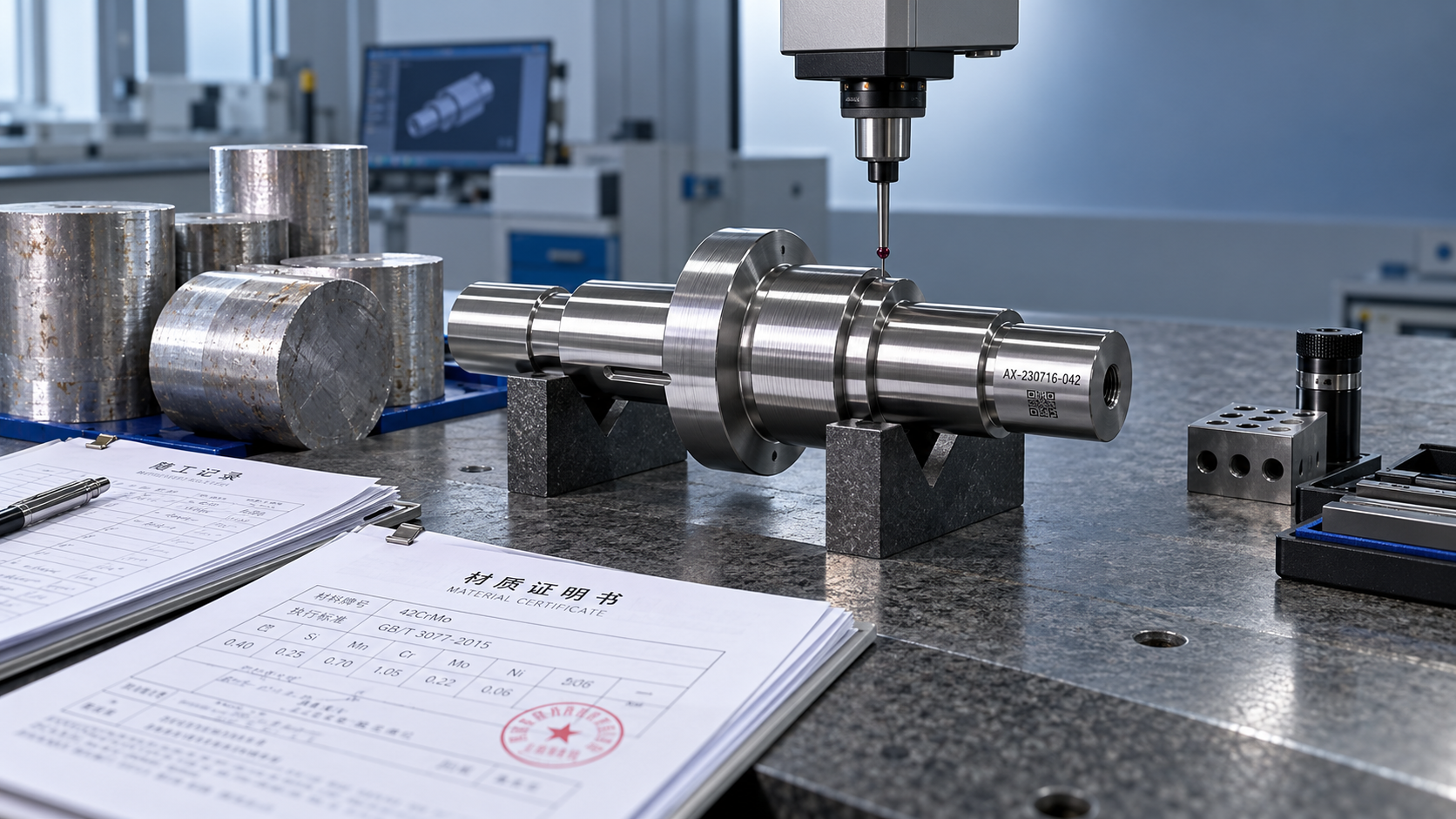
- Request sample inspection reports, first article records, calibration logs, and nonconformance handling documents to see how quality data is captured and used in daily production.
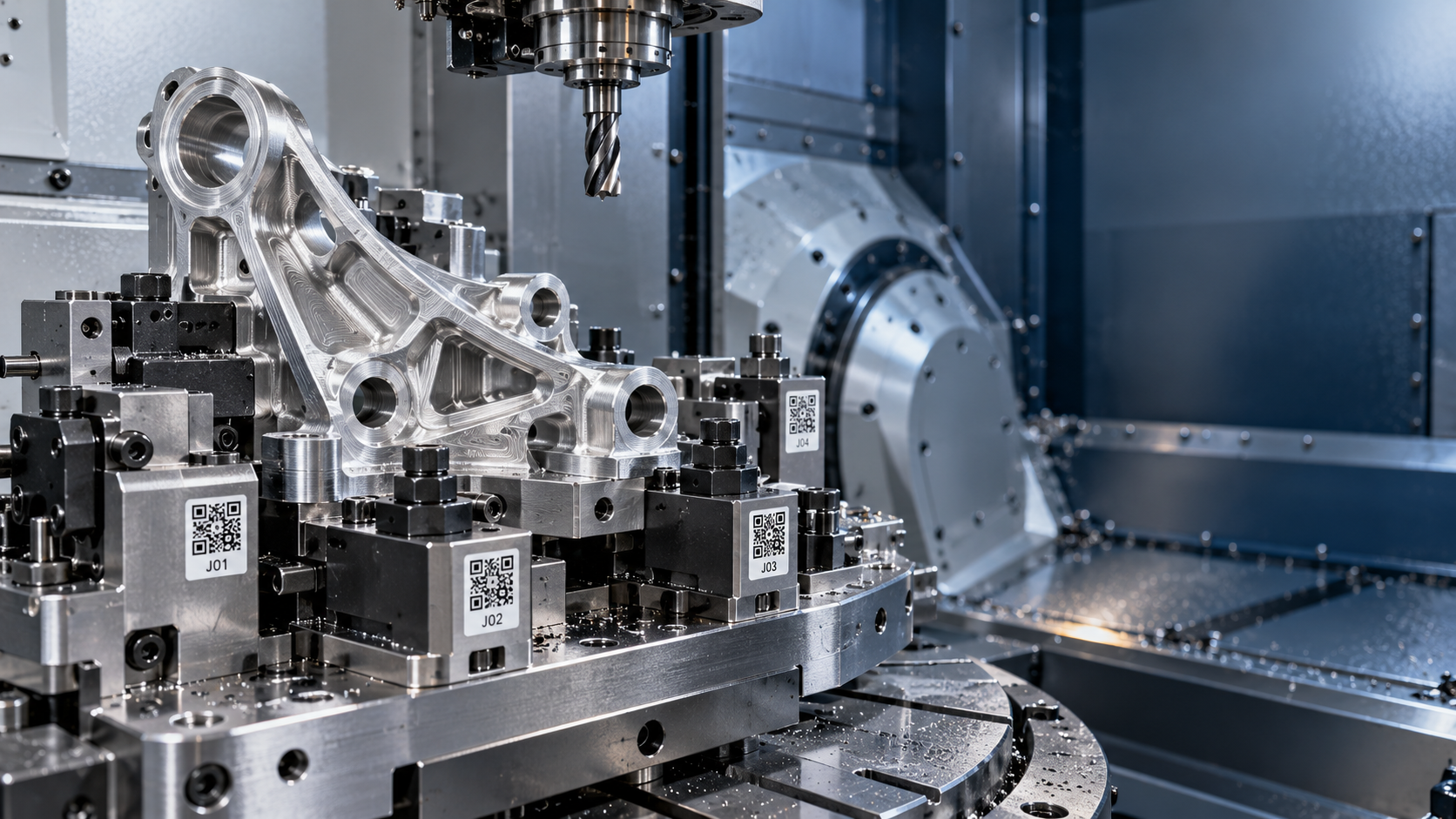
- Verify traceability from raw material certificate to finished shipment, including lot control, process routing, and revision status, especially for regulated or performance-critical components.
- Check whether corrective actions include root-cause analysis, containment, and follow-up verification, rather than simple rework notes that fail to prevent the same issue later.
- Review measurement capability, including CMM access, gauges, surface testing, and operator discipline, because repeat orders depend on measurement consistency as much as machining accuracy.
Evaluate delivery performance under real order conditions
A CNC manufacturing supplier may deliver a sample part on time and still struggle with repeat orders. The main reason is that ongoing production depends on planning discipline, supplier coordination, tool readiness, and schedule visibility.
In global manufacturing hubs such as China, Germany, Japan, and South Korea, many suppliers offer strong machining skills. The real difference often appears in how reliably they manage lead times during busy periods.
- Ask for typical lead times for prototype, pilot, and repeat production, then compare them with actual delivery data from similar parts, not generic company averages.
- Review capacity planning methods, including machine loading, subcontracting controls, and bottleneck management, because hidden overload often appears only after repeat orders start building.
- Confirm how schedule changes, drawing updates, and urgent demand are handled, since practical flexibility is often more valuable than an aggressive initial promise.
- Check packaging standards and export readiness for precision parts, especially when shipments cross borders and need protection from corrosion, impact, and mixed-lot confusion.
A common blind spot
On-time shipment percentage can look acceptable while hidden delays grow inside approval steps, rework cycles, or incomplete documentation. It helps to ask where lead time is actually spent from PO release to dispatch.
That single question often reveals whether the CNC manufacturing supplier truly controls its process or simply reacts when pressure rises.
Test communication quality before volumes increase
Communication sounds soft, but it has hard commercial impact. Custom machining projects involve drawing clarifications, tolerance interpretation, finish requirements, revision control, and shipment coordination. Weak communication quickly becomes scrap, delay, or dispute.
- Notice whether quotation feedback identifies unclear tolerances, missing material specs, or manufacturability concerns, because careful questions usually indicate a disciplined CNC manufacturing supplier.
- Measure response speed and response quality separately; fast replies matter, but accurate answers with technical ownership matter much more during repeat order management.
- Check who handles project follow-up after order placement, including engineering, quality, and logistics contacts, so issue escalation does not depend on one overloaded salesperson.
- Ask how revision changes are documented and confirmed internally, since uncontrolled drawing versions remain one of the most expensive avoidable sourcing mistakes.
Short scenario: prototype moving into production
A prototype order often receives extra engineering attention. Problems appear when the same part moves into monthly supply and assumptions are no longer written down.
Before scaling, confirm frozen drawings, approved samples, inspection frequency, packaging method, and the exact contact path for urgent issues. This reduces friction when repeat orders become routine.
Compare total business fit, not only quoted price
A low quote from a CNC manufacturing supplier can become expensive when quality escapes, late shipments, or revision mistakes start consuming internal time. Total cost includes more than machining hours.
That is especially true in precision manufacturing sectors linked to automated lines, robotics, and integrated production systems. One unstable part can interrupt downstream assembly or testing.
- Compare quote transparency, including setup, tooling, finish treatment, inspection, and packaging, so a lower unit price does not hide added costs later in execution.
- Assess financial and operational stability, especially for repeat orders, because a CNC manufacturing supplier with unstable cash flow may struggle to maintain material and delivery continuity.
- Consider improvement willingness, such as DFM feedback, fixture optimization, or packaging refinement, since proactive suppliers often create better long-term value than lower initial bidders.
- Review geographic fit, shipping route reliability, and time-zone practicality, because sourcing efficiency depends on coordination rhythm as much as factory competence.
Short scenario: when repeat orders become strategic
If a part supports a larger product family, repeat orders can quickly move from routine purchasing to supply chain risk control. In that case, second-source planning and capacity visibility become important early.
A dependable CNC manufacturing supplier should be comfortable discussing safety stock, forecast windows, and change management before a disruption happens.
A practical way to narrow the final choice
When several candidates look similar, use a simple weighted review. Score each CNC manufacturing supplier on process fit, quality proof, delivery reliability, communication, and total business fit. Keep the criteria visible and consistent.
Then validate the top choice with a controlled first order. Use one part or one family of parts, define the acceptance plan clearly, and review performance before expanding repeat orders.
In the end, the best CNC manufacturing supplier is not always the one with the lowest quote or the largest workshop. It is the one that can repeatedly turn technical requirements into predictable business results.
If the next step is a final comparison, start with one question: which supplier has already shown the clearest proof of stable execution for both custom parts and repeat orders? That answer usually leads to the safest decision.
PREVIOUS ARTICLE
Recommended for You
![]() Zhongshan Xiaolan Machinery Exhibition Opens With Global Product DebutsMachine Tool Industry Editorial Team
Zhongshan Xiaolan Machinery Exhibition Opens With Global Product DebutsMachine Tool Industry Editorial Team Automated Production Machining: Which Parts and Batch Sizes Are a Good Fit?Machine Tool Industry Editorial Team
![]() FANUC Links FIELD System Data with Copilot to Advance Shop-Floor Data UseCNC Machining Technology Center
FANUC Links FIELD System Data with Copilot to Advance Shop-Floor Data UseCNC Machining Technology Center Smart Manufacturing for Aerospace: Building Traceability Across CNC OperationsCNC Machining Technology Center
![]() Mitsubishi Electric Announces Physical AI System Linking Humanoid Robots and CNC MachinesMachine Tool Industry Editorial Team
Mitsubishi Electric Announces Physical AI System Linking Humanoid Robots and CNC MachinesMachine Tool Industry Editorial Team Precision Machining for Defense: Supplier Quality and Traceability ChecksManufacturing Market Research Center


Aris Katos
Future of Carbide Coatings
15+ years in precision manufacturing systems. Specialized in high-speed milling and aerospace grade alloy processing.
▶
Precision Machining for Defense: Supplier Quality and Traceability ChecksManufacturing Market Research Center▶
Choosing a Precision Disc Parts Manufacturer in China: Tolerances and Quality ChecksManufacturing Market Research Center▶
How to confirm short lead times for in-stock CNC milling machinesManufacturing Market Research Center▶
How to Choose a CNC Manufacturing Wholesaler for Quality, Lead Time, and CostManufacturing Market Research Center▶
China Temporarily Bans Helium ExportsManufacturing Market Research Center
▶
Mastering 5-Axis Workholding Strategies
Join our technical panel on Nov 15th to learn about reducing vibrations in thin-wall components.

Providing you with integrated sanding solutions
Before-sales and after-sales services
Comprehensive technical support