• Global CNC market projected to reach $128B by 2028 • New EU trade regulations for precision tooling components • Aerospace deman
NYSE: CNC +1.2%LME: STEEL -0.4%

How to Evaluate CNC Industrial Equipment for Precision, Throughput, and ROI
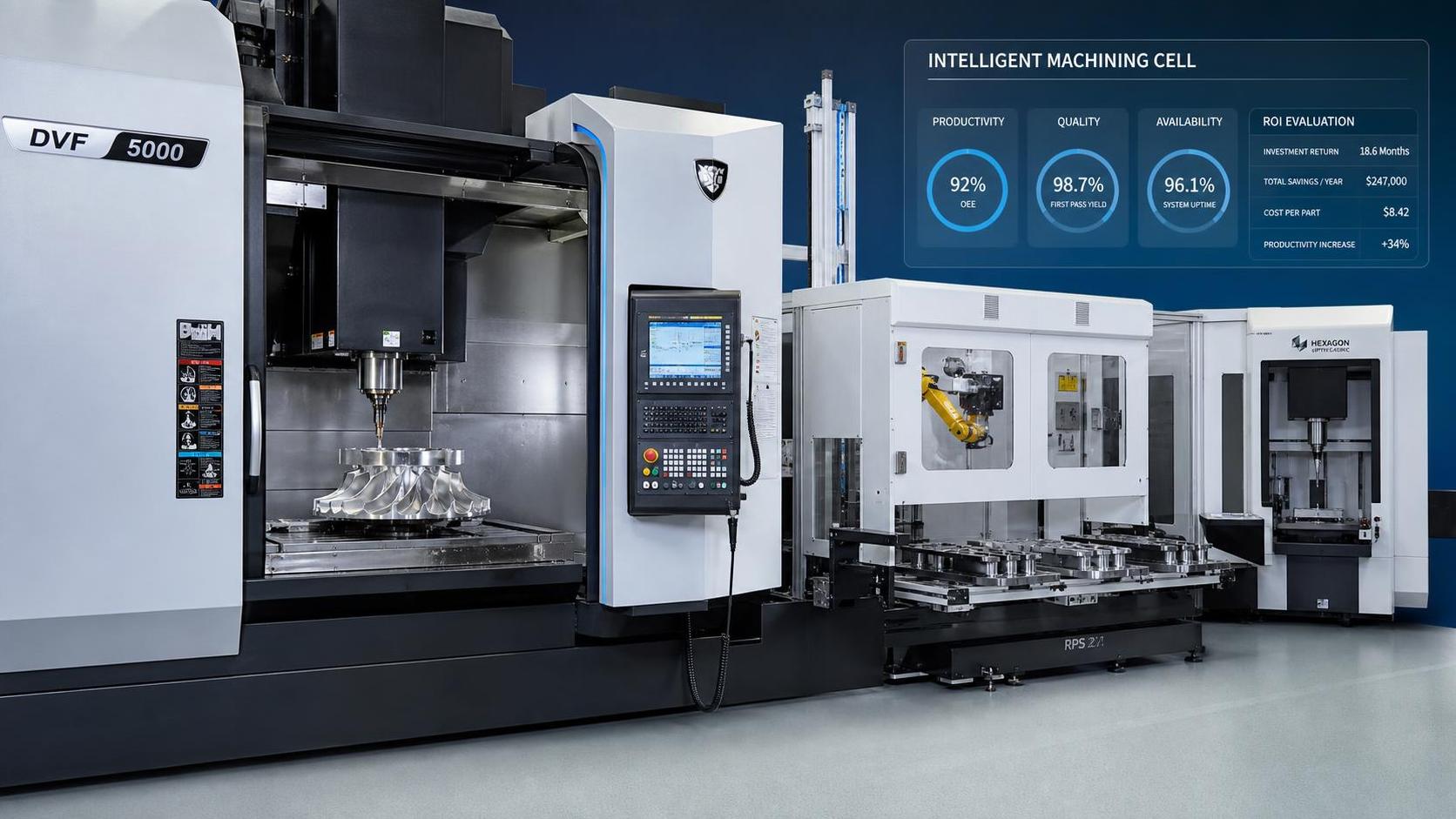
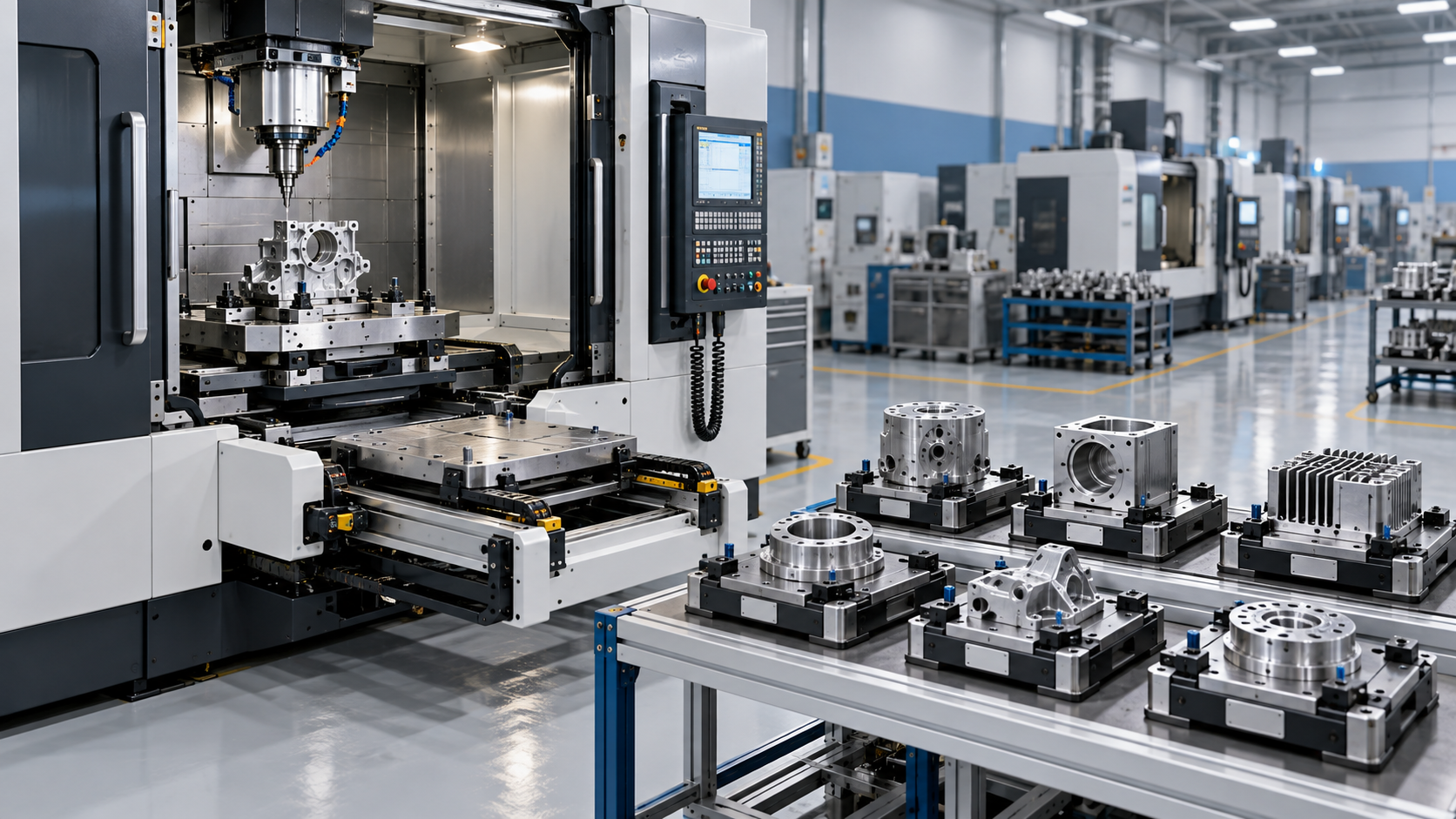
Evaluating CNC industrial equipment is no longer a simple exercise in comparing spindle speed, axis travel, or brochure accuracy. In real production, the better choice is the machine that holds tolerance consistently, supports target output, fits the process flow, and returns value over years of operation.
That matters more now because precision manufacturing is under pressure from shorter lead times, tighter quality requirements, labor constraints, and faster automation upgrades. Across automotive, aerospace, electronics, and energy applications, CNC industrial equipment sits at the center of that balance between capability and economics.
Why evaluation has become more complex
The global machine tool market has moved beyond stand-alone machining performance. Buyers now compare digital integration, automation readiness, lifecycle service, and process stability alongside cutting power and positioning accuracy.
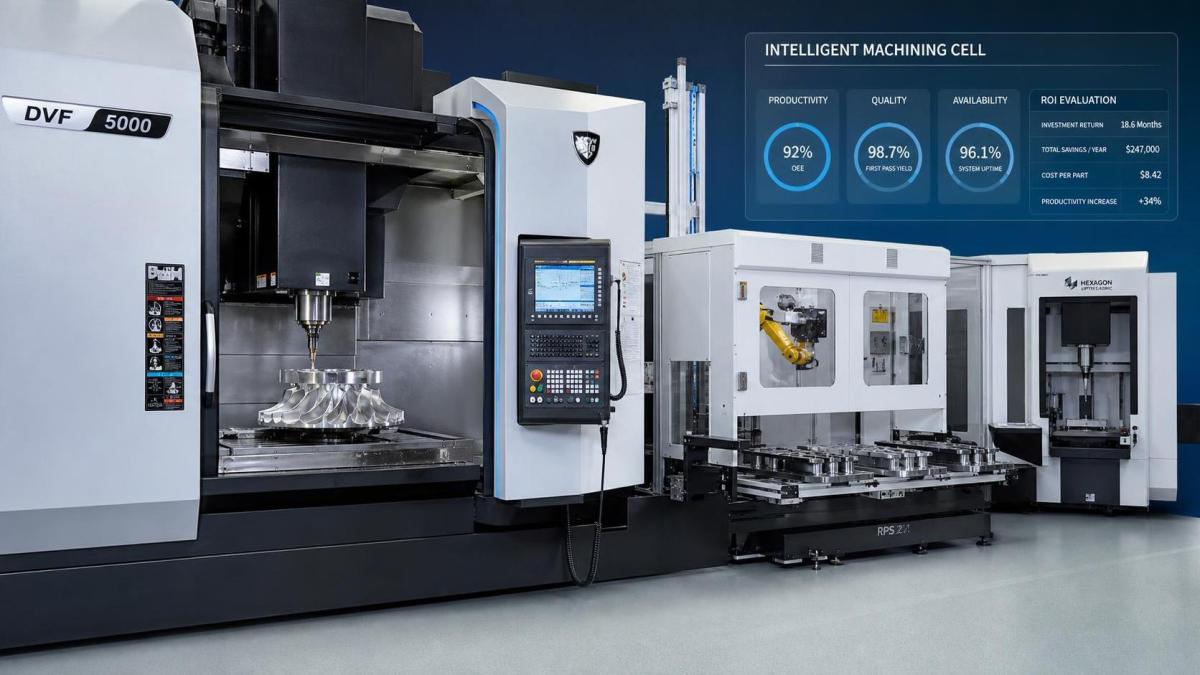
A machining center that looks competitive on paper can still underperform once real materials, mixed part families, and shift-to-shift variation enter the picture. That is why CNC industrial equipment should be assessed in the context of actual production conditions, not isolated specifications.
This is especially relevant in facilities adopting smart factory systems. Equipment now needs to connect with tooling data, inspection workflows, robots, MES platforms, and maintenance planning without creating hidden bottlenecks.
Start with the job, not the machine
A sound evaluation begins with the workpiece and the process route. The machine should serve the part requirement, not the other way around.
For shaft parts, rigidity, tailstock design, thermal control, and turning stability may dominate the decision. For precision housings or structural components, axis interpolation, chip evacuation, and fixture accessibility may matter more.
Part mix also changes the answer. High-volume, low-variation production often favors dedicated setups and automation. Low-volume, high-mix work usually needs flexible CNC industrial equipment with faster changeover and broader process windows.
Questions that frame the evaluation
- What tolerances must be held over a full shift, not just in a sample cut?
- Which materials will run most often, and how variable are they?
- How many setups are acceptable per part family?
- Where does current capacity get lost: cutting time, loading, inspection, or downtime?
- Will the equipment need to support robots, probing, pallet systems, or lights-out operation?
Precision means more than nominal accuracy
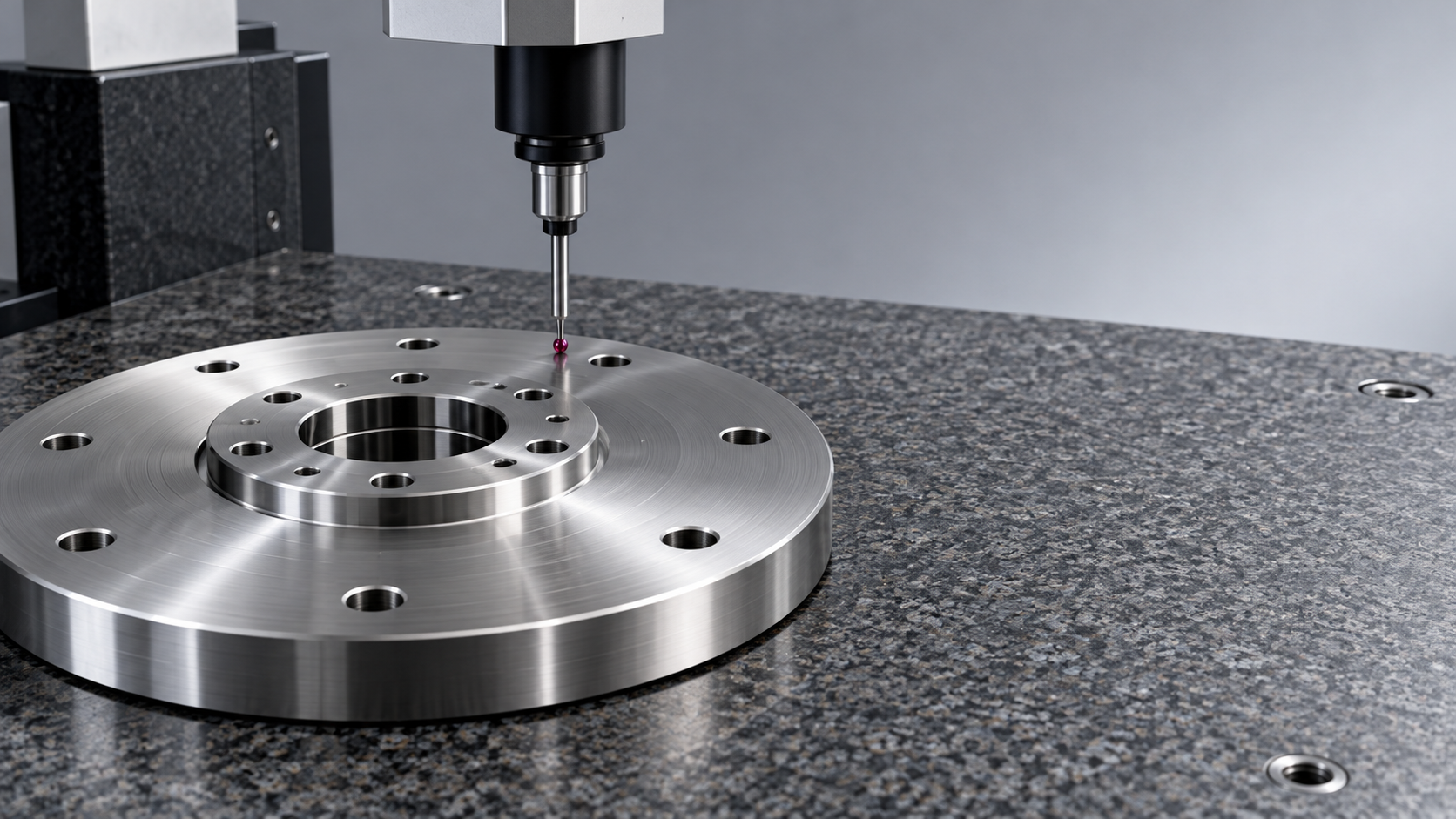
Precision is often reduced to positioning numbers, yet practical machining accuracy depends on a wider set of conditions. Thermal behavior, structural stiffness, spindle growth, vibration control, control logic, tooling repeatability, and fixture quality all influence the final result.
A useful review separates three levels of performance: machine accuracy, process capability, and sustained shop-floor consistency. The first is a technical baseline. The second shows whether the machine can make the part. The third shows whether it can keep making the part economically.
Precision indicators worth checking
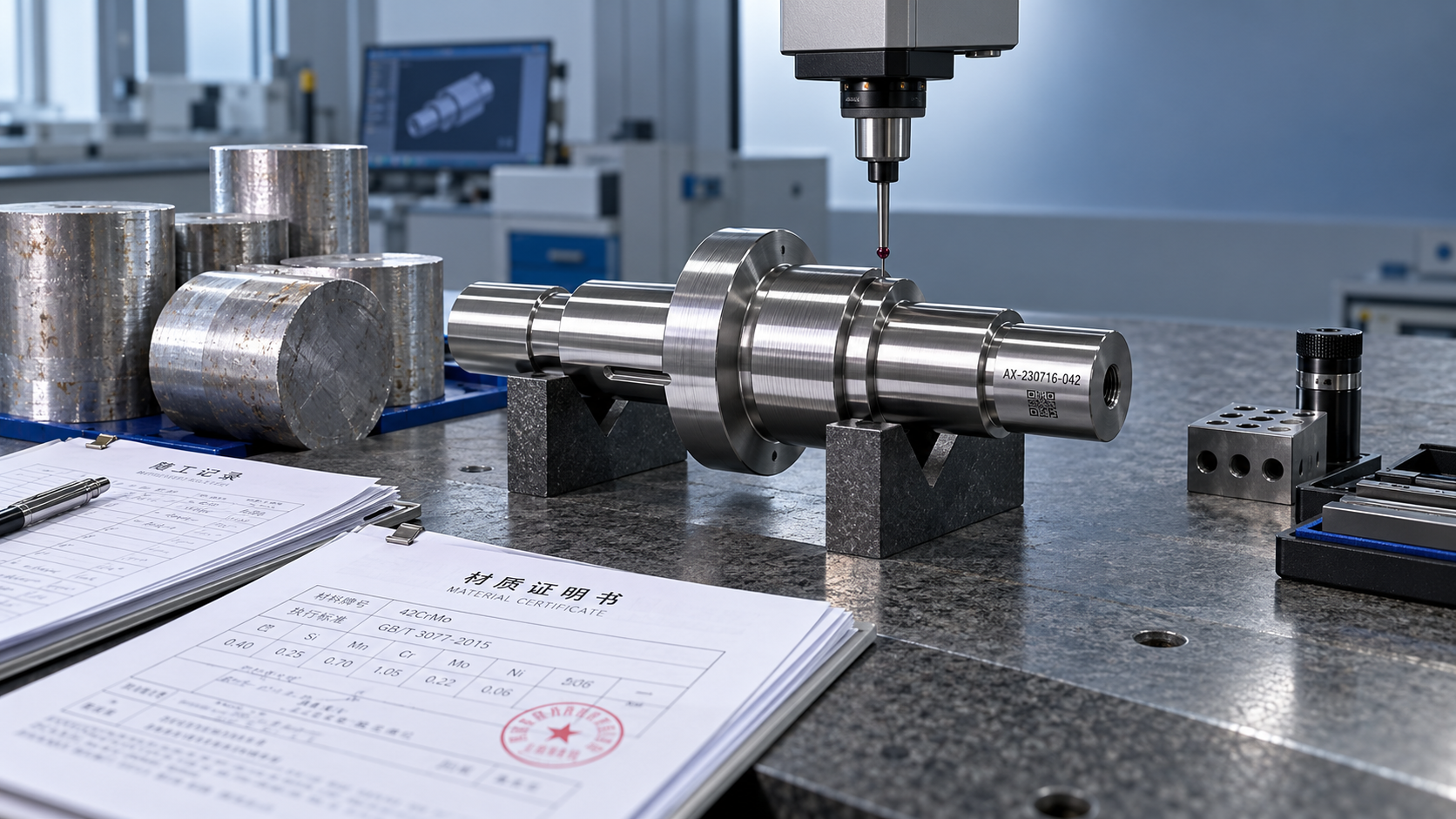
In practice, trial cutting under realistic conditions tells more than acceptance sheets alone. A reliable benchmark uses production material, intended tooling, target cycle logic, and measurement results taken after several consecutive parts.
Throughput is built across the whole cell
Throughput is not just cycle time. It is the rate of good parts delivered through a complete process, including setup, loading, tool change, in-process checks, chip handling, and unplanned stops.
This is where some CNC industrial equipment performs better than expected, and some falls short. A machine with modest peak cutting data may still win if it changes tools faster, recovers from alarms quickly, and supports easier automation.
Common throughput constraints
- Long setup or fixture alignment time
- Insufficient tool magazine capacity
- Poor chip evacuation in heavy cutting
- Manual handling between operations
- Slow probing, gauging, or offset correction
- Frequent stoppages caused by maintenance access issues
For automated lines, interface quality becomes critical. If CNC industrial equipment cannot communicate cleanly with robots, pallet changers, or inspection systems, the advertised productivity benefit may never materialize.
ROI depends on lifecycle behavior
Return on investment should include more than purchase cost and rated output. The real financial picture comes from uptime, scrap rates, maintenance intervals, energy use, consumables, labor content, and how quickly the machine reaches stable production.
This is why lower-cost CNC industrial equipment can become more expensive over time. Frequent recalibration, unstable quality, hard-to-source components, or weak service support can erase the initial savings.
A practical ROI view
A useful evaluation compares total cost per qualified part over a defined period. That should include installation, ramp-up loss, tooling impact, operator time, spare parts, software options, and expected residual value.
Digital features also deserve economic review. Remote diagnostics, condition monitoring, and data traceability add value only when they reduce downtime, improve process control, or simplify compliance.
Where application context changes the answer
Different sectors prioritize different aspects of CNC industrial equipment. The same machine may be an excellent fit for one production environment and a poor fit for another.
Regional supply conditions matter as well. Suppliers from China, Germany, Japan, and South Korea often bring different strengths in cost structure, control systems, precision heritage, service networks, and integration options.
How to make the comparison more reliable
A disciplined comparison method reduces the risk of overvaluing headline specifications. It also makes internal decisions easier to defend when several machine platforms appear close on paper.
Useful steps in a technical review
- Define part families, tolerance bands, materials, and annual volume assumptions.
- Score CNC industrial equipment on precision, throughput, serviceability, automation readiness, and digital connectivity.
- Request sample cuts or witness tests that mirror actual production conditions.
- Review maintenance intervals, spare parts lead times, and local service capacity.
- Estimate cost per qualified part, not only machine acquisition cost.
- Check upgrade paths for future fixtures, software, sensors, or robotic loading.
It also helps to separate must-have requirements from desirable features. That prevents extra functions from overshadowing the fundamentals of accuracy, reliability, and process fit.
A grounded next step
The best evaluation of CNC industrial equipment links technical capability with production reality. Precision should be verified under load, throughput should be measured across the process, and ROI should reflect lifecycle behavior rather than the initial quote.
A clear next step is to build a comparison matrix around actual parts, expected volumes, automation needs, and service risk. Once those factors are visible together, the stronger equipment choice usually becomes much easier to identify.
Recommended for You
![]() Mitsubishi Electric Announces Physical AI System Linking Humanoid Robots and CNC MachinesMachine Tool Industry Editorial Team
Mitsubishi Electric Announces Physical AI System Linking Humanoid Robots and CNC MachinesMachine Tool Industry Editorial Team Precision Machining for Defense: Supplier Quality and Traceability ChecksManufacturing Market Research Center
![]() Nidec Machine Tool Launches MVR-5X Five-Axis Gantry MachineMachine Tool Industry Editorial Team
Nidec Machine Tool Launches MVR-5X Five-Axis Gantry MachineMachine Tool Industry Editorial Team Choosing a Precision Disc Parts Manufacturer in China: Tolerances and Quality ChecksManufacturing Market Research Center
![]() Siemens Executive Says AI Could Raise Factory Automation to 80%Manufacturing Market Research Center
Siemens Executive Says AI Could Raise Factory Automation to 80%Manufacturing Market Research Center Choosing Automated Machine Tools for High-Mix, Low-Volume ProductionMachine Tool Industry Editorial Team


Aris Katos
Future of Carbide Coatings
15+ years in precision manufacturing systems. Specialized in high-speed milling and aerospace grade alloy processing.
▶
Choosing a CNC Machine for Mold Making: Accuracy, Rigidity, and Surface FinishCNC Machining Technology Center▶
How to Cut CNC Machining Energy Use per Part Without Longer Cycle TimesCNC Machining Technology Center▶
Will a Mazak CNC retrofit work with your existing servo drives?CNC Machining Technology Center▶
Do energy-efficient machine tools reduce power use at partial load?CNC Machining Technology Center▶
Comparing energy-efficient machine tools by energy use per partCNC Machining Technology Center
▶
Mastering 5-Axis Workholding Strategies
Join our technical panel on Nov 15th to learn about reducing vibrations in thin-wall components.

Providing you with integrated sanding solutions
Before-sales and after-sales services
Comprehensive technical support