• Global CNC market projected to reach $128B by 2028 • New EU trade regulations for precision tooling components • Aerospace deman
NYSE: CNC +1.2%LME: STEEL -0.4%

How CNC milling cuts lead time without hurting accuracy
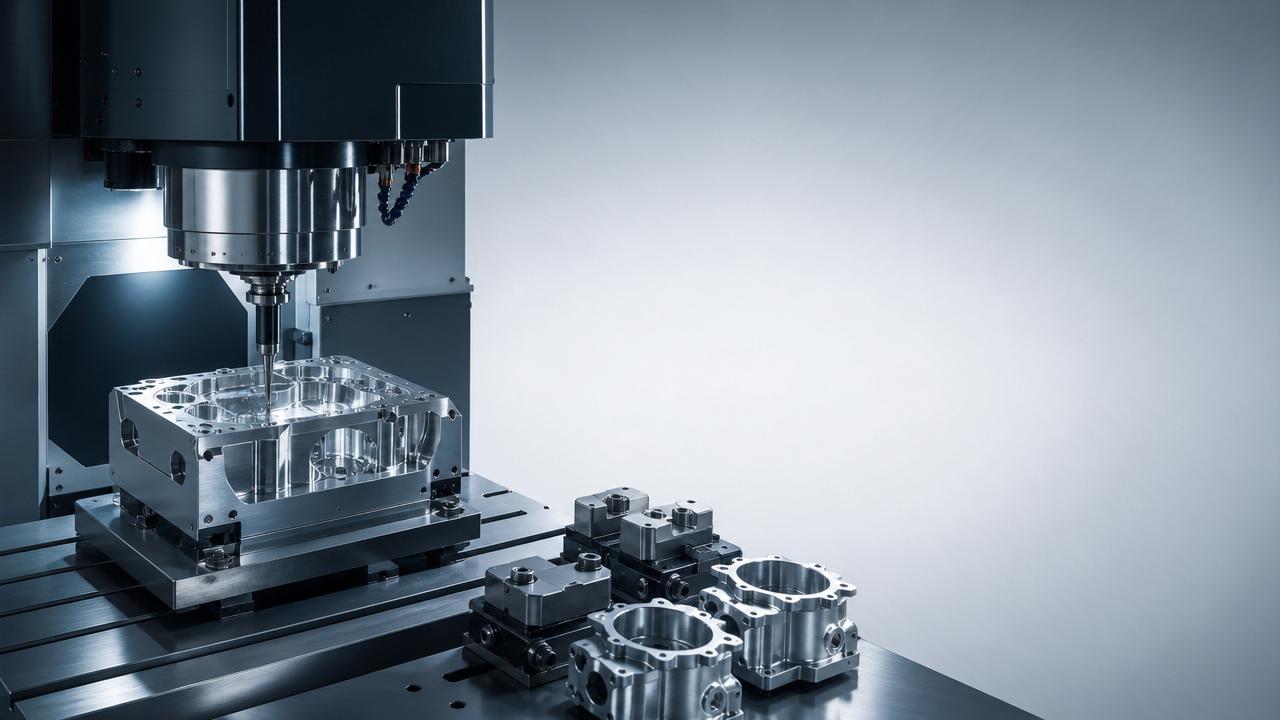
For technical evaluators balancing delivery pressure with quality requirements, CNC milling offers a practical path to shorter lead times without compromising dimensional accuracy or surface finish.
By combining programmable consistency, faster setup optimization, and stable multi-axis machining, CNC milling helps manufacturers reduce production delays while maintaining precision standards in demanding applications.
Why technical evaluators look at CNC milling when lead time becomes a risk
The core search intent behind this topic is not a basic definition of CNC milling. Readers want to know whether it can realistically shorten delivery cycles without creating tolerance, repeatability, or finish problems.
For technical evaluators, the real question is practical: where does time actually disappear in a manufacturing workflow, and which parts of that delay can CNC milling reduce safely?
In most sourcing and process reviews, lead time pressure comes from setup changes, programming delays, fixture preparation, manual intervention, inspection bottlenecks, and unstable machining performance.
CNC milling addresses these pain points because it replaces variation-prone manual steps with repeatable digital control, allowing shops to move faster from drawing release to first qualified part.
That does not mean every milling project will automatically be faster. Lead time gains depend on part geometry, material, machine capability, programming quality, tooling strategy, and inspection planning.
Still, compared with conventional or fragmented machining approaches, CNC milling usually delivers a better balance between speed and precision, especially for complex parts and medium-volume production.
Where CNC milling cuts lead time in the production cycle
Technical evaluators usually benefit most from breaking lead time into stages rather than treating it as one number. CNC milling creates advantages at several stages, not only during cutting.
The first stage is process planning. Once CAD data is available, CAM programming can translate geometry into repeatable toolpaths faster than manual process development for complex contours and features.
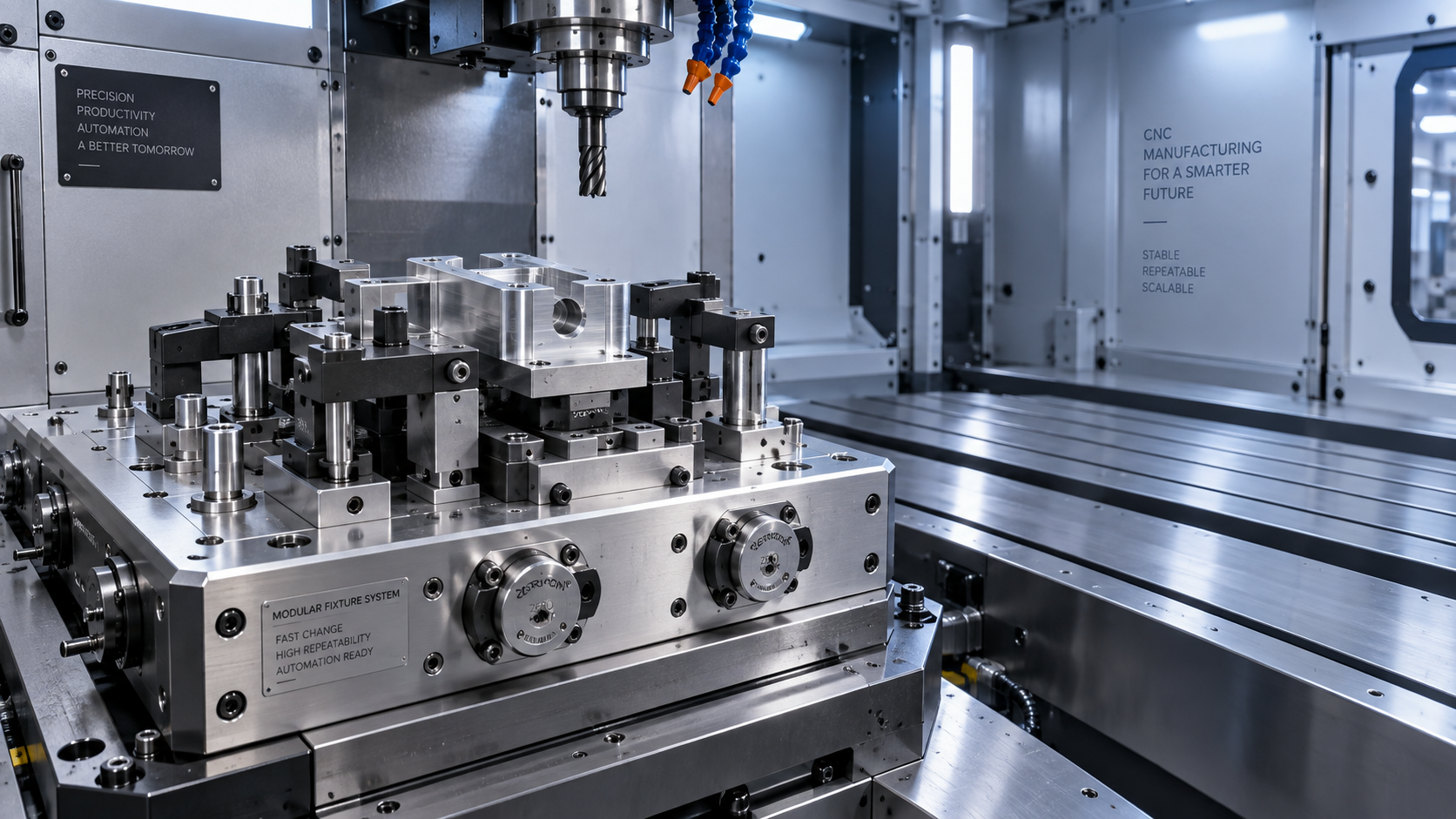
The second stage is setup. Standardized fixtures, stored offsets, digital work instructions, and tool libraries reduce preparation time, especially when suppliers run similar part families repeatedly.
The third stage is machining itself. High-speed spindles, optimized feeds, stable tool engagement, and multi-axis motion reduce cycle time while maintaining part geometry and avoiding unnecessary re-clamping.
The fourth stage is quality verification. Because CNC milling follows programmed paths consistently, dimensional inspection becomes more predictable, and fewer process deviations reach final inspection.
The fifth stage is repeat production. Once a qualified process is locked, the same program, tooling package, and setup method can be reused, sharply reducing lead time for later batches.
These savings matter most in industries where design revisions are frequent, tolerances are tight, and delayed delivery affects larger assemblies, such as automotive, aerospace, electronics, and energy equipment.
How shorter lead time can happen without hurting accuracy
The main concern behind this search topic is obvious: if production goes faster, does quality become less stable? In a weak process, yes. In a controlled CNC milling process, not necessarily.
Accuracy is protected when time savings come from better process control rather than from aggressive shortcuts. That distinction is critical for evaluators comparing capable suppliers with risky ones.
For example, reducing setups often improves both speed and precision. Every time a part is removed and repositioned, there is a new opportunity for alignment error or datum inconsistency.
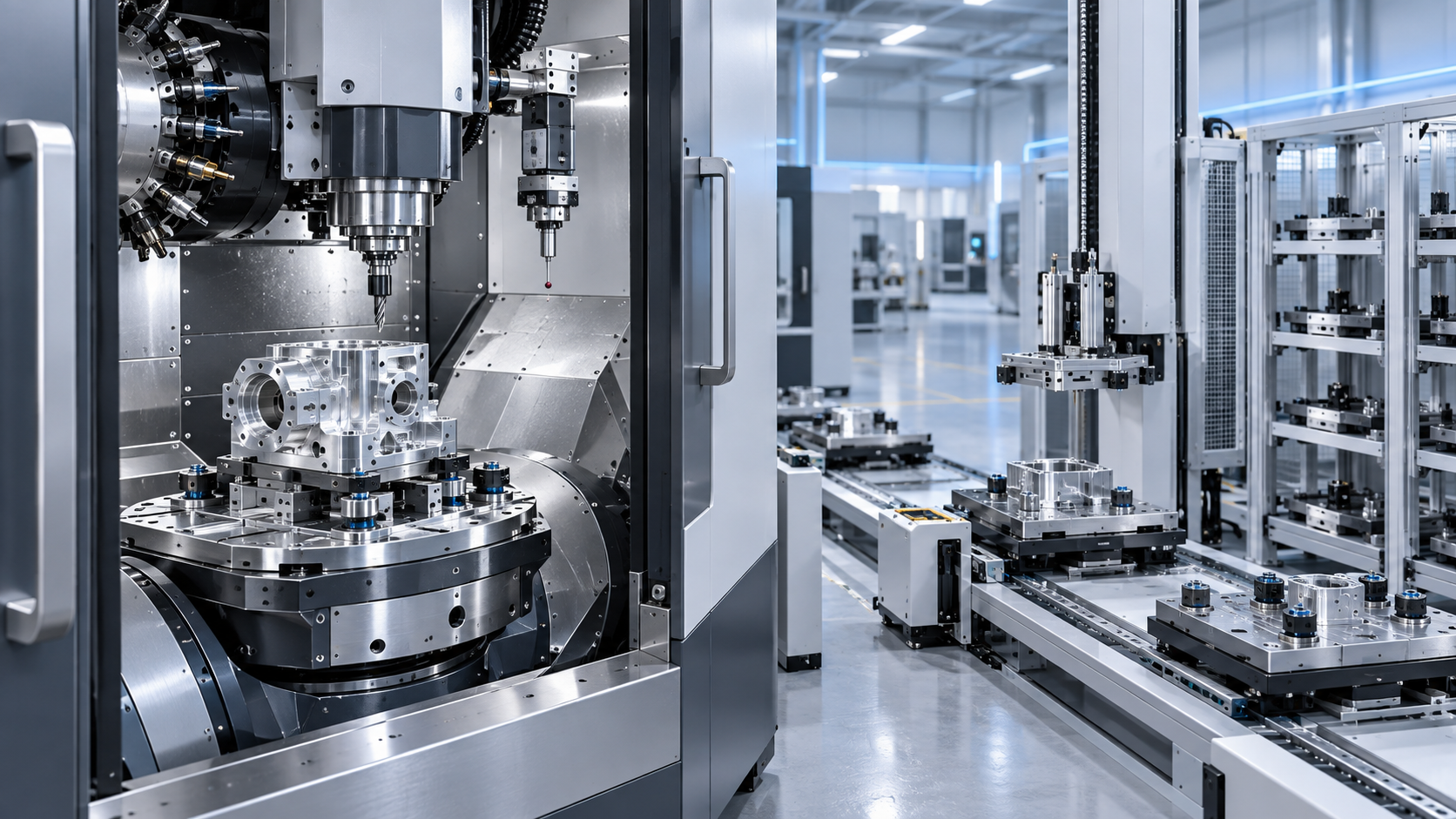
Multi-axis CNC milling helps by machining more features in a single clamping. That shortens queue time between operations and also protects positional accuracy across critical surfaces.
Toolpath optimization is another example. A better programmed path can shorten cycle time by maintaining constant cutter engagement, reducing tool wear spikes, and limiting vibration-induced dimensional drift.
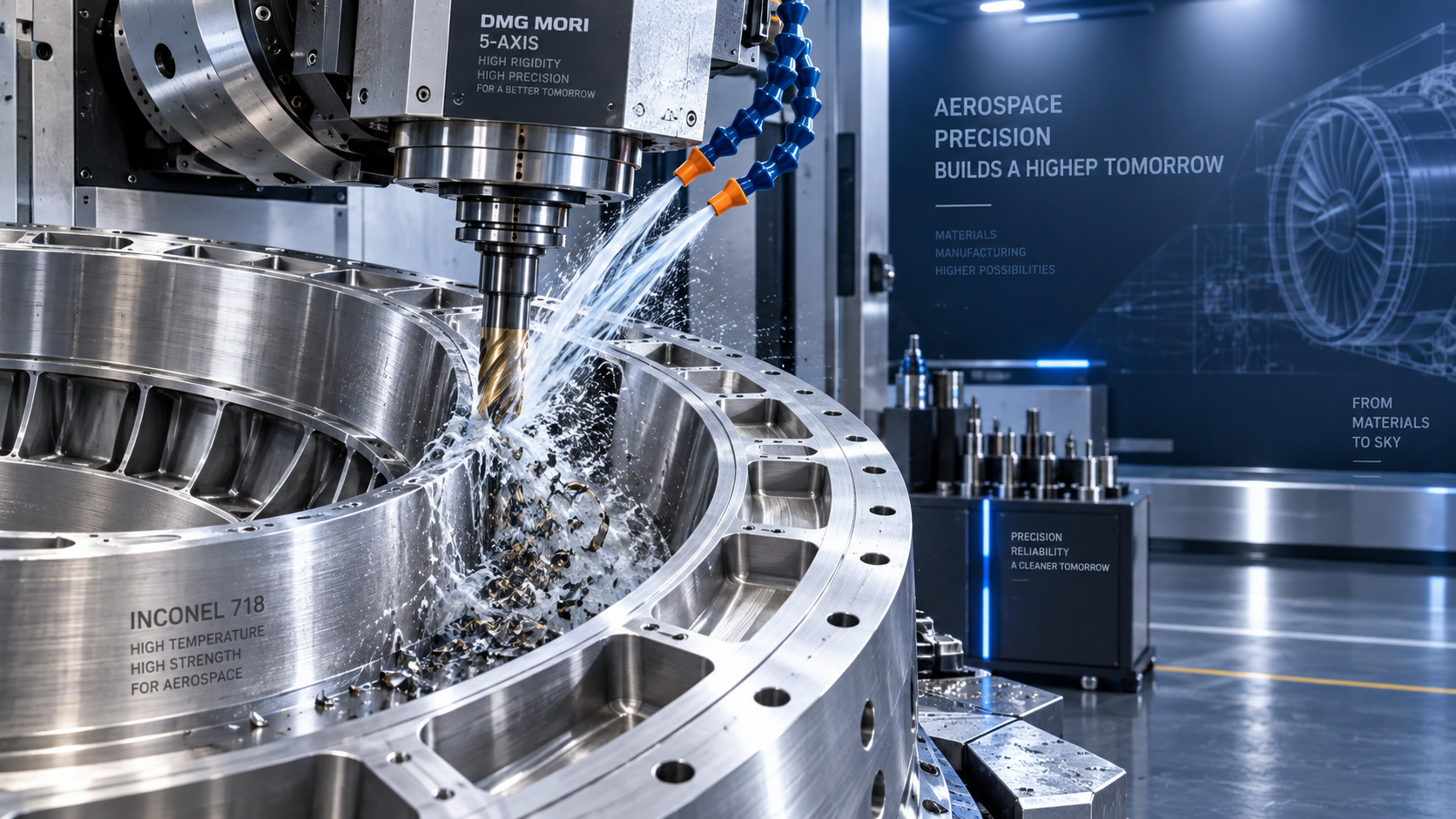
Machine rigidity also matters. A stable machining center can run efficient parameters without sacrificing tolerance control, whereas a less rigid platform may need slower cuts to preserve accuracy.
Thermal stability, spindle condition, and tool holder quality further influence whether faster production remains accurate. Short lead time is sustainable only when the equipment platform supports process consistency.
In other words, CNC milling cuts lead time safely when speed comes from fewer interruptions, fewer setups, better programming, and higher process stability, not from forcing the machine beyond its limits.
What technical evaluators should verify before accepting lead-time claims
Suppliers often promise short delivery, but technical evaluators need evidence that those promises are supported by process capability. The right questions reveal whether speed and accuracy can coexist.
Start with machine capacity. Ask what type of CNC milling equipment will be used, including axis configuration, spindle range, table size, control system, and whether the machine matches the part complexity.
Next, review setup strategy. If the supplier can explain how many clampings are required, how fixtures are controlled, and where datums are established, lead-time claims become more credible.
Programming discipline is equally important. A supplier using mature CAM workflows, simulation, collision checking, and revision control is less likely to lose time on preventable trial-and-error.
Tooling readiness should also be checked. Shops that maintain standard tool inventories, presetting systems, and wear monitoring can move into production faster and avoid unexpected stoppages.
Inspection capability is another decision factor. If measurement depends on manual judgment alone, faster machining may simply shift delays to quality control. Reliable metrology keeps the total process moving.
It is also useful to ask for first-pass yield data, repeat-order performance, and examples of similar parts. Past performance is often the best indicator of whether a supplier can compress lead time responsibly.
Finally, evaluators should compare quoted lead time with actual internal process detail. A short promise with vague execution is weaker than a slightly longer plan backed by transparent controls.
Part types and scenarios where CNC milling creates the most value
Not every component benefits equally from CNC milling. The strongest value appears when parts combine geometric complexity, tolerance requirements, and a need for flexible production scheduling.
Structural parts with multiple faces, pockets, slots, drilled features, and contour surfaces are strong candidates because CNC milling can combine operations that would otherwise require several machines.
Prototype and bridge-production work also benefit because once the program is prepared, iteration is faster. Design changes can often be absorbed through updated toolpaths instead of complete process redesign.
Medium-volume precision parts are another ideal use case. They need repeatability, but not always the dedicated hard tooling that high-volume mass production would justify.
In aerospace and electronics, lead time often matters alongside traceability and dimensional integrity. CNC milling supports both by linking digital design data with controlled machining execution.
Automotive and energy equipment applications also benefit when suppliers must respond quickly to maintenance schedules, engineering changes, or localized production needs across multiple part variants.
However, highly simple parts, ultra-high-volume commodity components, or features better suited to turning, grinding, stamping, or casting may not gain the same advantage from CNC milling alone.
For evaluators, the key is to match the process to the part family. CNC milling is most powerful when complexity and precision create delays that manual or fragmented methods cannot handle efficiently.
Common reasons lead time still slips in CNC milling projects
CNC milling can shorten delivery, but it is not immune to delays. Understanding failure points helps evaluators separate robust production systems from optimistic quotations.
One common issue is incomplete design data. Missing tolerances, unclear datums, or unconfirmed materials slow programming, fixture design, and quality planning before any cutting begins.
Another issue is poor design for manufacturability. Deep cavities, inaccessible corners, unnecessary tight tolerances, or unstable thin walls can increase tool changes, scrap risk, and machine time.
Tool availability can also become a bottleneck. Special cutters, long-reach tools, or uncommon grades may extend procurement time even when machine capacity is available.
Programming rework is another hidden delay. If CAM strategy is not validated early, shops may lose time through simulation errors, collisions, chatter, or excessive hand-editing on the shop floor.
Inspection overload can also slow delivery. Very tight tolerances or too many measured features may require CMM scheduling and reporting time that buyers fail to include in total lead-time expectations.
Material supply remains a basic but important risk. Even a highly capable CNC milling supplier cannot ship parts quickly if raw stock, heat treatment, or surface finishing inputs arrive late.
These realities show why technical evaluation should cover the full production chain. CNC milling improves the core machining process, but final lead time depends on upstream and downstream discipline too.
How to assess whether a supplier can deliver fast and accurate CNC milling
When comparing suppliers, technical evaluators should look beyond machine lists and pricing. The best indicator is whether the supplier has a repeatable system for converting engineering intent into stable output.
Ask how they manage new part introduction. A strong supplier can describe quotation review, manufacturability feedback, programming release, fixture planning, first article inspection, and change management clearly.
Request information on tolerance capability by feature type, not only generic claims. Flatness, position, hole quality, and surface finish performance often reveal more than a broad accuracy statement.
It is also wise to review how they control process variation over time. Tool wear compensation, in-process probing, offset management, and operator training all influence repeatable delivery performance.
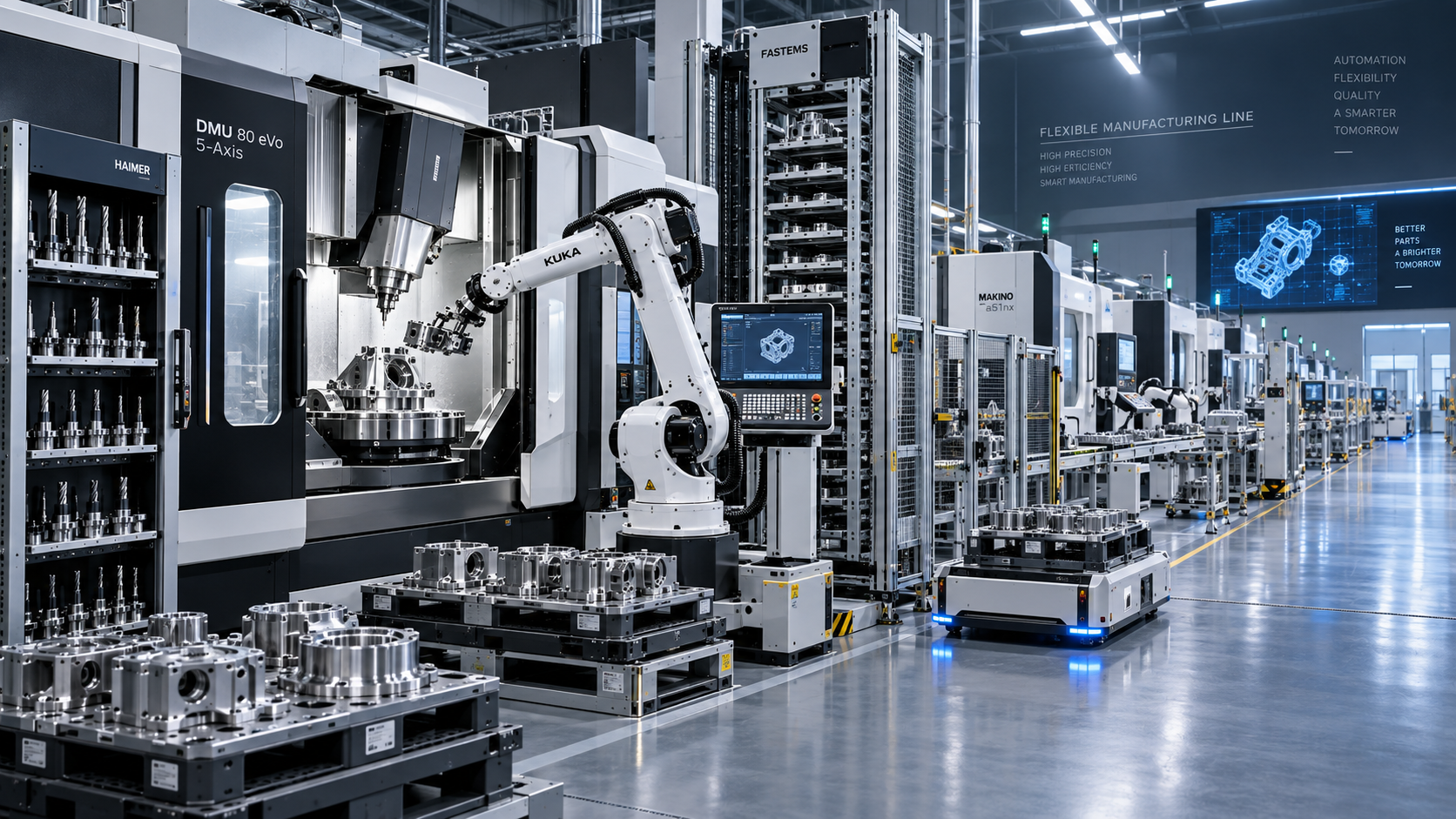
Digital integration is another positive sign. Shops using networked programming, machine monitoring, and production scheduling systems often respond faster to priority changes and reduce avoidable downtime.
If the project is critical, sample-part review or pilot production can validate assumptions. This helps evaluators confirm whether quoted lead time includes realistic quality assurance and not just spindle time.
Communication discipline should not be overlooked. Suppliers who escalate technical risks early usually protect schedules better than those who promise everything and clarify problems too late.
Ultimately, a dependable CNC milling partner is one that can explain not only how fast it can cut metal, but how it prevents speed from creating instability, scrap, or missed delivery.
Conclusion: CNC milling is most effective when speed comes from control
For technical evaluators, the most useful conclusion is straightforward: CNC milling can reduce lead time without hurting accuracy, but only when the time savings come from controlled process improvements.
The biggest gains usually come from fewer setups, faster programming transitions, stable multi-axis machining, standardized tooling, and predictable inspection workflows rather than from risky parameter increases alone.
That makes CNC milling especially valuable for complex, tolerance-sensitive parts where delivery pressure is real and dimensional consistency cannot be traded away for schedule recovery.
When assessing suppliers, focus on evidence of capability: machine suitability, setup logic, CAM maturity, tooling readiness, metrology strength, and repeatable execution on similar components.
If those fundamentals are in place, CNC milling is not just a faster cutting method. It becomes a reliable manufacturing strategy for shortening production cycles while protecting the precision that critical industries demand.
PREVIOUS ARTICLE
NEXT ARTICLE
Recommended for You
 CNC Machine Arrival Inspection: Check Shipping Damage, Accuracy, Safety, and DocumentsCNC Machining Technology Center
 How to Select a Machine Tool for Aerospace Parts with Tight Tolerances?Machine Tool Industry Editorial Team
 How to Select CNC Equipment for High-Mix, Low-Volume ProductionCNC Machining Technology Center
 Can CNC Machining Inconel Control Tool Wear in High-Temperature Aerospace Parts?CNC Machining Technology Center
 Machine Tool Market Outlook: Demand Drivers, Capacity Shifts, and Investment RisksManufacturing Market Research Center
 Zero-Point Clamping or Modular Fixtures? Choosing a Faster CNC Changeover SystemCNC Machining Technology Center

Aris Katos
Future of Carbide Coatings
15+ years in precision manufacturing systems. Specialized in high-speed milling and aerospace grade alloy processing.
▶
How to Select CNC Equipment for High-Mix, Low-Volume ProductionCNC Machining Technology Center▶
Can CNC Machining Inconel Control Tool Wear in High-Temperature Aerospace Parts?CNC Machining Technology Center▶
How Automated Precision Machining Maintains Tolerance in High-Mix ProductionCNC Machining Technology Center▶
CNC Programming Explained: From CAD Models to Reliable Shop-Floor ToolpathsCNC Machining Technology Center▶
How Multi-Axis Machining Produces Complex Components With Fewer SetupsCNC Machining Technology Center
Mastering 5-Axis Workholding Strategies
Join our technical panel on Nov 15th to learn about reducing vibrations in thin-wall components.

Providing you with integrated sanding solutions
Before-sales and after-sales services
Comprehensive technical support