• Global CNC market projected to reach $128B by 2028 • New EU trade regulations for precision tooling components • Aerospace deman
NYSE: CNC +1.2%LME: STEEL -0.4%

India PLI Phase II Adds CNC Fixtures

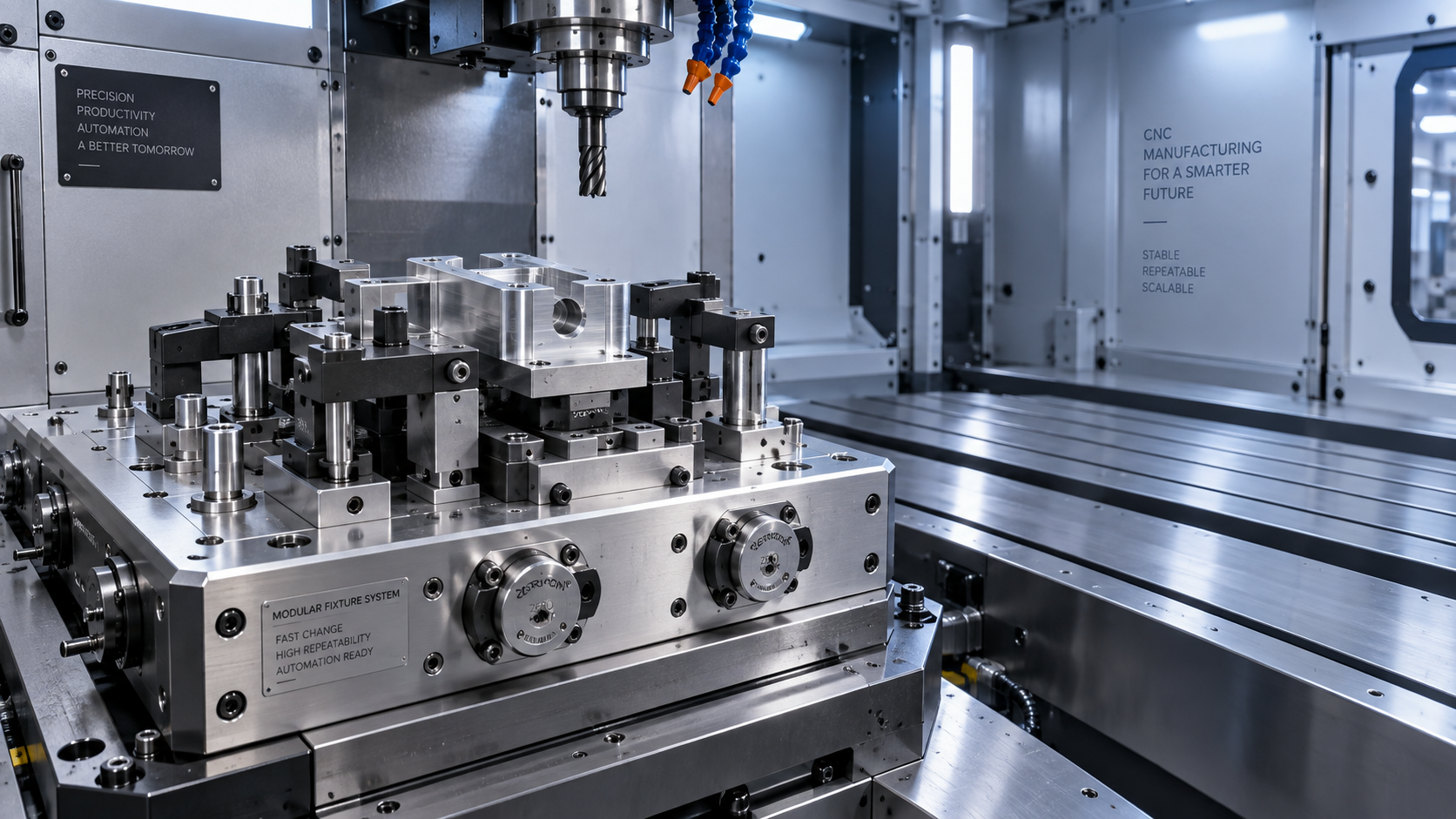
On July 5, India’s Ministry of Heavy Industries announced that Phase II of the PLI Scheme has been expanded to include domestically manufactured CNC fixtures, modular workholding systems, and quick-change tooling. For manufacturers serving global OEMs, the update is worth close attention because it links incentives to incremental sales while also tying eligibility to quality certification and export performance, which directly affects supplier qualification, production planning, and customer-facing market strategy.
What the July 5 announcement confirms
The confirmed policy change is that PLI Scheme Phase II now covers three product categories: CNC fixtures, modular workholding systems, and quick-change tooling, provided they are domestically manufactured in India.
The announcement also states that eligible manufacturers can receive incentives of up to 15% on incremental sales to global OEMs.
To qualify, manufacturers must meet ISO 9001 and IATF 16949 requirements, and they must export at least 30% of output.
Where the immediate industry impact may be felt
Tooling and workholding manufacturers will need to align capability with compliance
From an industry perspective, the most direct impact falls on manufacturers of CNC fixtures, modular workholding systems, and quick-change tooling in India. The policy update does not only expand product coverage; it also makes certification status and export performance central to participation. That means the business effect is likely to show up first in qualification processes, documentation readiness, and the ability to convert domestic manufacturing into eligible sales to global OEMs.
Global OEM-facing suppliers may reassess account and export priorities
Suppliers that already sell into global OEM channels may pay particular attention to the incentive on incremental sales. Analysis shows that the relevant business question is not simply whether a product is covered, but whether sales growth to qualifying OEM customers can be documented in a way that fits the scheme requirements. This could affect how suppliers prioritize customer development, export allocation, and contract execution.
Procurement teams may put more weight on certified local sourcing options
For procurement-side market participants, the announcement may increase attention on Indian suppliers that can demonstrate both required certifications and export readiness. Observably, the policy places quality systems and outward sales performance alongside product scope, so sourcing decisions may become more sensitive to supplier credentials, traceability, and delivery assurance rather than price alone.
Supply chain service providers may see higher demand for documentation support
Supply chain and trade service providers could also be affected at the operational level. If manufacturers seek to qualify under the expanded scheme, support around export records, certification documents, and shipment-related compliance may become more important. What deserves closer attention is whether administrative readiness becomes a limiting factor even for technically capable producers.
What companies should watch next
How detailed implementation language develops
Companies should closely monitor whether subsequent official wording adds further detail on product classification, calculation of incremental sales, or proof standards for global OEM transactions. The current announcement establishes the direction, but practical eligibility often depends on how terms are applied in execution.
The gap between product inclusion and actual qualification
Being in a covered product category is not the same as being able to claim the incentive. Manufacturers should distinguish between market opportunity and compliance readiness, especially where ISO 9001, IATF 16949, and export thresholds are concerned. This is likely to affect internal audits, customer documentation, and sales planning.
Supplier readiness in export and certification records
For firms working with upstream or contract suppliers, it is prudent to review whether supplier records, certification validity, and output allocation can support a credible qualification path. Analysis shows that weaknesses in documentation or fulfillment discipline could matter as much as production capability.
Customer communication and delivery planning
Companies selling to global OEMs may also need to prepare clearer communication on qualification status, lead times, and supply continuity. Since the incentive is tied to incremental sales, the commercial opportunity may depend on whether suppliers can scale output and maintain compliance without creating delivery risk.
Why this looks more like a policy signal than a finished market outcome
Observably, this announcement sends a clear signal about which manufacturing segments are being brought into sharper policy focus: CNC fixtures, modular workholding, and quick-change tooling intended for global OEM-linked business. At the same time, it is more appropriate to understand this as an actionable policy signal rather than a completed market result. The announcement confirms expanded coverage and eligibility conditions, but the commercial effect will depend on how many manufacturers can actually meet certification, export, and sales-growth requirements in practice.
From an industry perspective, the export threshold and certification requirements are especially important because they shape who can participate, not just what can be produced. That means the development should be tracked not only as an incentive update, but as a screening mechanism within the supplier base.
How this development is best understood now
The July 5 update is significant because it moves beyond broad manufacturing support and points specifically to workholding and tooling categories that sit close to production efficiency and OEM supply relationships. However, it should be read carefully and in proportion. The confirmed facts show expanded policy coverage and defined eligibility conditions; they do not by themselves establish how quickly supplier behavior, sourcing patterns, or export outcomes will change.
At this stage, it is more appropriate to understand the development as a meaningful industry signal with practical implications for qualified manufacturers, procurement teams, and supply chain operators, while still requiring continued observation of implementation details and business uptake.
Basis of this article and points for continued verification
This article is based on the user-provided news title, event date, and summary concerning the July 5 announcement on India’s PLI Scheme Phase II expansion. For this type of industry development, relevant source categories would typically include official government announcements, company disclosures, industry association updates, authoritative media reporting, and standards-related documents.
No specific official source link was provided in the input, so the exact official publication path still needs continued verification. Going forward, the key points to monitor are any additional official clarification on implementation rules, eligibility interpretation, and documentation requirements linked to certification, export share, and incremental sales to global OEMs.
NEXT ARTICLE
Recommended for You
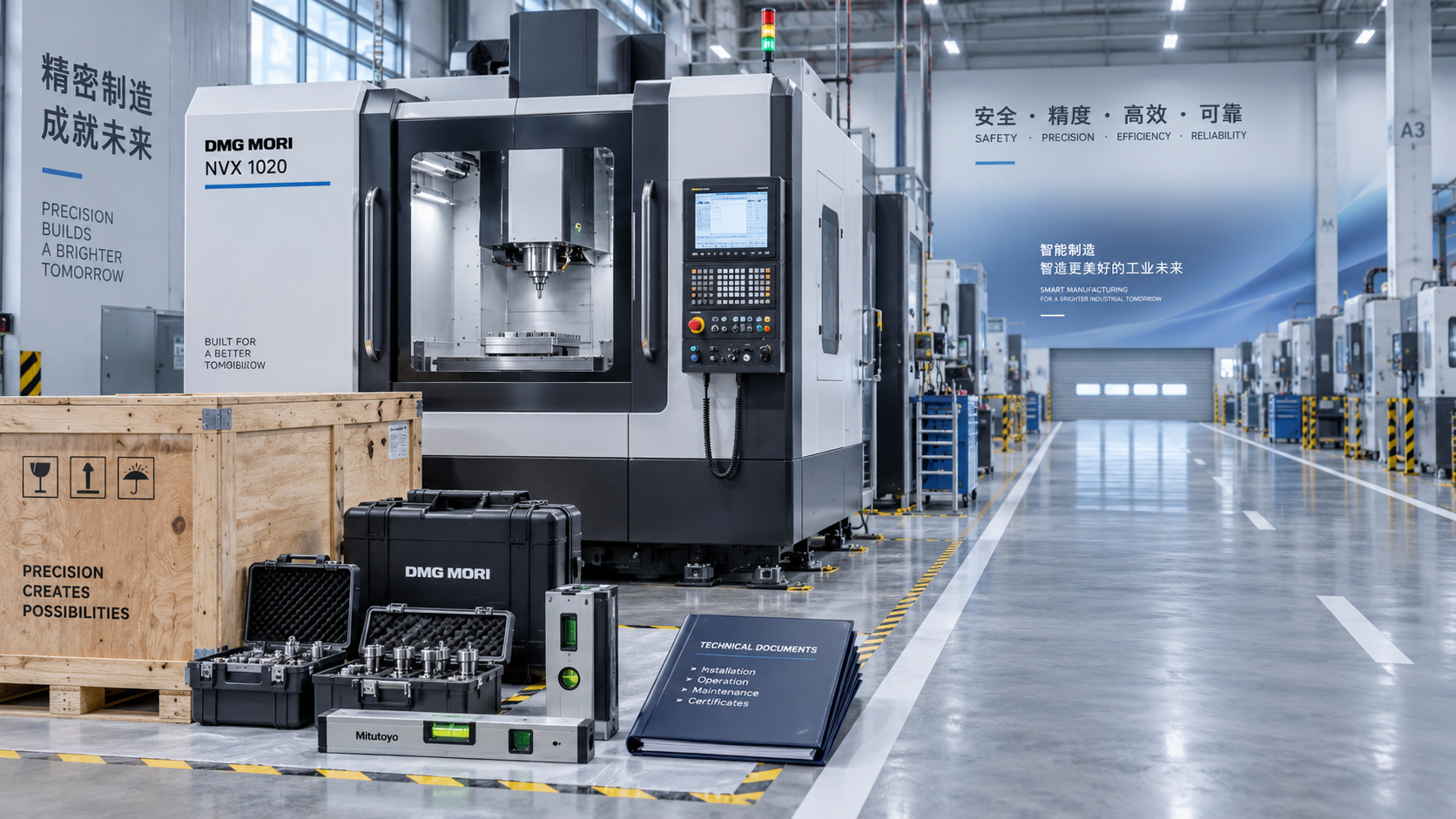
 CNC Machine Arrival Inspection: Check Shipping Damage, Accuracy, Safety, and DocumentsCNC Machining Technology Center
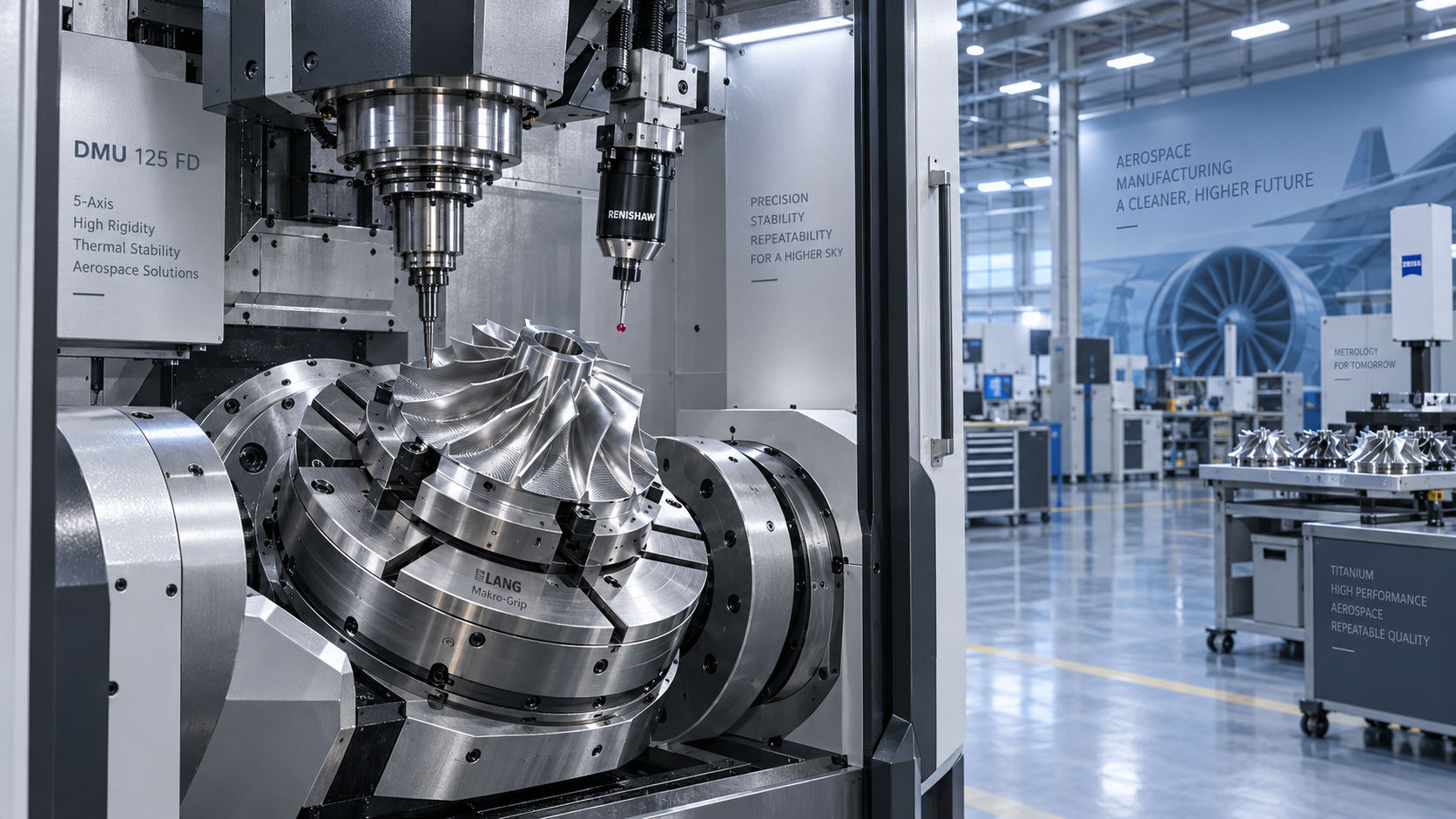
 How to Select a Machine Tool for Aerospace Parts with Tight Tolerances?Machine Tool Industry Editorial Team
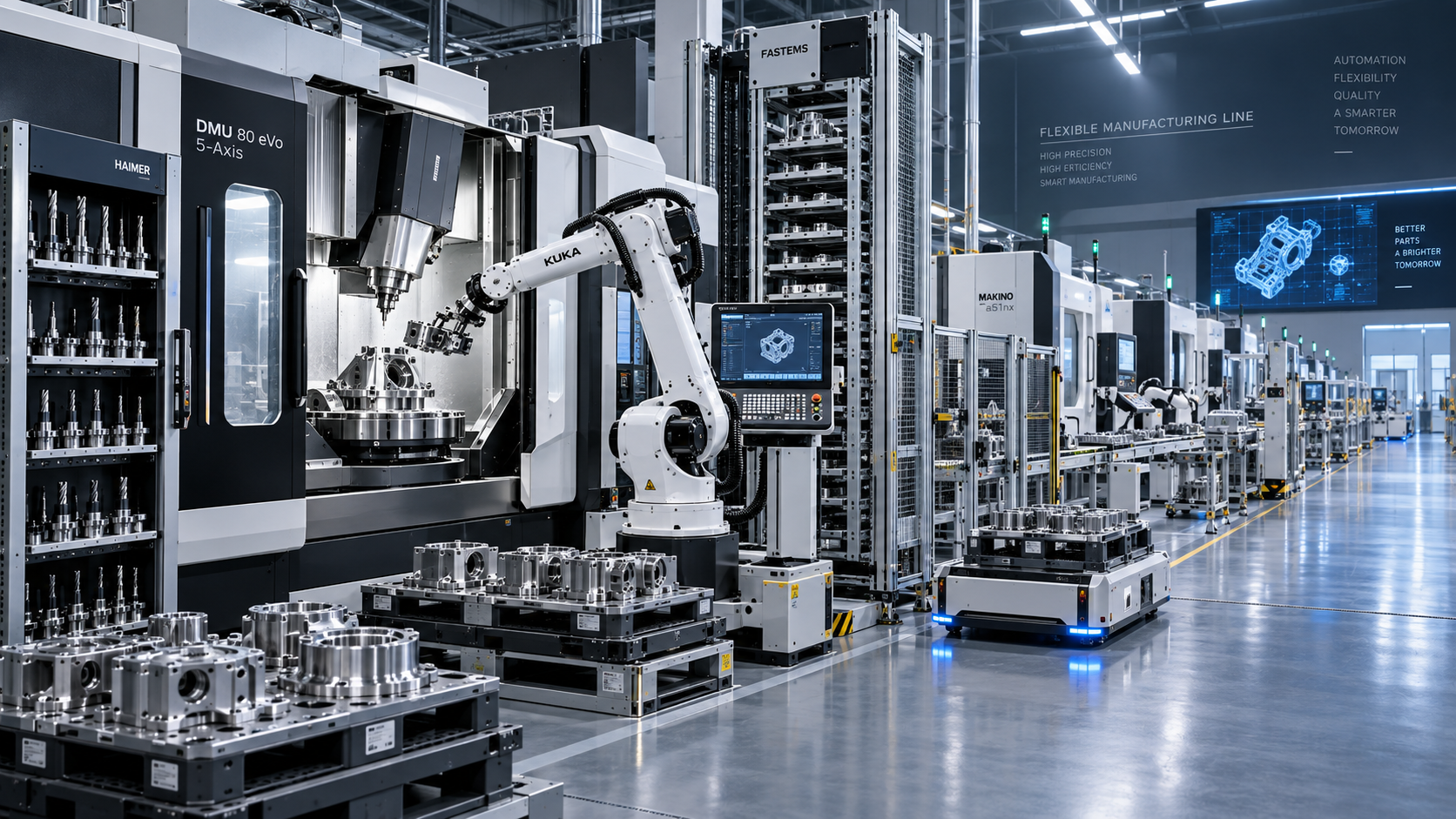
 How to Select CNC Equipment for High-Mix, Low-Volume ProductionCNC Machining Technology Center
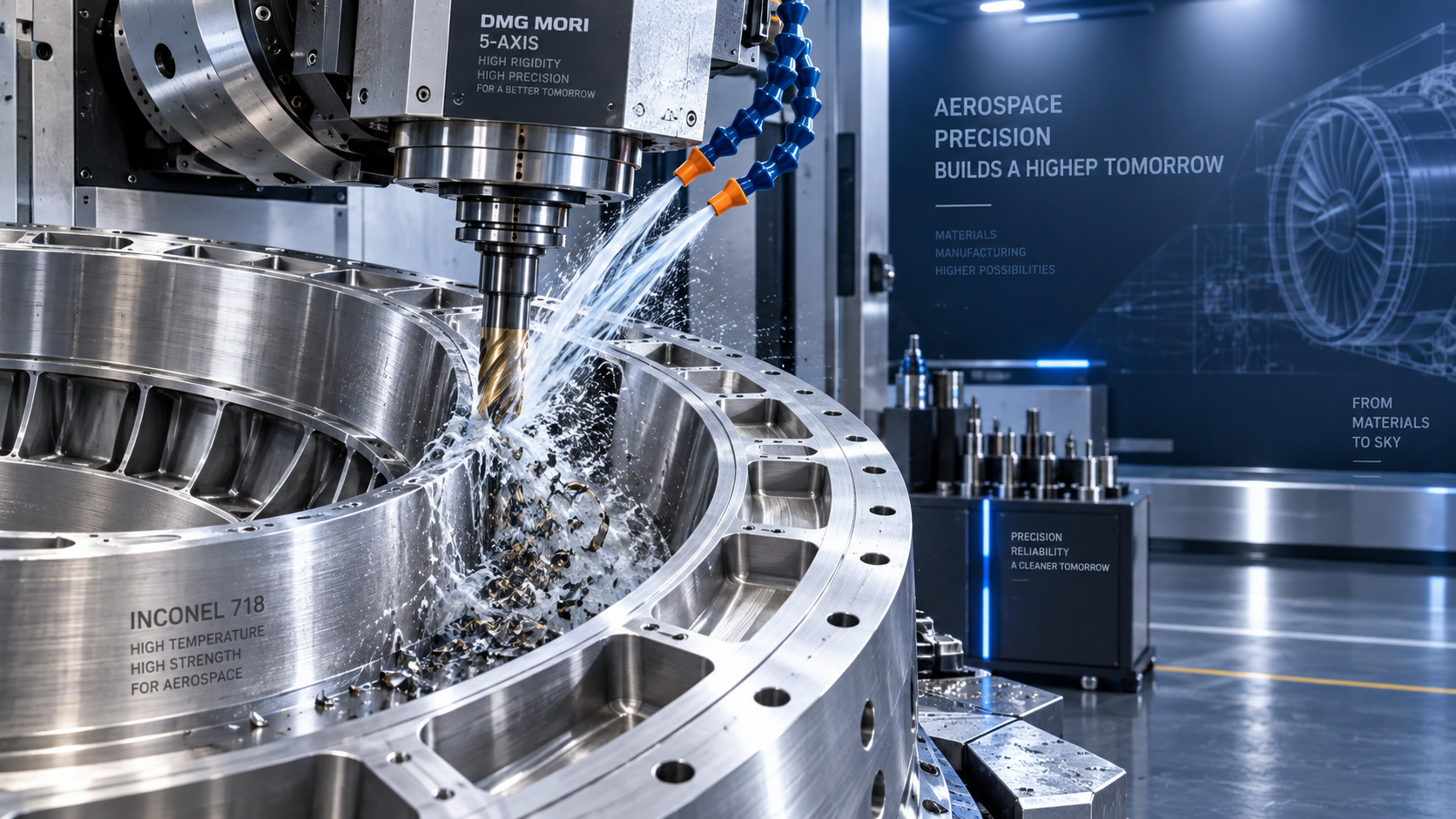
 Can CNC Machining Inconel Control Tool Wear in High-Temperature Aerospace Parts?CNC Machining Technology Center
 Machine Tool Market Outlook: Demand Drivers, Capacity Shifts, and Investment RisksManufacturing Market Research Center
 Zero-Point Clamping or Modular Fixtures? Choosing a Faster CNC Changeover SystemCNC Machining Technology Center


Aris Katos
Future of Carbide Coatings
15+ years in precision manufacturing systems. Specialized in high-speed milling and aerospace grade alloy processing.
▶
India PLI Phase II Adds CNC FixturesManufacturing Policy Research Center▶
Japan METI Green Subsidy: Up to ¥4M for Chinese High-Efficiency CNC SystemsManufacturing Policy Research Center▶
Japan METI Boosts Green Subsidies for Chinese CNC SystemsManufacturing Policy Research Center▶
AIMM National Standard Advances for CNC Smart Factory CertificationManufacturing Policy Research Center▶
Industrial Robotics vs Fixed Automation: Which FitsManufacturing Policy Research Center
Mastering 5-Axis Workholding Strategies
Join our technical panel on Nov 15th to learn about reducing vibrations in thin-wall components.

Providing you with integrated sanding solutions
Before-sales and after-sales services
Comprehensive technical support