• Global CNC market projected to reach $128B by 2028 • New EU trade regulations for precision tooling components • Aerospace deman
NYSE: CNC +1.2%LME: STEEL -0.4%

How Cost-Effective CNC Manufacturing Impacts Unit Price, Lead Time, and Scrap Rate

How Cost-Effective CNC Manufacturing Impacts Unit Price, Lead Time, and Scrap Rate

For procurement teams, cost-effective CNC manufacturing is not just about finding a lower quote. It affects part cost, delivery speed, and quality performance at the same time.
That matters more now because machining projects face tighter tolerances, shorter order cycles, and stronger pressure to reduce waste across the supply chain.
In practical sourcing, the cheapest supplier rarely delivers the lowest total cost. A weak process often creates hidden losses through delays, rework, inspection burden, and unstable output.
A cost-effective CNC manufacturing strategy looks deeper. It connects machining efficiency, process capability, scrap control, and supplier management into one purchasing decision.
Why Unit Price Depends on More Than the Quoted Number
Unit price in CNC machining is shaped by setup time, cycle time, material use, tooling wear, labor content, and inspection effort.
A supplier with modern machines and stable programming can often cut machining time without reducing dimensional accuracy. That directly lowers the real production cost per part.
This is where cost-effective CNC manufacturing becomes visible. Better spindle utilization, fewer setups, and smarter fixturing improve output while keeping quality stable.
For buyers, a low quote may hide expensive assumptions. It may exclude secondary operations, tighter inspection, packaging changes, or yield loss during the first production run.
A more reliable pricing review should check these points before comparing suppliers:
- How many setups are needed for the part
- Whether material removal is unusually high
- If tolerances demand extra finishing passes
- Whether tooling cost is spread across low volume
- How much inspection is required per batch
When these cost drivers are transparent, cost-effective CNC manufacturing becomes easier to evaluate than simple price-per-piece comparisons.
How Lead Time Improves When Machining Efficiency Is Built In
Lead time is often treated as a scheduling issue, but in CNC production it starts with process design.
A supplier using cost-effective CNC manufacturing usually reduces lead time by simplifying toolpaths, combining operations, and standardizing fixtures across similar parts.
That approach shortens preparation work before the first chip is cut. It also lowers the chance of delays caused by programming errors or repeated trial machining.
More importantly, efficient suppliers protect lead time during volume production. They usually have stronger planning discipline for tool replacement, machine loading, and quality checkpoints.
Recent market changes make this even more relevant. Shorter product cycles and mixed-volume orders demand more flexible machining capacity than many traditional workshops can offer.
In real purchasing scenarios, delayed parts create a wider cost impact:
- Assembly schedules slip.
- Urgent logistics costs rise.
- Safety stock increases.
- Customer delivery risk grows.
Because of that, cost-effective CNC manufacturing should be measured against total fulfillment speed, not only machine hourly rate.
Why Scrap Rate Is a Purchasing Issue, Not Only a Production Issue
Scrap rate is one of the clearest indicators of whether a CNC supplier is truly cost-effective.
Poor process control wastes raw material, machine hours, cutting tools, and operator time. It also creates delivery uncertainty that purchasing teams eventually have to absorb.
Cost-effective CNC manufacturing lowers scrap through stable fixturing, accurate tool compensation, in-process measurement, and controlled operator methods.
For complex parts, especially aerospace, automotive, and energy components, a small process shift can trigger expensive batch rejection.
This also means scrap rate should be part of supplier evaluation. A vendor with slightly higher pricing may still offer lower total cost when yield is consistent.
Watch for these warning signs during RFQ and supplier review:
- No clear first-article approval process
- Weak traceability for tooling and programs
- High dependence on manual adjustment
- Limited SPC or dimensional trend control
- Inconsistent records for scrap and rework
When these issues exist, the quoted savings usually disappear later through quality escapes and repeated production loss.
What Makes a CNC Supplier Truly Cost-Effective
Cost-effective CNC manufacturing is usually the result of system capability, not one isolated advantage.
The strongest suppliers combine precision equipment, process engineering, disciplined quality systems, and responsive production planning.
For example, multi-axis machining can reduce repositioning and improve geometric consistency. Automated probing can shorten setup and catch errors earlier.
Digital scheduling tools also matter. They improve machine loading, shorten queue time, and support more realistic delivery commitments.
In many global manufacturing clusters, suppliers are investing in smart factory methods for exactly this reason. Better data flow improves both cost visibility and execution stability.
A practical supplier assessment should cover the following areas:
How to Compare Quotes Without Missing Hidden Cost
Quote comparison should move beyond unit price alone. That is where many sourcing decisions lose accuracy.
A supplier offering cost-effective CNC manufacturing should be able to explain how the part will be produced, where the cost sits, and what risks could affect delivery or yield.
Ask direct questions. How stable is the process window? What scrap assumptions are used? Is there contingency for tool breakage or material variation?
Another useful step is to compare total landed cost across the order lifecycle, not just purchase price at order release.
A simple evaluation model can include:
- Quoted unit price
- Expected lead time performance
- First-pass yield or scrap history
- Expedite and logistics exposure
- Inspection and incoming quality cost
- Rework, return, and disruption risk
This kind of comparison gives cost-effective CNC manufacturing a measurable business case instead of leaving it as a vague supplier claim.
A Practical Sourcing Approach for Better Cost and Lower Risk
The best results usually come from early alignment between design, sourcing, and manufacturing teams.
When drawings, tolerances, and finishing requirements are reviewed upfront, suppliers can suggest process improvements before cost and lead time become locked in.
This is another advantage of cost-effective CNC manufacturing. It supports design-for-machinability decisions that lower complexity without hurting function.
In day-to-day procurement, three actions usually create the biggest impact:
- Standardize quote review around process, yield, and lead time.
- Track supplier performance using scrap, OTD, and first-pass acceptance.
- Build longer-term partnerships with suppliers that improve process capability over time.
From a market perspective, that approach fits the broader shift toward precision, automation, and digital integration across global CNC manufacturing.
The clearer signal is simple. Cost-effective CNC manufacturing creates value when it lowers total cost, shortens response time, and keeps scrap under control together.
That is the standard worth using in future sourcing decisions, especially as production demands become more complex and less forgiving.
Use that lens in the next RFQ review, supplier audit, or pricing negotiation, and the real cost picture becomes much easier to see.
Recommended for You
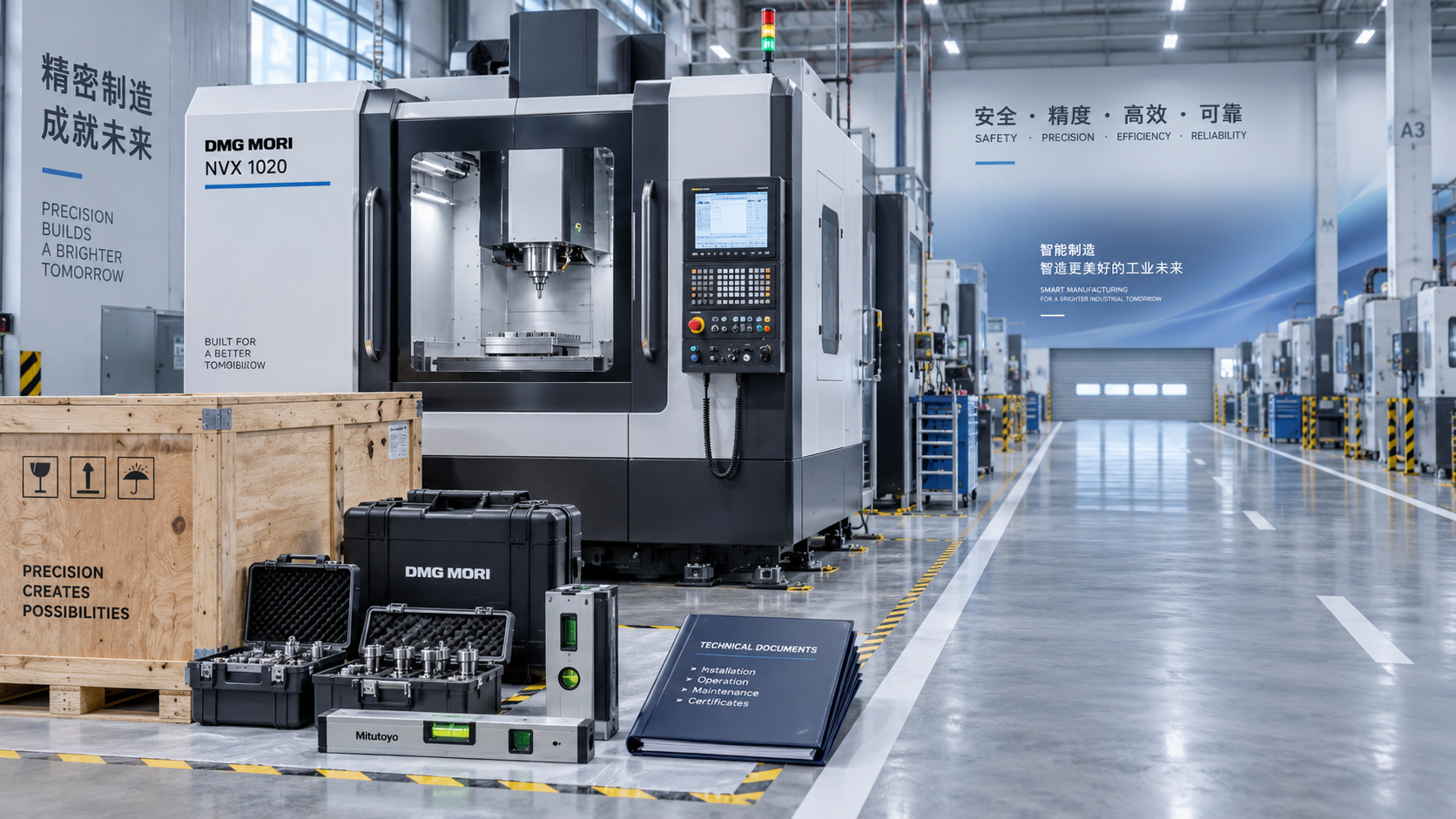
 CNC Machine Arrival Inspection: Check Shipping Damage, Accuracy, Safety, and DocumentsCNC Machining Technology Center
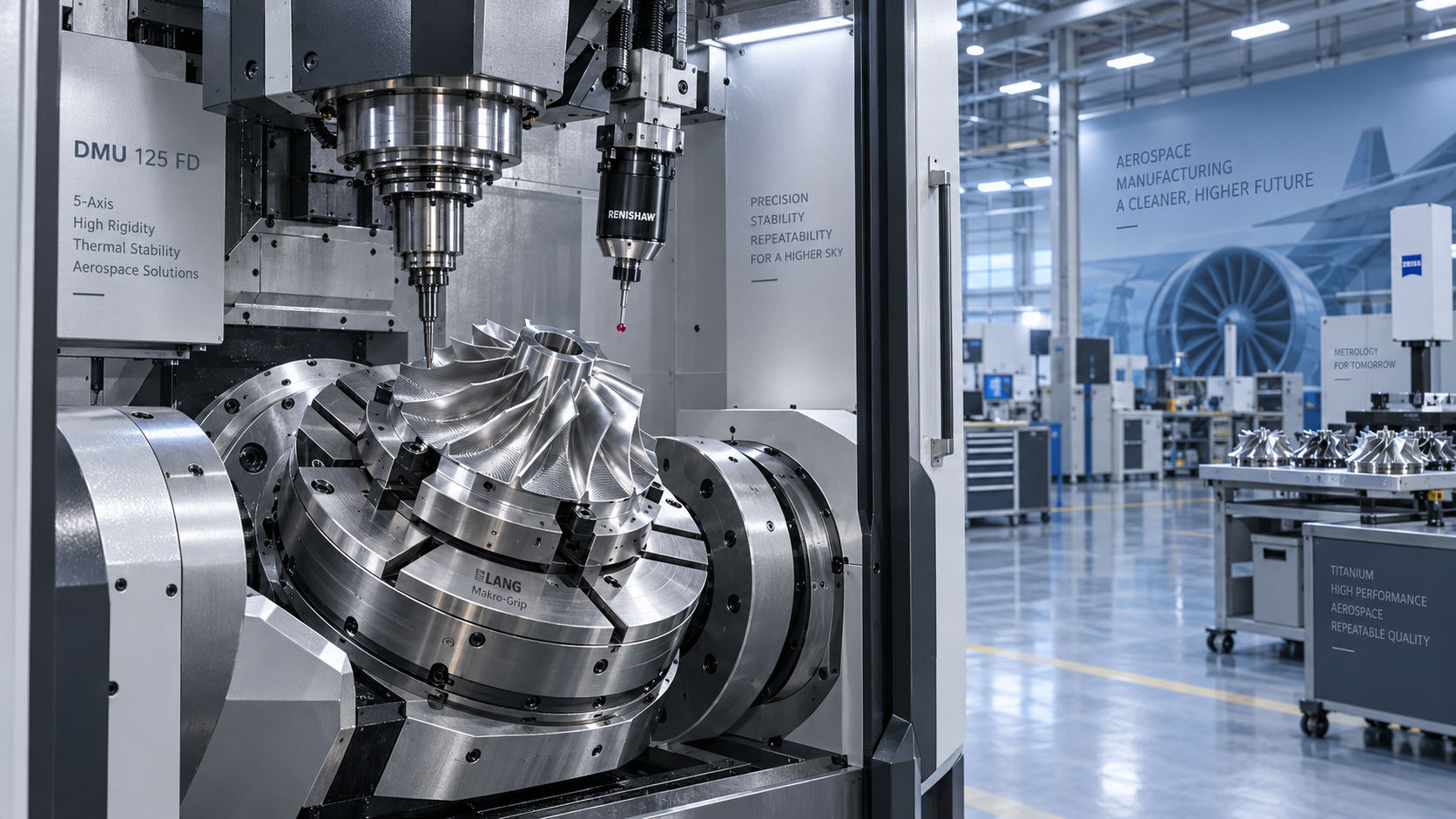
 How to Select a Machine Tool for Aerospace Parts with Tight Tolerances?Machine Tool Industry Editorial Team
 How to Select CNC Equipment for High-Mix, Low-Volume ProductionCNC Machining Technology Center
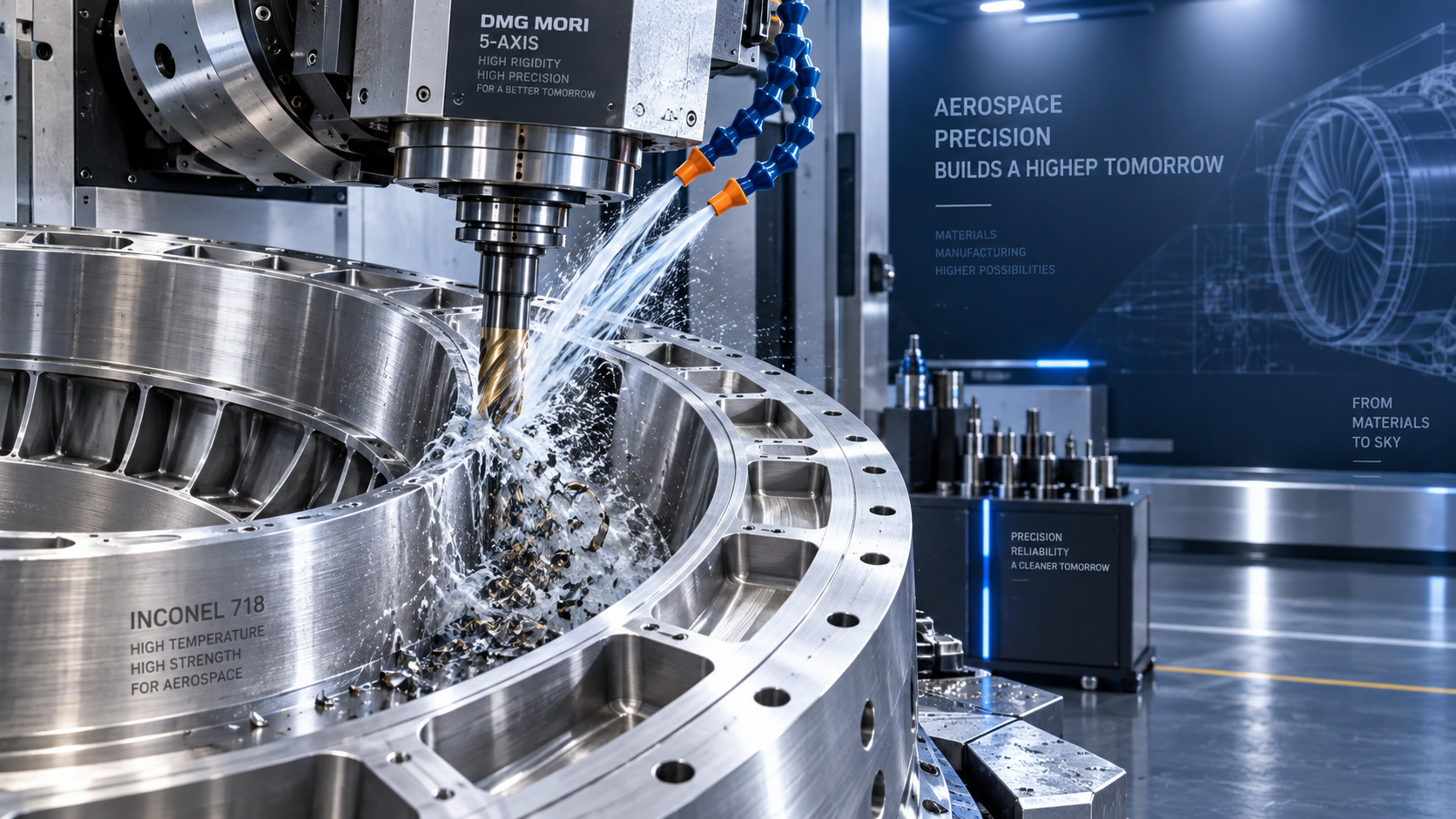
 Can CNC Machining Inconel Control Tool Wear in High-Temperature Aerospace Parts?CNC Machining Technology Center
 Machine Tool Market Outlook: Demand Drivers, Capacity Shifts, and Investment RisksManufacturing Market Research Center
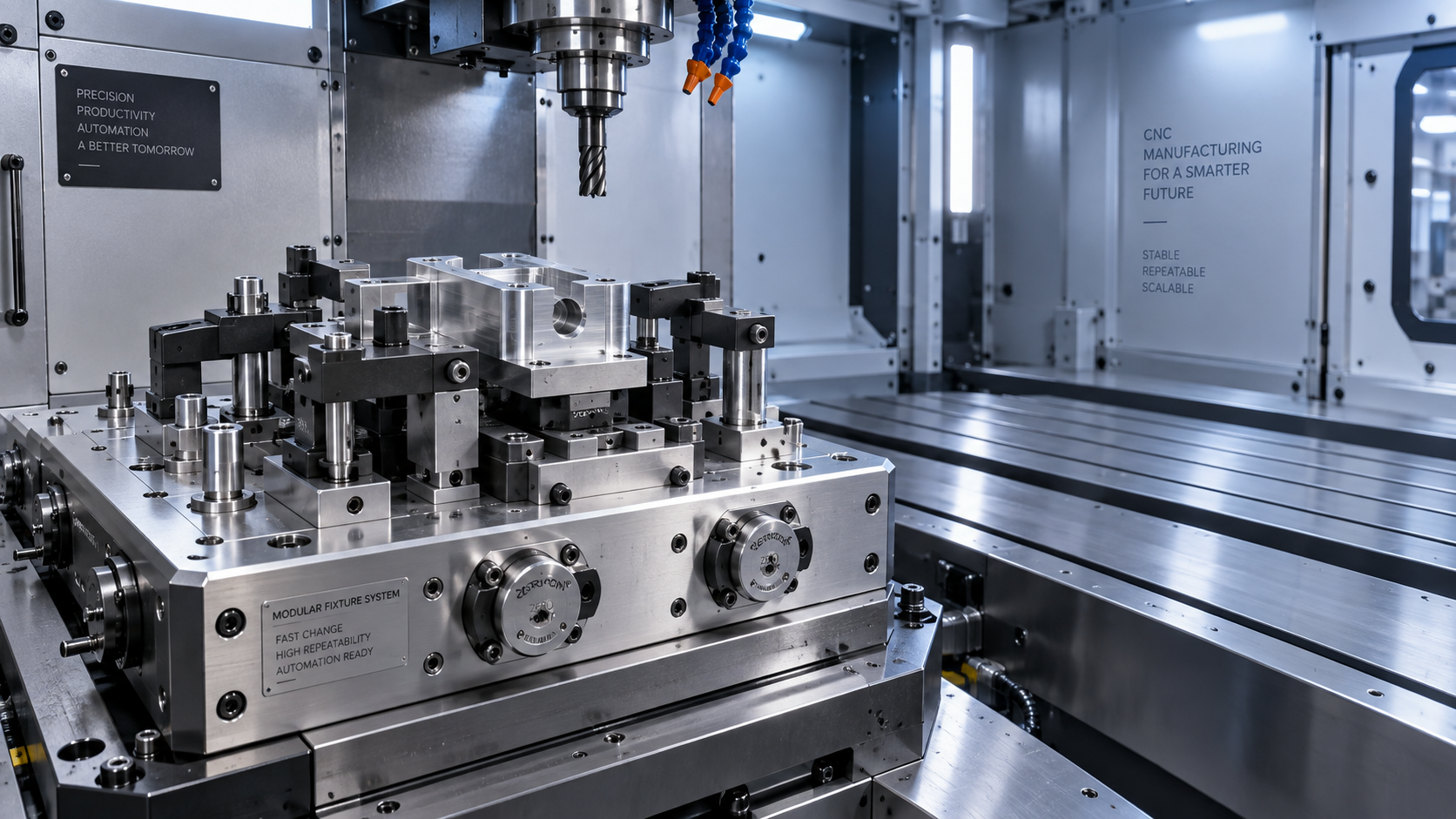
 Zero-Point Clamping or Modular Fixtures? Choosing a Faster CNC Changeover SystemCNC Machining Technology Center



Aris Katos
Future of Carbide Coatings
15+ years in precision manufacturing systems. Specialized in high-speed milling and aerospace grade alloy processing.
▶
How to Evaluate a Machine Tool Factory Before Sourcing CNC EquipmentGlobal Machine Tool Trade Research Center▶
How to Evaluate a CNC Machine Tool Manufacturer for Precision and Service SupportGlobal Machine Tool Trade Research Center▶
What Affects Cost-Effective CNC Manufacturing? Key Drivers Behind Part Price and Lead TimeGlobal Machine Tool Trade Research Center▶
How to Evaluate a CNC Tooling System Supplier in Germany for Quality, Lead Time, and CostGlobal Machine Tool Trade Research Center▶
How to Evaluate a CNC Tooling System Supplier in Germany for Quality, Lead Time, and SupportGlobal Machine Tool Trade Research Center
Mastering 5-Axis Workholding Strategies
Join our technical panel on Nov 15th to learn about reducing vibrations in thin-wall components.

Providing you with integrated sanding solutions
Before-sales and after-sales services
Comprehensive technical support