• Global CNC market projected to reach $128B by 2028 • New EU trade regulations for precision tooling components • Aerospace deman
NYSE: CNC +1.2%LME: STEEL -0.4%

EU Carbon Label Rule Hits CNC Imports in July

On July 1, 2026, a new compliance threshold takes effect for CNC machine tools and machining centers entering the EU market. Under Regulation EU 2026/1287 issued by the European Commission, newly imported equipment in this category must carry a digital product passport (DPP) aligned with EN 15804+A2 and containing full life-cycle carbon emissions data. For manufacturers, importers, distributors, compliance teams, and buyers involved in EU-bound equipment transactions, this matters because non-compliant products will not be able to complete CE conformity procedures or customs clearance.
What the rule requires from July 1
The confirmed requirement is tied to new imports of CNC machine tools and machining centers into the EU from July 1, 2026. According to the information provided, the equipment must be preloaded with a digital product passport compliant with EN 15804+A2. The passport must include life-cycle carbon emissions data. If this requirement is not met, the affected equipment cannot complete the CE conformity declaration process and cannot pass customs clearance.
Where the immediate pressure is likely to appear
Exporters and import-facing manufacturers
From an industry perspective, this group is likely to feel the impact first because the requirement applies at the point where new CNC equipment enters the EU market. The main pressure point is no longer only product shipment, but also whether the machine arrives with the required DPP and carbon data in place. What deserves closer attention is whether product documentation, technical files, and delivery preparation are aligned before export.
Distributors, traders, and channel operators
Analysis shows that channel participants may be affected through transaction timing and clearance risk. If a machine cannot complete CE conformity procedures or customs clearance, the issue may move directly into order fulfillment, delivery scheduling, and customer communication. The practical focus here is whether upstream suppliers can provide compliant documentation before goods are dispatched.
Procurement teams and end users sourcing for the EU market
Observably, buyers of new CNC machine tools and machining centers for EU entry may need to shift attention from equipment specifications alone to compliance readiness. The impact is likely to appear in supplier screening, contract review, and delivery planning. What deserves closer attention is whether suppliers can demonstrate that the DPP is pre-installed and that the required carbon information is already prepared.
Supply chain and compliance service participants
Companies involved in documentation support, customs coordination, and conformity workflows may also see a more direct role in equipment transactions. Analysis shows that the key issue is not an abstract sustainability statement, but whether the required passport and data are present in a form that supports CE-related procedures and customs processing.
What companies should watch now
Distinguish the rule itself from internal assumptions
The confirmed fact is narrow but operationally significant: a DPP compliant with EN 15804+A2 and containing life-cycle carbon emissions data is required for newly imported CNC machine tools and machining centers from July 1, 2026. Companies should avoid expanding this into unsupported assumptions about products, markets, or enforcement details that were not provided in the source information.
Check document readiness before shipment milestones
From a practical perspective, the issue is closely tied to pre-shipment preparation. Because non-compliant equipment cannot complete CE conformity declaration procedures or customs clearance, firms involved in EU-bound deliveries should pay attention to whether compliance documents and product data are ready before shipment and handover stages.
Review supplier communication and proof requirements
Analysis shows that supplier communication may become a core operational task. Importers, distributors, and procurement teams may need clearer confirmation on whether the DPP is preloaded and whether the life-cycle carbon emissions data required under the stated standard has been prepared in a usable form. The focus is less on broad ESG messaging and more on verifiable transaction documents.
Prepare for execution risk in lead times and customer updates
Observably, the practical business risk described in the provided information is binary: compliant equipment proceeds, while non-compliant equipment faces barriers in CE conformity and customs clearance. That makes delivery scheduling, contingency planning, and customer communication areas worth monitoring closely.
Why this reads as more than a filing detail
Analysis shows that this development is better understood as an operational compliance signal rather than a routine paperwork adjustment. The reason is straightforward: the requirement is linked directly to CE conformity procedures and customs clearance for new imports of CNC machine tools and machining centers. At the same time, it is more appropriate to understand the broader market implications with caution. The information provided confirms a firm rule and a clear enforcement consequence, but it does not by itself confirm how quickly different parts of the supply chain will adapt or what secondary effects may follow.
How to read the signal at this stage
At this stage, the most balanced reading is that the rule creates a concrete near-term compliance change for EU-bound CNC equipment while also signaling a wider expectation around carbon-data transparency in product documentation. The confirmed takeaway is not a broad market conclusion, but a specific business requirement with immediate relevance for import preparation, documentation control, and supplier coordination. It is more appropriate to understand this as a clear compliance result with broader industry implications that still merit continued observation.
Basis of this article
This article is generated from the user-provided news title, event date, and event summary concerning Regulation EU 2026/1287, its July 1, 2026 enforcement date, the DPP requirement for newly imported CNC machine tools and machining centers, the EN 15804+A2 reference, and the stated consequences for CE conformity declaration and customs clearance. For this type of industry update, relevant source categories typically include official government or regulator notices, company disclosures, industry association updates, authoritative media coverage, and standard-setting documents. A specific official source link was not provided in the input, so further verification remains necessary. If the market continues to track this development, the main follow-up areas are likely to be any updated official wording, implementation clarifications, and practical documentation expectations affecting EU-bound equipment trade.
PREVIOUS ARTICLE
Recommended for You
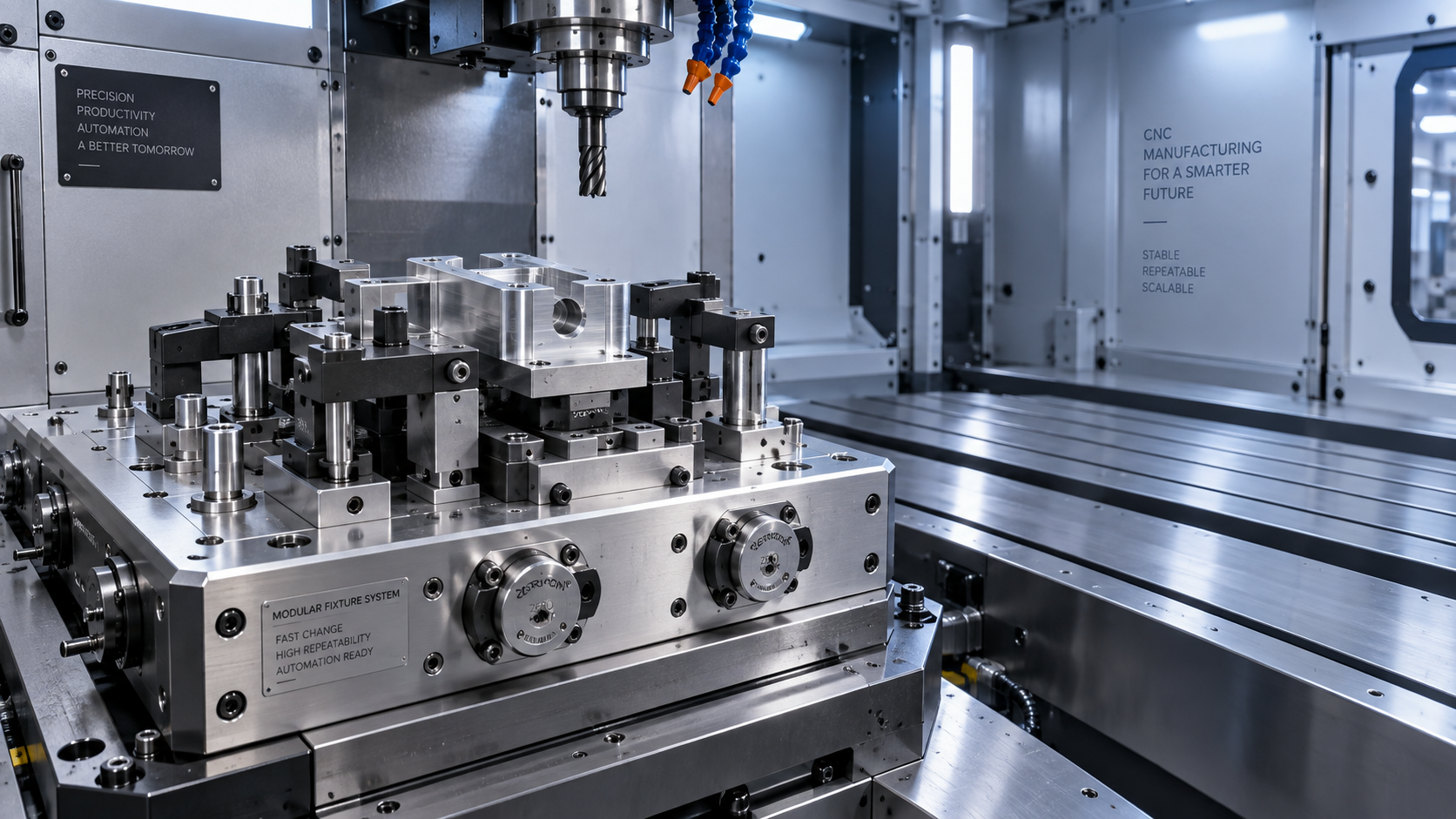
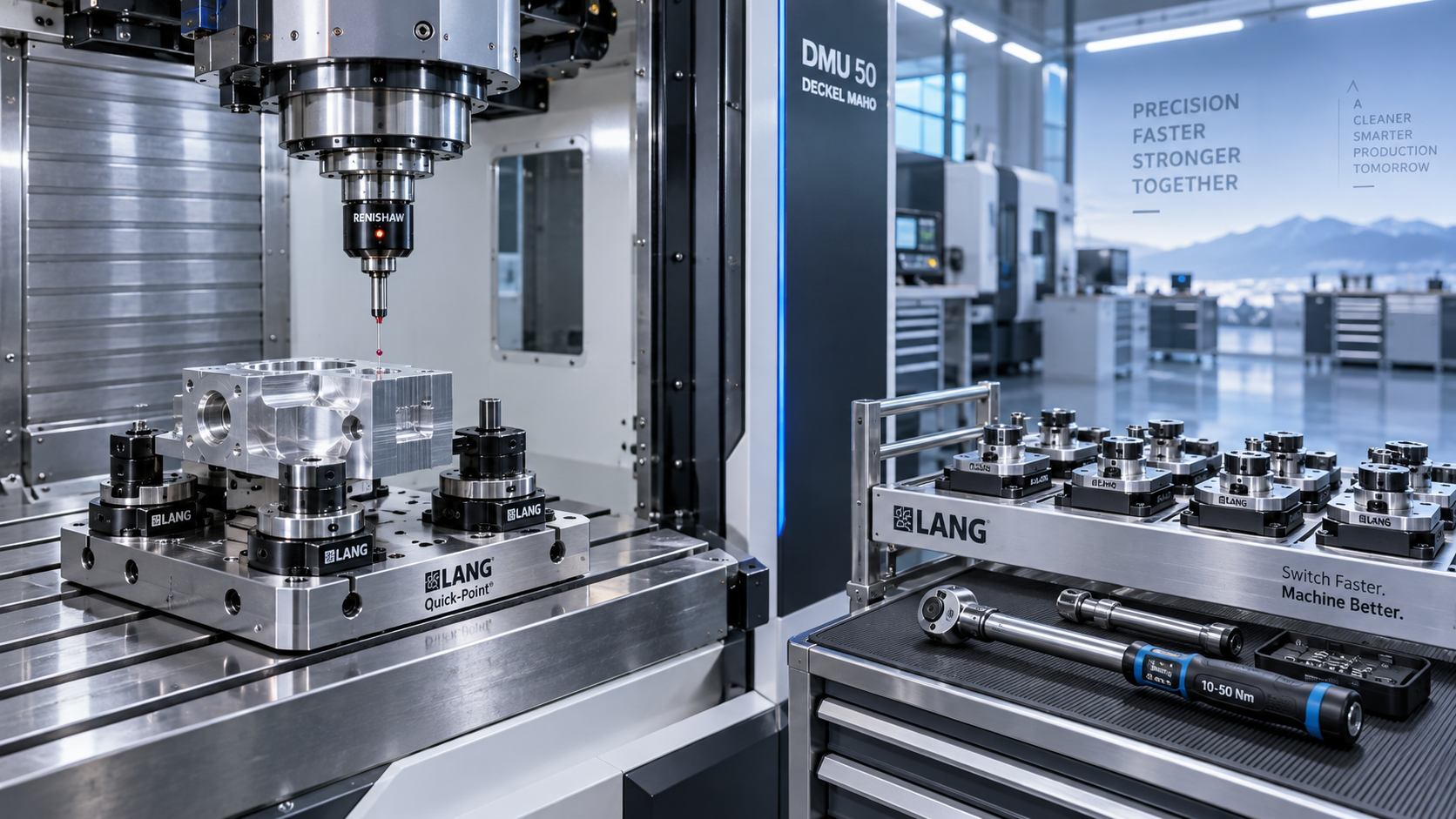
 Zero-Point Clamping or Modular Fixtures? Choosing a Faster CNC Changeover SystemCNC Machining Technology Center
 How to Cut CNC Fixture Changeover Time Without Sacrificing Part AccuracyCNC Machining Technology Center
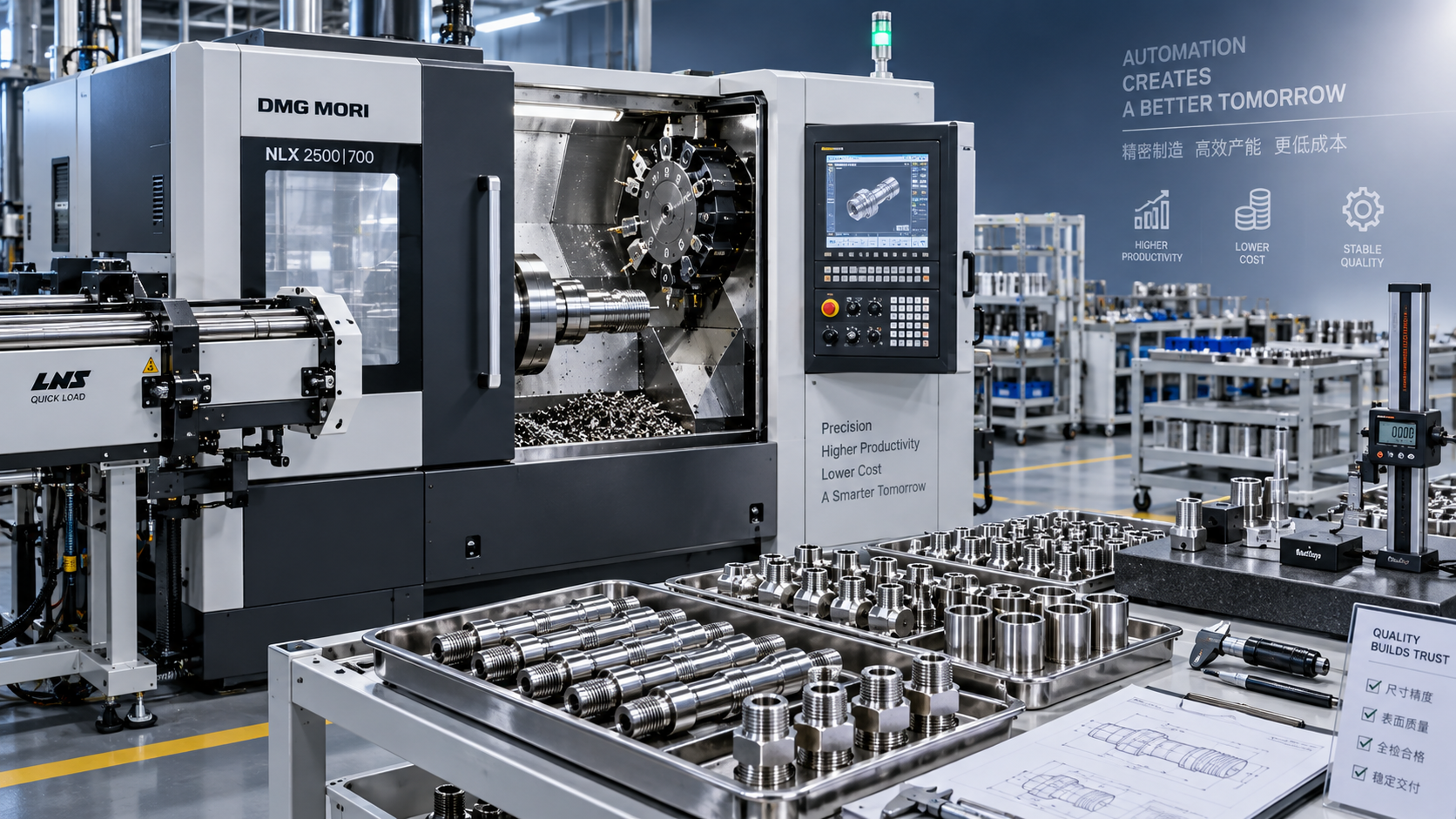
 When Does CNC Turning Pay Off? A Break-Even Guide by Annual Part VolumeMachine Tool Industry Editorial Team
 Machine Tool Standards by Country: What Importers Must Verify Before PurchaseManufacturing Policy Research Center
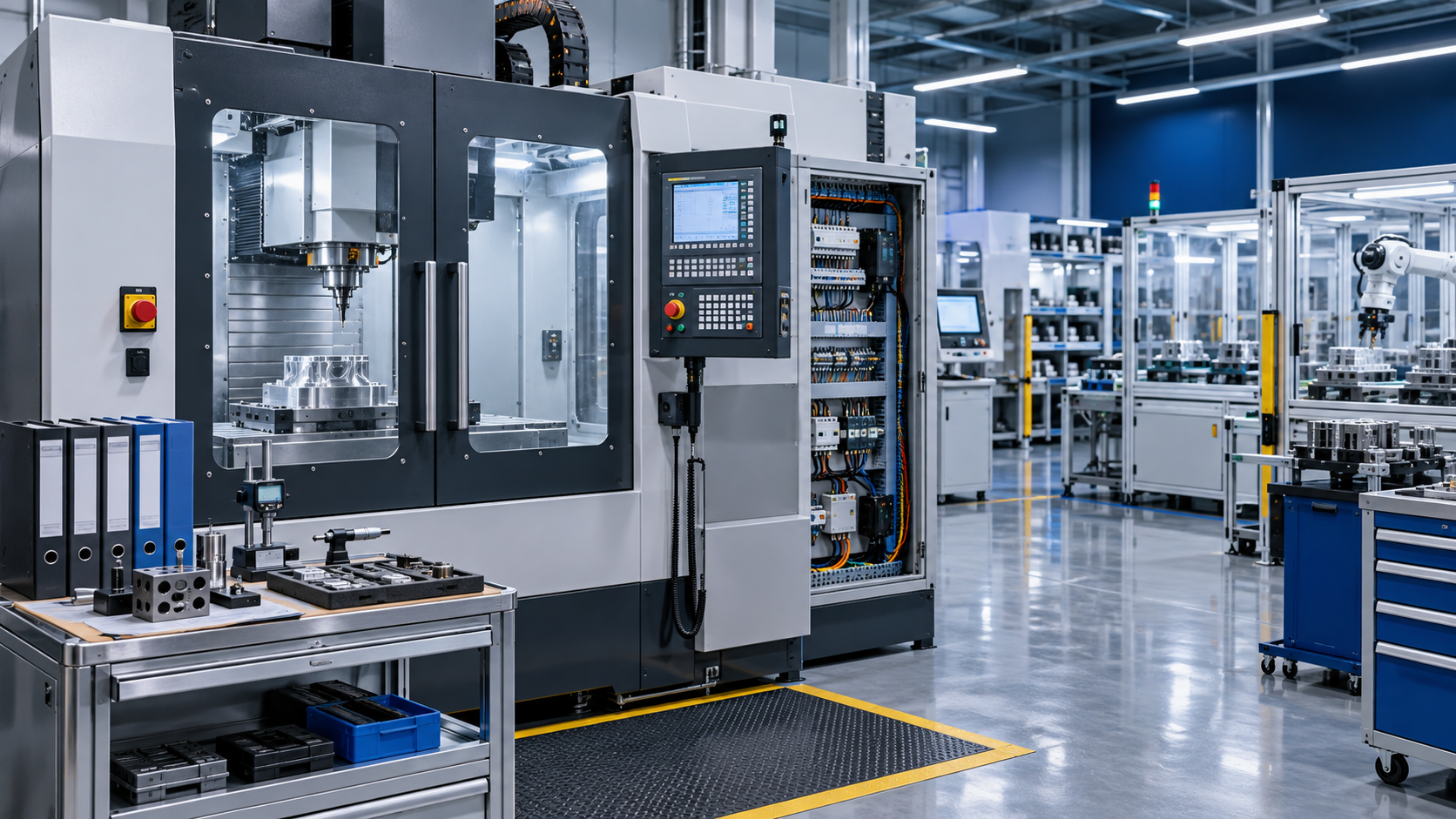
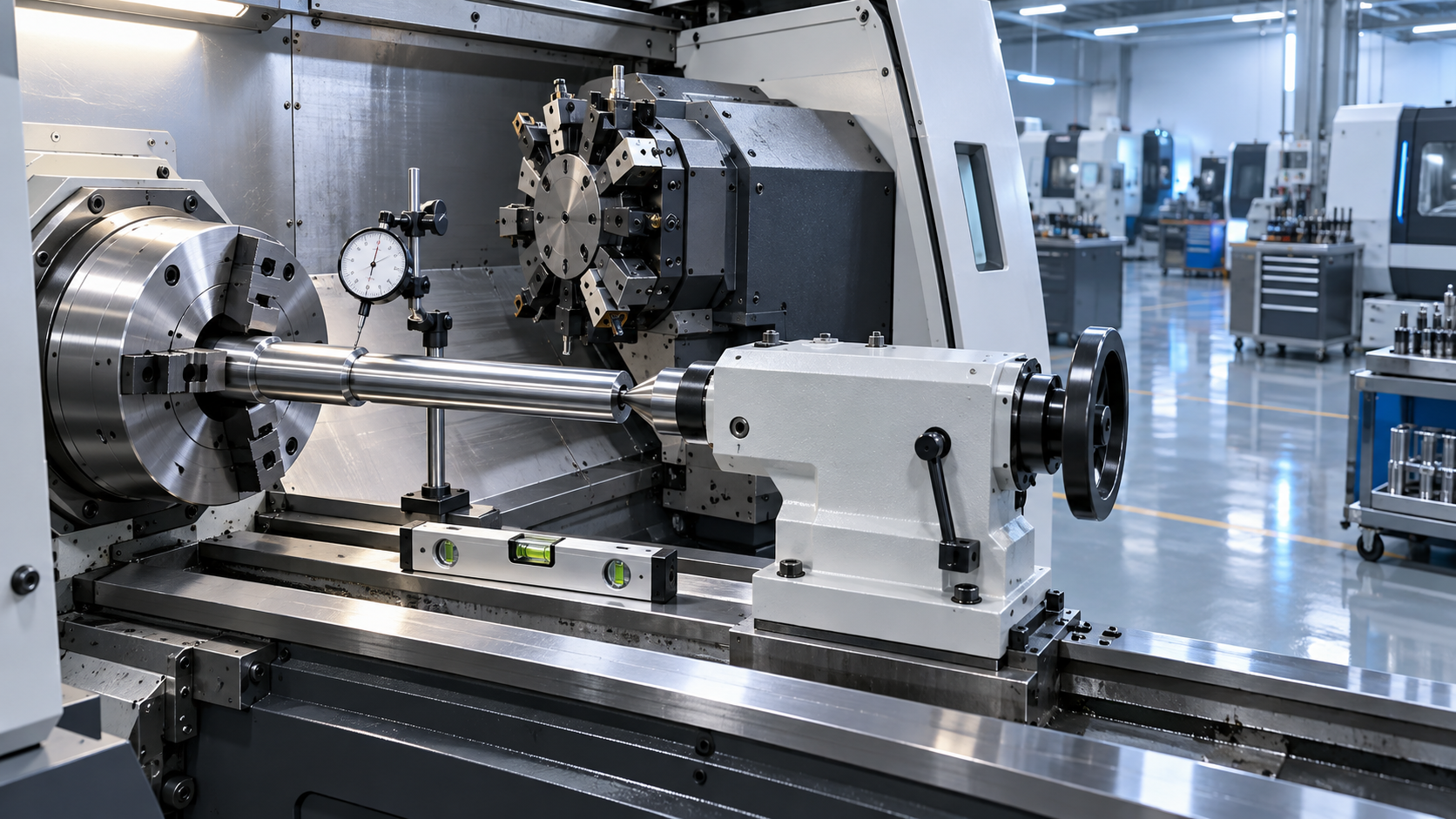
 CNC Lathe Quick Installation Guide: Alignment Checks Before First Production RunCNC Machining Technology Center
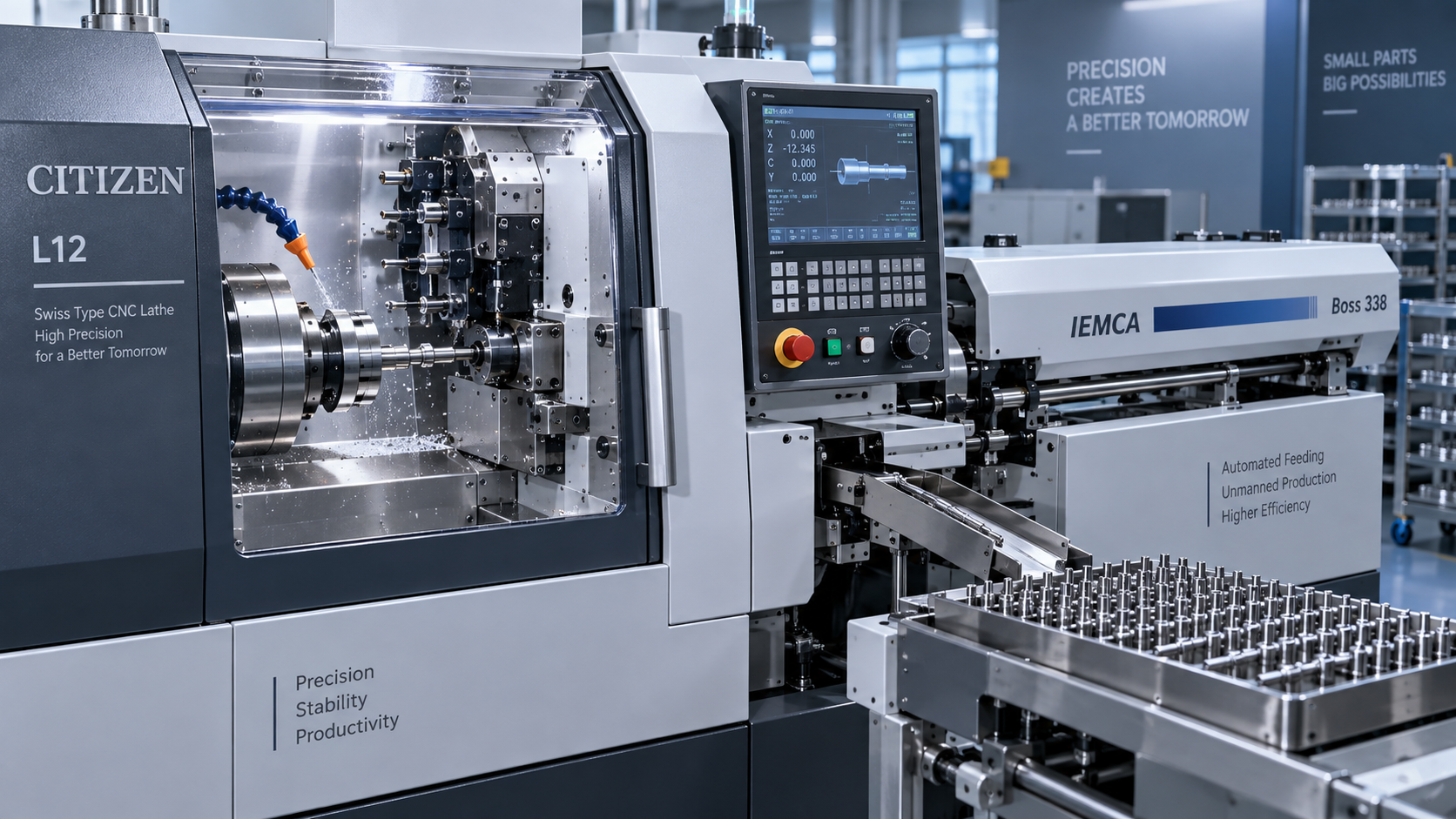
 How to Select a CNC Lathe for Small Parts Without Sacrificing Accuracy or Cycle TimeCNC Machining Technology Center

Aris Katos
Future of Carbide Coatings
15+ years in precision manufacturing systems. Specialized in high-speed milling and aerospace grade alloy processing.
▶
Machine Tool Standards by Country: What Importers Must Verify Before PurchaseManufacturing Policy Research Center▶
EU Sets CE-EMC+AI Certification Rule for CNC ExportsManufacturing Policy Research Center▶
EU Rule Update Raises CNC Safety Certification BarManufacturing Policy Research Center▶
U.S. Tightens Reviews for China CNC ExportsManufacturing Policy Research Center▶
EU Tightens CNC Export Compliance from October 2026Manufacturing Policy Research Center
Mastering 5-Axis Workholding Strategies
Join our technical panel on Nov 15th to learn about reducing vibrations in thin-wall components.

Providing you with integrated sanding solutions
Before-sales and after-sales services
Comprehensive technical support