• Global CNC market projected to reach $128B by 2028 • New EU trade regulations for precision tooling components • Aerospace deman
NYSE: CNC +1.2%LME: STEEL -0.4%

EU Weighs AI Safety Certification for CNC Exports

The timing of the development is not specified in the provided information, but the draft signal is already relevant for CNC machine builders, exporters, system suppliers, certification-facing teams, and EU-bound buyers. According to the information provided, a new draft tied to Germany’s Industrial 4.0 machinery safety framework would require CNC machining centers and five-axis machine tools sold into the EU to include an AI-driven abnormal-stop module from mid-2027, with only a 12-month transition period. For the industry, the key issue is not only a new product feature requirement, but a compliance shift that reaches design, manufacturing, and software updates across the full lifecycle.
What the draft requirement currently points to
Based on the provided summary, the draft states that from mid-2027, all CNC machining centers and five-axis machine tools sold to the EU would need to integrate an AI-driven abnormal-stop module. The same information indicates that certification would need to be completed through designated bodies such as TÜV Rheinland.
The confirmed scope described in the input is broader than hardware installation alone. It covers the full lifecycle, including product design, production, and software updates. The title information also indicates that the proposed transition period would be only 12 months.
Where the pressure is likely to appear first
Export-facing machine builders may face a compliance redesign task
From an industry perspective, companies directly exporting CNC machining centers and five-axis machine tools to the EU are the most immediately exposed group if the draft moves forward in its current direction. The likely pressure point is that compliance would no longer sit only at shipment or documentation stage; it would connect product architecture, safety logic, and post-delivery software handling.
Control system and software suppliers could become a key bottleneck
Analysis shows that suppliers providing CNC systems, embedded control functions, or update-related software support may be pulled closer into the compliance process because the requirement described in the input explicitly extends to software updates. That means the commercial impact may reach beyond OEMs to the upstream technology stack that supports machine operation and safety behavior.
Certification and customer-facing teams may need earlier alignment
Observably, sales, compliance, and delivery teams serving EU accounts may also be affected because designated certification is part of the requirement described in the input. In practice, these teams would need to track whether product claims, certification progress, and customer communications remain consistent as the rule language develops.
Early movers may gain a narrower but visible export window
The provided information also indicates that companies which have already positioned AI-related CNC safety capabilities, such as suppliers referenced in the summary, may find a differentiated export opportunity. This should be understood as a competitive possibility mentioned by the input, not as a confirmed market outcome.
What companies should watch now
Separate draft language from final compliance obligations
What deserves closer attention is the difference between a draft requirement and an enforceable final obligation. Companies exposed to the EU market should closely track whether the wording on covered equipment, module expectations, certification routes, and lifecycle obligations changes in later official expressions.
Map affected product lines and EU-bound deliveries
Analysis shows that businesses should first identify whether their CNC machining centers and five-axis machine tools fall into the product scope described in the provided information. This is especially relevant for exporters that manage multiple configurations, because any EU-bound model may require earlier technical and documentation review if the transition window remains short.
Review software-update governance, not only hardware readiness
Because the provided summary explicitly includes software updates in the rule’s lifecycle coverage, companies should not treat the issue as a one-time hardware retrofit question. The more practical concern is whether internal update processes, version control, and customer-side deployment communications can support a certified safety-related function over time.
Prepare supplier and customer communication in parallel
From an industry perspective, firms may need to align both upstream and downstream communication earlier than usual. Upstream, that means clarifying the readiness of control-system or module suppliers; downstream, it means preparing neutral customer explanations around certification status, delivery implications, and any possible changes to technical documentation.
Why this looks like more than a single product tweak
Observably, this development is better read as a compliance signal about how AI-linked safety functions may be entering market access requirements for industrial equipment, rather than as a narrow add-on feature issue. The fact pattern provided in the input suggests the center of gravity is shifting toward lifecycle accountability, where design decisions and later software changes may sit under the same compliance lens.
At the same time, it is more appropriate to understand this as a developing regulatory signal rather than a fully settled result. The event time is not specified in the input, and the information provided refers to a draft. That means the industry still needs to distinguish confirmed obligations from forward-looking preparation.
How the market may best interpret it at this stage
At this stage, the development is best understood as a short-term compliance warning with longer-term strategic meaning. In the short term, EU-oriented CNC exporters may need to assess product scope, certification exposure, and software-update implications. In the longer term, the draft points to a broader expectation that machine safety, intelligent control, and post-sale software governance may increasingly be treated as one connected compliance topic.
A neutral reading is that the proposed requirement does not yet justify broad conclusions beyond the provided facts, but it does justify closer monitoring and earlier internal assessment for companies with EU-facing CNC business.
Basis of this article
This article is generated from the user-provided news title, event timing note, and event summary. The specific official source link was not provided in the input, so further verification is still needed. For this type of development, source categories typically worth tracking include official notices, company statements, industry association updates, authoritative media reports, and standard or certification-related documents. The main follow-up focus should remain on whether later official wording changes the scope, certification path, lifecycle obligations, or implementation timetable described in the provided summary.
Recommended for You
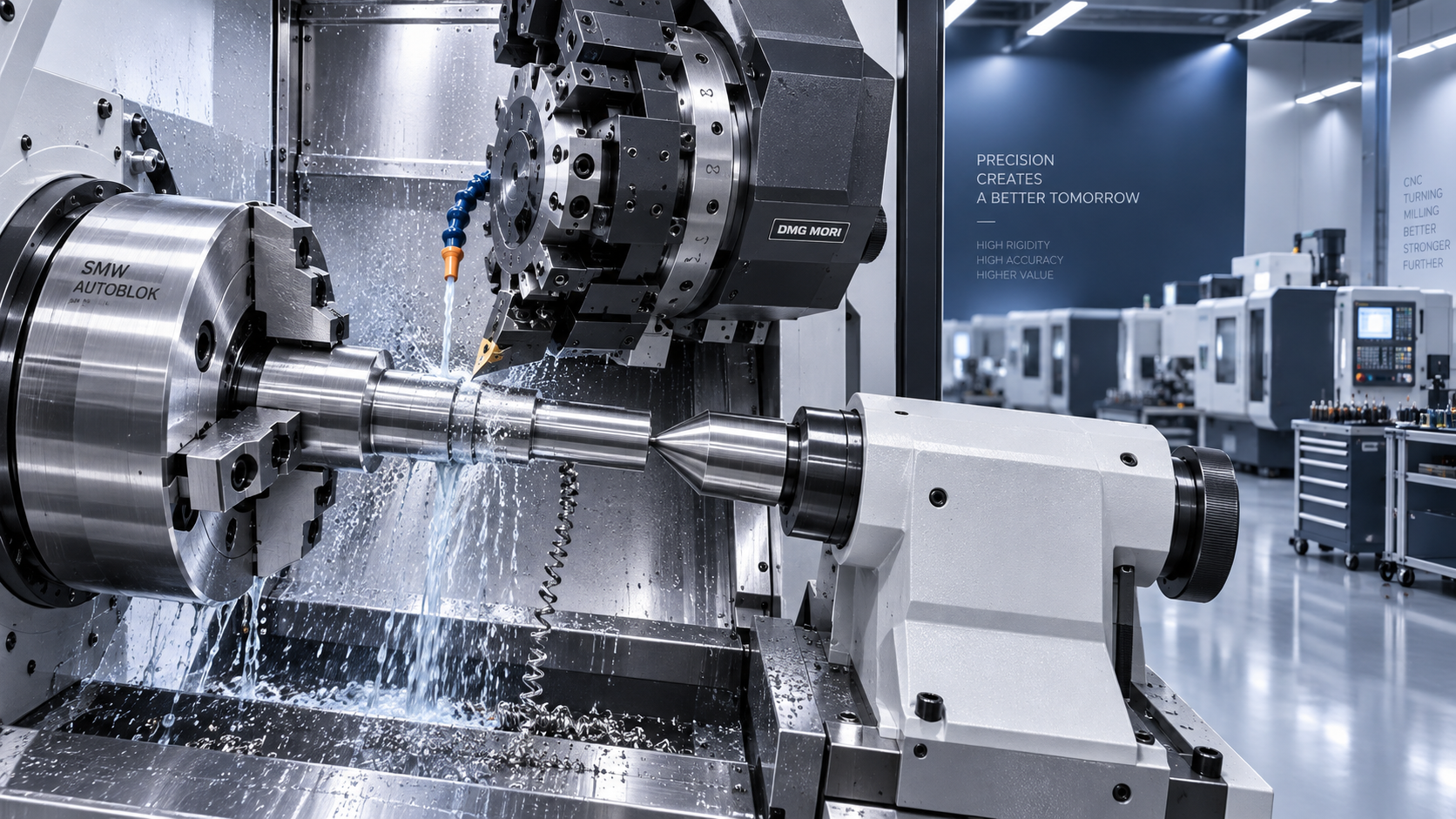
 How to Select a Slant Bed Lathe for High-Precision Shaft and Chuck WorkCNC Machining Technology Center
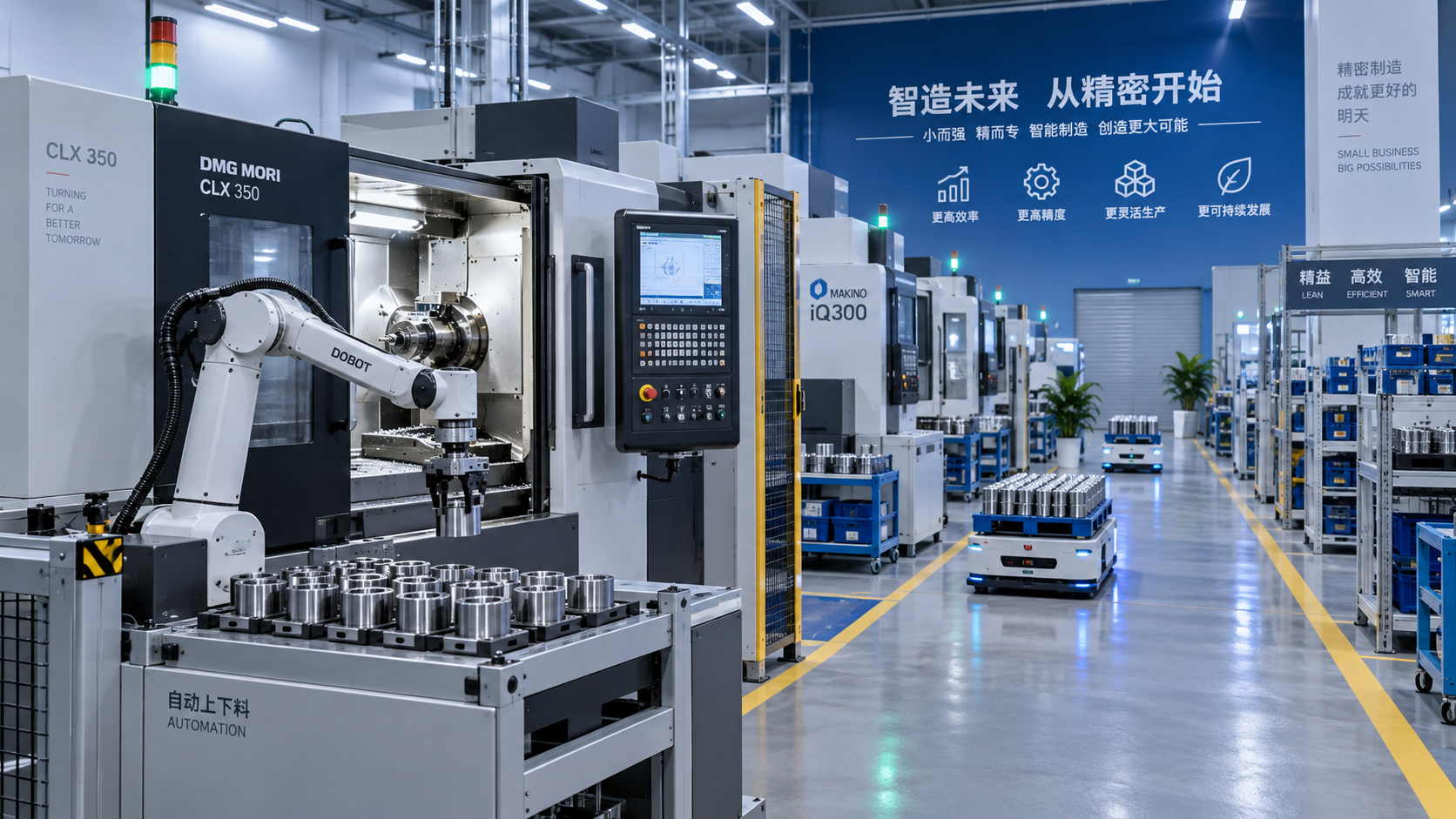
 Smart Manufacturing for Small Businesses: Where Automation Delivers the Fastest ROIMachine Tool Industry Editorial Team
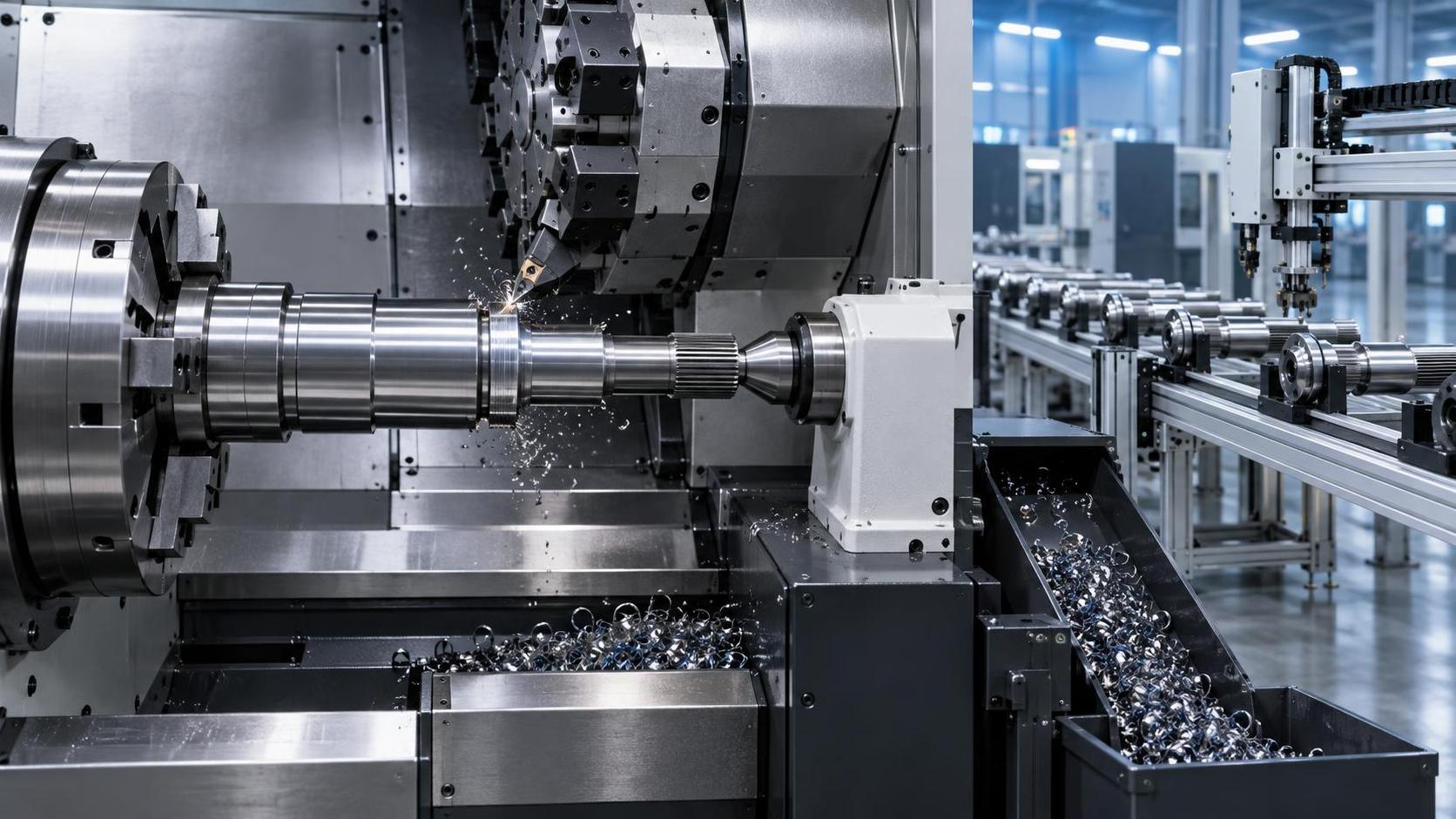
 How to Specify a CNC Lathe for High-Volume Automotive Shaft ProductionCNC Machining Technology Center
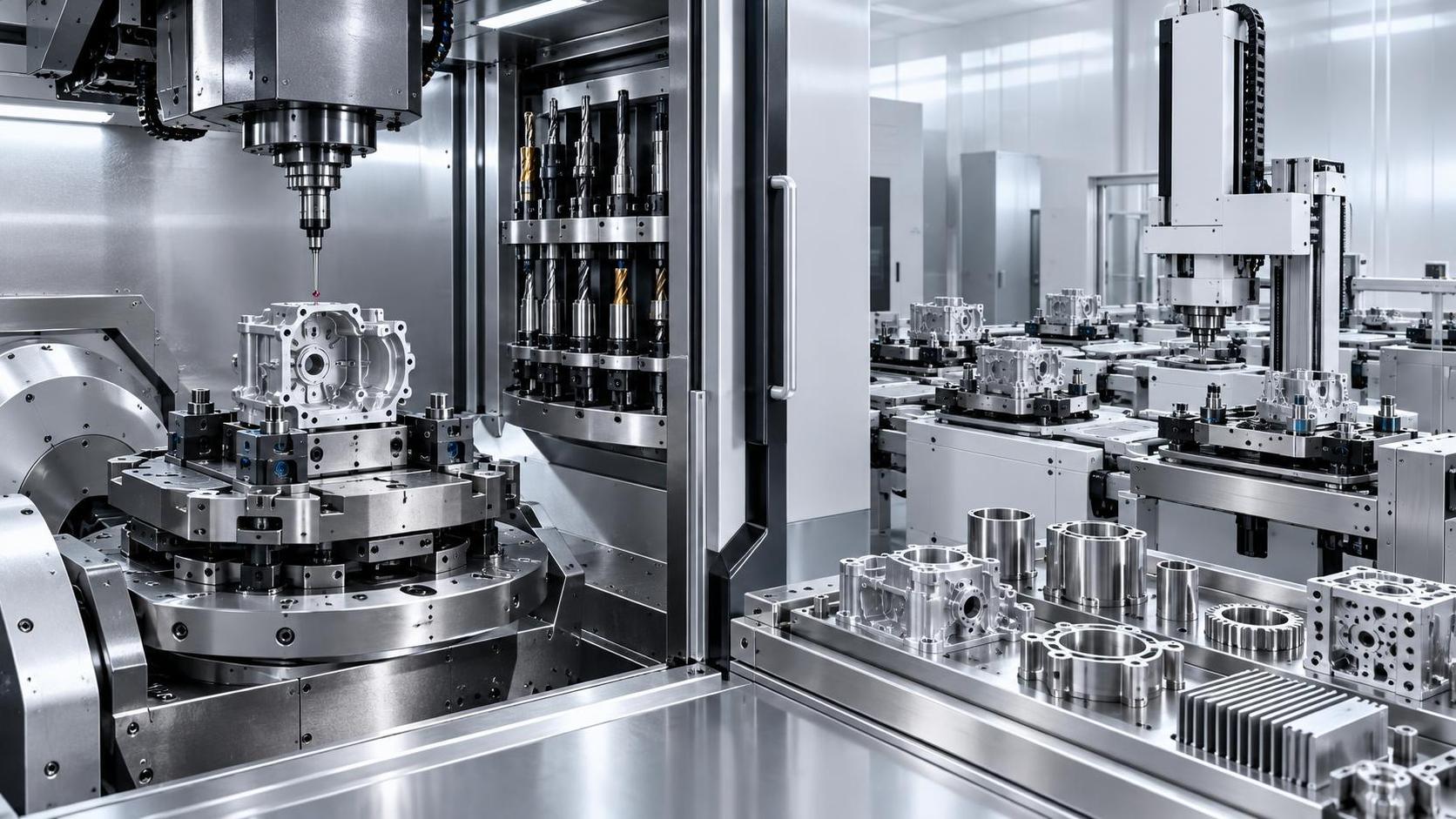
 How Automated Precision Machining Maintains Tolerance in High-Mix ProductionCNC Machining Technology Center
 How to Evaluate a Machine Tool Factory Before Sourcing CNC EquipmentGlobal Machine Tool Trade Research Center
 CNC Programming Explained: From CAD Models to Reliable Shop-Floor ToolpathsCNC Machining Technology Center



Aris Katos
Future of Carbide Coatings
15+ years in precision manufacturing systems. Specialized in high-speed milling and aerospace grade alloy processing.
▶
EU Sets CE-EMC+AI Certification Rule for CNC ExportsManufacturing Policy Research Center▶
EU Rule Update Raises CNC Safety Certification BarManufacturing Policy Research Center▶
U.S. Tightens Reviews for China CNC ExportsManufacturing Policy Research Center▶
EU Tightens CNC Export Compliance from October 2026Manufacturing Policy Research Center▶
BIS Expands EAR Controls on 5-Axis CNC ExportsManufacturing Policy Research Center
Mastering 5-Axis Workholding Strategies
Join our technical panel on Nov 15th to learn about reducing vibrations in thin-wall components.

Providing you with integrated sanding solutions
Before-sales and after-sales services
Comprehensive technical support