• Global CNC market projected to reach $128B by 2028 • New EU trade regulations for precision tooling components • Aerospace deman
NYSE: CNC +1.2%LME: STEEL -0.4%

High precision lathe selection gets harder when part mix keeps changing
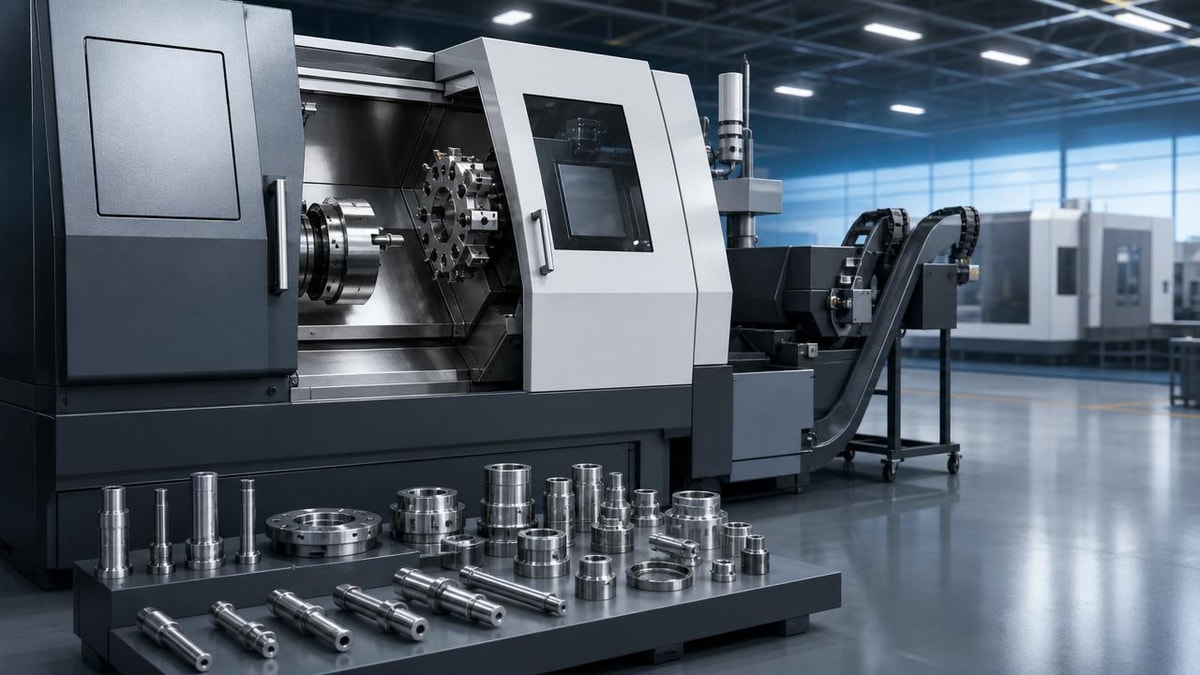
Choosing a high precision lathe is no longer straightforward when part mix, batch size, and tolerance requirements change frequently. For procurement teams, the challenge is balancing machining accuracy, flexibility, automation readiness, and total cost without slowing production. This article explores what buyers should evaluate to select equipment that supports diverse applications, reduces changeover risk, and delivers long-term manufacturing value.
Why high precision lathe selection becomes difficult in mixed-part production
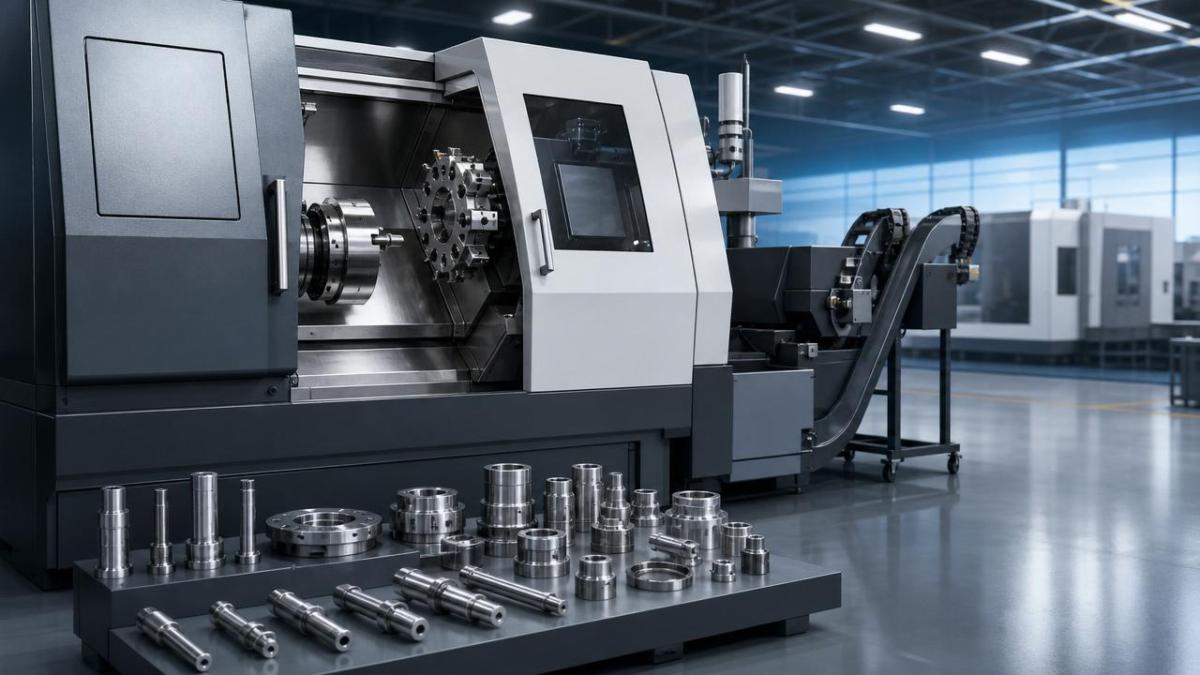
In stable production environments, a high precision lathe can be specified mainly by part size, tolerance band, and output target. In real procurement situations, however, demand often shifts across shafts, sleeves, discs, threaded parts, and complex turned-milled components. That change in part mix makes machine selection much harder because the best machine for one family of parts may become inefficient, underutilized, or too rigid for the next order profile.
This challenge is especially visible across automotive suppliers, aerospace subcontractors, electronics component makers, and energy equipment manufacturers. These sectors require precision, repeatability, and shorter lead times, but they also face batch fluctuations, customer-specific drawings, and tighter process traceability. Procurement teams must therefore look beyond spindle power or catalog accuracy and ask whether the machine will remain productive across changing workflows.
A modern high precision lathe is no longer only a cutting platform. It is part of a wider manufacturing system that may include tool presetting, bar feeding, robotic loading, in-process measurement, data collection, and digital production scheduling. If buyers assess the lathe in isolation, they risk choosing equipment that performs well in a demo but creates bottlenecks after installation.
- Frequent setup changes raise the importance of turret layout, tool capacity, program management, and fixture repeatability.
- Variable tolerances require attention to thermal stability, positioning consistency, and vibration control rather than relying on one headline accuracy number.
- Shorter delivery windows make automation interfaces, maintenance response, and spare parts availability important procurement criteria.
What procurement teams should evaluate before buying a high precision lathe
Before requesting quotes, buyers should build a practical requirement map. This is more useful than comparing brochures line by line because it connects machine capability with current and future production demand. A high precision lathe should be evaluated as a long-term asset that supports diverse jobs, not just the next urgent project.
Core decision factors
- Part family range: Define maximum and minimum diameters, lengths, materials, wall thickness, and complexity of features such as grooves, threads, cross holes, and milled flats.
- Tolerance stability: Separate routine tolerances from critical dimensions. Many buyers overpay for ultra-high machine accuracy when process control or tooling is the real limitation.
- Setup frequency: If changeovers happen daily or every shift, quick-change tooling, intuitive control logic, and accessible maintenance points become major cost drivers.
- Automation pathway: Confirm whether the machine can later connect to bar feeders, gantries, robots, or palletized handling without major redesign.
- Supplier support: Installation planning, training, spare parts lead time, remote diagnostics, and application engineering matter as much as the machine itself.
The table below helps procurement teams compare high precision lathe options using decision factors that reflect mixed-part production rather than simple catalog rankings.
This evaluation model shifts the discussion from price alone to production fit. A lower-cost machine that needs frequent manual intervention, extra setups, or delayed service can become more expensive than a better-matched high precision lathe over its working life.
Which machine configuration fits changing applications better?
Not every high precision lathe should be configured the same way. A buyer handling mostly long shafts has different priorities from one sourcing equipment for compact medical, electronics, or hydraulic components. Selecting the wrong configuration can lock the plant into inefficient routing and force frequent workarounds.
Common configuration paths
The table below compares common high precision lathe configurations against procurement needs, application variability, and investment logic.
For many procurement teams, the best answer is not the most advanced platform available. It is the configuration that covers the broadest profitable part range without introducing unnecessary complexity. If parts are becoming more diverse and labor is harder to secure, a live-tool or Y-axis high precision lathe may create better long-term value than a basic turning machine.
Technical performance that matters more than headline specifications
Buyers often focus first on spindle speed, motor power, and nominal positioning accuracy. These are important, but they do not fully predict production performance. In mixed-part manufacturing, process consistency and recoverability after changeover are often more valuable than maximum speed figures.
Performance points worth deeper review
- Thermal behavior: Ask how the machine manages heat growth during long cycles or frequent spindle acceleration. Thermal drift can erode tolerance capability even when static accuracy looks strong.
- Dynamic rigidity: Mixed materials and interrupted cuts place stress on the structure. Stable cutting under varied loads is critical for surface finish and tool life.
- Repeatability after setup: If operators switch jaws, tools, or fixtures often, the machine must return to predictable results quickly with minimal manual compensation.
- Control usability: A capable high precision lathe loses value if programming, offset management, or alarm handling causes long idle time.
- Chip evacuation and coolant design: Poor chip control can reduce unattended reliability, especially on stainless steel, aluminum alloys, and long-chipping materials.
Procurement should also ask for practical validation methods. Instead of only accepting a generic accuracy statement, request sample process discussions based on your part drawings, target materials, and expected shift pattern. This gives a clearer view of whether the high precision lathe can hold performance over time, not only during a short acceptance demonstration.
How to compare total cost instead of only purchase price
When budgets are tight, low upfront pricing can look attractive. Yet for a high precision lathe used in changing production, lifecycle costs often dominate the decision. Downtime, scrap, manual finishing, extra fixtures, operator dependence, and delayed delivery all affect the real cost of ownership.
The table below outlines cost elements that buyers should compare when choosing between high precision lathe proposals.
This cost view is especially relevant for buyers supplying global manufacturing chains. A missed shipment in automotive, aerospace, electronics, or energy projects can create penalty exposure far beyond the initial machine price difference. That is why total cost analysis should be part of every high precision lathe sourcing decision.
What standards, acceptance criteria, and supplier capabilities should buyers confirm?
In precision manufacturing, procurement should not treat compliance as a final paperwork step. Acceptance criteria, documentation depth, and support scope affect how quickly the machine enters stable production. Even when no special industry certification is mandatory, buyers should still define measurable requirements before purchase order release.
Recommended confirmation checklist
- Geometric accuracy and repeatability verification method, including whether testing reflects expected workpiece size and operating conditions.
- Electrical, safety, and installation requirements applicable to your region and factory environment.
- Controller language options, documentation quality, spare parts list, and maintenance schedule.
- Factory acceptance test and site acceptance test scope, especially for target parts or representative samples.
- Training content for operators, maintenance technicians, and process engineers.
For buyers managing international sourcing, supplier capability in logistics coordination, remote technical communication, and application response can be as important as the machine specification itself. A high precision lathe that arrives on time but lacks commissioning support may delay production longer than expected.
Common procurement mistakes when buying a high precision lathe
Many sourcing problems come from reasonable assumptions that turn out to be incomplete. Recognizing these mistakes early can prevent expensive correction after installation.
Frequent misconceptions
- Assuming higher precision always means better value. If the production bottleneck is tooling, fixturing, or operator consistency, an ultra-premium machine may not improve output proportionally.
- Evaluating only current drawings. A high precision lathe should also fit likely future orders, especially if customers are requesting more complete machining in fewer setups.
- Ignoring chip management and maintenance access. These practical issues strongly affect unattended running and shift-level productivity.
- Treating automation as optional forever. Even if manual loading is acceptable today, interface readiness protects the investment when labor cost or output requirements change.
- Comparing quotes without a common technical sheet. This leads to price comparisons between machines with different spindle concepts, tooling scope, or support commitments.
FAQ: practical questions buyers ask about high precision lathe sourcing
How do I choose a high precision lathe for frequently changing part mix?
Start by grouping parts into families by geometry, size range, material, and process complexity. Then identify which jobs generate the most revenue, setup loss, or quality risk. In many cases, the right high precision lathe is the machine that covers 70 to 80 percent of parts efficiently while leaving specialized outliers to secondary resources. Focus on flexibility features such as live tooling, sub-spindle capability, tooling capacity, and automation interfaces.
Which applications benefit most from a more flexible high precision lathe?
Applications with medium-volume turnover, multiple feature types, and pressure to reduce secondary operations benefit the most. This includes hydraulic fittings, precision shafts, sensor housings, aerospace connectors, energy equipment parts, and electronic hardware. When one setup can complete turning, drilling, tapping, and light milling, quality control and throughput usually improve.
What should procurement ask suppliers before requesting a final quote?
Ask for recommended configuration based on your part list, expected annual volume, target tolerances, and future automation plan. Confirm delivery scope, optional accessories, training content, acceptance process, utility requirements, and spare parts support. A quote for a high precision lathe is meaningful only when these boundaries are clearly defined.
How long is the typical delivery and implementation cycle?
The timeline depends on configuration complexity, control system selection, accessory package, and regional logistics. Beyond shipment, buyers should plan for installation, machine leveling, utility connection, operator training, and trial production. If the project includes automation or custom fixtures, implementation time can extend further. That is why procurement should review the whole ramp-up schedule rather than only factory dispatch timing.
Why choose us for high precision lathe evaluation and sourcing support
We focus on the global CNC machining and precision manufacturing industry, with close attention to how machine tools are used across automotive, aerospace, energy equipment, electronics production, and broader industrial supply chains. That perspective helps procurement teams compare high precision lathe options not only by specification, but also by production logic, flexibility, digital readiness, and cross-border supply practicality.
If you are comparing equipment for changing part mix, we can support you with structured discussions around:
- Parameter confirmation based on part drawings, tolerance focus, material type, and expected cycle targets.
- High precision lathe selection across basic turning, live tooling, dual-spindle, and multi-axis application needs.
- Delivery cycle evaluation, accessory planning, and implementation considerations for production ramp-up.
- Customized solution review for automation readiness, fixture strategy, and future expansion planning.
- General guidance on documentation, acceptance expectations, and communication points relevant to international procurement.
- Quote communication support so you can compare proposals on a like-for-like basis instead of relying on incomplete price checks.
If you are preparing a sourcing project, send your part range, estimated batch sizes, material list, tolerance priorities, and preferred delivery window. With that information, the discussion can move quickly from broad inquiry to practical high precision lathe recommendations that fit your production and purchasing goals.
PREVIOUS ARTICLE
NEXT ARTICLE
Recommended for You
![]() Beijing’s New E-Bike Lock Regulation Spurs CNC Housing DemandGlobal Machine Tool Trade Research Center
Beijing’s New E-Bike Lock Regulation Spurs CNC Housing DemandGlobal Machine Tool Trade Research Center![]() New Drone Standard GB/T 44723–2026 Takes Effect May 2026Manufacturing Policy Research Center
New Drone Standard GB/T 44723–2026 Takes Effect May 2026Manufacturing Policy Research Center![]() New Maritime Code Takes Effect May 1, 2026: CNC Equipment Shipping Rules UpdatedManufacturing Market Research Center
New Maritime Code Takes Effect May 1, 2026: CNC Equipment Shipping Rules UpdatedManufacturing Market Research Center![]() 2026 China Cycle Shanghai: CNC E-Bike Frame Capacity Draws ODM FocusManufacturing Market Research Center
2026 China Cycle Shanghai: CNC E-Bike Frame Capacity Draws ODM FocusManufacturing Market Research Center![]() 2026 Foshan Tanzhou Auto Expo: EV Parts Sourcing FocusGlobal Machine Tool Trade Research Center
2026 Foshan Tanzhou Auto Expo: EV Parts Sourcing FocusGlobal Machine Tool Trade Research Center![]() New Hazardous Chemicals Safety Law Takes Effect May 2026Manufacturing Policy Research Center
New Hazardous Chemicals Safety Law Takes Effect May 2026Manufacturing Policy Research Center


Aris Katos
Future of Carbide Coatings
15+ years in precision manufacturing systems. Specialized in high-speed milling and aerospace grade alloy processing.
▶
High precision lathe selection gets harder when part mix keeps changingMachine Tool Industry Editorial Team▶
Precision equipment downtime is rising in older lines: why?Machine Tool Industry Editorial Team▶
Industrial lathe retrofits: when they pay off and when they do notMachine Tool Industry Editorial Team▶
High precision lathe claims that deserve a closer lookMachine Tool Industry Editorial Team▶
Why precision equipment calibration drifts over timeMachine Tool Industry Editorial Team
Mastering 5-Axis Workholding Strategies
Join our technical panel on Nov 15th to learn about reducing vibrations in thin-wall components.

Providing you with integrated sanding solutions
Before-sales and after-sales services
Comprehensive technical support