• Global CNC market projected to reach $128B by 2028 • New EU trade regulations for precision tooling components • Aerospace deman
NYSE: CNC +1.2%LME: STEEL -0.4%

Why precision equipment calibration drifts over time
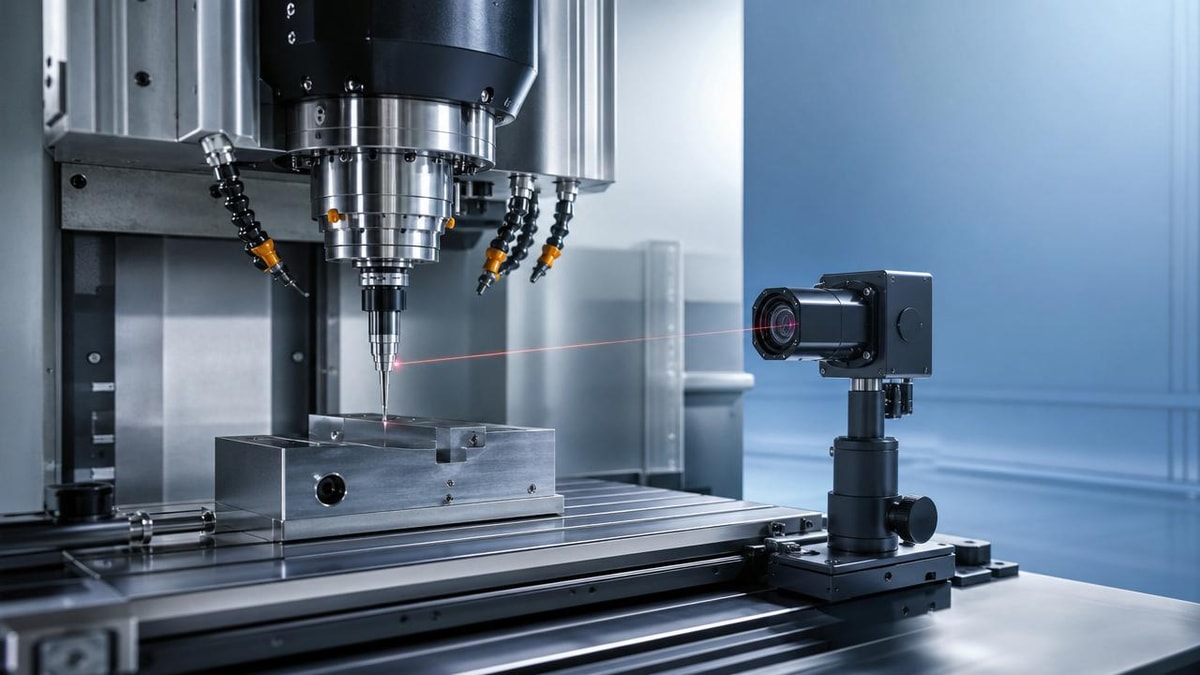
Even the most advanced precision equipment will not hold its original calibration forever. For after-sales maintenance teams, understanding why drift occurs is essential to preventing tolerance issues, unplanned downtime, and customer complaints. From thermal variation and mechanical wear to vibration, load changes, and environmental factors, calibration drift is often gradual but costly—making timely inspection and correction a critical part of reliable machine performance.
In CNC machining, metrology, automated assembly, and precision machine tool service, calibration drift rarely appears as one dramatic event. More often, it develops in small increments: a spindle axis that shifts by a few microns, a probe that repeats inconsistently after 3 months of heavy use, or a fixture reference that changes after repeated thermal cycles. For after-sales maintenance personnel, these small deviations are where product quality, service efficiency, and customer trust are either protected or lost.
This article explains why precision equipment drifts over time, how drift affects CNC machine tools and related systems, what warning signs should trigger intervention, and how service teams can build a practical calibration control plan. The focus is on real maintenance conditions in high-precision manufacturing environments such as automotive, aerospace, energy equipment, and electronics production.
Why calibration drift is unavoidable in precision manufacturing
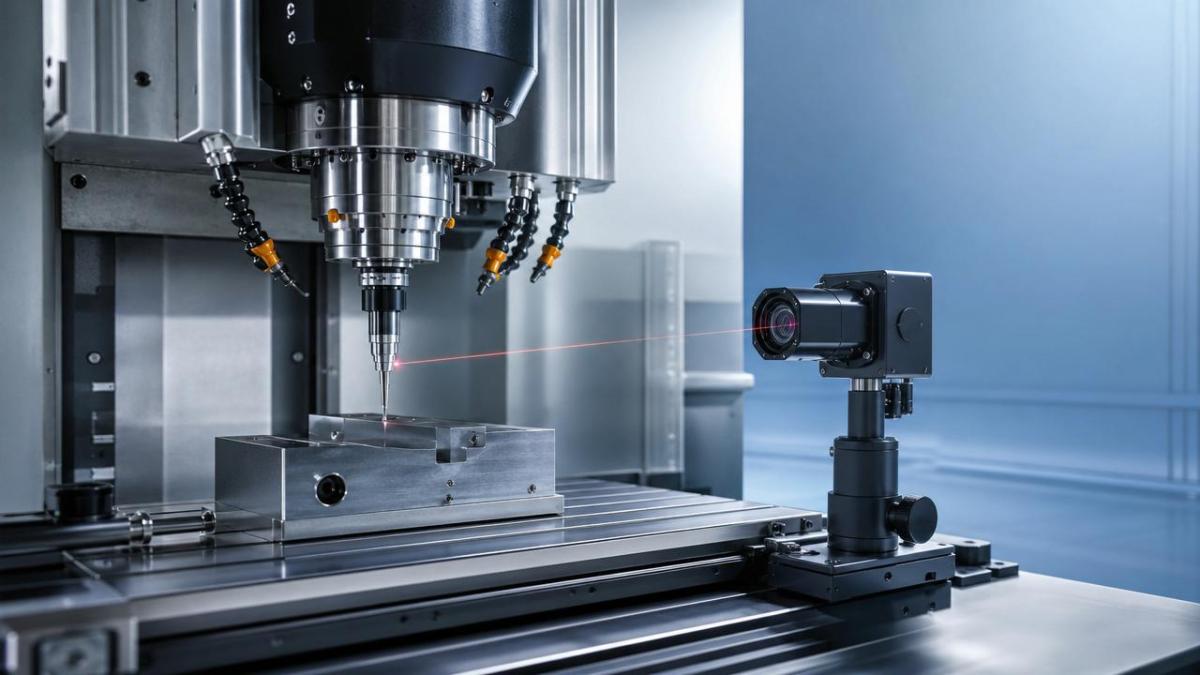
Calibration drift is the gradual change between a machine’s actual output and its verified reference condition. In precision equipment, this may involve positioning accuracy, repeatability, spindle runout, probing offset, torque feedback, scale alignment, temperature compensation behavior, or sensor response. Even when a machine is correctly installed and accepted, its condition begins changing from day 1 due to use, environment, and component aging.
For after-sales teams, the key point is not whether drift will happen, but how fast it happens and which variables accelerate it. In many CNC applications, a deviation of ±0.005 mm may still be acceptable for one process, while another aerospace or electronics part may become nonconforming at ±0.002 mm. That means the same amount of drift can be low risk in one workshop and critical in another.
Drift begins with accumulated physical change
Precision equipment operates under load, heat, vibration, lubrication cycles, and repeated motion. Over 1,000, 5,000, or 10,000 production hours, contact surfaces wear, bearings settle, drive systems loosen slightly, and sensors respond differently than they did during initial commissioning. None of these changes may be visible in daily operation, but together they alter the machine’s calibrated state.
The problem is especially relevant in CNC machine tools because multiple systems interact. Axis positioning depends not only on servo response but also on ball screw condition, guideway friction, encoder feedback, thermal growth, and structural stiffness. If one factor changes by 2% to 5%, the total effect at the part level can be much larger than expected.
Why high-precision applications feel drift sooner
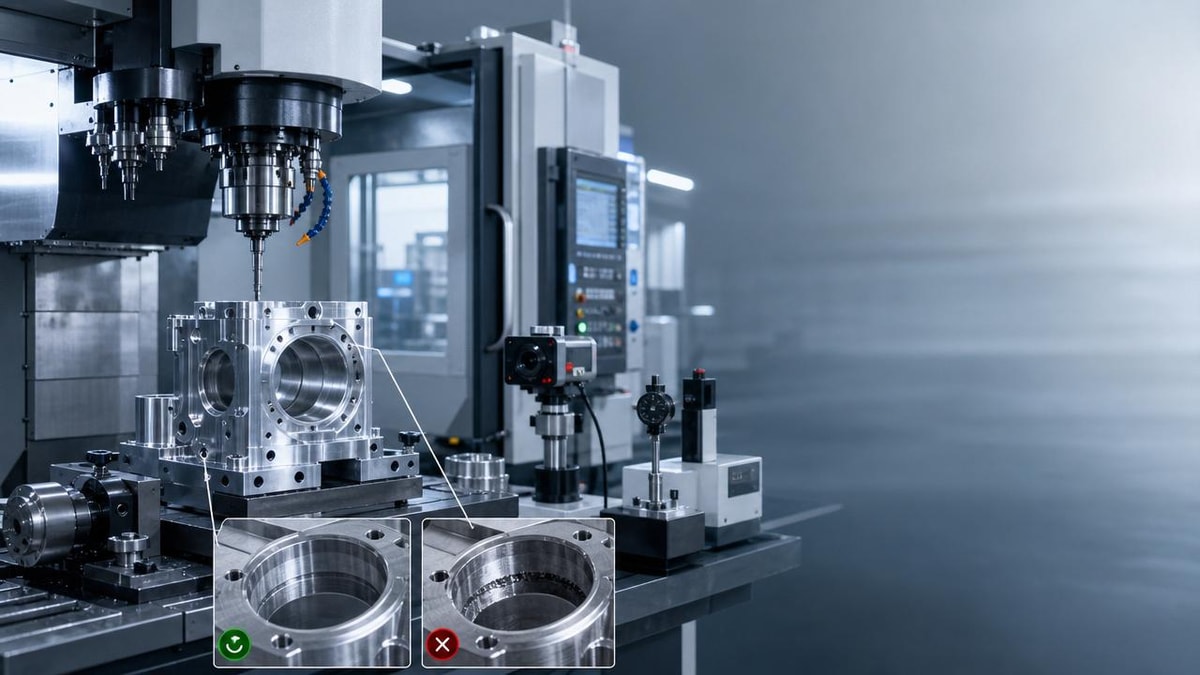
A machine used for rough machining may continue operating with limited visible consequence even when calibration has shifted. By contrast, a 5-axis machining center producing turbine features, medical housings, or precision electronic structures often reveals drift quickly through surface mismatch, bore location errors, or repeated offsets during inspection. In these cases, maintenance response windows can be measured in days rather than months.
- High-speed spindle systems generate more thermal change during long cycles.
- Multi-axis kinematics create more opportunities for stack-up error.
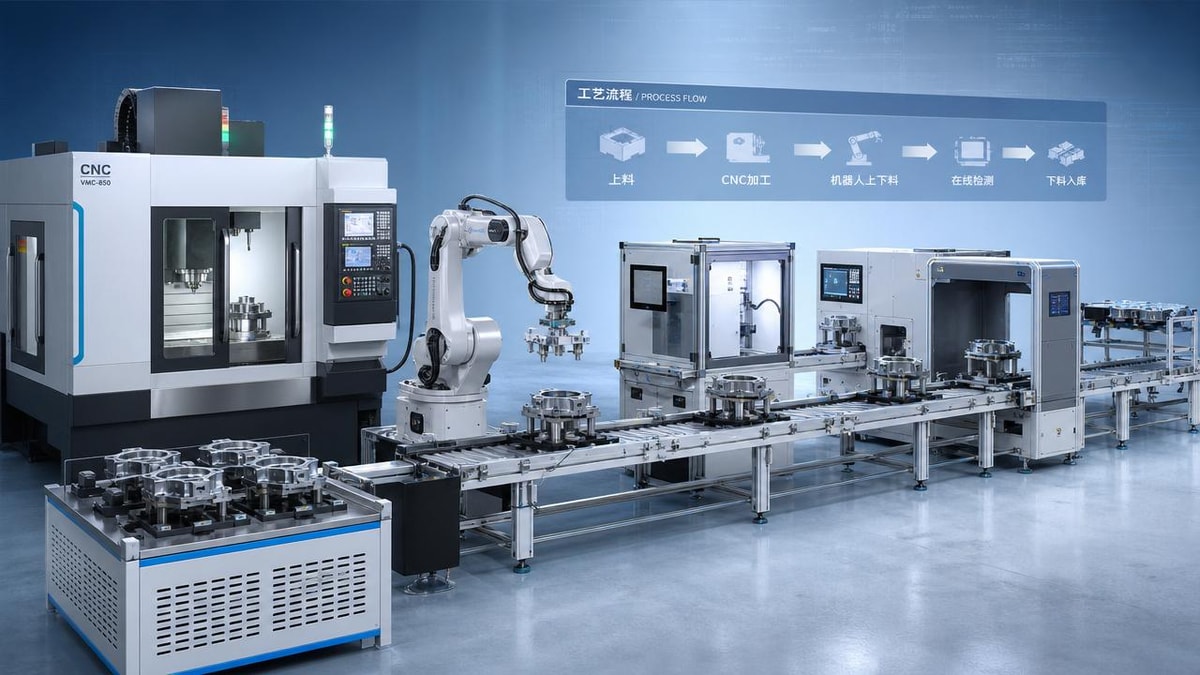
- Automated production lines repeat the same reference path hundreds or thousands of times per shift.
- Closed-tolerance parts typically have less room for compensation by operators.
Typical causes of calibration drift in CNC and precision equipment
The table below summarizes the most common sources of drift seen by field maintenance teams working with machine tools, inspection stations, and automated precision equipment.
The most important conclusion is that drift usually comes from combined effects, not a single fault. A machine exposed to a 6°C to 10°C workshop swing, a worn fixture, and rising spindle temperature may show part errors even if each individual change appears minor. That is why maintenance teams should evaluate the machine as a system rather than checking only one component.
The main technical reasons precision equipment calibration drifts over time
In field service, drift can usually be traced to five technical categories: thermal behavior, mechanical wear, metrology chain instability, environmental influence, and process-driven stress. Understanding these categories helps after-sales staff decide whether a machine needs recalibration, mechanical repair, environmental control, or a combination of all three.
Thermal growth is often the fastest source of change
Thermal effects are among the most common reasons precision equipment loses calibration. Ball screws, spindle housings, columns, linear motors, encoder scales, and even workholding structures expand as temperature rises. A shift of only a few microns per 100 mm can become significant across long travel distances or multi-axis interpolation paths.
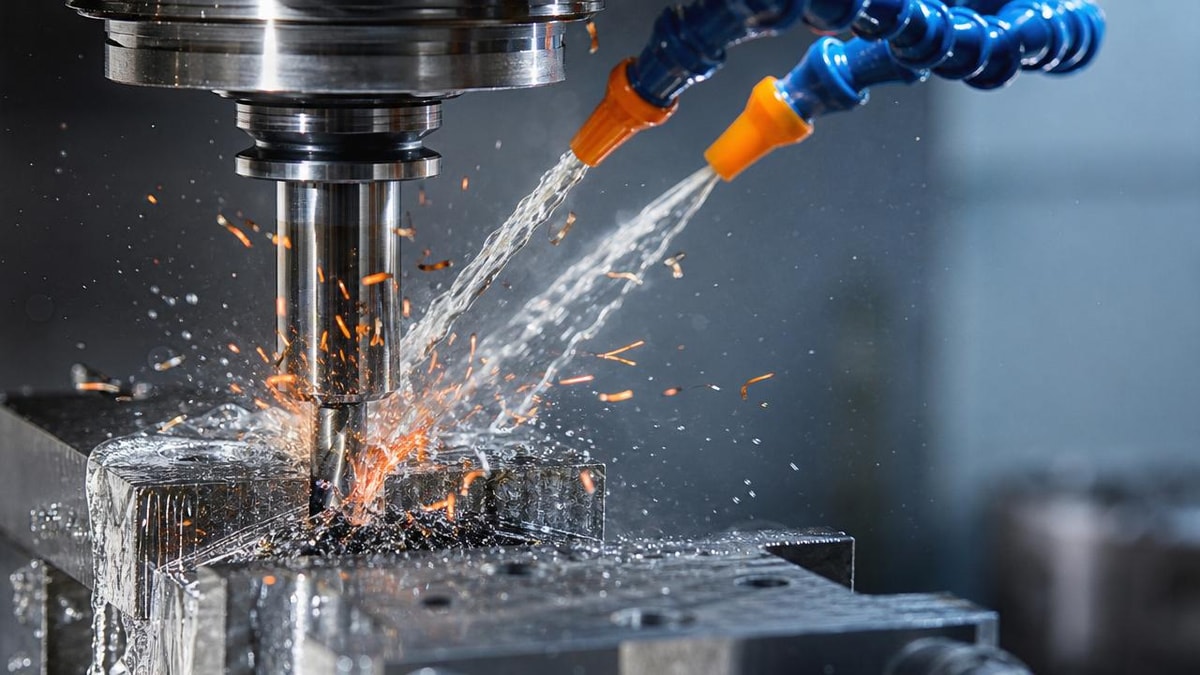
In a stable workshop, a machine may hold acceptable geometry at 20°C ±1°C. In a production hall with poor climate control, daily ambient fluctuation may reach 5°C or more, and localized heat around the spindle can be much higher. If the machine was calibrated cold but measured hot, the original compensation map may no longer reflect actual operating conditions.
What service teams should check
- Warm-up duration before verification, typically 20–60 minutes depending on machine size.
- Coolant and lubrication temperature consistency over a full shift.
- Whether drift appears after 1 shift, 2 shifts, or only during continuous heavy cutting.
- Consistency between morning inspection data and afternoon production data.
Mechanical wear changes repeatability before total failure appears
Wear is often misunderstood because machines can continue operating long before parts are visibly rejected. Bearings, couplings, guide blocks, ball screws, rotary tables, drawbars, tool changers, and clamping interfaces all degrade gradually. In early stages, the effect may only appear as increased scatter in repeatability tests. Later, the same issue becomes a consistent dimensional shift.
For example, if axis repeatability degrades from ±0.002 mm to ±0.006 mm, the machine may still complete every cycle without alarm. However, circular interpolation, bore finish, or tool-center-point accuracy may no longer meet customer requirements. Maintenance teams should therefore track trend movement rather than waiting for a hard breakdown event.
Sensor, probe, and feedback chain instability
Precision equipment depends on a measurement chain: encoder, probe, scale, signal cable, controller compensation, fixture reference, and inspection routine. If any point in that chain shifts, the machine’s apparent calibration can drift. Probe stylus wear, contamination, cable fatigue, and unstable scale reading are all common causes in high-cycle manufacturing environments.
This is especially relevant in automated production lines where in-process probing is used to apply offset corrections. If the probe itself drifts by a small amount, the machine may repeatedly “correct” in the wrong direction. Over 50, 100, or 200 parts, that creates false compensation and larger dimensional error.
Environmental conditions are more influential than many users assume
Dust, humidity, floor vibration, compressed air quality, and power supply stability can all influence calibration retention. Electronics and sensors are vulnerable to voltage fluctuation. Optical systems and fine scales are sensitive to contamination. Heavy nearby equipment can transmit low-level vibration into the foundation and disturb precision positioning, especially on long-bed or high-column machines.
When customers report “random” precision loss, the issue is often not random at all. It may follow a repeating plant condition, such as forklift traffic every 30 minutes, a heat rise in the afternoon, or compressed air moisture after seasonal weather changes.
How calibration drift affects maintenance cost, quality, and customer satisfaction
For after-sales maintenance teams, calibration drift is not only a technical topic. It directly affects service workload, spare parts planning, quality claims, and customer confidence. A machine that drifts slowly but repeatedly can consume more service hours over 6 months than a machine with one clear mechanical failure, because technicians keep correcting symptoms without eliminating the underlying cause.
Production impact appears in three layers
The first layer is part quality: position error, surface mismatch, taper variation, bore size drift, or inconsistent assembly fit. The second layer is process instability: more manual offset adjustment, more first-piece verification, and longer setup time. The third layer is business impact: delayed delivery, customer complaint handling, and pressure on service response time.
In a high-mix low-volume shop, drift may cause extra setup checks and inspection delays. In mass production, even a small deviation can affect hundreds of parts in one shift. That is why service teams should classify drift risk by both tolerance sensitivity and output volume.
Typical maintenance consequences by drift severity
The matrix below helps service personnel connect calibration drift level with likely operational consequences and recommended action timing.
A practical lesson from the table is that waiting for severe drift is expensive. Once a machine enters repeated customer-complaint territory, the required service package often expands from calibration verification to geometry correction, worn-part replacement, probe reset, and production requalification. Preventive intervention is usually faster and less disruptive.
How after-sales maintenance teams can control drift effectively
Good drift control does not always require complex software or a major retrofit. In many cases, it starts with disciplined service routines, stable reference methods, and clear escalation criteria. For precision equipment in CNC machining and automated lines, the best results come from combining scheduled calibration with condition-based checks.
Build a tiered calibration plan
A practical plan should have at least 3 levels. Level 1 is daily or shift-based verification, such as probe check, spindle warm-up confirmation, or a quick reference artifact test. Level 2 is periodic machine accuracy review every 1 to 3 months depending on load. Level 3 is full calibration or geometry inspection every 6 to 12 months, or sooner for high-precision applications.
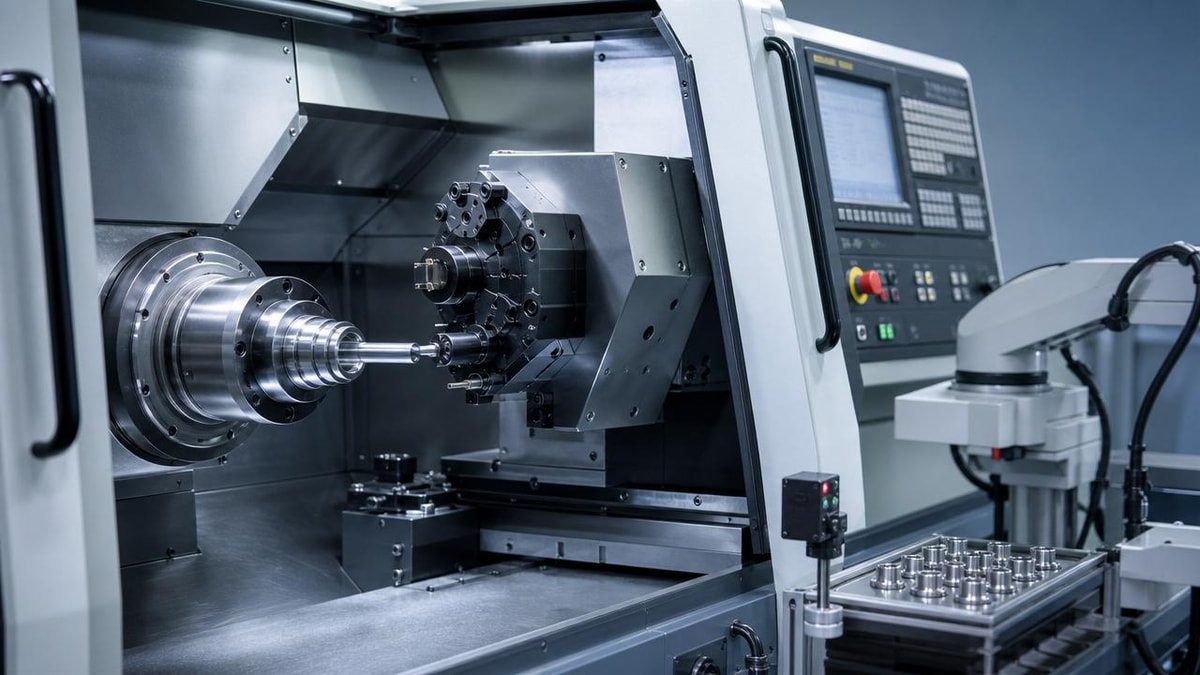
This structure helps maintenance teams match resources to risk. A heavily loaded 5-axis machining center in aerospace production may need monthly geometry trending, while a lower-duty CNC lathe used for general parts may perform well with a longer cycle.
Use consistent references and repeatable methods
One common service mistake is changing too many variables during verification. If different technicians use different artifacts, setups, temperatures, or axis conditions, the data becomes difficult to compare. Maintenance records should define the same warm-up condition, same tool or probe configuration, same reference standard, and same measurement sequence every time.
- Record ambient temperature and machine running state before testing.
- Use the same master part, ball bar routine, or standard gauge when possible.
- Log both measured error and compensation change, not just pass/fail results.
- Separate machine error from tooling, fixture, and inspection influence.
Service checklist for precision equipment drift control
The following checklist gives after-sales teams a structured way to identify whether calibration drift comes from machine condition, environment, or process variation.
The checklist shows why drift control is cross-functional. A machine may pass a basic axis test yet still fail in production because the reference probe, fixture clamping, or thermal operating state was not included in the inspection scope. Effective after-sales support should therefore link machine accuracy with actual process conditions.
Know when recalibration is not enough
Recalibration corrects measured deviation, but it does not remove the cause of repeated deviation. If compensation values increase every service cycle, or if calibration holds for only 1 to 2 weeks before drifting again, the machine likely needs mechanical restoration, environmental stabilization, or process redesign. In other words, calibration should not become a substitute for repair.
Good after-sales teams document these patterns clearly for customers. That supports better maintenance planning, more accurate spare parts decisions, and more realistic production scheduling for precision equipment operating in demanding industrial environments.
Common mistakes that make calibration drift worse
Many drift problems become expensive because the response is delayed or misdirected. Service teams and end users often focus on the final dimensional error without checking whether the machine was measured in the same state in which it actually produces parts. That gap between verification condition and production condition is one of the biggest hidden risks in precision equipment maintenance.
Four frequent mistakes in the field
- Calibrating a cold machine and assuming the result will hold during an 8-hour production run.
- Correcting offsets repeatedly without checking the probe, fixture, or measurement reference.
- Ignoring minor repeatability spread because the machine has not yet reached reject level.
- Using one maintenance interval for all machines, regardless of load, tolerance class, or process complexity.
Avoiding these mistakes can reduce unnecessary service visits and improve first-time fix rates. More importantly, it helps after-sales personnel shift from reactive correction to preventive control, which is increasingly important in smart manufacturing and digitally integrated production environments.
What customers expect from modern after-sales support
Today’s manufacturing customers expect more than a basic calibration certificate. They want trend interpretation, likely root causes, practical maintenance intervals, and advice that matches actual output requirements. For precision equipment in global CNC and machine tool applications, the most valued service is often not the adjustment itself, but the ability to explain why drift happened and how to reduce recurrence over the next 3, 6, or 12 months.
Precision equipment calibration drifts over time because machines live in the real world of heat, load, wear, vibration, and changing production conditions. For after-sales maintenance teams, the goal is not to chase every deviation after the fact, but to identify drift early, connect it to its true cause, and apply the right mix of verification, recalibration, repair, and environmental control.
If you support CNC machine tools, automated production lines, or other high-accuracy manufacturing systems, a structured drift-control plan can protect tolerance performance, reduce emergency service calls, and improve customer confidence. To discuss calibration strategy, maintenance workflows, or precision equipment service solutions for your application, contact us today to get a tailored plan and learn more practical solutions.
PREVIOUS ARTICLE
Recommended for You
 Industrial Robotics payback depends on one hidden variableManufacturing Market Research Center
 Shaft Parts machining problems linked to concentricity lossCNC Machining Technology Center
 Production Process changes that quietly raise defect ratesCNC Machining Technology Center
 Industrial Automation projects stall without process mappingCNC Machining Technology Center
 CNC metal cutting heat issues behind poor surface finishCNC Machining Technology Center
 High precision lathe claims that deserve a closer lookMachine Tool Industry Editorial Team

Aris Katos
Future of Carbide Coatings
15+ years in precision manufacturing systems. Specialized in high-speed milling and aerospace grade alloy processing.
▶
High precision lathe claims that deserve a closer lookMachine Tool Industry Editorial Team▶
Why precision equipment calibration drifts over timeMachine Tool Industry Editorial Team▶
When industrial machining equipment starts costing more to runMachine Tool Industry Editorial Team▶
2026 Bio-based Feedstock Supply Chain Guide ReleasedMachine Tool Industry Editorial Team▶
High Precision Lathe Claims: What Should Be Verified First?Machine Tool Industry Editorial Team
Mastering 5-Axis Workholding Strategies
Join our technical panel on Nov 15th to learn about reducing vibrations in thin-wall components.

Providing you with integrated sanding solutions
Before-sales and after-sales services
Comprehensive technical support