• Global CNC market projected to reach $128B by 2028 • New EU trade regulations for precision tooling components • Aerospace deman
NYSE: CNC +1.2%LME: STEEL -0.4%

High precision lathe claims that deserve a closer look
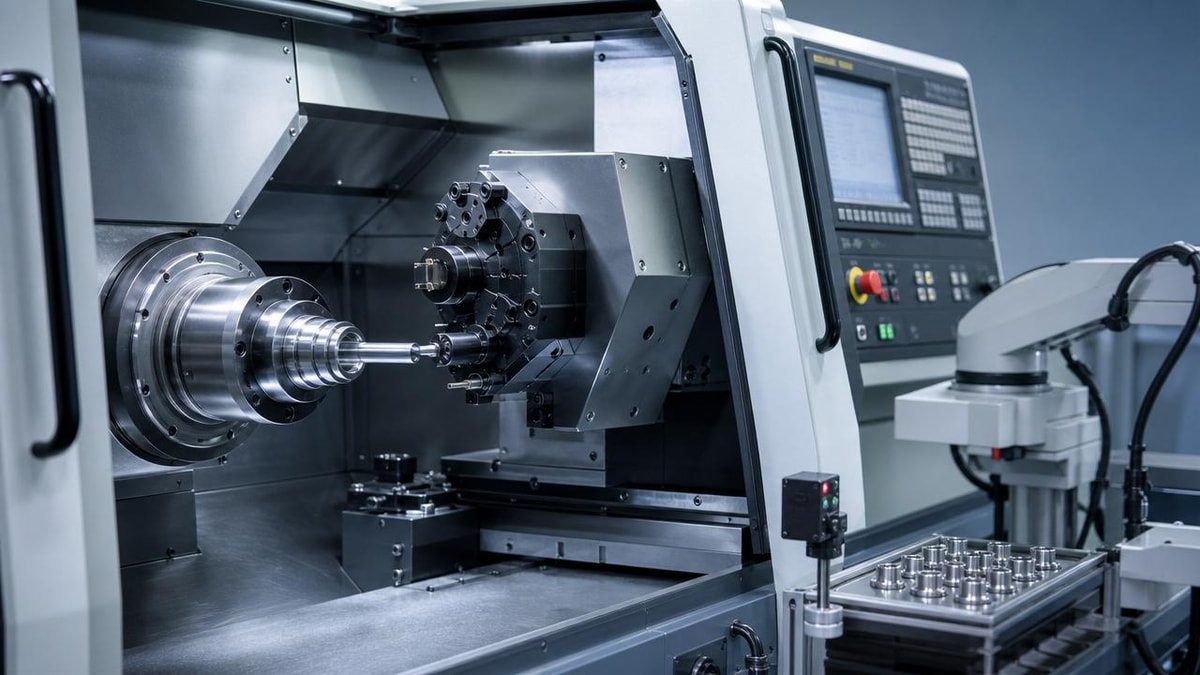
A high precision lathe can promise tighter tolerances, faster cycle times, and better surface finishes, but not every claim stands up to real production demands. For procurement professionals, a closer look at machine accuracy, stability, automation compatibility, and long-term operating cost is essential before making an investment. This article examines which specifications truly matter and how to evaluate suppliers with greater confidence.
Why high precision lathe claims are receiving more scrutiny
In the CNC machine tool sector, buying decisions are no longer driven by catalog specifications alone. Procurement teams across automotive, aerospace, electronics, energy equipment, and general industrial manufacturing are facing a different environment than they did a few years ago. Parts are getting more complex, tolerance stacks are getting tighter, and production systems are expected to connect with automation, data platforms, and flexible scheduling tools. In that context, every high precision lathe claim deserves closer examination.
The shift is not only technical. It is also commercial. Buyers are under pressure to reduce risk, avoid overpaying for unnecessary features, and secure equipment that performs reliably after installation, not just during acceptance testing. As global suppliers expand and competition increases, more machines are marketed as high precision lathe solutions, yet their real-world capability may vary significantly depending on spindle build, thermal control, guideway design, software integration, and service support.
This is why the market conversation is changing from “What accuracy is listed?” to “What accuracy can be maintained over time, at production speed, under actual shop conditions?” That difference matters for procurement because machine value is increasingly defined by process stability, not by headline claims.
The market is shifting from nominal precision to repeatable production precision
One of the clearest industry signals is the move away from isolated precision metrics toward repeatability across full production cycles. A high precision lathe may show excellent results on a short test cut, but buyers now want evidence that the machine can sustain consistent results across shifts, different materials, and changing ambient temperatures.
This trend is driven by practical manufacturing demands. In many sectors, rejected parts, secondary finishing, and machine downtime cost more than the original equipment price difference. A procurement manager therefore has to evaluate whether a machine’s claimed micron-level performance is supported by a robust structure, thermal compensation strategy, spindle rigidity, and control system tuning.
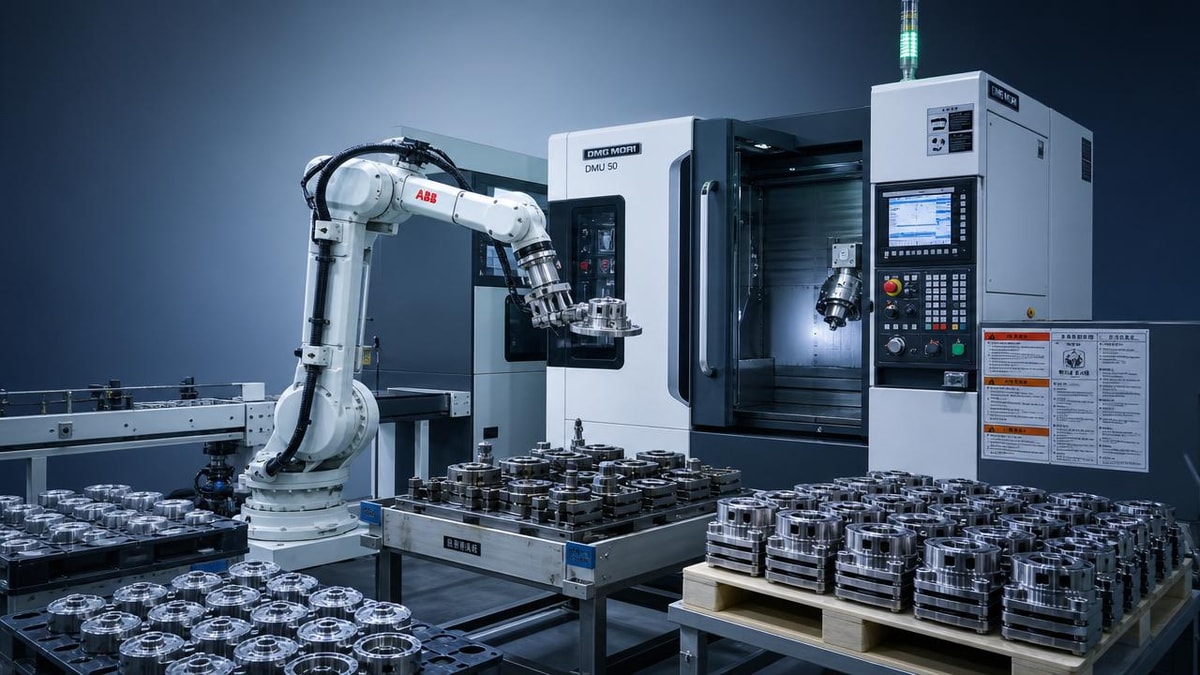
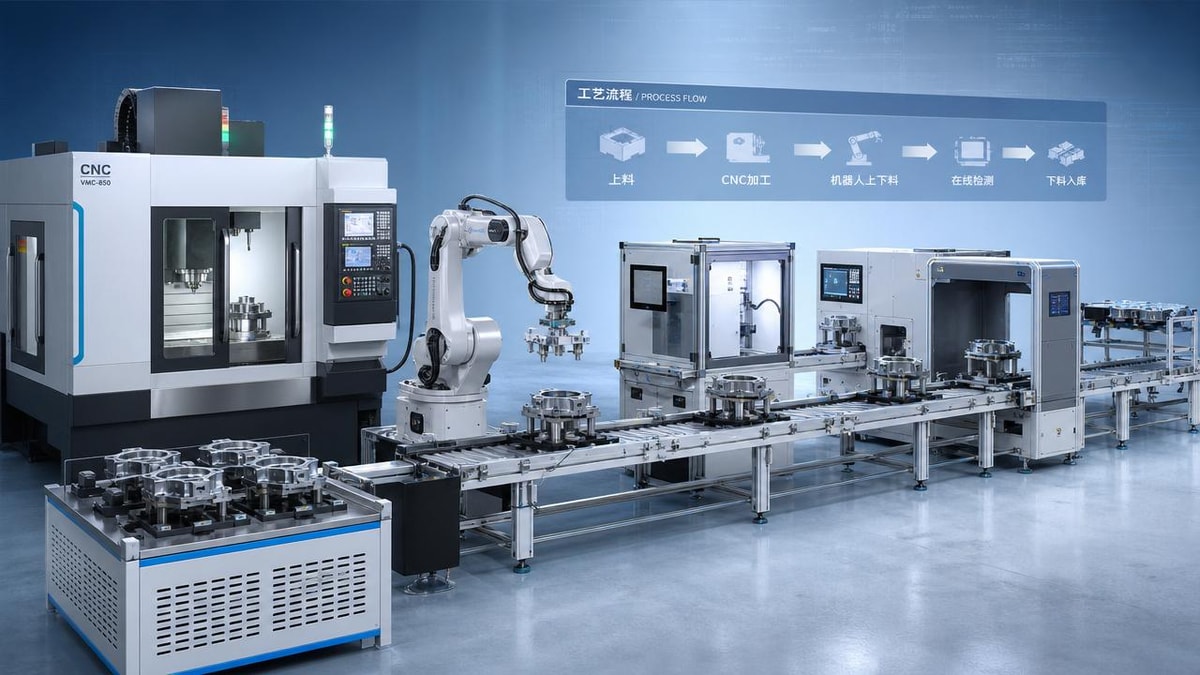
Another change is that precision is increasingly linked with process integration. Buyers now ask whether the high precision lathe can maintain part quality when paired with bar feeders, robots, in-process gauging, or automatic tool management. In modern factories, an accurate machine that cannot integrate smoothly may create more bottlenecks than value.
What is driving the new evaluation standards
Several forces are pushing procurement teams to reassess how they judge a high precision lathe. First, product design complexity is increasing. Components with thin walls, difficult materials, and compound geometries demand better vibration control and more stable cutting behavior. Second, labor availability is changing. More factories need unattended or lightly staffed production cells, which means machine consistency becomes central to economic performance.
Third, digital manufacturing is changing expectations. Buyers increasingly want machine tools that can communicate with shop-floor software, support predictive maintenance, and provide process data that improves scheduling and quality management. A high precision lathe is no longer judged only by its mechanical structure. It is also judged by how well it fits into a connected manufacturing environment.
Fourth, global sourcing has widened the supplier pool. This creates more choice, but also more variation in build quality, documentation standards, commissioning capability, and spare-parts support. Procurement professionals therefore need stronger methods for separating strong engineering from strong marketing.
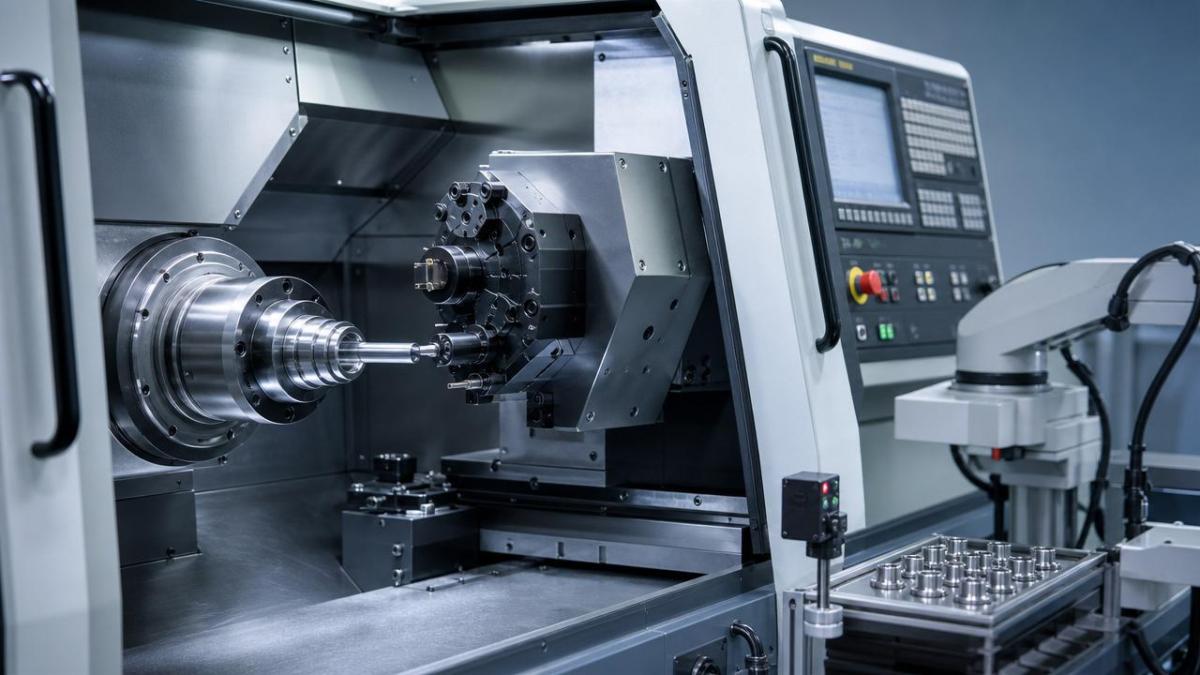
Which high precision lathe claims deserve the closest review
Not every specification carries equal decision value. Some claims are useful indicators; others can be misleading if viewed alone. A practical evaluation should focus on how precision is created, maintained, and verified in production conditions.
1. Positioning accuracy versus process stability
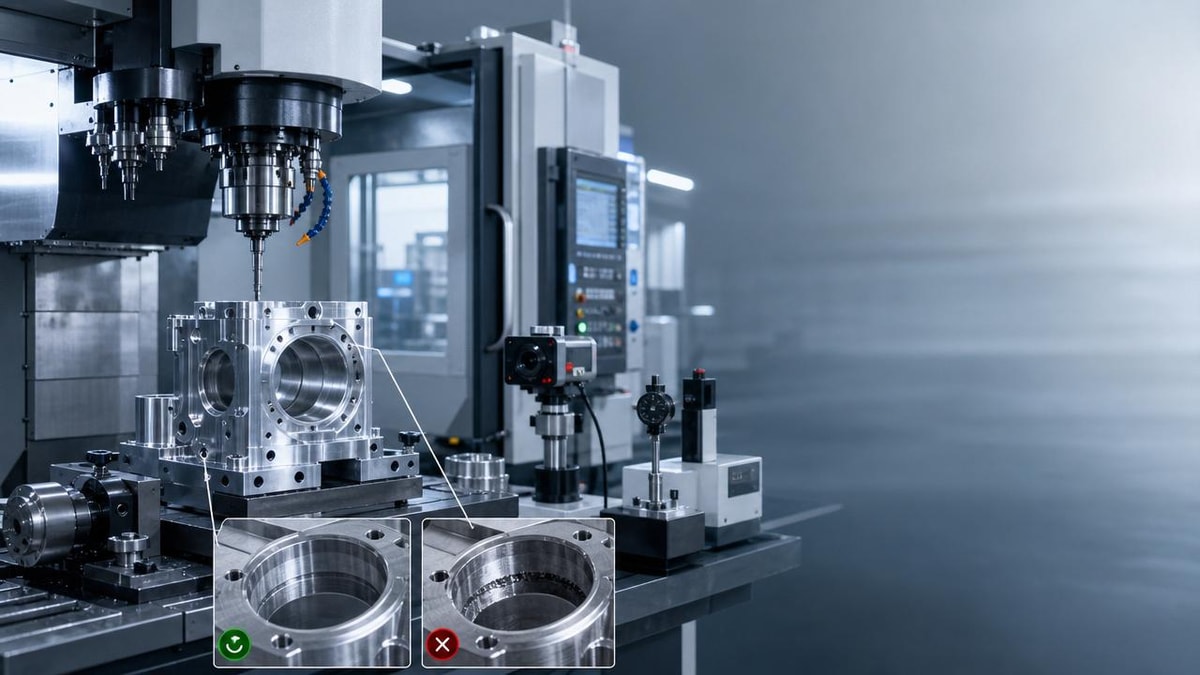
Published positioning accuracy is important, but it should not be treated as the full picture. Buyers should ask how the machine behaves after warm-up, during long runs, and during material changes. Thermal drift, spindle growth, and structural movement can reduce effective precision even when the stated number looks strong.
2. Surface finish claims versus tooling and process conditions
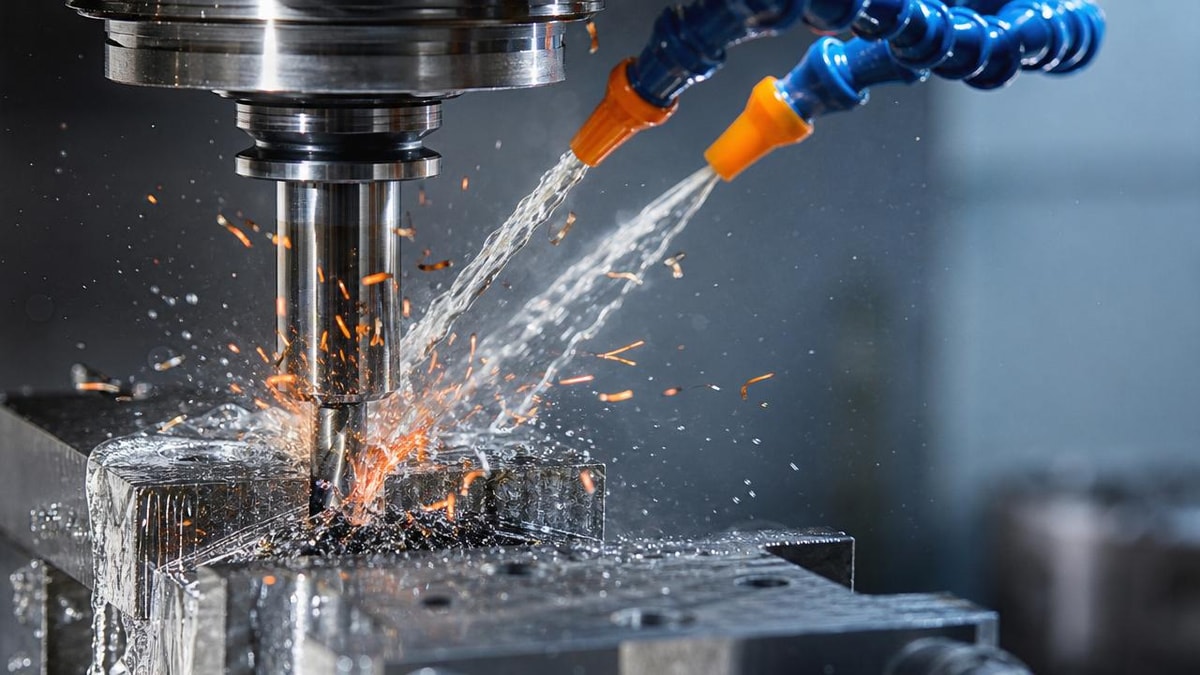
Excellent surface finish often depends on more than the lathe itself. Tooling choice, fixturing, coolant delivery, and program optimization all play a role. A supplier that presents finish quality without discussing process conditions may be oversimplifying the result.
3. High speed capability versus productive cycle time
A high precision lathe may advertise high spindle speed or rapid traverse, but real productivity depends on acceleration, rigidity, chip control, tool life, and setup efficiency. Procurement decisions should focus on completed-part economics rather than isolated speed numbers.
4. Automation compatibility versus true cell readiness
Many suppliers mention automation readiness, yet not all provide standard interfaces, safety logic support, reliable cycle signaling, or stable part handling design. If the buyer plans future robot integration, these details should be clarified before purchase rather than after installation.
5. Low maintenance claims versus support reality
Maintenance intervals, lubrication systems, diagnostic functions, and local spare-parts access all affect uptime. A lower purchase price can quickly lose value if the machine requires difficult service or long waits for replacement components.
How the trend affects procurement, engineering, and operations differently
The changing standard for evaluating a high precision lathe affects multiple stakeholders, not just purchasing. Understanding these different impacts helps procurement teams ask better questions internally and externally.
What procurement professionals should now examine before shortlisting suppliers
As the market matures, buyers need a more structured shortlist process. A high precision lathe should be evaluated as a production asset, not just a machine specification package. The most useful questions usually fall into five areas.
First, ask for evidence of stable precision over time. This may include sample part histories, capability records, thermal compensation details, or acceptance procedures tied to realistic cutting conditions. Second, examine the machine structure and component sourcing. Beds, spindles, guideways, ball screws, drives, and control systems all influence long-term performance.
Third, review integration readiness. If your plant is moving toward robotics, MES connectivity, or flexible production, make sure the high precision lathe supports those plans without costly redesign. Fourth, calculate ownership cost. Consider consumables, maintenance labor, software support, training, downtime exposure, and energy use. Fifth, investigate supplier depth. Application support, commissioning quality, operator training, and spare-parts availability often determine whether the investment succeeds.
Signals that suggest a stronger or weaker supplier position
In a competitive global market, supplier evaluation has become a trend-sensitive discipline. Strong suppliers tend to explain how their high precision lathe performs under different operating scenarios, not only under ideal test conditions. They can discuss thermal management, vibration control, material-specific behavior, and the trade-offs between speed, finish, and accuracy.
They also tend to provide clearer service structures. That includes documented installation processes, training plans, escalation paths for support, and realistic lead times for critical parts. By contrast, weaker suppliers often rely heavily on broad precision claims, avoid discussing maintenance requirements, or provide limited evidence of installed-base performance in similar industries.
Another useful signal is transparency around application limits. A credible supplier will explain where a high precision lathe performs best and where another machine configuration may be more suitable. That level of candor usually indicates stronger engineering confidence and lower post-purchase disappointment.
How to respond to the trend without slowing down investment decisions
The answer is not to become overly cautious or delay all procurement. Instead, companies should improve the quality of comparison. Build a scorecard that weights repeatability, integration readiness, after-sales capability, and total cost of ownership alongside nominal accuracy. Use application-based evaluation, not only specification matching.
It is also wise to align procurement with engineering and operations earlier in the buying cycle. When all three functions agree on the intended part mix, tolerance requirements, automation path, and expected production load, it becomes easier to judge whether a high precision lathe is truly fit for purpose. This cross-functional approach reduces the risk of buying a machine that looks impressive on paper but underperforms in the factory.
Questions worth confirming before the next high precision lathe purchase
For companies tracking machine tool trends, the key takeaway is simple: precision claims are becoming more meaningful only when tied to production reality. If your business is planning to source a high precision lathe, focus on the signals that reveal durable value. Can the machine hold tolerance across full shifts? Can it integrate into future automation plans? Is supplier support strong enough to protect uptime? Does the operating cost align with your long-term production model?
If enterprises want to judge how these trends will affect their own purchasing strategy, they should start by confirming four issues: the actual tolerance risk in their target parts, the expected role of automation in the next three to five years, the service responsiveness required for their production schedule, and the true cost of instability in their process. Those answers usually reveal whether a supplier’s high precision lathe claim is a competitive advantage or just a sales phrase.
PREVIOUS ARTICLE
NEXT ARTICLE
Recommended for You
 Industrial Robotics payback depends on one hidden variableManufacturing Market Research Center
 Shaft Parts machining problems linked to concentricity lossCNC Machining Technology Center
 Production Process changes that quietly raise defect ratesCNC Machining Technology Center
 Industrial Automation projects stall without process mappingCNC Machining Technology Center
 CNC metal cutting heat issues behind poor surface finishCNC Machining Technology Center
 High precision lathe claims that deserve a closer lookMachine Tool Industry Editorial Team

Aris Katos
Future of Carbide Coatings
15+ years in precision manufacturing systems. Specialized in high-speed milling and aerospace grade alloy processing.
▶
High precision lathe claims that deserve a closer lookMachine Tool Industry Editorial Team▶
Why precision equipment calibration drifts over timeMachine Tool Industry Editorial Team▶
When industrial machining equipment starts costing more to runMachine Tool Industry Editorial Team▶
2026 Bio-based Feedstock Supply Chain Guide ReleasedMachine Tool Industry Editorial Team▶
High Precision Lathe Claims: What Should Be Verified First?Machine Tool Industry Editorial Team
Mastering 5-Axis Workholding Strategies
Join our technical panel on Nov 15th to learn about reducing vibrations in thin-wall components.

Providing you with integrated sanding solutions
Before-sales and after-sales services
Comprehensive technical support