• Global CNC market projected to reach $128B by 2028 • New EU trade regulations for precision tooling components • Aerospace deman
NYSE: CNC +1.2%LME: STEEL -0.4%

What to Know About Machine Tools for Medical Device Manufacturing
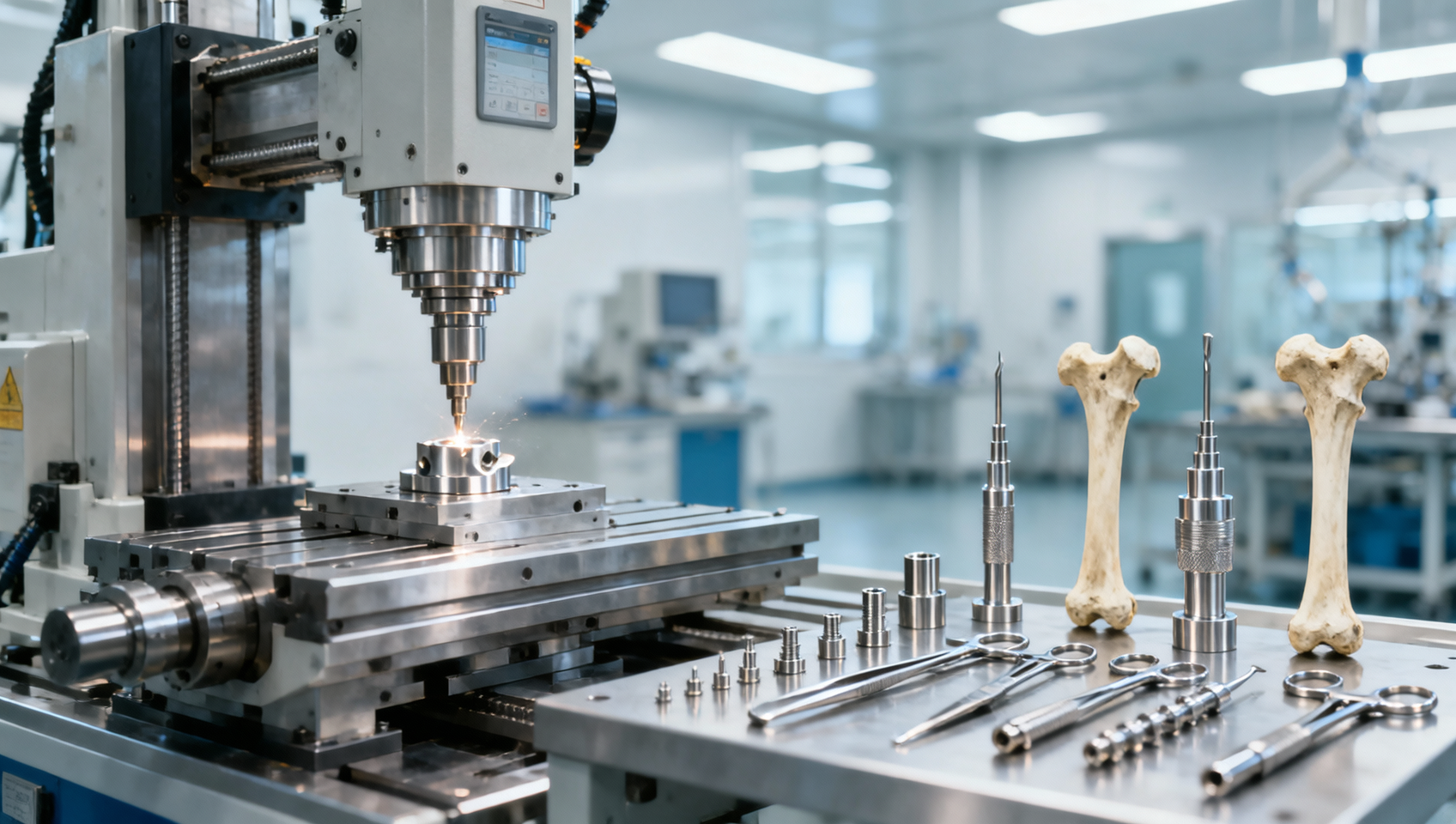
From high precision machine tool systems to multi-axis CNC manufacturing, medical production depends on accuracy, repeatability, and compliance. This guide explains what to know when choosing a machine tool for medical device manufacturing, including precision CNC manufacturing capabilities, automated CNC manufacturing efficiency, and how the right CNC machine tool manufacturer or machine tool supplier can support cost-effective, reliable output.
Why medical device manufacturing places different demands on machine tools
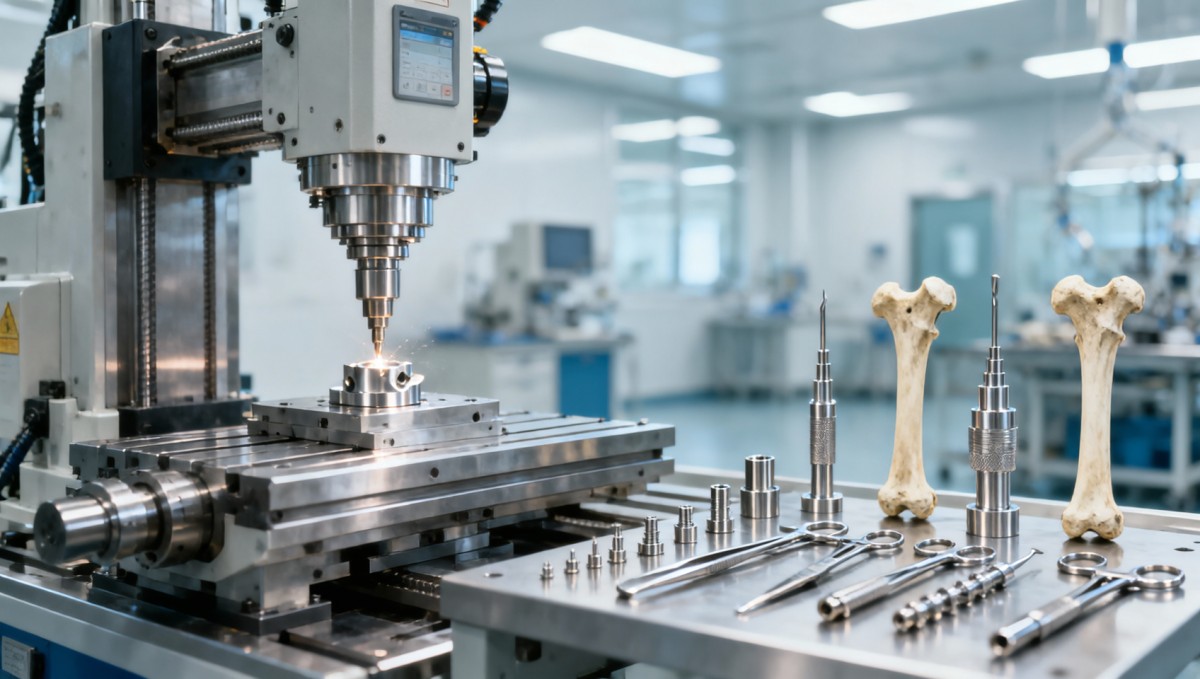
Medical device manufacturing is not just another precision machining application. Parts such as orthopedic components, surgical instrument bodies, dental parts, spinal implants, housings for diagnostic systems, and fluid control elements often require tight dimensional consistency, burr control, traceability, and material-sensitive processing. In many workshops, the acceptable process window is narrower than in general industrial production, especially when stainless steel, titanium, cobalt-chrome, and engineering plastics are involved.
For operators, that means machine stability over long production runs matters as much as peak spindle speed. For procurement teams, the question is not only machine price, but also whether the machine tool supplier can support validation documents, spare parts continuity, and process tuning. For business decision-makers, a CNC machine tool used in medical production must balance 3 core goals: precision, compliance readiness, and output efficiency.
Typical medical production mixes can range from prototype quantities of 10–100 pieces to repeat batches of 1,000–10,000 pieces, depending on product category and approval stage. This means the ideal setup is often not a single machine, but a process combination involving turning, milling, drilling, deburring, cleaning, inspection, and sometimes automated CNC manufacturing cells linked with robotic handling or pallet systems.
Another difference is risk sensitivity. A small error in surface finish, hole concentricity, or edge condition can create downstream problems in assembly, sterilization, coating, or inspection. That is why high precision machine tool selection should start with the part family, tolerance stack-up, and verification workflow, not with a generic catalog comparison.
What users and buyers should evaluate first
Before comparing brands or configurations, define the production scenario. Is the main demand complex 5-axis contouring for implant geometry, fast cycle turning for instrument shafts, or multi-operation machining for small stainless components? These scenarios require different spindle interfaces, coolant strategies, and automation readiness.
- Part complexity: 3-axis, 4-axis, 5-axis, mill-turn, or Swiss-type requirements.
- Material category: titanium, 316L stainless steel, cobalt-chrome, aluminum, PEEK, or engineering polymers.
- Volume profile: prototype, pilot production, or medium-to-high repeat production over 1–3 shifts.
- Validation needs: process records, repeatability checks, inspection integration, and clean production expectations.
A machine that is excellent for automotive brackets may be unsuitable for miniature medical parts with thin walls or high aspect-ratio features. The technical match should always come before the commercial negotiation.
Which machine tool types fit specific medical production scenarios?
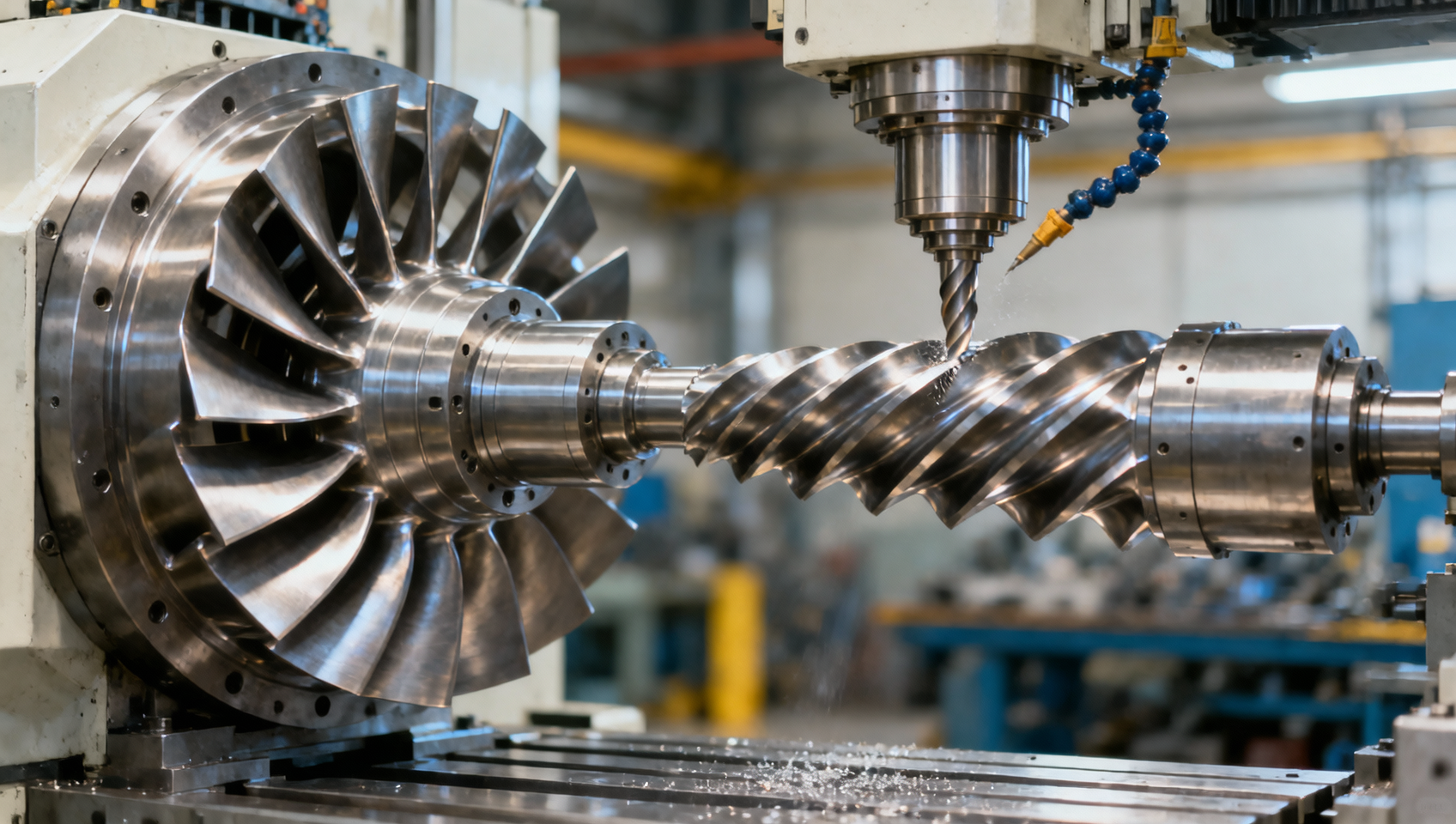
The best machine tool for medical device manufacturing depends on geometry, material, and process sequence. A machining center may be ideal for instrument handles and housings, while a Swiss-type lathe is often better for long, small-diameter parts. For implant-grade contour surfaces, multi-axis CNC manufacturing becomes important because fewer re-clamping steps usually reduce cumulative error.
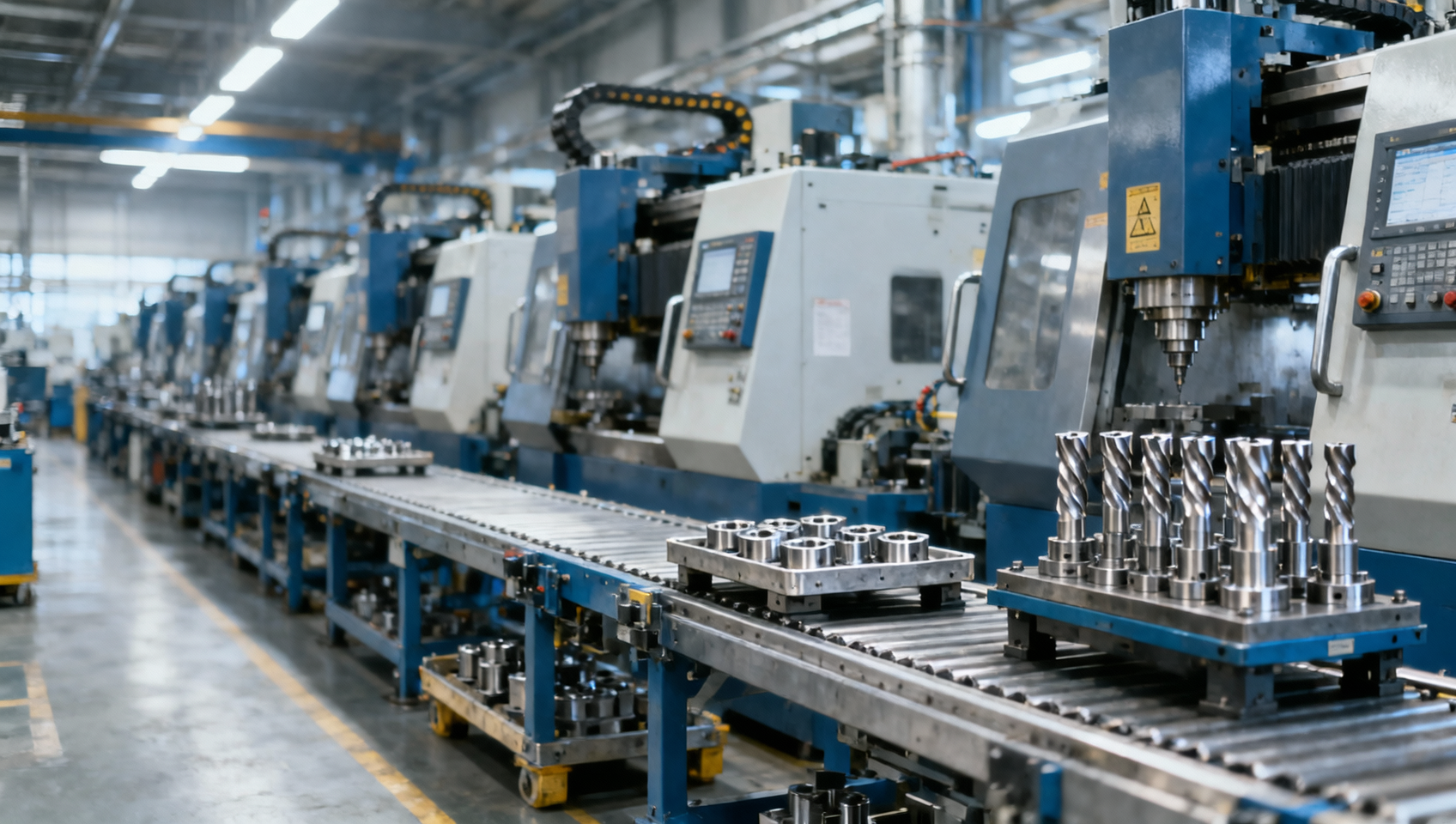
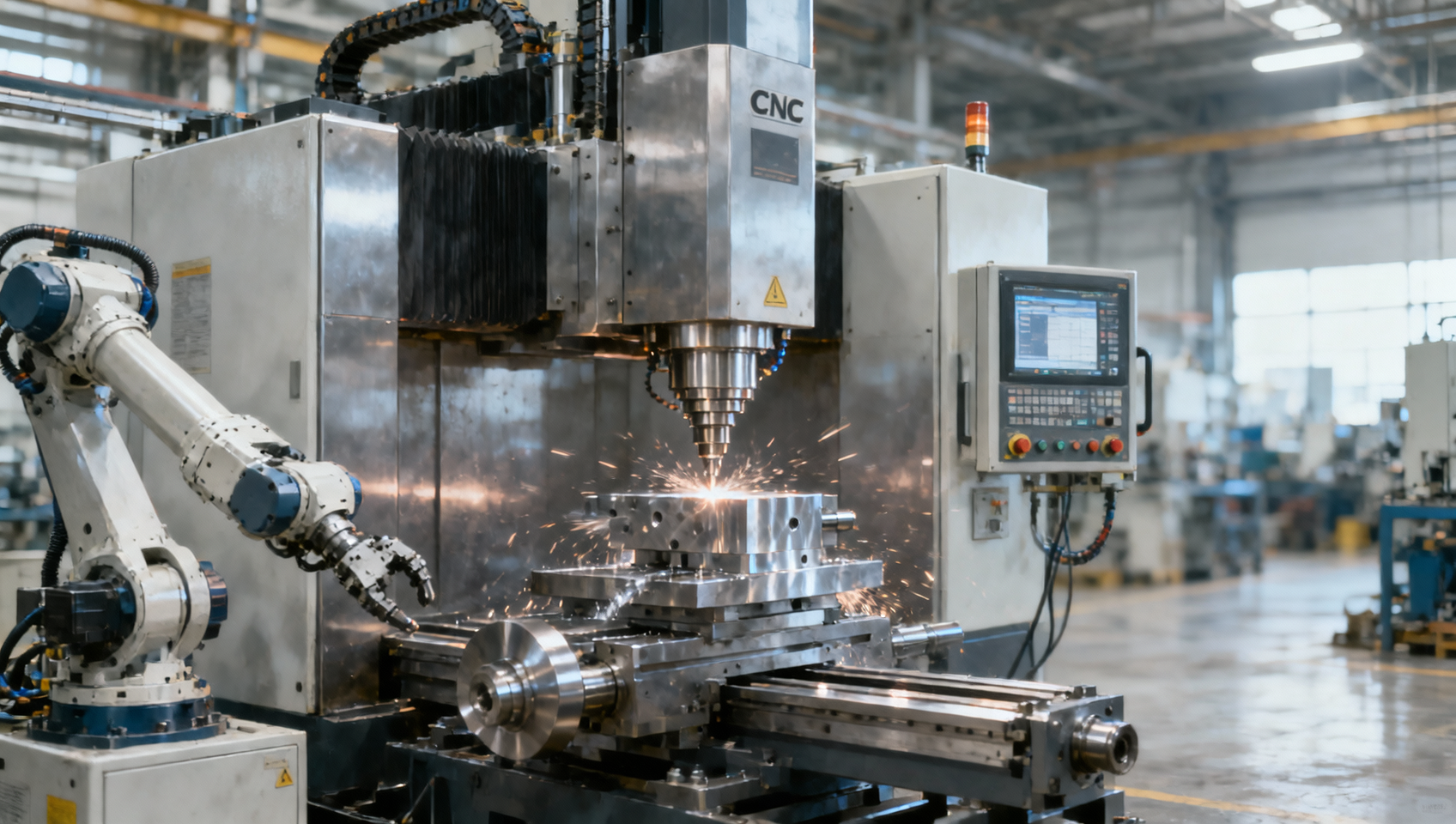
In practical terms, many medical manufacturers build a production route with 2–4 linked operations. For example, rough turning may be followed by 5-axis finishing, then deburring and final inspection. In higher-volume environments, automated CNC manufacturing with bar feeders, pallet changers, or robotic loading can improve spindle utilization and support night-shift continuity without increasing manual intervention at every stage.
The table below maps common machine categories to application scenarios in medical production. It is useful for information researchers comparing process paths, for operators planning setup logic, and for buyers creating a shortlist of equipment types before supplier discussion.
This comparison shows that machine selection in medical production is highly application-driven. A 5-axis platform may reduce setup count from 3 operations to 1 or 2 for complex parts, but a turning center or Swiss machine may deliver better cycle economics for cylindrical components. Matching the machine to the part family is usually the fastest way to reduce cost per part without sacrificing compliance.
How production volume changes the right choice
Low-volume R&D and pilot manufacturing often prioritize flexibility. Here, quick-change fixtures, probing, and easy programming can be more valuable than full automation. By contrast, recurring production over 500–2,000 pieces per month may justify pallet systems, in-machine measurement, and standardized tooling libraries.
If the line must run across 2 shifts or support lights-out periods of 4–8 hours, automated CNC manufacturing becomes a stronger requirement. In that case, machine accessibility, alarm recovery logic, chip management, and tool life monitoring should be evaluated together rather than separately.
What technical performance matters most in precision CNC manufacturing?
Not every specification on a brochure has equal value in medical production. Buyers often focus on spindle speed or travel, but users know that repeatability, thermal behavior, vibration control, and process consistency are just as important. In precision CNC manufacturing, machine performance should be reviewed at the level of actual medical part features, such as bore accuracy, thread quality, small-radius surfaces, and thin-wall deflection risk.
Common evaluation points include positioning repeatability, spindle runout behavior, tool change reliability, coolant delivery, and compatibility with inspection probes. On many medical jobs, even a well-built machine can underperform if the coolant method is mismatched to the material or if workholding does not support low-deformation clamping. That is why process capability should be evaluated as a system rather than as machine hardware alone.
The table below summarizes practical technical checkpoints that often matter more than headline marketing claims. These ranges are typical evaluation references, not universal acceptance values, and they should always be verified against part drawings, validation needs, and internal quality plans.
A useful lesson for procurement teams is this: one missing capability can cancel the value of several strong specs. For example, excellent spindle performance does not solve unstable burr formation if coolant delivery, fixturing, and tool access are weak. The best machine tool manufacturer will discuss the whole process chain, not just machine architecture.
Three technical checks that are often underestimated
1. Workholding and part deformation control
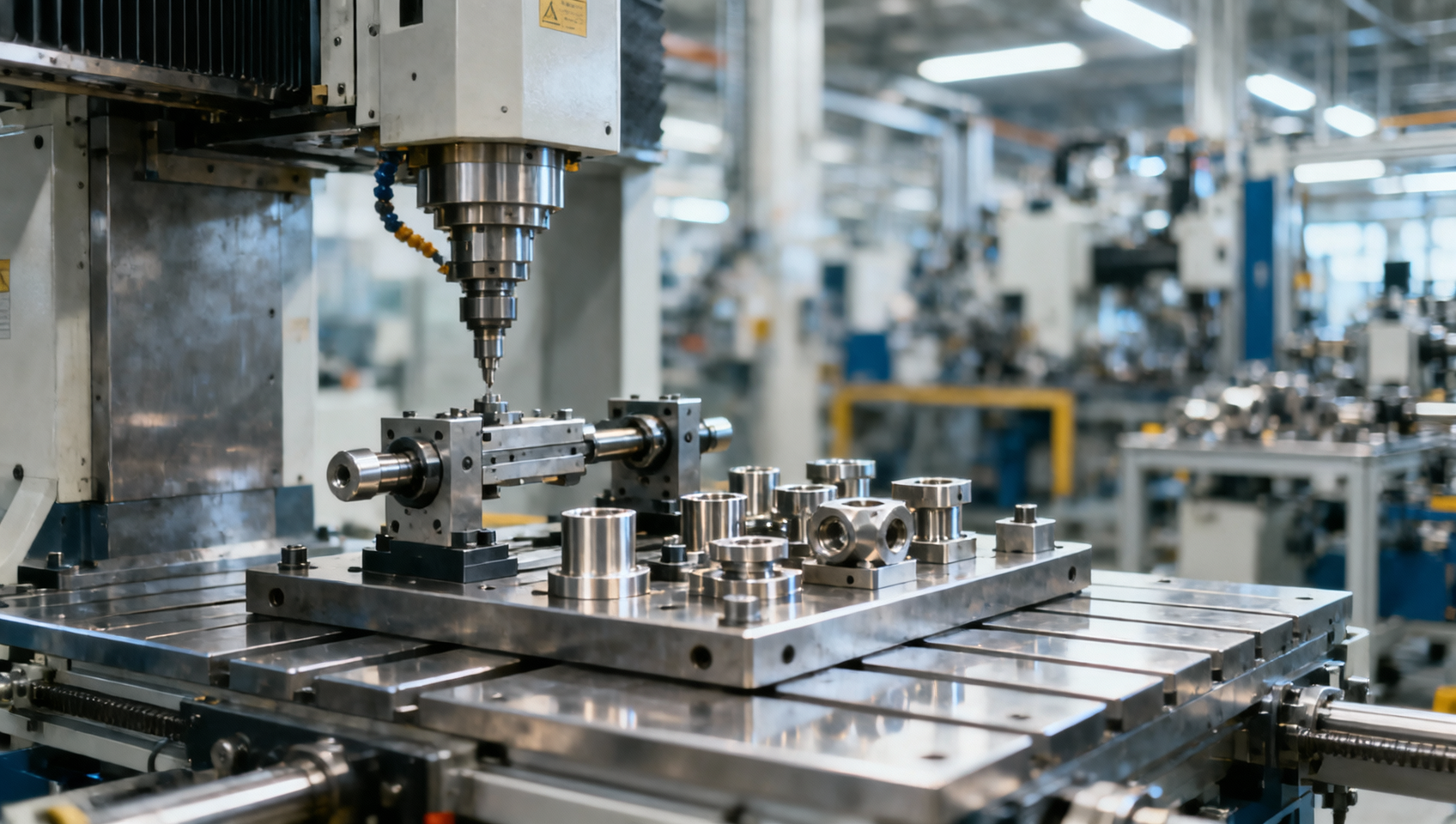
Thin-wall and miniature medical parts can distort under excessive clamp load. Ask whether the supplier can support fixture planning, soft jaws, modular location references, or vacuum and custom clamping concepts when needed. In some cases, fixture design has as much impact on yield as the machine itself.
2. Inspection integration
In-machine probing, presetting, and post-process measurement reduce setup variability and shorten feedback loops. A practical review should include how offsets are updated, how first article checks are handled, and whether the machine can support stable inspection routines every batch or every shift.
3. Surface integrity and burr strategy
Medical components often need controlled edges and stable surfaces before cleaning, coating, or assembly. The machine should be evaluated with tooling, feed strategy, coolant method, and exit-path planning in mind. This is especially important when cycle targets are compressed and tools are expected to run for several hours between changes.
How to choose a CNC machine tool manufacturer or machine tool supplier
A good machine is only part of the purchasing decision. In medical manufacturing, the supplier’s support model can directly affect ramp-up speed, qualification effort, and long-term uptime. This matters to all stakeholder groups: operators need training, buyers need predictable delivery, and executives need a realistic return on capital with manageable risk.
When evaluating a CNC machine tool manufacturer or machine tool supplier, ask how they support process validation, documentation, and application engineering. Delivery alone is not enough. Many medical projects fail not because the machine lacks capability, but because the supplier cannot provide setup guidance, acceptance criteria alignment, or timely technical response during the first 2–8 weeks after installation.
The table below provides a practical procurement framework. It can be used in RFQ review, supplier shortlisting, or internal comparison meetings where technical and commercial teams need a common scorecard.
This framework helps separate low headline price from low total risk. In many cases, a slightly higher equipment cost is justified if it shortens validation, stabilizes early production, and reduces unplanned stoppage over the next 3–5 years.
A simple 4-step supplier screening process
- Define 3 part families and their tightest tolerance, material, and batch profile.
- Request a configuration proposal covering machine, tooling interface, fixturing logic, and automation options.
- Review FAT or trial part criteria, training scope, and startup support during the first production phase.
- Compare total ownership factors, including uptime support, spare parts lead time, and expansion path.
This approach keeps sourcing discussions grounded in production reality rather than generic machine comparisons. It is especially useful when multiple departments must approve the same investment.
What about compliance, implementation, and common mistakes?
Machine tools do not certify a medical device on their own, but they do influence how reliably a manufacturer can support controlled production. That is why implementation planning should include not only installation, but also process documentation, operator training, maintenance scheduling, and inspection routines. In regulated environments, consistency is often more valuable than chasing the shortest possible cycle time.
A typical implementation cycle may run in 3 stages: pre-installation planning, commissioning and trial production, then stable batch release. Depending on machine complexity and internal validation requirements, this may take 2–4 weeks for straightforward cells or longer for multi-machine automated CNC manufacturing lines with robotic integration and process approval checkpoints.
Medical manufacturers also need to think about cleanliness, traceability, and maintenance discipline. Daily operator checks, weekly coolant review, and monthly geometry verification are common practical layers, even if the exact frequency depends on machine duty and part criticality. A well-defined maintenance routine reduces drift, unplanned stoppage, and quality escapes.
Common mistakes that increase cost or delay
- Selecting by spindle speed alone while ignoring thermal stability, workholding, and chip control for medical materials.
- Assuming one universal machine can efficiently cover prototypes, miniature turned parts, and complex 5-axis implants.
- Underestimating the startup period needed for tooling optimization, probing routines, and operator learning.
- Treating automation as a bolt-on accessory instead of planning signals, recovery logic, and workflow from the start.
These mistakes are expensive because they create hidden delays. A machine may arrive on time, yet production can still slip if fixture design, tool package, and acceptance criteria were not aligned during procurement. In medical projects, early planning usually saves more than late correction.
FAQ for buyers, operators, and decision-makers
How do I know whether I need 5-axis instead of 3-axis machining?
If the part requires multiple angled features, deep contour access, or reduced reclamping to protect tolerance stack-up, 5-axis machining is worth serious review. If the parts are mostly prismatic with accessible faces and moderate complexity, 3-axis or 4-axis may be more economical. The right decision should be based on setup count, not on machine prestige.
Is automation necessary for medical production?
Not always. For low-volume or highly variable work, manual or semi-automated production may be more flexible. Automation becomes more attractive when demand is stable, cycle time is repeatable, and unattended windows of 4–8 hours can be used productively.
What delivery timeline should buyers plan for?
Lead time depends on machine type, options, and supplier capacity. Standard configurations may move faster than heavily customized cells. Buyers should ask for separate timelines for manufacturing, shipment, installation, training, and trial production rather than relying on one broad delivery promise.
What should be included in the RFQ?
A strong RFQ should include part drawings or feature summaries, material type, batch range, tolerance priorities, expected shift pattern, inspection needs, and whether future automation is planned. This gives the machine tool supplier enough detail to recommend a realistic configuration.
Why work with a partner that understands global CNC machining and medical production needs
Choosing a machine tool for medical device manufacturing is easier when technical review, sourcing logic, and production planning are connected. A platform focused on global CNC machining and precision manufacturing can help buyers compare machine tool categories, supplier capabilities, automation paths, and practical implementation risks across international markets such as China, Germany, Japan, and South Korea.
Because modern machine tool development is moving toward higher precision, stronger automation, and deeper digital integration, buyers need more than catalog data. They need support in confirming parameters, understanding machine architecture, comparing process routes, and aligning equipment choice with output goals, lead time constraints, and compliance expectations.
If you are evaluating precision CNC manufacturing capacity, automated CNC manufacturing options, or a new CNC machine tool manufacturer for medical production, contact us with your part type, material, batch range, and target timeline. We can help you review machine selection, configuration priorities, delivery cycle expectations, tooling and fixture considerations, automation expansion options, and RFQ preparation points before you commit budget.
You can also consult us on sample support approach, acceptance planning, supplier comparison, and the differences between machining center, turning, Swiss-type, and multi-axis CNC manufacturing solutions. Clear early discussion reduces sourcing risk and helps turn medical manufacturing requirements into a machine tool plan that is practical, scalable, and easier to validate.
PREVIOUS ARTICLE
Recommended for You
 How to Choose a Heavy-Duty Machining Center for Mold MakingMachine Tool Industry Editorial Team
 How Quick-Change Fixture Design Cuts CNC Turning Setup TimeCNC Machining Technology Center
 Why 5 Axis Machining Is Ideal for Impeller ManufacturingCNC Machining Technology Center
 How to Start Lean Production Without Disrupting OutputManufacturing Market Research Center
 When a Modular Tooling System Improves Flexible ManufacturingMachine Tool Industry Editorial Team
 How CNC Machine Control Systems Improve Automation StabilityMachine Tool Industry Editorial Team

Aris Katos
Future of Carbide Coatings
15+ years in precision manufacturing systems. Specialized in high-speed milling and aerospace grade alloy processing.
▶
How to Choose a Heavy-Duty Machining Center for Mold MakingMachine Tool Industry Editorial Team▶
How High Precision Machine Tools Improve Part ConsistencyMachine Tool Industry Editorial Team▶
Why Multi-Axis Machine Tools Beat Standard Setups for Complex PartsMachine Tool Industry Editorial Team▶
What Machine Tool Features Matter Most for Aerospace PartsMachine Tool Industry Editorial Team▶
When a Portable Machine Tool Makes More Sense Than Fixed ModelsMachine Tool Industry Editorial Team
Mastering 5-Axis Workholding Strategies
Join our technical panel on Nov 15th to learn about reducing vibrations in thin-wall components.

Providing you with integrated sanding solutions
Before-sales and after-sales services
Comprehensive technical support