• Global CNC market projected to reach $128B by 2028 • New EU trade regulations for precision tooling components • Aerospace deman
NYSE: CNC +1.2%LME: STEEL -0.4%

When a Portable Machine Tool Makes More Sense Than Fixed Models
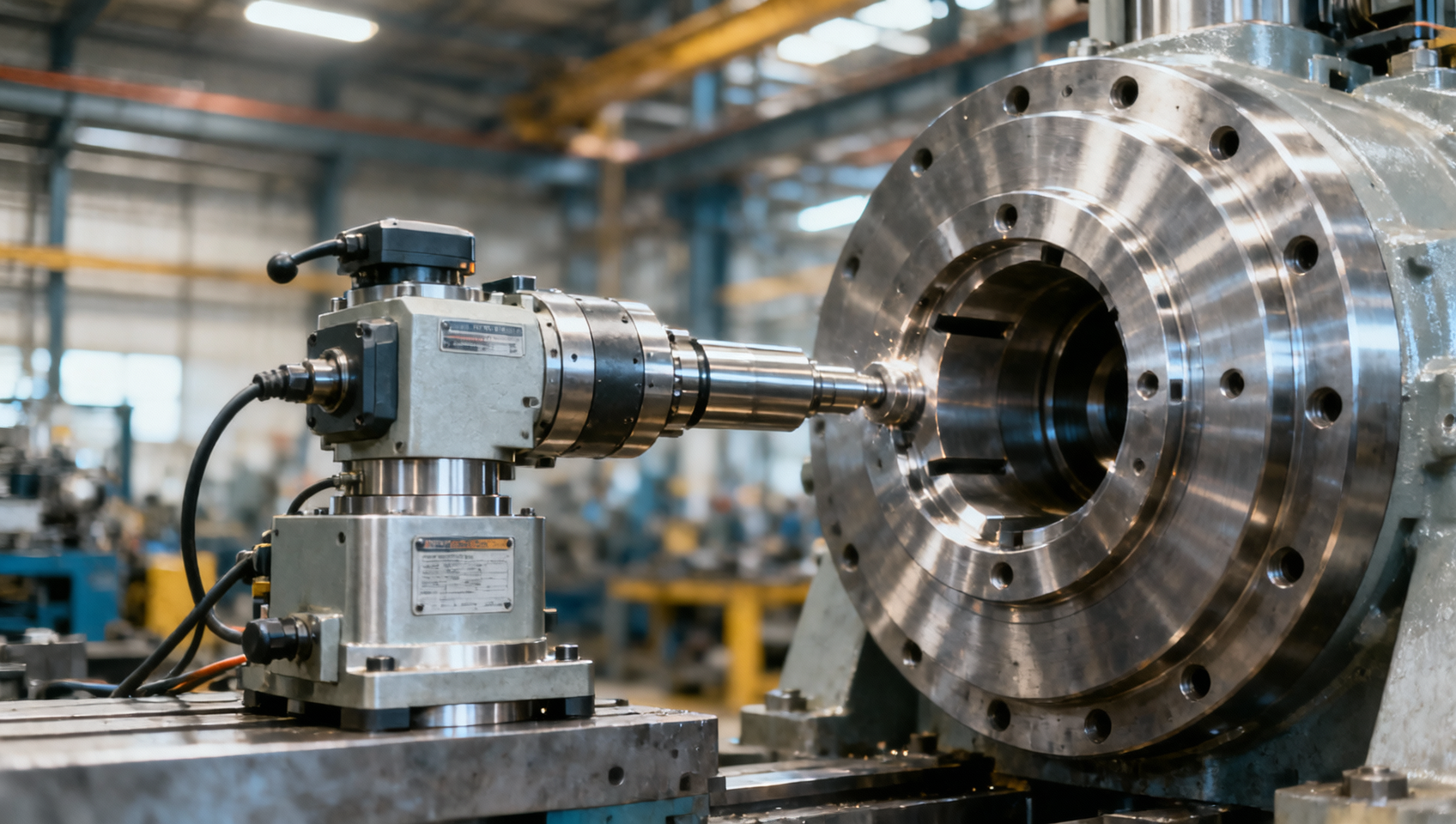
A portable machine tool makes more sense than a fixed model when the job cannot wait for the workpiece to come to the machine, when floor space is limited, or when fast deployment creates more value than maximum installed capacity. For buyers, operators, and plant managers, the real question is not whether portable equipment can replace every conventional machine. It is whether mobility, shorter setup time, and on-site machining can reduce downtime, protect production schedules, and improve total cost in the applications that matter most.
In many manufacturing and maintenance environments, the answer is yes. A compact machine tool can be the smarter option for field repair, oversized components, low-volume precision work, temporary production support, and facilities that need flexible CNC manufacturing without committing to a permanent layout. The best choice depends on part size, accuracy requirements, utilization rate, site conditions, and how costly machine stoppages are for the business.
When is a portable machine tool the better investment?
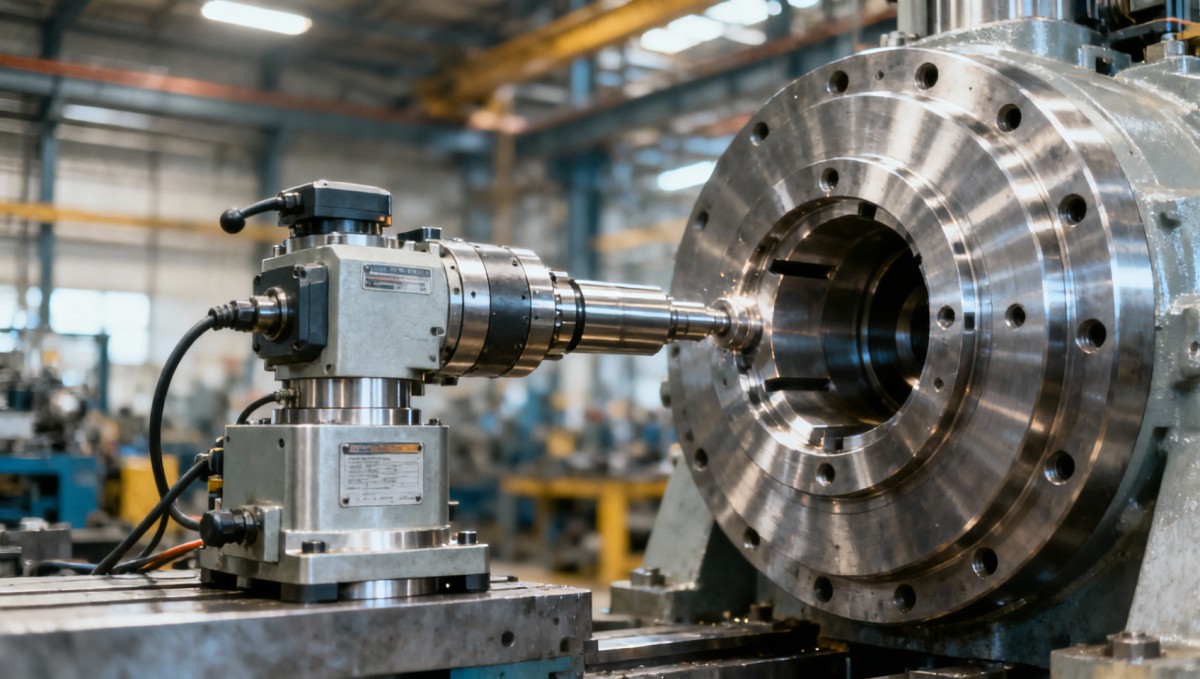
A portable machine tool is usually the better investment when moving the part is harder, riskier, or more expensive than moving the machine. This happens often in aerospace maintenance, energy equipment servicing, shipbuilding, heavy industry, and large-structure fabrication. If a component is too large to transport easily, already installed in the field, or part of a critical production asset, on-site machining can eliminate major delays.
Portable models also make sense when a company needs:
- Fast setup CNC manufacturing for urgent jobs or temporary production demands
- Space-saving CNC manufacturing in crowded workshops or smaller facilities
- Cost-effective CNC manufacturing for low-volume, specialized, or repair-based tasks
- Greater flexibility across multiple locations, lines, or customer sites
- Shorter downtime during maintenance and corrective machining
For procurement teams and decision-makers, the key advantage is often not the machine alone, but the avoided cost around it: less disassembly, less transportation, fewer delays, and less production interruption.
What problems do portable machine tools solve better than fixed machines?
Fixed machine tools are ideal for stable, repeatable, high-volume production. But they are not always the most practical option. Portable machine tools solve a different set of operational problems.
1. On-site machining of large or installed components
When parts such as flanges, bores, mounting faces, shafts, or structural interfaces are already installed, removing them may require crane time, shutdown planning, and secondary alignment work. A portable machine tool brings machining capability directly to the asset.
2. Reduced downtime in maintenance and repair
In energy, mining, marine, and process industries, downtime can be far more expensive than equipment purchase cost. A portable boring, milling, drilling, or flange-facing solution can help restore function faster than sending parts out for repair.
3. Support for limited-space manufacturing
Some operations simply do not have room for another fixed machine. A compact machine tool can add capability without a major floorplan redesign, foundation work, or utility expansion.
4. Better fit for low-volume and specialized work
If production changes frequently or jobs are highly customized, a portable setup can be more practical than dedicating permanent floor space to equipment with inconsistent use.
Where fixed models still win
Portable machine tools are valuable, but they are not automatically the best choice. Fixed models still have clear advantages in several situations.
- High-volume production: If throughput is the main priority, fixed machines generally deliver better cycle consistency and automation integration.
- Extreme rigidity requirements: For some heavy-cutting operations or ultra-tight tolerance work, a fixed platform may provide superior structural stability.
- Advanced multi-process workflows: Permanent machining centers often support tool changers, automated fixturing, probing, and production software integration more easily.
- Long, repeatable production runs: If the same family of parts runs continuously, the economics usually favor a dedicated fixed installation.
This is why the best decision is not portable versus fixed in general, but portable versus fixed for a specific use case. Many manufacturers benefit from using both: fixed machines for standard production and portable units for service, overflow, and special operations.
How should buyers evaluate whether portability creates real ROI?
For purchasing teams and business leaders, the decision should be based on operational economics, not only machine price. A portable machine tool often shows its value through avoided costs and improved responsiveness.
Key ROI questions include:
- How much does it cost to move the workpiece to a fixed machine?
- What is the cost of downtime per hour or per day?
- How often do urgent repair or field machining jobs occur?
- Will portable equipment reduce subcontracting expenses?
- Can one machine serve multiple plants, departments, or customer sites?
- Does the facility avoid new foundation, layout, or infrastructure costs?
In many cases, the strongest business case comes from one of these scenarios:
- A high-value production line where every hour of stoppage matters
- Maintenance teams handling frequent in-place repairs
- Contract manufacturers needing flexible capacity without major capital expansion
- Facilities with limited floor space but growing machining needs
For enterprise decision-makers, a portable solution can also lower risk by providing backup machining capability when fixed assets are overloaded or unavailable.
What should operators and engineers check before choosing a portable machine tool?
Users and technical evaluators should focus on practical fit, not just brochure claims. A machine may be portable, but still unsuitable for the intended environment if setup, alignment, or power requirements are unrealistic.
Important evaluation points include:
- Accuracy and repeatability: Can the machine meet the tolerance requirements of the actual job?
- Setup and alignment method: How long does positioning take, and how dependent is it on operator skill?
- Rigidity under load: Is the structure stable enough for the material and cut depth?
- Power source and site compatibility: Will it operate reliably in plant or field conditions?
- Transport and handling: Can the team move it safely between work areas?
- Maintenance and spare parts: Is support available, especially for multi-site operations?
- Training requirements: Can current personnel use it effectively without excessive learning time?
For precision CNC manufacturing tasks, real-world performance matters more than advertised portability. A compact machine tool should save time without compromising machining quality or site safety.
Typical industries and applications where portable models make the most sense
Portable machine tools are especially valuable where components are large, fixed in place, or expensive to remove from service.
Aerospace
Useful for maintenance, structural correction, precision hole work, and repair operations where transport or disassembly would increase turnaround time.
Energy equipment
Applicable in turbine maintenance, flange facing, bore repair, and on-site restoration of critical equipment where shutdown costs are high.
Electronics and precision manufacturing support
In support roles, portable systems can help with fixture adaptation, equipment modification, and low-volume process changes in constrained spaces.
Heavy manufacturing and field service
Ideal for mining, marine, rail, and industrial plant repair where parts are large and on-site machining avoids major logistics delays.
General manufacturing
Helpful for overflow work, prototype support, temporary lines, and plants that need flexible CNC manufacturing before investing in another fixed machine.
How to make the final decision with confidence
A simple way to decide is to compare the full workflow, not just the machine category. If a fixed model requires part removal, transport, re-fixturing, waiting time, and production disruption, its theoretical machining advantage may disappear. If a portable machine can reach the job quickly, machine accurately enough, and return the asset to service faster, it may be the better business decision.
Choose a portable machine tool when:
- The part is difficult or expensive to move
- Downtime reduction is a top priority
- Work volume is variable or location-dependent
- Shop space is limited
- Field repair or multi-site support is part of operations
Choose a fixed model when:
- Production volume is high and stable
- Maximum rigidity and automation are required
- The workflow is built around repeatable in-house machining
- The machine will run at high utilization in a permanent layout
In many modern facilities, the strongest strategy is a mixed one. Fixed machines handle core production efficiently, while portable tools provide flexibility, resilience, and fast-response machining when standard workflows are not enough.
Ultimately, a portable machine tool makes more sense than a fixed model when mobility creates measurable operational value. If it reduces downtime, avoids unnecessary handling, fits tighter spaces, and delivers the precision needed for the task, it is not a compromise. It is the right tool for a different manufacturing reality.
PREVIOUS ARTICLE
Recommended for You
 How to Choose a Heavy-Duty Machining Center for Mold MakingMachine Tool Industry Editorial Team
 How Quick-Change Fixture Design Cuts CNC Turning Setup TimeCNC Machining Technology Center
 Why 5 Axis Machining Is Ideal for Impeller ManufacturingCNC Machining Technology Center
 How to Start Lean Production Without Disrupting OutputManufacturing Market Research Center
 When a Modular Tooling System Improves Flexible ManufacturingMachine Tool Industry Editorial Team
 How CNC Machine Control Systems Improve Automation StabilityMachine Tool Industry Editorial Team

Aris Katos
Future of Carbide Coatings
15+ years in precision manufacturing systems. Specialized in high-speed milling and aerospace grade alloy processing.
▶
How to Choose a Heavy-Duty Machining Center for Mold MakingMachine Tool Industry Editorial Team▶
How High Precision Machine Tools Improve Part ConsistencyMachine Tool Industry Editorial Team▶
Why Multi-Axis Machine Tools Beat Standard Setups for Complex PartsMachine Tool Industry Editorial Team▶
What Machine Tool Features Matter Most for Aerospace PartsMachine Tool Industry Editorial Team▶
When a Portable Machine Tool Makes More Sense Than Fixed ModelsMachine Tool Industry Editorial Team
Mastering 5-Axis Workholding Strategies
Join our technical panel on Nov 15th to learn about reducing vibrations in thin-wall components.

Providing you with integrated sanding solutions
Before-sales and after-sales services
Comprehensive technical support