• Global CNC market projected to reach $128B by 2028 • New EU trade regulations for precision tooling components • Aerospace deman
NYSE: CNC +1.2%LME: STEEL -0.4%

Which Machine Tool Fits Energy Equipment Production Best
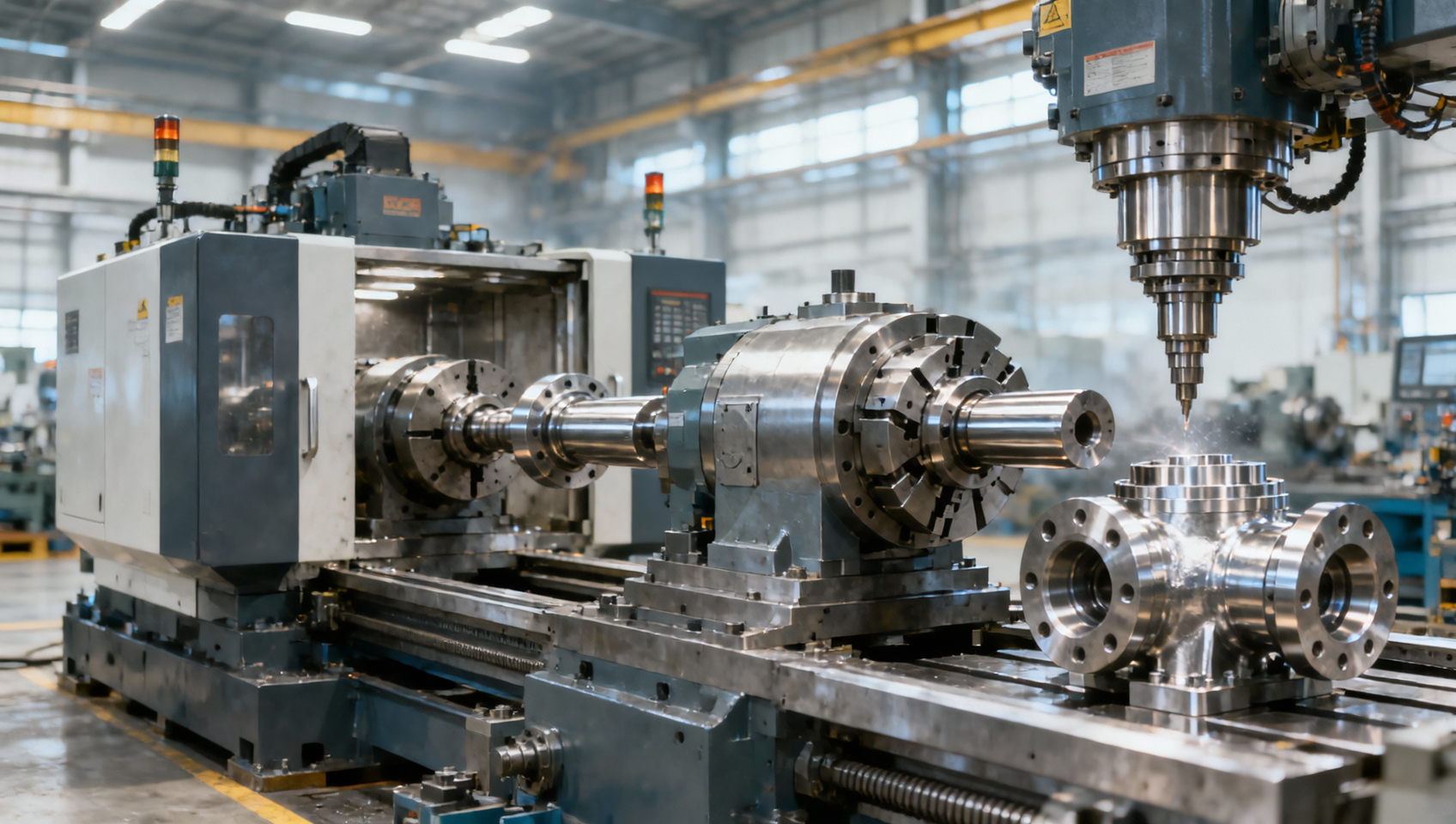
Choosing the right machine tool for energy equipment production means balancing precision, rigidity, automation, and long-term operating cost. In most cases, there is no single “best” machine for every energy application. The right choice depends on what you produce: large housings, shafts, flanges, turbine parts, valve bodies, or complex structural components. For many manufacturers, the best fit is a combination of heavy-duty CNC lathes, machining centers, and multi-axis systems—selected according to part size, tolerance requirements, material type, and expected output volume.
For buyers, operators, and decision-makers, the key question is not simply which machine tool is most advanced, but which one delivers stable quality, acceptable cycle time, lower maintenance risk, and a better return on investment in real production conditions. In energy equipment manufacturing, that practical match matters more than specifications alone.
What matters most when selecting a machine tool for energy equipment production?
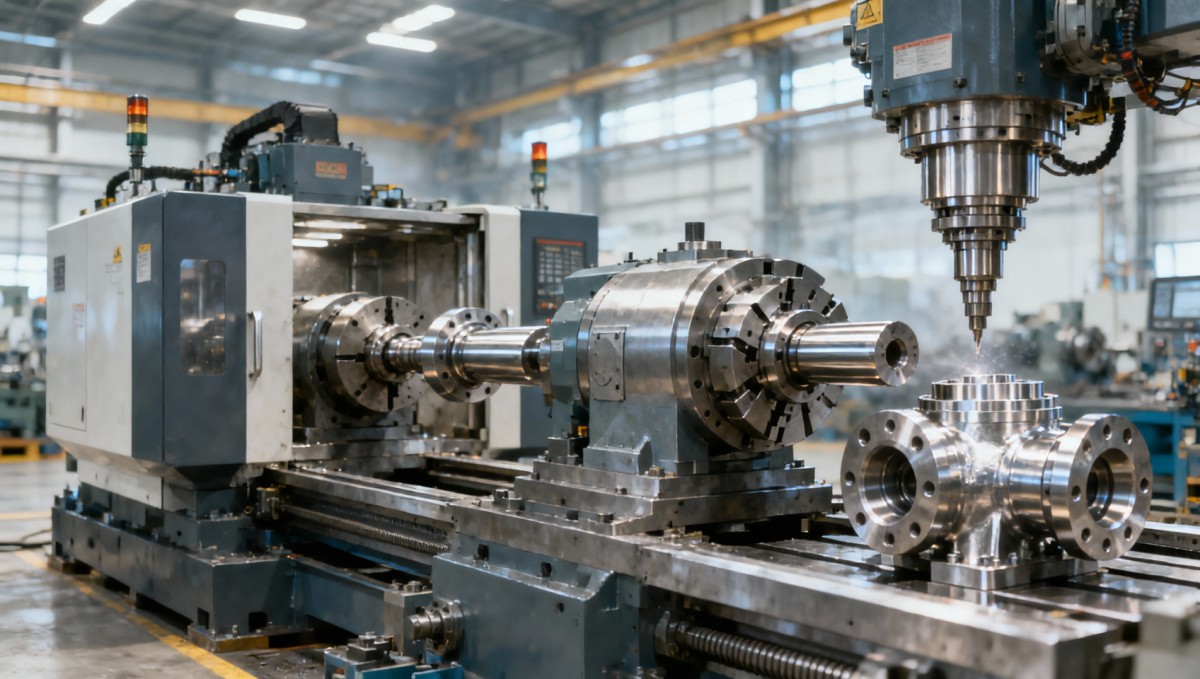
Energy equipment production places machine tools under demanding conditions. Components are often large, heavy, hard to machine, and subject to strict quality standards. This means the best machine tool must do more than cut accurately in a lab setting. It must perform reliably over long production cycles and maintain consistency across batches.
The most important selection factors usually include:
- Part size and weight: Large energy components require a heavy duty machine tool with high rigidity, stable bed structure, and strong spindle support.
- Material machinability: Stainless steel, alloy steel, titanium alloys, and heat-resistant materials place high demands on spindle torque, tool stability, and thermal control.
- Tolerance and surface finish: A high precision machine tool is essential for sealing surfaces, bearing fits, shaft journals, and critical mating features.
- Part complexity: Complex geometries often require multi-axis CNC manufacturing to reduce setups and improve accuracy.
- Production volume: Low-mix, high-value parts may justify flexible machining systems, while repetitive parts may benefit more from automated machine tool solutions.
- Operating cost: Energy use, tooling life, maintenance frequency, and downtime all affect total cost of ownership.
For most energy equipment manufacturers, the best machine tool is the one that balances machining capability with production stability and lifecycle cost.
Which machine tools are usually the best fit for different energy equipment parts?
Different energy equipment components call for different machine tool types. A good selection process starts with the part family, not the machine catalog.
1. CNC lathes for shafts, rotors, sleeves, and flanges
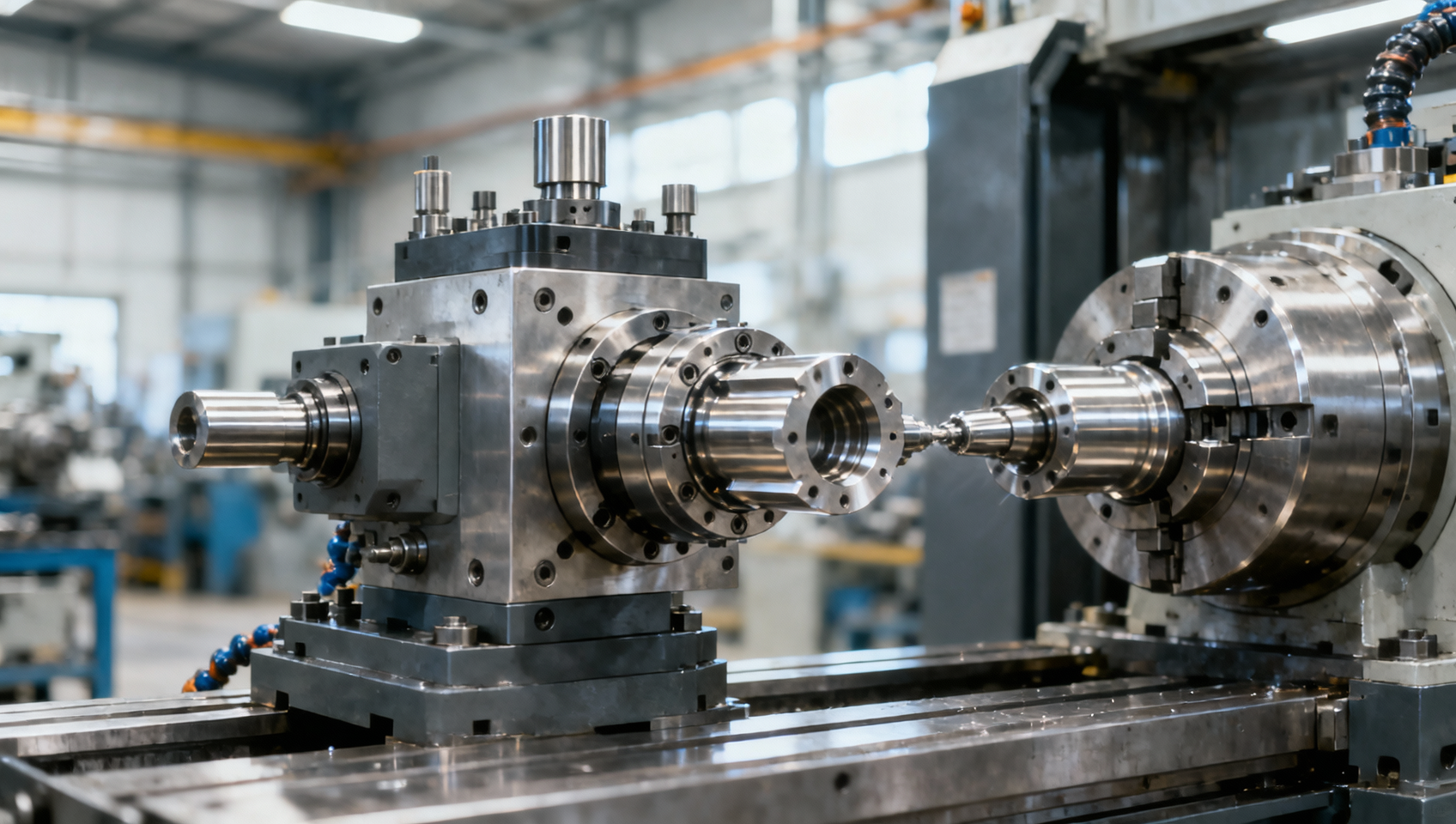
CNC lathes are often the best choice for rotational parts used in energy systems, including shafts, hubs, sleeves, rings, and flanges. In oil and gas, wind power, thermal power, and general industrial energy systems, many critical parts are round and require high concentricity.
A CNC lathe is especially suitable when you need:
- Stable turning of large-diameter parts
- Accurate OD, ID, and face machining
- Threading, grooving, and taper machining
- Reliable repeatability for sealing or assembly features
For large or difficult materials, a heavy duty machine tool with strong torque output and rigid guideways is usually preferable.
2. Vertical and horizontal machining centers for housings and structural parts
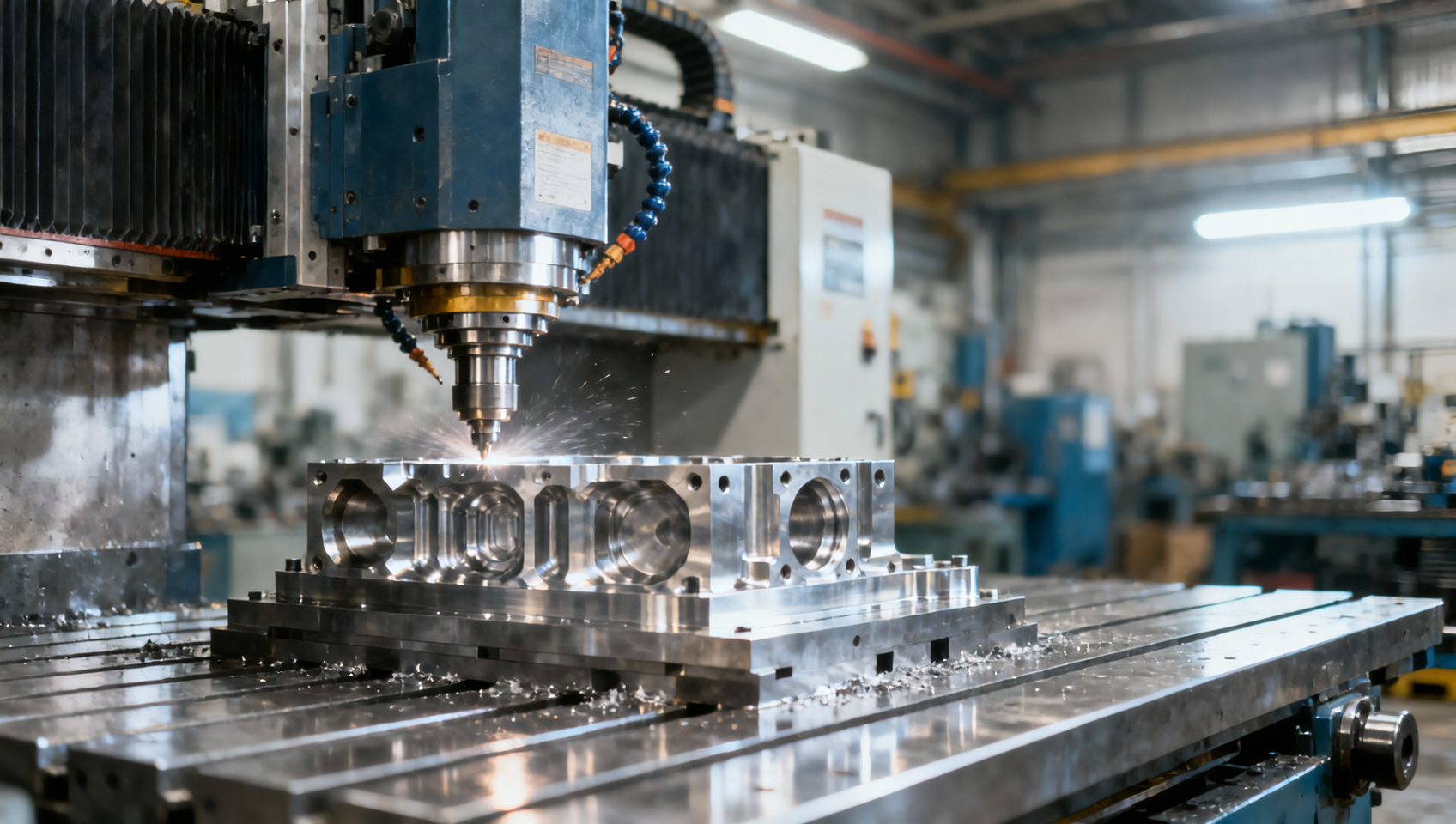
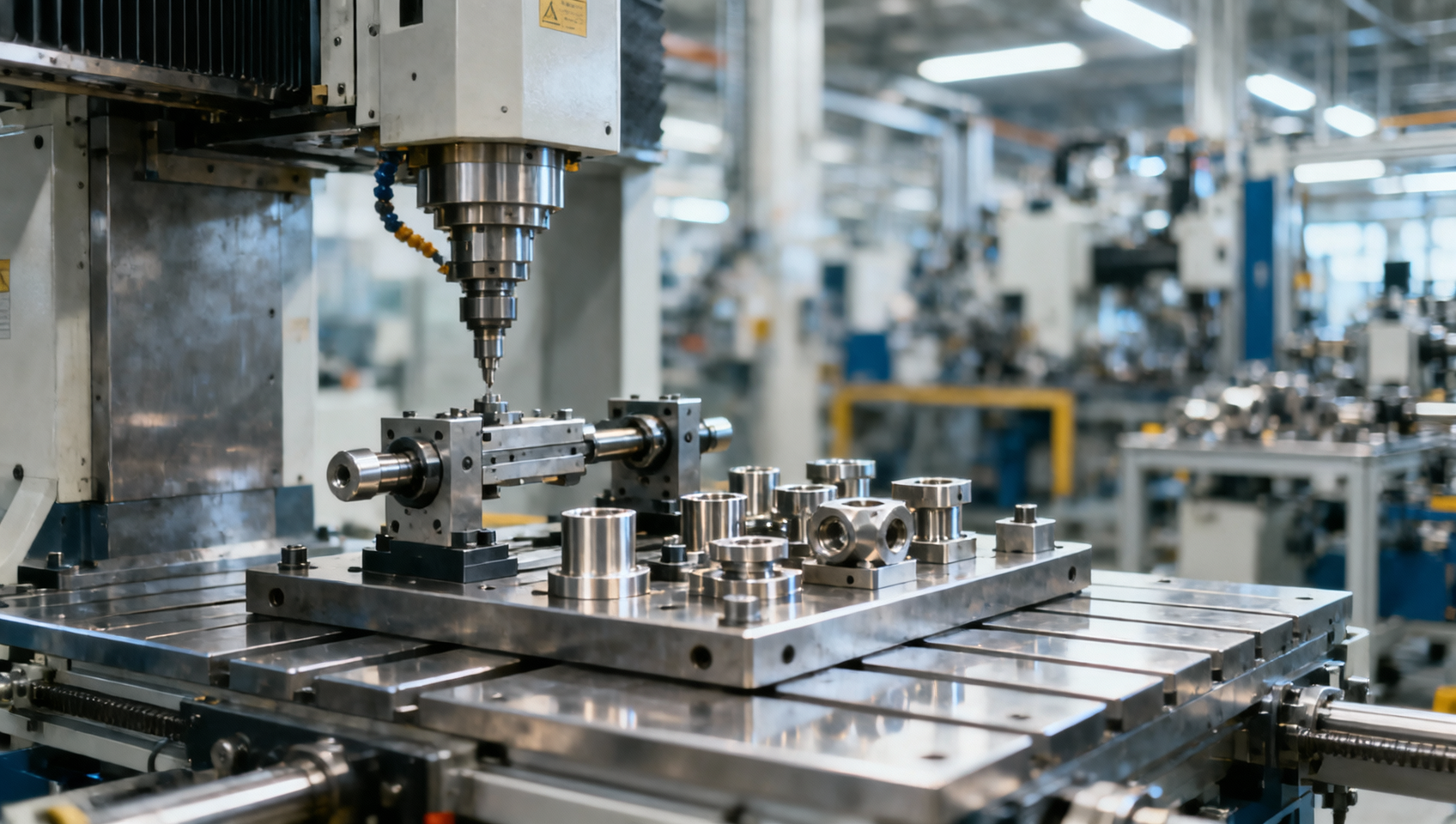
Machining centers are widely used for valve bodies, pump casings, gearbox housings, bearing seats, and other prismatic parts in energy equipment production. These machines support multi-face machining, drilling, tapping, boring, and contour cutting.
A machining center is usually the right fit when the part requires:
- Multiple surfaces machined in one setup
- Complex hole patterns or intersecting passages
- Higher positional accuracy
- Reduced fixture changes and better workflow integration
Horizontal machining centers are often preferred for heavier parts and better chip evacuation, while vertical machining centers can be cost-effective for medium-sized components.
3. Multi-axis machines for complex turbine and high-value components
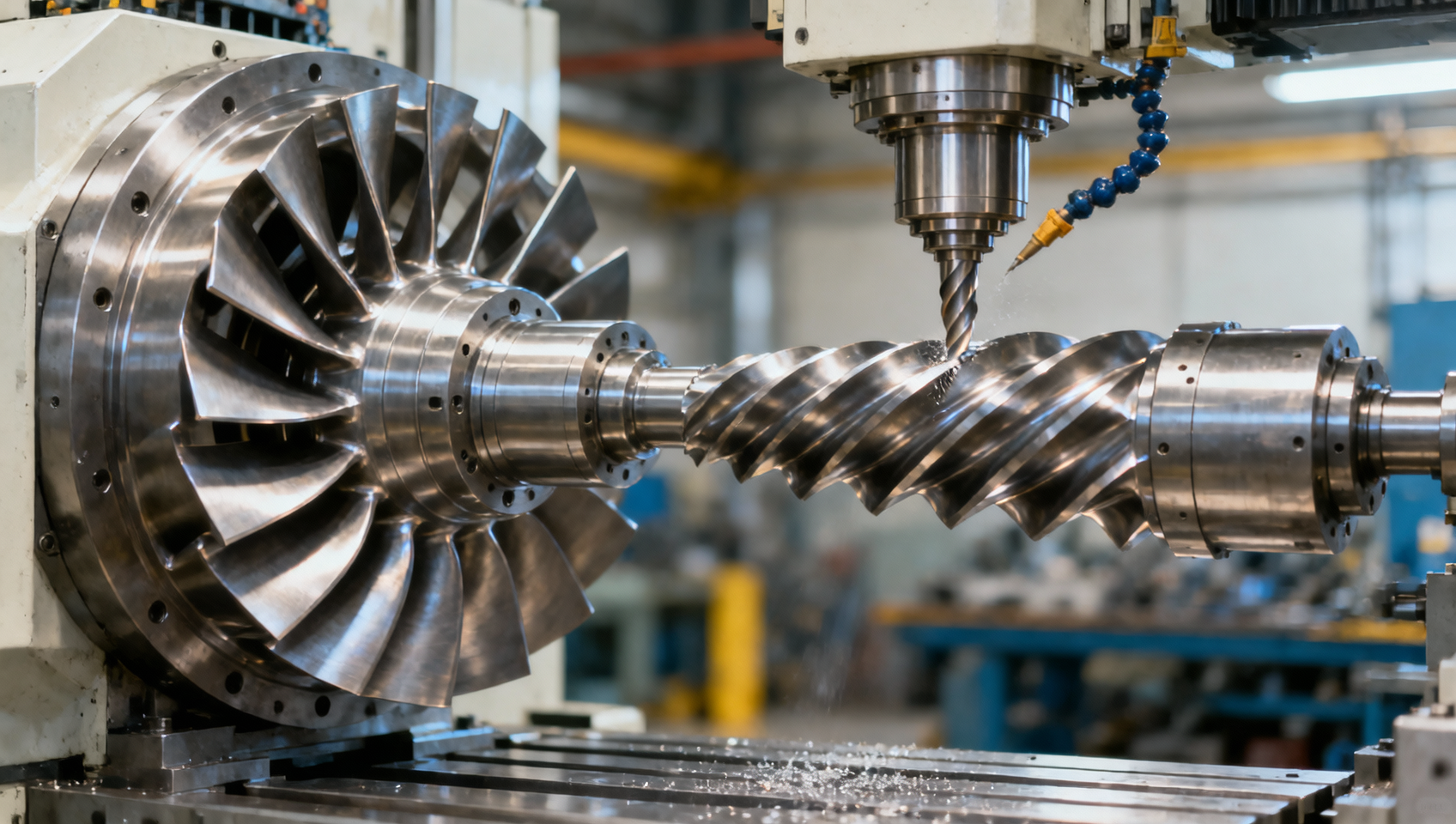
For impellers, blades, turbine casings, complex sealing surfaces, and highly contoured parts, multi-axis CNC manufacturing provides a major advantage. By reducing manual repositioning, these machines improve geometric accuracy and often shorten overall lead time.
They are especially useful when:
- Parts have complex 3D surfaces
- Tight tolerances must be maintained across multiple angles
- Fewer setups are needed to reduce accumulated error
- High-value parts justify advanced equipment investment
However, multi-axis machines are not automatically the best answer for every factory. They require stronger programming capability, skilled operators, and a clear part mix that can justify the cost.
4. Boring mills and large gantry machines for oversized components
Large energy equipment often includes very large castings, welded frames, base structures, and heavy housings. In these cases, boring mills or gantry machining centers may be the best solution. Their advantage is not just size capacity, but structural stability during long machining cycles.
These machines are common where manufacturers need:
- Heavy-duty cutting on large workpieces
- Long travel distances
- High rigidity under load
- Reliable machining of oversized industrial parts
How do precision, rigidity, and automation affect real production results?
Many buyers focus first on axis count or spindle speed, but energy equipment production often depends more on machine stability than headline specifications. Three factors have the strongest impact on real-world performance: precision, rigidity, and automation.
Precision
A high precision machine tool helps ensure reliable fit, seal performance, and component life. In energy applications, poor accuracy can lead to leakage, vibration, premature wear, or assembly issues. Precision matters most for critical interfaces, bores, bearing seats, threads, and rotating surfaces.
Rigidity
Rigidity is essential when machining hard alloys, large castings, or heavy parts. A machine with insufficient rigidity may suffer from chatter, dimensional instability, poor surface finish, and faster tool wear. In energy equipment production, these problems can quickly erase any savings from a lower machine price.
Automation
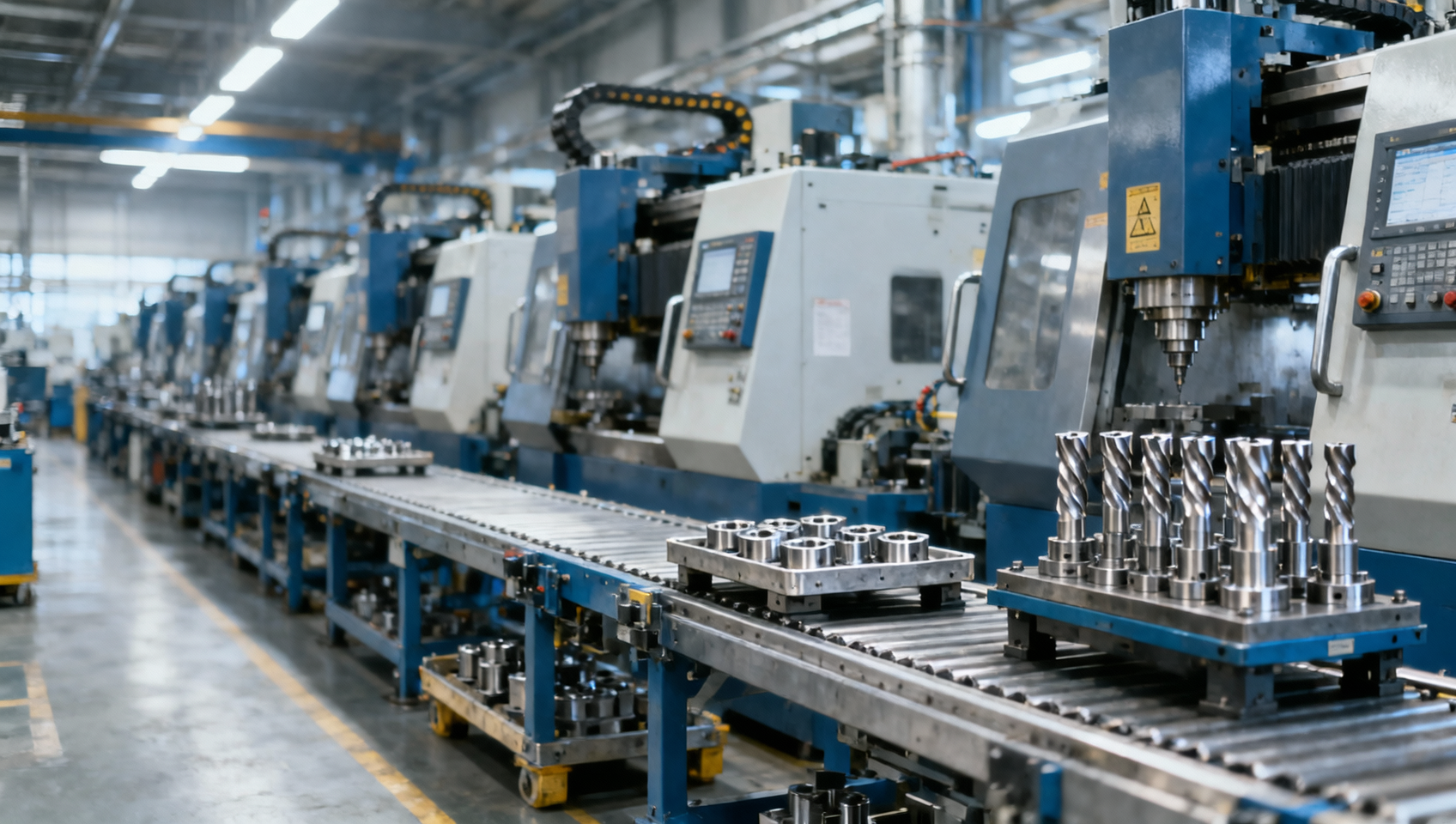
Automated machine tool solutions can improve consistency, reduce labor dependence, and support longer unattended runs. This is particularly useful for batch production of repeat parts such as valve bodies, connectors, pump components, or standardized flanges.
Useful automation options may include:
- Automatic tool changers
- Pallet systems
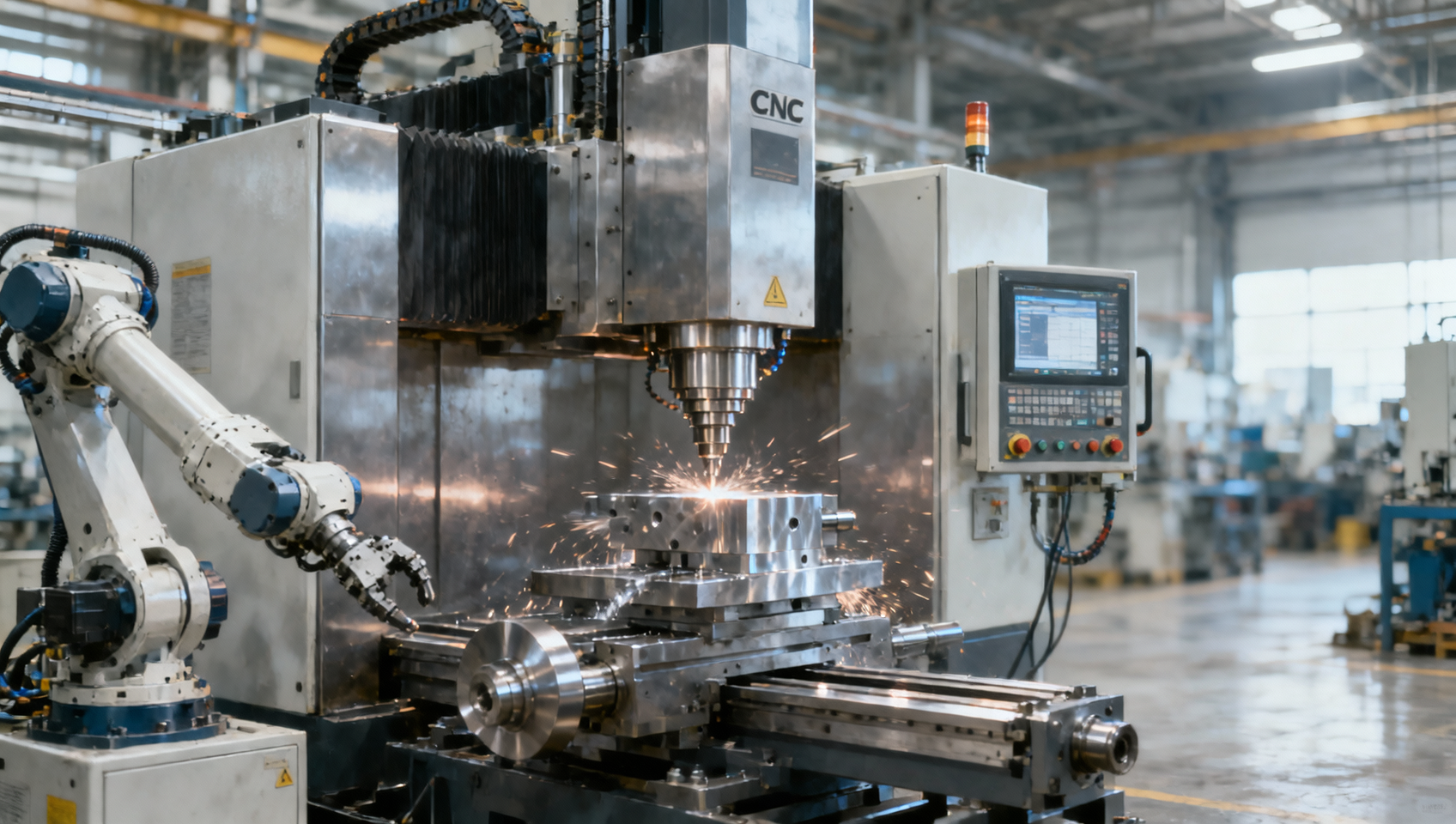
- Robotic loading and unloading
- In-process probing and measurement
- Tool life monitoring
- Production data integration with MES or ERP systems
For decision-makers, the value of automation is strongest when labor cost, repeatability requirements, or throughput pressure are already significant constraints.
When is an energy-saving machine tool worth prioritizing?
An energy-saving machine tool is worth prioritizing when production runs are long, electricity costs are rising, or sustainability targets are becoming part of procurement and operations strategy. In heavy manufacturing, energy consumption may not be the largest cost line compared with material or labor, but over years of operation it can still be meaningful.
More importantly, energy-efficient machines often bring related benefits such as:
- Improved thermal stability
- Smarter servo control
- Reduced idle power waste
- Lower cooling and hydraulic losses
- Better digital monitoring of machine utilization
That said, energy efficiency should not be evaluated in isolation. A machine that uses less power but causes slower cycle times, higher scrap rates, or more downtime may not be the better investment. The right approach is to compare total production efficiency, not just nominal power figures.
What should procurement teams and plant managers compare before buying?
For procurement personnel and business decision-makers, machine tool selection should be based on measurable production impact rather than brochure language. A structured comparison reduces risk and helps justify investment.
Key evaluation points include:
- Application fit: Is the machine designed for your actual part family and material range?
- Capacity margin: Does it have enough table load, swing, travel, torque, and rigidity for future projects?
- Process capability: Can it meet tolerances and surface requirements consistently?
- Cycle time potential: Will it improve throughput meaningfully?
- Setup reduction: Can it reduce fixtures, repositioning, or manual intervention?
- Service support: Are spare parts, training, and technical support available locally or globally?
- Software compatibility: Will it integrate with existing CAD/CAM, inspection, and production systems?
- Total cost of ownership: Consider tooling, maintenance, power use, downtime, and operator training—not just purchase price.
For many companies, a machine that costs more upfront but delivers better uptime and process stability becomes the more economical choice within a few years.
Common mistakes when choosing machine tools for energy equipment manufacturing
Several common buying mistakes can lead to poor machine utilization or disappointing returns:
- Choosing by specification extremes: The highest speed or most axes do not guarantee the best production result.
- Underestimating part weight and cutting load: This often leads to vibration, reduced accuracy, and shorter machine life.
- Ignoring operator and programming readiness: Advanced systems require matching skill levels.
- Focusing too heavily on initial price: Lower-cost equipment can create higher maintenance and scrap costs later.
- Buying for one project only: A better investment usually supports both current and future product ranges.
- Overlooking automation scalability: Even if full automation is not needed now, the machine should ideally support future upgrades.
A strong buying decision combines engineering input, operator feedback, maintenance considerations, and business analysis.
So, which machine tool fits energy equipment production best?
The best machine tool for energy equipment production is usually not one single machine, but the right machine type for the right component category. As a general rule:
- CNC lathes are best for shafts, sleeves, flanges, and other rotational parts.
- Machining centers are best for housings, valve bodies, and multi-face structural components.
- Multi-axis CNC systems are best for complex, high-value, precision-intensive parts.
- Boring mills and gantry machines are best for oversized, heavy, or large-format components.
If your production involves a mix of large parts, strict tolerances, and growing efficiency pressure, the ideal solution often combines high precision machine tool capability, heavy duty machine tool construction, and automated machine tool solutions where repeatability and labor savings matter most.
In short, the best fit is the machine that matches your part geometry, material, quality standard, and production economics. Manufacturers that make this decision based on real process needs—not just machine specs—are in the best position to improve output, control cost, and stay competitive in energy equipment manufacturing.
PREVIOUS ARTICLE
Recommended for You
 How to Choose a Heavy-Duty Machining Center for Mold MakingMachine Tool Industry Editorial Team
 How Quick-Change Fixture Design Cuts CNC Turning Setup TimeCNC Machining Technology Center
 Why 5 Axis Machining Is Ideal for Impeller ManufacturingCNC Machining Technology Center
 How to Start Lean Production Without Disrupting OutputManufacturing Market Research Center
 When a Modular Tooling System Improves Flexible ManufacturingMachine Tool Industry Editorial Team
 How CNC Machine Control Systems Improve Automation StabilityMachine Tool Industry Editorial Team

Aris Katos
Future of Carbide Coatings
15+ years in precision manufacturing systems. Specialized in high-speed milling and aerospace grade alloy processing.
▶
Which Machine Tool Suits the Automotive Industry BestManufacturing Market Research Center▶
Which Machine Tool Fits Energy Equipment Production BestManufacturing Market Research Center▶
Is CNC Manufacturing for Energy Equipment Worth the CostManufacturing Market Research Center▶
What Automotive CNC Manufacturing Must Deliver in 2026Manufacturing Market Research Center▶
What Machine Tools Work Best for Energy Equipment PartsManufacturing Market Research Center
Mastering 5-Axis Workholding Strategies
Join our technical panel on Nov 15th to learn about reducing vibrations in thin-wall components.

Providing you with integrated sanding solutions
Before-sales and after-sales services
Comprehensive technical support