• Global CNC market projected to reach $128B by 2028 • New EU trade regulations for precision tooling components • Aerospace deman
NYSE: CNC +1.2%LME: STEEL -0.4%

Which Machine Tool Suits the Automotive Industry Best
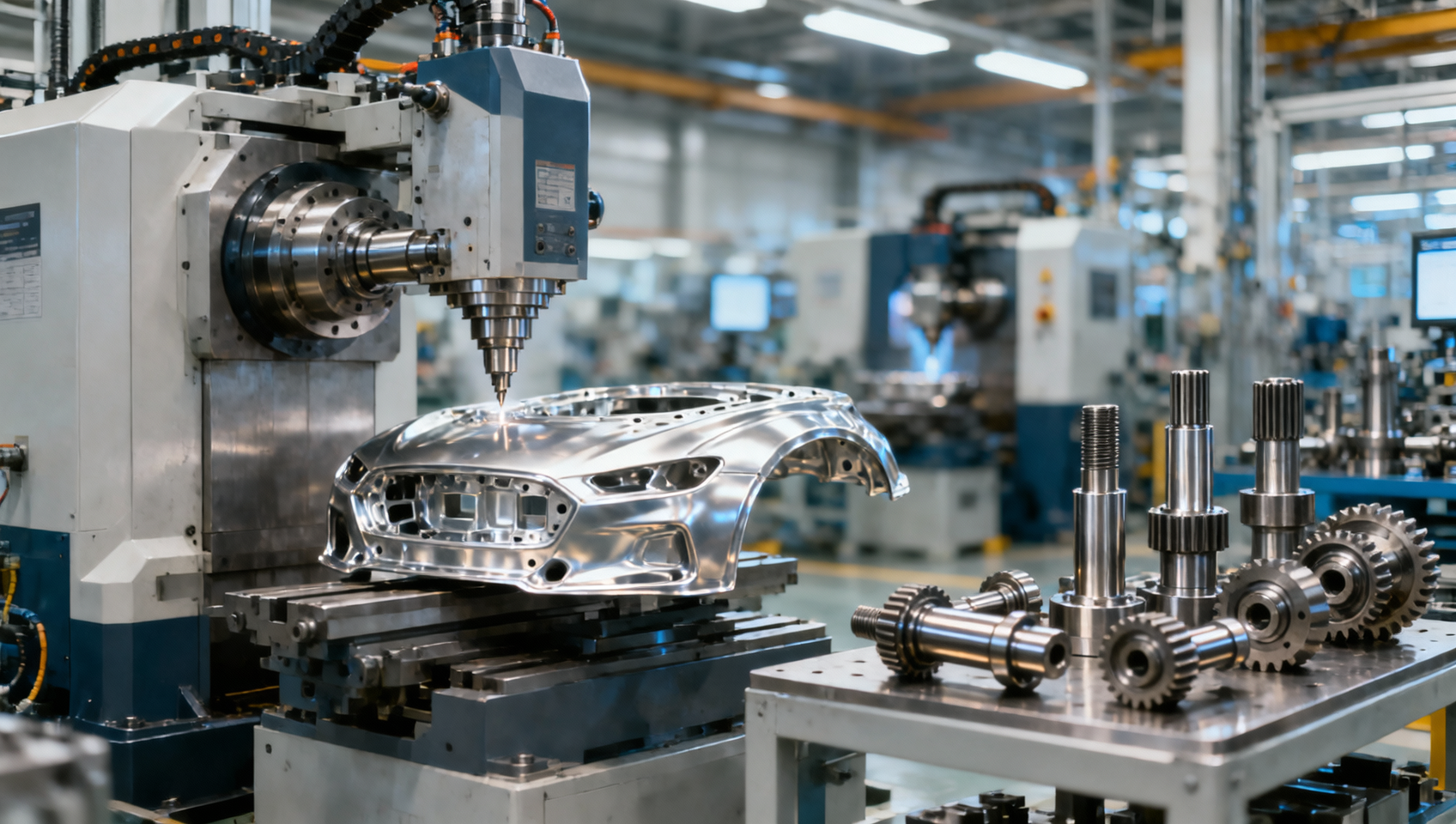
Choosing the best machine tool for automotive industry applications means balancing speed, accuracy, automation, and cost. From high precision machine tool solutions to multi-axis machine tool systems, today’s CNC machine tool manufacturer options support efficient, scalable production. This guide explores how precision CNC manufacturing and automated CNC manufacturing help automotive suppliers improve quality, reduce downtime, and stay competitive.
For automotive manufacturers, machine tool selection affects far more than part geometry. It influences takt time, scrap rate, changeover speed, labor use, traceability, and long-term maintenance cost. A machine that works well for small-batch prototyping may not suit a line producing 20,000 to 200,000 components per year.
This matters to several audiences at once. Operators need stable performance and simple setup. Procurement teams need measurable value, delivery clarity, and service support. Decision-makers need equipment that fits automation plans, digital integration, and margin targets over a 3 to 7-year investment cycle.
In practice, there is no single universal answer. The best machine tool for the automotive industry depends on the part family, material, precision range, annual output, and available automation level. The right choice comes from matching machine capability to a real production scenario rather than buying only on spindle power or list price.
What the Automotive Industry Really Requires from a Machine Tool
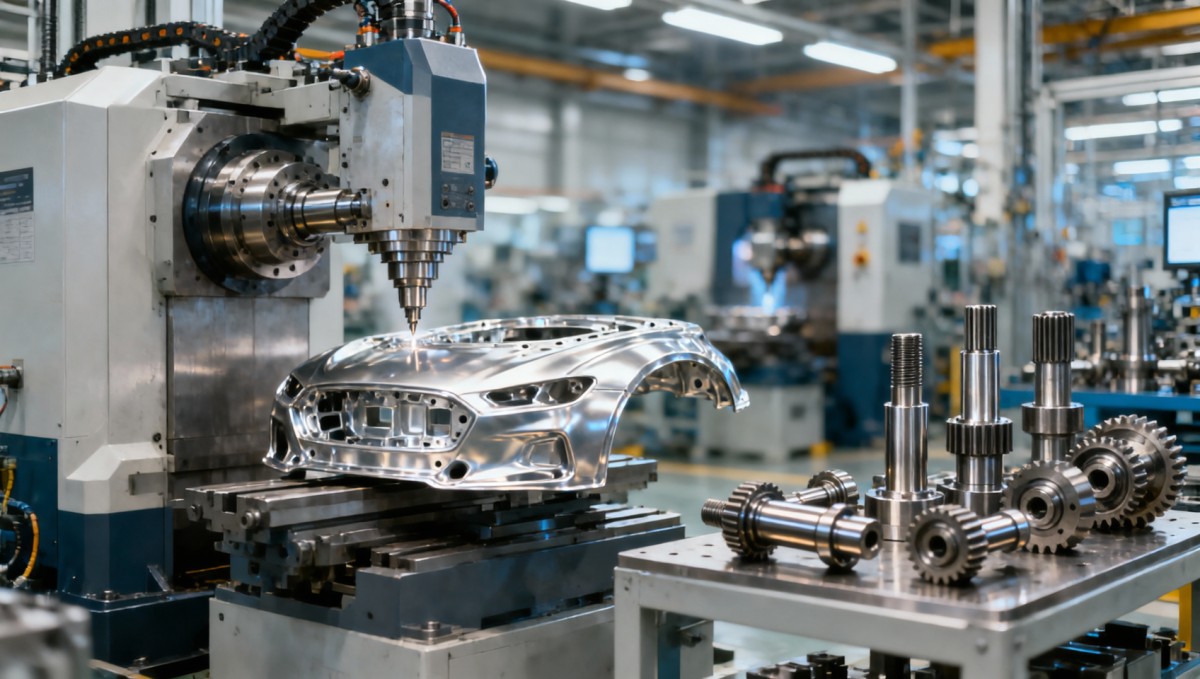
Automotive production combines high volume with tight consistency. Typical components include shafts, housings, brake parts, transmission elements, steering components, and EV structural parts. Many of these require tolerance bands in the ±0.005 mm to ±0.02 mm range, while cycle times may need to stay between 45 and 180 seconds depending on the process route.
That creates a different demand profile than general job-shop machining. Automotive plants often prioritize repeatability over occasional peak performance. A machine tool must run across 2 or 3 shifts, maintain thermal stability, support fast tool changes, and recover quickly from interruptions. Even a 3% drop in availability can significantly affect output over a month.
Another key factor is part diversity. Traditional internal combustion vehicles require extensive turning, boring, and drilling for shafts and engine-related parts. EV production shifts more demand toward aluminum housings, battery tray components, motor parts, and lightweight structures. That means machine tool flexibility has become more important over the last 5 years.
Core production expectations
Most automotive suppliers evaluate machine tools through five practical filters: dimensional accuracy, output per hour, unattended running ability, maintenance frequency, and integration with fixtures, robots, and measurement systems. If one of these is weak, the total line performance usually suffers.
- Accuracy and repeatability suitable for stable mass production, not only first-piece success.
- Cycle time aligned with line balancing, often within a target band of 60 to 120 seconds.
- Tool magazine and fixturing design that support quick changeover in 10 to 30 minutes.
- Compatibility with automation such as gantry loading, robot arms, pallet changers, or vision checks.
- Predictable maintenance intervals, usually daily, weekly, and quarterly service checkpoints.
The table below shows how automotive requirements differ by common part type. This helps buyers avoid choosing a machine based only on general specifications instead of actual production needs.
The key takeaway is that the best machine tool is usually the one that fits a defined part family and output plan. In automotive manufacturing, consistent throughput and process stability often deliver more value than buying the most advanced platform for every application.
Comparing CNC Lathes, Machining Centers, and Multi-Axis Systems
When people ask which machine tool suits the automotive industry best, the answer usually comes down to three categories: CNC lathes, machining centers, and multi-axis machine tools. Each has a different role in precision CNC manufacturing, and each supports different production economics.
CNC lathes and turning centers are highly effective for rotational components such as shafts, hubs, bushings, and some gear blanks. They offer strong productivity for repetitive geometries, especially when paired with bar feeders, part catchers, or robotic loading. For annual volumes above 50,000 pieces, this can be one of the most cost-efficient setups.
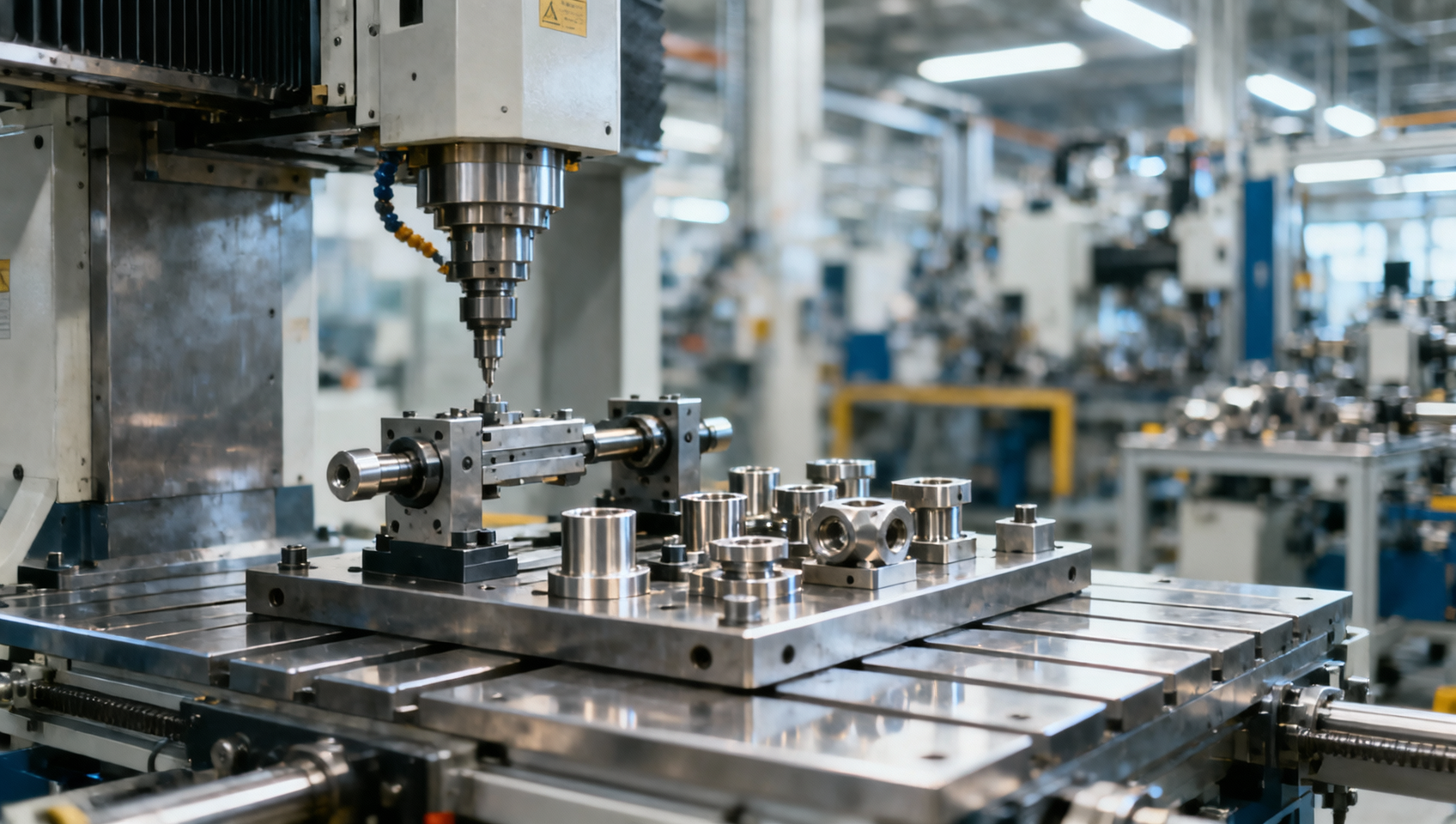
Machining centers, especially vertical and horizontal models, are better suited for prismatic parts with multiple faces and hole patterns. In automotive plants, they are common for housings, brackets, suspension parts, and EV enclosures. A horizontal machining center often improves chip evacuation and unattended running in 2-shift or 24-hour production.
Where multi-axis systems add value
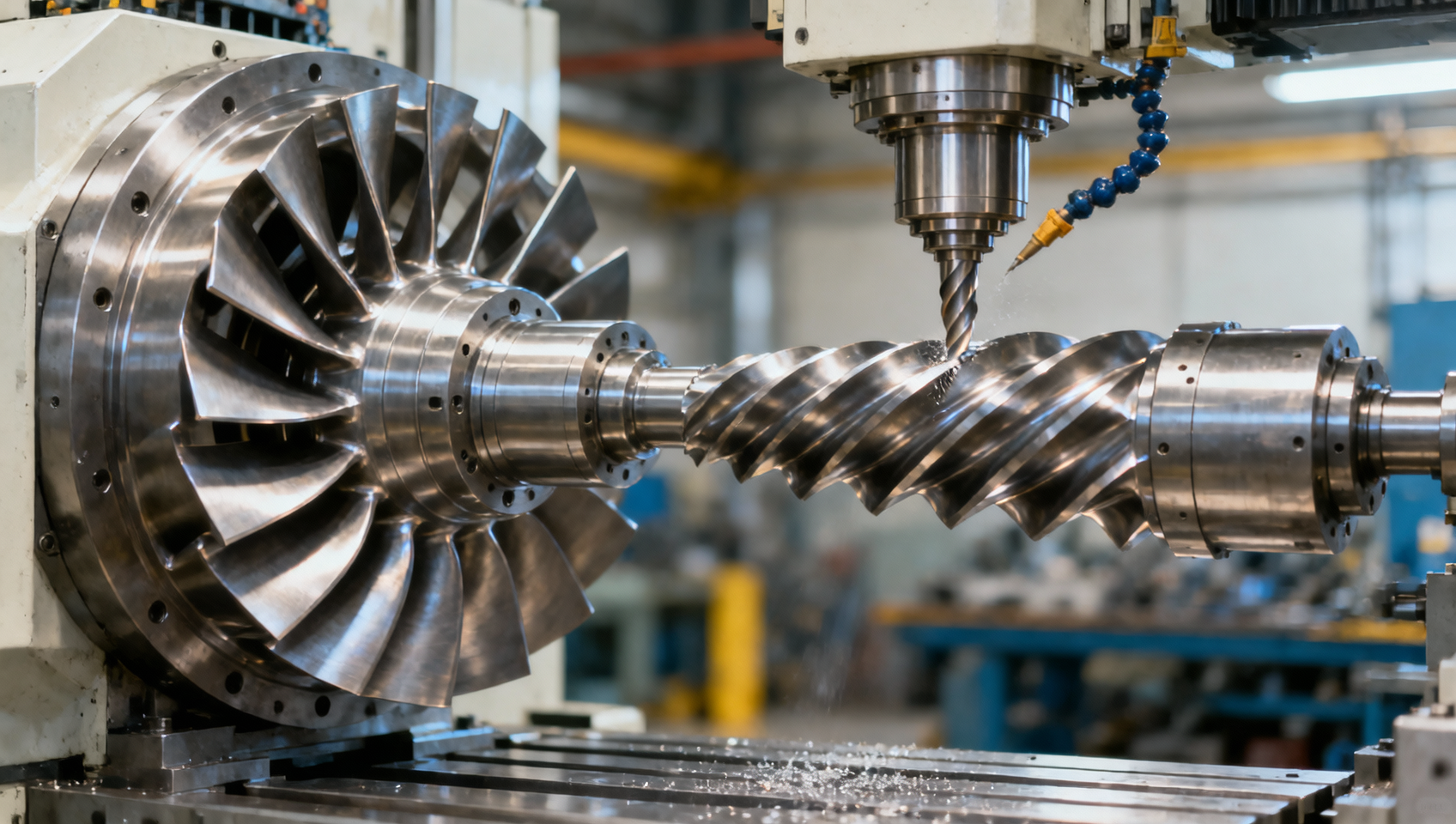
Multi-axis machine tools, including 4-axis and 5-axis platforms, are ideal when a part needs fewer setups, better positional accuracy, or more complex surfaces. They may reduce clamping steps from 3 or 4 down to 1 or 2, which can lower cumulative error and shorten total lead time for precision parts.
However, more axes do not automatically mean a better investment. If a supplier is producing simple axle sleeves at high volume, a robust turning center may outperform a 5-axis machine on both cost per part and maintenance simplicity. Selection should be based on process route, not perceived machine sophistication.
Practical selection comparison
The following comparison helps procurement teams and production engineers align machine type with application, staffing, and automation readiness.
For many automotive suppliers, the strongest strategy is not choosing one machine category only. It is building a balanced process mix: lathes for rotational parts, machining centers for housing work, and multi-axis systems for complex parts or model transitions. That combination supports both current contracts and future product changes.
How to Evaluate Machine Tool Performance Beyond the Sales Specification
A specification sheet may list spindle speed, travel, rapid feed, and controller type, but automotive users need deeper evaluation. Real production performance depends on rigidity, thermal behavior, fixture repeatability, tool life management, and integration with quality control. These factors influence whether a machine can hold output over 8, 16, or 24 hours.
For example, a machine with high spindle speed but weak chip management can lose efficiency in cast iron or aluminum production. Likewise, a platform with good static accuracy may still struggle if warm-up time is long or if thermal drift affects bore size after 90 minutes of continuous cutting.
Key evaluation checkpoints for buyers and users
A practical evaluation should include measurable checks before final purchase. Many manufacturers use sample cutting, process simulation, and line integration review as part of the decision process. This is especially important when a machine is expected to run more than 4,000 hours per year.
- Confirm accuracy under load, not only unloaded positioning data.
- Review cycle time using the actual workpiece, fixture, and tool path.
- Check tool change time, pallet change time, and loading compatibility.
- Assess maintenance access, lubrication points, and coolant system design.
- Verify controller communication with MES, probes, scanners, or robots.
The table below outlines common decision factors that matter in automotive procurement and factory planning.
A strong buying decision combines technical fit with serviceability. If spare parts lead time is 8 to 12 weeks, that risk should be considered upfront. For automotive programs with strict delivery schedules, service response and local support can be as important as machine performance itself.
This is where an experienced CNC machine tool manufacturer can create value beyond equipment supply. Process support, application engineering, test cutting, and training often reduce ramp-up problems during the first 30 to 90 days after installation.
Automation, Digital Integration, and Scalable Production Planning
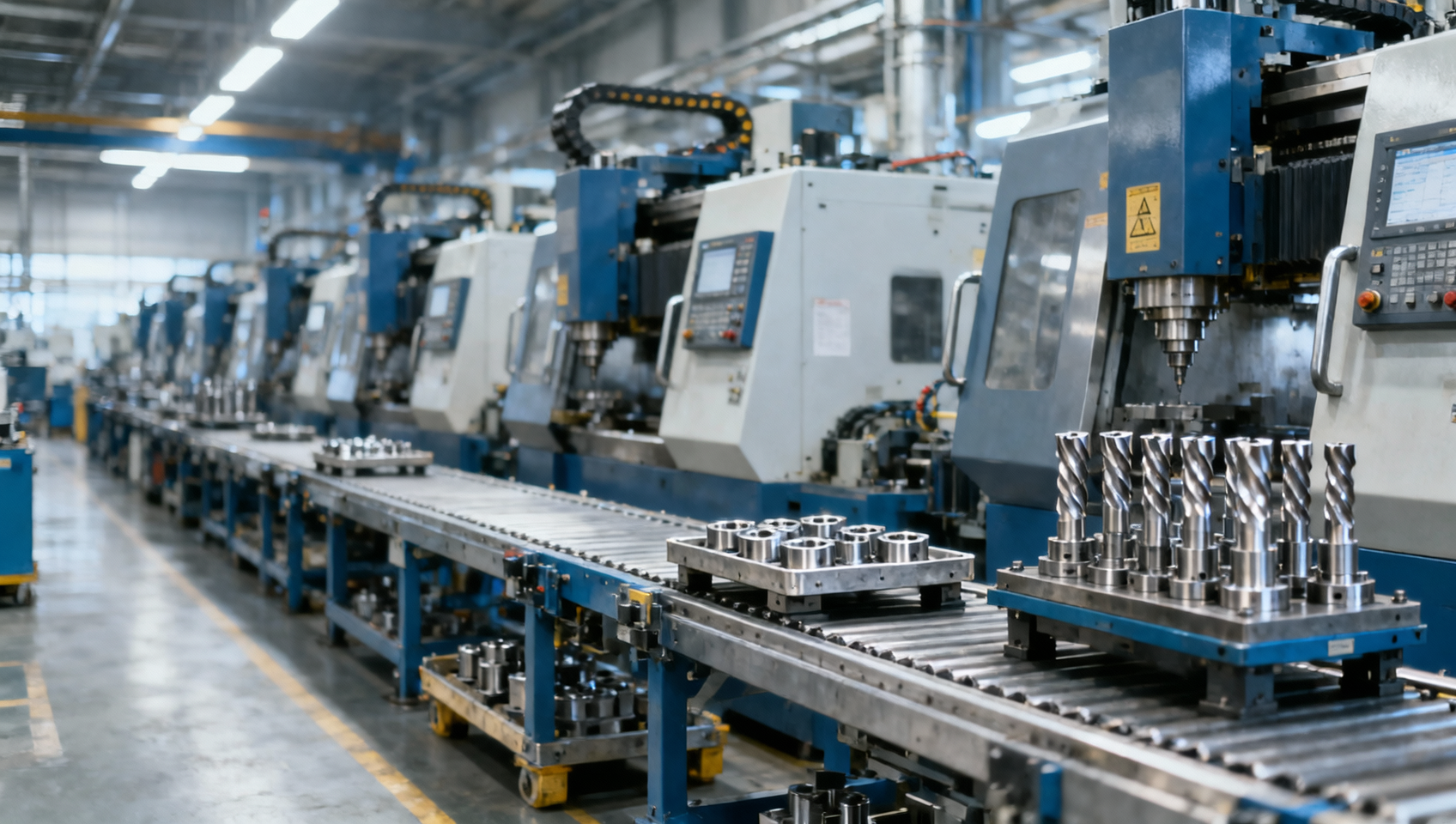
In today’s automotive sector, machine tools are rarely evaluated as standalone assets. They are part of a wider automated CNC manufacturing environment that may include robots, conveyors, pallet systems, in-process gauging, tool monitoring, and production software. The more stable the integration, the better the line-level performance.
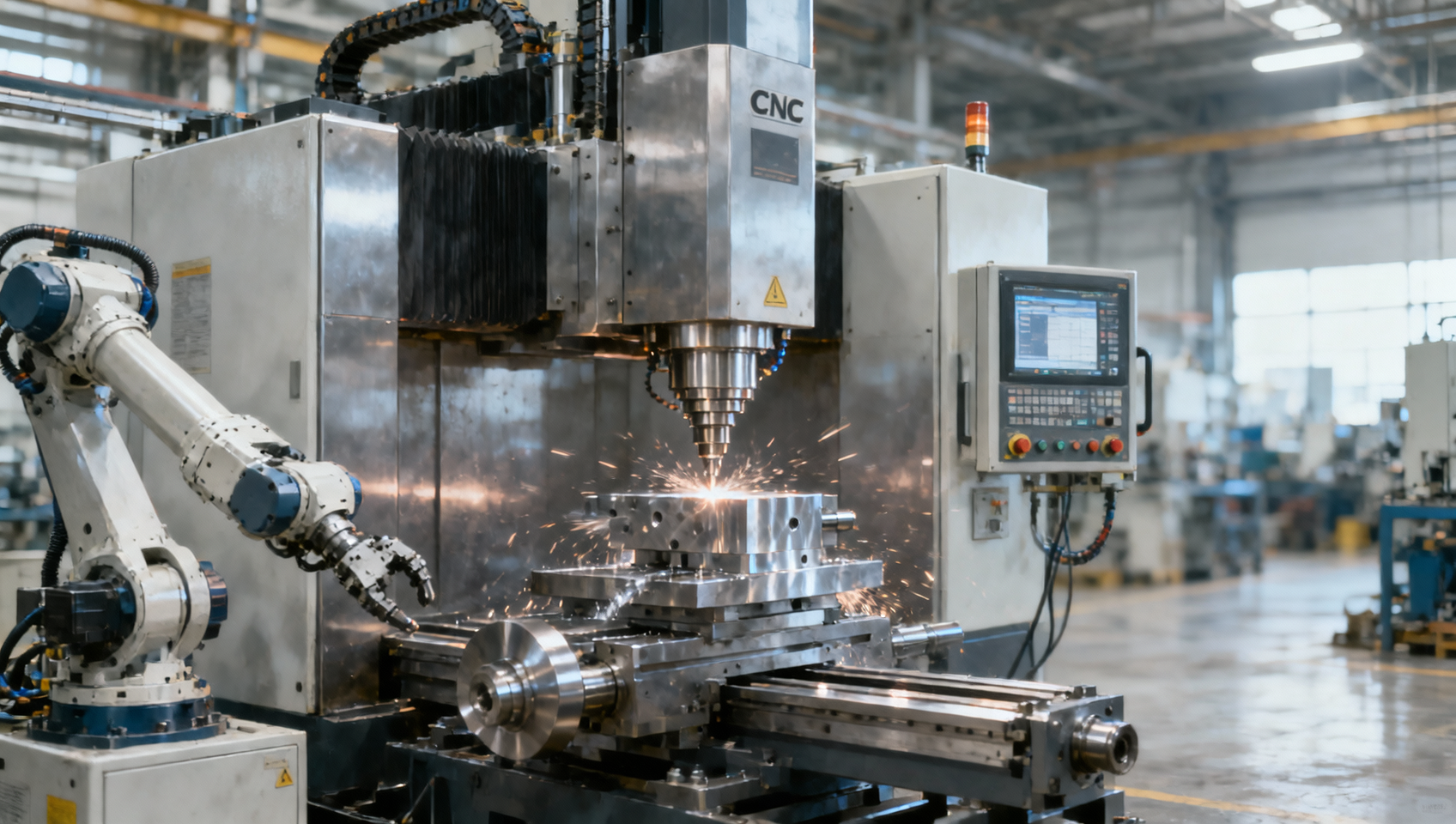
For medium to high-volume parts, automation can reduce manual loading variability and support longer unattended operation. A plant that moves from manual loading to robot-assisted loading may improve consistency and free operators for inspection, setup, or tool management. In some cases, one operator can oversee 2 to 4 machines instead of 1.
Automation options that fit automotive programs
The right automation level depends on batch size, part geometry, and investment goals. Not every supplier needs a fully lights-out cell, but most benefit from some degree of standardization and digital visibility.
- Bar feeders and gantry loaders for shaft and sleeve production with short cycles.
- Pallet changers for machining centers handling multiple fixtures or family parts.
- Robot loading for mixed components, especially where orientation and traceability matter.
- In-machine probing to reduce setup variation and support closed-loop correction.
- Tool life monitoring and alarm systems to reduce scrap during long runs.
Digital integration also matters. Automotive suppliers increasingly need data from the machine to flow into production dashboards, SPC systems, and maintenance planning tools. Even basic monitoring of spindle load, cycle count, alarm history, and tool consumption can improve planning over a 1 to 3-month period.
When scalable planning becomes critical
Scalability is especially important when a supplier expects platform growth, model updates, or regional expansion. Buying a machine with no automation interface may save cost now but create a bottleneck later. A more practical approach is to choose equipment that can start manually and add automation in phase 2 or phase 3.
For automotive decision-makers, the best machine tool is often the one that supports both current production and future integration. That includes controller openness, fixturing flexibility, common tooling, and enough physical access for robot or pallet solutions without major retrofit costs.
Common Selection Mistakes, Implementation Risks, and a Smarter Buying Process
Many machine tool selection mistakes happen because the purchase team focuses too heavily on one variable. Some buyers choose the lowest initial price. Others over-specify the machine for simple parts. In automotive manufacturing, both decisions can increase cost per part over time through low utilization, extra maintenance, or slow changeovers.
Another common risk is ignoring the full process chain. A high precision machine tool may still underperform if the fixture is unstable, the cutting tool strategy is immature, or coolant filtration is insufficient for fine tolerance work. Machine tool performance should be reviewed together with tooling, workholding, gauging, and operator capability.
Frequent mistakes in automotive machine tool procurement
- Buying based on catalog performance instead of testing the actual automotive part.
- Choosing a 5-axis system where a 3-axis or turning solution would deliver lower cost per unit.
- Underestimating installation needs such as power, coolant, chip handling, and floor layout.
- Skipping training and expecting operators to reach target output in the first 1 to 2 weeks.
- Overlooking service response time and spare part availability in the local market.
A smarter buying process usually follows 5 steps. First, define the part family and annual volume. Second, validate tolerance and surface finish requirements. Third, compare machine concepts with fixture and automation options. Fourth, run sample process validation. Fifth, confirm after-sales support, training scope, and ramp-up responsibility.
FAQ for researchers, users, and decision-makers
Below are practical questions often raised during machine tool selection for the automotive industry.
How do I choose between a CNC lathe and a machining center?
Use a CNC lathe for mainly rotational parts and short repetitive cycles. Choose a machining center for prismatic parts that need milling, drilling, tapping, and multi-face access. If one part needs both turning and complex milling, review whether a combined or staged process is more economical.
Is a 5-axis machine always better for automotive manufacturing?
No. A 5-axis machine is best when geometry complexity, setup reduction, or tight positional accuracy justify the investment. For simple, high-volume parts, a dedicated turning center or horizontal machining center often delivers better output and easier maintenance.
What is a realistic implementation timeline?
For a standard machine with basic automation, installation and ramp-up may take 2 to 6 weeks after site readiness. More integrated cells with robots, conveyors, and digital connection may need 6 to 12 weeks depending on fixture development, sample validation, and operator training.
Which metrics should procurement teams compare first?
Start with four metrics: cost per part, expected uptime, repeatability, and service response. Then compare tooling compatibility, automation interface, and lead time. This creates a more realistic view than comparing purchase price alone.
The automotive industry does not need one universal machine tool. It needs the right machine for the right part, output level, and automation plan. CNC lathes remain strong for rotational components, machining centers are essential for housings and structural parts, and multi-axis systems add value where geometry and setup reduction matter most.
The most effective investments come from aligning machine capability with precision targets, cycle time goals, maintenance capacity, and future digital integration. For researchers, operators, buyers, and business leaders, that means evaluating the full production system rather than a machine in isolation.
If you are reviewing machine tool options for automotive manufacturing, now is the right time to compare production scenarios, validate technical requirements, and build a scalable equipment plan. Contact us to discuss your application, get a tailored solution, and learn more about precision CNC manufacturing and automated CNC manufacturing strategies for your next project.
PREVIOUS ARTICLE
NEXT ARTICLE
Recommended for You
 How to Choose a Heavy-Duty Machining Center for Mold MakingMachine Tool Industry Editorial Team
 How Quick-Change Fixture Design Cuts CNC Turning Setup TimeCNC Machining Technology Center
 Why 5 Axis Machining Is Ideal for Impeller ManufacturingCNC Machining Technology Center
 How to Start Lean Production Without Disrupting OutputManufacturing Market Research Center
 When a Modular Tooling System Improves Flexible ManufacturingMachine Tool Industry Editorial Team
 How CNC Machine Control Systems Improve Automation StabilityMachine Tool Industry Editorial Team

Aris Katos
Future of Carbide Coatings
15+ years in precision manufacturing systems. Specialized in high-speed milling and aerospace grade alloy processing.
▶
Which Machine Tool Suits the Automotive Industry BestManufacturing Market Research Center▶
Which Machine Tool Fits Energy Equipment Production BestManufacturing Market Research Center▶
Is CNC Manufacturing for Energy Equipment Worth the CostManufacturing Market Research Center▶
What Automotive CNC Manufacturing Must Deliver in 2026Manufacturing Market Research Center▶
What Machine Tools Work Best for Energy Equipment PartsManufacturing Market Research Center
Mastering 5-Axis Workholding Strategies
Join our technical panel on Nov 15th to learn about reducing vibrations in thin-wall components.

Providing you with integrated sanding solutions
Before-sales and after-sales services
Comprehensive technical support