• Global CNC market projected to reach $128B by 2028 • New EU trade regulations for precision tooling components • Aerospace deman
NYSE: CNC +1.2%LME: STEEL -0.4%

Industrial Machining Equipment Lead Times Are Changing Again
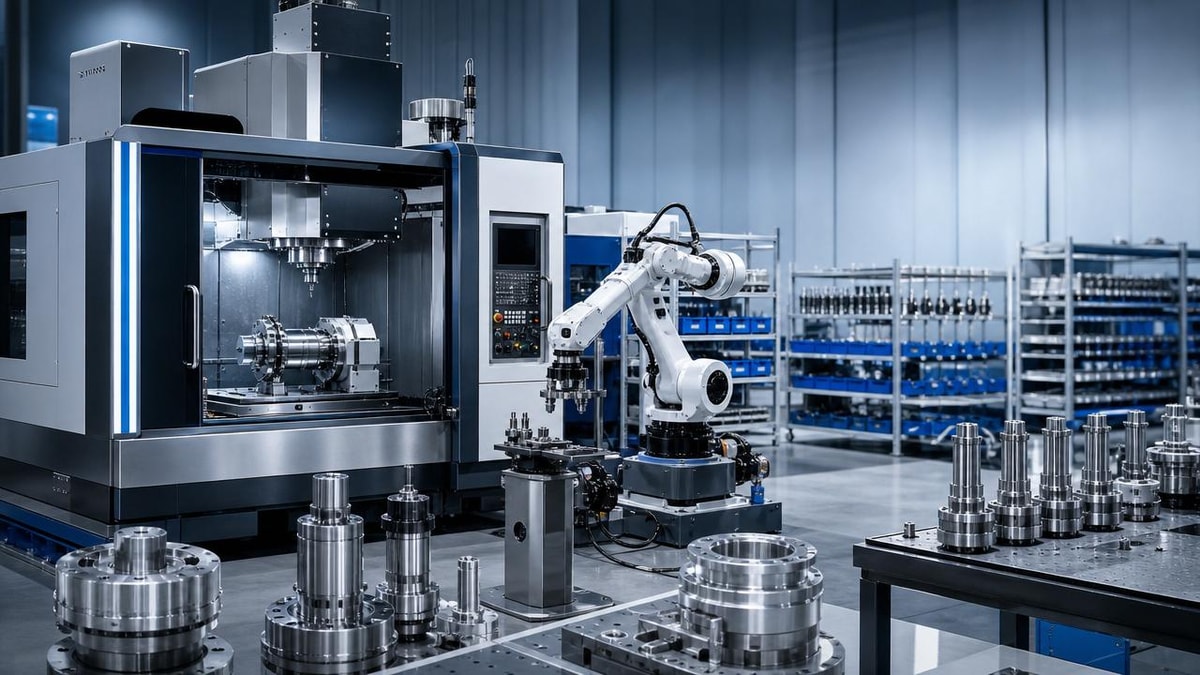
Lead times for industrial machining equipment are shifting again, creating new challenges for buyers, suppliers, and production planners. As global manufacturing demand, automation investment, and supply chain conditions continue to change, understanding what is driving these delays or improvements has become essential for informed decision-making. This article explores the key factors behind the latest lead time trends and what they mean for the broader machining industry.
Why are industrial machining equipment lead times changing again?
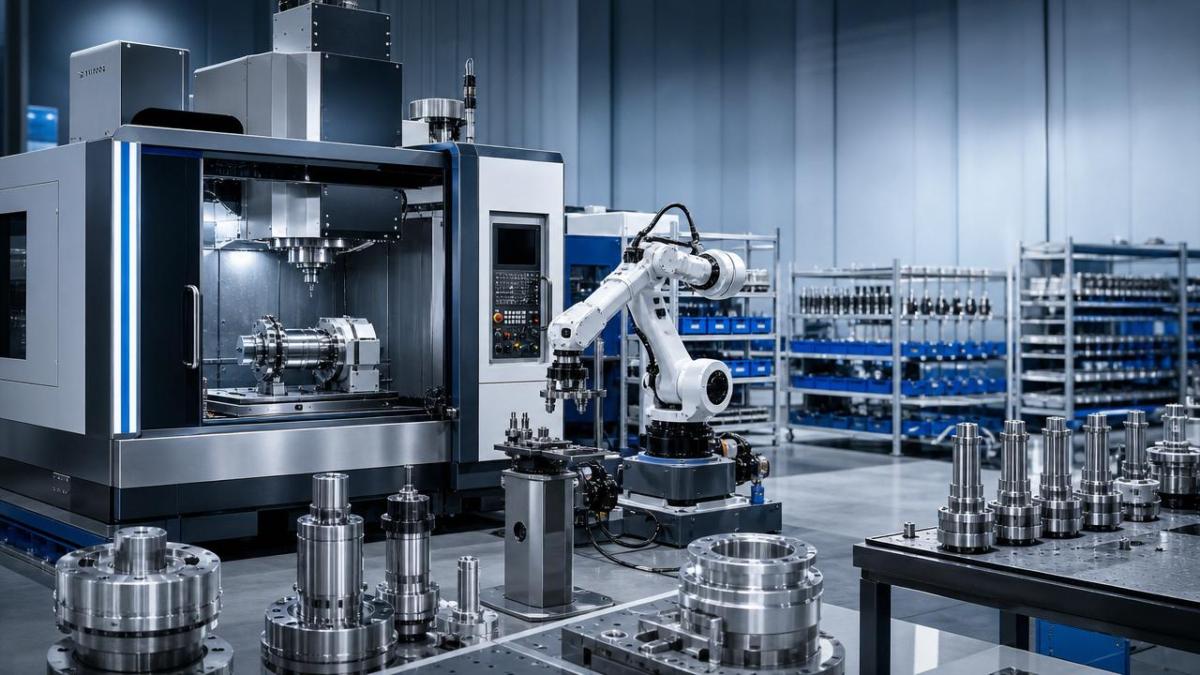
The latest shift in industrial machining equipment lead times is not caused by one single disruption. It is the result of overlapping forces across the global CNC machine tool ecosystem, including component availability, factory capacity, logistics stability, financing conditions, and changing buyer priorities. For information researchers comparing suppliers or market regions, lead time is now a strategic signal, not just a delivery estimate.
In recent years, many manufacturers expanded automation plans to improve labor efficiency, part consistency, and digital production control. This pushed demand for CNC lathes, machining centers, multi-axis platforms, tool magazines, spindle systems, linear guides, servo packages, and control units. At the same time, some equipment categories saw better material flow, while others remained exposed to bottlenecks in electrical parts, castings, precision bearings, and high-end control hardware.
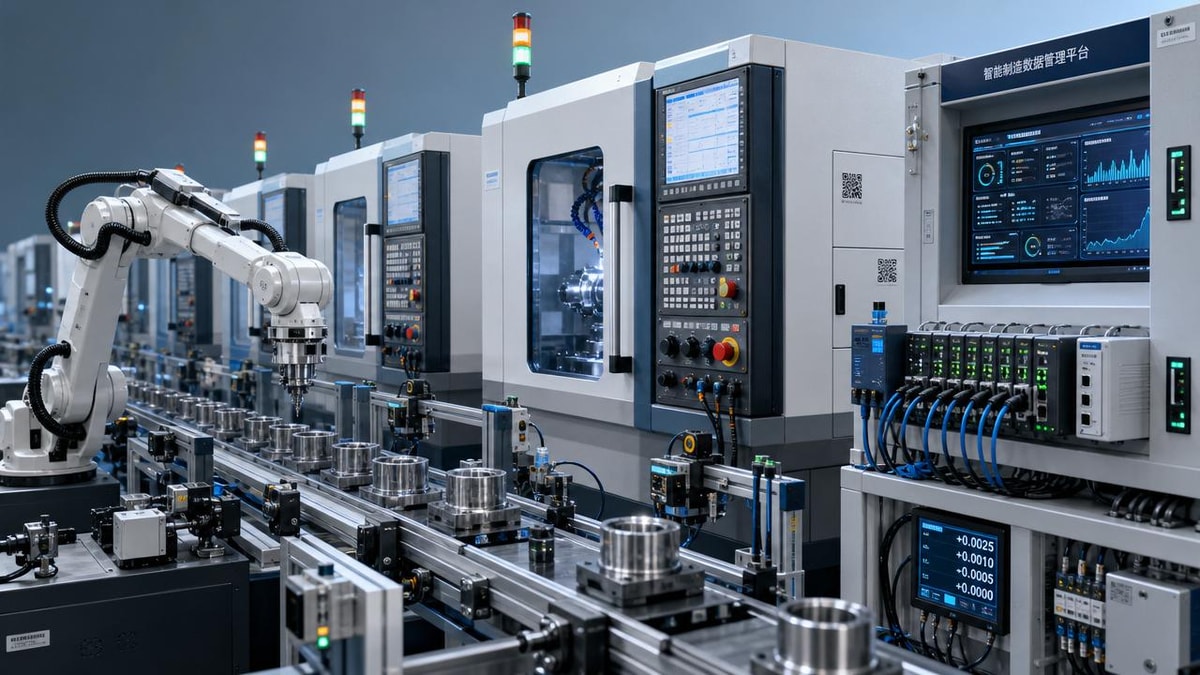
Lead times also vary more sharply by machine complexity. A standard vertical machining center may return to a relatively manageable schedule, while a custom automated cell with robots, probing, fixtures, chip handling, and digital integration can still require a much longer planning window. This matters because many buyers still compare industrial machining equipment as if every machine category follows the same supply pattern. It does not.
- High-spec machines require more specialized subcomponents, making them more vulnerable to delays in spindle assemblies, CNC controls, ball screws, and servo systems.
- Automation-heavy projects often depend on third-party integration, safety validation, and programming schedules, which can extend lead times beyond the machine build itself.
- Regional sourcing strategies differ. Suppliers in China, Germany, Japan, and South Korea may have distinct strengths in production scale, precision manufacturing depth, and export responsiveness.
The difference between quoted lead time and real project lead time
A common research mistake is to treat the supplier’s quoted machine lead time as the full project schedule. In practice, buyers should separate manufacturing lead time from engineering review, configuration confirmation, pre-shipment inspection, freight booking, customs clearance, site preparation, installation, and operator training. For industrial machining equipment, those hidden stages can significantly affect production launch timing.
What is driving shorter or longer delivery windows in the CNC supply chain?
Some lead times are improving because production capacity has normalized in selected machine categories, suppliers have diversified sourcing, and logistics networks are more predictable than during peak disruption periods. However, that improvement is uneven. Industrial machining equipment linked to higher precision, greater automation, and digital integration still faces longer planning cycles because it depends on more technical coordination and more critical components.
The market is also becoming more segmented. Buyers in automotive, aerospace, energy equipment, and electronics production do not buy to the same schedule or qualification path. Industries with strict tolerance control, process validation, or documentation requirements may slow procurement even when basic machine availability improves.
The table below summarizes the most common factors affecting industrial machining equipment lead times and how each factor influences procurement planning.
For buyers researching the market, the key lesson is simple: lead time risk is increasingly category-specific. A supplier with short lead times on standard models may still need much longer for integrated industrial machining equipment projects involving tooling, robotics, or digital interfaces.
Which types of industrial machining equipment are most affected?
Not all equipment moves at the same pace. Standardized machines with repeatable configurations tend to stabilize first. Complex systems with advanced motion control, automatic pallet handling, or high-precision machining requirements often remain under schedule pressure. This is especially true in sectors where output quality and uptime justify more sophisticated equipment.
Equipment categories with different lead time behavior
- Standard CNC lathes: Usually easier to schedule when built in common configurations and power standards.
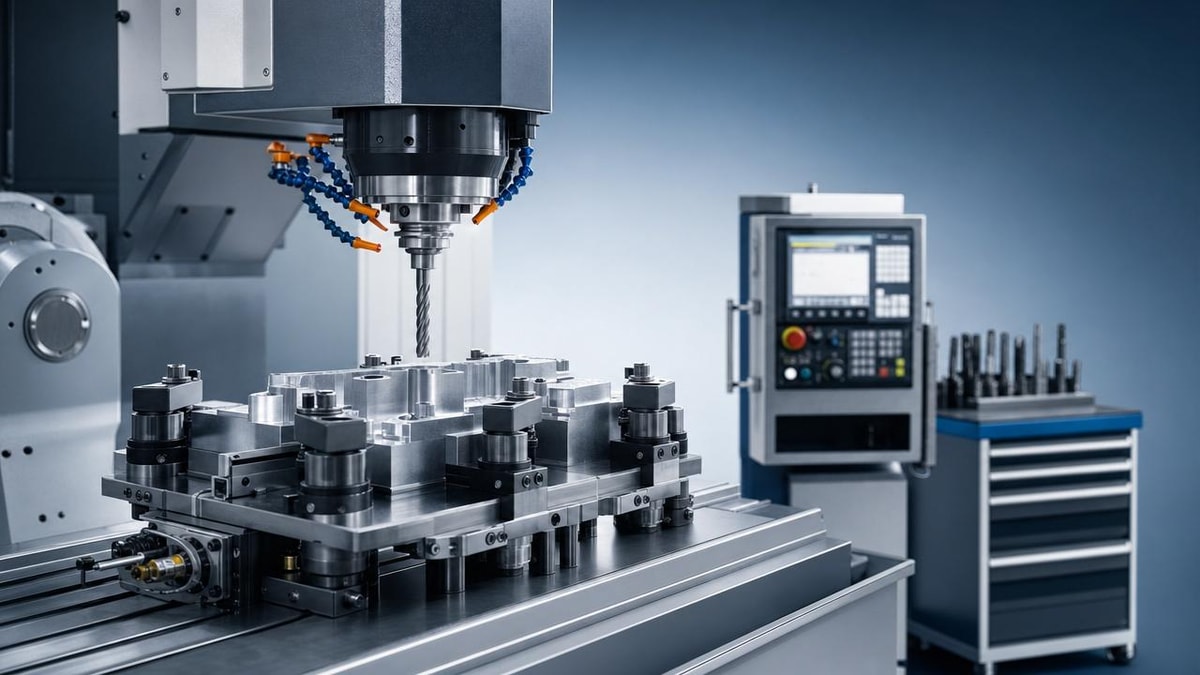
- Vertical machining centers: Often available faster than custom cells, but spindle speed, tool capacity, and table size still affect delivery.
- Horizontal machining centers and multi-axis systems: More exposed to extended lead times due to complexity, testing requirements, and precision assembly.
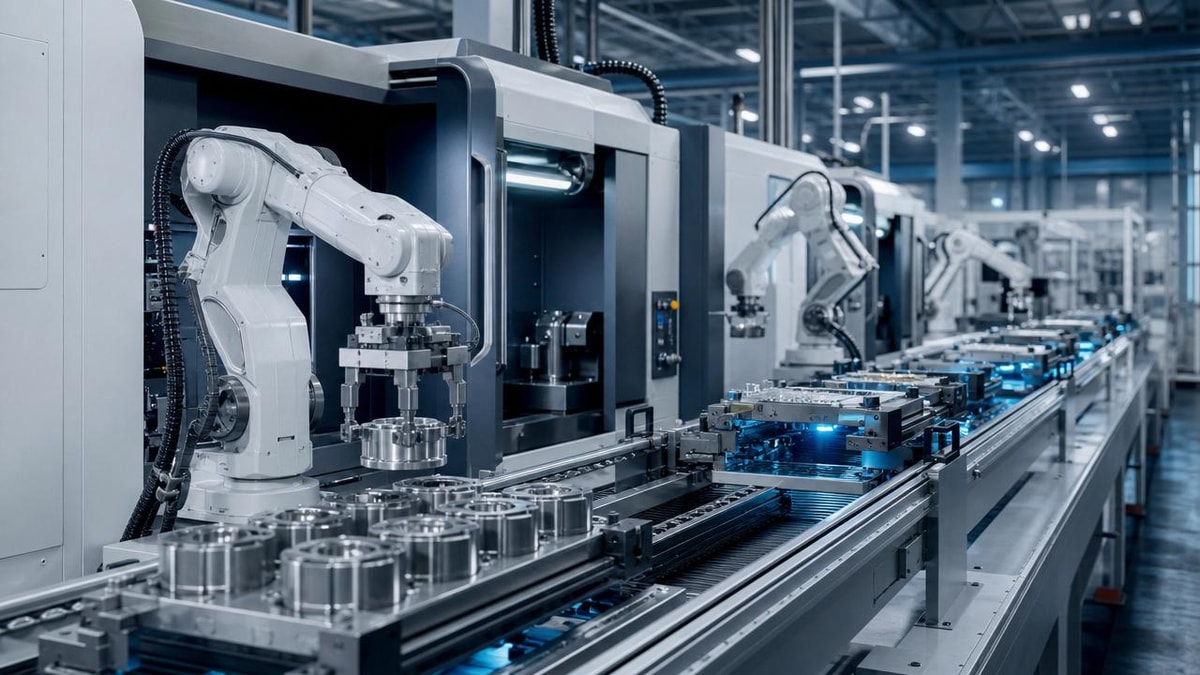
- Automated production lines: Frequently the longest timeline because machine delivery must align with conveyors, robots, fixture design, safety systems, and software integration.
Application sector also changes urgency. Automotive programs often value throughput and repeatability at scale. Aerospace projects may demand additional process verification and documentation. Energy equipment and heavy industrial users may prioritize structural rigidity and long-cycle reliability. Electronics-related machining may emphasize precision, compact design, and cycle stability for smaller components.
The following comparison table helps information researchers understand how different industrial machining equipment categories typically differ in delivery complexity.
This comparison is useful because it prevents unrealistic schedule assumptions. If a buyer needs a rapid launch, a modular machine package may be more practical than a fully integrated custom solution, even if the long-term automation target is more advanced.
How should buyers evaluate lead times during equipment selection?
For industrial machining equipment, lead time should be evaluated alongside machine capability, supplier support, commissioning risk, and lifecycle fit. A short quote is not always the safer quote. If the supplier lacks clarity on component sourcing, acceptance testing, or export readiness, the project can still slip.
A practical research checklist for procurement teams
- Confirm whether the quoted lead time refers only to factory completion or includes testing, packaging, and dispatch readiness.
- Ask which components are standard stock items and which are ordered after contract confirmation.
- Check whether automation, fixtures, tools, coolant systems, and software are included in one project timeline or handled separately.
- Review installation conditions at the destination site, including power supply, foundation, compressed air, and material handling access.
- Request milestone visibility so schedule risk can be monitored before final shipment.
Information researchers often focus on the machine specification sheet first, which is necessary, but incomplete. In many industrial machining equipment projects, delay risk is created by process details: fixture approval, sample part validation, communication speed between teams, and the gap between standard catalog configuration and actual production requirements.
What to compare beyond the headline delivery date
When comparing suppliers, it helps to score the proposal across several dimensions: schedule transparency, machine build maturity, customization intensity, shipping route reliability, training support, and after-sales response capability. A supplier that explains these points clearly may offer a more dependable project path than one that only presents an aggressive promise.
How do cost pressure and alternative sourcing strategies affect timing?
Cost pressure is changing purchasing behavior across the machine tool market. Some buyers choose standard industrial machining equipment with fewer optional functions in order to secure faster production start. Others split projects into phases, purchasing a core machine now and adding automation, advanced tooling, or digital monitoring later. This approach can reduce initial schedule risk, though it may require extra integration work in the future.
Alternative sourcing is also more common. Buyers may compare different manufacturing regions based on delivery reliability, technical depth, and total landed cost. That does not mean choosing only the lowest upfront price. Freight, service access, spare parts lead time, and language clarity in technical communication all affect the real cost of delay.
- A lower-cost machine with unclear commissioning support may create a slower launch than a mid-priced machine with better application guidance.
- A custom solution can improve throughput and labor efficiency, but it usually requires more engineering coordination and longer supplier engagement.
- Used or refurbished equipment may shorten acquisition time in some cases, but buyers must verify geometry condition, control system support, and compatibility with current process requirements.
For sectors where qualification matters, alternative sourcing must also consider documentation. Machine safety, electrical compliance, and export paperwork may influence import timing and acceptance readiness, even when the machine itself is physically available.
What common mistakes cause avoidable delays?
Many delays are not caused by factory congestion alone. They come from incomplete requirement definition or slow project decisions on the buyer side. This is especially common when industrial machining equipment is selected by a team that includes procurement, engineering, production, quality, and finance, but lacks a single owner for technical decisions.
Frequent errors in machine tool procurement
- Requesting quotations before finalizing part size range, tolerance targets, workpiece material, and expected cycle time.
- Treating tooling, fixtures, and automation as separate late-stage add-ons when they are essential to actual production output.
- Ignoring acceptance criteria, which can lead to disputes over sample machining, accuracy testing, or installed performance.
- Underestimating site readiness, including utility connections, floor load, environmental conditions, and operator training plans.
These mistakes matter because modern industrial machining equipment is rarely just a standalone machine purchase. It is part of a wider manufacturing system that may include digital data flow, tool management, traceability, part handling, and quality control. The more integrated the process, the more important early clarity becomes.
FAQ: what should information researchers know before requesting quotes?
How long does industrial machining equipment usually take to deliver?
There is no single timeline that fits every project. Standard machines may move much faster than custom multi-axis or automated systems. A useful approach is to ask for a breakdown covering machine build, factory testing, shipment preparation, transit, customs, installation, and commissioning. That full view is more reliable than a single number.
What should buyers prioritize if delivery urgency is high?
Prioritize process-critical functions first. Focus on machine travel, spindle capability, control compatibility, workholding needs, and part accuracy. Optional features that do not affect immediate launch can often be deferred. In many cases, a standard industrial machining equipment platform with future upgrade potential is the best compromise.
Are shorter lead times always better?
Not necessarily. Short lead times are valuable only when the supplier can still meet accuracy, reliability, and application requirements. If the project requires part validation, automation matching, or special documentation, an unrealistically short promise may create hidden risk later. Buyers should look for schedule credibility, not just speed.
How can buyers reduce the risk of late project changes?
Prepare a clear technical package before inquiry. Include part drawings, material type, expected tolerances, annual volume, preferred control platform, tooling assumptions, utility conditions, and any compliance needs. The clearer the early communication, the easier it is for suppliers to provide realistic industrial machining equipment lead times and configuration advice.
Why these lead time changes matter for future manufacturing planning
Lead time volatility is becoming a permanent part of industrial equipment planning, especially as smart manufacturing and automation continue to expand. Factories want more flexible production lines, more digital visibility, and more consistent machining quality. Those goals increase the value of advanced CNC and automated systems, but they also increase the importance of stronger planning discipline.
For information researchers, the best response is not simply to chase the fastest quote. It is to understand the structure behind the quote: machine complexity, component sourcing, application fit, integration scope, and project execution capability. That perspective leads to better purchasing decisions and fewer surprises during implementation.
Why choose us for industrial machining equipment research and sourcing support?
We focus on the global CNC machining and precision manufacturing sector, with close attention to machine tool trends, industrial automation development, supply chain shifts, and international trade dynamics. That industry focus helps buyers and market researchers evaluate industrial machining equipment beyond surface-level specifications.
You can contact us for practical support on key decision points, including parameter confirmation, equipment selection logic, estimated delivery cycles, customization scope, production line matching, certification-related questions, sample part discussions, and quotation communication. If you are comparing standard machines with automated solutions, or assessing suppliers across different manufacturing regions, we can help structure the evaluation process and highlight the trade-offs that matter most.
If your project involves CNC lathes, machining centers, multi-axis systems, tooling coordination, fixture planning, or integrated automation, reach out with your application details and target timeline. A clearer technical starting point leads to better supplier alignment, more realistic lead time expectations, and a stronger path from inquiry to production.
NEXT ARTICLE
Recommended for You
 Industrial Machining Equipment Lead Times Are Changing AgainManufacturing Market Research Center
 Where Industrial Robotics Adds Value Beyond Simple Labor SavingsMachine Tool Industry Editorial Team
 Shaft Parts Machining Problems That Show Up After Final InspectionCNC Machining Technology Center
 Production Process Variations That Quietly Raise Scrap RatesCNC Machining Technology Center
 Industrial Automation Projects Fail When Data Is Added Too LateCNC Machining Technology Center
 CNC Metal Cutting Quality Drops Often Start With ClampingMachine Tool Industry Editorial Team


Aris Katos
Future of Carbide Coatings
15+ years in precision manufacturing systems. Specialized in high-speed milling and aerospace grade alloy processing.
▶
Industrial Machining Equipment Lead Times Are Changing AgainManufacturing Market Research Center▶
Shanghai Yangshan Port Launches Export Green Channel for CNC EquipmentManufacturing Market Research Center▶
New Maritime Code Takes Effect May 1, 2026: CNC Equipment Shipping Rules UpdatedManufacturing Market Research Center▶
World's First 10,000-Car PCTC Delivered in GuangzhouManufacturing Market Research Center▶
2026 International Food Safety Conference Highlights Wanchai Ferry’s Traceability ModelManufacturing Market Research Center
Mastering 5-Axis Workholding Strategies
Join our technical panel on Nov 15th to learn about reducing vibrations in thin-wall components.

Providing you with integrated sanding solutions
Before-sales and after-sales services
Comprehensive technical support