• Global CNC market projected to reach $128B by 2028 • New EU trade regulations for precision tooling components • Aerospace deman
NYSE: CNC +1.2%LME: STEEL -0.4%

Aerospace Machine Tools: Meeting the Industry's Unique Requirements
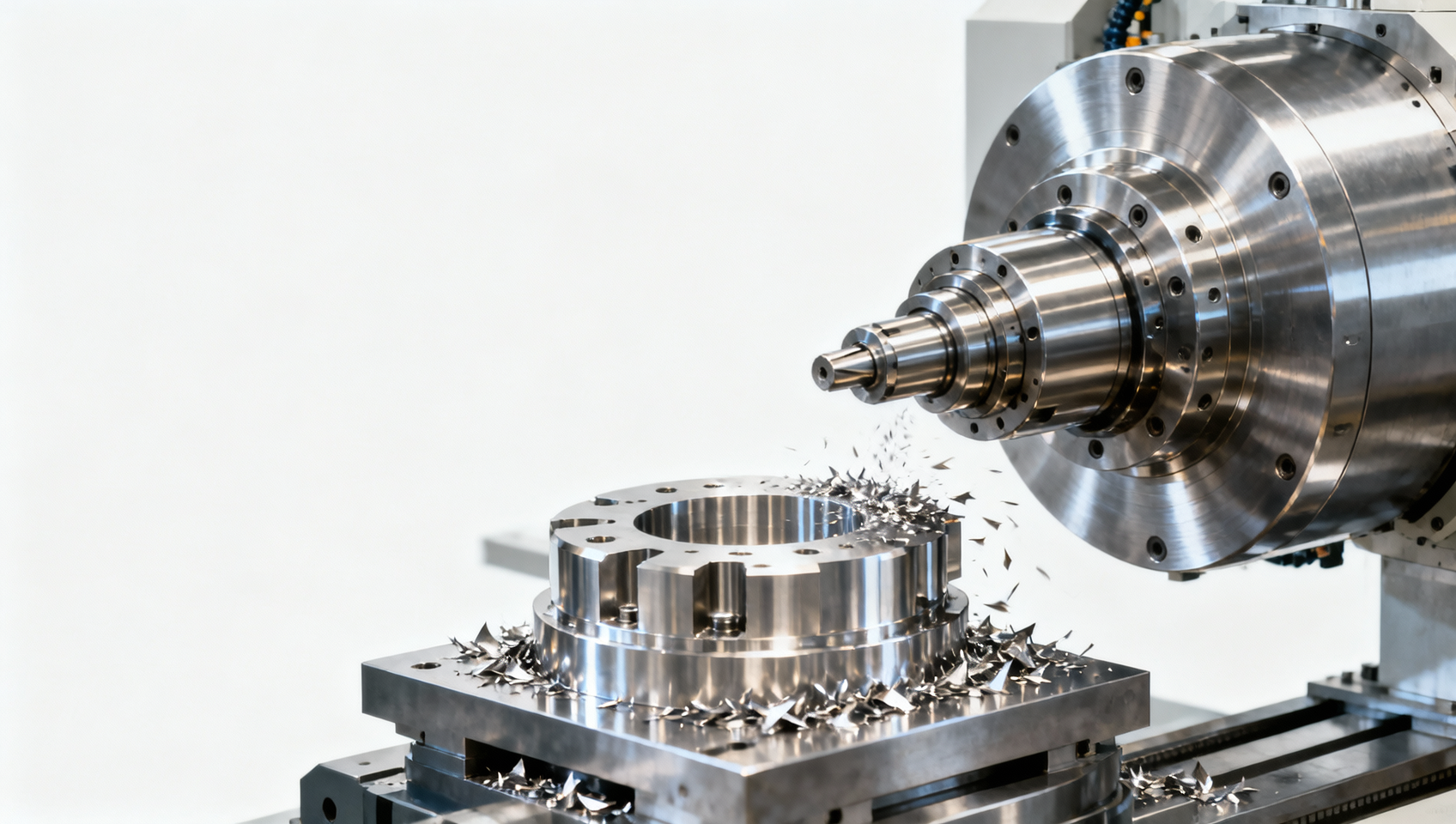
Precision Engineering for Aerospace: The Role of Advanced Machine Tools
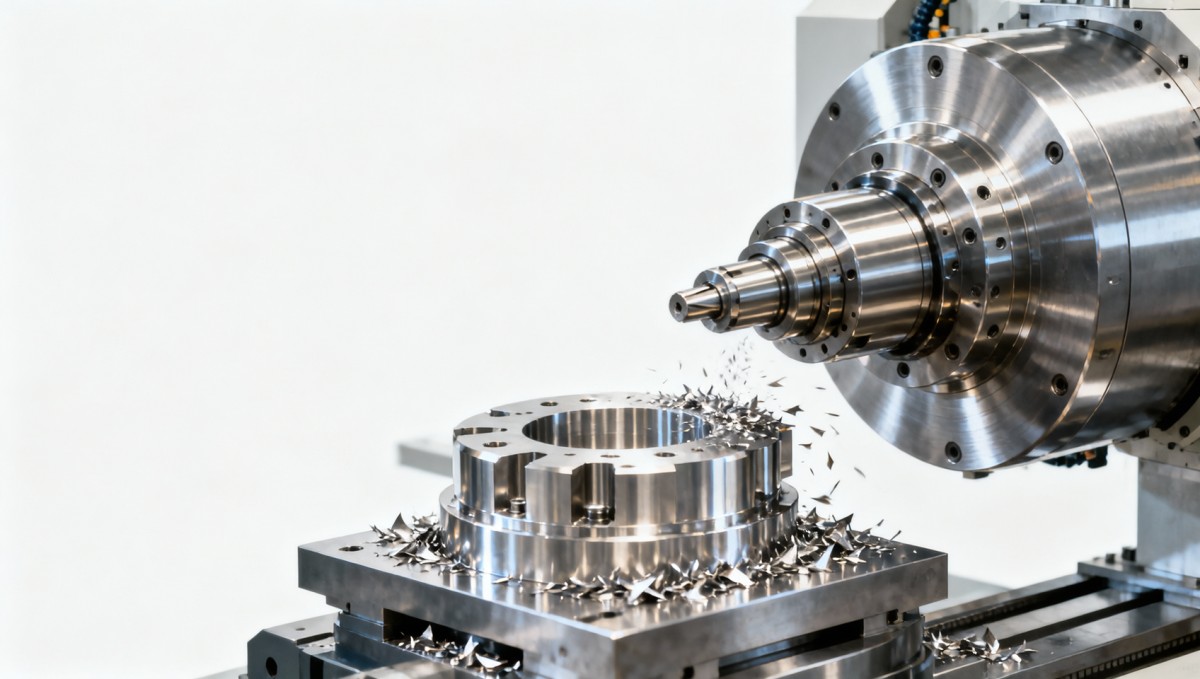
The aerospace industry operates with tolerances measured in microns, where even microscopic deviations can compromise safety and performance. This demands machine tools capable of maintaining ±0.002mm accuracy across complex geometries while processing exotic materials like titanium alloys and carbon fiber composites. Modern 5-axis CNC machining centers have become the backbone of aerospace component production, enabling simultaneous milling, drilling, and contouring of turbine blades, wing ribs, and structural brackets.
Key Challenges in Aerospace Machining
Aerospace manufacturers face unique obstacles that standard industrial machine tools cannot address:
- Material complexity: Machining Inconel 718 requires 15-20% slower feed rates compared to aluminum
- Thin-wall machining: Structural components often feature wall thicknesses below 1.5mm
- Extended tool life: Cutting tools must maintain precision through 8-12 hours of continuous operation
- Thermal stability: Machine beds must compensate for thermal growth within 0.0005"/°F
Multi-Axis Machining Systems for Complex Components
Contemporary aerospace production relies on 5-axis simultaneous machining centers that combine high dynamic accuracy with space-efficient footprints. These systems typically feature:
Leading manufacturers now integrate laser measurement systems that perform automatic tool calibration every 15-30 minutes, compensating for thermal drift during extended production runs. The latest gantry-style machines offer 40m/min rapid traverse speeds while maintaining positioning repeatability within 0.001mm across 4m of travel.
Modular Tooling Solutions
Aerospace workshops require quick-change tooling systems that reduce setup time by 60-75% compared to conventional clamping. Hydraulic expansion chucks and shrink-fit holders now dominate the sector, offering:
- Tool change times under 8 seconds
- Runout accuracy below 3μm at 20,000 RPM
- Balancing capability up to 35,000 RPM
Energy-Efficient Machining for Sustainable Aerospace Production
Modern aerospace machine tools incorporate energy recovery systems that reduce power consumption by 25-40% through:
Variable frequency spindle drives now allow power consumption to scale with actual cutting requirements, reducing idle energy waste by 18-22%. Advanced machine monitoring systems provide real-time energy usage data, enabling shops to optimize their power-per-part ratio.
Frequently Asked Questions
What spindle speed range is optimal for aerospace aluminum machining?
For 7000-series aerospace aluminum, recommended spindle speeds range between 12,000-24,000 RPM depending on tool diameter. Smaller end mills (3-6mm) perform best at 18,000-24,000 RPM with feed rates of 3-5m/min, while larger face mills require 8,000-12,000 RPM.
How often should aerospace machine tools undergo volumetric accuracy verification?
AS9100 standards recommend full volumetric accuracy checks every 400-500 operating hours using laser interferometry. Critical aerospace suppliers often perform intermediate checks every 150-200 hours using ballbar testing to maintain process control.
Future Trends in Aerospace Machine Tool Technology
The next generation of aerospace machining systems will incorporate:
- AI-powered adaptive control systems that adjust parameters in real-time
- Hybrid additive-subtractive machines for complex geometries
- Blockchain-enabled tool life tracking
- 5G-connected machine monitoring with <50ms latency
As aerospace manufacturers face increasing pressure to reduce weight while improving strength, machine tool builders are responding with solutions that combine unprecedented precision with digital integration. The industry's move toward more electric aircraft and sustainable propulsion systems will further drive innovation in machining technology.
For aerospace manufacturers seeking to upgrade their machining capabilities, the key lies in selecting systems that balance cutting-edge performance with operational flexibility. Contact our engineering team today to discuss customized solutions for your specific aerospace component requirements.
PREVIOUS ARTICLE
Recommended for You
![]() AI-Driven CNC Quality Standard Added to 2026 Auto Standards PlanManufacturing Policy Research Center
AI-Driven CNC Quality Standard Added to 2026 Auto Standards PlanManufacturing Policy Research Center![]() Fastenal China Fastener Procurement Up 12% in Q1 2026, Tariff Pressure Cuts MarginGlobal Machine Tool Trade Research Center
Fastenal China Fastener Procurement Up 12% in Q1 2026, Tariff Pressure Cuts MarginGlobal Machine Tool Trade Research Center![]() EU Battery Regulation (2023/1542) Takes Full Effect on Aug 18, 2026Manufacturing Market Research Center
EU Battery Regulation (2023/1542) Takes Full Effect on Aug 18, 2026Manufacturing Market Research Center![]() US ITC Launches Anti-Circumvention Probe on CNC Controls from Vietnam, MexicoManufacturing Policy Research Center
US ITC Launches Anti-Circumvention Probe on CNC Controls from Vietnam, MexicoManufacturing Policy Research Center![]() Global LNG Supply Surge Pressures Gas Prices, Lowers Energy Costs for Chinese CNC ManufacturersGlobal Machine Tool Trade Research Center
Global LNG Supply Surge Pressures Gas Prices, Lowers Energy Costs for Chinese CNC ManufacturersGlobal Machine Tool Trade Research Center![]() China’s CNC Smart Factories Gain Zero-Carbon Certification Mutual RecognitionManufacturing Policy Research Center
China’s CNC Smart Factories Gain Zero-Carbon Certification Mutual RecognitionManufacturing Policy Research Center


Aris Katos
Future of Carbide Coatings
15+ years in precision manufacturing systems. Specialized in high-speed milling and aerospace grade alloy processing.
▶
Precision CNC Manufacturing: Tolerances You Can Expect in 2024CNC Machining Technology Center▶
Why Energy Equipment Manufacturers Are Switching to CNC SolutionsCNC Machining Technology Center▶
The Hidden Maintenance Costs of CNC Machines Most Factories MissCNC Machining Technology Center▶
How to Identify a Reliable CNC Manufacturing Factory OverseasCNC Machining Technology Center▶
High-Speed CNC Manufacturing: When Faster Isn't Always BetterCNC Machining Technology Center
Mastering 5-Axis Workholding Strategies
Join our technical panel on Nov 15th to learn about reducing vibrations in thin-wall components.

Providing you with integrated sanding solutions
Before-sales and after-sales services
Comprehensive technical support