• Global CNC market projected to reach $128B by 2028 • New EU trade regulations for precision tooling components • Aerospace deman
NYSE: CNC +1.2%LME: STEEL -0.4%

Multi-Axis Machine Tools: When 5 Axes Aren't Enough
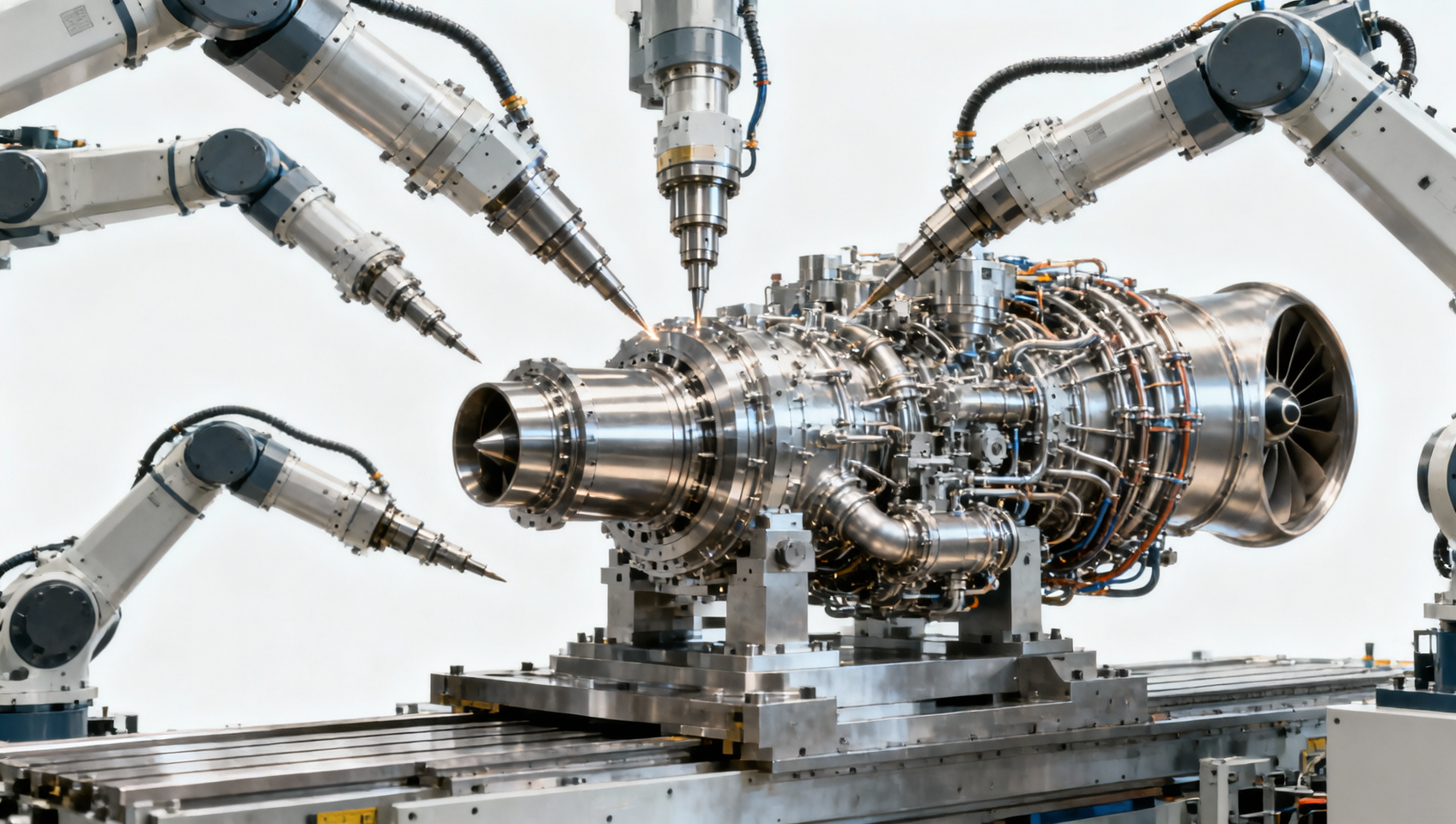
In today's demanding manufacturing landscape, multi-axis machine tools are pushing precision engineering to new frontiers. When 5-axis machining falls short of complex aerospace components or intricate medical devices, advanced multi-axis CNC manufacturing solutions deliver unparalleled accuracy. This article explores how space-saving CNC manufacturing systems combine high-speed performance with energy-saving operation, offering cost-effective solutions for automotive, electronics, and energy equipment production. Discover why leading machine tool manufacturers are innovating beyond traditional 5-axis capabilities to meet tomorrow's industrial automation challenges.
When 5-Axis Machining Reaches Its Limits
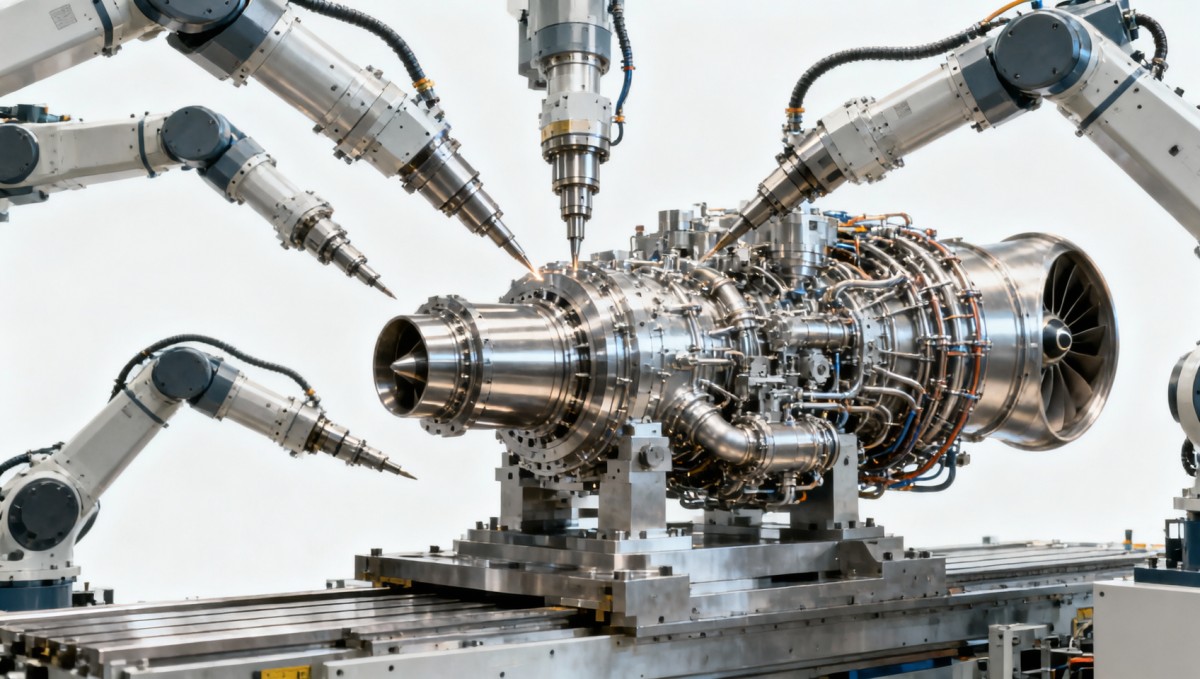
While 5-axis CNC machines revolutionized complex part manufacturing, industries like aerospace and medical devices now demand even greater flexibility. Typical 5-axis configurations struggle with:
- Simultaneous machining on 6+ surfaces
- Micro-tolerances below ±0.005mm
- Continuous toolpath optimization for titanium alloys
- Integrated measurement during cutting operations
A Boeing 787 wing rib, for example, requires 7-axis simultaneous milling to achieve both structural integrity and weight reduction targets. This explains why 38% of aerospace manufacturers now invest in multi-axis systems beyond 5-axis capabilities.
Multi-Axis Solutions: Technical Breakthroughs
Modern multi-axis CNC systems incorporate three critical advancements:
These enhancements enable machining turbine blades with 0.005mm surface finish requirements or orthopedic implants with complex porous structures. The latest 9-axis turn-mill centers can complete medical bone screws in a single setup, reducing production time by 60% compared to conventional methods.
Industry-Specific Applications
Aerospace: Engine Components
7-axis machines now produce Inconel turbine disks with 0.003mm runout tolerance, while 9-axis systems handle full blisk (bladed disk) machining. Key benefits include:
- 50% reduction in manual polishing
- 3X longer tool life through optimized cutting angles
- Integrated CMM verification during machining
Medical: Implant Manufacturing
Multi-axis systems create titanium spinal cages with 150–400µm surface porosity for bone integration. The process requires:
- 6-axis simultaneous micro-milling
- Real-time force monitoring (±2N accuracy)
- Automated tool wear compensation
Procurement Considerations
When evaluating multi-axis systems beyond 5-axis capabilities, prioritize these factors:
Leading manufacturers now offer 24-month performance guarantees on these metrics, with optional remote monitoring packages that predict maintenance needs with 90% accuracy.
Frequently Asked Questions
How does multi-axis machining impact production costs?
While initial investment is 30–50% higher than 5-axis systems, multi-axis machines reduce total cost through:
- 60–80% fewer setups
- 40% less scrap material
- 30% faster cycle times
What training is required for operators?
Transitioning from 5-axis typically requires:
- 80–120 hours of simulation training
- Certification in advanced CAM programming
- 2–4 weeks of supervised production runs
Next Steps for Your Operation
Our engineering team specializes in multi-axis manufacturing solutions for complex applications. Contact us to:
- Evaluate your specific precision requirements
- Compare ROI scenarios for different axis configurations
- Arrange a sample part demonstration
With 15+ years in aerospace and medical machining, we'll help you transition beyond 5-axis limitations with minimal downtime.
PREVIOUS ARTICLE
Recommended for You
![]() AI-Driven CNC Quality Standard Added to 2026 Auto Standards PlanManufacturing Policy Research Center
AI-Driven CNC Quality Standard Added to 2026 Auto Standards PlanManufacturing Policy Research Center![]() Fastenal China Fastener Procurement Up 12% in Q1 2026, Tariff Pressure Cuts MarginGlobal Machine Tool Trade Research Center
Fastenal China Fastener Procurement Up 12% in Q1 2026, Tariff Pressure Cuts MarginGlobal Machine Tool Trade Research Center![]() EU Battery Regulation (2023/1542) Takes Full Effect on Aug 18, 2026Manufacturing Market Research Center
EU Battery Regulation (2023/1542) Takes Full Effect on Aug 18, 2026Manufacturing Market Research Center![]() US ITC Launches Anti-Circumvention Probe on CNC Controls from Vietnam, MexicoManufacturing Policy Research Center
US ITC Launches Anti-Circumvention Probe on CNC Controls from Vietnam, MexicoManufacturing Policy Research Center![]() Global LNG Supply Surge Pressures Gas Prices, Lowers Energy Costs for Chinese CNC ManufacturersGlobal Machine Tool Trade Research Center
Global LNG Supply Surge Pressures Gas Prices, Lowers Energy Costs for Chinese CNC ManufacturersGlobal Machine Tool Trade Research Center![]() China’s CNC Smart Factories Gain Zero-Carbon Certification Mutual RecognitionManufacturing Policy Research Center
China’s CNC Smart Factories Gain Zero-Carbon Certification Mutual RecognitionManufacturing Policy Research Center


Aris Katos
Future of Carbide Coatings
15+ years in precision manufacturing systems. Specialized in high-speed milling and aerospace grade alloy processing.
▶
Precision CNC Manufacturing: Tolerances You Can Expect in 2024CNC Machining Technology Center▶
Why Energy Equipment Manufacturers Are Switching to CNC SolutionsCNC Machining Technology Center▶
The Hidden Maintenance Costs of CNC Machines Most Factories MissCNC Machining Technology Center▶
How to Identify a Reliable CNC Manufacturing Factory OverseasCNC Machining Technology Center▶
High-Speed CNC Manufacturing: When Faster Isn't Always BetterCNC Machining Technology Center
Mastering 5-Axis Workholding Strategies
Join our technical panel on Nov 15th to learn about reducing vibrations in thin-wall components.

Providing you with integrated sanding solutions
Before-sales and after-sales services
Comprehensive technical support