• Global CNC market projected to reach $128B by 2028 • New EU trade regulations for precision tooling components • Aerospace deman
NYSE: CNC +1.2%LME: STEEL -0.4%

How Machine Tool Suppliers Are Adapting to Supply Chain Challenges
How Machine Tool Suppliers Are Adapting to Supply Chain Challenges
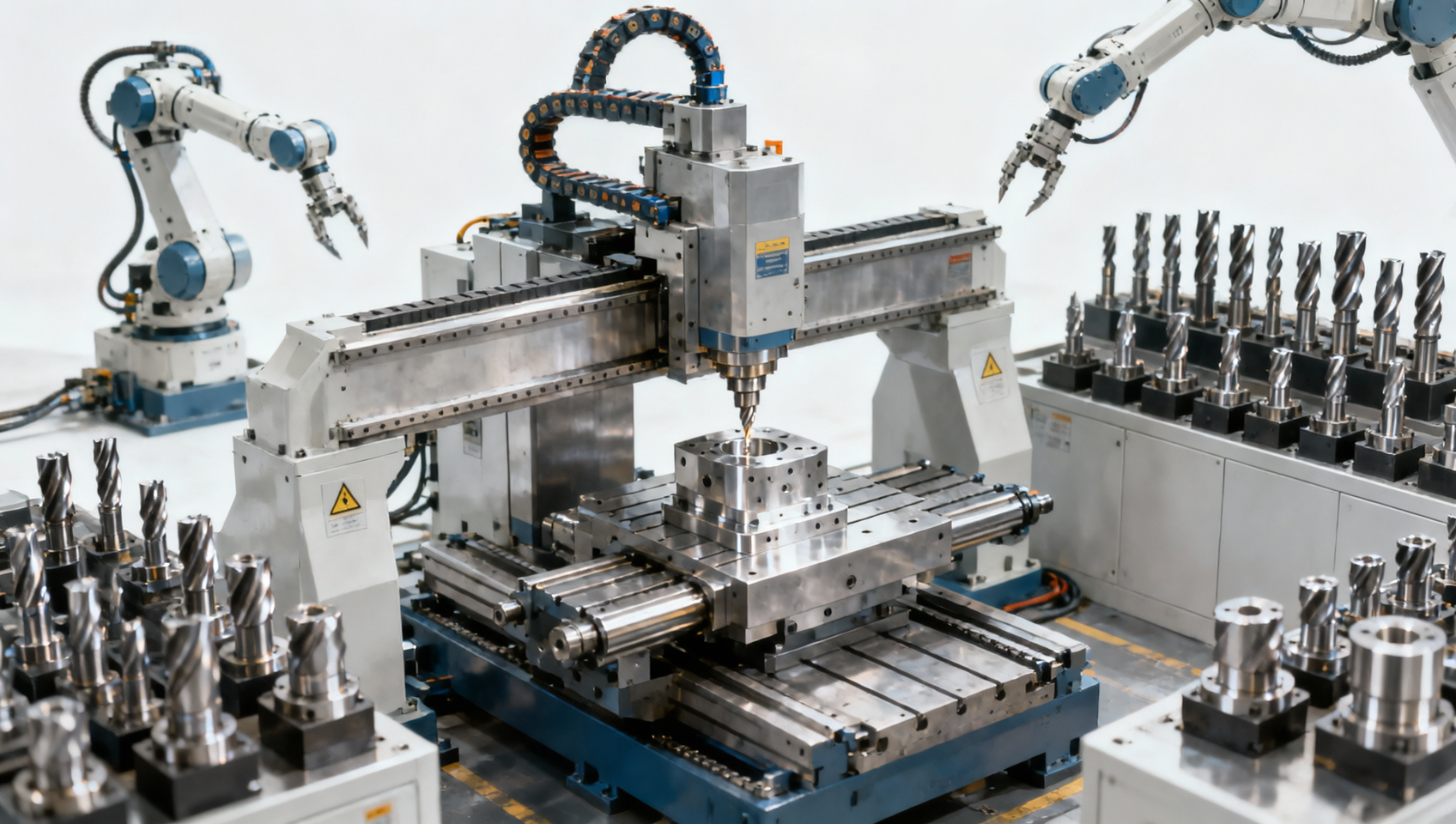
As global supply chains face unprecedented disruptions, machine tool suppliers are innovating with space-saving CNC manufacturing solutions and automated production lines to ensure reliability. From high-precision CNC manufacturing for aerospace to cost-effective machine tools for automotive industries, manufacturers are adopting multi-axis systems and energy-saving technologies. This article explores how leading CNC machine tool manufacturers and wholesalers are overcoming logistics hurdles while maintaining quality standards for medical devices, electronics, and energy equipment production.
1. Strategic Stockpiling and Localized Production
Forward-thinking suppliers are mitigating delays by maintaining strategic inventories of critical components like spindle units, linear guides, and CNC controllers. Major players have established regional production hubs near key markets—German manufacturers in Mexico for North America, Japanese firms in Thailand for Southeast Asia—reducing reliance on single-source logistics.
2. Modular Machine Designs for Faster Deployment
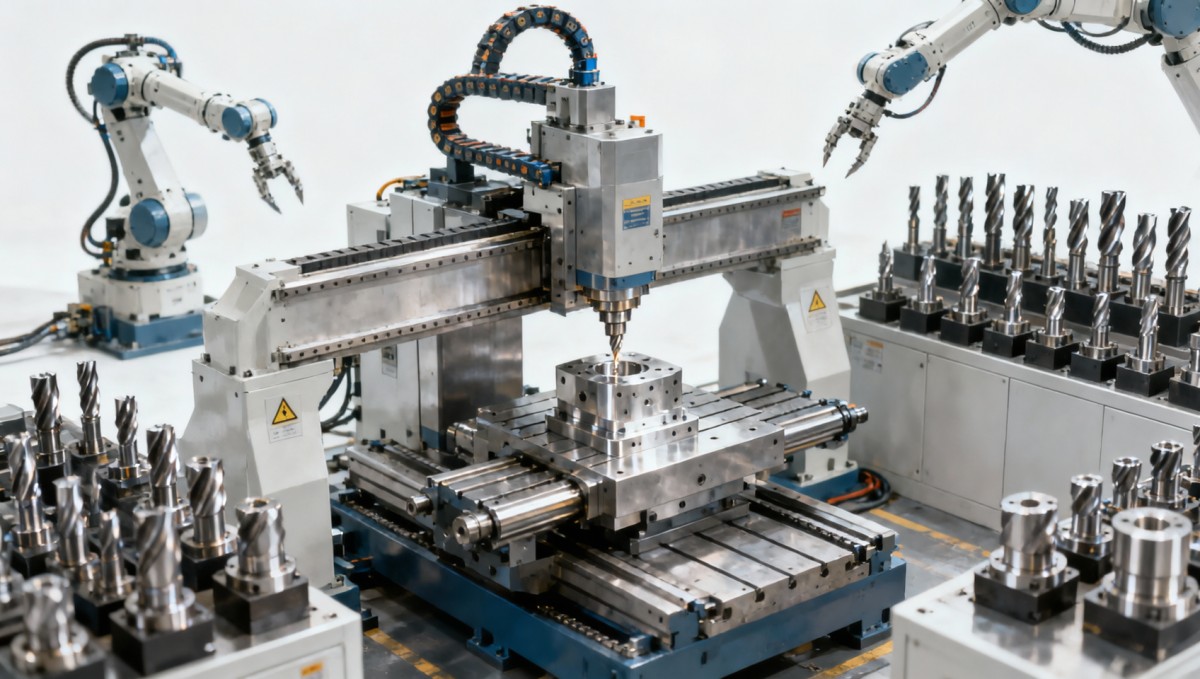
Leading brands now offer modular CNC systems with standardized interfaces, allowing:
- 60% faster assembly using pre-configured sub-assemblies
- On-site customization through swappable tool changers and workholding modules
- Hybrid manufacturing cells combining 5-axis milling with robotic loading
3. Digital Twin Technology for Remote Support
With travel restrictions impacting technician dispatches, advanced suppliers provide:
- Virtual commissioning through digital twins
- AR-guided maintenance via smart glasses
- Predictive analytics for component lifecycles
4. Alternative Material Sourcing Strategies
For high-speed cutting tools previously dependent on specific tungsten supplies, manufacturers now:
- Qualify secondary material sources through accelerated testing protocols
- Develop ceramic and CBN alternatives for hardened steel machining
- Implement blockchain-tracked material pedigrees for defense contractors
5. Logistics Optimization for Heavy Equipment
Specialized freight solutions now address:
- Containerized shipping of disassembled gantry machines
- Priority customs clearance programs for time-sensitive projects
- On-site storage partnerships with industrial real estate providers
Key Takeaways for Procurement Decision-Makers
When evaluating machine tool suppliers in volatile markets, prioritize vendors demonstrating:
- Proven regional inventory buffers for critical subsystems
- Digital integration capabilities for remote troubleshooting
- Flexible payment terms accommodating longer lead times
- Transparent supply chain mapping for Tier 2-3 components
Recommended for You
![]() AI-Driven CNC Quality Standard Added to 2026 Auto Standards PlanManufacturing Policy Research Center
AI-Driven CNC Quality Standard Added to 2026 Auto Standards PlanManufacturing Policy Research Center![]() Fastenal China Fastener Procurement Up 12% in Q1 2026, Tariff Pressure Cuts MarginGlobal Machine Tool Trade Research Center
Fastenal China Fastener Procurement Up 12% in Q1 2026, Tariff Pressure Cuts MarginGlobal Machine Tool Trade Research Center![]() EU Battery Regulation (2023/1542) Takes Full Effect on Aug 18, 2026Manufacturing Market Research Center
EU Battery Regulation (2023/1542) Takes Full Effect on Aug 18, 2026Manufacturing Market Research Center![]() US ITC Launches Anti-Circumvention Probe on CNC Controls from Vietnam, MexicoManufacturing Policy Research Center
US ITC Launches Anti-Circumvention Probe on CNC Controls from Vietnam, MexicoManufacturing Policy Research Center![]() Global LNG Supply Surge Pressures Gas Prices, Lowers Energy Costs for Chinese CNC ManufacturersGlobal Machine Tool Trade Research Center
Global LNG Supply Surge Pressures Gas Prices, Lowers Energy Costs for Chinese CNC ManufacturersGlobal Machine Tool Trade Research Center![]() China’s CNC Smart Factories Gain Zero-Carbon Certification Mutual RecognitionManufacturing Policy Research Center
China’s CNC Smart Factories Gain Zero-Carbon Certification Mutual RecognitionManufacturing Policy Research Center


Aris Katos
Future of Carbide Coatings
15+ years in precision manufacturing systems. Specialized in high-speed milling and aerospace grade alloy processing.
▶
Precision CNC Manufacturing: Tolerances You Can Expect in 2024CNC Machining Technology Center▶
Why Energy Equipment Manufacturers Are Switching to CNC SolutionsCNC Machining Technology Center▶
The Hidden Maintenance Costs of CNC Machines Most Factories MissCNC Machining Technology Center▶
How to Identify a Reliable CNC Manufacturing Factory OverseasCNC Machining Technology Center▶
High-Speed CNC Manufacturing: When Faster Isn't Always BetterCNC Machining Technology Center
Mastering 5-Axis Workholding Strategies
Join our technical panel on Nov 15th to learn about reducing vibrations in thin-wall components.

Providing you with integrated sanding solutions
Before-sales and after-sales services
Comprehensive technical support