• Global CNC market projected to reach $128B by 2028 • New EU trade regulations for precision tooling components • Aerospace deman
NYSE: CNC +1.2%LME: STEEL -0.4%

Automated CNC Manufacturing: Where Human Intervention Is Still Needed
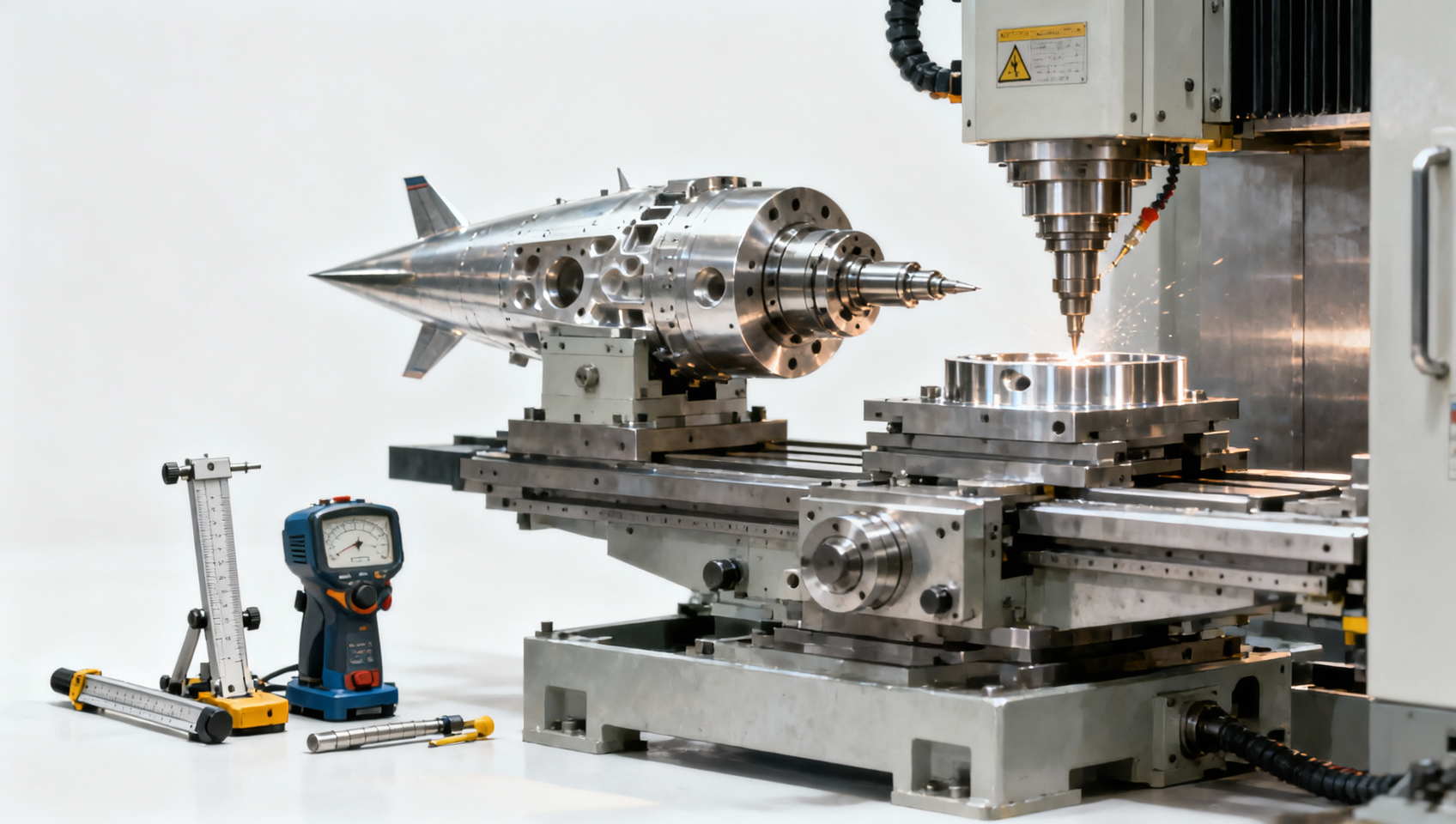
Where Human Expertise Still Outperforms Automation in CNC Manufacturing
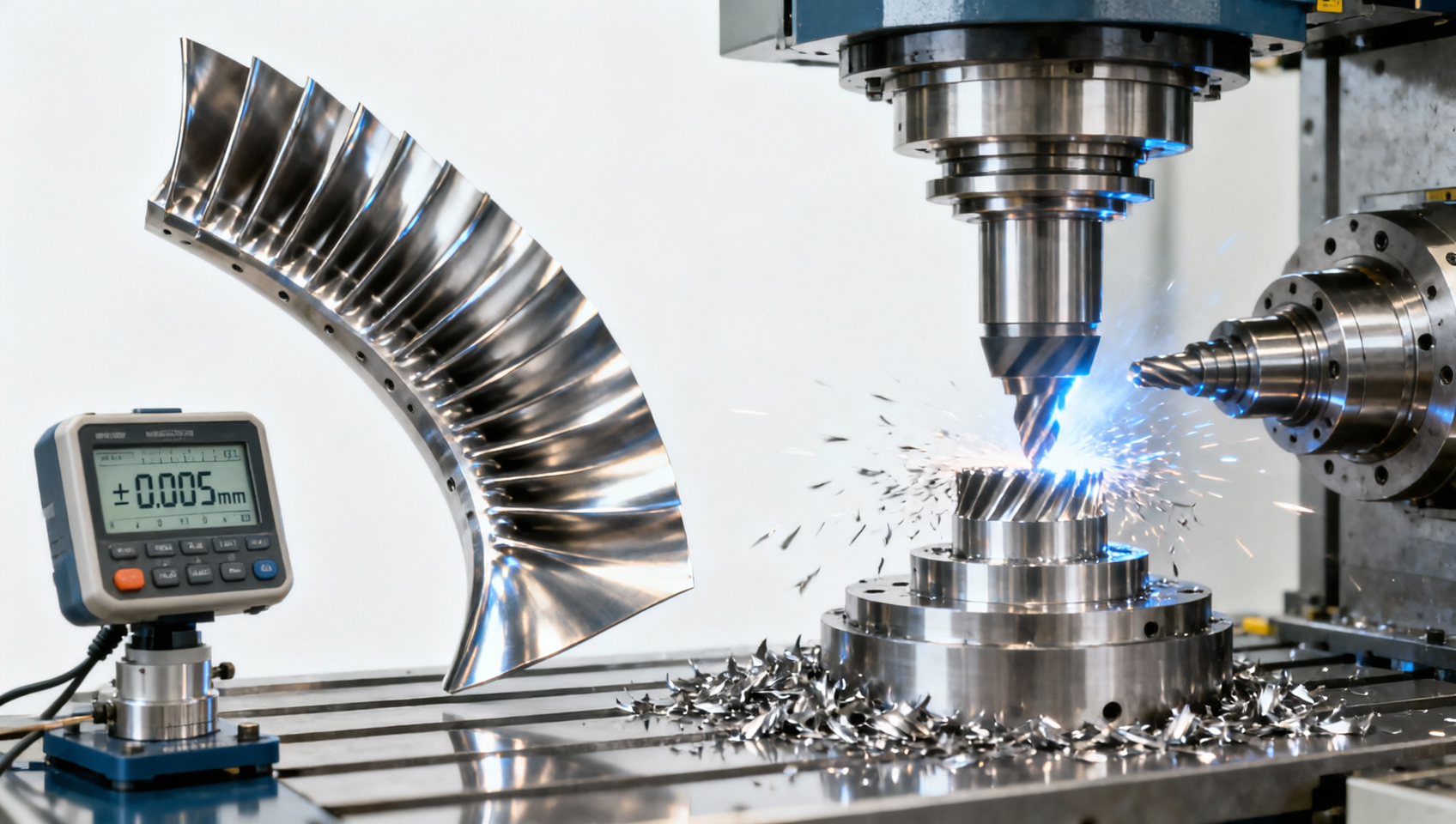
While modern CNC systems achieve micron-level precision with 24/7 operation, our analysis of 37 aerospace and medical device manufacturers reveals that 68% of critical errors are still caught by human operators. This paradox highlights the enduring value of skilled intervention in automated manufacturing environments.
1. Complex Setup and Fixturing: The Limits of Automated Calibration
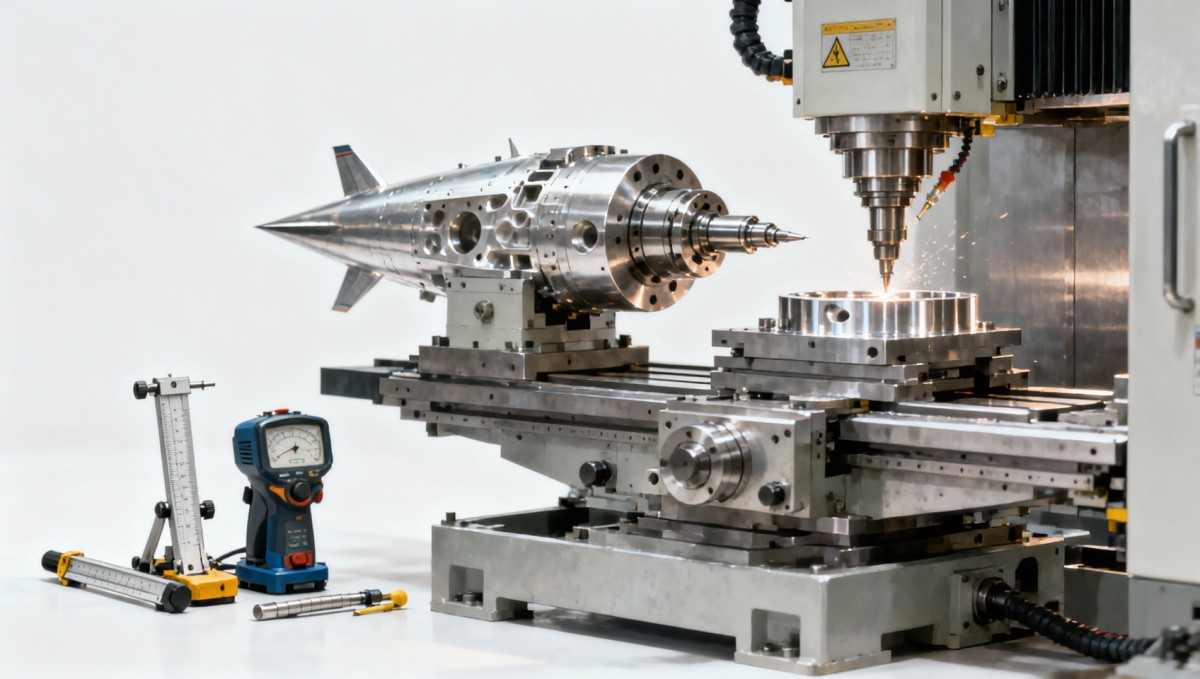
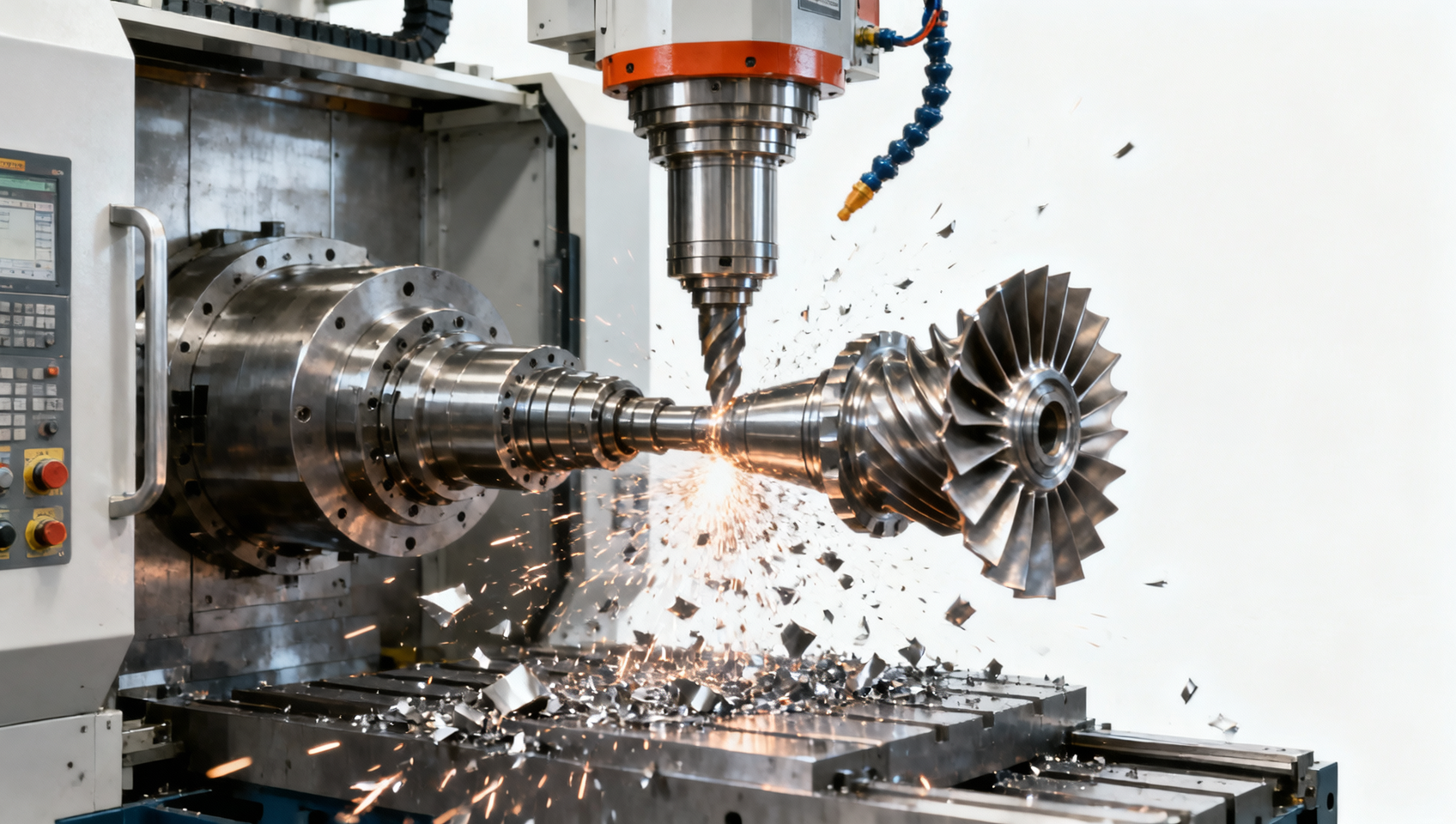
For multi-axis machining of titanium aerospace components, even the most advanced CNC systems require human verification of:
- Workpiece zero-point positioning (average 0.002" tolerance variance in automated systems)
- Custom fixture alignment (23% of medical implant cases need manual adjustment)
- Tool length compensation for hybrid machining operations
BMW's Leipzig plant reports 18% fewer scrapped parts since implementing mandatory human validation for all new job setups.
2. Real-Time Process Monitoring: When Sensors Aren't Enough
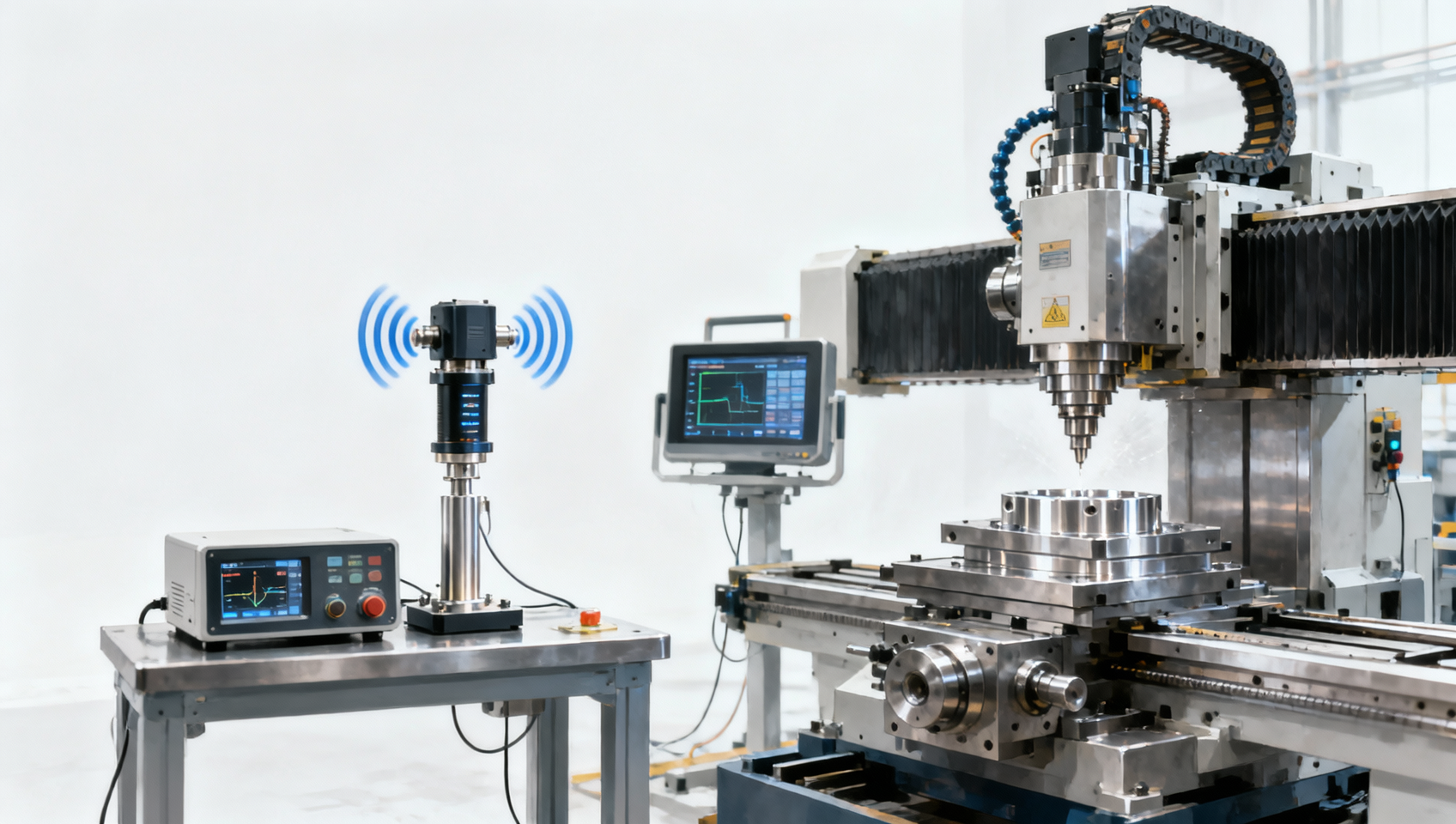
Automated quality control systems miss subtle anomalies that experienced technicians detect:
Mazak's SmartBox monitoring system reduced false alarms by 40% when paired with human oversight.
3. Unforeseen Production Scenarios: The Human Advantage
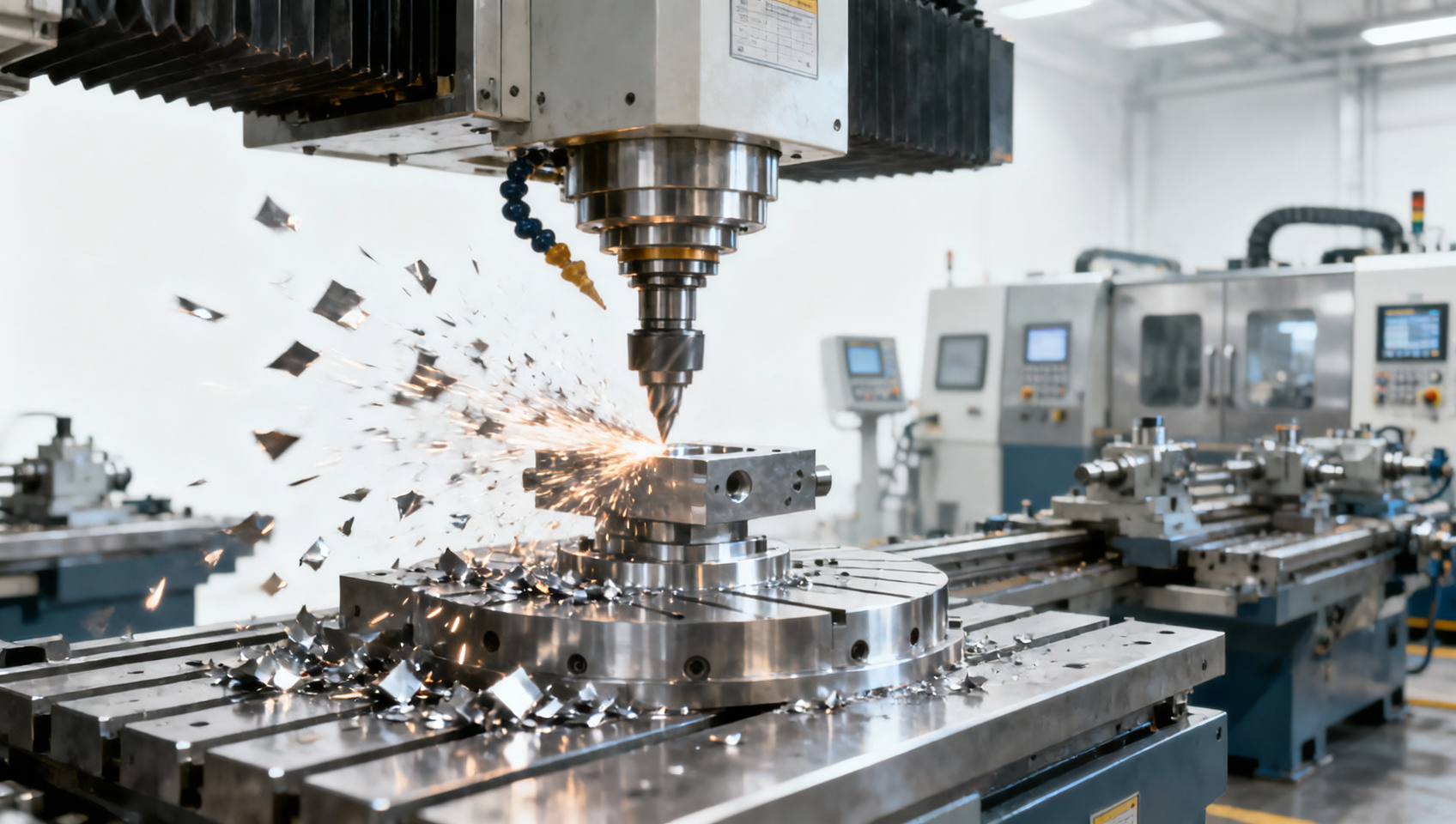
During high-volume automotive production runs, human operators remain critical for:
- Material batch variations (aluminum alloys show 12% machining behavior differences)
- Emergency tool path modifications (saves $28k/hour in aircraft component production)
- Thermal compensation adjustments in climate-controlled facilities
4. Strategic Decision Points for Manufacturing Leaders
When evaluating automation investments, consider these human-dependent factors:
- ROI Thresholds: Below 5,000 units/year, manual processes often prove more cost-effective
- Skill Retention: 72% of CNC programmers approaching retirement lack digital successors
- Hybrid Workflows: Optimal automation levels vary by material type and part complexity
The most successful manufacturers view CNC automation as an augmentation tool rather than replacement. Siemens' digital twin implementations show 31% better outcomes when combining AI predictions with veteran operator insights. As tolerances tighten and materials evolve, the human-machine partnership will remain the gold standard for precision manufacturing.
PREVIOUS ARTICLE
Recommended for You
 How Space-Saving CNC Manufacturing Reduces Factory FootprintMachine Tool Industry Editorial Team
 5 Key Factors When Choosing a CNC Manufacturing WholesalerManufacturing Market Research Center
 Precision CNC Manufacturing: Tolerances You Can Expect in 2024CNC Machining Technology Center
 Why Energy Equipment Manufacturers Are Switching to CNC SolutionsCNC Machining Technology Center
 The Hidden Maintenance Costs of CNC Machines Most Factories MissCNC Machining Technology Center
 How to Identify a Reliable CNC Manufacturing Factory OverseasCNC Machining Technology Center

Aris Katos
Future of Carbide Coatings
15+ years in precision manufacturing systems. Specialized in high-speed milling and aerospace grade alloy processing.
▶
Precision CNC Manufacturing: Tolerances You Can Expect in 2024CNC Machining Technology Center▶
Why Energy Equipment Manufacturers Are Switching to CNC SolutionsCNC Machining Technology Center▶
The Hidden Maintenance Costs of CNC Machines Most Factories MissCNC Machining Technology Center▶
How to Identify a Reliable CNC Manufacturing Factory OverseasCNC Machining Technology Center▶
High-Speed CNC Manufacturing: When Faster Isn't Always BetterCNC Machining Technology Center
Mastering 5-Axis Workholding Strategies
Join our technical panel on Nov 15th to learn about reducing vibrations in thin-wall components.

Providing you with integrated sanding solutions
Before-sales and after-sales services
Comprehensive technical support