• Global CNC market projected to reach $128B by 2028 • New EU trade regulations for precision tooling components • Aerospace deman
NYSE: CNC +1.2%LME: STEEL -0.4%

How Leading CNC Manufacturing Manufacturers Ensure Quality
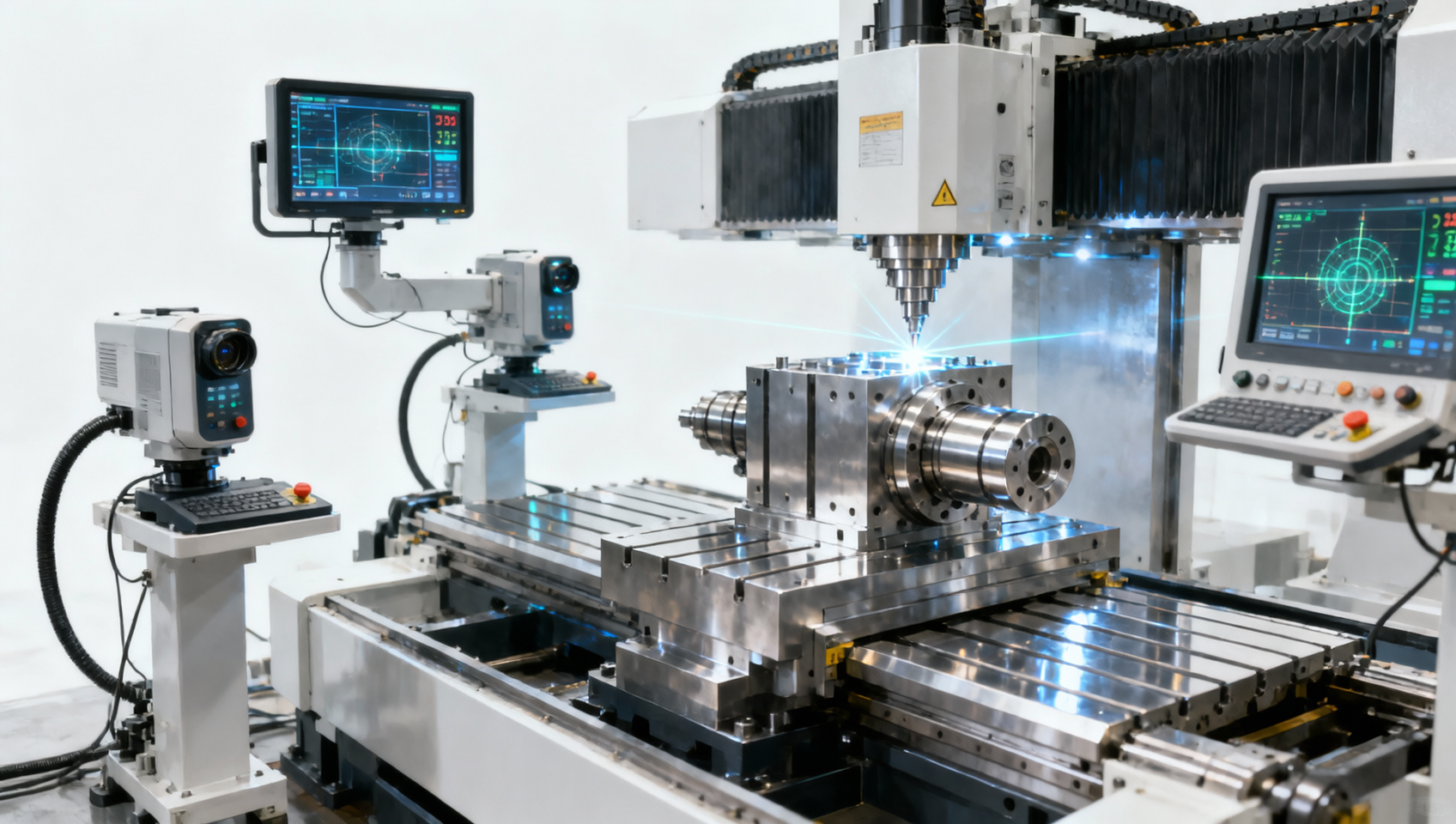
How Leading CNC Manufacturing Manufacturers Ensure Quality
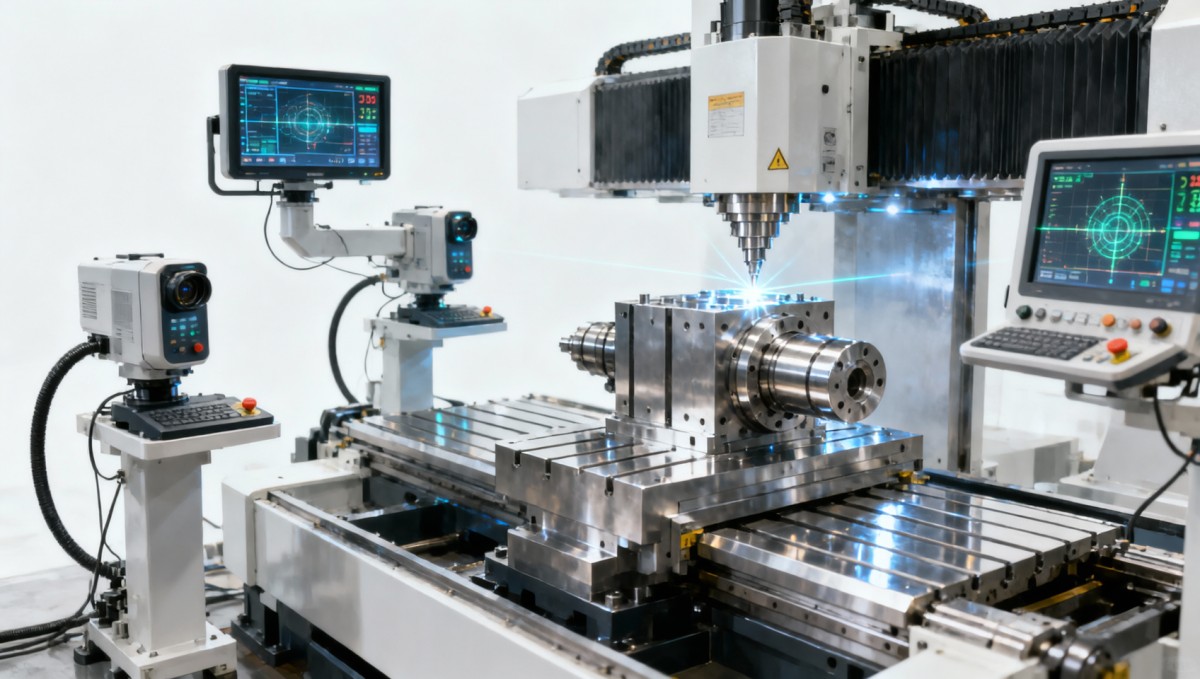
In today's precision-driven manufacturing landscape, leading CNC manufacturing manufacturers are revolutionizing production with space-saving CNC manufacturing solutions and high-precision machine tools. From automated CNC manufacturing for aerospace to cost-effective CNC manufacturing for automotive industry, these innovators combine multi-axis machining systems with energy-saving technologies to deliver unmatched quality. Discover how top-tier CNC manufacturing factories ensure reliability through quick setup processes, low maintenance designs, and digital manufacturing integration - essential knowledge for procurement specialists and plant managers seeking competitive edge.
1. Advanced Quality Control Systems in Modern CNC Factories
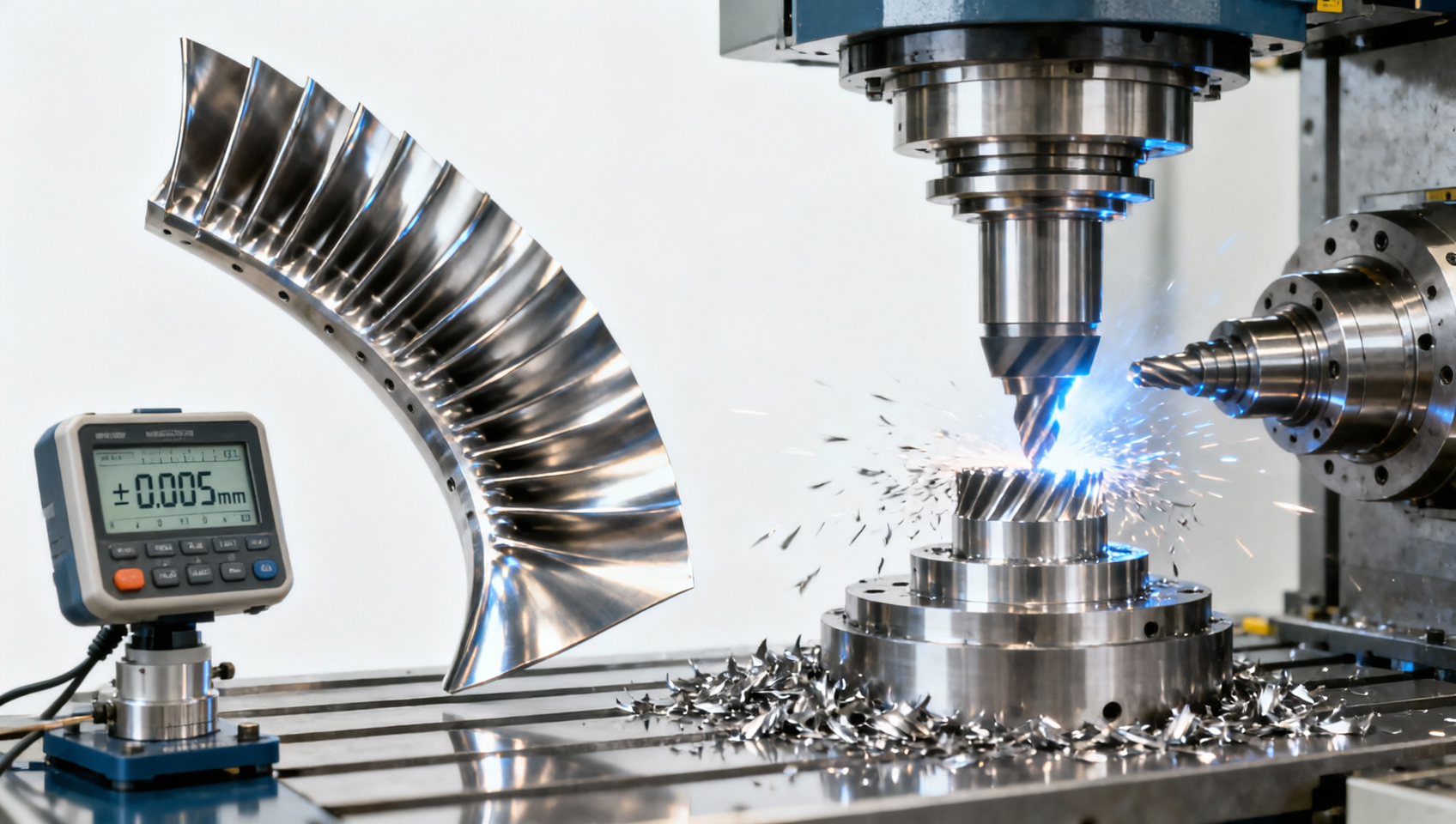
Top-tier CNC manufacturers implement comprehensive quality management systems that exceed ISO 9001 standards. These systems typically incorporate 5-7 stage inspection protocols, from raw material verification to final product testing. Real-time monitoring technologies track over 200 process parameters during machining operations, ensuring dimensional accuracy within ±0.005mm tolerance.
Key components of advanced quality systems include:
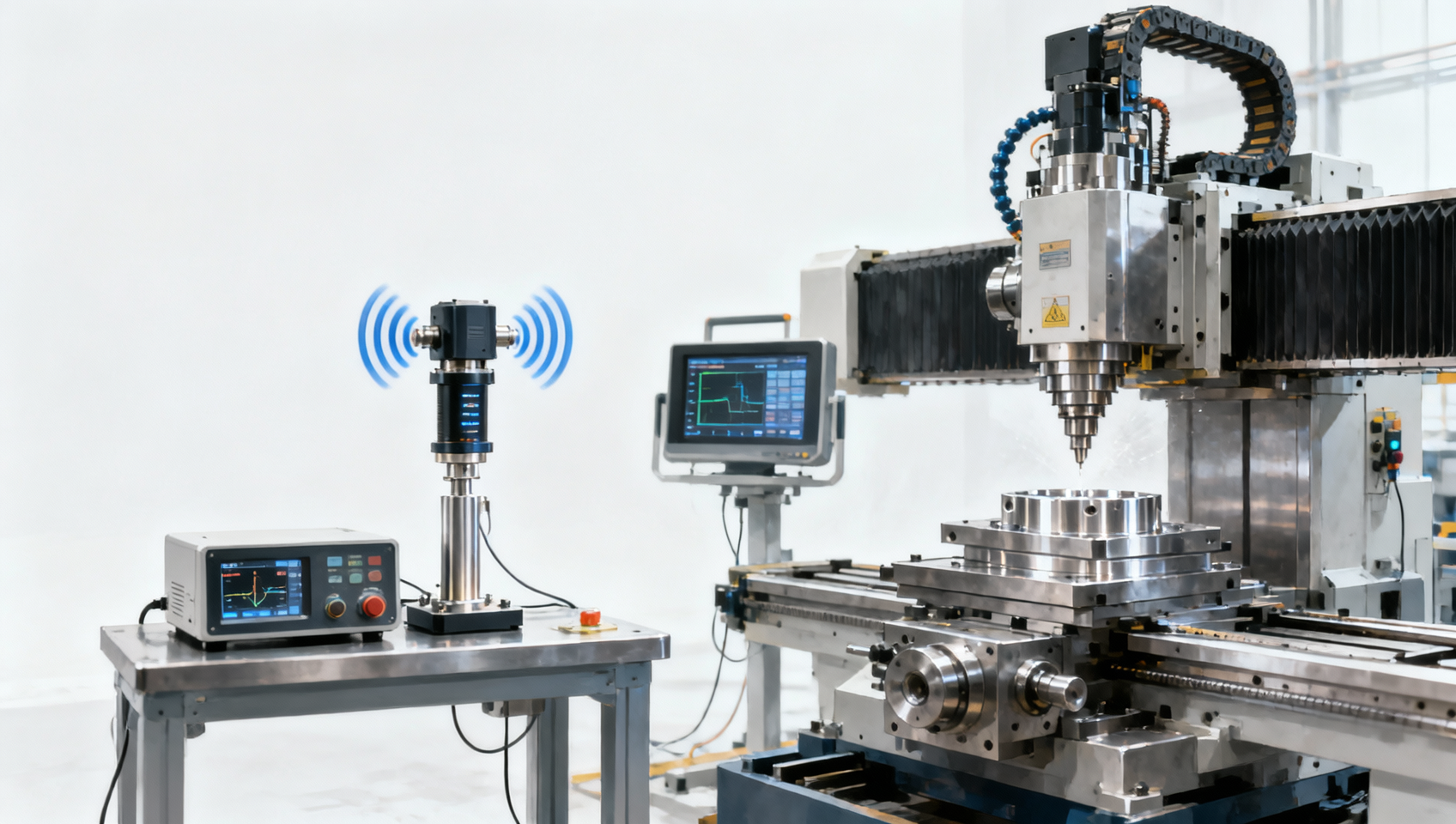
- Automated in-process measurement with laser scanners and touch probes
- Statistical process control (SPC) software analyzing 100% of production data
- Closed-loop feedback systems adjusting tools in real-time
- 3D coordinate measuring machines (CMM) for final verification
Leading manufacturers achieve first-pass yield rates exceeding 99.5% through these integrated systems, reducing scrap rates to below 0.3% even for complex aerospace components.
2. Precision Engineering and Machine Calibration
The foundation of CNC quality begins with precision-engineered machine tools maintained to exacting standards. Top manufacturers implement 4-phase calibration programs:
- Daily warm-up cycles and geometric verification (15-30 minutes)
- Weekly ballbar testing for circular interpolation accuracy
- Quarterly laser calibration of all linear axes
- Annual comprehensive machine tool certification
Temperature-controlled environments maintain 20°C ±1°C, critical for maintaining micron-level accuracy. Vibration-dampened foundations and 24/7 climate monitoring ensure stable machining conditions.
2.1 Tool Management Systems
Advanced tool presetters measure cutting tools to 0.001mm accuracy before installation. RFID-enabled toolholders track usage history, automatically retiring tools after 80-120 hours of operation depending on material hardness.
3. Digital Integration for Quality Assurance
Industry 4.0 technologies transform traditional quality control into predictive quality assurance. Leading factories deploy:
- Digital twins simulating machining processes before production
- AI-powered visual inspection systems processing 500+ parts/hour
- Blockchain-based quality documentation for aerospace customers
- Cloud-connected machine monitoring with 95%+ uptime guarantees
These digital systems reduce human error in quality documentation by 75% while enabling real-time adjustments during production runs.
4. Material Science and Process Optimization
Leading manufacturers invest heavily in material-specific machining strategies. For titanium aerospace components, this includes:
- Cryogenic machining at -200°C for difficult-to-cut alloys
- High-pressure coolant systems (1000+ psi)
- Adaptive toolpaths adjusting for material variations
Process engineers optimize cutting parameters for each material grade, typically achieving 15-25% longer tool life compared to standard approaches.
5. Workforce Training and Certification
Quality begins with skilled personnel. Top manufacturers require:
- 200+ hours of annual training per machinist
- NIMS or equivalent certifications for 100% of operators
- Cross-training in 3-5 machine platforms
- Quality mindset workshops every quarter
This investment results in 40% fewer operator-induced errors and 30% faster response to quality alerts.
Conclusion: The Competitive Edge of Quality-Focused CNC Manufacturing
Leading CNC manufacturers combine advanced technologies, rigorous processes, and skilled personnel to deliver exceptional quality. From automated inspection to digital documentation, these practices reduce defects while improving traceability - critical advantages for aerospace, medical, and automotive customers.
For procurement specialists evaluating suppliers, prioritize manufacturers with:
- Comprehensive digital quality systems
- Transparent process documentation
- Continuous improvement programs
- Material-specific expertise
Contact our engineering team today to discuss how our AS9100-certified CNC manufacturing solutions can meet your most demanding quality requirements with 99.9% on-time delivery.
Recommended for You
 How Space-Saving CNC Manufacturing Reduces Factory FootprintMachine Tool Industry Editorial Team
 5 Key Factors When Choosing a CNC Manufacturing WholesalerManufacturing Market Research Center
 Precision CNC Manufacturing: Tolerances You Can Expect in 2024CNC Machining Technology Center
 Why Energy Equipment Manufacturers Are Switching to CNC SolutionsCNC Machining Technology Center
 The Hidden Maintenance Costs of CNC Machines Most Factories MissCNC Machining Technology Center
 How to Identify a Reliable CNC Manufacturing Factory OverseasCNC Machining Technology Center

Aris Katos
Future of Carbide Coatings
15+ years in precision manufacturing systems. Specialized in high-speed milling and aerospace grade alloy processing.
▶
Precision CNC Manufacturing: Tolerances You Can Expect in 2024CNC Machining Technology Center▶
Why Energy Equipment Manufacturers Are Switching to CNC SolutionsCNC Machining Technology Center▶
The Hidden Maintenance Costs of CNC Machines Most Factories MissCNC Machining Technology Center▶
How to Identify a Reliable CNC Manufacturing Factory OverseasCNC Machining Technology Center▶
High-Speed CNC Manufacturing: When Faster Isn't Always BetterCNC Machining Technology Center
Mastering 5-Axis Workholding Strategies
Join our technical panel on Nov 15th to learn about reducing vibrations in thin-wall components.

Providing you with integrated sanding solutions
Before-sales and after-sales services
Comprehensive technical support