• Global CNC market projected to reach $128B by 2028 • New EU trade regulations for precision tooling components • Aerospace deman
NYSE: CNC +1.2%LME: STEEL -0.4%

Automotive Industry Machine Tools: Speed vs. Precision Tradeoffs
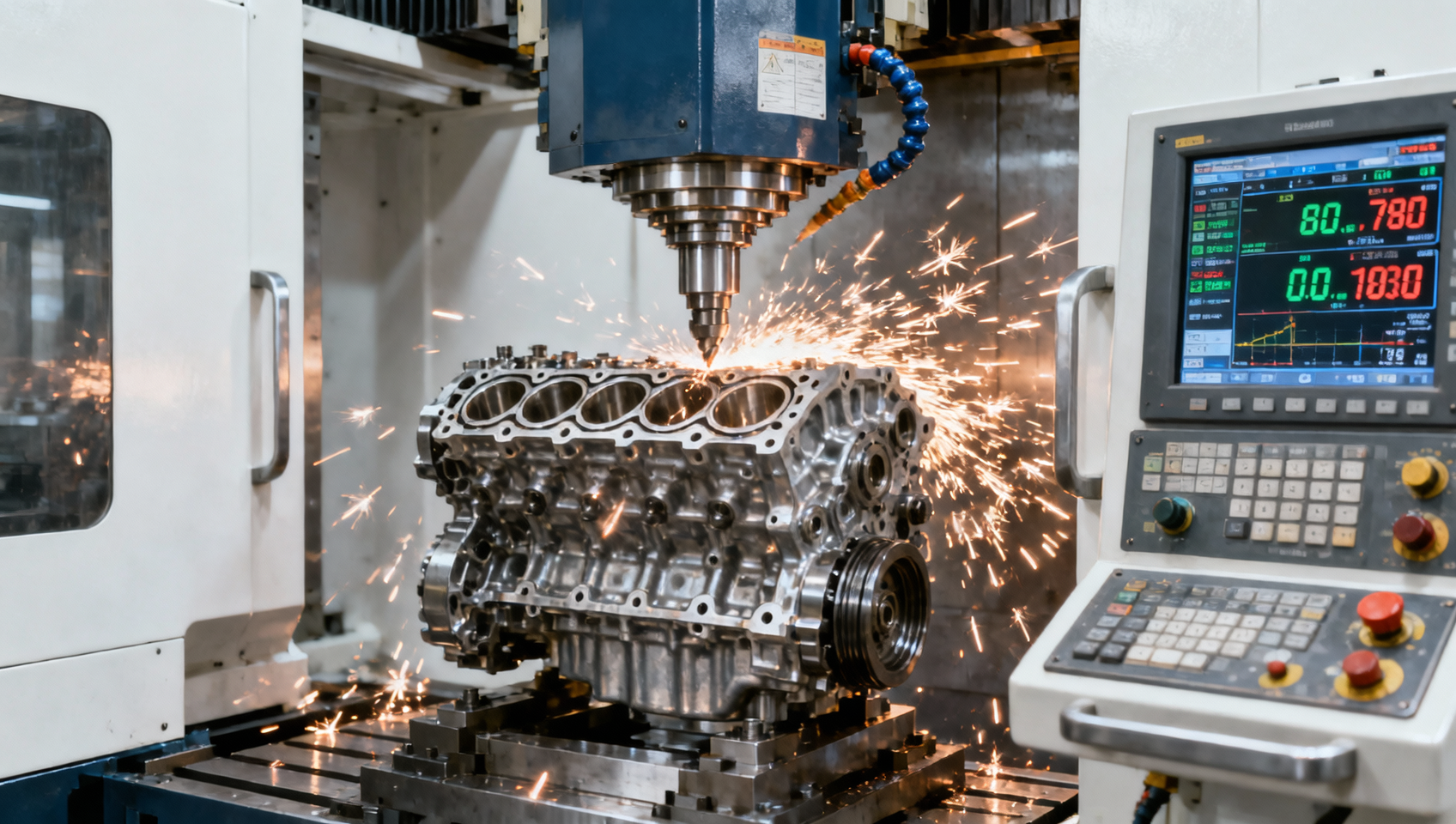
The Speed-Precision Paradox in Automotive CNC Machining
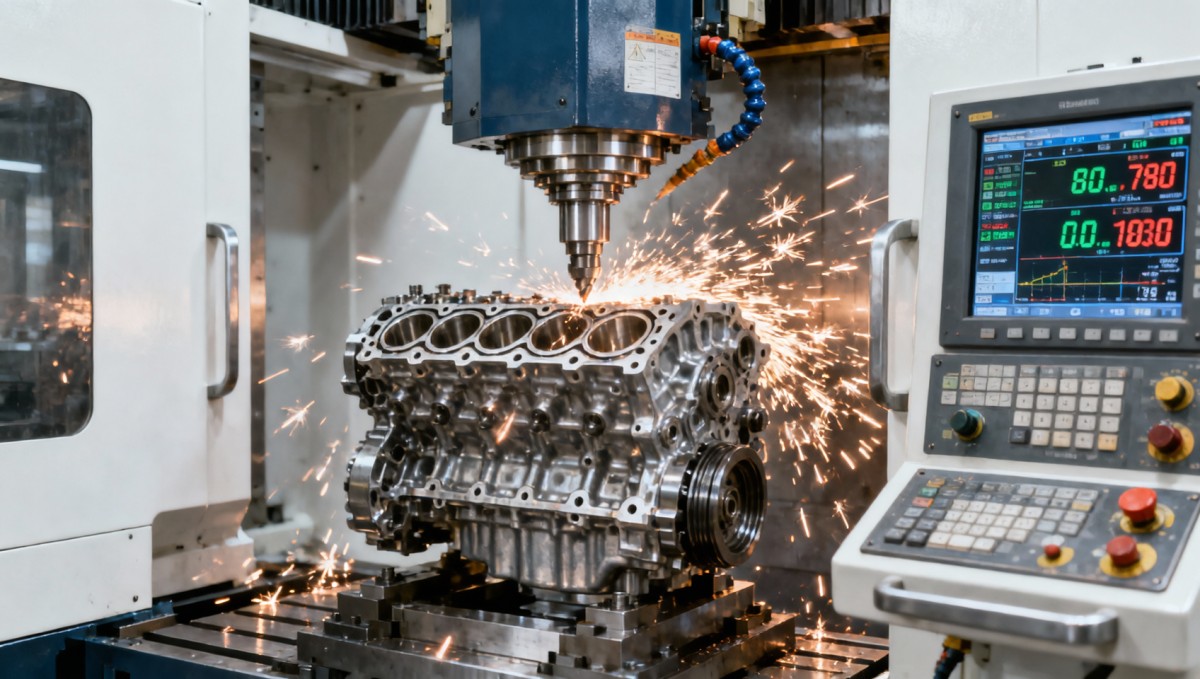
Modern automotive manufacturing demands both rapid production cycles and micron-level accuracy - a dual requirement that pushes CNC machine tools to their operational limits. High-speed machining (HSM) at 15,000–30,000 RPM reduces cycle times by 40–60%, while precision machining maintains tolerances within ±0.005mm for critical components like fuel injectors and transmission gears.
Performance Tradeoffs in Key Applications
Different automotive components require distinct speed-precision profiles:
The table reveals how advanced machine tools now offer configurable performance modes. For example, modern 5-axis CNC machines can switch between high-speed roughing (removing 500cm³/min of aluminum) and precision finishing modes within the same setup.
Technological Solutions Bridging the Gap
Leading machine tool manufacturers employ three key strategies to reconcile speed and precision:
- Adaptive Control Systems: Real-time monitoring adjusts cutting parameters when vibration exceeds 0.5μm
- Thermal Compensation: Reduces positioning errors from 15μm to 3μm during 8-hour operations
- Hybrid Machining: Combines HSM with precision grinding in single setups
Cost-Benefit Analysis of Advanced Features
When evaluating machine tools, consider these performance-cost tradeoffs:
Implementation Strategies for Automotive Tier Suppliers
Tier 1–3 suppliers adopt different approaches based on production volumes:
High-Volume Production (100,000+ units/year)
Dedicated transfer lines with 15–25 second cycle times, combining:
- 4–6 high-speed machining stations (20,000+ RPM)
- In-line CMM inspection every 50–100 parts
- Automated tool change every 1,500–2,000 cycles
Medium-Volume Flexible Cells (10,000–100,000 units/year)
Modular CNC cells featuring:
- 3–5 axis machining centers with 12,000–18,000 RPM spindles
- Quick-change fixtures (under 5 minutes)
- Process capability indices (Cpk) maintained at 1.33–1.67
Future Trends in Automotive Machine Tools
Emerging technologies are reshaping the speed-precision equation:
- AI-Powered Optimization: Machine learning algorithms predict optimal cutting parameters with 92–95% accuracy
- Digital Twins: Virtual simulations reduce physical trial runs by 60–70%
- Nanostructured Coatings: Extend tool life by 3–5x in high-speed aluminum machining
FAQ: Addressing Common Procurement Questions
How do I determine the right balance for my production needs?
Conduct a detailed process analysis mapping:
- Annual volumes and batch sizes
- Critical tolerances (ISO 2768 vs. customer-specific)
- Material removal rates (typically 50–300cm³/min for aluminum)
What maintenance practices optimize both speed and precision?
Implement a predictive maintenance schedule including:
- Spindle vibration analysis every 500 operating hours
- Ball screw lubrication every 200 hours (or 1 million linear meters)
- Thermal calibration checks every 2 weeks
For automotive manufacturers navigating the speed-precision dilemma, the solution lies in selecting machine tools with the right technological features for your specific component requirements and production volumes. Contact our engineering team for a customized assessment of your machining operations.
PREVIOUS ARTICLE
NEXT ARTICLE
Recommended for You
![]() AI-Driven CNC Quality Standard Added to 2026 Auto Standards PlanManufacturing Policy Research Center
AI-Driven CNC Quality Standard Added to 2026 Auto Standards PlanManufacturing Policy Research Center![]() Fastenal China Fastener Procurement Up 12% in Q1 2026, Tariff Pressure Cuts MarginGlobal Machine Tool Trade Research Center
Fastenal China Fastener Procurement Up 12% in Q1 2026, Tariff Pressure Cuts MarginGlobal Machine Tool Trade Research Center![]() EU Battery Regulation (2023/1542) Takes Full Effect on Aug 18, 2026Manufacturing Market Research Center
EU Battery Regulation (2023/1542) Takes Full Effect on Aug 18, 2026Manufacturing Market Research Center![]() US ITC Launches Anti-Circumvention Probe on CNC Controls from Vietnam, MexicoManufacturing Policy Research Center
US ITC Launches Anti-Circumvention Probe on CNC Controls from Vietnam, MexicoManufacturing Policy Research Center![]() Global LNG Supply Surge Pressures Gas Prices, Lowers Energy Costs for Chinese CNC ManufacturersGlobal Machine Tool Trade Research Center
Global LNG Supply Surge Pressures Gas Prices, Lowers Energy Costs for Chinese CNC ManufacturersGlobal Machine Tool Trade Research Center![]() China’s CNC Smart Factories Gain Zero-Carbon Certification Mutual RecognitionManufacturing Policy Research Center
China’s CNC Smart Factories Gain Zero-Carbon Certification Mutual RecognitionManufacturing Policy Research Center


Aris Katos
Future of Carbide Coatings
15+ years in precision manufacturing systems. Specialized in high-speed milling and aerospace grade alloy processing.
▶
Precision CNC Manufacturing: Tolerances You Can Expect in 2024CNC Machining Technology Center▶
Why Energy Equipment Manufacturers Are Switching to CNC SolutionsCNC Machining Technology Center▶
The Hidden Maintenance Costs of CNC Machines Most Factories MissCNC Machining Technology Center▶
How to Identify a Reliable CNC Manufacturing Factory OverseasCNC Machining Technology Center▶
High-Speed CNC Manufacturing: When Faster Isn't Always BetterCNC Machining Technology Center
Mastering 5-Axis Workholding Strategies
Join our technical panel on Nov 15th to learn about reducing vibrations in thin-wall components.

Providing you with integrated sanding solutions
Before-sales and after-sales services
Comprehensive technical support