• Global CNC market projected to reach $128B by 2028 • New EU trade regulations for precision tooling components • Aerospace deman
NYSE: CNC +1.2%LME: STEEL -0.4%

Machine Tool Prices: What You're Really Paying For
Machine Tool Prices: What You're Really Paying For
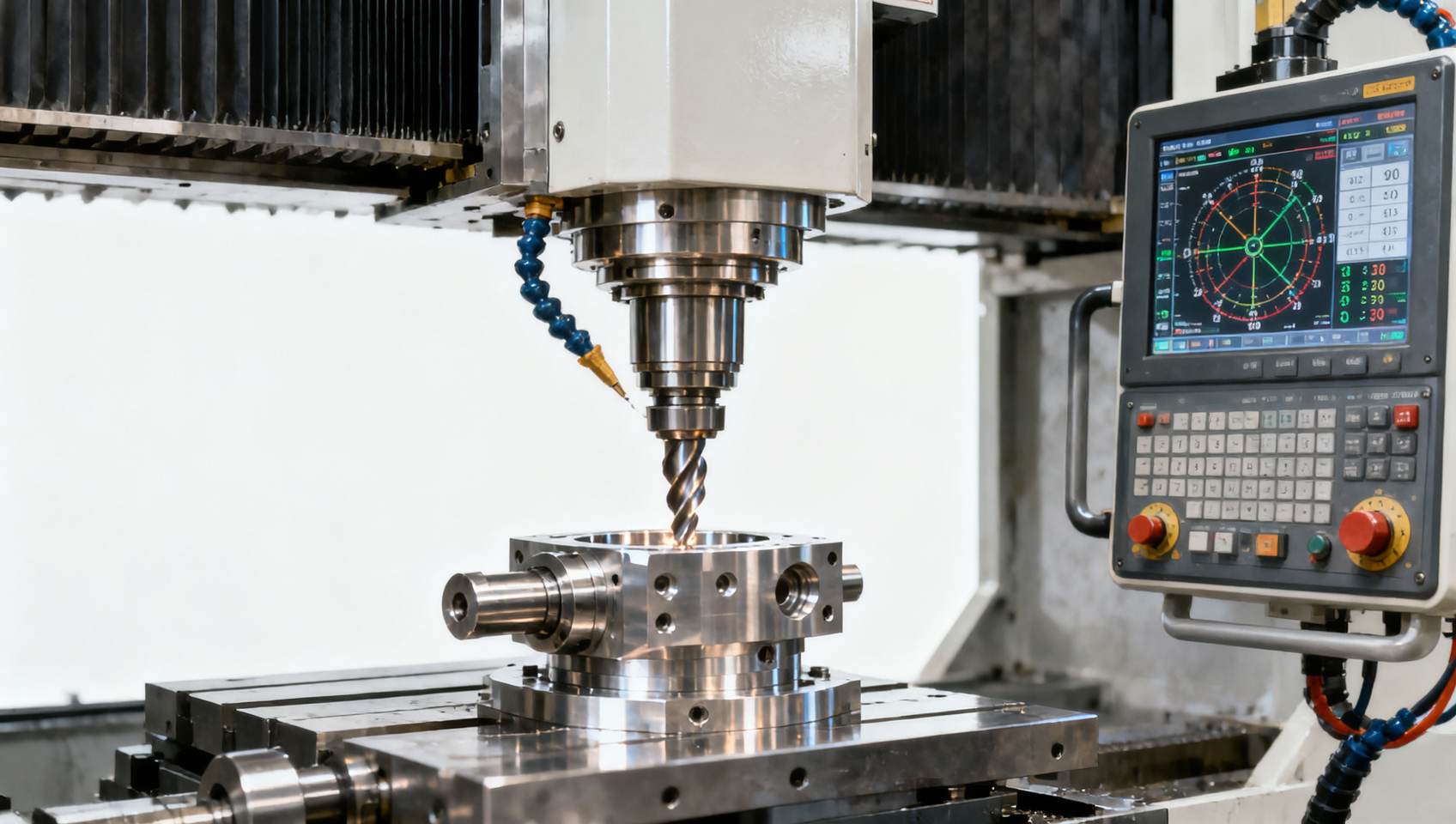
When evaluating machine tool prices, understanding what you're truly paying for is crucial for manufacturers and procurement professionals. From high-precision CNC manufacturing for aerospace to cost-effective solutions for automotive production, modern machine tools combine advanced features like multi-axis capabilities, energy efficiency, and automated production line integration. This article breaks down the real value behind machine tool pricing, helping decision-makers identify the best options for their specific needs in medical device manufacturing, electronics production, or heavy-duty industrial applications.
1. The Hidden Cost Drivers in Machine Tool Pricing
Machine tool prices extend far beyond the initial purchase tag. For procurement teams and plant managers, the real cost equation includes:
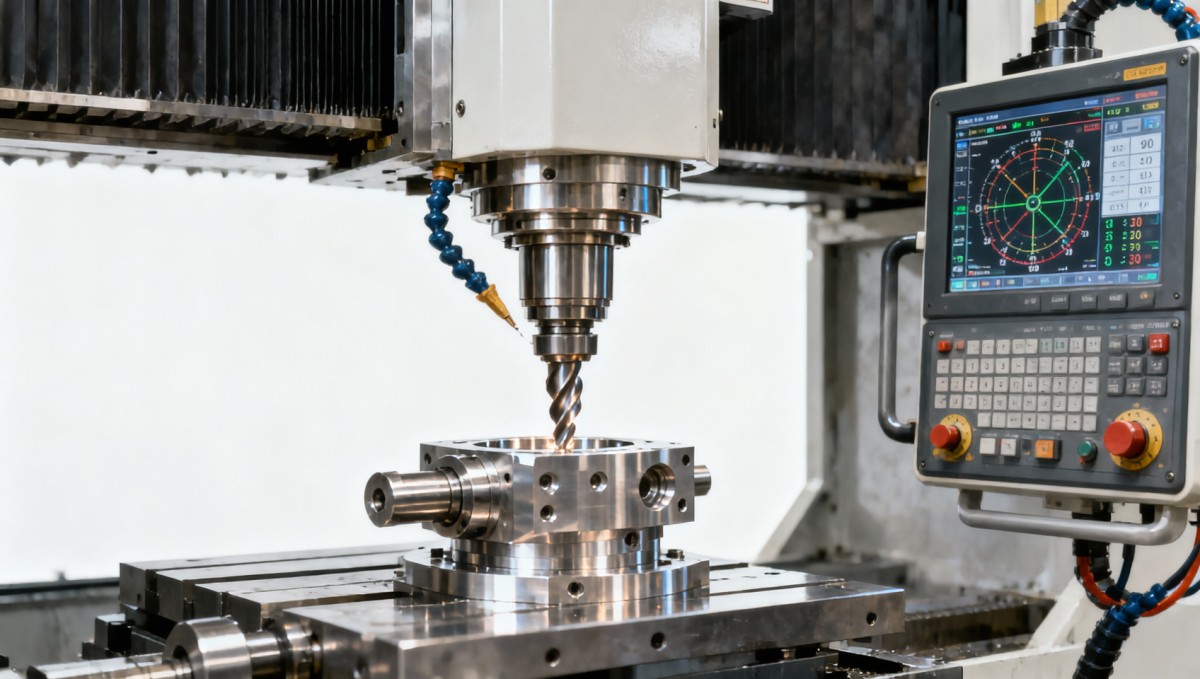
- Precision engineering: The difference between ±0.01mm and ±0.001mm accuracy can multiply costs
- Automation readiness: Integrated robotic interfaces and Industry 4.0 connectivity add 15-30% to base prices
- Material science: Cast iron vs. polymer concrete bases impact vibration damping and long-term accuracy
2. How Application Requirements Dictate Price Points
Different manufacturing sectors demand distinct machine tool capabilities:
3. Total Cost of Ownership: The Real Price Metric
Smart buyers evaluate these operational cost factors:
- Energy consumption: New-generation machines save $15k-$50k annually in power costs
- Tooling expenses: Some systems require proprietary tool holders ($5k-$20k/year)
- Maintenance contracts: Comprehensive service agreements add 3-7% to annual costs
4. Future-Proofing Your Investment
Forward-looking manufacturers prioritize:
- Upgrade paths for new materials and processes
- Software compatibility with emerging digital twin technologies
- Resale value considerations for equipment rotation cycles
Key Takeaways for Strategic Purchases
Understanding machine tool pricing requires analyzing three dimensions: initial capabilities, operational efficiency, and future adaptability. The most expensive machine isn't necessarily the best value - nor is the cheapest option truly economical. Match your purchase to actual production requirements, accounting for both current needs and anticipated growth. For high-mix manufacturers, flexible multi-tasking machines often deliver better ROI than specialized single-purpose units. Always request detailed lifecycle cost projections from vendors before making capital investment decisions.
PREVIOUS ARTICLE
NEXT ARTICLE
Recommended for You
![]() AI-Driven CNC Quality Standard Added to 2026 Auto Standards PlanManufacturing Policy Research Center
AI-Driven CNC Quality Standard Added to 2026 Auto Standards PlanManufacturing Policy Research Center![]() Fastenal China Fastener Procurement Up 12% in Q1 2026, Tariff Pressure Cuts MarginGlobal Machine Tool Trade Research Center
Fastenal China Fastener Procurement Up 12% in Q1 2026, Tariff Pressure Cuts MarginGlobal Machine Tool Trade Research Center![]() EU Battery Regulation (2023/1542) Takes Full Effect on Aug 18, 2026Manufacturing Market Research Center
EU Battery Regulation (2023/1542) Takes Full Effect on Aug 18, 2026Manufacturing Market Research Center![]() US ITC Launches Anti-Circumvention Probe on CNC Controls from Vietnam, MexicoManufacturing Policy Research Center
US ITC Launches Anti-Circumvention Probe on CNC Controls from Vietnam, MexicoManufacturing Policy Research Center![]() Global LNG Supply Surge Pressures Gas Prices, Lowers Energy Costs for Chinese CNC ManufacturersGlobal Machine Tool Trade Research Center
Global LNG Supply Surge Pressures Gas Prices, Lowers Energy Costs for Chinese CNC ManufacturersGlobal Machine Tool Trade Research Center![]() China’s CNC Smart Factories Gain Zero-Carbon Certification Mutual RecognitionManufacturing Policy Research Center
China’s CNC Smart Factories Gain Zero-Carbon Certification Mutual RecognitionManufacturing Policy Research Center


Aris Katos
Future of Carbide Coatings
15+ years in precision manufacturing systems. Specialized in high-speed milling and aerospace grade alloy processing.
▶
Precision CNC Manufacturing: Tolerances You Can Expect in 2024CNC Machining Technology Center▶
Why Energy Equipment Manufacturers Are Switching to CNC SolutionsCNC Machining Technology Center▶
The Hidden Maintenance Costs of CNC Machines Most Factories MissCNC Machining Technology Center▶
How to Identify a Reliable CNC Manufacturing Factory OverseasCNC Machining Technology Center▶
High-Speed CNC Manufacturing: When Faster Isn't Always BetterCNC Machining Technology Center
Mastering 5-Axis Workholding Strategies
Join our technical panel on Nov 15th to learn about reducing vibrations in thin-wall components.

Providing you with integrated sanding solutions
Before-sales and after-sales services
Comprehensive technical support