• Global CNC market projected to reach $128B by 2028 • New EU trade regulations for precision tooling components • Aerospace deman
NYSE: CNC +1.2%LME: STEEL -0.4%

CNC Manufacturing for Electronics: Precision Meets Miniaturization
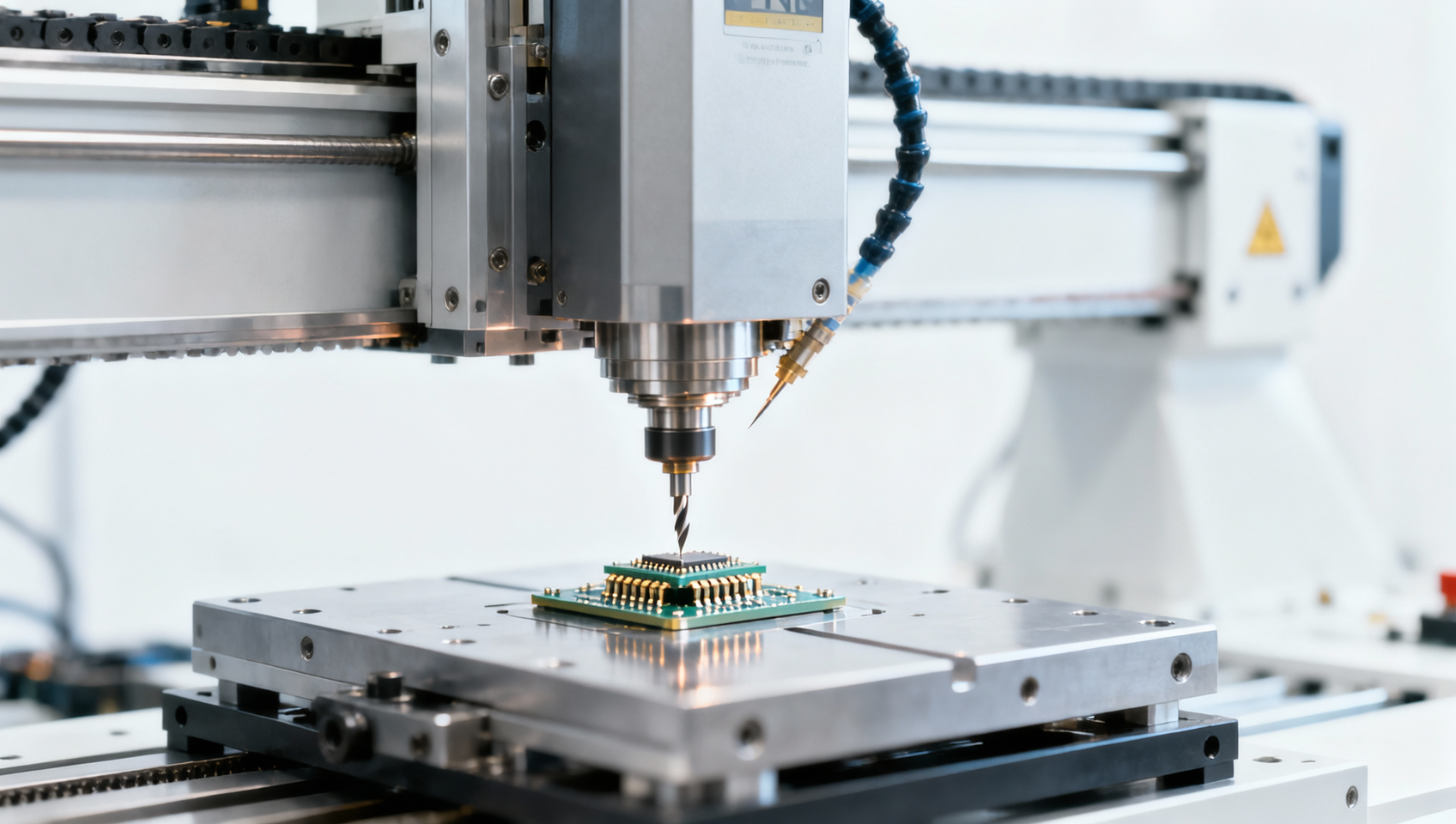
The Convergence of Precision and Miniaturization in Electronics CNC Manufacturing
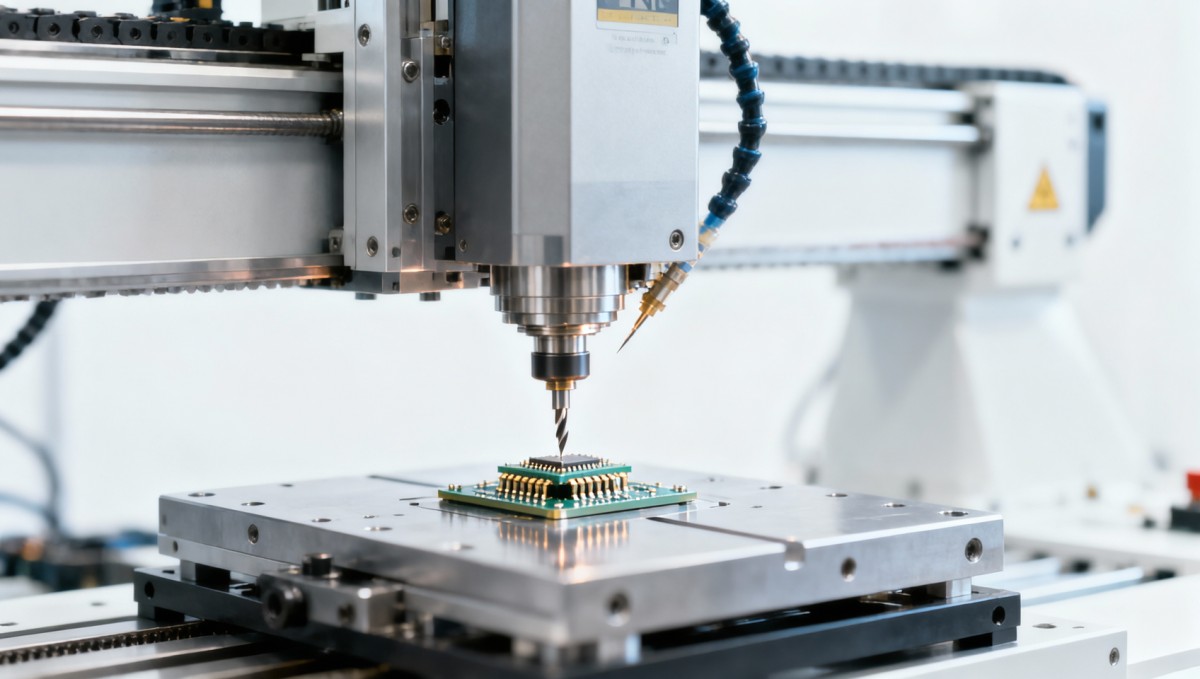
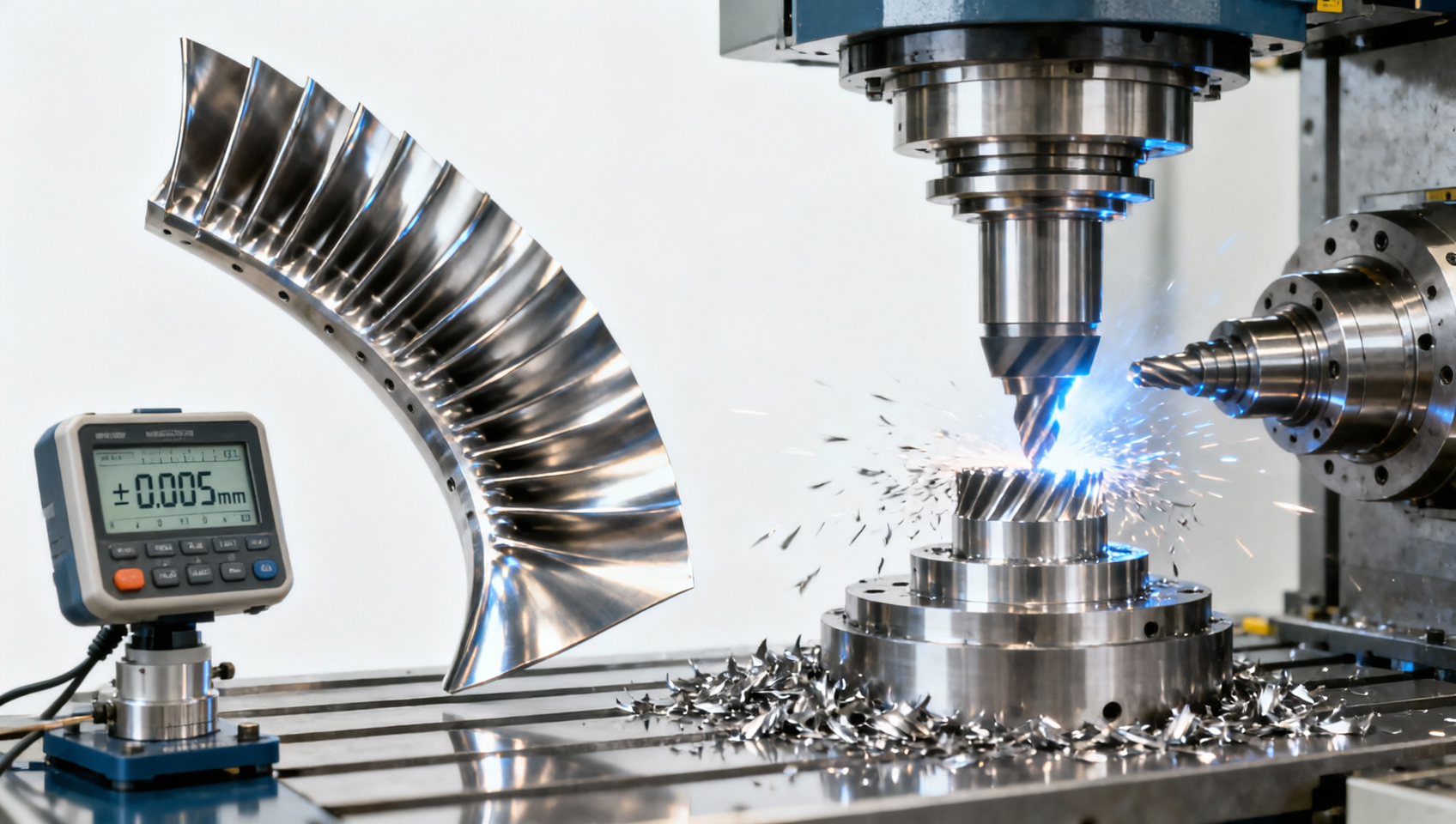
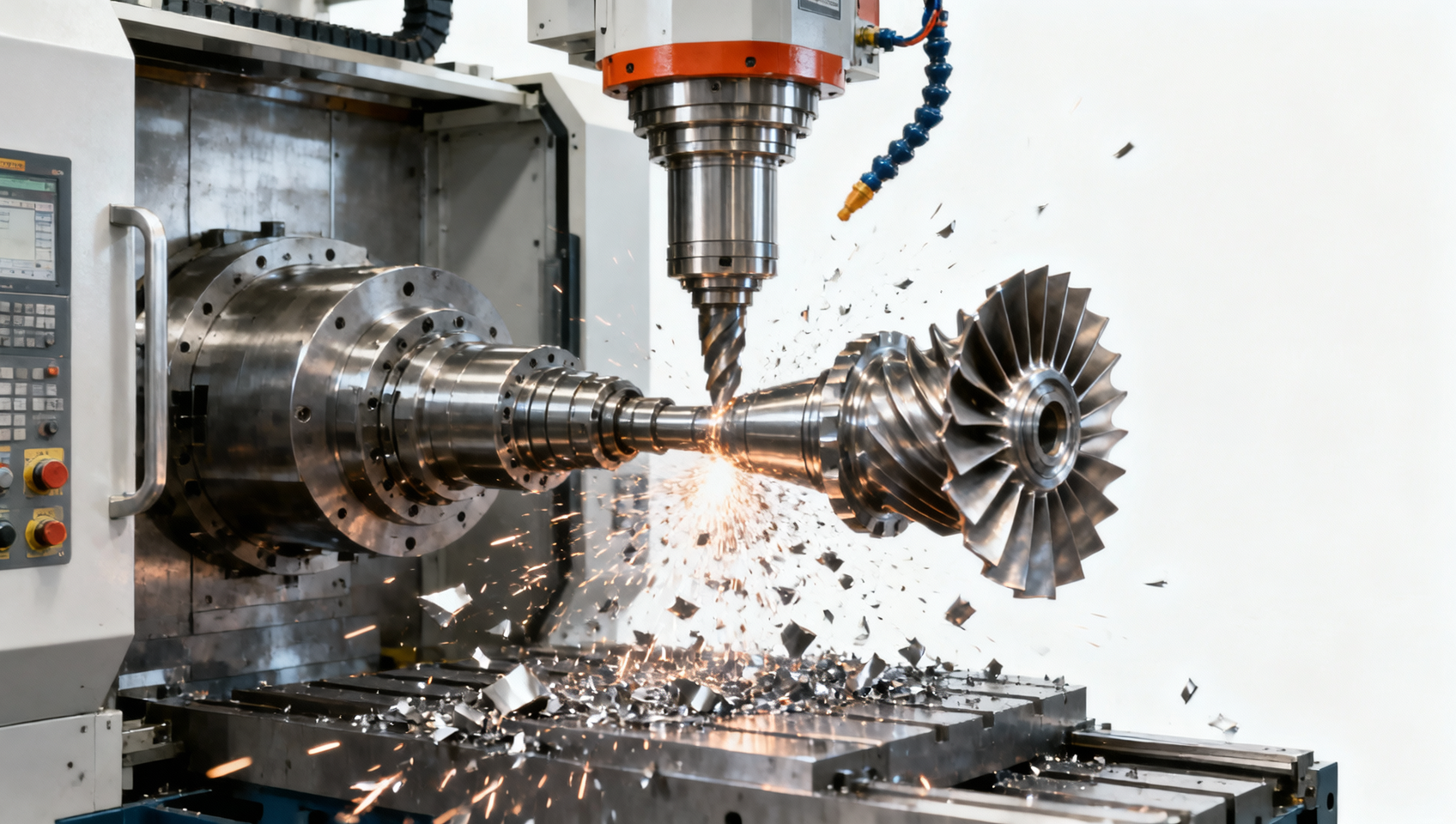
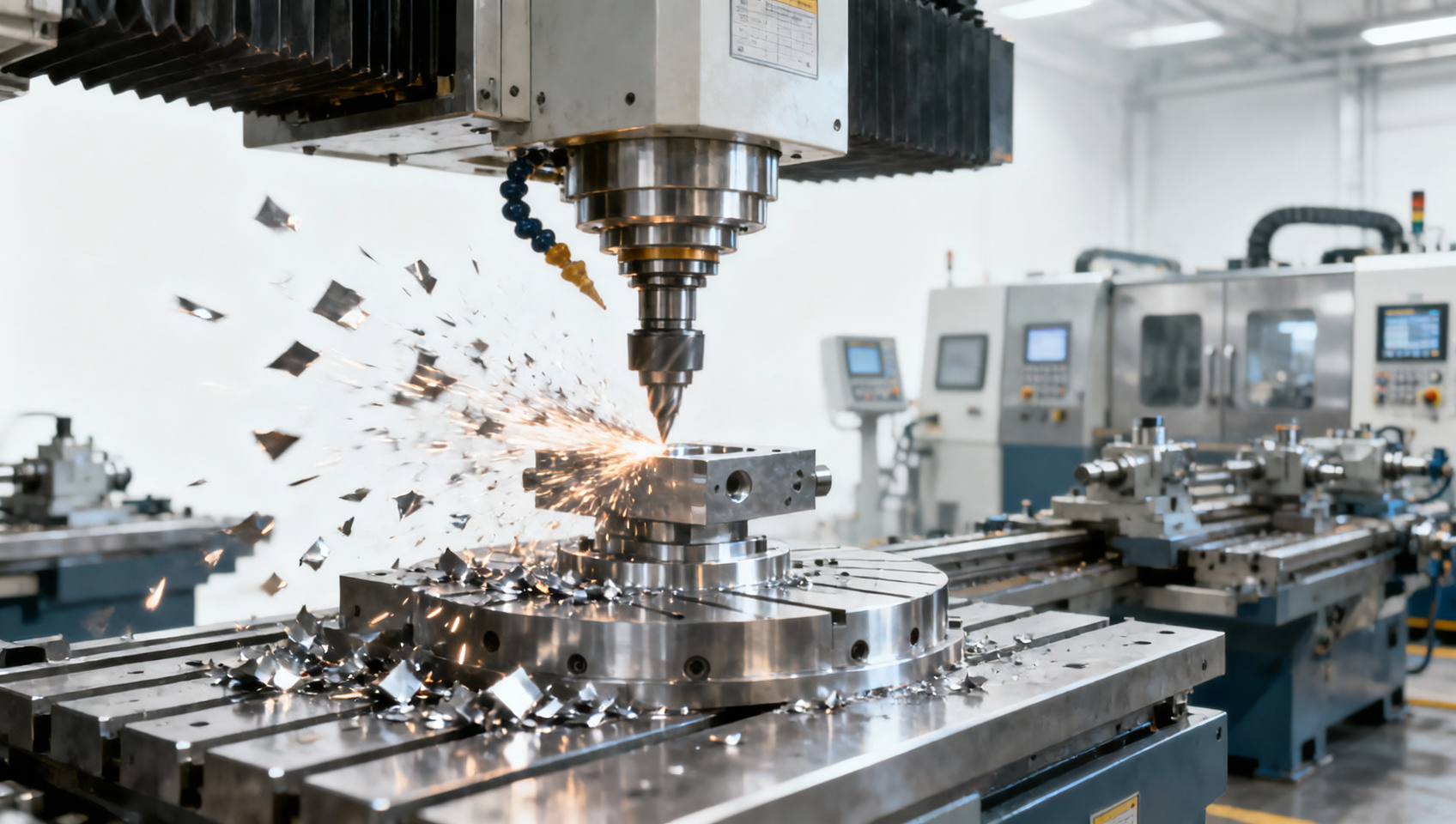
Modern electronics demand machining tolerances under 10µm while accommodating component sizes shrinking below 0.5mm. This dual challenge has driven CNC manufacturers to develop specialized solutions combining ultra-precision spindles (50,000+ RPM), micro-tooling systems (0.1mm diameter end mills), and vibration-dampened machine frames. The result? A new generation of compact CNC systems capable of producing micro-connectors, semiconductor fixtures, and RF components with surface finishes below Ra 0.2µm.
Key Technical Specifications for Electronics-Oriented CNC Systems
When evaluating CNC machines for electronic component production, these parameters determine success:
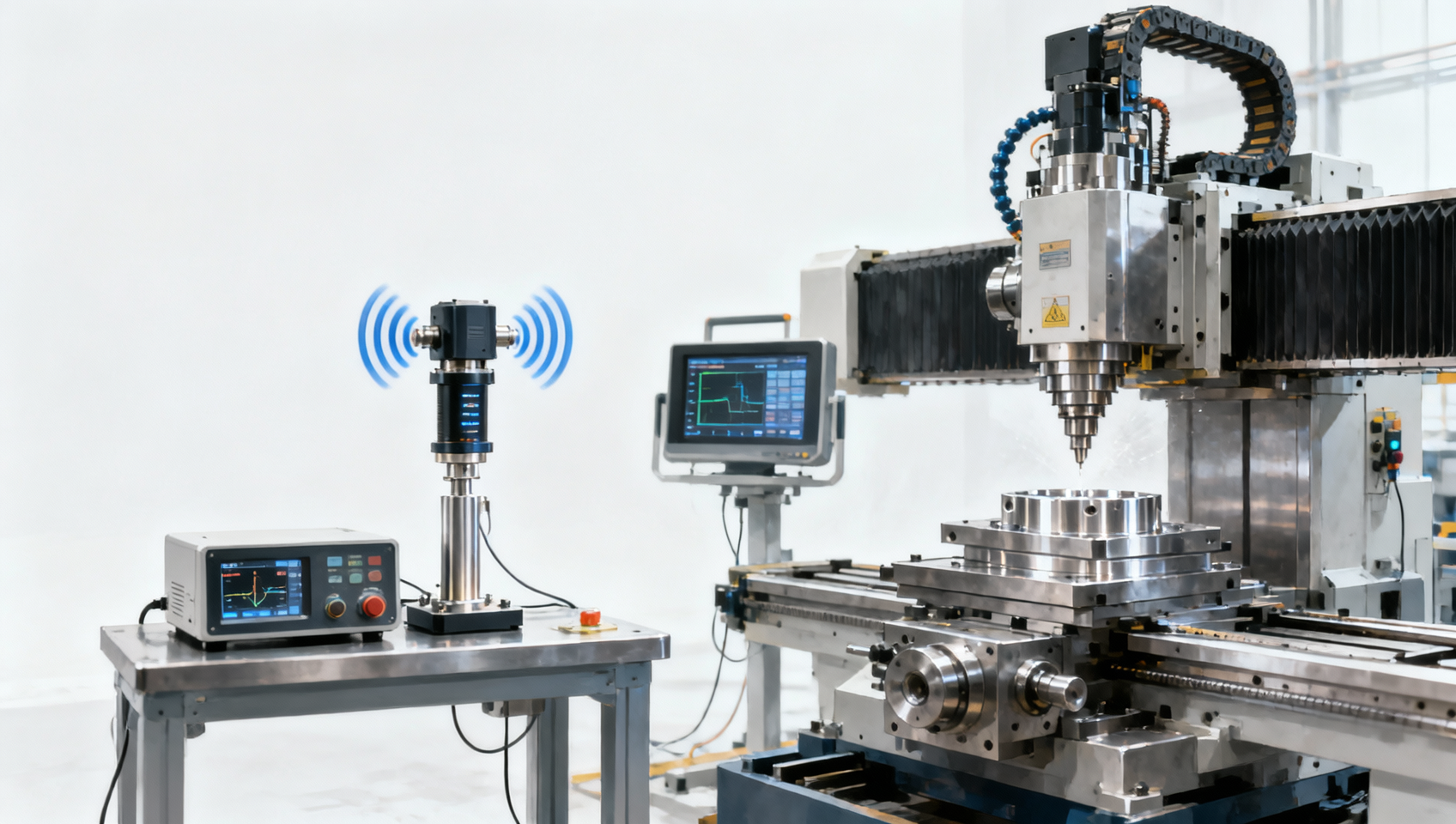
Leading manufacturers now integrate real-time compensation systems that adjust for thermal drift and tool wear during continuous 24/7 operation. This is particularly critical when machining advanced materials like tungsten carbide or ceramic substrates common in electronics.
Space-Saving CNC Configurations for Electronics Factories
With cleanroom space costing $200–$500 per square foot in semiconductor facilities, modern CNC solutions emphasize vertical integration:
- Modular workcells combining 5-axis machining with inline CMM inspection (footprint under 15m²)
- Robotic part handling systems with 180° swing radius for high-density layouts
- Vertical machining centers with integrated pallet changers (40% space reduction vs. horizontal)
Throughput Optimization Strategies
Electronics manufacturers achieve 30–50% higher output through:
Material-Specific Machining Solutions
Electronics manufacturing involves diverse materials requiring specialized approaches:
Advanced Material Parameters
- Copper Alloys: 0.05mm pitch connectors demand 0.8µm runout spindles
- Aluminum Housings: High-volume production (5,000+ units/day) requires 20+ tool ATCs
- Ceramic Substrates: Diamond-coated tools with 0.01mm stepover precision
Implementation Roadmap for Electronics CNC Systems
Successful deployment follows this phased approach:
- Requirement Analysis (2–4 weeks): Map component geometries, tolerances, and annual volumes
- Machine Selection (3–6 weeks): Evaluate 5-axis vs. mill-turn configurations
- Process Validation (4–8 weeks): Test cuts with actual materials
- Staff Training (40–80 hours): CAM programming and maintenance protocols
Common Implementation Challenges
Electronics manufacturers frequently encounter:
- Tool deflection in micro-machining (solved with 30:1 L/D ratio stabilizers)
- Electrostatic discharge risks (mitigated by ionized air systems)
- Cleanroom compatibility (achieved through HEPA-filtered enclosures)
Future Trends in Electronics CNC Technology
Emerging innovations include:
- AI-powered adaptive machining reducing scrap rates below 0.2%
- Nanopositioning stages enabling sub-micron feature creation
- Hybrid additive/subtractive systems for 3D circuitry
To explore how these precision CNC solutions can transform your electronics production, request a consultation with our engineering team. We provide application-specific machine recommendations, process validations, and ROI calculations tailored to your component requirements.
PREVIOUS ARTICLE
Recommended for You
 How Space-Saving CNC Manufacturing Reduces Factory FootprintMachine Tool Industry Editorial Team
 5 Key Factors When Choosing a CNC Manufacturing WholesalerManufacturing Market Research Center
 Precision CNC Manufacturing: Tolerances You Can Expect in 2024CNC Machining Technology Center
 Why Energy Equipment Manufacturers Are Switching to CNC SolutionsCNC Machining Technology Center
 The Hidden Maintenance Costs of CNC Machines Most Factories MissCNC Machining Technology Center
 How to Identify a Reliable CNC Manufacturing Factory OverseasCNC Machining Technology Center

Aris Katos
Future of Carbide Coatings
15+ years in precision manufacturing systems. Specialized in high-speed milling and aerospace grade alloy processing.
▶
Precision CNC Manufacturing: Tolerances You Can Expect in 2024CNC Machining Technology Center▶
Why Energy Equipment Manufacturers Are Switching to CNC SolutionsCNC Machining Technology Center▶
The Hidden Maintenance Costs of CNC Machines Most Factories MissCNC Machining Technology Center▶
How to Identify a Reliable CNC Manufacturing Factory OverseasCNC Machining Technology Center▶
High-Speed CNC Manufacturing: When Faster Isn't Always BetterCNC Machining Technology Center
Mastering 5-Axis Workholding Strategies
Join our technical panel on Nov 15th to learn about reducing vibrations in thin-wall components.

Providing you with integrated sanding solutions
Before-sales and after-sales services
Comprehensive technical support