• Global CNC market projected to reach $128B by 2028 • New EU trade regulations for precision tooling components • Aerospace deman
NYSE: CNC +1.2%LME: STEEL -0.4%

Multi-Axis CNC Manufacturing: Complex Parts Made Simple
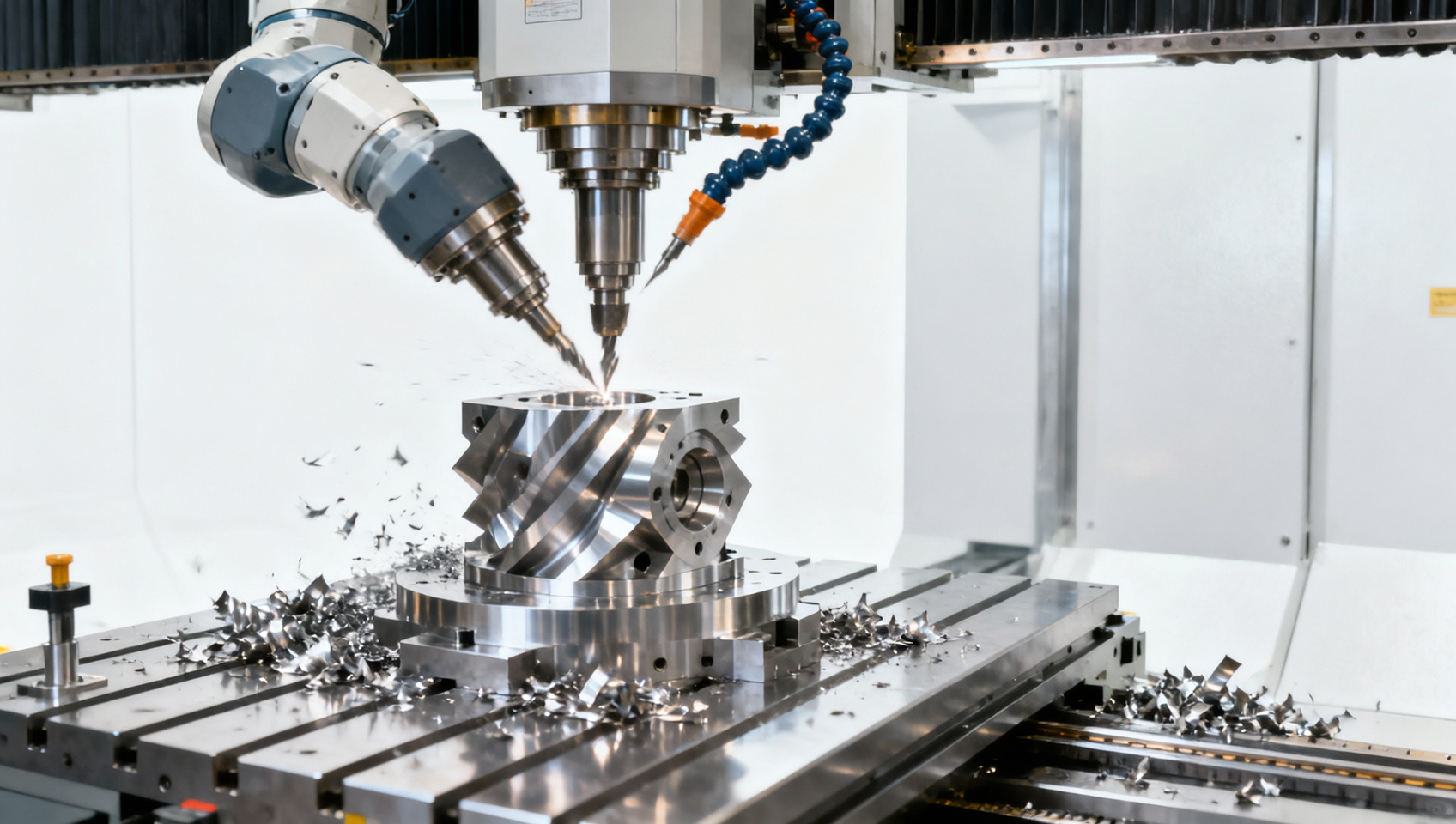
Multi-axis CNC manufacturing revolutionizes complex part production with space-saving precision and automated efficiency. As a leading CNC manufacturing supplier for aerospace, automotive, and medical industries, our high-speed machining systems deliver cost-effective solutions with quick setup capabilities. Discover how our energy-saving, low maintenance machine tools enable manufacturers to achieve unparalleled accuracy in electronics and energy equipment production.
How Multi-Axis CNC Machines Simplify Complex Geometries
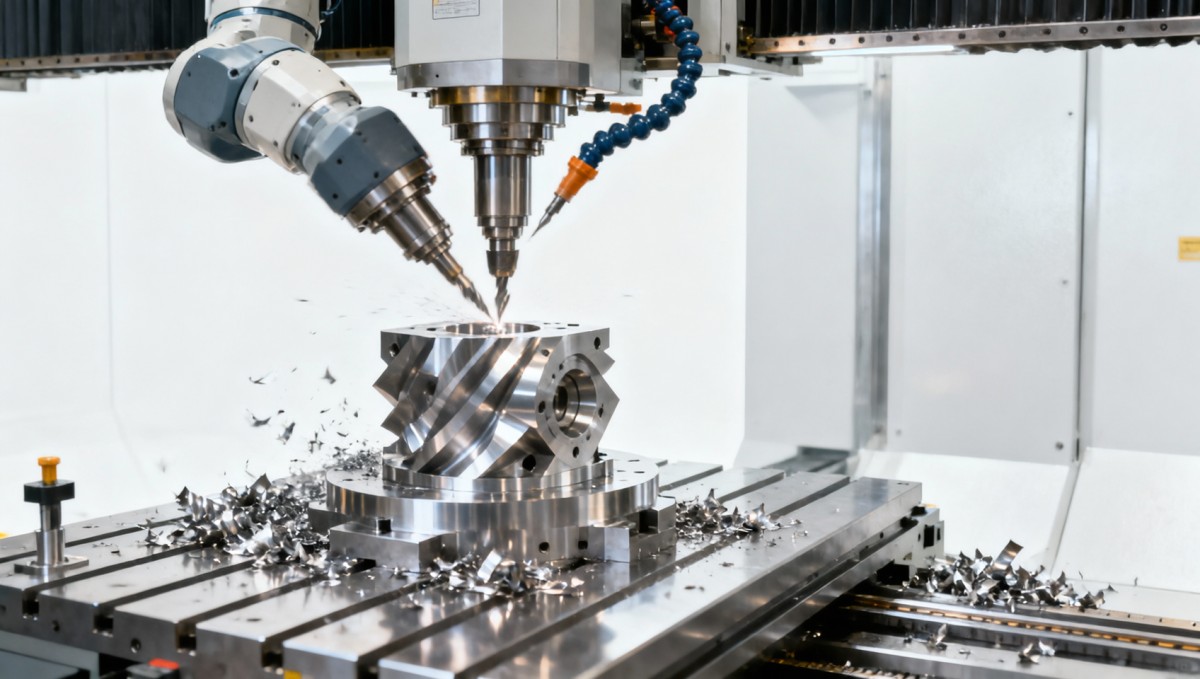
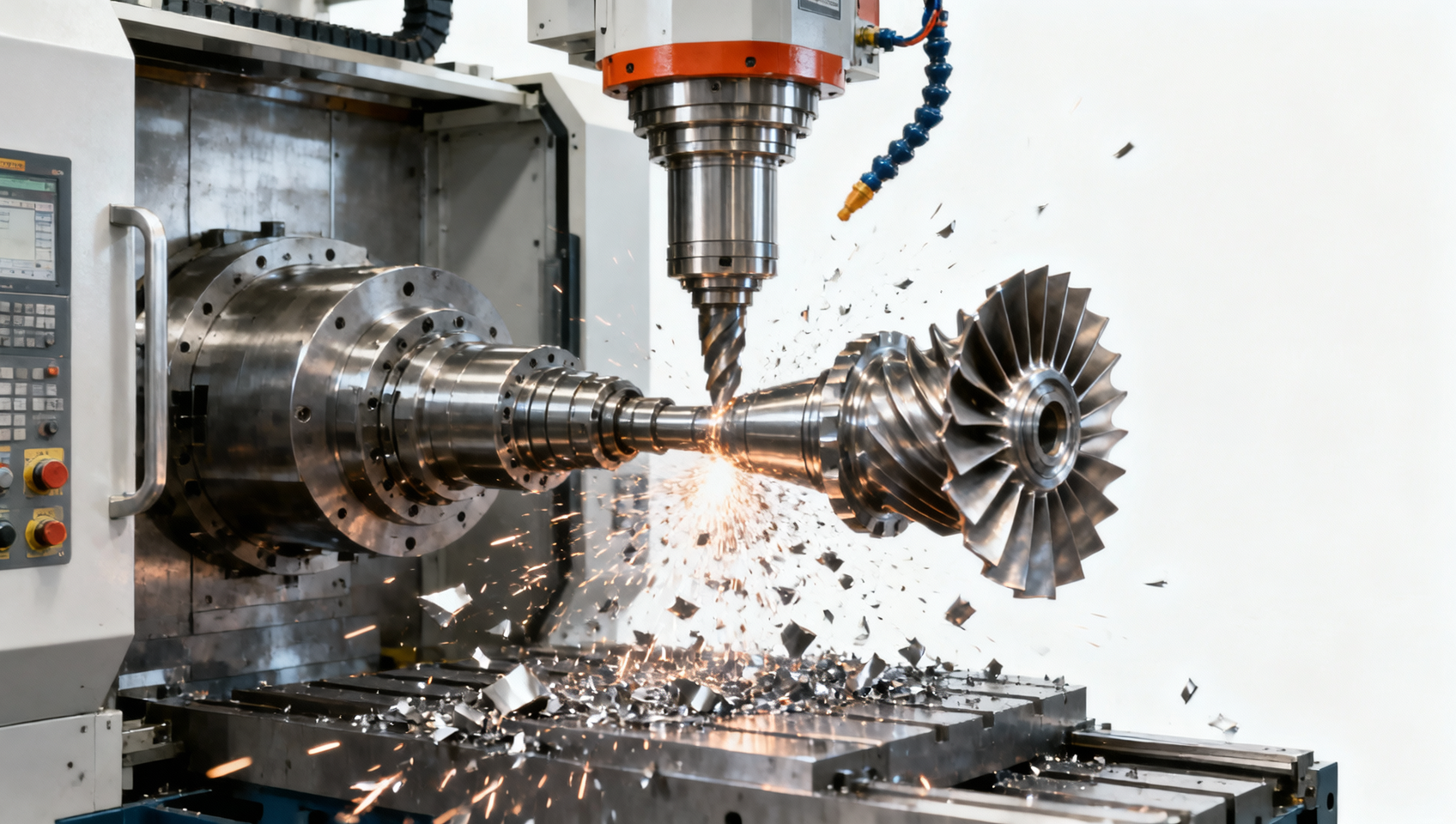
Modern 5-axis CNC machining centers eliminate the need for multiple setups by simultaneously moving cutting tools along X, Y, Z axes while rotating on A and B axes. This capability allows for:
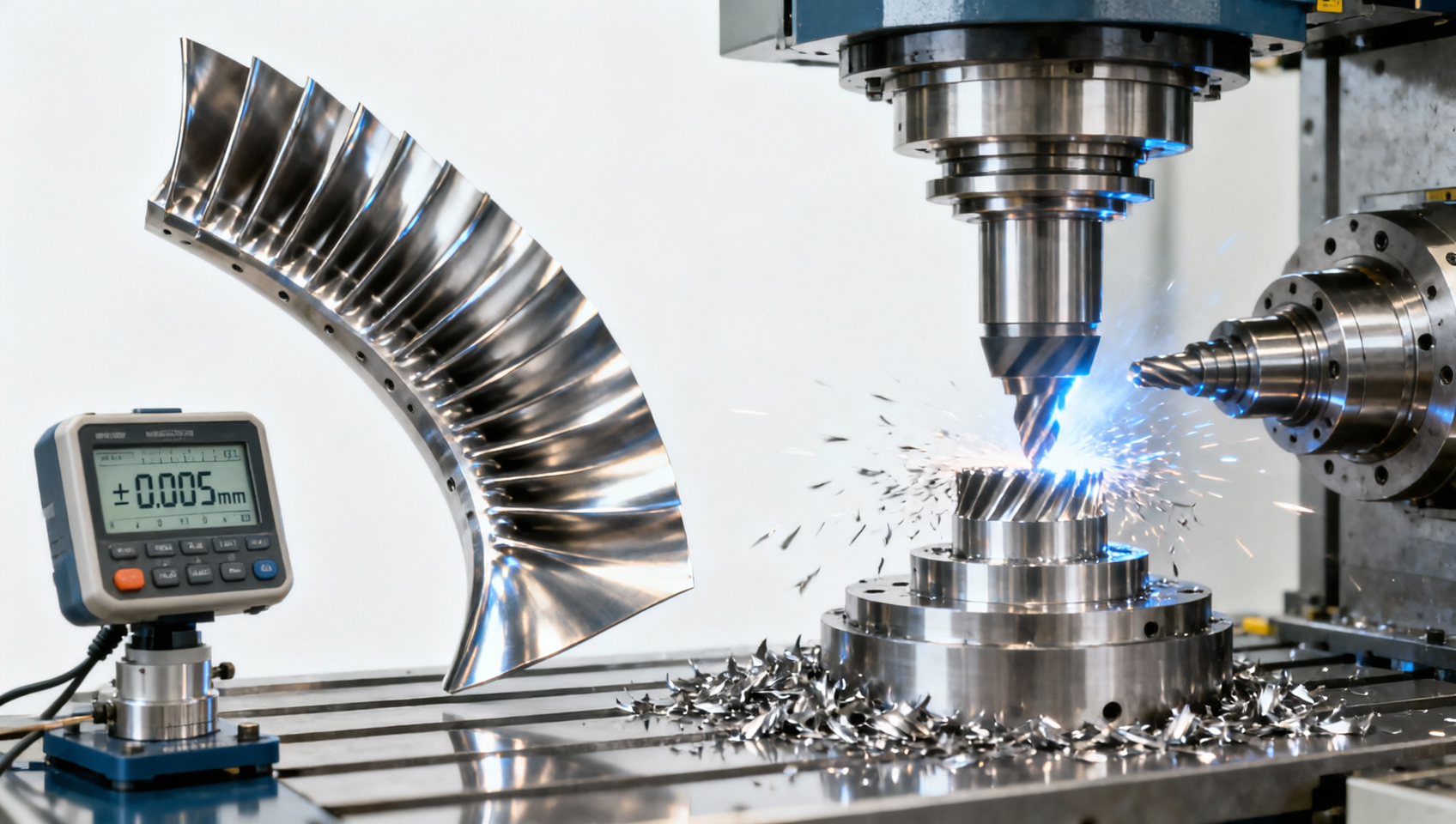
- Single-operation machining of turbine blades with ±0.005mm tolerance
- Continuous contouring of medical implant surfaces at 12,000 RPM spindle speeds
- 45° angled hole drilling without repositioning aerospace components
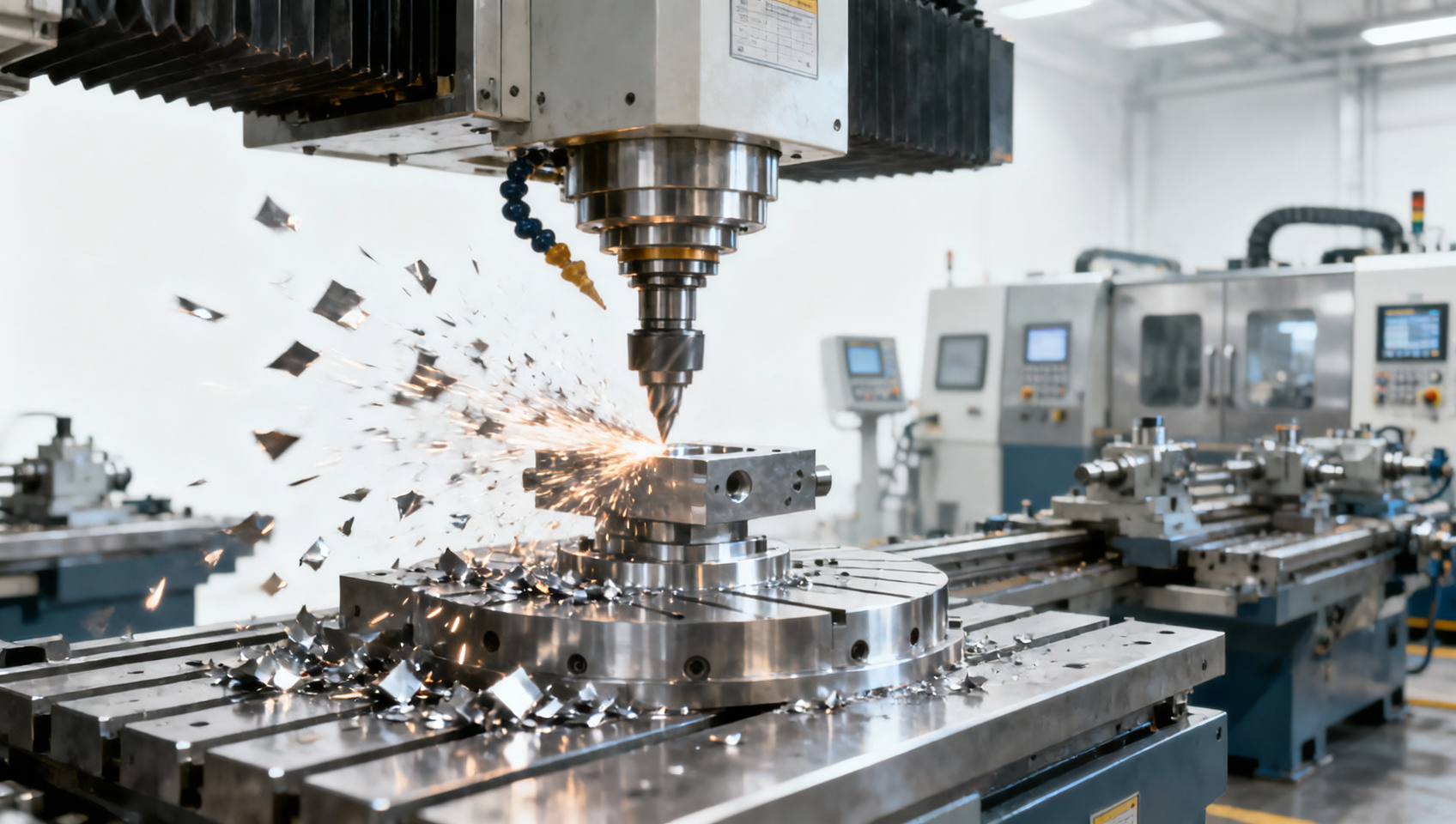
Our latest 7-axis systems further reduce cycle times by 30-40% through synchronized tool and workpiece movement, particularly beneficial for automotive transmission housings requiring 360° access.
Industry-Specific Performance Advantages
The table below compares multi-axis CNC benefits across key manufacturing sectors:
Automotive manufacturers particularly benefit from our twin-spindle configurations that machine mirror components simultaneously, reducing per-part costs by 15-20% in high-volume production.
Key Selection Criteria for Multi-Axis Systems
When evaluating multi-axis CNC machines, consider these critical parameters:
- Simultaneous axes: 5-axis machines offer 3+2 positioning (indexed) or full 5-axis continuous motion
- Work envelope: Ranging from 400×400×400mm for medical devices to 2000×1000×800mm for aerospace frames
- Tool changer capacity: 30-120 tools for complex part families
- Spindle power: 15-60kW options balancing speed and torque requirements
Our engineering team recommends conducting trial cuts with your most challenging components to verify surface finish quality (typically Ra 0.4-1.6μm) before finalizing equipment selection.
Common Missteps in Multi-Axis Adoption
Many manufacturers underestimate these critical factors:
- CAM software requirements for 5-axis toolpath generation (budget $15,000-$50,000)
- Operator training timelines (typically 80-120 hours per technician)
- Fixture design complexity for thin-walled components
Future-Proofing Your CNC Investment
Emerging technologies are transforming multi-axis machining:
- AI-powered adaptive machining reduces scrap rates by 30-45%
- Hybrid additive-subtractive systems enable complex internal channels
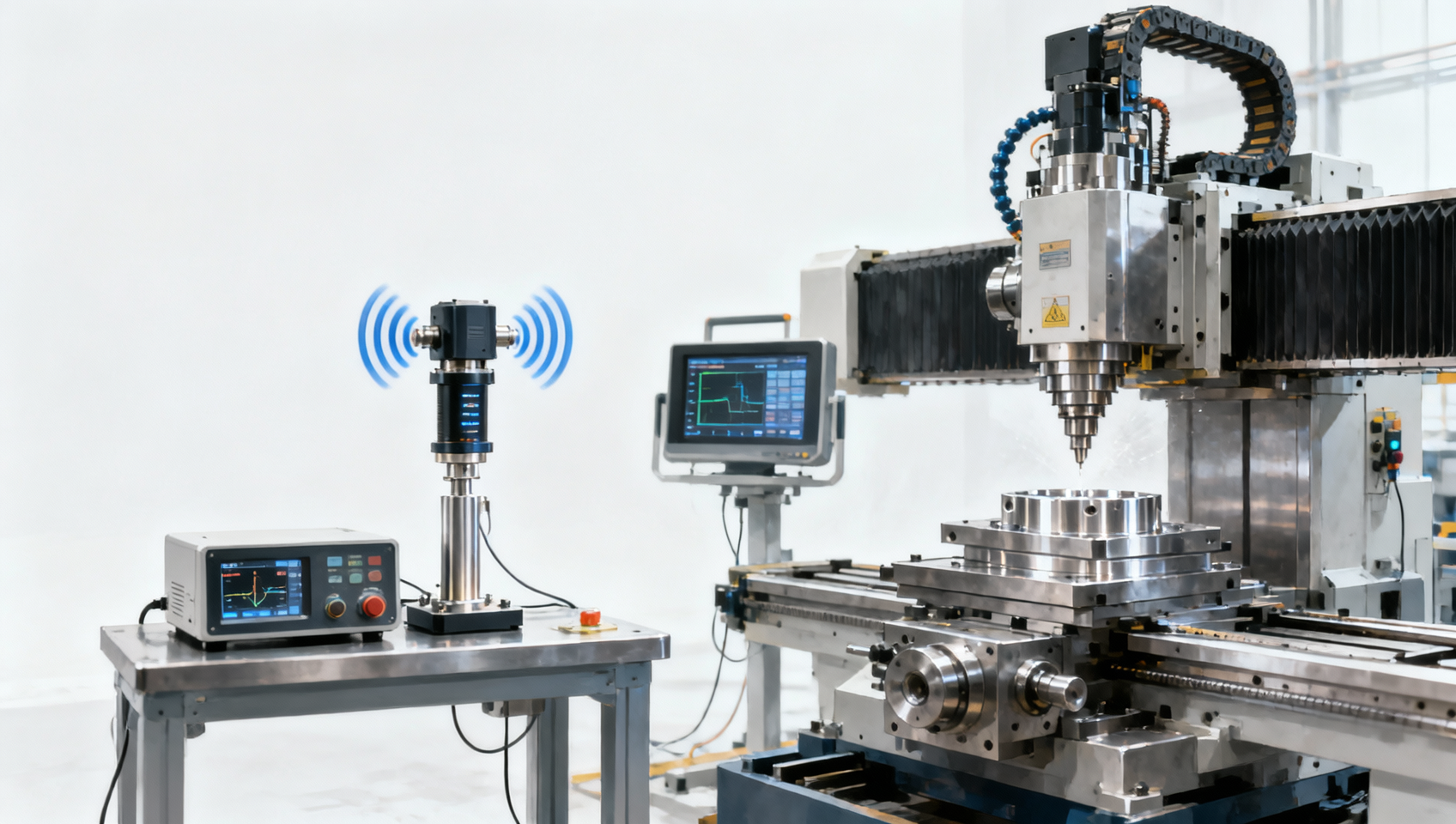
- IoT-enabled predictive maintenance cuts downtime by 25%
Our machines come standard with MTConnect compatibility, allowing seamless integration into Industry 4.0 environments with OPC UA communication protocols.
Technical Consultation & Next Steps
Our application engineers specialize in:
- Process feasibility analysis for complex components
- Side-by-side ROI comparisons with traditional methods
- Post-processor customization for your CAM system
Schedule a cutting demonstration with your sample parts to experience first-hand how our multi-axis solutions can streamline your production of precision components in aerospace, medical, or automotive applications.
Recommended for You
 How Space-Saving CNC Manufacturing Reduces Factory FootprintMachine Tool Industry Editorial Team
 5 Key Factors When Choosing a CNC Manufacturing WholesalerManufacturing Market Research Center
 Precision CNC Manufacturing: Tolerances You Can Expect in 2024CNC Machining Technology Center
 Why Energy Equipment Manufacturers Are Switching to CNC SolutionsCNC Machining Technology Center
 The Hidden Maintenance Costs of CNC Machines Most Factories MissCNC Machining Technology Center
 How to Identify a Reliable CNC Manufacturing Factory OverseasCNC Machining Technology Center

Aris Katos
Future of Carbide Coatings
15+ years in precision manufacturing systems. Specialized in high-speed milling and aerospace grade alloy processing.
▶
Precision CNC Manufacturing: Tolerances You Can Expect in 2024CNC Machining Technology Center▶
Why Energy Equipment Manufacturers Are Switching to CNC SolutionsCNC Machining Technology Center▶
The Hidden Maintenance Costs of CNC Machines Most Factories MissCNC Machining Technology Center▶
How to Identify a Reliable CNC Manufacturing Factory OverseasCNC Machining Technology Center▶
High-Speed CNC Manufacturing: When Faster Isn't Always BetterCNC Machining Technology Center
Mastering 5-Axis Workholding Strategies
Join our technical panel on Nov 15th to learn about reducing vibrations in thin-wall components.

Providing you with integrated sanding solutions
Before-sales and after-sales services
Comprehensive technical support