• Global CNC market projected to reach $128B by 2028 • New EU trade regulations for precision tooling components • Aerospace deman
NYSE: CNC +1.2%LME: STEEL -0.4%

Cost-Effective CNC Manufacturing Without Sacrificing Precision
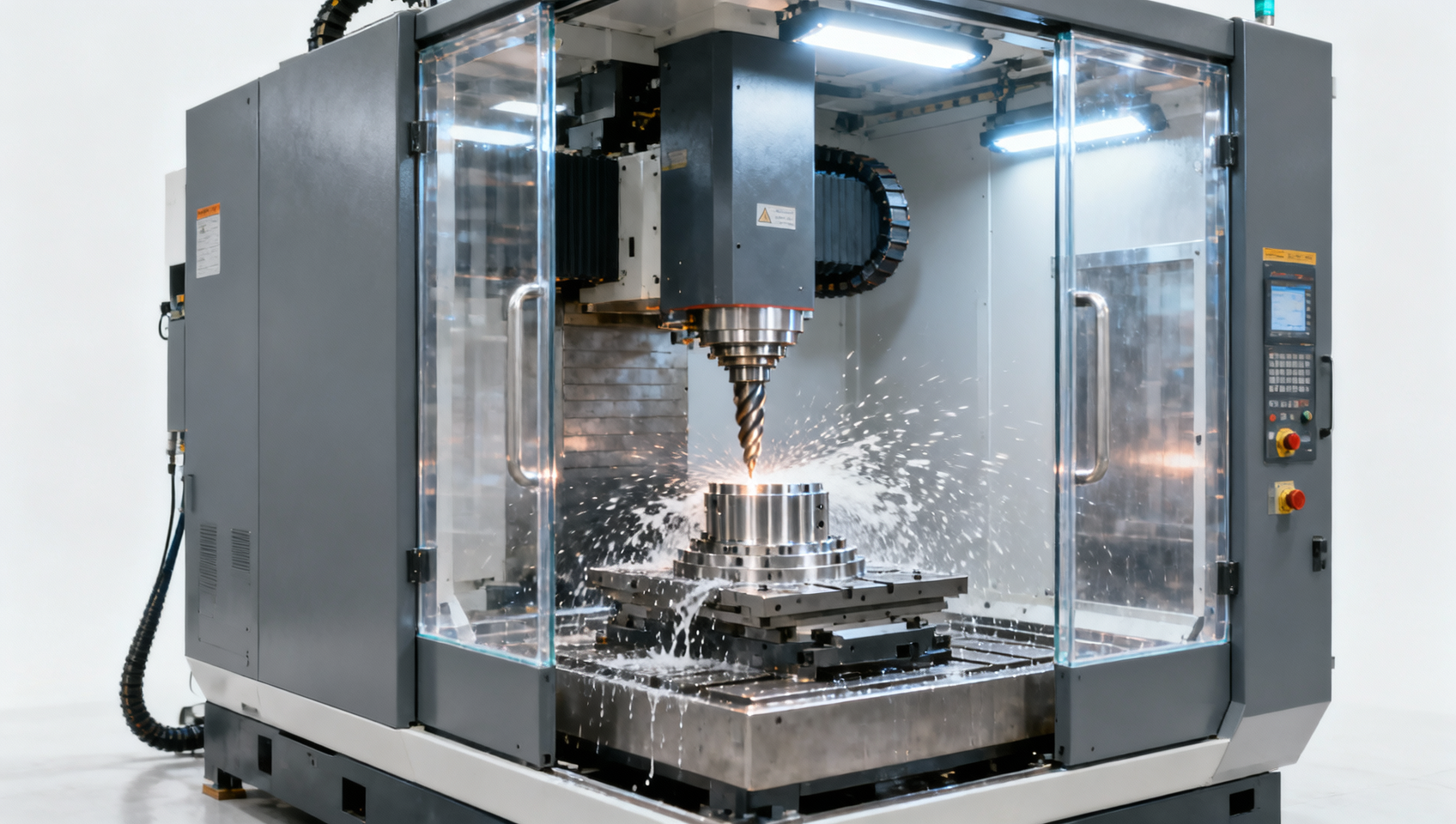
Cost-Effective CNC Manufacturing: Balancing Budget and Precision
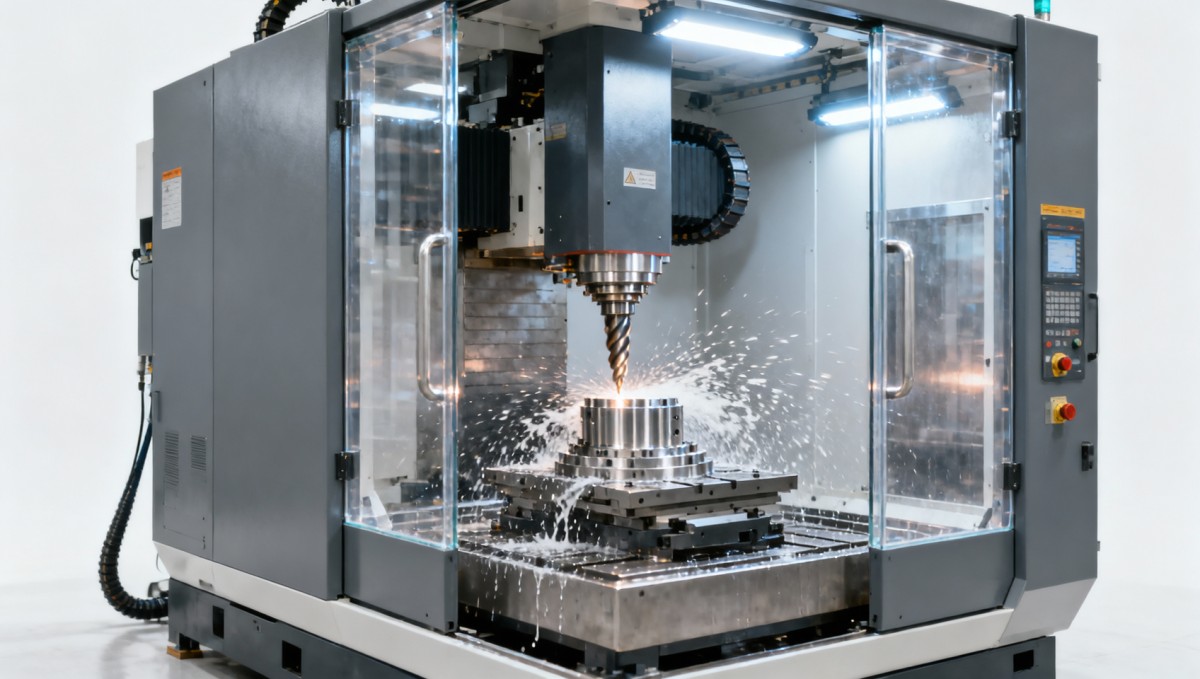
In today's competitive manufacturing landscape, achieving cost-effective CNC manufacturing without compromising precision is no longer a luxury but a necessity. Whether you're a procurement specialist seeking reliable CNC manufacturing suppliers or an operations manager optimizing automated production lines, our expertise in high-precision machine tools and energy-saving CNC solutions delivers exceptional value. Discover how space-saving CNC manufacturing systems, multi-axis machining centers, and quick-setup solutions can transform your production floor while maintaining the tight tolerances required for aerospace, automotive, and medical device applications.
Key Strategies for Cost Optimization in CNC Machining
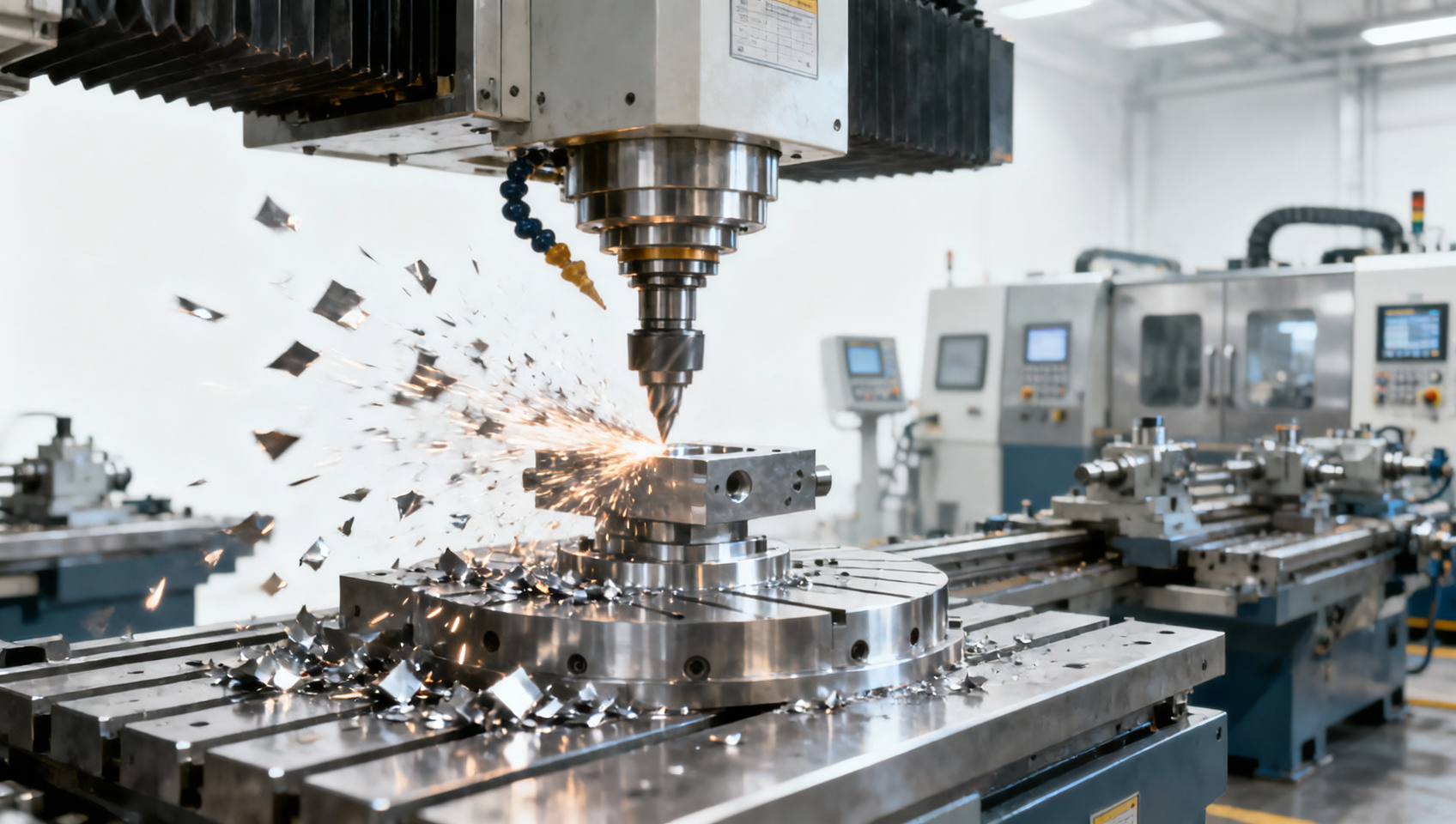
Reducing CNC manufacturing costs while maintaining precision requires a strategic approach across multiple operational areas. The most effective methods combine equipment selection, process optimization, and smart resource management.
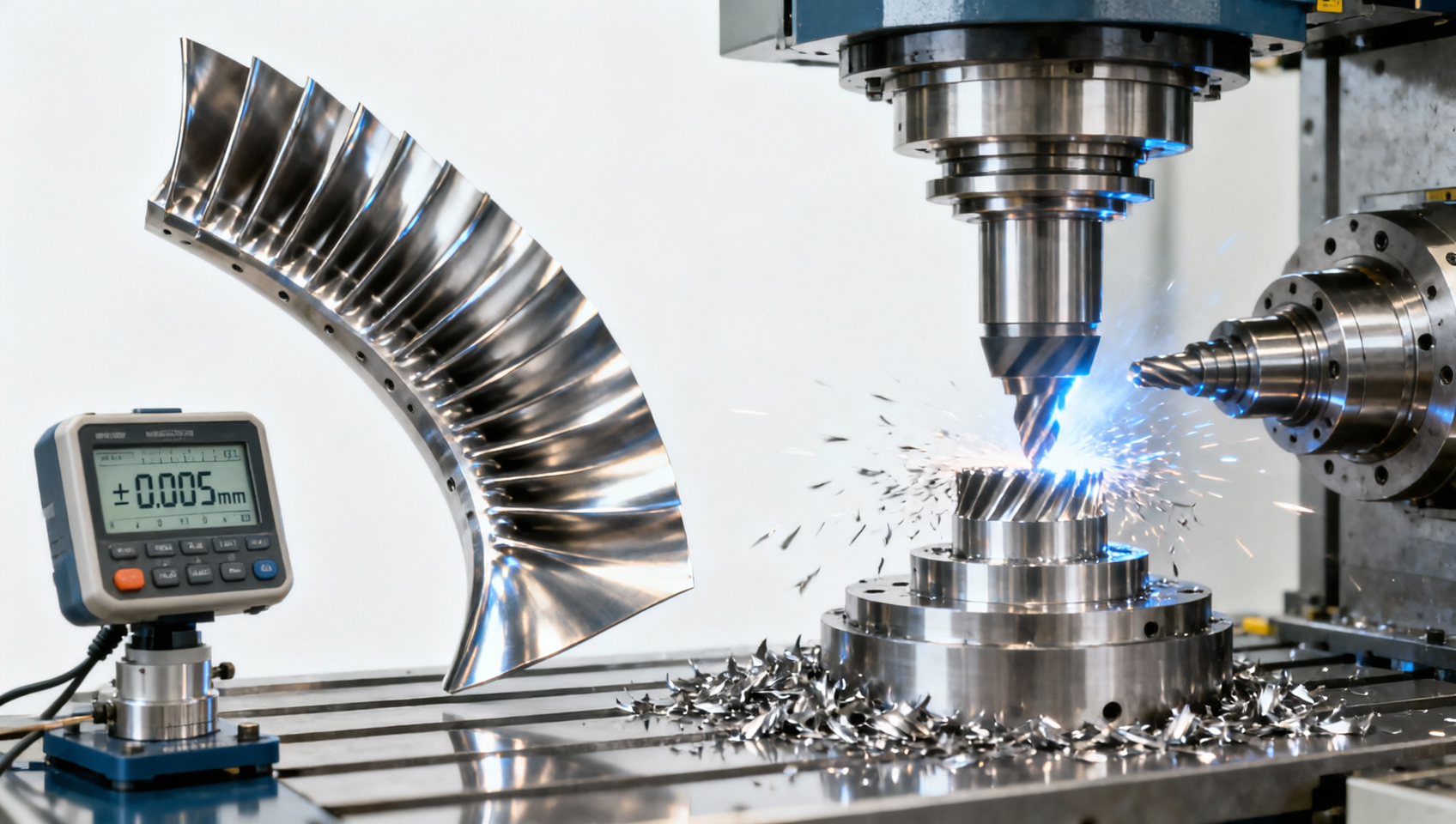
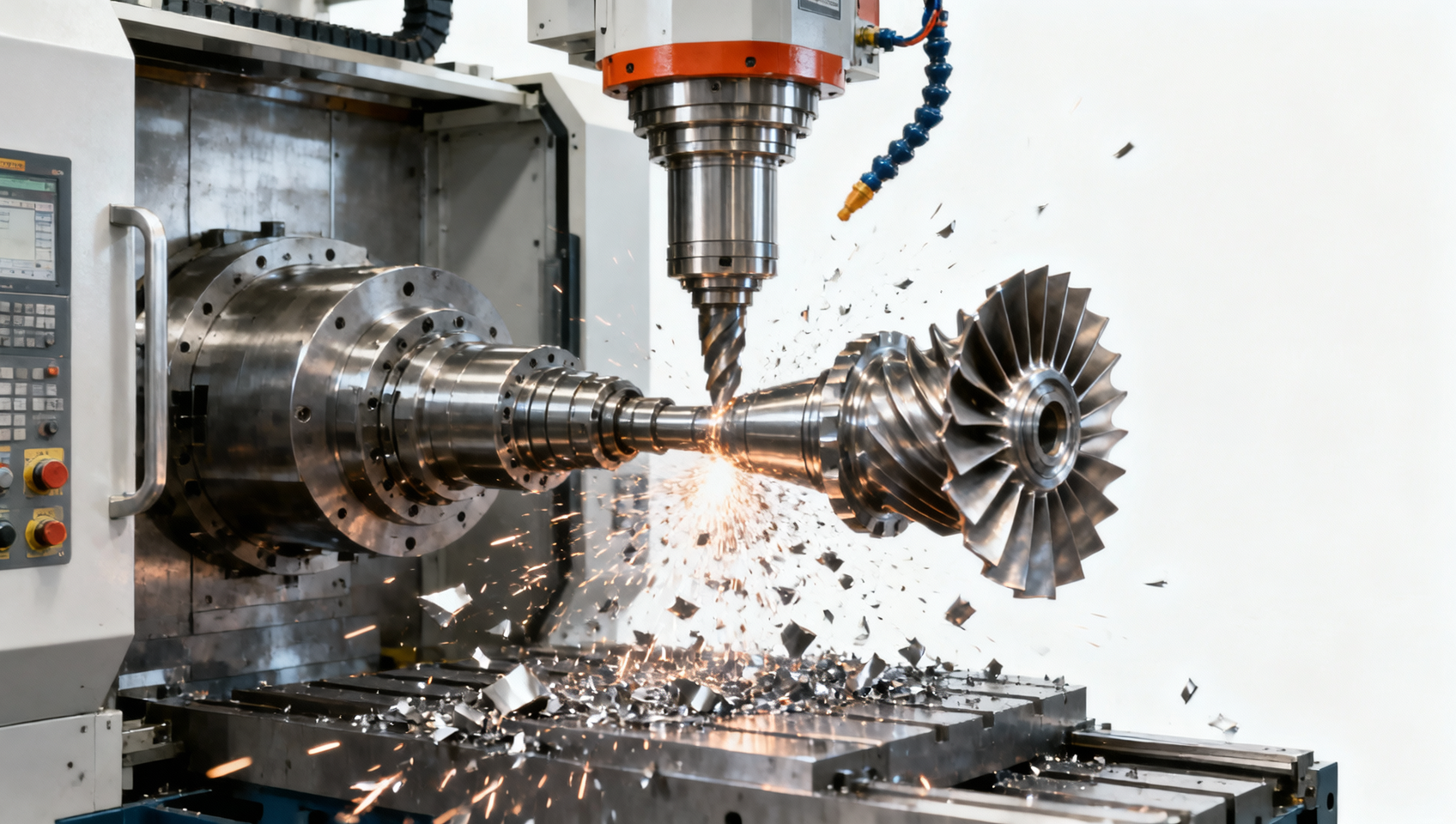
Modern multi-axis machining centers can reduce setup times by 40-60% compared to traditional 3-axis machines, while advanced tool path optimization software can decrease machining time by 15-30%. These technologies deliver immediate cost savings without sacrificing the ±0.005mm tolerances required for precision components.
The table above demonstrates how modern CNC solutions address three critical cost centers in precision manufacturing. By implementing these optimized approaches, manufacturers typically achieve 18-25% reduction in per-part costs while maintaining or improving quality standards.
Precision-Enhancing Technologies That Reduce Costs
Contrary to conventional wisdom, certain advanced technologies actually improve precision while reducing manufacturing costs. These solutions leverage automation, digital twins, and smart tooling to achieve both objectives simultaneously.
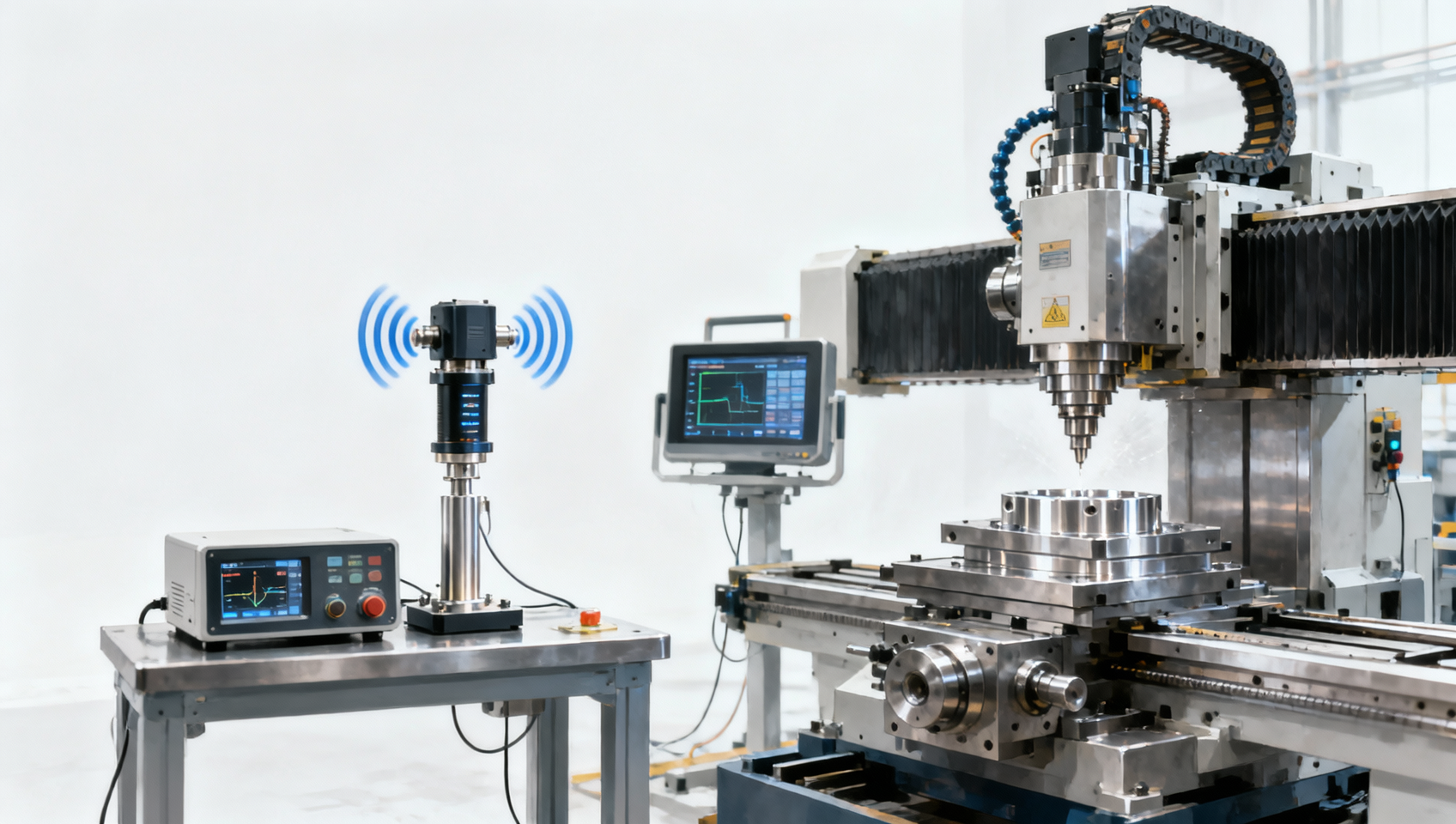
Adaptive machining systems with real-time feedback loops can maintain tolerances within ±0.002mm while reducing scrap rates by 30-50%. Similarly, automated tool compensation systems extend tool life by 20-40% while ensuring consistent part quality throughout production runs.
Critical Precision Technologies
- In-process measurement systems reducing post-machining inspection time by 60-80%
- Thermal compensation modules maintaining accuracy within ±1μm despite temperature fluctuations
- Vibration-dampening spindles enabling higher feed rates without sacrificing surface finish
- AI-powered predictive maintenance preventing 90% of unplanned downtime
Selecting the Right CNC Equipment for Cost-Effective Precision
Choosing appropriate CNC machinery requires balancing upfront costs with long-term operational efficiency. The optimal solution varies significantly based on production volume, part complexity, and material requirements.
This equipment selection guide helps manufacturers match their production needs with the most cost-effective CNC solution. For operations producing over 10,000 units annually, dedicated automation cells often provide the best balance of precision and economy.
Frequently Asked Questions
How much can I realistically save with cost-effective CNC solutions?
Typical savings range from 15-35% depending on current equipment age and production volume. The highest savings come from combining energy-efficient machines (8-12% savings), reduced setup times (10-15% savings), and improved tool life (7-10% savings).
What's the minimum production volume where CNC becomes cost-effective?
Modern CNC machines can be cost-effective for batches as small as 50-100 parts when considering reduced labor costs and improved quality. For high-mix manufacturers, flexible CNC systems with quick-change tooling provide the best economics.
How do I verify precision claims before purchasing equipment?
Request capability studies showing Cpk values ≥1.33 for critical tolerances. Reputable manufacturers will provide test-cut results demonstrating actual machine performance under production conditions.
Implementing Your Cost-Effective Precision Strategy
Transitioning to cost-effective CNC manufacturing requires careful planning across technology, personnel, and processes. A phased implementation approach minimizes disruption while delivering measurable results.
Begin with a comprehensive audit of current machining operations, identifying the 20% of processes that generate 80% of costs. Focus initial investments on these high-impact areas, prioritizing solutions that offer both precision improvements and cost reductions.
To explore customized solutions for your specific manufacturing challenges, contact our precision engineering specialists today. We'll help you identify the optimal balance of cost efficiency and machining accuracy for your production environment.
PREVIOUS ARTICLE
Recommended for You
 How Space-Saving CNC Manufacturing Reduces Factory FootprintMachine Tool Industry Editorial Team
 5 Key Factors When Choosing a CNC Manufacturing WholesalerManufacturing Market Research Center
 Precision CNC Manufacturing: Tolerances You Can Expect in 2024CNC Machining Technology Center
 Why Energy Equipment Manufacturers Are Switching to CNC SolutionsCNC Machining Technology Center
 The Hidden Maintenance Costs of CNC Machines Most Factories MissCNC Machining Technology Center
 How to Identify a Reliable CNC Manufacturing Factory OverseasCNC Machining Technology Center

Aris Katos
Future of Carbide Coatings
15+ years in precision manufacturing systems. Specialized in high-speed milling and aerospace grade alloy processing.
▶
Precision CNC Manufacturing: Tolerances You Can Expect in 2024CNC Machining Technology Center▶
Why Energy Equipment Manufacturers Are Switching to CNC SolutionsCNC Machining Technology Center▶
The Hidden Maintenance Costs of CNC Machines Most Factories MissCNC Machining Technology Center▶
How to Identify a Reliable CNC Manufacturing Factory OverseasCNC Machining Technology Center▶
High-Speed CNC Manufacturing: When Faster Isn't Always BetterCNC Machining Technology Center
Mastering 5-Axis Workholding Strategies
Join our technical panel on Nov 15th to learn about reducing vibrations in thin-wall components.

Providing you with integrated sanding solutions
Before-sales and after-sales services
Comprehensive technical support