• Global CNC market projected to reach $128B by 2028 • New EU trade regulations for precision tooling components • Aerospace deman
NYSE: CNC +1.2%LME: STEEL -0.4%

Red Flags When Selecting a CNC Manufacturing Supplier
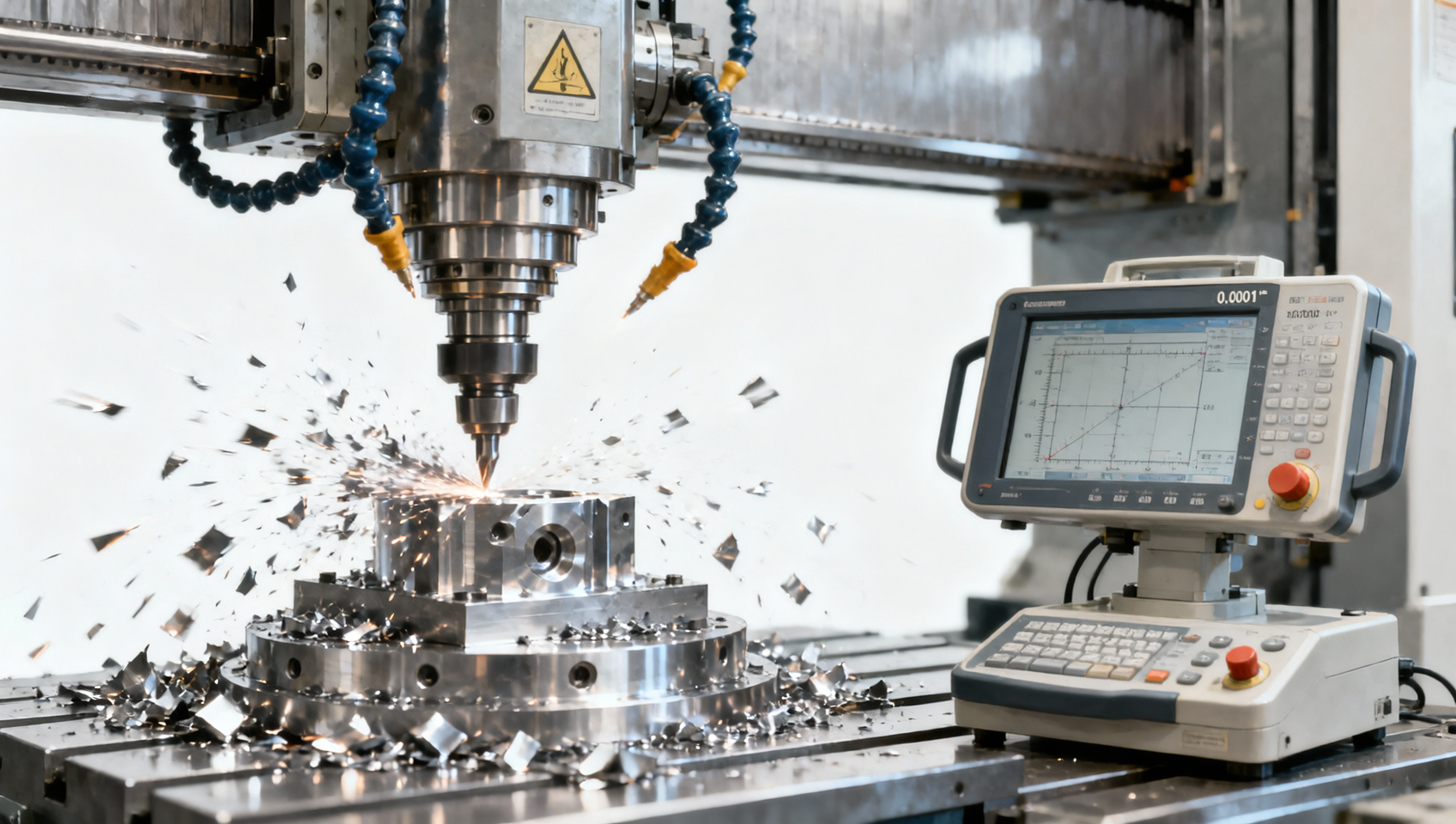
Selecting the right CNC manufacturing supplier is critical for your production success. Watch for these red flags: lack of precision CNC manufacturing capabilities, outdated automated production lines, or limited multi-axis machining expertise. Whether you need space-saving CNC solutions for electronics or high-speed machining for aerospace components, a reliable supplier should demonstrate proven experience in your specific industry. Poor communication about machine tool maintenance or unclear pricing structures often indicate deeper operational issues. This guide reveals key warning signs to avoid when sourcing CNC manufacturing for automotive, medical devices, or energy equipment applications.
Critical Capability Gaps in CNC Suppliers
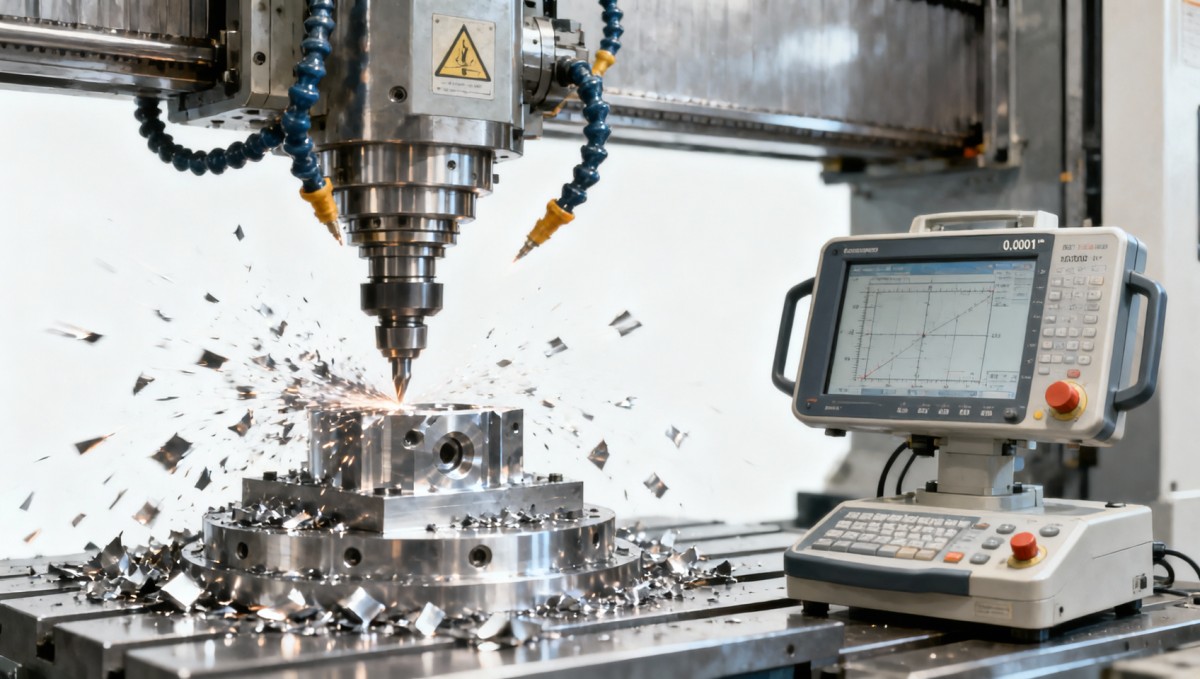
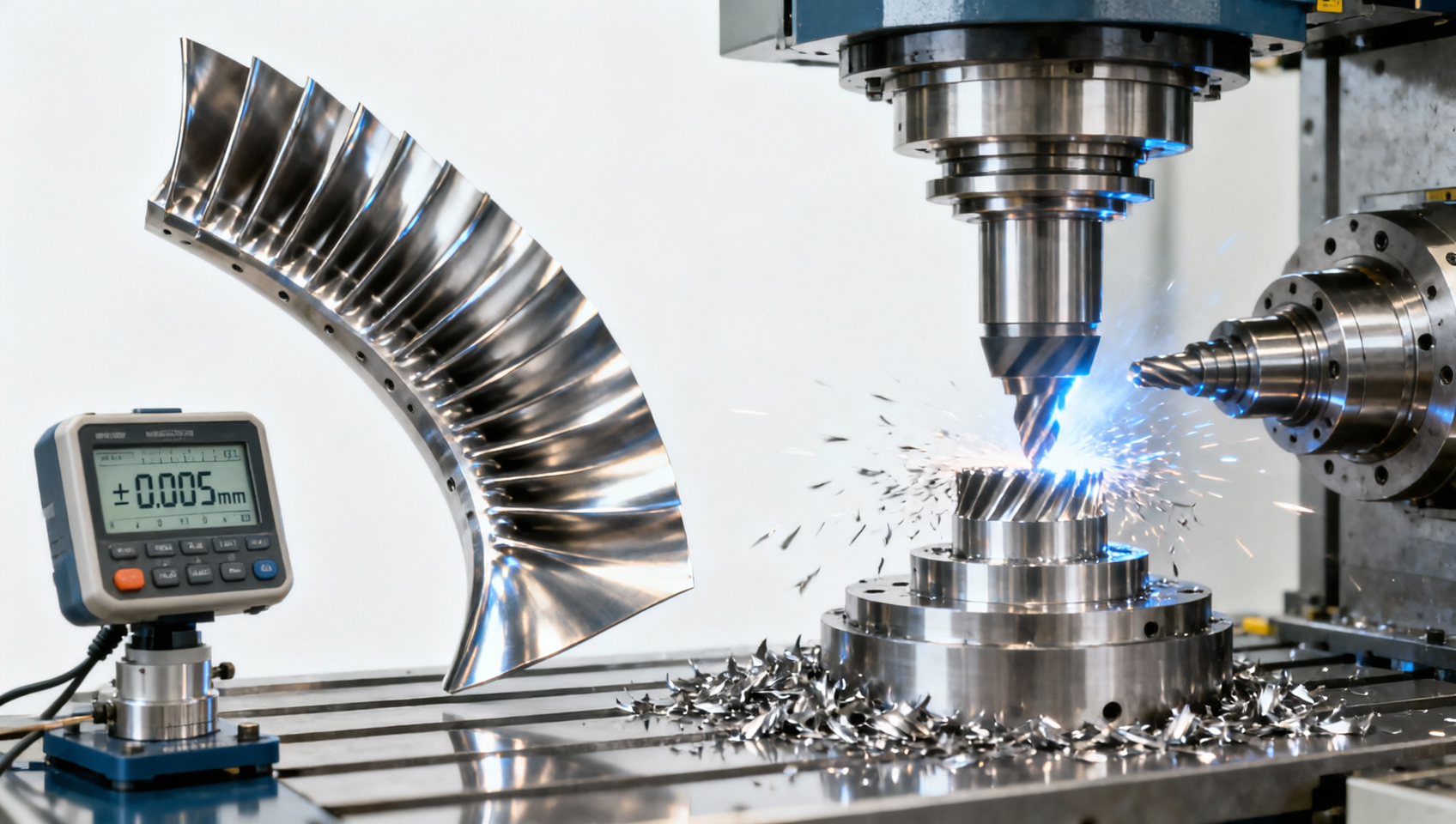
In aerospace and medical device manufacturing, tolerance requirements often fall below ±0.005 inches (0.127mm). Suppliers lacking 5-axis machining centers or advanced metrology equipment typically can't meet these standards. During facility audits, verify their:
- Maximum spindle speeds (18,000+ RPM for hardened steels)
- Positioning accuracy (ISO 230-2 certified ≤0.0002")
- Surface finish capabilities (Ra 8-16 µin for medical implants)
A 2023 industry survey revealed 42% of manufacturers switched suppliers due to inconsistent part quality from outdated equipment. Always request sample parts machined with your actual materials.
Operational Red Flags in Production Management
Lean manufacturing principles separate top-tier CNC suppliers from mediocre shops. These warning signs suggest production inefficiencies:
Suppliers without real-time production monitoring systems (OEE tracking) typically have 15-25% lower equipment utilization rates than industry leaders.
Supply Chain and Material Sourcing Risks
Global CNC part manufacturers face material lead times ranging from 2-12 weeks depending on alloy grades. These vulnerabilities require scrutiny:
- No certified material test reports (MTRs) for aerospace-grade aluminum/titanium
- Single-source suppliers for critical tooling components
- Inventory turnover below 6x annually for common materials
During the 2021-2023 supply chain crisis, manufacturers with diversified material networks maintained 87% on-time delivery versus 54% for single-source dependent suppliers.
Quality Control and Certification Shortfalls
Medical and automotive sectors require stringent process controls. These gaps should raise concerns:
- No NADCAP accreditation for special processes (heat treating, welding)
- PPAP documentation takes >10 business days to produce
- CMM inspection reports lack full GD&T callouts
AS9100-certified suppliers demonstrate 38% fewer non-conformances than uncertified shops according to IAQG benchmarks.
FAQ: Key Questions for Supplier Evaluation
What machining tolerances can you consistently hold for production runs?
Top suppliers provide statistical process control (SPC) data showing CpK ≥1.33 for critical dimensions over 50+ parts. Avoid vendors quoting "best case" tolerances without production evidence.
How do you handle design changes during production?
Established manufacturers implement engineering change orders (ECOs) within 2-3 business days with full traceability. Prototype shops often lack formal change management systems.
What's your typical lead time for aluminum aerospace components?
Competitive suppliers quote 4-6 weeks for complex structural parts. Quotes under 3 weeks often indicate insufficient process validation or quality checks.
Next Steps for Secure Sourcing
Our ISO 13485 and AS9100-certified facilities maintain:
- 15+ multi-axis machining centers with <0.0001" repeatability
- 24/7 production monitoring with 99.2% OEE
- Dual-source agreements with leading material providers
Request a manufacturing capability assessment including:
- Material certification samples
- Process validation documentation
- Current capacity analysis for your project volume
PREVIOUS ARTICLE
Recommended for You
 How Space-Saving CNC Manufacturing Reduces Factory FootprintMachine Tool Industry Editorial Team
 5 Key Factors When Choosing a CNC Manufacturing WholesalerManufacturing Market Research Center
 Precision CNC Manufacturing: Tolerances You Can Expect in 2024CNC Machining Technology Center
 Why Energy Equipment Manufacturers Are Switching to CNC SolutionsCNC Machining Technology Center
 The Hidden Maintenance Costs of CNC Machines Most Factories MissCNC Machining Technology Center
 How to Identify a Reliable CNC Manufacturing Factory OverseasCNC Machining Technology Center

Aris Katos
Future of Carbide Coatings
15+ years in precision manufacturing systems. Specialized in high-speed milling and aerospace grade alloy processing.
▶
Precision CNC Manufacturing: Tolerances You Can Expect in 2024CNC Machining Technology Center▶
Why Energy Equipment Manufacturers Are Switching to CNC SolutionsCNC Machining Technology Center▶
The Hidden Maintenance Costs of CNC Machines Most Factories MissCNC Machining Technology Center▶
How to Identify a Reliable CNC Manufacturing Factory OverseasCNC Machining Technology Center▶
High-Speed CNC Manufacturing: When Faster Isn't Always BetterCNC Machining Technology Center
Mastering 5-Axis Workholding Strategies
Join our technical panel on Nov 15th to learn about reducing vibrations in thin-wall components.

Providing you with integrated sanding solutions
Before-sales and after-sales services
Comprehensive technical support