• Global CNC market projected to reach $128B by 2028 • New EU trade regulations for precision tooling components • Aerospace deman
NYSE: CNC +1.2%LME: STEEL -0.4%

Heavy-Duty Machining Centers: Powering Modern Mold Making
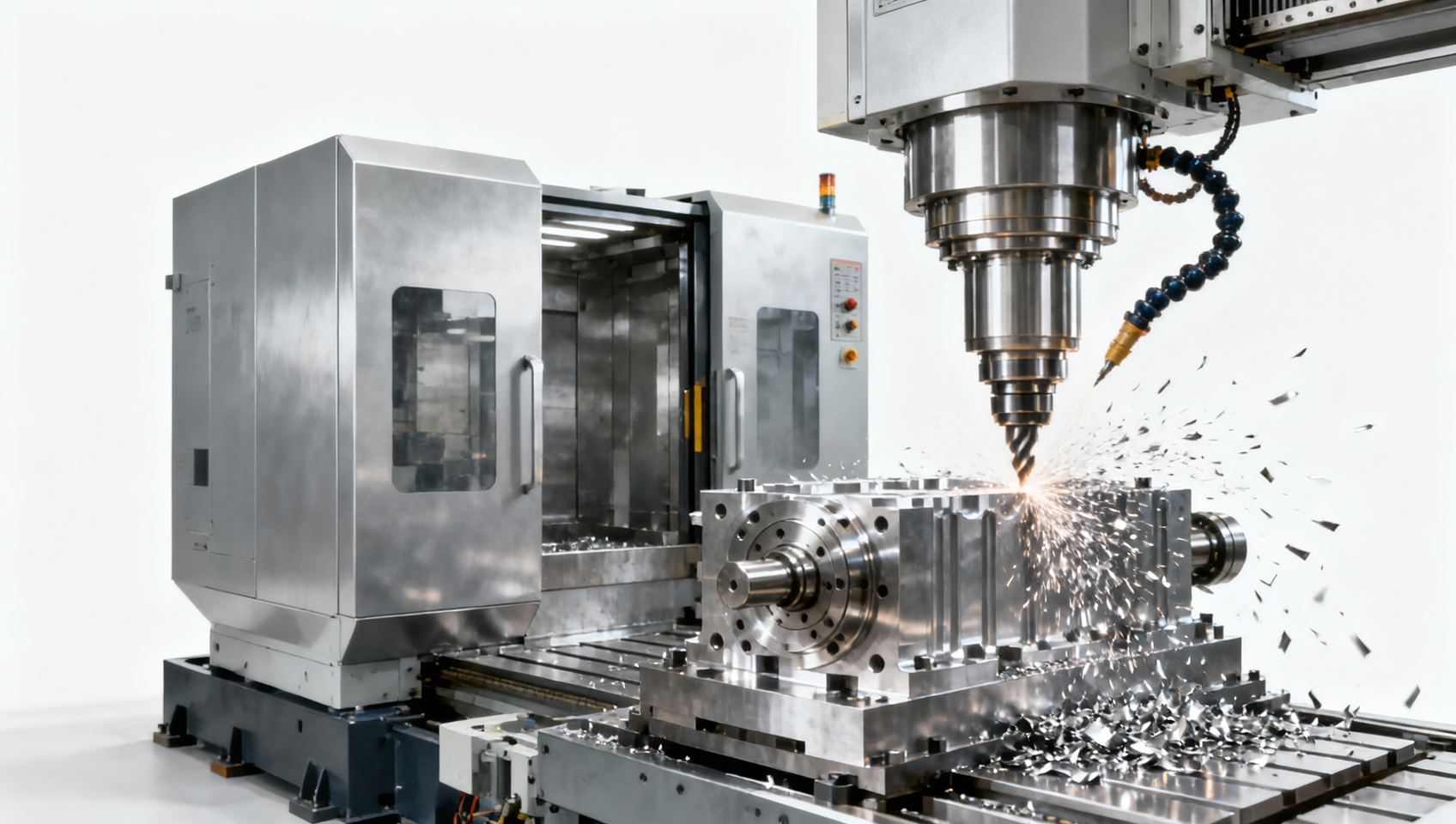
The Evolution of Heavy-Duty Machining in Mold Production
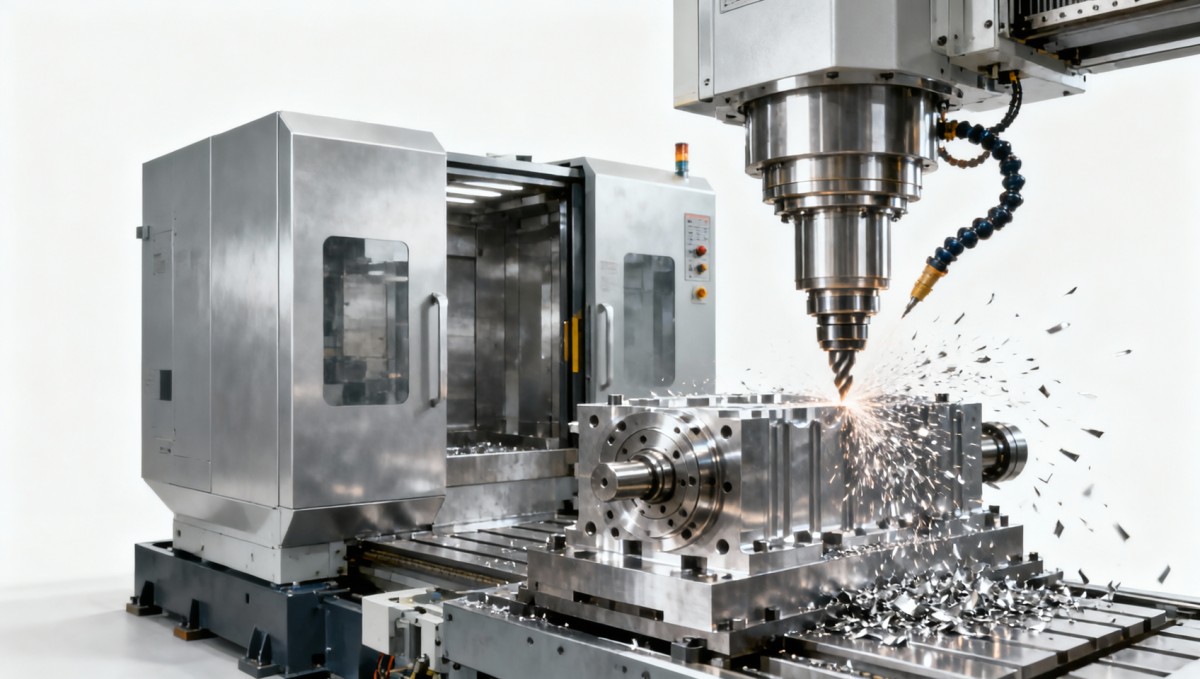
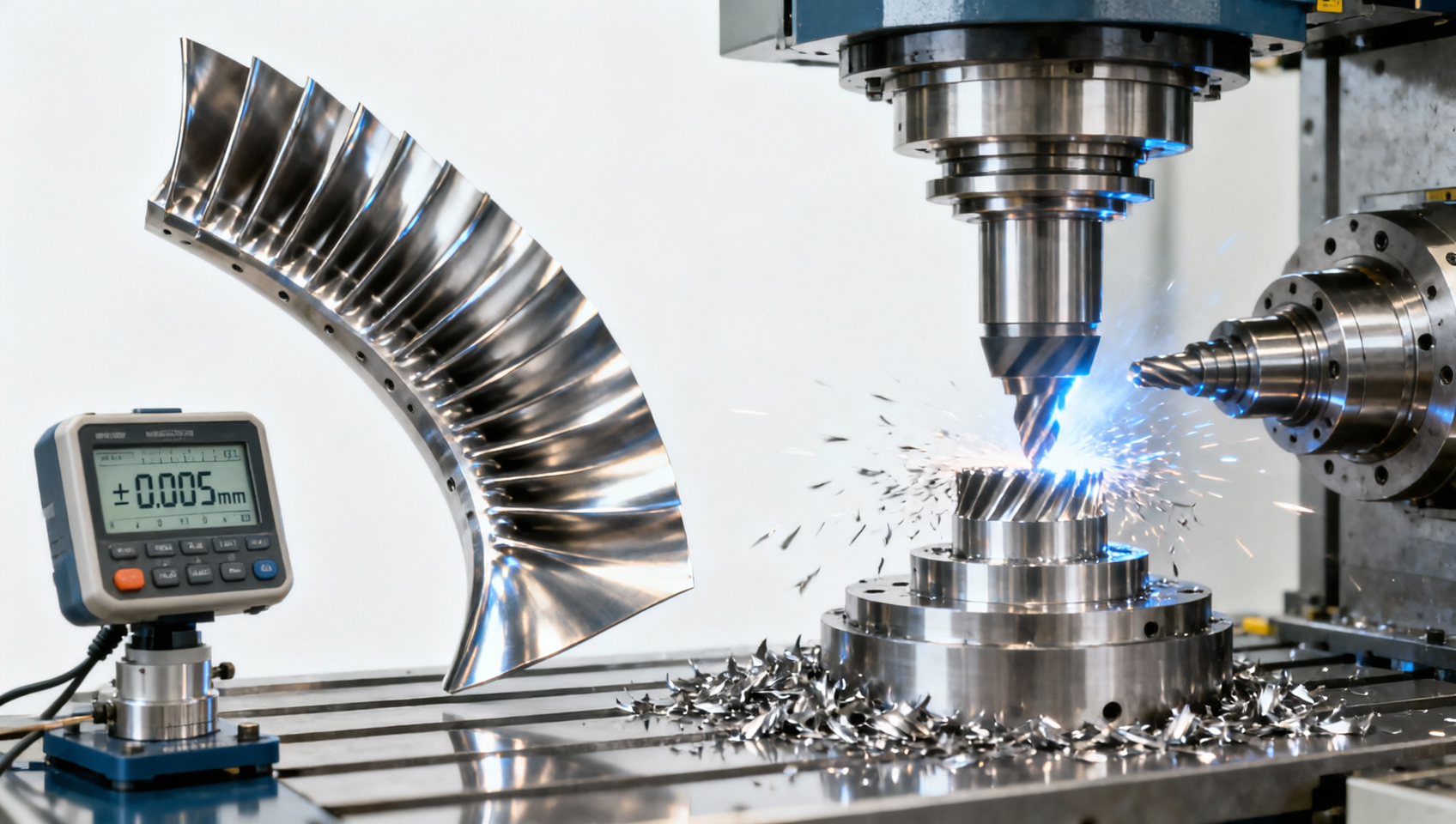
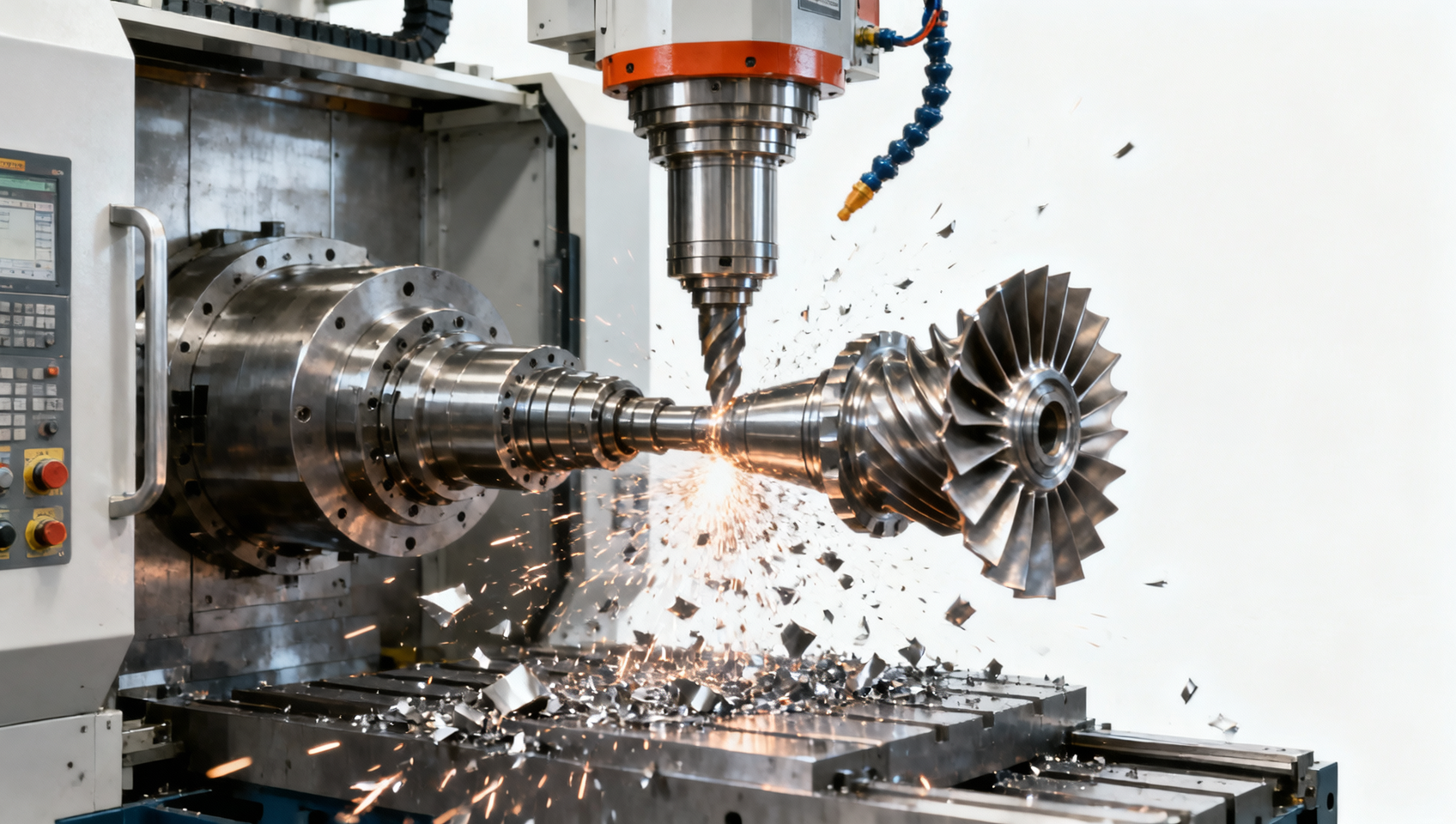
Modern mold manufacturing demands machining centers capable of handling hardened steels like H13 (50–55 HRC) while maintaining micron-level accuracy (±0.005mm). Heavy-duty CNC machining centers have evolved from basic milling platforms to integrated systems featuring 5-axis simultaneous machining, 15,000+ RPM spindles, and 1G acceleration rates – all while reducing floor space requirements by 20–30% compared to legacy systems.
Leading manufacturers now incorporate thermal compensation systems that maintain positioning accuracy within ±2μm even during 24/7 operation. These advancements directly address three critical mold-making challenges:
- Reducing electrode machining time by 40–60% through high-speed hard milling
- Eliminating secondary operations with complete contouring capabilities
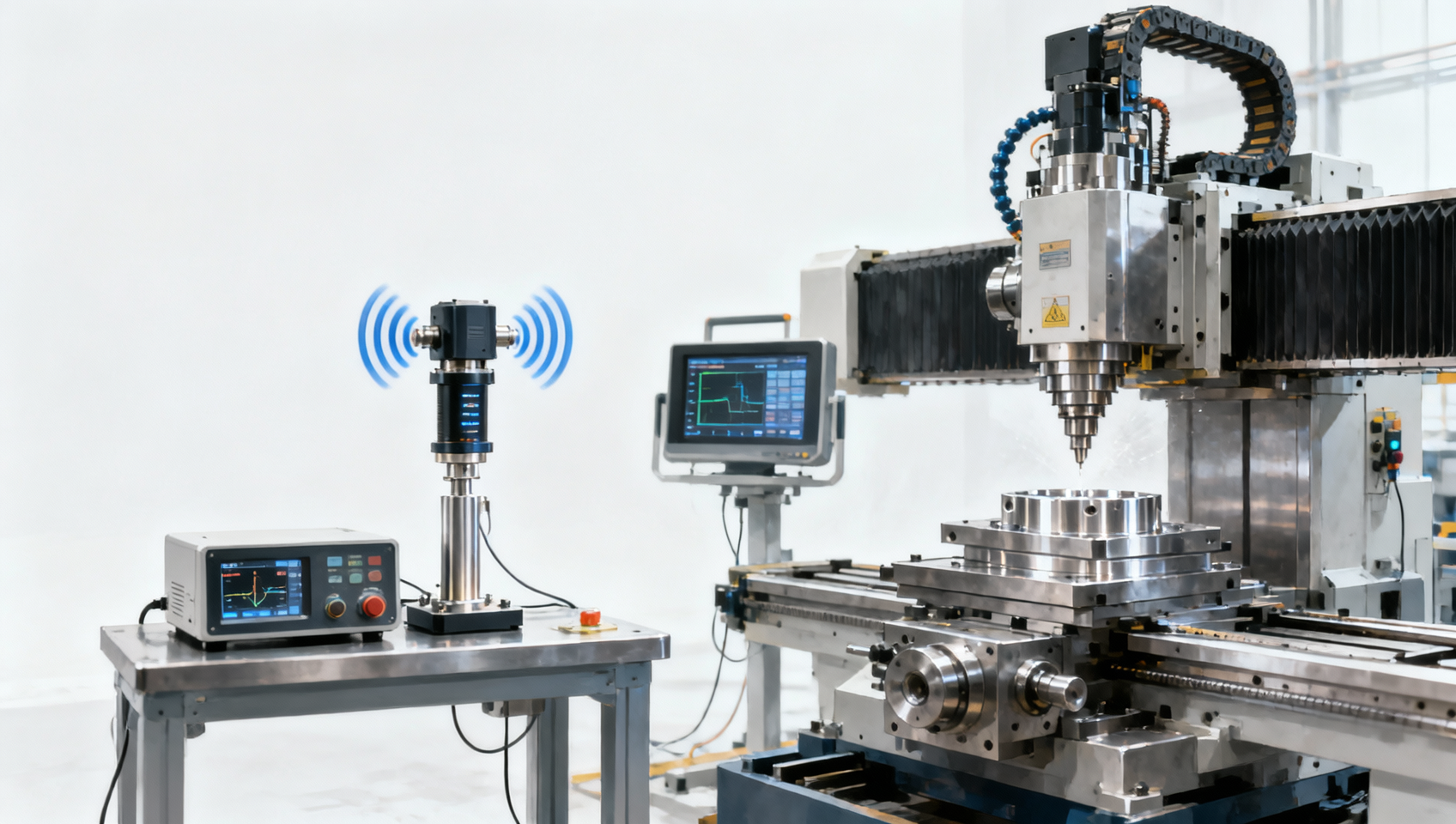
- Extending tool life by 35% via advanced vibration damping systems
Key Specifications Comparison: Standard vs. Heavy-Duty Machining Centers
The enhanced specifications translate to 25–40% faster cycle times when machining complex mold cavities. For automotive injection molds requiring 500+ hours of machining, this can reduce total production time by 6–8 weeks.
Critical Selection Factors for Mold-Making Applications
When evaluating heavy-duty machining centers for mold production, consider these five operational parameters that directly impact ROI:
- Rigidity Index: Look for machines with static stiffness ≥50 N/μm and dynamic stiffness ≥25 N/μm to prevent chatter during deep cavity milling
- Thermal Stability: Optimal systems maintain ≤8μm positional drift over 8-hour production cycles
- Tool Capacity: 60+ tool magazines with HSK-100 or CAT-50 taper interfaces handle diverse milling requirements
- Control Resolution: 0.1μm interpolation capability ensures smooth surface finishes (Ra 0.2–0.4μm)
- Automation Readiness: Pallet changers and robotic integration reduce manual intervention by 70–90%
Total Cost Analysis: Heavy-Duty vs. Multiple Standard Machines
Over a 5-year period, heavy-duty centers typically demonstrate 18–25% lower total cost of ownership while delivering 30–50% higher throughput for mold production.
Implementing Heavy-Duty Solutions: Best Practices
Successful integration requires addressing three operational phases with specialized approaches:
1. Pre-Installation Preparation
Concrete foundations should meet ≥8 N/mm² compressive strength with vibration damping layers. Power requirements typically include:
- 3-phase 400V (±10%) 60–100 kVA connection
- ±1% voltage stability with <3% harmonic distortion
- Dedicated 6–10 bar compressed air supply
2. Operational Optimization
Implement these cutting strategies for mold steel machining:
- Trochoidal milling paths reduce tool load by 40–60%
- Adaptive clearing maintains 85–95% tool engagement
- High-efficiency roughing removes 25–35 cm³/min of material
3. Maintenance Protocols
Follow this schedule to maximize uptime:
- Daily: Way lube level checks, chip removal
- Weekly: Ball screw and guideway inspection
- Quarterly: Spindle runout verification (<2μm)
- Annual: Full geometric accuracy calibration
Industry-Specific Applications and ROI
Heavy-duty machining centers demonstrate exceptional value in these mold-making scenarios:
Automotive Injection Molds
Producing 1,500+ ton injection molds with:
- Core/cavity machining in single setup
- Surface finishes requiring ≤0.5μm Ra
- 4–6 week reduction in lead times
Aerospace Composite Tooling
Machining Invar® and steel tools for:
- ±0.025mm/m thermal stability requirements
- 5–8 meter long structural components
- 90°–95° side wall milling capability
Future Trends in Heavy-Duty Machining Technology
Emerging innovations are set to further transform mold manufacturing:
- AI-driven adaptive control: Real-time adjustment of cutting parameters based on tool wear monitoring
- Hybrid additive-subtractive systems: Combining laser deposition with precision milling
- Digital twin integration: Virtual machining simulations reducing trial runs by 60–80%
For mold manufacturers evaluating heavy-duty machining centers, the technology now offers unprecedented capabilities to compress production timelines while improving quality. Leading operations report 18–24 month payback periods through combined gains in productivity, space utilization, and tooling efficiency.
To explore how these advanced machining solutions can optimize your mold production workflow, request a customized capacity analysis from our engineering team today.
PREVIOUS ARTICLE
Recommended for You
 How Space-Saving CNC Manufacturing Reduces Factory FootprintMachine Tool Industry Editorial Team
 5 Key Factors When Choosing a CNC Manufacturing WholesalerManufacturing Market Research Center
 Precision CNC Manufacturing: Tolerances You Can Expect in 2024CNC Machining Technology Center
 Why Energy Equipment Manufacturers Are Switching to CNC SolutionsCNC Machining Technology Center
 The Hidden Maintenance Costs of CNC Machines Most Factories MissCNC Machining Technology Center
 How to Identify a Reliable CNC Manufacturing Factory OverseasCNC Machining Technology Center

Aris Katos
Future of Carbide Coatings
15+ years in precision manufacturing systems. Specialized in high-speed milling and aerospace grade alloy processing.
▶
Precision CNC Manufacturing: Tolerances You Can Expect in 2024CNC Machining Technology Center▶
Why Energy Equipment Manufacturers Are Switching to CNC SolutionsCNC Machining Technology Center▶
The Hidden Maintenance Costs of CNC Machines Most Factories MissCNC Machining Technology Center▶
How to Identify a Reliable CNC Manufacturing Factory OverseasCNC Machining Technology Center▶
High-Speed CNC Manufacturing: When Faster Isn't Always BetterCNC Machining Technology Center
Mastering 5-Axis Workholding Strategies
Join our technical panel on Nov 15th to learn about reducing vibrations in thin-wall components.

Providing you with integrated sanding solutions
Before-sales and after-sales services
Comprehensive technical support