• Global CNC market projected to reach $128B by 2028 • New EU trade regulations for precision tooling components • Aerospace deman
NYSE: CNC +1.2%LME: STEEL -0.4%

What Slows Down CNC Production Most Often
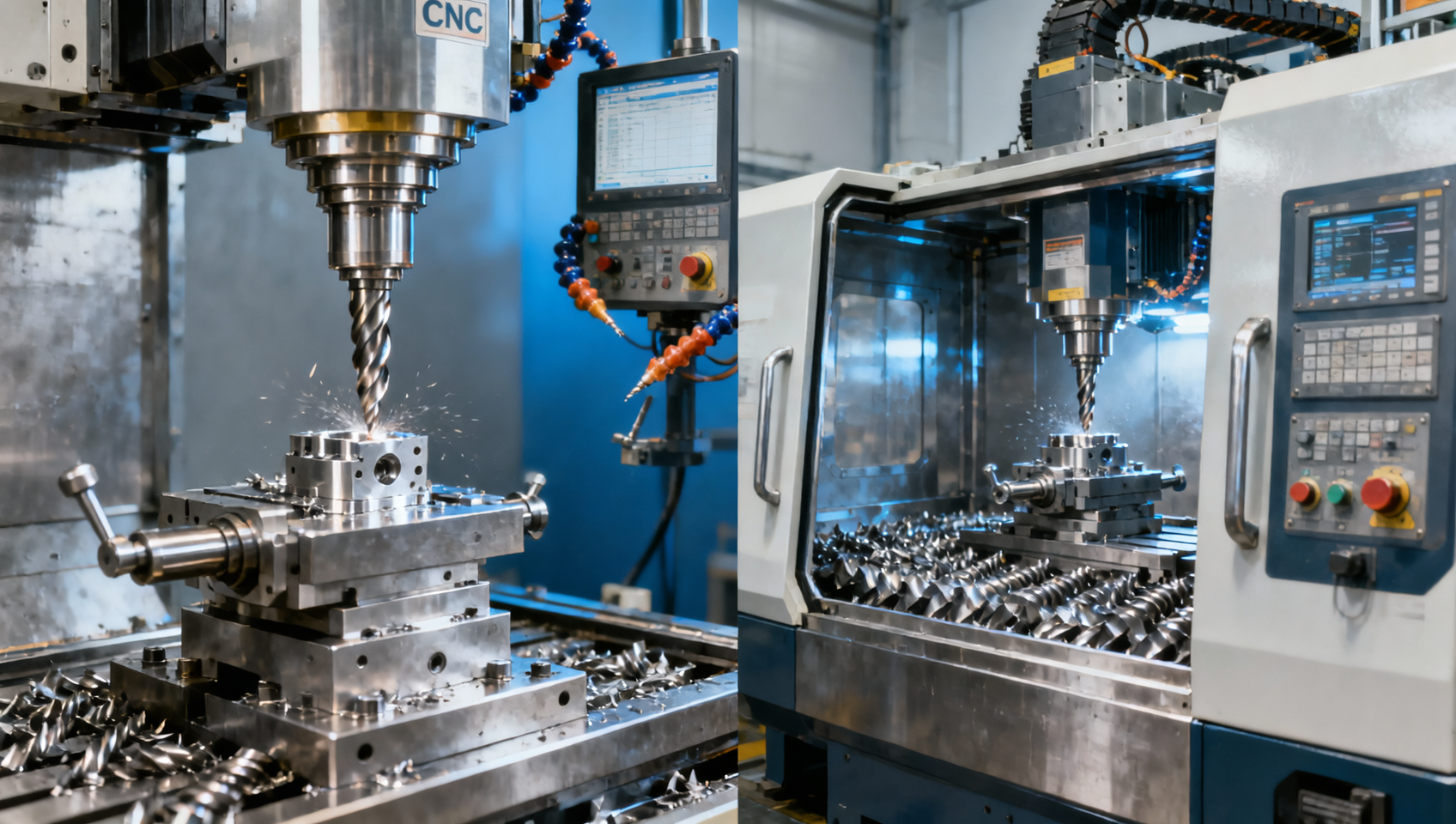
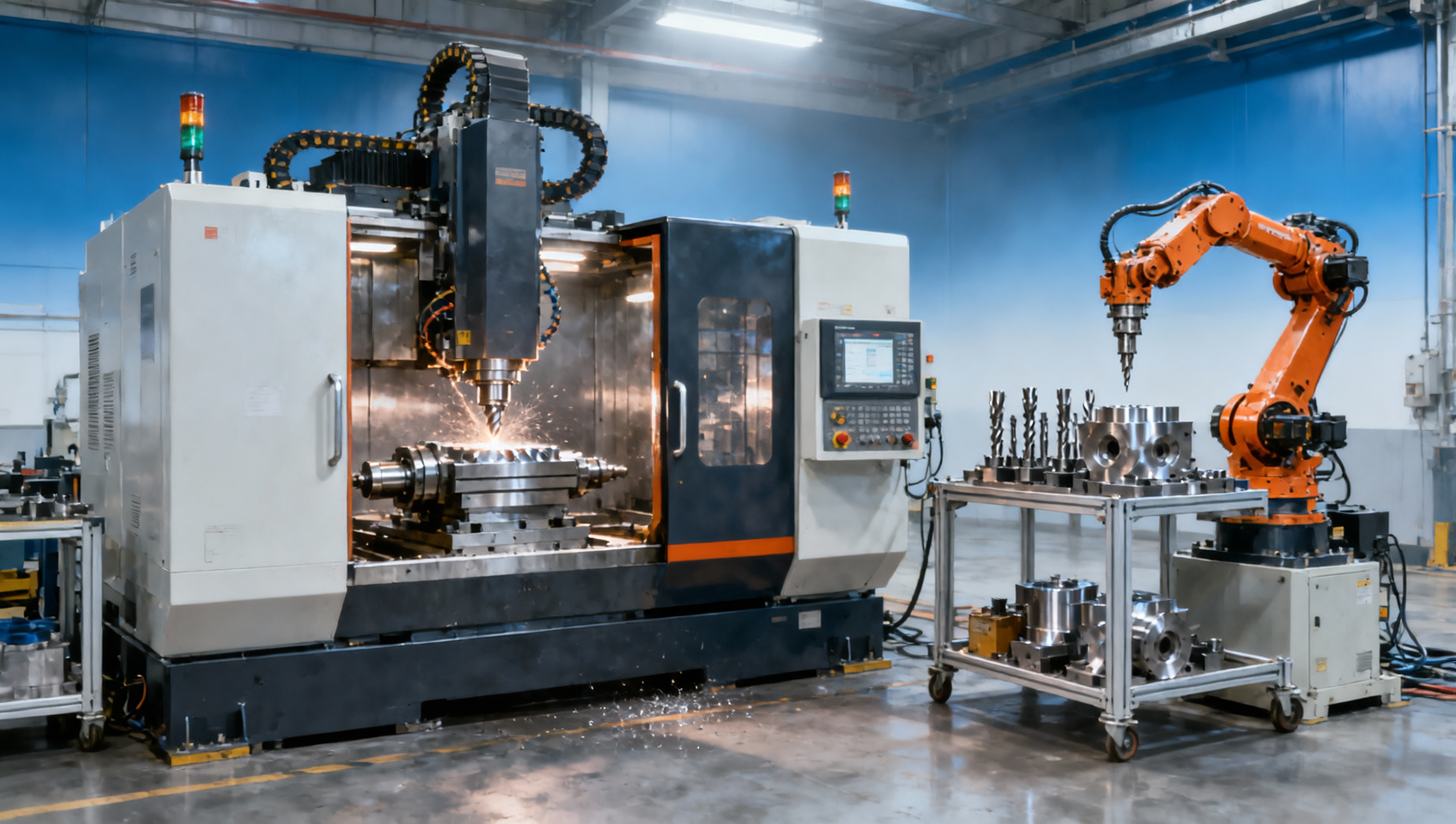
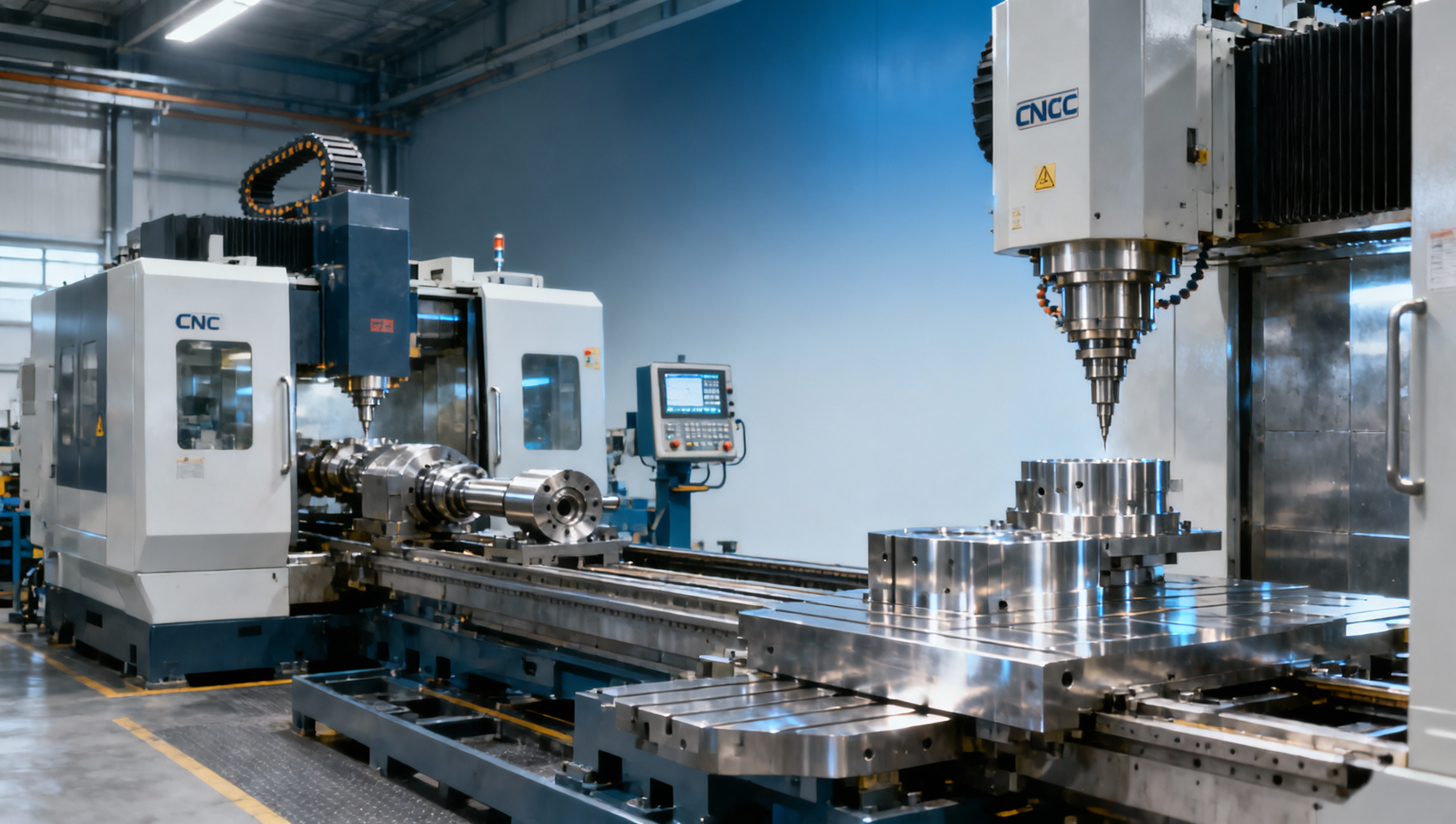
In CNC production, delays often come from overlooked issues in the production process, from CNC programming errors and tool wear to unstable automated production line coordination. For companies in metal machining, industrial CNC, and CNC metalworking, identifying these bottlenecks is essential to improving efficiency, reducing downtime, and staying competitive in the global manufacturing and machine tool market.
For researchers, operators, buyers, and business evaluators, the key question is not whether delays happen, but which delays occur most often and which ones cost the most in lost spindle hours, missed deliveries, and unstable part quality. In most workshops, a 10-minute interruption repeated 6 to 8 times per shift can create more disruption than one planned 60-minute stop.
This article looks at the most common causes that slow CNC production, how they appear in real machining environments, and what practical actions manufacturers can take to improve cycle stability, machine utilization, and delivery performance across turning, milling, multi-axis machining, and automated production cells.
Programming and Process Planning Errors Usually Trigger the First Major Delays
Many CNC delays begin before the machine starts cutting. Weak process planning, incomplete drawings, unstable CAM output, and poor setup documentation can slow production more than machine hardware limitations. When the NC program is not optimized for toolpath efficiency, tool changes rise, air-cut time increases, and operators spend extra minutes checking dimensions after each operation.
In a typical batch machining environment, even a 5% to 12% increase in unnecessary tool movement can extend cycle time significantly over 100, 500, or 1,000 parts. This is especially visible in multi-axis machining centers, where poorly sequenced operations can create avoidable repositioning and longer verification time during first-article approval.
Programming errors also create hidden downtime. A wrong tool offset, unsafe retraction height, or mismatched post-processor can stop production immediately. In shops handling aerospace, automotive, or energy components, one programming revision may require 30 to 90 minutes of machine-side validation before stable production resumes.
Why process planning breaks down
The issue is often not a single mistake, but poor coordination between engineering and the shop floor. When setup sheets, fixture instructions, tool lists, and inspection points are not synchronized, operators must fill gaps themselves. That increases setup time, raises scrap risk, and slows line balancing in automated production systems.
Another common problem is using generic machining parameters for different materials. Stainless steel, aluminum alloy, and hardened steel require different speeds, feeds, coolant strategies, and tool geometries. If one program is reused without adjustment, the result is unstable cutting, premature tool wear, and frequent alarms.
Practical controls to reduce programming-related delay
- Standardize setup sheets with 6 core fields: fixture, datum, tool list, cutting parameters, inspection points, and revision history.
- Run offline simulation for each new part family, especially 4-axis and 5-axis jobs.
- Approve first articles with a 3-step check: dimensions, surface finish, and cycle-time verification.
- Track actual cycle time versus programmed cycle time and investigate gaps above 8%.
The table below shows how common planning faults affect production speed and where corrective action usually has the fastest return.
For buyers and business evaluators, this means software capability and process engineering support are as important as spindle speed or axis count. A machine with strong programming integration and stable process documentation often delivers faster output than a higher-spec machine running poor process control.
Tool Wear, Tool Change Strategy, and Fixture Stability Slow Output Every Day
Tooling problems are among the most frequent reasons CNC production slows down. Cutting tools do not usually fail all at once. More often, they degrade gradually, causing burrs, dimensional drift, poor surface finish, extra offset correction, and repeated inspection. These small interruptions can consume 1 to 3 minutes each cycle, which adds up quickly in medium- and high-volume production.
In turning centers and machining centers, tool life management is often inconsistent. Some shops replace tools too early and lose productivity through excessive stops. Others wait too long, causing unstable quality and scrap. A practical tool life window, such as 40 to 80 minutes of actual cutting time for a roughing insert in a given material range, is usually more useful than relying on operator guesswork.
Fixture instability creates another layer of delay. Weak clamping force, poor repeatability, or thermal movement in long runs can require frequent re-zeroing. On precision parts with tolerances such as ±0.01 mm to ±0.02 mm, fixture inconsistency can push operators into repeated manual checks that slow throughput and reduce confidence in unattended machining.
Where shops lose time in tooling and workholding
The most common loss points are not dramatic breakdowns. They include short manual tool changes, searching for replacement inserts, resetting offsets after wear, and stopping to clean chips from fixtures. In many facilities, these repeated actions reduce machine utilization from a planned 85% down to an actual 60%–70%.
For automated CNC lines, the effect is even stronger. If one station reaches tool-life limit earlier than expected, the whole line may pause while the tool is replaced and the process is verified. In linked production, the slowest station determines output, so poor tooling control at one machine affects the entire cell.
What buyers should verify in a CNC production setup
- Tool magazine capacity relative to part complexity, such as 24, 40, or 60-tool configurations.
- Availability of tool life monitoring and sister tool management for unattended runs.
- Fixture repeatability standards for the target tolerance range.
- Chip evacuation design for deep cavities, bores, and long-cycle roughing operations.
The following comparison helps operators and procurement teams identify which tooling and fixture issues tend to create the greatest daily loss.
The key conclusion is simple: CNC production often slows not because cutting is impossible, but because the tool and fixture system cannot support predictable repetition. Stable output depends on planned replacement, repeatable workholding, and fewer manual interventions per shift.
Machine Downtime, Maintenance Gaps, and Chip Management Reduce Real Capacity
A CNC machine may be available on paper for 20 hours per day, but actual productive cutting time is often much lower. Preventive maintenance gaps, spindle warm-up inconsistency, hydraulic issues, coolant contamination, and chip buildup all reduce real capacity. This gap between scheduled hours and productive hours is one of the most overlooked causes of delayed output.
Coolant condition matters more than many teams expect. If concentration drifts outside the recommended range, such as 6% to 10% depending on the application, tool life and chip evacuation can worsen quickly. Dirty coolant also raises the chance of blocked nozzles, thermal instability, and poor surface quality, especially in fine finishing and deep-hole operations.
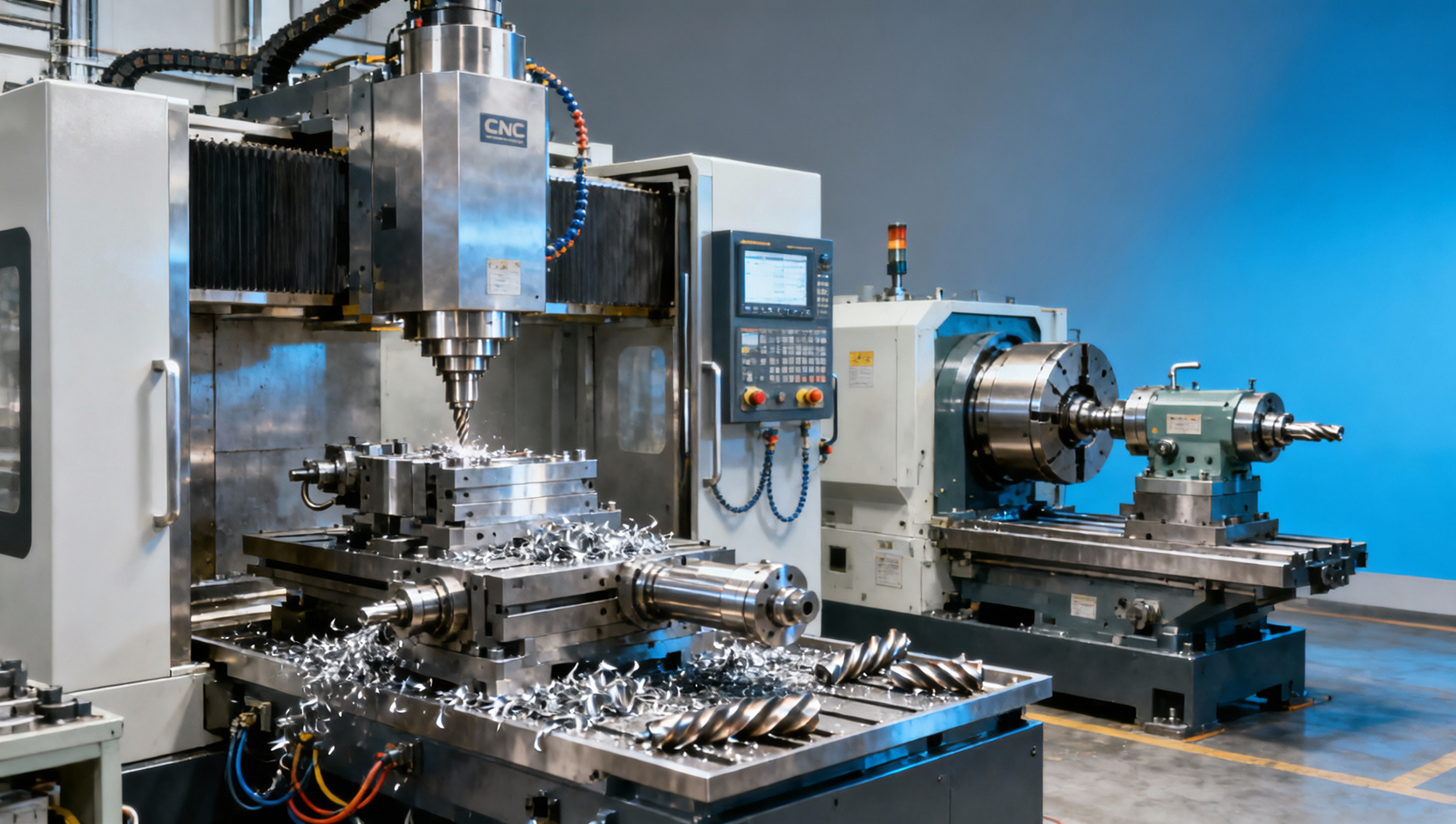
Chip control is another daily bottleneck in CNC metalworking. Long chips, packed chips in pockets, and conveyor interruptions slow both automatic and manual production. In materials like low-carbon steel or certain stainless grades, poor chip breaking can force repeated machine stops for cleaning, increasing non-cutting time and operator fatigue.
The maintenance items that affect output most
Shops often focus on major breakdowns, but smaller recurring issues create more lost hours over a month. Examples include worn seals, dirty filters, axis lubrication inconsistency, and unstable air supply. A 15-minute stop repeated 12 times in a week equals 3 hours of lost availability, often enough to delay an urgent order.
For buyers comparing suppliers or subcontractors, it is useful to ask about preventive maintenance intervals, spare parts response time, and downtime logging discipline. A facility that records root causes and mean time to recovery can usually manage delivery risk better than one relying on informal troubleshooting.
A practical maintenance control routine
- Daily: inspect coolant level, pressure, chip conveyor function, and air supply stability.
- Weekly: check lubrication status, filter cleanliness, and fixture wear points.
- Monthly: verify spindle condition, backlash indicators, and thermal repeatability trends.
- Quarterly: review downtime records and replace recurring weak components before failure.
These actions are not complicated, but they directly protect output. In many production environments, cutting just 2% to 4% of avoidable downtime can release more capacity than adding overtime or pushing feeds beyond safe limits.
Poor Line Coordination and Material Flow Often Slow Automated CNC Production More Than the Machine Itself
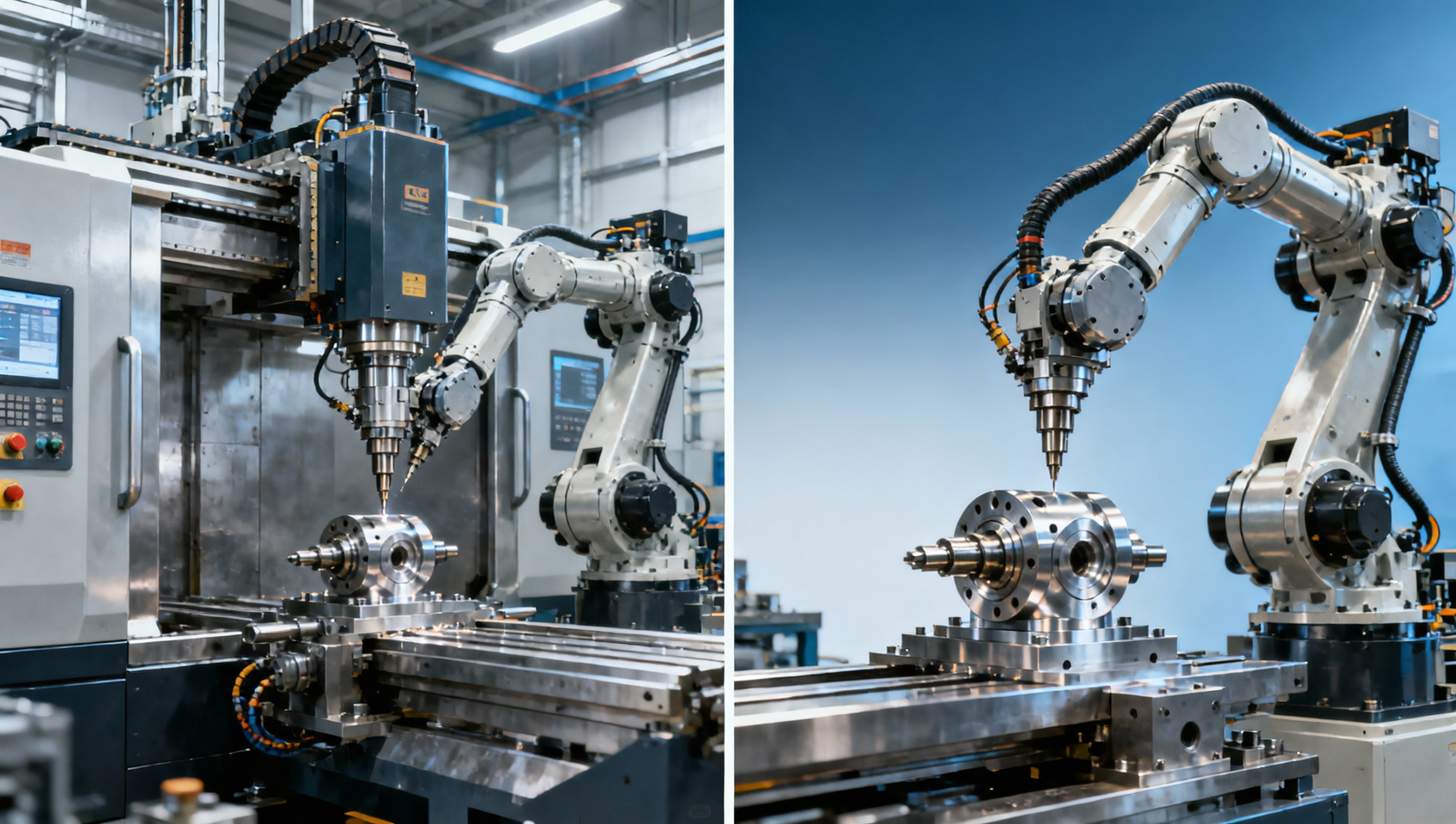
As manufacturing moves toward flexible automation, many delays shift from the machine to the system around it. Robots, bar feeders, pallet changers, part conveyors, probing stations, and inspection equipment must work in sequence. If one link is unstable, the whole automated production line slows down, even when each CNC machine is technically capable of higher output.
This is common in mixed-part production where batch sizes vary from 20 pieces to 500 pieces. Short-run changeovers require data accuracy, fixture availability, material readiness, and line scheduling discipline. If raw material is late by 30 minutes or the robot gripper is not adjusted to a new blank size, expensive CNC assets can sit idle while operators solve non-cutting issues.
Another frequent problem is imbalance between stations. One machine may run a 4-minute cycle while the next needs 6.5 minutes, creating queue buildup and starving downstream operations. Without line balancing or buffer strategy, nominal capacity looks strong on paper but actual throughput remains limited by the slowest station.
What coordination problems look like on the shop floor
Operators may report machine waiting time, frequent part handoff errors, or repeated manual confirmation before automatic restart. Engineers may see inconsistent OEE, uneven cycle time by station, or unstable shift-to-shift output. Procurement teams may notice that additional automation investment does not improve delivery speed as expected.
In global manufacturing, this matters because automated CNC production is often justified by labor efficiency and throughput gains. If integration is weak, the return period stretches. A cell expected to recover investment in 24 to 36 months may take longer if line stoppages remain frequent and root causes are not classified.
Key indicators for line-level performance review
- Cycle balance between stations, with gaps above 10% flagged for review.
- Material replenishment timing, especially for unmanned night shifts.
- Robot and pallet change success rate over each 8-hour or 12-hour shift.
- Number of manual interventions required per 100 parts.
The table below summarizes common coordination bottlenecks and the operational logic needed to correct them.
The main lesson is that automated CNC output depends on system coordination, not just machine count. For business evaluation, line integration quality, response logic, and material flow discipline deserve the same attention as machine specifications.
How to Prioritize Improvements for Faster CNC Output and Better Purchasing Decisions
When production is slow, many companies first consider buying another machine. Sometimes that is justified, but often the better step is to remove hidden bottlenecks in programming, tooling, maintenance, or coordination. A practical improvement plan should rank delays by frequency, time loss, and business impact rather than by how visible they appear on the shop floor.
For example, if setup variation causes 40 minutes of delay per new job and 15 new jobs run each month, that is 10 hours of lost machine time. If tool change issues cause only 3 minutes of delay but happen 200 times monthly, that is another 10 hours. Decisions become clearer when losses are measured instead of assumed.
For procurement teams, the same logic applies during supplier comparison. The right question is not only which CNC machine is fastest at peak performance, but which production system is most stable over 1 shift, 1 week, and 1 quarter. Stable output protects delivery commitments, labor planning, and total cost per part.
A 4-part decision framework for manufacturers and buyers
First, separate delays into four categories: engineering, tooling, maintenance, and coordination. Second, quantify each one by total lost minutes per week. Third, estimate the cost of correction. Fourth, prioritize the actions that recover the most stable capacity with the least disruption to current orders.
This framework works for single-machine workshops, high-mix low-volume subcontractors, and larger factories building automated production lines. It is especially useful when comparing capex investment with process optimization, because it highlights whether the real issue is equipment shortage or poor operational discipline.
Questions frequently asked by decision-makers
How much downtime is acceptable before action is urgent?
There is no single universal number, but many workshops treat repeated losses above 5% of scheduled machine time as a clear signal for corrective action. In a 2-shift operation totaling 16 scheduled hours per day, that means more than 48 minutes of repeated avoidable loss deserves structured review.
Should buyers focus more on machine performance or service support?
Both matter, but service support becomes critical when production runs tight schedules. Spare parts lead time, application engineering support, and remote diagnostics can reduce recovery time from days to hours. For many users, this has more business value than a small difference in maximum spindle specification.
Which bottleneck should be fixed first in most CNC plants?
In many cases, start with the issue that combines high frequency and easy correction: setup standardization, tool life control, or chip management. These often require less capital than adding new machines and can improve throughput within 2 to 6 weeks if execution is disciplined.
What slows down CNC production most often is rarely one dramatic event. More commonly, it is the accumulation of small but repeated losses: weak programming logic, uncontrolled tool wear, fixture inconsistency, maintenance neglect, and poor coordination across automated production steps. The companies that improve fastest are those that measure these losses clearly and act on the highest-impact causes first.
If you are evaluating CNC machines, production cells, tooling strategies, or line integration options, a solution should be judged by stable output, manageable downtime, and real operating efficiency, not only by nameplate performance. Whether you are an operator seeking fewer interruptions, a buyer comparing equipment, or a business evaluator reviewing manufacturing risk, a structured bottleneck analysis will lead to better decisions.
To explore CNC machining solutions, production optimization options, or purchasing guidance for precision manufacturing, contact us today to get a tailored recommendation, discuss your application details, or learn more about practical solutions for higher and more reliable CNC output.
PREVIOUS ARTICLE
NEXT ARTICLE
Recommended for You
 How to Choose the Right Metal Machining ProcessCNC Machining Technology Center
 Metal Machining vs CNC Metalworking: What MattersCNC Machining Technology Center
 What Drives Cost in Industrial CNC ProjectsManufacturing Market Research Center
 Is Industrial CNC Worth Upgrading in 2026Machine Tool Industry Editorial Team
 How CNC Industrial Systems Improve Shop EfficiencyMachine Tool Industry Editorial Team
 CNC Industrial Setup Mistakes to Avoid FirstCNC Machining Technology Center

Aris Katos
Future of Carbide Coatings
15+ years in precision manufacturing systems. Specialized in high-speed milling and aerospace grade alloy processing.
▶
How to Choose the Right Metal Machining ProcessCNC Machining Technology Center▶
Metal Machining vs CNC Metalworking: What MattersCNC Machining Technology Center▶
CNC Industrial Setup Mistakes to Avoid FirstCNC Machining Technology Center▶
CNC Metalworking for Small Batches: Is It Worth ItCNC Machining Technology Center▶
How to Reduce Scrap in CNC Metalworking JobsCNC Machining Technology Center
Mastering 5-Axis Workholding Strategies
Join our technical panel on Nov 15th to learn about reducing vibrations in thin-wall components.

Providing you with integrated sanding solutions
Before-sales and after-sales services
Comprehensive technical support