• Global CNC market projected to reach $128B by 2028 • New EU trade regulations for precision tooling components • Aerospace deman
NYSE: CNC +1.2%LME: STEEL -0.4%

High Precision CNC Manufacturing: Beyond Standard Tolerances
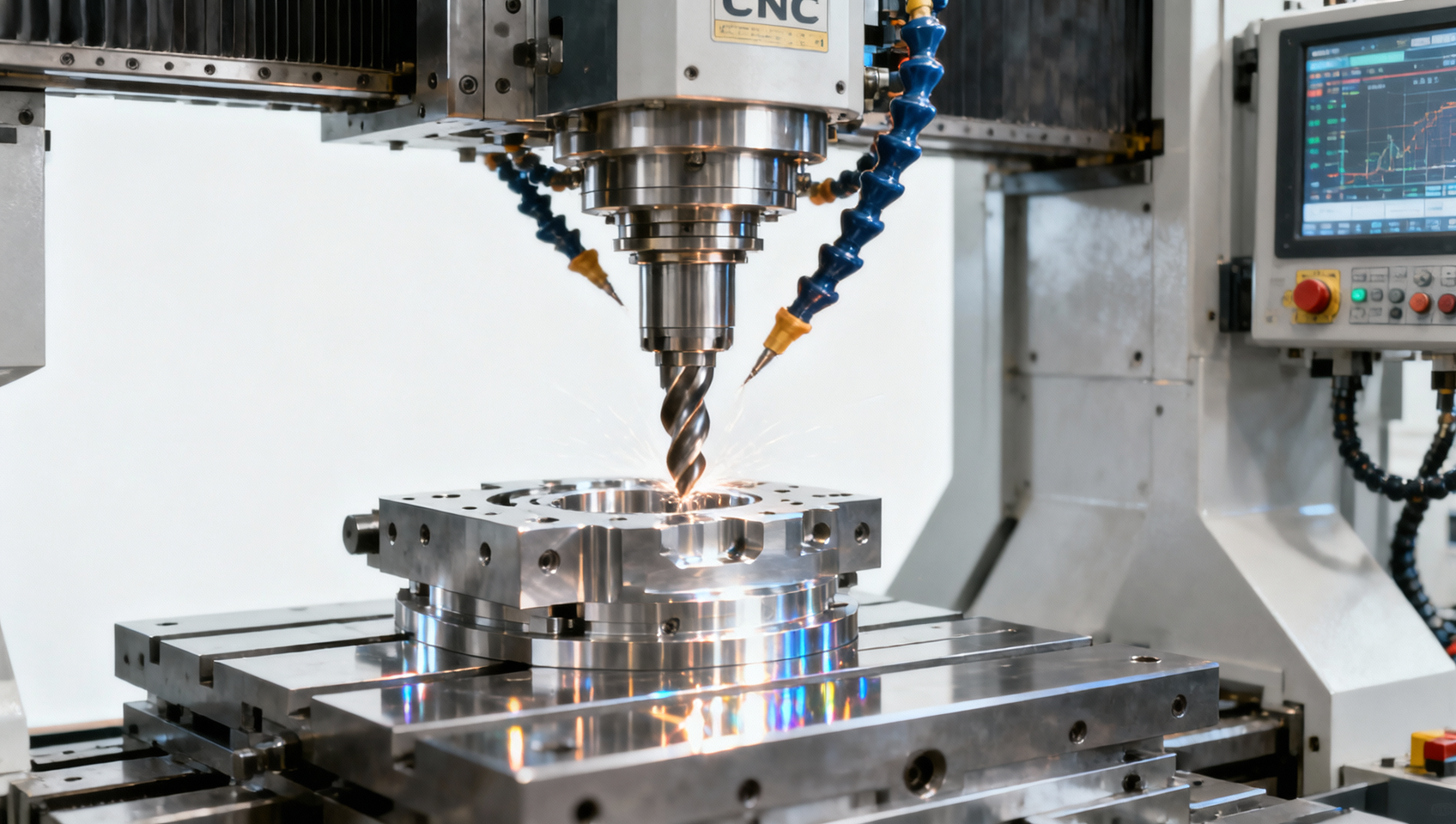
High Precision CNC Manufacturing: Beyond Standard Tolerances
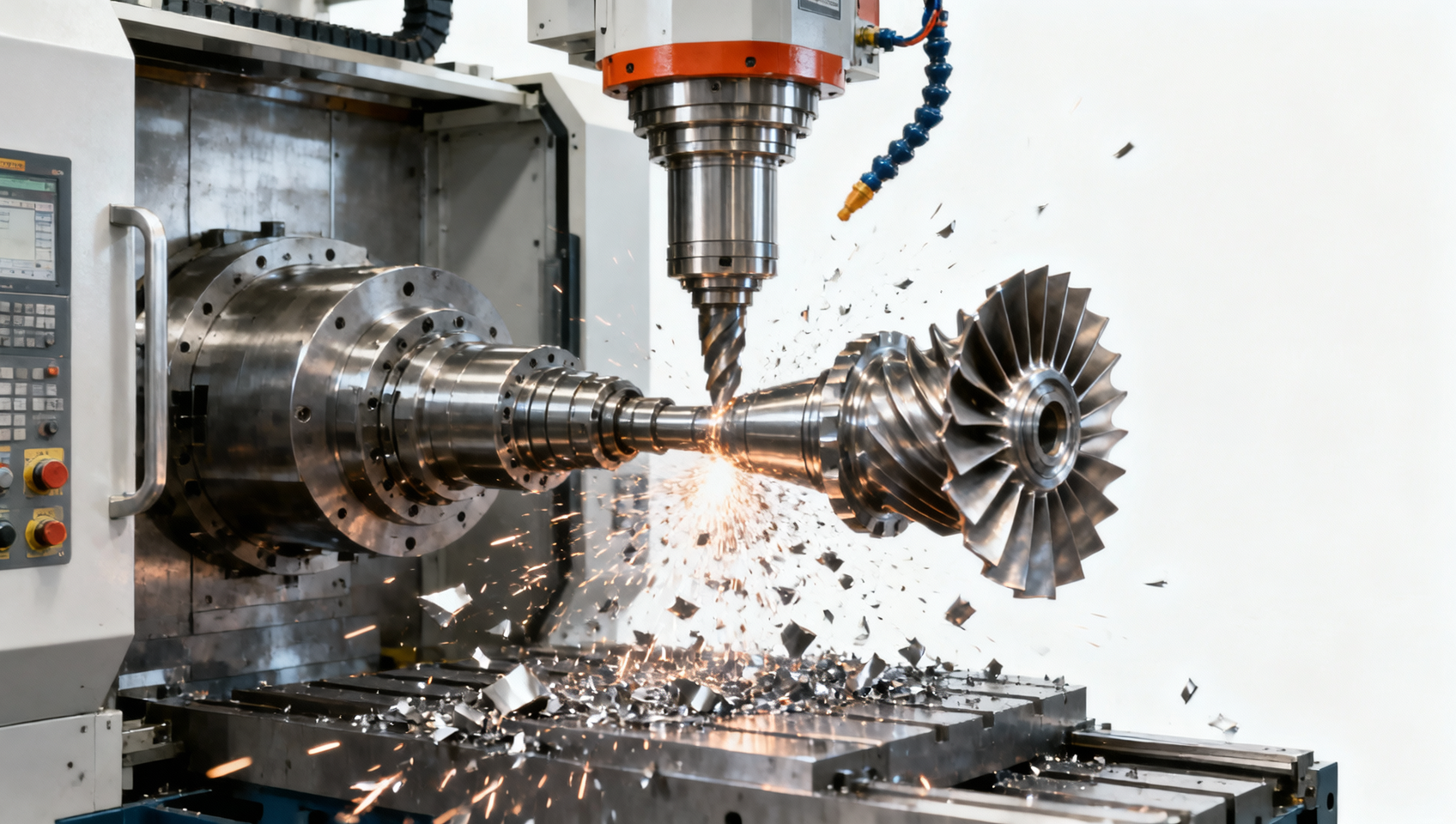
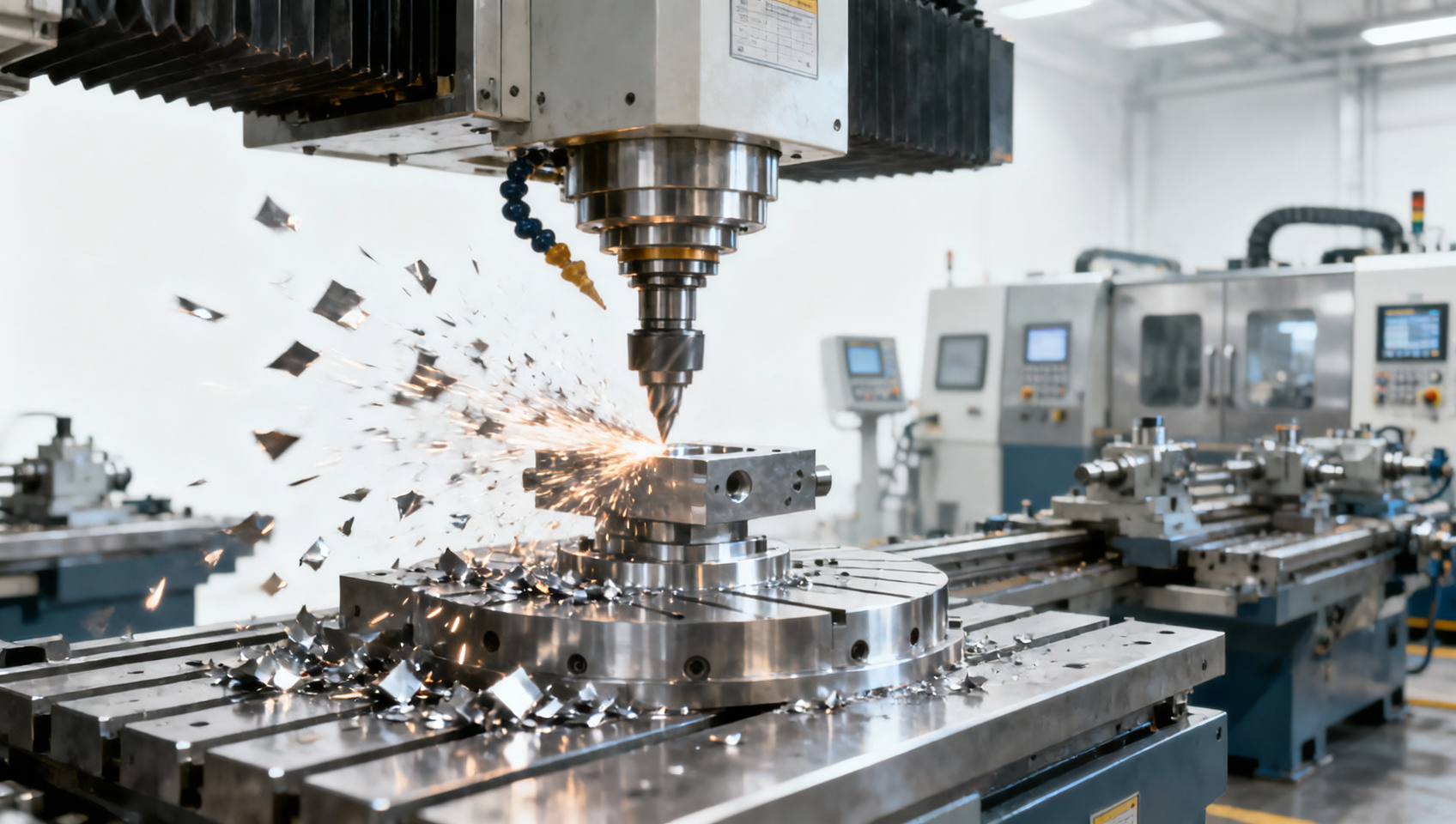
In today's competitive manufacturing landscape, high precision CNC manufacturing has become the cornerstone of industries demanding beyond-standard tolerances. From aerospace components to medical devices, our space-saving CNC manufacturing solutions combine multi-axis capabilities with automated efficiency. Discover how our cost-effective CNC manufacturing processes deliver quick setup times, low maintenance requirements, and energy-saving operations while meeting the stringent demands of automotive, electronics, and energy equipment sectors.
What Makes High Precision CNC Manufacturing Different?
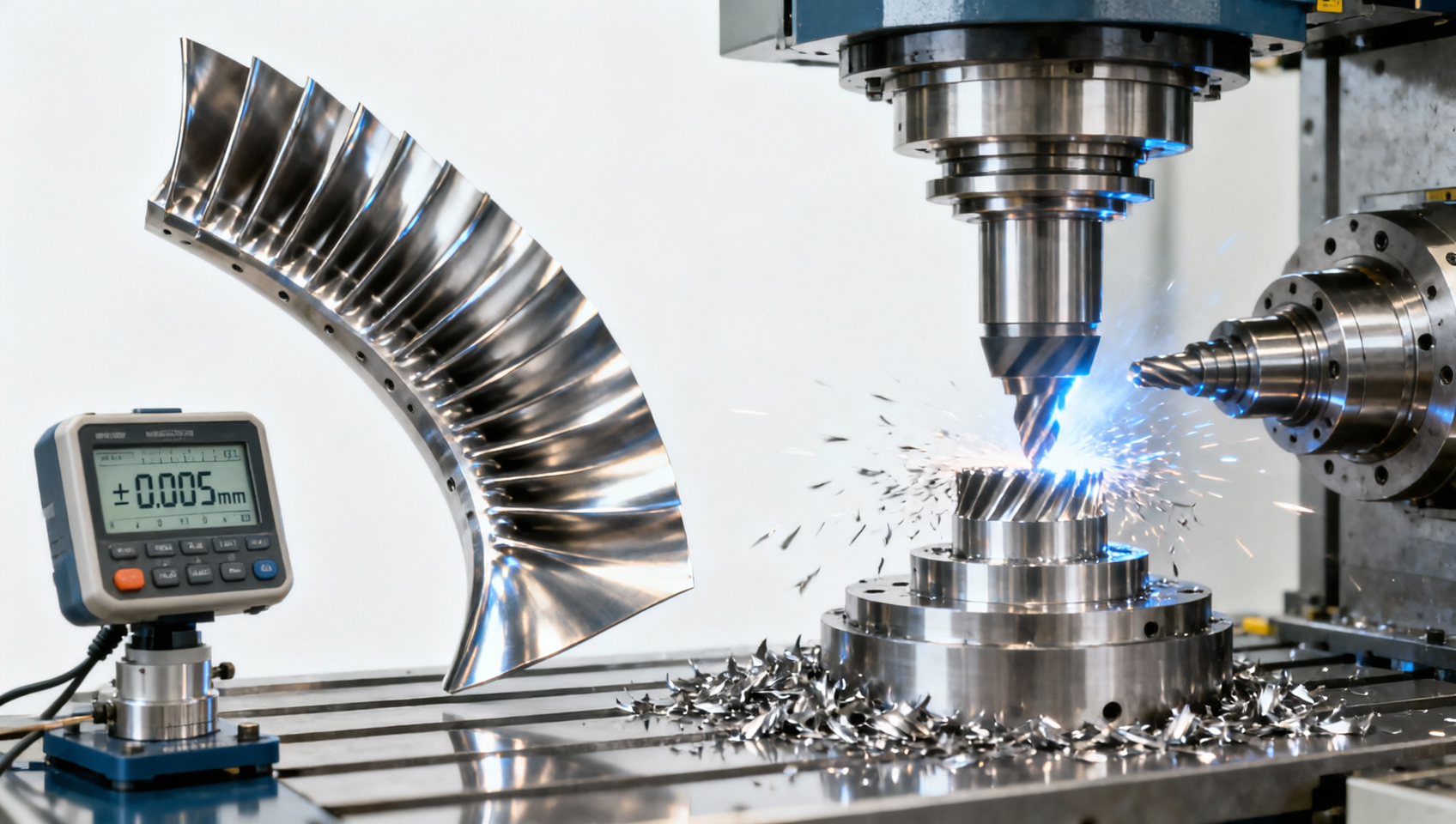
When standard CNC machining tolerances (typically ±0.005" or ±0.127mm) aren't sufficient, high precision CNC manufacturing steps in with capabilities reaching ±0.0001" (0.00254mm) or better. This level of precision is achieved through:
- Advanced machine tool designs with thermal compensation systems
- High-resolution linear scales and feedback systems
- Specialized cutting tools and toolpath optimization
- Environmental controls for temperature and vibration
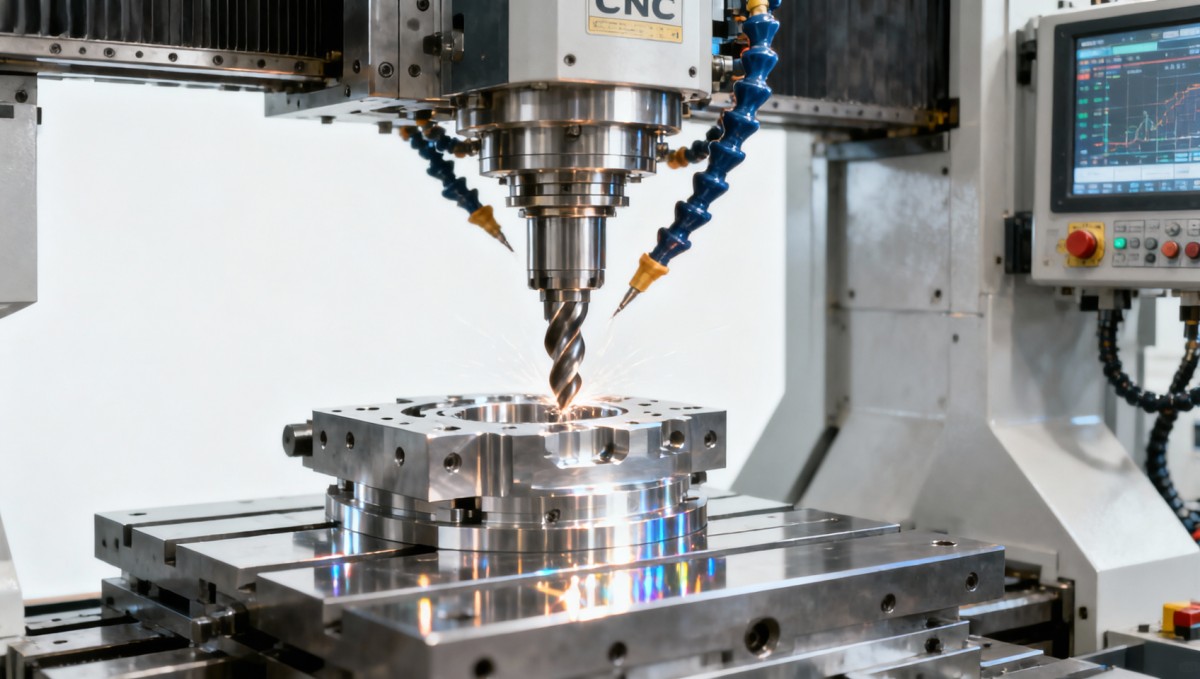
Key Industries That Demand Beyond-Standard Tolerances
Several industries consistently push the boundaries of what's possible in CNC machining:
- Aerospace: Turbine blades require surface finishes below 0.4μm Ra
- Medical: Implant components often need ±0.0005" positional accuracy
- Automotive: Fuel injection systems demand leak-proof tolerances
- Electronics: Micro-connectors with sub-millimeter features
Evaluating High Precision CNC Solutions: What Decision Makers Should Consider
For procurement specialists and business leaders evaluating high precision CNC capabilities, focus on these critical factors:
- Repeatability vs. Accuracy: Understand the difference and which matters more for your application
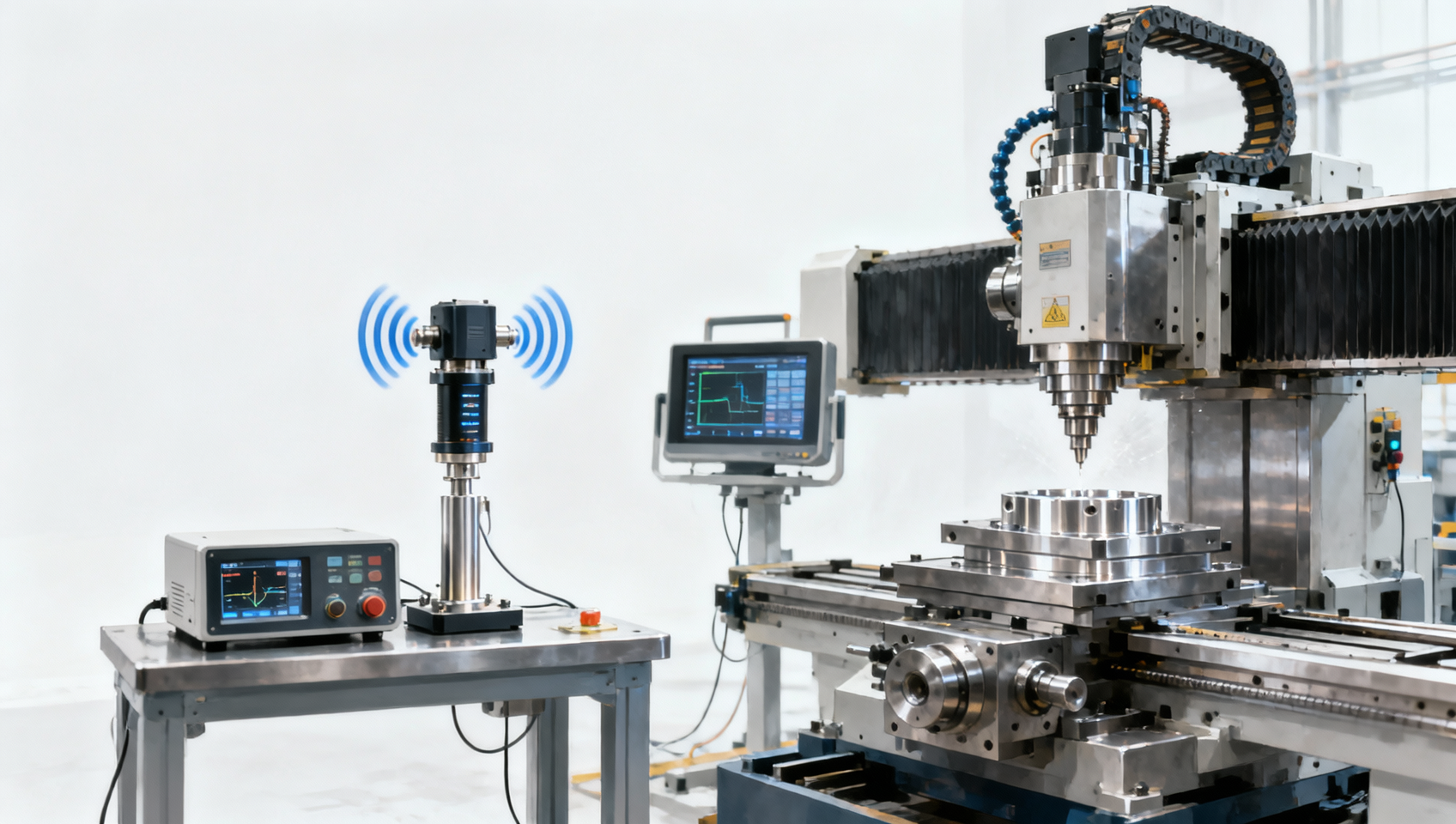
- Measurement Capabilities: The shop must have metrology equipment that exceeds their machining tolerances
- Material Expertise: Some materials (like Inconel or titanium) are harder to machine precisely
- Cost vs. Benefit: Determine if tighter tolerances actually improve product performance
The Future of Ultra-Precision Manufacturing
Emerging technologies are pushing precision boundaries even further:
- AI-driven adaptive machining that compensates for tool wear in real-time
- Hybrid additive-subtractive systems for complex geometries
- Nanometer-level positioning systems for optical components
- Smart fixturing that automatically compensates for material stresses
Conclusion: High precision CNC manufacturing isn't just about tighter numbers—it's about delivering functional advantages that standard machining can't achieve. Whether you're an engineer specifying components, a procurement specialist evaluating suppliers, or an executive planning production strategies, understanding these precision capabilities will help you make better decisions about when and where to invest in beyond-standard tolerances.
PREVIOUS ARTICLE
Recommended for You
 How Space-Saving CNC Manufacturing Reduces Factory FootprintMachine Tool Industry Editorial Team
 5 Key Factors When Choosing a CNC Manufacturing WholesalerManufacturing Market Research Center
 Precision CNC Manufacturing: Tolerances You Can Expect in 2024CNC Machining Technology Center
 Why Energy Equipment Manufacturers Are Switching to CNC SolutionsCNC Machining Technology Center
 The Hidden Maintenance Costs of CNC Machines Most Factories MissCNC Machining Technology Center
 How to Identify a Reliable CNC Manufacturing Factory OverseasCNC Machining Technology Center

Aris Katos
Future of Carbide Coatings
15+ years in precision manufacturing systems. Specialized in high-speed milling and aerospace grade alloy processing.
▶
Precision CNC Manufacturing: Tolerances You Can Expect in 2024CNC Machining Technology Center▶
Why Energy Equipment Manufacturers Are Switching to CNC SolutionsCNC Machining Technology Center▶
The Hidden Maintenance Costs of CNC Machines Most Factories MissCNC Machining Technology Center▶
How to Identify a Reliable CNC Manufacturing Factory OverseasCNC Machining Technology Center▶
High-Speed CNC Manufacturing: When Faster Isn't Always BetterCNC Machining Technology Center
Mastering 5-Axis Workholding Strategies
Join our technical panel on Nov 15th to learn about reducing vibrations in thin-wall components.

Providing you with integrated sanding solutions
Before-sales and after-sales services
Comprehensive technical support