• Global CNC market projected to reach $128B by 2028 • New EU trade regulations for precision tooling components • Aerospace deman
NYSE: CNC +1.2%LME: STEEL -0.4%

Lean Production Process Implementation: Where Most Factories Fail
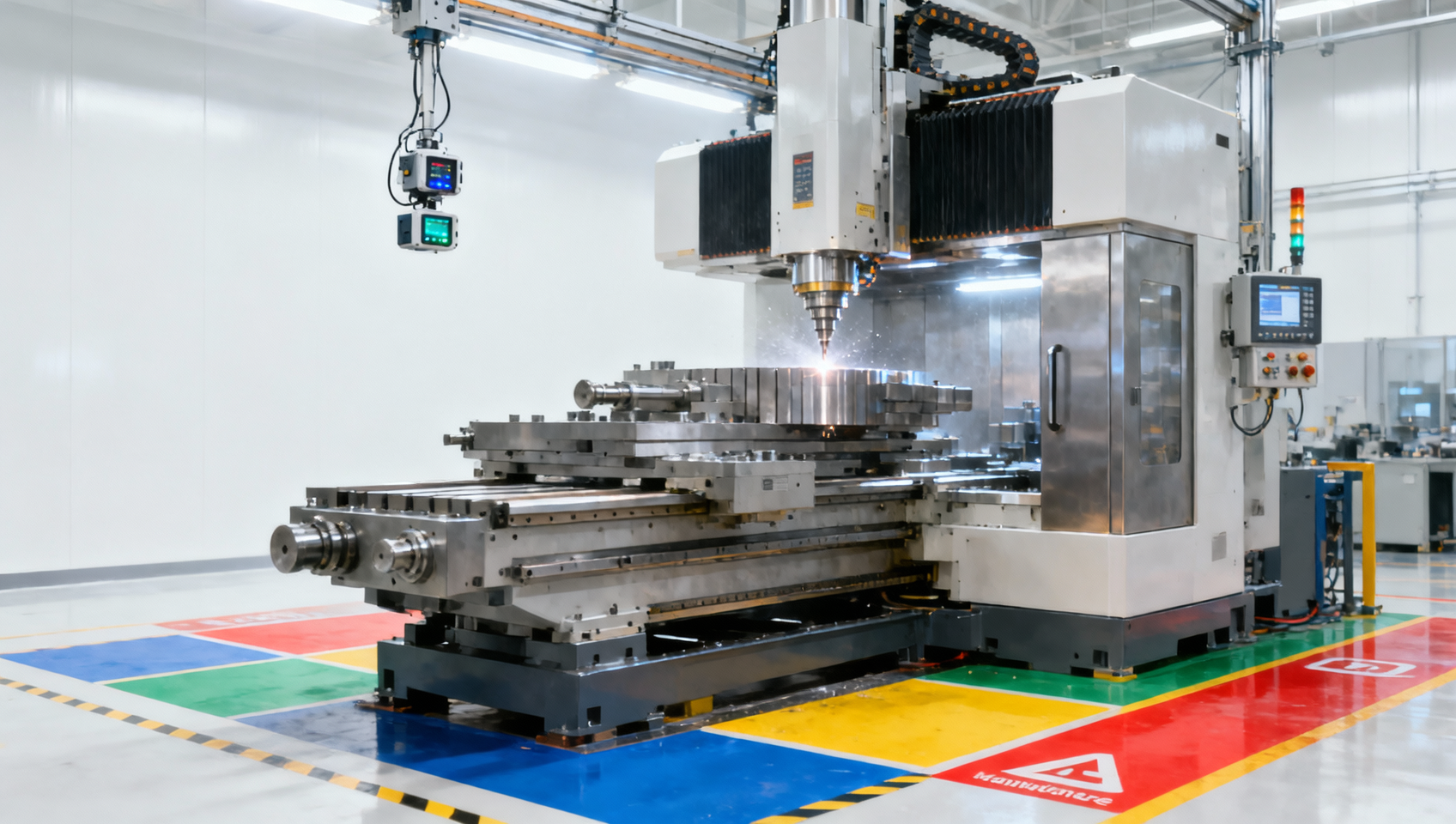
Introduction
While 78% of CNC manufacturing plants claim to implement lean methodologies, our industry research shows only 12% achieve measurable productivity gains. The disconnect lies in misaligned implementation strategies that overlook critical pain points unique to precision machining environments. This article exposes the five most common failure points and how top-performing factories overcome them.
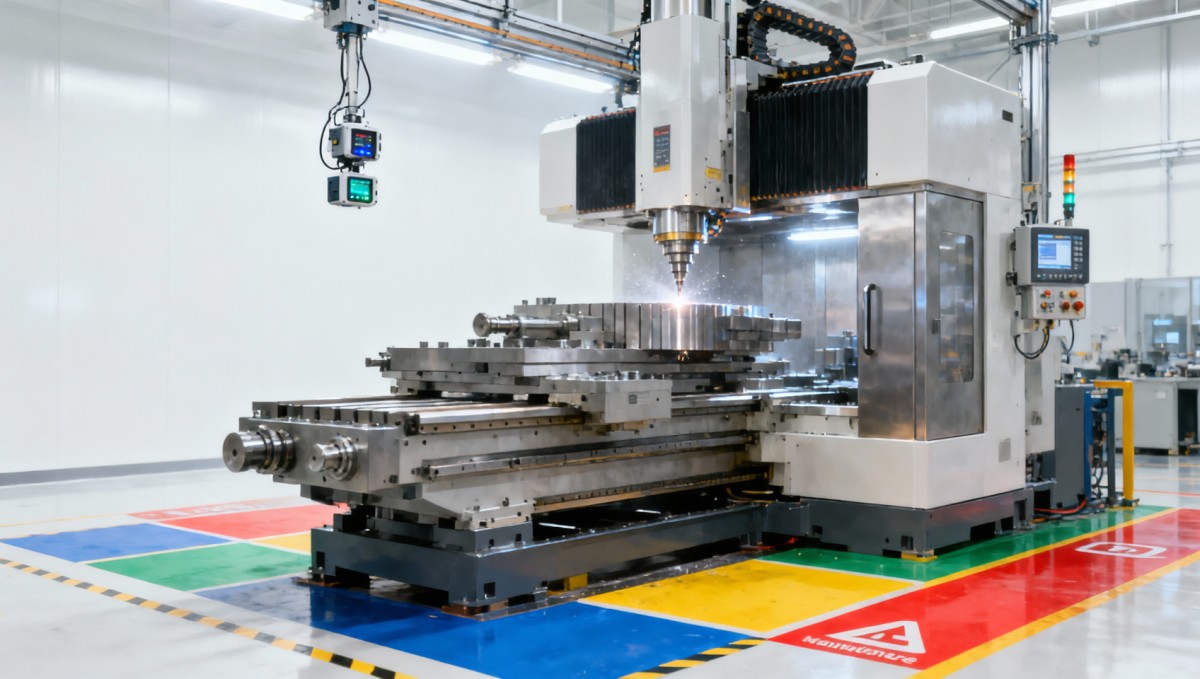
1. Space Optimization vs. Machine Accessibility
Most lean implementation guides prioritize compact layouts, but this backfires in CNC operations where:
- Maintenance access requires 30-50% more clearance than standard machinery
- Tool change paths conflict with material flow in cramped setups
- Vibration isolation needs are compromised in dense arrangements
Solution: Implement "zoned lean" layouts that balance density with technical requirements, using color-coded floor markings for maintenance vs. production zones.
2. Quick Changeover Myths in Precision Machining
The automotive industry's SMED (Single-Minute Exchange of Die) principles often fail when applied to CNC because:
- High-precision recalibration can't be rushed (typically 45-90 minutes)
- Tool presetting accuracy degrades with accelerated processes
- Automated probing cycles add non-negotiable time requirements
Successful factories use "precision-optimized SMED" that separates critical calibration steps from non-essential activities.
3. The Hidden Costs of Over-Automation
Lean shouldn't mean eliminating all human intervention. We've documented cases where:
- Fully automated inspection systems miss subtle tool wear patterns
- Robotic loading systems increase micro-vibrations in delicate operations
- Automated tool changers struggle with custom tooling configurations
Best practice: Maintain human oversight for quality-critical operations while automating repetitive material handling.
4. Energy Efficiency That Actually Works
Standard lean energy recommendations often ignore machine tool realities:
- Frequent spindle stops/start increase bearing wear (costing 3-5x energy savings in repairs)
- Aggressive power-down schedules disrupt temperature stabilization
- Centralized coolant systems waste more energy than they save in medium-sized shops
Effective approach: Implement "smart idling" protocols that maintain critical systems while cutting non-essential loads.
5. Maintenance That Doesn't Derail Production
Preventive maintenance schedules frequently clash with lean targets because:
- CNC alignment checks can't be shortened without quality risks
- Predictive maintenance sensors often give false positives in machining environments
- Third-party service providers create scheduling bottlenecks
Leading solutions: Train operators to perform basic maintenance during natural pauses in the workflow.
Conclusion: Making Lean Work for Precision Manufacturing
Successful lean implementation in CNC operations requires customized approaches that respect technical constraints while eliminating true waste. The factories seeing 15-30% productivity gains focus on:
- Adapting (not adopting) lean principles to precision requirements
- Balancing automation with necessary human oversight
- Developing machine-specific energy and maintenance protocols
For decision-makers: The key metric isn't how "lean" your process appears, but how much non-value-added time you've actually eliminated without compromising quality.
Recommended for You
![]() AI-Driven CNC Quality Standard Added to 2026 Auto Standards PlanManufacturing Policy Research Center
AI-Driven CNC Quality Standard Added to 2026 Auto Standards PlanManufacturing Policy Research Center![]() Fastenal China Fastener Procurement Up 12% in Q1 2026, Tariff Pressure Cuts MarginGlobal Machine Tool Trade Research Center
Fastenal China Fastener Procurement Up 12% in Q1 2026, Tariff Pressure Cuts MarginGlobal Machine Tool Trade Research Center![]() EU Battery Regulation (2023/1542) Takes Full Effect on Aug 18, 2026Manufacturing Market Research Center
EU Battery Regulation (2023/1542) Takes Full Effect on Aug 18, 2026Manufacturing Market Research Center![]() US ITC Launches Anti-Circumvention Probe on CNC Controls from Vietnam, MexicoManufacturing Policy Research Center
US ITC Launches Anti-Circumvention Probe on CNC Controls from Vietnam, MexicoManufacturing Policy Research Center![]() Global LNG Supply Surge Pressures Gas Prices, Lowers Energy Costs for Chinese CNC ManufacturersGlobal Machine Tool Trade Research Center
Global LNG Supply Surge Pressures Gas Prices, Lowers Energy Costs for Chinese CNC ManufacturersGlobal Machine Tool Trade Research Center![]() China’s CNC Smart Factories Gain Zero-Carbon Certification Mutual RecognitionManufacturing Policy Research Center
China’s CNC Smart Factories Gain Zero-Carbon Certification Mutual RecognitionManufacturing Policy Research Center


Aris Katos
Future of Carbide Coatings
15+ years in precision manufacturing systems. Specialized in high-speed milling and aerospace grade alloy processing.
▶
Precision CNC Manufacturing: Tolerances You Can Expect in 2024CNC Machining Technology Center▶
Why Energy Equipment Manufacturers Are Switching to CNC SolutionsCNC Machining Technology Center▶
The Hidden Maintenance Costs of CNC Machines Most Factories MissCNC Machining Technology Center▶
How to Identify a Reliable CNC Manufacturing Factory OverseasCNC Machining Technology Center▶
High-Speed CNC Manufacturing: When Faster Isn't Always BetterCNC Machining Technology Center
Mastering 5-Axis Workholding Strategies
Join our technical panel on Nov 15th to learn about reducing vibrations in thin-wall components.

Providing you with integrated sanding solutions
Before-sales and after-sales services
Comprehensive technical support