• Global CNC market projected to reach $128B by 2028 • New EU trade regulations for precision tooling components • Aerospace deman
NYSE: CNC +1.2%LME: STEEL -0.4%

What Makes a CNC Manufacturing Exporter Competitive in 2024?
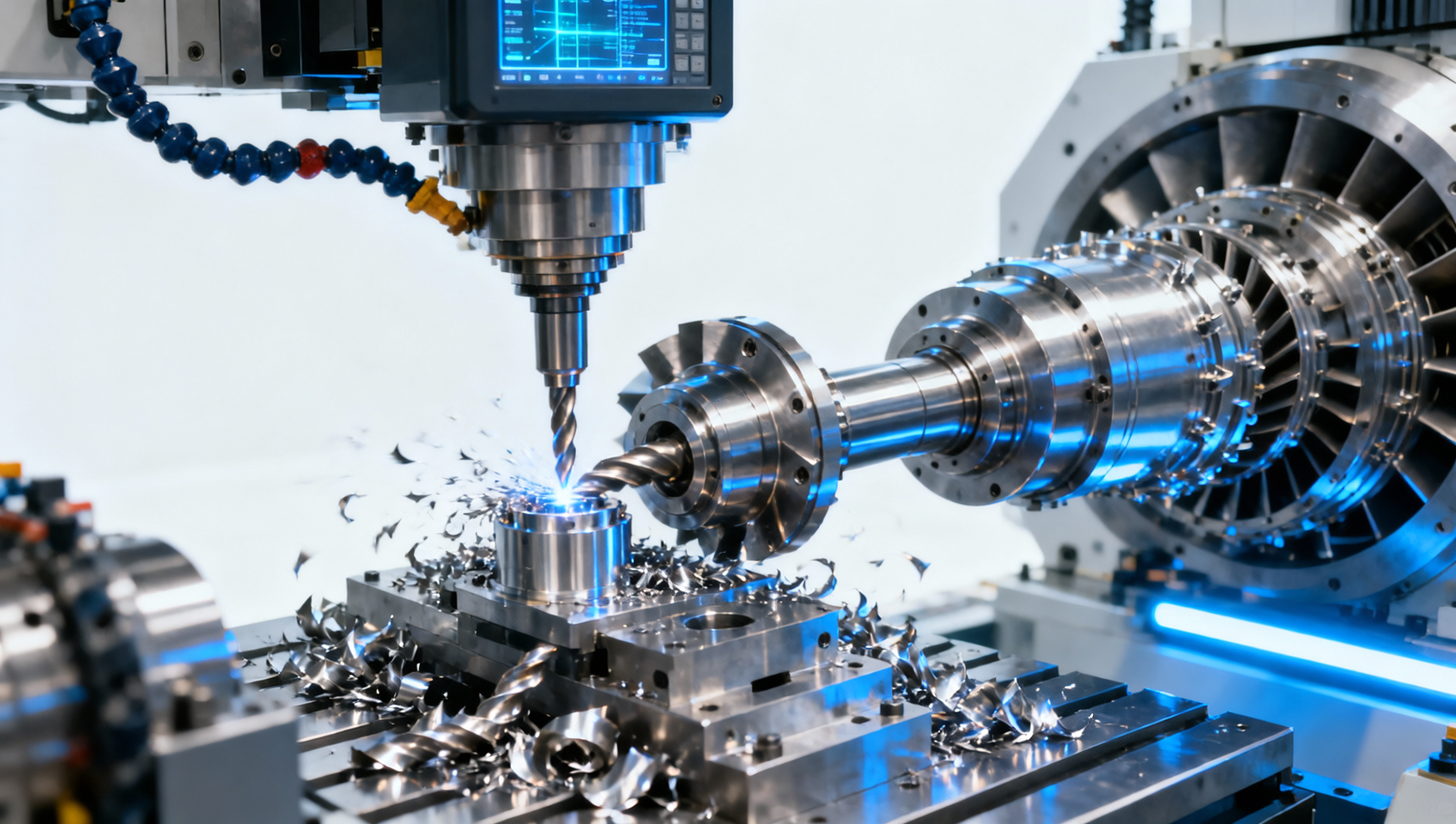
Precision Engineering: The Core of Competitive CNC Manufacturing
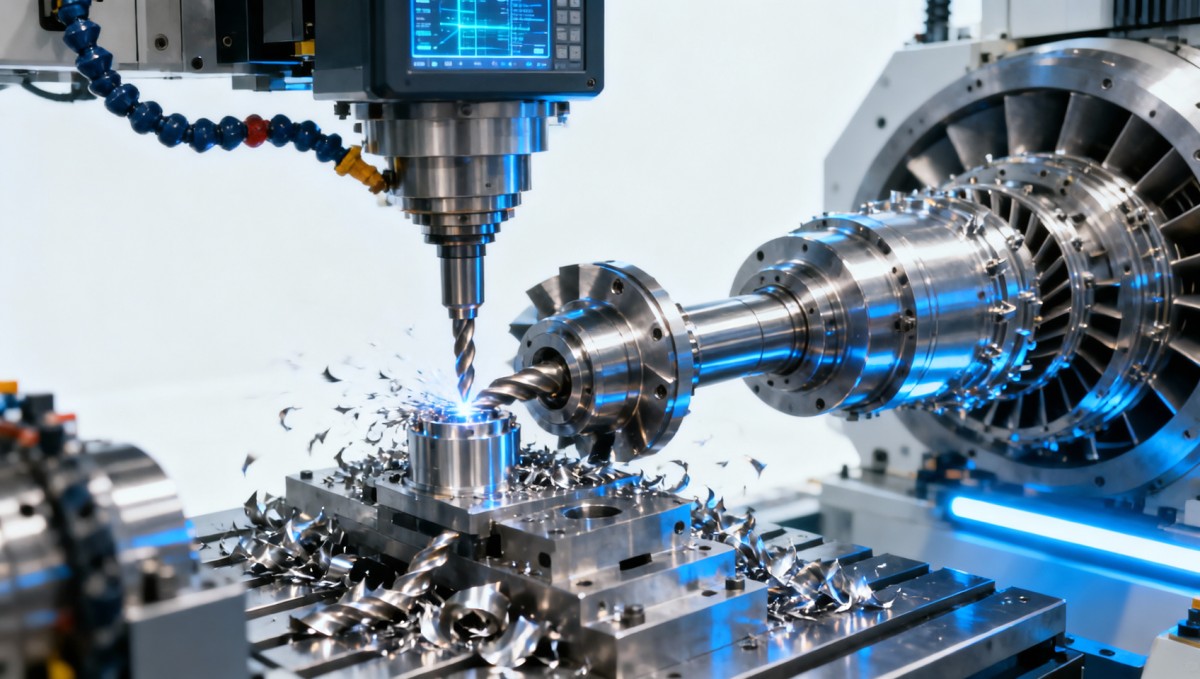
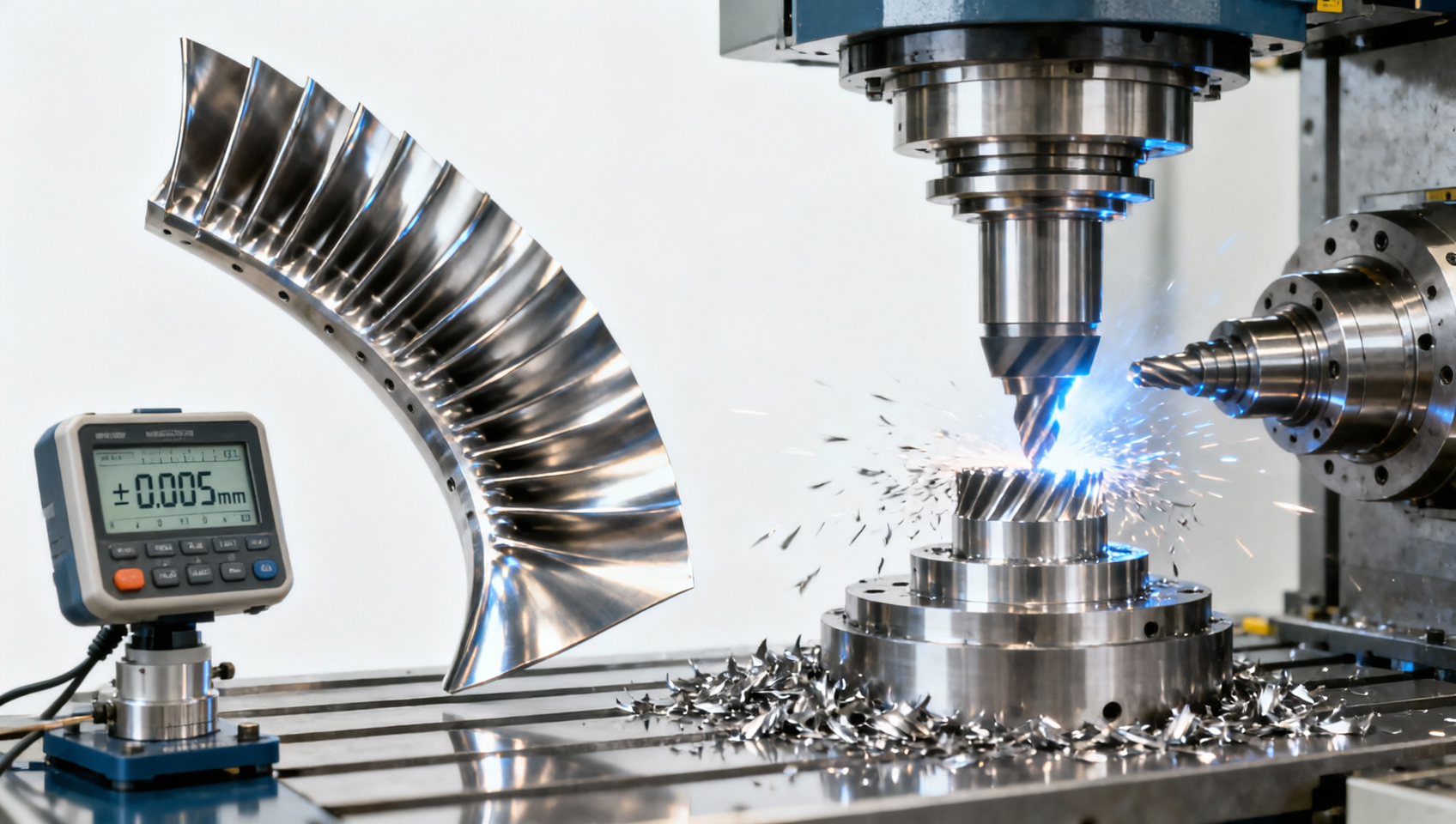
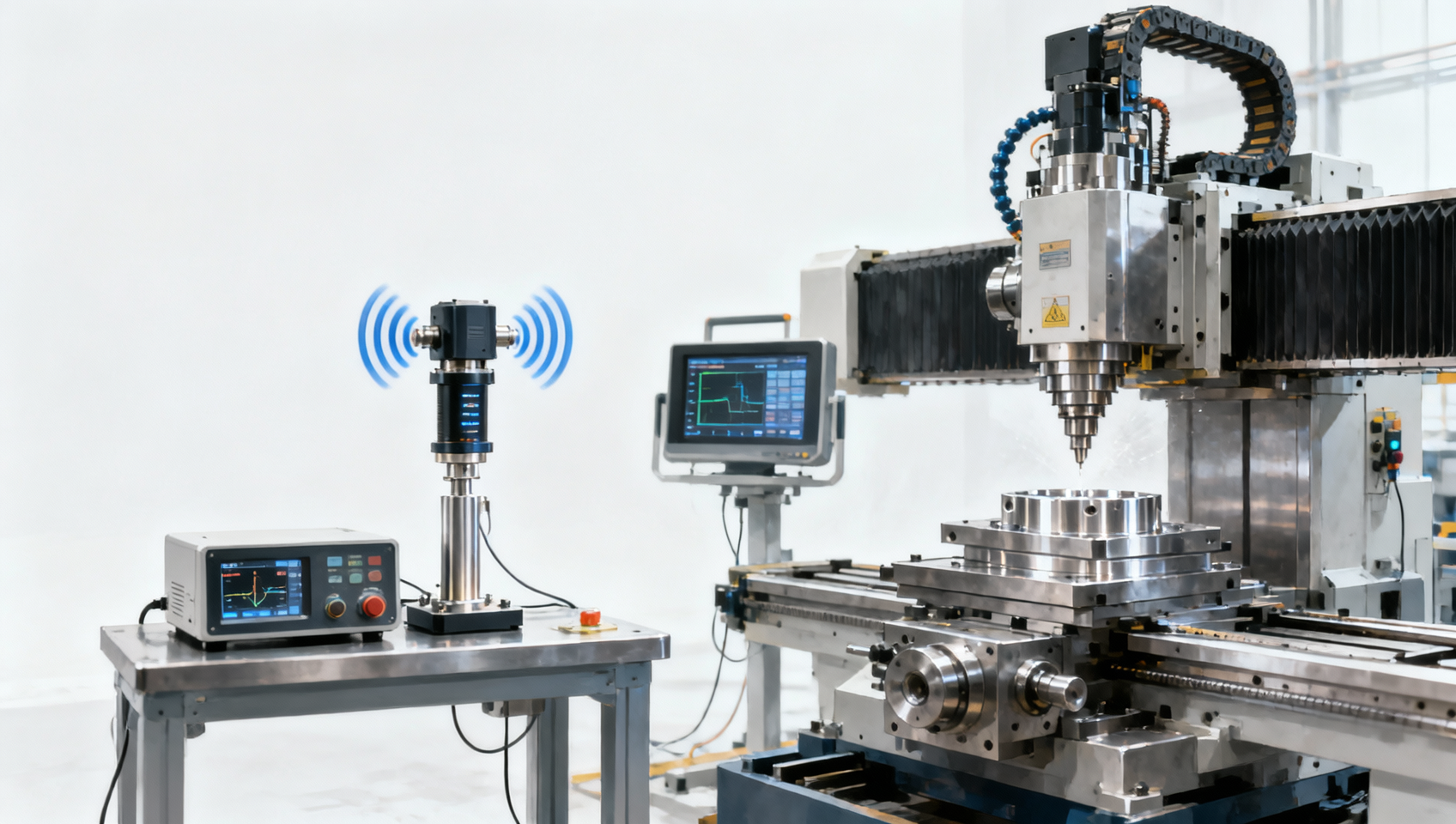
In 2024, CNC manufacturing exporters must achieve micron-level precision to meet aerospace tolerances (±0.005mm) and medical device surface finishes (Ra 0.2μm). Advanced 5-axis machining centers now incorporate laser measurement systems that automatically compensate for tool wear, reducing scrap rates by 30-45% compared to conventional methods.
Leading exporters differentiate through:
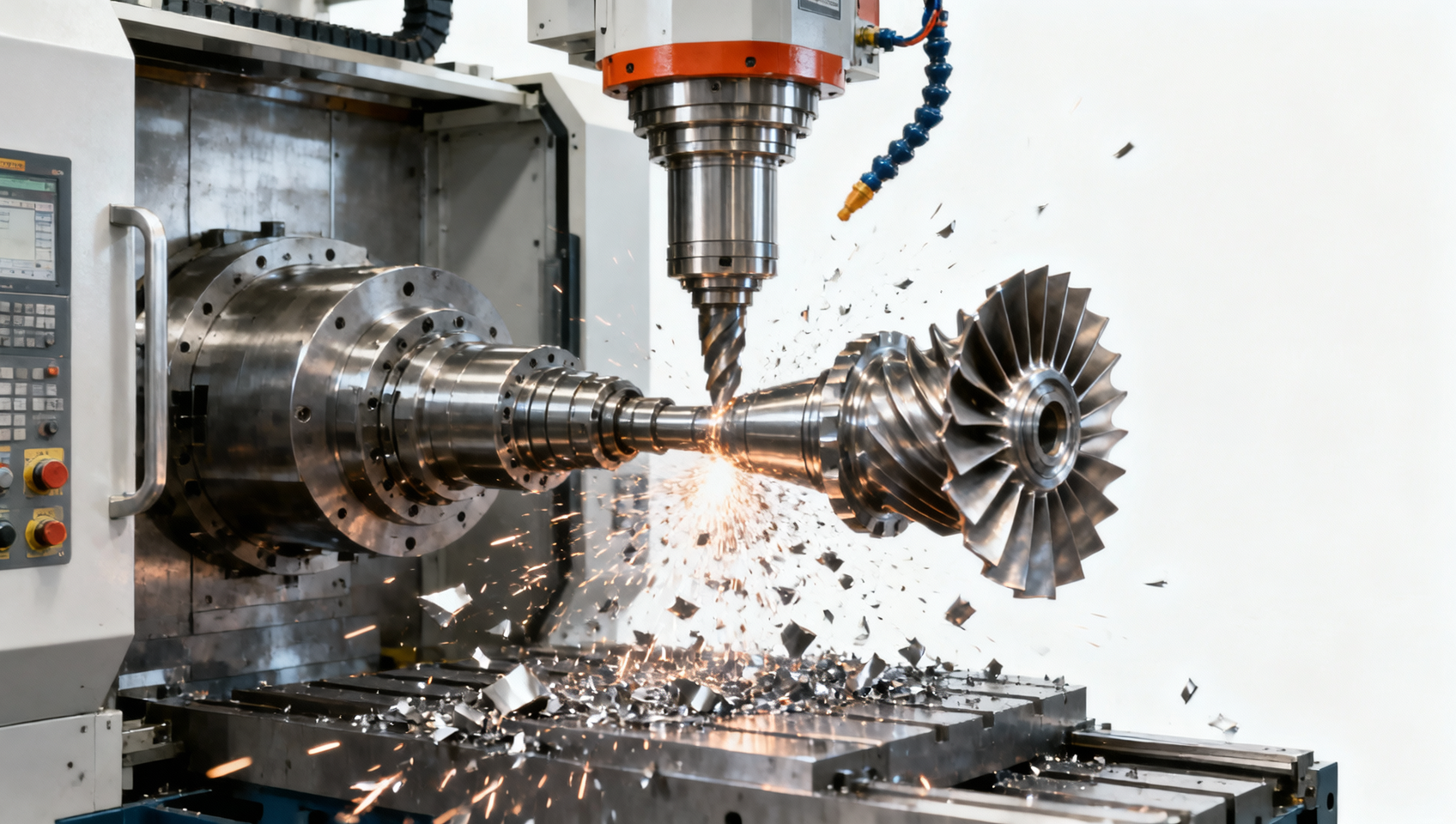
- Multi-axis synchronous machining (7-9 axis configurations)
- In-process gauging with 0.1μm resolution
- Thermal deformation compensation algorithms
- AI-driven predictive maintenance systems
The table above demonstrates how top-tier exporters categorize precision capabilities. Medical implant manufacturers typically require 20-30% tighter tolerances than aerospace components, necessitating specialized machine configurations.
Smart Automation Integration Strategies
Modern CNC exporters deploy robotic loading systems that reduce changeover times by 60-75%, with pallet changers enabling 24/7 unmanned production. A 2024 benchmark study showed automated factories achieve:
- 83% equipment utilization rates (vs. 52% manual)
- 45% faster response to design changes
- 30% reduction in energy consumption per part
Key Automation Components
1. Quick-change fixtures: Reduce setup time from hours to minutes with hydraulic/pneumatic clamping systems achieving 0.002mm repeatability.
2. Adaptive machining: Force sensors adjust cutting parameters in real-time, extending tool life by 25-40%.
Cost Optimization Through Lean Manufacturing
Top exporters achieve 15-22% cost advantages through:
Global Supply Chain Advantages
Leading exporters maintain 3-5 strategic raw material suppliers per region, ensuring 98% on-time delivery despite geopolitical disruptions. Their logistics networks achieve:
- 12-18 day standard ocean freight to major markets
- 5-7 day air freight options for urgent orders
- Local inventory hubs holding 30-45 days of common materials
Certifications & Compliance: The Trust Differentiators
Exporters with AS9100D aerospace certification report 28% higher win rates on international tenders. Essential certifications include:
- ISO 13485 for medical devices
- NADCAP for special processes
- ITAR compliance for defense components
- REACH/RoHS for European markets
A 2024 survey of procurement managers revealed that 73% prioritize suppliers with at least three industry-specific certifications, considering them lower-risk partners.
Digital Thread: Connecting Design to Delivery
Advanced exporters implement digital twin technology that reduces first-article approval time by 40-60%. Their workflow integrates:
- Model-based definition (MBD) with GD&T
- Cloud-based inspection planning
- Automated CMM reporting
- Blockchain-enabled quality documentation
FAQ: Critical Considerations for Buyers
What machining capabilities are essential for aerospace components?
Aerospace demands 5-axis contouring with 0.005mm positional accuracy, titanium machining expertise, and cryogenic cooling capabilities for heat-resistant alloys.
How do leading exporters ensure consistent quality?
They implement statistical process control (SPC) with CpK ≥1.67, automated in-process inspection, and full traceability from raw material to finished part.
What's the typical lead time for complex CNC parts?
Standard components: 4-6 weeks. Complex assemblies: 8-12 weeks. Expedited services can reduce this by 30-50% for additional costs.
In today's global CNC manufacturing landscape, competitive exporters combine precision engineering with smart automation and lean processes to deliver high-tolerance components at market-leading costs. Their ability to navigate complex certifications while implementing digital manufacturing solutions positions them as preferred partners for aerospace, medical, and automotive industries worldwide.
To discuss how these competitive advantages can benefit your specific project requirements, contact our engineering team for a customized manufacturing solution analysis.
PREVIOUS ARTICLE
Recommended for You
 How Space-Saving CNC Manufacturing Reduces Factory FootprintMachine Tool Industry Editorial Team
 5 Key Factors When Choosing a CNC Manufacturing WholesalerManufacturing Market Research Center
 Precision CNC Manufacturing: Tolerances You Can Expect in 2024CNC Machining Technology Center
 Why Energy Equipment Manufacturers Are Switching to CNC SolutionsCNC Machining Technology Center
 The Hidden Maintenance Costs of CNC Machines Most Factories MissCNC Machining Technology Center
 How to Identify a Reliable CNC Manufacturing Factory OverseasCNC Machining Technology Center

Aris Katos
Future of Carbide Coatings
15+ years in precision manufacturing systems. Specialized in high-speed milling and aerospace grade alloy processing.
▶
Precision CNC Manufacturing: Tolerances You Can Expect in 2024CNC Machining Technology Center▶
Why Energy Equipment Manufacturers Are Switching to CNC SolutionsCNC Machining Technology Center▶
The Hidden Maintenance Costs of CNC Machines Most Factories MissCNC Machining Technology Center▶
How to Identify a Reliable CNC Manufacturing Factory OverseasCNC Machining Technology Center▶
High-Speed CNC Manufacturing: When Faster Isn't Always BetterCNC Machining Technology Center
Mastering 5-Axis Workholding Strategies
Join our technical panel on Nov 15th to learn about reducing vibrations in thin-wall components.

Providing you with integrated sanding solutions
Before-sales and after-sales services
Comprehensive technical support