• Global CNC market projected to reach $128B by 2028 • New EU trade regulations for precision tooling components • Aerospace deman
NYSE: CNC +1.2%LME: STEEL -0.4%

How to Machine Shaft Parts with Better Concentricity
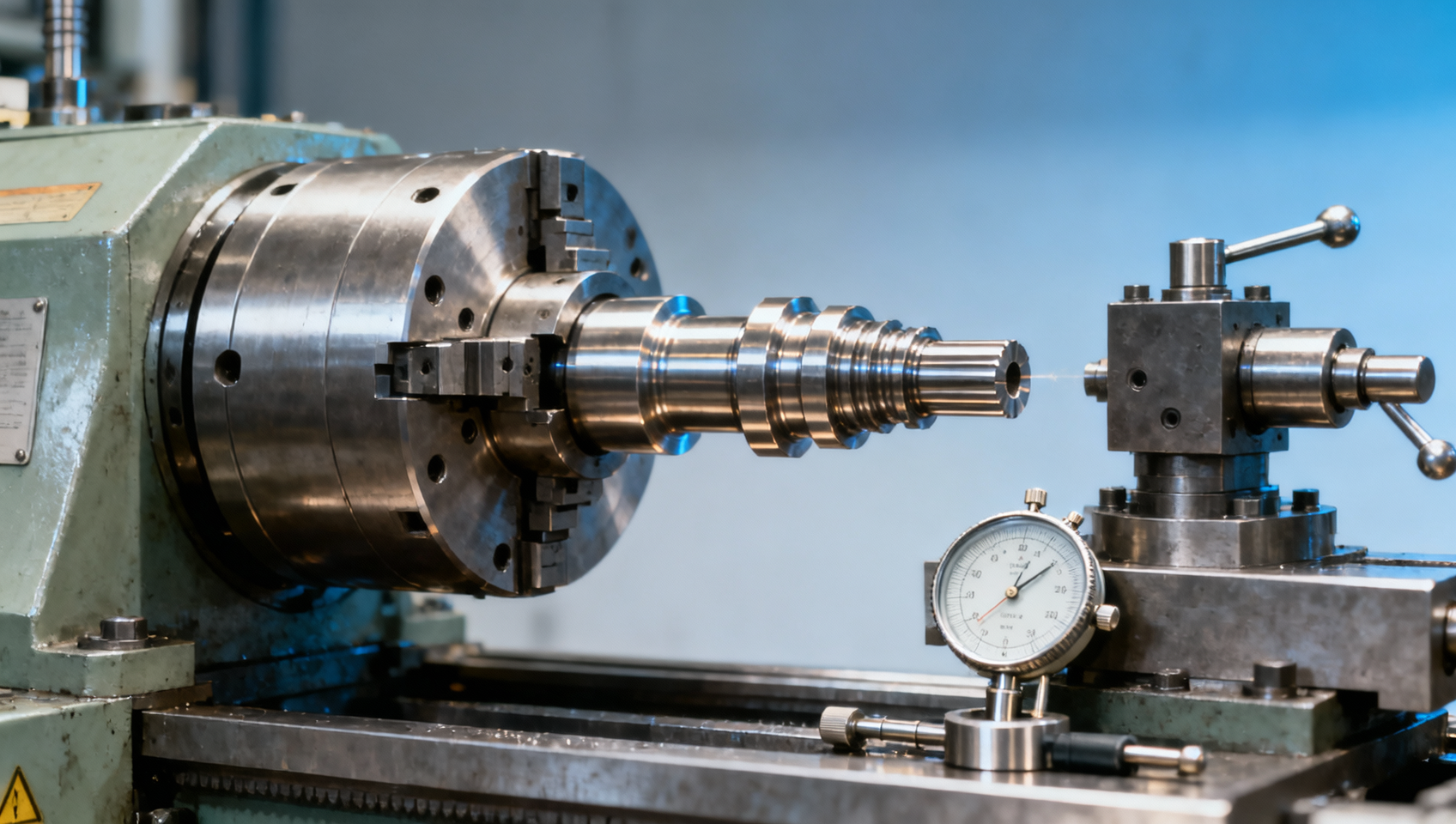
Achieving better concentricity in Shaft Parts is a core challenge in metal machining and CNC industrial production. From automated lathe setup and CNC cutting strategy to fixture selection, toolpath control, and Production Process optimization, every detail affects accuracy. This guide explores practical methods used in industrial CNC, CNC milling, and metal lathe operations to help operators, buyers, and manufacturing decision-makers improve part quality and efficiency.
In shaft manufacturing, concentricity directly affects bearing fit, rotational stability, sealing performance, vibration level, and downstream assembly yield. For automotive, aerospace, energy equipment, and electronics production, a concentricity deviation of even 0.01 mm to 0.03 mm can turn a qualified shaft into a source of noise, premature wear, or balancing failure. That is why concentricity control is not only a machining issue, but also a process capability and procurement concern.
Whether you are comparing CNC lathes, reviewing fixture options, setting machining parameters, or evaluating a supplier’s ability to hold tolerance across 500 or 5,000 parts, the same question matters: how can shaft parts be machined with better concentricity at stable cost and cycle time? The answer lies in controlling the complete chain, from raw material to inspection.
Why Concentricity Matters in Shaft Part Machining
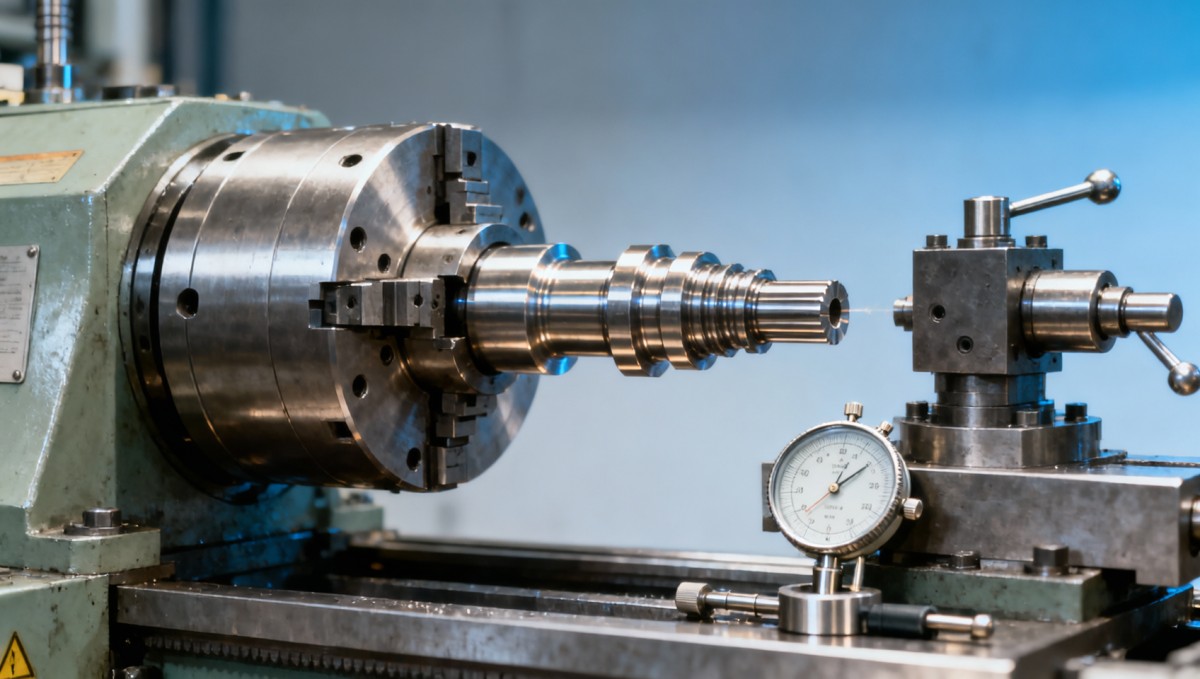
Concentricity in shaft parts refers to how closely multiple cylindrical features, diameters, journals, shoulders, and centerlines align around a common axis. In practical CNC machining, the issue usually appears when turning stepped shafts, machining both ends in separate operations, combining milling with turning, or re-clamping after heat treatment. The more setups involved, the higher the risk of axis mismatch.
For operators, poor concentricity often shows up as runout during inspection, uneven stock after second-side machining, unstable surface finish, or tool marks caused by vibration. For buyers and sourcing teams, it shows up as inconsistent batches, high rejection rates, repeated supplier adjustments, and difficulty meeting assembly tolerance in mass production. In many factories, scrap can increase noticeably once shaft length exceeds 200 mm or the length-to-diameter ratio rises above 8:1.
The business impact is also significant. A shaft with acceptable diameter tolerance but poor concentricity may still fail in use. For example, if a motor shaft has total indicated runout above 0.02 mm in a high-speed application, the final unit may produce excess vibration, shorten bearing life, and increase field service cost. This is why precision machine tool selection must be linked to actual process capability, not only spindle speed or advertised accuracy.
Common functional risks caused by low concentricity
- Unstable rotation in shafts running at 1,500 rpm to 12,000 rpm, especially in motor, pump, and spindle systems.
- Uneven bearing loading that accelerates wear and reduces service life by months in continuous-duty equipment.
- Poor sealing contact in hydraulic or pneumatic assemblies where shaft runout affects lip seal performance.
- Assembly mismatch in stepped or splined shafts where one end is machined in a separate setup.
Concentricity is also a supplier evaluation metric. A workshop may machine sample parts well under slow cycle conditions, yet lose stability when production increases to 200 pieces per shift. The real standard is repeatability over time, across shifts, and after tool changes. That is why process planning, thermal control, fixture design, and inspection routines must be reviewed together.
Machine, Setup, and Workholding Factors That Influence Accuracy
The machine tool itself sets the baseline. Better concentricity starts with spindle accuracy, turret repeatability, slideway condition, and tailstock alignment. On a CNC lathe, spindle radial runout should generally be checked at regular intervals, especially if target shaft concentricity is below 0.02 mm. Even a high-quality machine cannot hold precision if spindle bearings, chuck jaws, or hydraulic clamping components are worn.
Setup strategy is equally important. A shaft machined in one setup between centers usually offers better axis consistency than the same part processed through multiple chucking operations. When second-op machining cannot be avoided, reference surfaces must be defined carefully. Soft jaws, collets, centers, steady rests, and mandrels should match the shaft geometry, stock condition, and required tolerance zone.
Workholding errors often create hidden concentricity problems. A standard 3-jaw chuck is efficient for roughing, but for finish turning of critical journals, collet clamping or custom soft jaws often provides better repeatability. Long shafts above 300 mm may also need tailstock support or a steady rest to prevent deflection under cutting load. If clamping pressure is too high, thin-wall or slender sections may deform and spring back after release, causing inspection failure.
Key setup variables to check before mass production
Before full production starts, shops should verify at least 6 core items: spindle runout, chuck or collet condition, jaw contact uniformity, tailstock center alignment, support method for long parts, and trial-piece runout after clamping. These checks usually take 20 to 40 minutes, but they can prevent hours of unstable production and reduce first-batch correction.
The following table compares common workholding methods for shaft parts and how they affect concentricity performance in different shop conditions.
The practical takeaway is clear: if a shaft requires high concentricity across multiple diameters, the setup should prioritize common-axis referencing over speed alone. For procurement teams, machine configuration should be reviewed together with fixture philosophy, not treated as separate buying decisions.
A frequent mistake in equipment comparison
Many buyers compare CNC machines by spindle power, travel, or axis count, but ignore whether the supplier can demonstrate stable runout control over 8-hour or 12-hour shifts. In shaft part programs, machine rigidity and thermal behavior often matter more than headline speed when tolerance is tight.
Cutting Strategy, Toolpath Control, and Process Sequencing
Even with a good machine and proper clamping, poor process planning can still ruin concentricity. A common problem is removing too much stock in one stage, creating heat, deflection, or residual stress that shifts the axis before finishing. In shaft machining, roughing, semi-finishing, and finishing should be separated logically, especially for alloy steel, stainless steel, or long slender parts.
Toolpath control should reduce radial cutting force and avoid sudden load changes at shoulders or undercuts. For shafts with several critical bearing seats, many shops leave 0.15 mm to 0.30 mm stock after roughing, then perform a semi-finish pass before the final cut. This helps stabilize dimensions and gives the workpiece time to release internal stress, especially after heat input from aggressive turning.
Tool selection also matters. A worn insert edge can generate pushing force rather than clean cutting action, causing small but important axis deviation. For finish turning aimed at concentricity and low runout, insert nose radius, holder rigidity, tool overhang, and coolant delivery should be optimized as a system. In some cases, reducing feed from 0.25 mm/rev to 0.10 mm/rev on the final pass produces a measurable improvement in roundness and runout consistency.
Recommended process sequence for precision shaft parts
- Prepare stable datum surfaces or center holes before precision operations.
- Complete rough turning with enough stock left for later correction.
- Use stress-relief or rest time if material condition tends to distort after heavy removal.
- Perform semi-finishing to equalize stock across critical diameters.
- Finish machine all concentric functional features in the fewest possible setups.
- Inspect runout and key diameters before milling slots, splines, or cross-holes.
When shaft parts require both turning and milling, operation order becomes more sensitive. Milling flats, keyways, or radial holes before finish turning may introduce local stress release or reclamping error. In many cases, the safer route is to complete critical turning features first, then move to CNC milling with dedicated references. This is particularly useful for shafts used in gear transmission, actuator assemblies, and servo systems.
For production engineers, the objective is not only a good first piece but also a robust cycle repeated over 100, 500, or 1,000 units. A process that saves 30 seconds per part but doubles adjustment frequency is usually not the best option for total cost. Concentricity improvement should therefore be judged by both tolerance result and process stability.
Inspection Methods, Process Control, and Supplier Evaluation
Better concentricity cannot be managed by machining alone; it must be verified through inspection routines that match the product’s real use. For most shaft parts, practical control combines dial indicator checks, V-block inspection, in-machine probing when available, and final measurement on a roundness tester or CMM for critical jobs. The inspection method should match the tolerance level and volume, rather than using the same approach for every part.
In batch production, it is useful to divide control into 3 levels: first-article approval, in-process sampling, and final audit. A common sampling rhythm is every 20 to 50 pieces for stable products, but tighter monitoring may be needed after tool change, shift handover, or fixture replacement. If heat treatment is involved, shafts should also be rechecked after straightening or finish grinding because the axis can shift between operations.
For sourcing and commercial review teams, supplier evaluation should go beyond quoted tolerance on paper. Ask how the supplier controls spindle condition, how often jaws are re-machined, what runout records are kept, and whether first-piece approval is documented. A supplier that can explain its process window is often more reliable than one that only promises a nominal tolerance figure.
What to review when buying shaft machining capacity
The table below helps buyers and technical evaluators compare machining capability from a concentricity standpoint, especially when selecting a contract manufacturer or new CNC equipment partner.
A capable supplier should be able to define acceptable runout ranges for different shaft classes, explain how the process changes for parts longer than 250 mm, and show what happens after heat treatment or re-clamping. That kind of transparency supports better procurement decisions and lowers quality risk in international sourcing.
A practical acceptance view
For standard industrial shafts, a buyer may focus on diameter, surface finish, and runout together. For higher-end rotating assemblies, it is wise to define 3 acceptance points in advance: datum reference, measuring method, and maximum allowed deviation. This avoids disputes later when different inspection setups give different readings.
Common Mistakes, Improvement Actions, and FAQ for Production Teams
Many concentricity problems come from avoidable habits rather than advanced technical limits. One common mistake is using the same chucking method for roughing and finishing without checking clamp-induced distortion. Another is chasing surface finish while ignoring runout, or adjusting offsets repeatedly without finding the actual mechanical source of error. In long-shaft jobs, failing to support the workpiece correctly can create bending that no compensation value can truly solve.
Improvement usually starts with standardization. Shops should define setup sheets, clamp force ranges, inspection points, and tool change limits for critical shaft families. Even simple rules can help, such as checking runout after every jaw change, limiting finish insert life to a defined number of parts, or verifying tailstock alignment once per week in continuous production. These routines are especially valuable in multi-shift operations.
From a management viewpoint, the best gains often come from linking machining, inspection, and purchasing teams. If a buyer selects material with unstable straightness, or if planning changes blank allowance without updating fixtures, concentricity may suffer before the first cut begins. Better results come when the full production process is reviewed as one system instead of isolated steps.
Frequent mistakes that reduce shaft concentricity
- Using worn chuck jaws or damaged collets for finish operations.
- Re-clamping on unfinished or unstable reference surfaces.
- Applying aggressive roughing parameters too close to final dimension.
- Skipping in-process runout checks after tool changes or shift transfer.
- Ignoring thermal growth during long production runs of 4 to 8 hours.
FAQ: How tight should concentricity be for common shaft parts?
It depends on function. General transmission shafts may allow more generous runout, while bearing seats, motor shafts, and high-speed rotating parts often require stricter control. In practice, many industrial applications work within a range such as 0.01 mm to 0.05 mm, but the correct value should always follow drawing function and inspection method.
FAQ: Is one-setup machining always the best option?
Not always, but reducing setups usually improves axis consistency. If one-setup machining causes poor accessibility, chatter, or thermal instability, a controlled multi-step process with accurate references may perform better. The real goal is repeatable alignment, not simply fewer operations at any cost.
FAQ: What should buyers ask a shaft machining supplier?
Ask about machine type, workholding method, inspection process, sampling plan, batch size capability, and how the supplier manages long or heat-treated shafts. Also ask how they handle first-piece approval and what corrective steps are taken if runout trends upward during production.
Machining shaft parts with better concentricity requires more than a precise CNC machine. It depends on stable workholding, logical process sequencing, proper cutting parameters, disciplined inspection, and realistic supplier evaluation. For operators, this means fewer setup-related errors. For buyers and business reviewers, it means clearer decision criteria and lower risk in batch production.
If you are planning a new shaft machining project, evaluating CNC turning capacity, or improving concentricity in existing production, a detailed technical review can save both cost and lead time. Contact us to discuss your application, get a tailored machining solution, or learn more about CNC equipment, fixture strategy, and precision manufacturing support for shaft parts.
PREVIOUS ARTICLE
NEXT ARTICLE
Recommended for You
![]() China Releases First Eastern Sea Seabed Elemental MapGlobal Machine Tool Trade Research Center
China Releases First Eastern Sea Seabed Elemental MapGlobal Machine Tool Trade Research Center![]() AIMM National Standard Advances for CNC Smart Factory CertificationManufacturing Policy Research Center
AIMM National Standard Advances for CNC Smart Factory CertificationManufacturing Policy Research Center![]() eVTOL Mass Production Drives CNC Export GrowthGlobal Machine Tool Trade Research Center
eVTOL Mass Production Drives CNC Export GrowthGlobal Machine Tool Trade Research Center![]() China Launches World's Largest Agri-Meteorological Observation NetworkManufacturing Market Research Center
China Launches World's Largest Agri-Meteorological Observation NetworkManufacturing Market Research Center![]() Robotics ToB Scaling Hits Data Bottleneck in CNC AI InspectionCNC Machining Technology Center
Robotics ToB Scaling Hits Data Bottleneck in CNC AI InspectionCNC Machining Technology Center![]() SAMR to Complete 1,800+ Standards Revisions in 2026Manufacturing Policy Research Center
SAMR to Complete 1,800+ Standards Revisions in 2026Manufacturing Policy Research Center


Aris Katos
Future of Carbide Coatings
15+ years in precision manufacturing systems. Specialized in high-speed milling and aerospace grade alloy processing.
▶
Industrial Lathe vs CNC Lathe: Key DifferencesCNC Machining Technology Center▶
How to Cut Operating Costs on an Industrial LatheCNC Machining Technology Center▶
How to Machine Shaft Parts with Better ConcentricityCNC Machining Technology Center▶
Shaft Parts Machining: Common Errors to AvoidCNC Machining Technology Center▶
Automated Lathe Cycle Time Gains Can Hide Quality LossesCNC Machining Technology Center
Mastering 5-Axis Workholding Strategies
Join our technical panel on Nov 15th to learn about reducing vibrations in thin-wall components.

Providing you with integrated sanding solutions
Before-sales and after-sales services
Comprehensive technical support