• Global CNC market projected to reach $128B by 2028 • New EU trade regulations for precision tooling components • Aerospace deman
NYSE: CNC +1.2%LME: STEEL -0.4%

CNC Programming Basics That Prevent Costly Errors
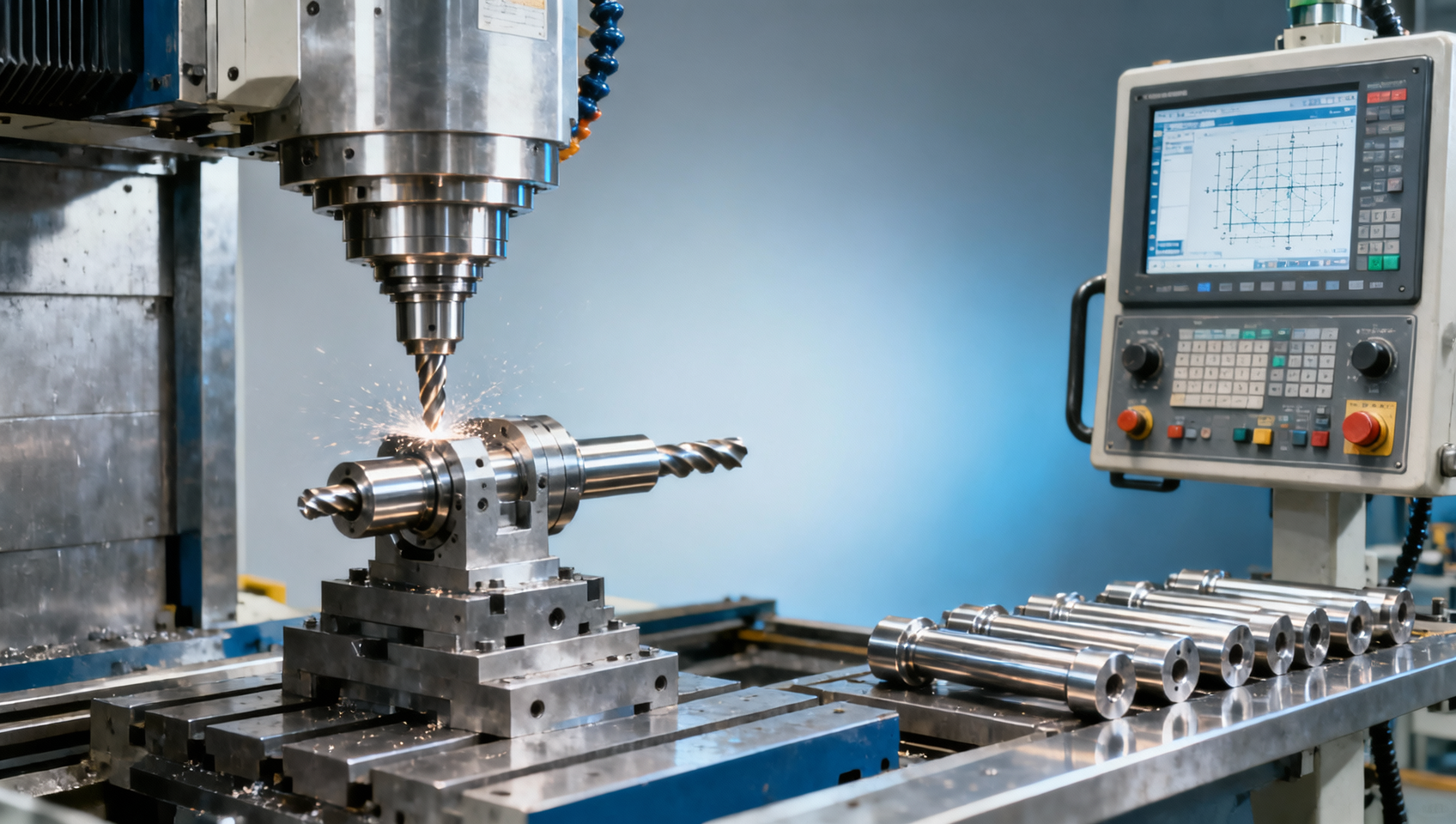
In today’s global manufacturing landscape, mastering CNC programming is one of the most practical ways to avoid expensive mistakes in metal machining and CNC production. From industrial CNC systems and CNC milling to automated lathe operations and CNC cutting, even a small programming error can interrupt the production process, damage shaft parts, increase scrap, and reduce efficiency across automated production lines. The good news is that most costly CNC problems are preventable when operators, engineers, and decision-makers focus on a few programming fundamentals that directly affect accuracy, cycle time, tool life, and machine safety.
For most readers searching this topic, the real question is not “What is CNC programming?” but “Which basic programming habits actually prevent scrap, crashes, downtime, and rework?” That is where this article focuses. Whether you are researching CNC machining processes, running machines on the shop floor, evaluating suppliers, or assessing production risk, understanding these basics helps you make better technical and commercial decisions.
Why basic CNC programming mistakes become expensive so quickly
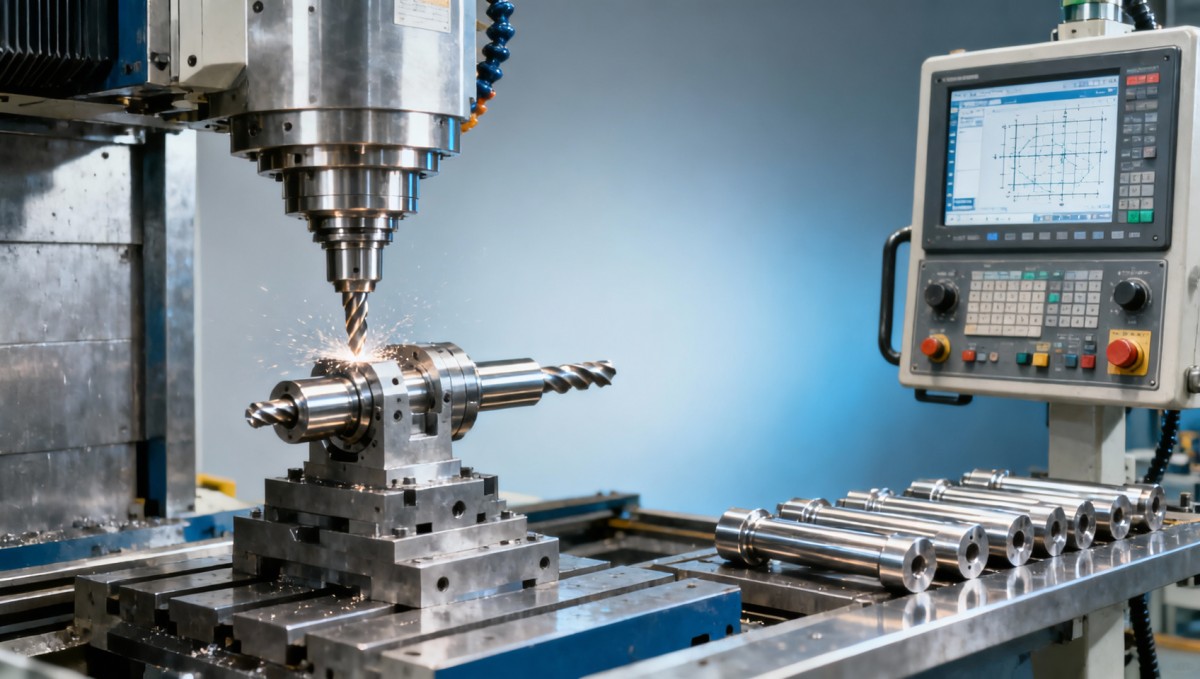
In CNC machining, a minor code issue can create major downstream costs. A wrong offset, incorrect tool call, unsafe rapid move, or bad feed rate does not just affect one line of code. It can lead to broken tools, damaged fixtures, rejected parts, machine stoppages, late deliveries, and higher operating costs.
This matters across industries such as automotive manufacturing, aerospace, energy equipment, and electronics production, where tolerance demands are tight and production schedules are unforgiving. In high-volume or precision manufacturing, one preventable error can multiply across dozens or hundreds of parts before it is caught.
The most common cost areas include:
- Scrap and rework: Incorrect dimensions, poor surface finish, or incomplete machining.
- Tool damage: Wrong spindle speed, feed rate, or toolpath entry causing premature wear or tool breakage.
- Machine crashes: Unsafe moves, incorrect work offsets, or setup mismatch.
- Downtime: Production interruptions while operators diagnose and correct the issue.
- Delivery risk: Missed production targets affecting customer commitments.
- Hidden quality losses: Inconsistent process capability, unstable part quality, and reduced confidence in production.
For procurement teams and business evaluators, this also affects supplier reliability. A shop with weak CNC programming discipline may offer low prices at first, but hidden quality and delivery risks often make total cost much higher.
Which CNC programming basics prevent the most costly errors
Not every programming concept has equal practical value. If the goal is to prevent expensive mistakes, a few fundamentals deserve the most attention.
1. Confirm the coordinate system and work offsets before cutting
Many serious machining errors start with incorrect zero-point setup. If the machine coordinate system, work offset, and program origin do not match the actual setup, the tool will not machine where expected.
Good practice includes:
- Verifying G54/G55 or other work offsets before the first run
- Matching the setup sheet to the actual fixture location
- Checking Z zero carefully, especially on short tools or deep features
- Using dry runs or single-block checks for new programs
This is especially important for CNC lathes, machining centers, and multi-axis systems where setup complexity is higher.
2. Use correct tool data and tool length/radius compensation
A program may be logically correct, but if tool offsets are wrong, the result will still be bad. Tool length compensation and cutter compensation must reflect the real tool in the machine, not just the planned tool in CAM or on paper.
Common avoidable problems include:
- Using the wrong tool number
- Entering incorrect tool length offsets
- Forgetting wear compensation updates
- Applying radius compensation improperly on contour machining
These mistakes often cause dimensional errors, poor finish, or collisions near shoulders, bores, and part edges.
3. Set feeds and speeds based on material, tool, and operation
Incorrect spindle speed and feed rate settings are among the most common causes of tool wear, chatter, burrs, and poor surface quality. Programming values should match the workpiece material, cutter type, coating, coolant condition, depth of cut, and machine rigidity.
Basic but important controls include:
- Reducing aggressive values during first-piece verification
- Adjusting parameters for stainless steel, aluminum, hardened steel, or exotic alloys
- Accounting for tool overhang and part stability
- Using proper entry and exit strategies to reduce tool shock
In production environments, stable machining is usually more valuable than simply pushing for the shortest cycle time.
4. Program safe approach, clearance, and retract movements
Some of the most expensive CNC incidents happen not during cutting, but during non-cutting motion. Rapid moves without adequate clearance can hit clamps, fixtures, tailstocks, chucks, or part features.
That is why safe motion planning matters:
- Define clear approach positions before entering the cut
- Use safe Z heights and retract points
- Review fixture interference zones
- Be extra cautious when programming around long shaft parts or deep cavities
This single habit can significantly reduce crash risk on both CNC milling and turning operations.
5. Simulate, verify, and prove out every new or edited program
Even experienced programmers make mistakes. The difference is whether the process catches them before production. Simulation and prove-out should be standard, not optional.
A practical verification routine often includes:
- CAM simulation or controller-based graphics review
- Checking toolpath sequence and tool changes
- Single-block testing on first run
- Feed hold readiness during initial verification
- Measuring the first part before full production release
For smart manufacturing environments, digital verification helps reduce setup risk and improves repeatability across shifts and facilities.
What operators and programmers should check before pressing cycle start
For users and machine operators, prevention depends on disciplined pre-run checks. A simple checklist can stop many costly failures before they begin.
Before starting a program, confirm:
- The correct program revision is loaded
- The material and blank size match the setup plan
- Fixture clamping is secure and correctly positioned
- Tool numbers and offsets match the setup sheet
- Work coordinates are set and verified
- Coolant condition and chip evacuation are adequate
- Spindle direction, speed, and feed commands are appropriate
- Safe start lines and modal commands are correct
In real shops, many errors do not come from advanced programming logic. They come from simple mismatches between the code, setup, tooling, and actual machine condition.
How these basics support better purchasing and supplier evaluation
For procurement personnel and commercial decision-makers, CNC programming basics are not just technical details. They are indicators of operational control.
When evaluating a machining supplier, ask questions such as:
- How are new CNC programs verified before production?
- What controls are used to prevent offset and setup errors?
- How is first-article inspection linked to programming release?
- How does the supplier manage tool life and process stability?
- Can they handle complex parts consistently across batches?
A capable supplier should be able to explain its process for simulation, prove-out, revision control, operator instructions, and quality feedback. This is especially important for precision parts, complex shaft components, and high-accuracy structural parts used in export manufacturing and critical industrial applications.
For business evaluators, these practices also reflect scalability. Shops that control CNC programming well are generally better prepared for automated production, flexible manufacturing, and smart factory integration.
Where beginners should focus first instead of trying to learn everything at once
Many people entering CNC programming feel pressure to learn every G-code, every machine type, and every advanced strategy immediately. That approach often creates confusion. A more effective path is to build reliability first.
Beginners should focus on:
- Machine coordinate systems and work offsets
- Tool call logic and offset management
- Safe start blocks and modal command awareness
- Basic feed and speed selection
- Simple toolpath sequencing for drilling, facing, turning, and contouring
- Program verification and first-part inspection discipline
Once these fundamentals are stable, it becomes much easier to move into multi-axis machining, cycle time optimization, automated tool management, and integrated CAM workflows.
Why disciplined CNC programming matters even more in automated production lines
As industrial automation expands, the cost of programming errors rises further. In manual environments, one experienced operator may notice a problem quickly. In automated production lines, an error can continue longer, affect more parts, and create wider disruption.
In connected manufacturing systems, CNC programming quality influences:
- Machine utilization
- Process repeatability
- Labor efficiency
- Quality consistency across shifts
- Predictable delivery performance
This is why programming discipline is now part of broader digital manufacturing capability. It is not just about writing code. It is about controlling process risk in a high-speed production environment.
Conclusion: the CNC basics that save the most money are the ones that reduce risk before metal is cut
CNC programming basics prevent costly errors when they are treated as process controls, not just training topics. The highest-value fundamentals are clear: verify coordinate systems, manage tool offsets correctly, set realistic feeds and speeds, program safe movements, and always simulate and prove out new or revised code.
For operators, these habits reduce crashes, scrap, and setup problems. For buyers and evaluators, they provide a practical way to judge whether a supplier can deliver precision, consistency, and production reliability. In modern CNC machining and precision manufacturing, the shops that control these basics best are often the ones that perform best commercially as well.
If there is one clear takeaway, it is this: most expensive CNC errors are not caused by a lack of advanced technology, but by weak control of basic programming discipline. Get the basics right, and quality, efficiency, and confidence improve across the entire production process.
PREVIOUS ARTICLE
NEXT ARTICLE
Recommended for You
![]() China Releases First Eastern Sea Seabed Elemental MapGlobal Machine Tool Trade Research Center
China Releases First Eastern Sea Seabed Elemental MapGlobal Machine Tool Trade Research Center![]() AIMM National Standard Advances for CNC Smart Factory CertificationManufacturing Policy Research Center
AIMM National Standard Advances for CNC Smart Factory CertificationManufacturing Policy Research Center![]() eVTOL Mass Production Drives CNC Export GrowthGlobal Machine Tool Trade Research Center
eVTOL Mass Production Drives CNC Export GrowthGlobal Machine Tool Trade Research Center![]() China Launches World's Largest Agri-Meteorological Observation NetworkManufacturing Market Research Center
China Launches World's Largest Agri-Meteorological Observation NetworkManufacturing Market Research Center![]() Robotics ToB Scaling Hits Data Bottleneck in CNC AI InspectionCNC Machining Technology Center
Robotics ToB Scaling Hits Data Bottleneck in CNC AI InspectionCNC Machining Technology Center![]() SAMR to Complete 1,800+ Standards Revisions in 2026Manufacturing Policy Research Center
SAMR to Complete 1,800+ Standards Revisions in 2026Manufacturing Policy Research Center


Aris Katos
Future of Carbide Coatings
15+ years in precision manufacturing systems. Specialized in high-speed milling and aerospace grade alloy processing.
▶
Robotics ToB Scaling Hits Data Bottleneck in CNC AI InspectionCNC Machining Technology Center▶
How to Choose the Right Metal Machining ProcessCNC Machining Technology Center▶
CNC Metalworking for Small Batches: Is It Worth ItCNC Machining Technology Center▶
How to Plan a Stable CNC Production WorkflowCNC Machining Technology Center▶
How to Improve Accuracy in CNC MillingCNC Machining Technology Center
Mastering 5-Axis Workholding Strategies
Join our technical panel on Nov 15th to learn about reducing vibrations in thin-wall components.

Providing you with integrated sanding solutions
Before-sales and after-sales services
Comprehensive technical support