• Global CNC market projected to reach $128B by 2028 • New EU trade regulations for precision tooling components • Aerospace deman
NYSE: CNC +1.2%LME: STEEL -0.4%

How to Plan a Stable CNC Production Workflow
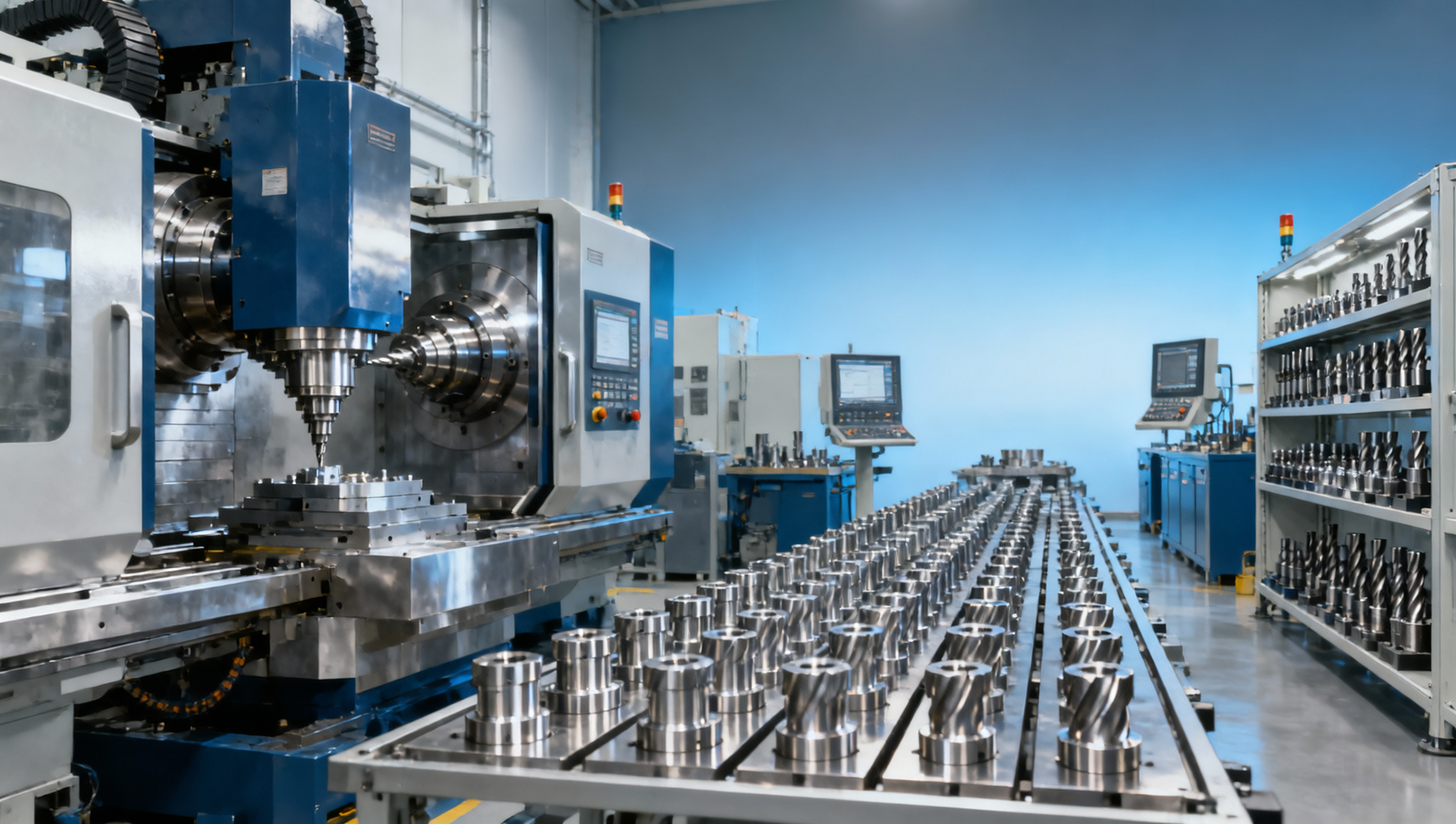
A stable CNC production workflow is essential for improving quality, reducing downtime, and strengthening automated production across the Manufacturing Industry. From CNC programming and CNC milling to metal machining, industrial CNC systems, and automated production line planning, every step affects efficiency, cost, and delivery. This guide explores practical ways to optimize CNC production for modern Global Manufacturing needs.
Why does a stable CNC production workflow matter in real manufacturing?
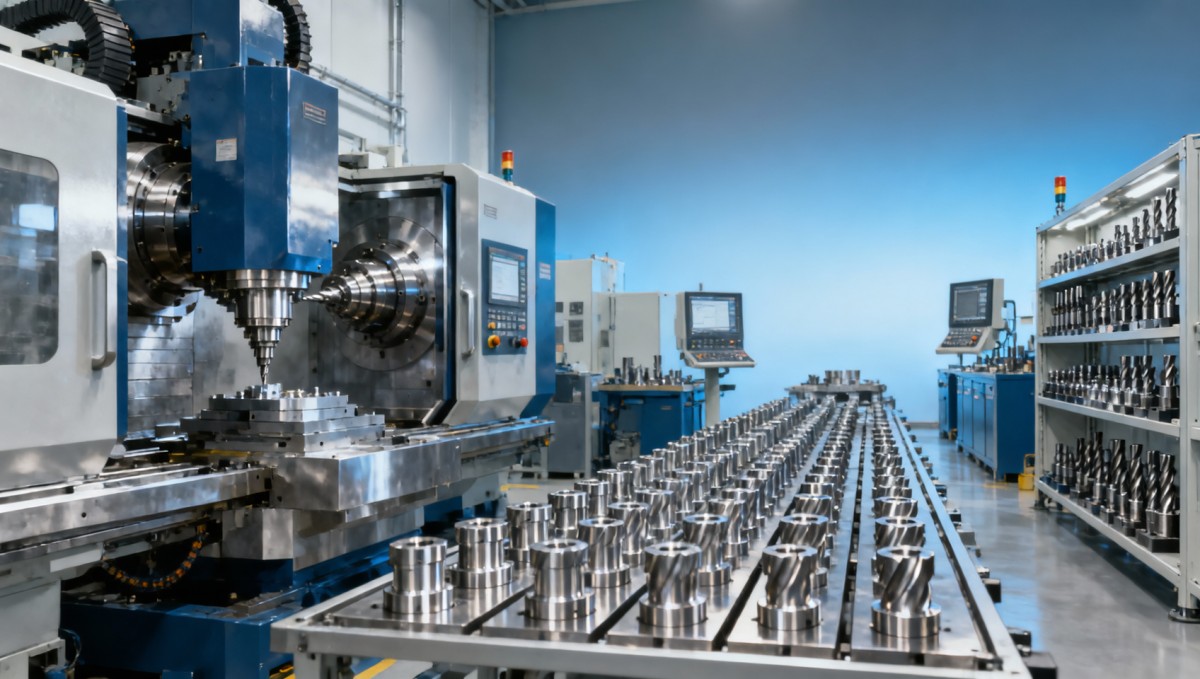
A CNC production workflow is more than a machine sequence. It connects order review, process planning, programming, tooling, setup, machining, inspection, maintenance, and delivery. When one link is unstable, the entire line can suffer from scrap, delayed shipments, repeated setup, and rising labor pressure. For operators, the problem appears as frequent interruptions. For buyers and commercial evaluators, it appears as hidden cost and uncertain capacity.
In practical machining environments, stable workflow design usually depends on 4 core layers: process standardization, machine capability matching, material and tooling control, and production data feedback. If one layer is weak, even advanced CNC lathes or 5-axis machining centers may fail to deliver repeatable performance across 2 shifts, 3 product families, or mixed batch sizes.
This is especially important in sectors such as automotive, aerospace, energy equipment, and electronics production, where tolerances, delivery windows, and traceability requirements are stricter. A stable workflow helps reduce cycle variation, keep spindle utilization within a manageable range, and support predictable output over 8-hour, 16-hour, or continuous production schedules.
For global manufacturing teams, workflow stability also improves communication between engineering, purchasing, quality, and operations. It becomes easier to compare suppliers, estimate lead times of 2–6 weeks, and judge whether a factory is ready for pilot runs, medium-volume orders, or long-term automated production line expansion.
What usually causes instability?
- Unclear drawing review and process routing, which leads to reprogramming or repeated fixture adjustment after production starts.
- Tool wear not monitored by batch or runtime, causing dimensional drift after several hours of continuous cutting.
- Machine allocation based on availability rather than capability, creating mismatch between tolerance target and actual spindle, axis, or control performance.
- Weak in-process inspection and poor data traceability, so defects are found at final inspection instead of during the first 5–10 pieces.
How should you build a stable CNC workflow from planning to delivery?
A reliable CNC workflow begins before the first chip is cut. Teams should structure production in 5 stages: technical review, resource preparation, pilot verification, batch execution, and feedback improvement. This sequence helps reduce rushed decisions and gives purchasing and operations teams a clearer basis for supplier comparison, cost review, and capacity planning.
At the technical review stage, engineers confirm material grade, tolerance stack-up, surface finish, critical dimensions, and inspection method. For parts with complex cavities, thin walls, or multi-axis contours, this stage should also determine whether 3-axis, 4-axis, or 5-axis machining is necessary. A weak early review often creates far more waste than a slightly longer planning cycle of 1–3 days.
Resource preparation includes CNC programming, fixture design, cutting tool selection, machine reservation, and quality documentation. In metal machining, it is common to split preparation into standard parts, repeat parts, and new development parts because the setup risk is different. New parts often need a more conservative first-run plan with extra offset checks and intermediate measurement points.
Pilot verification should never be treated as a formality. A first article run, a short test batch, and a process review meeting can reveal feed issues, chip removal problems, fixture instability, or tool path inefficiency before larger production begins. Even for experienced suppliers, verifying the first 3–5 pieces is a practical control step, not a sign of low confidence.
A practical 5-step implementation sequence
- Review drawings, tolerances, material condition, and special process notes such as deburring, heat treatment, or coating allowance.
- Match machines, tooling, fixtures, and inspection devices to required batch size, accuracy level, and delivery target.
- Run pilot parts, check critical dimensions, confirm tool life window, and lock approved machining parameters.
- Execute batch production with in-process control, operator checklists, and shift-based handover records.
- Collect quality and downtime data, then update routing, tool replacement frequency, and preventive maintenance rules.
Which checkpoints should not be skipped?
Three checkpoints are especially important. First, confirm datums and clamping logic before programming. Second, validate tool life under actual material conditions instead of relying only on nominal catalog values. Third, define inspection frequency clearly, such as first piece, every 20 pieces, every shift, or every tool change. These rules create consistency across operators and production cells.
Which machines, tools, and controls should be matched to the workflow?
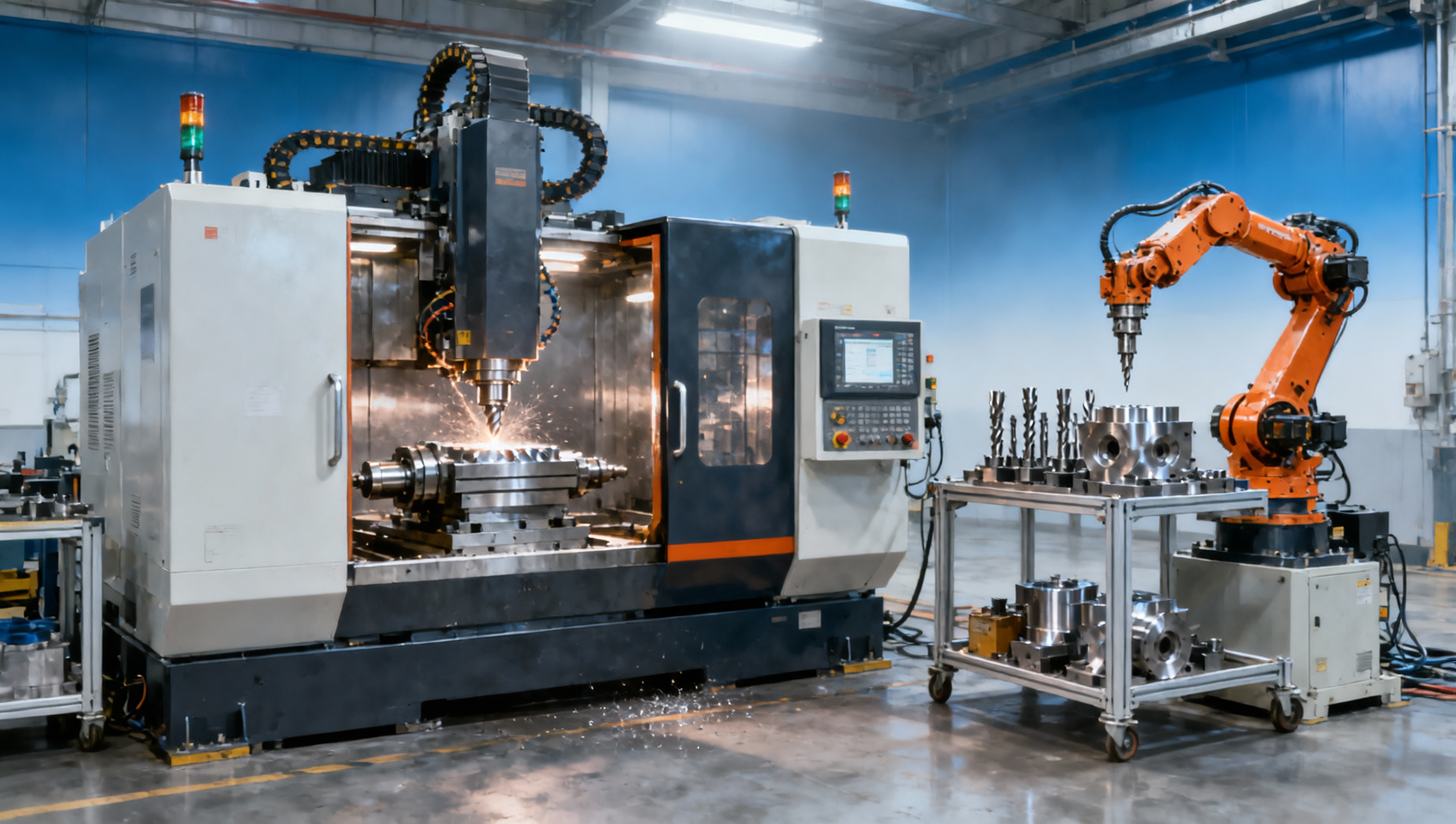
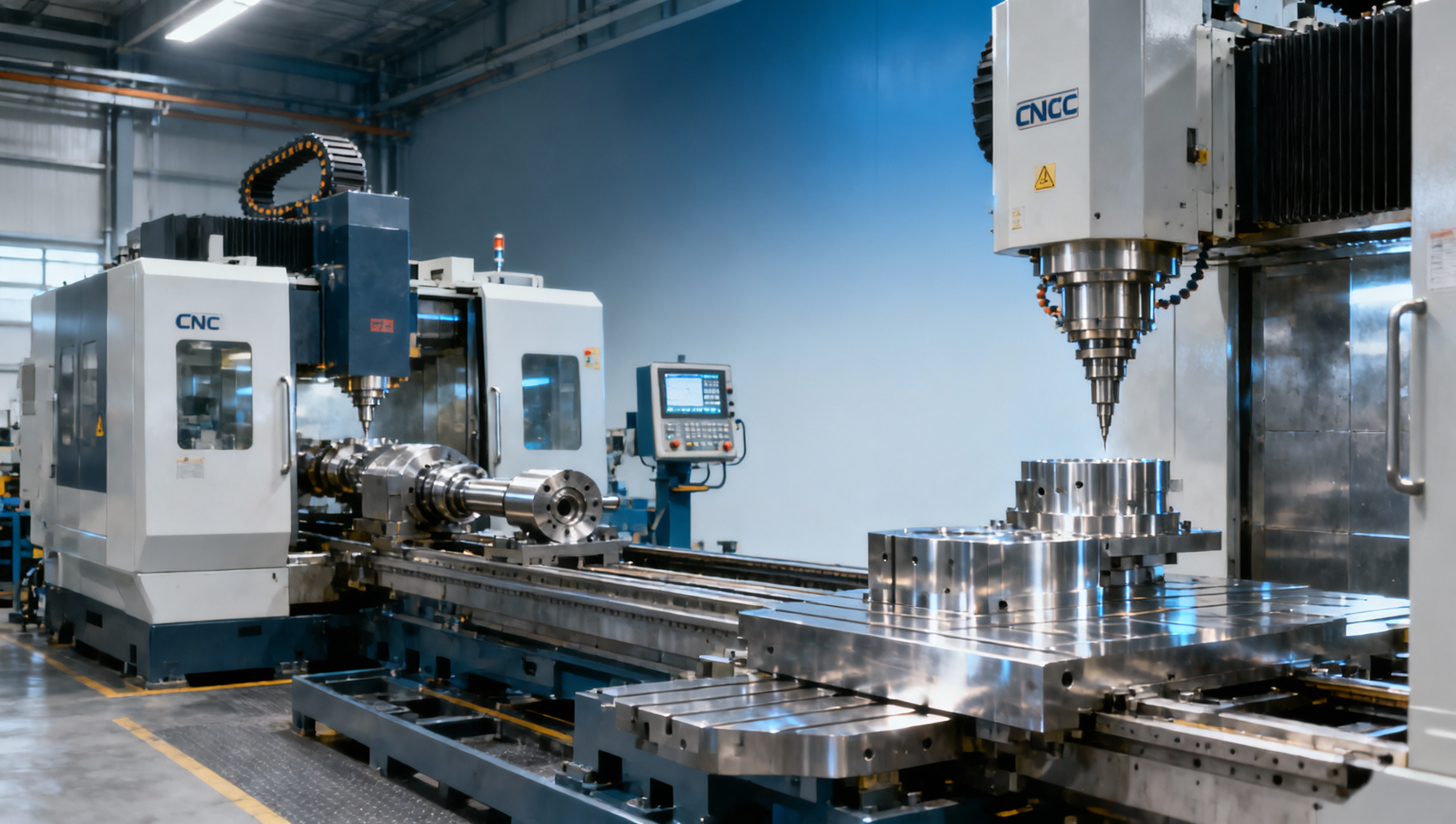
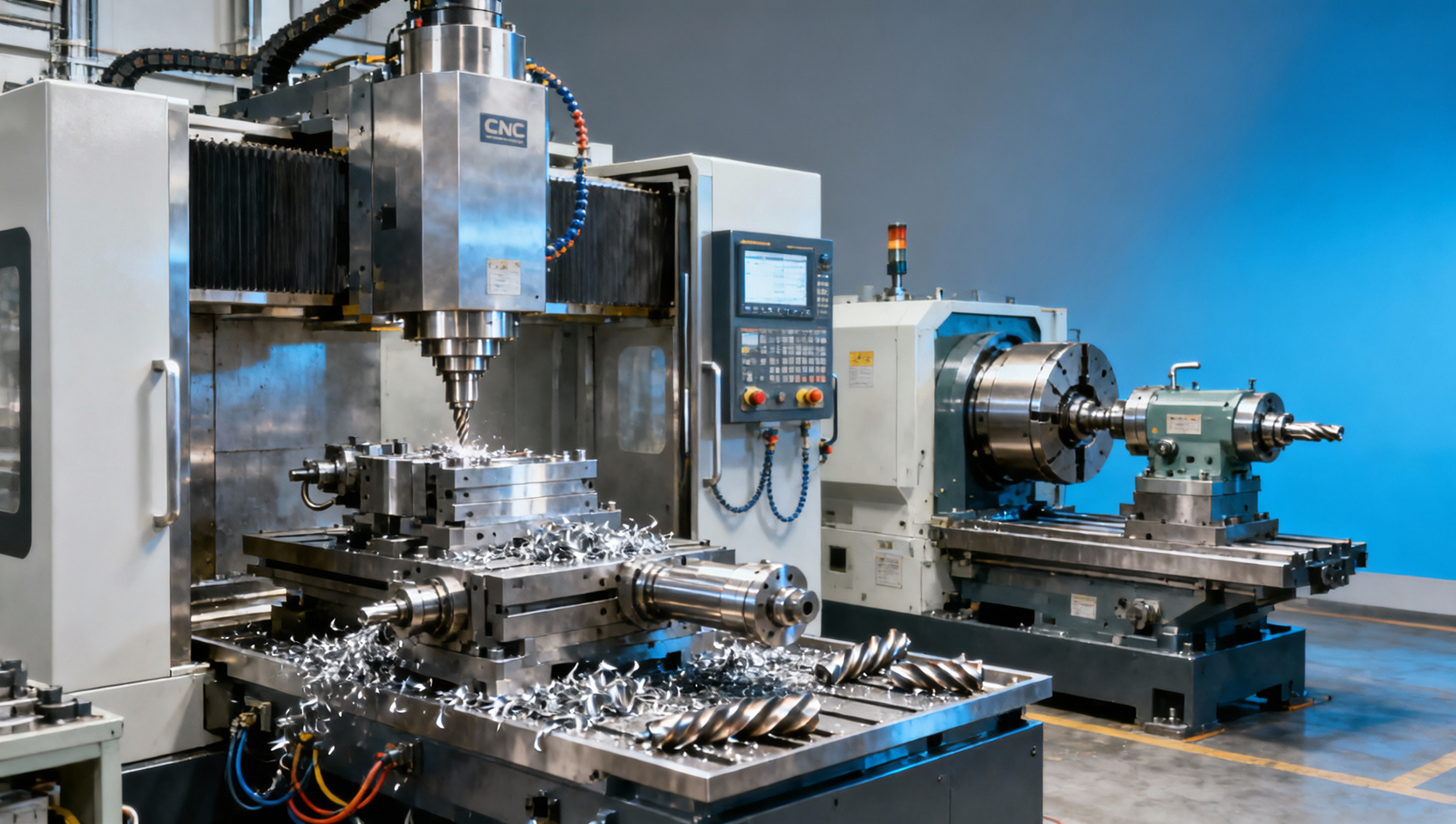
Workflow stability depends heavily on capability matching. A shop may own several CNC lathes, vertical machining centers, and turning-milling systems, but not every machine is suitable for every order. Stable planning means aligning part geometry, tolerance, material hardness, and batch requirement with the right machine envelope, spindle speed range, axis structure, and automation level.
For example, simple shaft parts in medium or large volume may run efficiently on CNC turning centers with bar feeders, while complex housings with multiple faces may require machining centers with pallet change capability. Thin-wall aluminum and hardened steel also demand different cutting strategies, tool materials, and coolant management. A workflow becomes unstable when planners push unsuitable equipment just to fill machine hours.
Buyers often ask whether they should prioritize machine quantity or process integration. In many cases, process integration wins. Fewer transfers between machines can reduce positioning error, waiting time, and handling damage. However, integrated systems should still be evaluated against maintenance access, programming complexity, and spare parts support over a 3–5 year operational horizon.
The table below helps compare common CNC workflow options from a production planning perspective. It is not a brand ranking. It is a practical selection tool for users, sourcing teams, and business evaluators who need to match process risk with equipment strategy.
The most effective choice often depends on setup frequency, part complexity, and labor availability rather than machine price alone. If a production line changes over too often, a flexible machining center may outperform a nominally faster dedicated machine. If unmanned operation is a priority for 6–10 hours overnight, automated loading and reliable process alarms become central to workflow stability.
Key technical ranges to review
- Spindle power and speed range in relation to aluminum, carbon steel, stainless steel, or alloy materials.
- Travel and work envelope large enough for fixture, tool reach, and safe clearance, not only part size.
- Tool magazine capacity for 20, 30, or more tools if multi-operation machining is planned.
- Control compatibility with offline programming, probing cycles, and production data collection.
What should purchasing and business teams check before approving a CNC workflow?
Purchasing teams often focus on unit price, but workflow stability requires a wider evaluation. A low quoted cost can quickly lose value if the supplier has long setup time, weak inspection discipline, or limited machine redundancy. Commercial evaluators should review at least 5 areas: process readiness, capacity fit, quality control, delivery reliability, and communication transparency.
Procurement decisions are especially sensitive when parts are safety-related, delivery windows are fixed, or product launch schedules leave little room for rework. In these cases, the best supplier is not always the one with the shortest nominal cycle time. It is usually the one that can explain tooling logic, inspection checkpoints, change management, and contingency measures in a structured way.
For cross-border sourcing, teams should also clarify packaging, export handling, document language, and expected communication response time. A technically capable CNC supplier can still create project risk if drawing revisions, sample approval, or shipment milestones are not controlled carefully within a defined process of 4–6 key steps.
The following table can be used as a compact vendor assessment framework during RFQ review, sample evaluation, or new project onboarding for CNC machining, precision machine tools, and automated production support.
A strong procurement review should end with a decision checklist, not only a quotation comparison. If a supplier can define sample lead time, typical production lead time, revision control flow, and quality reporting format clearly, buyers gain a more realistic view of total workflow risk. That is far more useful than evaluating CNC production only through machine count or hourly rate.
A short approval checklist for sourcing teams
- Are critical dimensions linked to a documented inspection plan instead of only final random checks?
- Is the quoted lead time based on actual machine loading and tooling preparation, not only commercial expectation?
- Can the supplier support small pilot quantities first, then scale to medium or larger batches without rebuilding the full process?
- Are change notices, drawing versions, and approval records controlled in a way that both technical and purchasing teams can follow?
What mistakes often weaken CNC workflow stability, and how can you avoid them?
One common mistake is assuming stable machining starts with expensive equipment alone. In reality, many disruptions come from basic workflow gaps: uncontrolled tool offsets, rushed workholding changes, poor raw material identification, or weak shift handover. Even a high-spec industrial CNC system cannot compensate for an unstable process foundation.
Another mistake is underestimating the difference between prototype success and batch stability. A part that runs well once may still fail in repeated production due to heat buildup, chip accumulation, or fixture wear over time. That is why process validation should cover not only one qualified sample but also repeatability across multiple pieces and realistic runtime conditions.
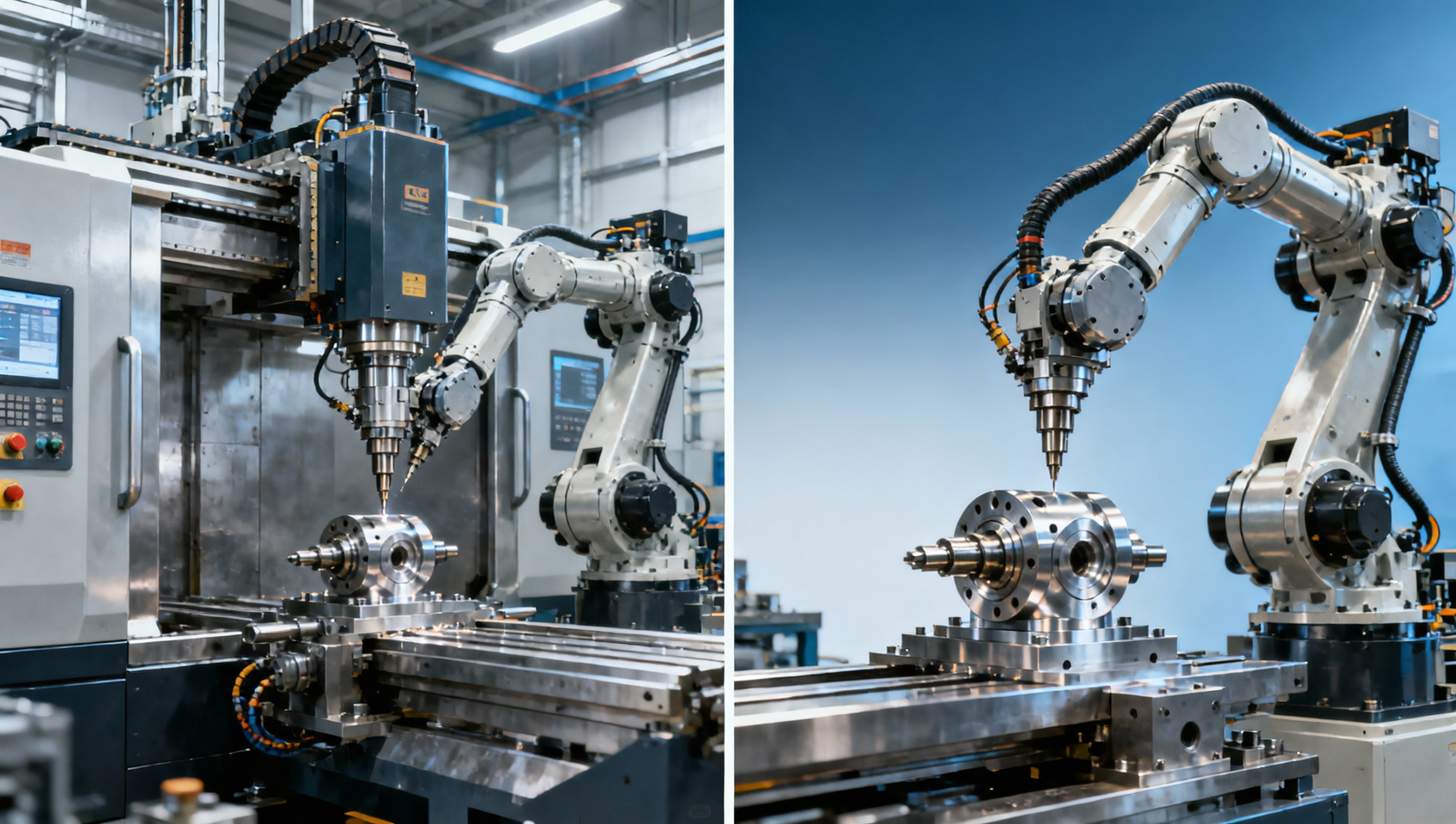
Teams also sometimes over-automate too early. Automation is valuable, but if the manual process is not stable, adding robots, pallet systems, or automated inspection can amplify defects faster. A better path is to stabilize the base process first, then introduce automation in controlled stages such as loading, transfer, or in-process measurement.
From a compliance perspective, manufacturers should align documentation and quality control with customer and industry expectations. Depending on application, this may include drawing traceability, calibration records, material certificates, process sheets, and final inspection reports. These are not only audit documents. They are part of workflow discipline and risk control.
FAQ: questions buyers and operators ask most often
How long does it usually take to establish a stable CNC production workflow?
For repeat parts with existing tooling, stabilization may take only several days after program review and first article confirmation. For new precision parts, especially those needing custom fixtures or multi-axis strategies, it is common to need 1–3 weeks for planning, pilot runs, adjustment, and approval. The exact timing depends on complexity, material, and inspection requirements.
What is more important: machine accuracy or workflow control?
Both matter, but workflow control is often the deciding factor in daily production. A capable machine with poor tool management and weak inspection can still generate unstable output. A well-controlled process on a properly maintained machine usually performs better over time than a high-end machine used without standard operating rules.
Which indicators should we monitor during batch production?
At minimum, track first-pass yield, cycle time variation, tool life interval, machine downtime, and critical dimension drift. Many factories also monitor alarm frequency per shift and setup time per batch. These indicators help operators react early and help purchasing or management teams judge whether a supplier can maintain stable CNC production over longer contracts.
Are standards and certifications always required?
Not every project needs the same level of formal certification, but documented process control is always valuable. Depending on customer sector, buyers may ask for quality management system evidence, calibration control, material traceability, or specific inspection records. The key is to match documentation depth to project risk instead of assuming one fixed requirement for all CNC machining work.
Why choose a partner that understands both machining details and global supply decisions?
A stable CNC production workflow is not built by machine ownership alone. It requires industry knowledge, process discipline, and a clear understanding of how technical choices affect cost, lead time, and purchasing confidence. For companies working across automotive, aerospace, energy equipment, electronics, and broader precision manufacturing, this combination is increasingly important as production becomes more digital, automated, and globally connected.
Our platform focuses on the global CNC machining and precision manufacturing industry, covering machine tools, production technology, market developments, and international trade updates. That perspective helps information researchers compare options faster, helps operators understand practical process issues, and helps procurement or commercial teams evaluate suppliers with more clarity and less guesswork.
If you are planning a CNC production workflow, you can contact us to discuss specific topics such as machine and process matching, CNC programming and tooling strategy, batch-size planning, sample support, delivery cycle expectations, inspection checkpoints, documentation needs, and quotation review. These are the details that shape real project success, especially when schedules are tight or part requirements are complex.
For sourcing, technical evaluation, or workflow optimization, reach out with your drawings, material requirements, target quantities, and delivery goals. We can help you narrow selection criteria, identify process risks early, compare suitable production routes, and prepare more informed discussions on cost, lead time, customization, and compliance requirements before the order moves forward.
NEXT ARTICLE
Recommended for You
 How to Choose the Right Metal Machining ProcessCNC Machining Technology Center
 Metal Machining vs CNC Metalworking: What MattersCNC Machining Technology Center
 What Drives Cost in Industrial CNC ProjectsManufacturing Market Research Center
 Is Industrial CNC Worth Upgrading in 2026Machine Tool Industry Editorial Team
 How CNC Industrial Systems Improve Shop EfficiencyMachine Tool Industry Editorial Team
 CNC Industrial Setup Mistakes to Avoid FirstCNC Machining Technology Center

Aris Katos
Future of Carbide Coatings
15+ years in precision manufacturing systems. Specialized in high-speed milling and aerospace grade alloy processing.
▶
How to Choose the Right Metal Machining ProcessCNC Machining Technology Center▶
CNC Metalworking for Small Batches: Is It Worth ItCNC Machining Technology Center▶
How to Plan a Stable CNC Production WorkflowCNC Machining Technology Center▶
NVIDIA Joins $1T Club; AI-Driven CNC Digital Twin Gains Global TractionCNC Machining Technology Center▶
Nvidia's Huang Criticizes US Chip Controls, CNC Digital Twin Solutions Expand OverseasCNC Machining Technology Center
Mastering 5-Axis Workholding Strategies
Join our technical panel on Nov 15th to learn about reducing vibrations in thin-wall components.

Providing you with integrated sanding solutions
Before-sales and after-sales services
Comprehensive technical support