• Global CNC market projected to reach $128B by 2028 • New EU trade regulations for precision tooling components • Aerospace deman
NYSE: CNC +1.2%LME: STEEL -0.4%

CNC milling chatter problems that tooling changes alone cannot fix
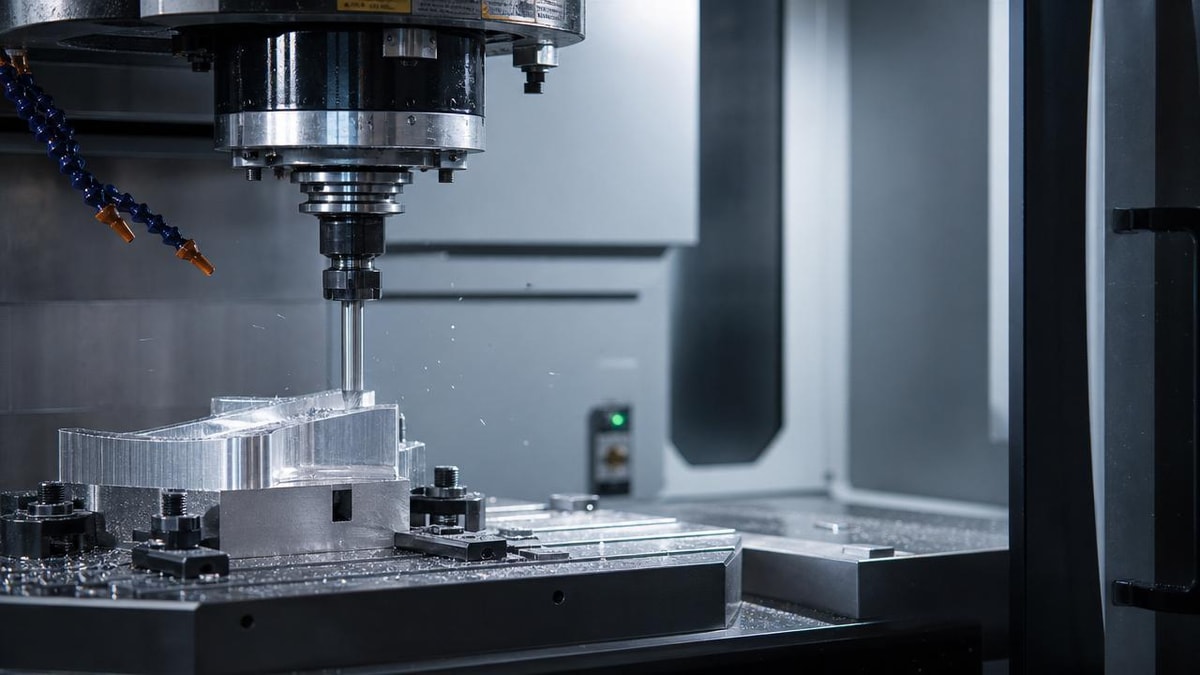
In CNC milling, chatter is often blamed on the tool, but changing cutters alone rarely solves the real problem. Machine rigidity, spindle condition, workholding, cutting parameters, and toolpath strategy all interact to create vibration. For operators facing poor surface finish, noise, and unstable machining, understanding these deeper causes is the first step toward achieving more stable production and better part quality.
Why CNC milling chatter keeps returning after a tooling change
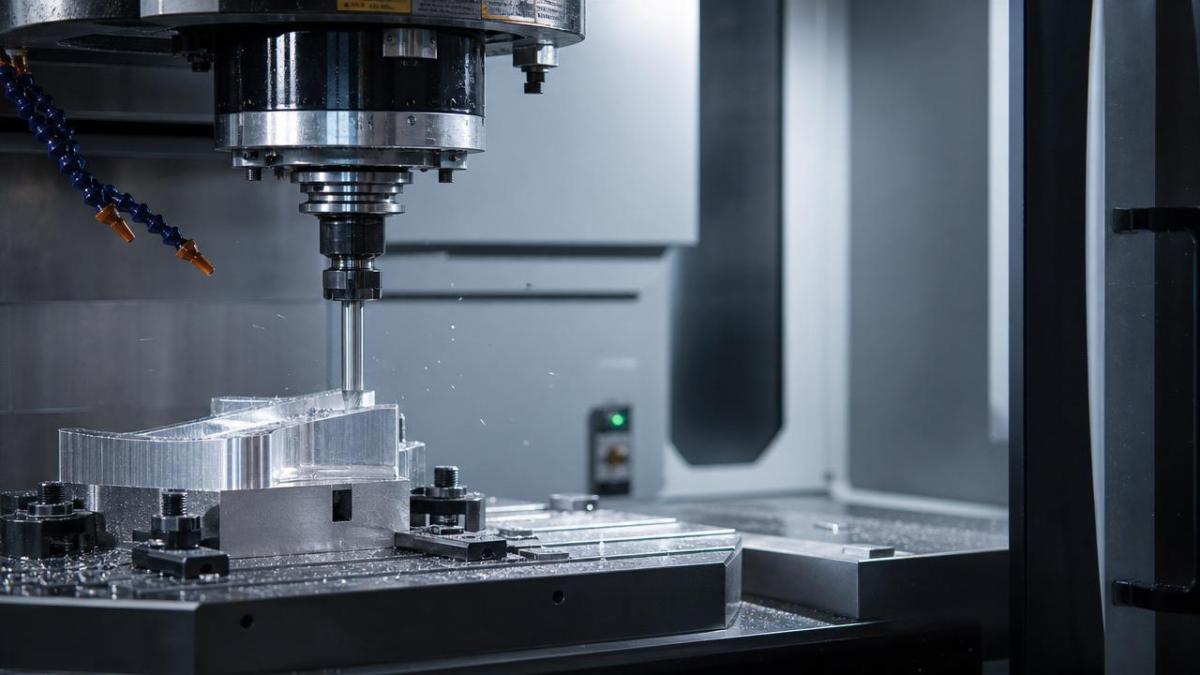
In daily CNC milling work, chatter is rarely a single-variable problem. A sharper end mill may reduce noise for one job, yet the same vibration returns on the next setup, material, or depth of cut. That pattern usually means the machine-process system is unstable, not just the cutter.
For operators in automotive, aerospace, electronics, mold, and general precision manufacturing, this matters because chatter does more than damage finish. It shortens tool life, shifts dimensional accuracy, increases spindle load variation, and disrupts repeatability across batches. In a production environment moving toward automation and digital integration, unstable cutting also creates hidden downtime that is difficult to schedule.
A practical way to think about CNC milling chatter is to treat it as a system response. The cutter, holder, spindle, machine column, fixture, workpiece, program, and material removal strategy all contribute. If one weak link remains unchanged, tooling swaps alone often become an expensive loop instead of a lasting fix.
- If chatter appears only at long tool stick-out, rigidity is likely a stronger factor than coating or flute count.
- If vibration increases near corners or full-width engagement, toolpath and chip load variation may be the trigger.
- If the same program runs differently on two machines, spindle condition, backlash, axis stiffness, or foundation stability should be checked.
What operators usually see before chatter becomes severe
The warning signs are often visible before the cut becomes unacceptable. A light ringing sound, repeating marks on the wall, uneven chip color, or sudden spindle load spikes on the control screen can all indicate that the process is approaching an unstable zone.
Which machine and setup issues cause CNC milling chatter most often?
Before adjusting feeds and speeds, operators should inspect the physical system. In many shops, recurring CNC milling chatter is linked to setup weakness rather than cutting data alone. This is especially common when machining thin walls, tall parts, hard materials, or parts that require long-reach tools.
The table below helps separate common chatter sources from their practical symptoms and first checks on the shop floor.
These checks are valuable because they prevent operators from repeatedly changing inserts, end mills, and coatings when the real issue is structural. In modern precision manufacturing, where one machine may process a wide range of parts with automated scheduling, identifying the actual vibration source saves both tooling cost and production time.
Setup details that are often ignored
- A vise jaw gripping only a small height of a tall workpiece can turn a rigid machine into an unstable process.
- A clean spindle taper and holder interface matters more than many operators expect, especially at high speed.
- Coolant direction influences chip evacuation. Recut chips can imitate chatter or make true chatter worse.
How cutting parameters and toolpaths change chatter behavior in CNC milling
Even on a sound machine, unstable parameter combinations can trigger chatter. In CNC milling, spindle speed is not simply “higher is better” or “lower is safer.” Certain speed ranges excite natural frequencies in the machine-tool-workpiece system, while nearby ranges may run smoothly with the same cutter.
Depth of cut, radial engagement, feed per tooth, entry method, and toolpath continuity all matter. Operators often lower feed first when chatter begins, but that can backfire. If chip thickness becomes too small, the tool may rub instead of cut cleanly, creating heat and erratic vibration.
The next table compares parameter-related causes and practical corrections that operators can test without redesigning the whole process.
The key lesson is that CNC milling stability depends on the relationship between variables. A stronger holder will help, but if full-slotting and long overhang remain unchanged, the process may still fail. Stable machining usually comes from small coordinated changes rather than one dramatic adjustment.
A simple troubleshooting sequence for operators
- Listen and locate when chatter begins: entry, side wall, corner, floor finishing, or exit.
- Check whether the issue follows a specific tool, a specific machine, or a specific setup.
- Reduce overhang or improve support before changing multiple cutting values at once.
- Shift spindle speed in meaningful steps and record which range becomes stable.
- Review CAM strategy for constant engagement, corner load, and unnecessary air-cut transitions.
What should operators check before buying new tooling or machine upgrades?
Purchasing decisions around CNC milling chatter should be evidence-based. Shops often spend on premium tools, anti-vibration holders, or even machine retrofits without first confirming whether the dominant limitation is process, fixturing, spindle condition, or part geometry. A structured evaluation reduces wasted budget.
Use the checklist below when comparing corrective options. It is especially useful for mixed-production plants where different materials and part families run on the same machining center.
This comparison shows why tooling changes should be part of a broader decision framework. In high-precision sectors, process stability often improves fastest when fixturing, machine condition, and toolpath are reviewed together instead of in isolation.
When an anti-vibration toolholder makes sense
It can be a smart investment for long-reach finishing, deep cavity work, or difficult materials where reach cannot be reduced. However, if the machine spindle has excessive runout or the workpiece is poorly supported, the result may still be inconsistent. Operators should treat such holders as one component of a stability plan, not a guaranteed cure.
Common misconceptions, standards awareness, and practical FAQ
In global CNC milling and precision manufacturing, process documentation matters as much as immediate troubleshooting. Shops supplying automotive, aerospace, and electronics sectors often work under tighter quality systems, so chatter control should be recorded through setup sheets, tool life data, machine maintenance logs, and inspection feedback. General quality management frameworks such as ISO 9001 can support this discipline, even though chatter itself is solved on the shop floor.
Is chatter always caused by a worn tool?
No. A worn tool can trigger or worsen chatter, but many cases begin with weak rigidity, spindle issues, poor support, or unstable engagement. If a fresh tool works only briefly and then the same pattern returns, the root cause is probably elsewhere in the CNC milling system.
Should feed rate always be reduced when chatter starts?
Not always. Lowering feed can reduce cutting force, but it can also reduce chip thickness too far and cause rubbing. A better first response is to identify the cut location, test spindle speed shifts, and review engagement. Many stable solutions involve changing several parameters in a controlled way.
How do thin-wall parts change CNC milling chatter risk?
Thin-wall components lose stiffness as material is removed. A setup that is stable during roughing may become unstable near final wall thickness. Operators should plan support strategy, roughing sequence, semi-finishing stock, and finishing passes to avoid exciting the part’s changing natural frequency.
Can software and CAM strategy reduce chatter without new hardware?
Yes, often significantly. Constant-engagement paths, smoother corner transitions, improved step-over control, and more stable entry motions can reduce force spikes. For many production environments, this is one of the most cost-effective improvements because it can be applied across repeat jobs without changing machine hardware.
Why choose us for CNC milling process support and next-step planning
For operators, process engineers, and buyers working in global precision manufacturing, solving CNC milling chatter requires more than general advice. It requires coordinated judgment across machine condition, setup, tooling, program strategy, and production goals. Our platform focuses on the CNC machining and machine tool industry, with attention to the practical issues that affect part quality, cycle time, and purchasing decisions.
You can contact us to discuss specific support areas such as:
- Parameter confirmation for unstable CNC milling operations, including spindle speed windows, radial engagement, and finishing strategy.
- Tooling and holder selection based on reach, workpiece rigidity, material type, and expected surface quality.
- Fixture and workholding review for thin-wall parts, tall components, or difficult clamping geometries.
- Machine condition evaluation priorities before investing in new cutters, holders, or retrofit work.
- Lead time, solution comparison, sample process discussion, and quotation communication for production improvement planning.
If your current CNC milling process still suffers from noise, poor finish, or unstable tool life after repeated tooling changes, share the part material, machine type, setup constraints, and current cutting data. That makes it possible to narrow down the real source of chatter and move toward a more stable, more economical production plan.
Recommended for You
![]() Beijing’s New E-Bike Lock Regulation Spurs CNC Housing DemandGlobal Machine Tool Trade Research Center
Beijing’s New E-Bike Lock Regulation Spurs CNC Housing DemandGlobal Machine Tool Trade Research Center![]() New Drone Standard GB/T 44723–2026 Takes Effect May 2026Manufacturing Policy Research Center
New Drone Standard GB/T 44723–2026 Takes Effect May 2026Manufacturing Policy Research Center![]() New Maritime Code Takes Effect May 1, 2026: CNC Equipment Shipping Rules UpdatedManufacturing Market Research Center
New Maritime Code Takes Effect May 1, 2026: CNC Equipment Shipping Rules UpdatedManufacturing Market Research Center![]() 2026 China Cycle Shanghai: CNC E-Bike Frame Capacity Draws ODM FocusManufacturing Market Research Center
2026 China Cycle Shanghai: CNC E-Bike Frame Capacity Draws ODM FocusManufacturing Market Research Center![]() 2026 Foshan Tanzhou Auto Expo: EV Parts Sourcing FocusGlobal Machine Tool Trade Research Center
2026 Foshan Tanzhou Auto Expo: EV Parts Sourcing FocusGlobal Machine Tool Trade Research Center![]() New Hazardous Chemicals Safety Law Takes Effect May 2026Manufacturing Policy Research Center
New Hazardous Chemicals Safety Law Takes Effect May 2026Manufacturing Policy Research Center


Aris Katos
Future of Carbide Coatings
15+ years in precision manufacturing systems. Specialized in high-speed milling and aerospace grade alloy processing.
▶
Can space-saving CNC manufacturing still handle larger part volumes?CNC Machining Technology Center▶
CNC milling chatter problems that tooling changes alone cannot fixCNC Machining Technology Center▶
CNC industrial setup mistakes that slow output from day oneCNC Machining Technology Center▶
CNC Programming errors that cause repeat dimension driftCNC Machining Technology Center▶
CNC milling chatter problems that show up in thin wallsCNC Machining Technology Center
Mastering 5-Axis Workholding Strategies
Join our technical panel on Nov 15th to learn about reducing vibrations in thin-wall components.

Providing you with integrated sanding solutions
Before-sales and after-sales services
Comprehensive technical support