• Global CNC market projected to reach $128B by 2028 • New EU trade regulations for precision tooling components • Aerospace deman
NYSE: CNC +1.2%LME: STEEL -0.4%

CNC milling chatter problems that show up in thin walls
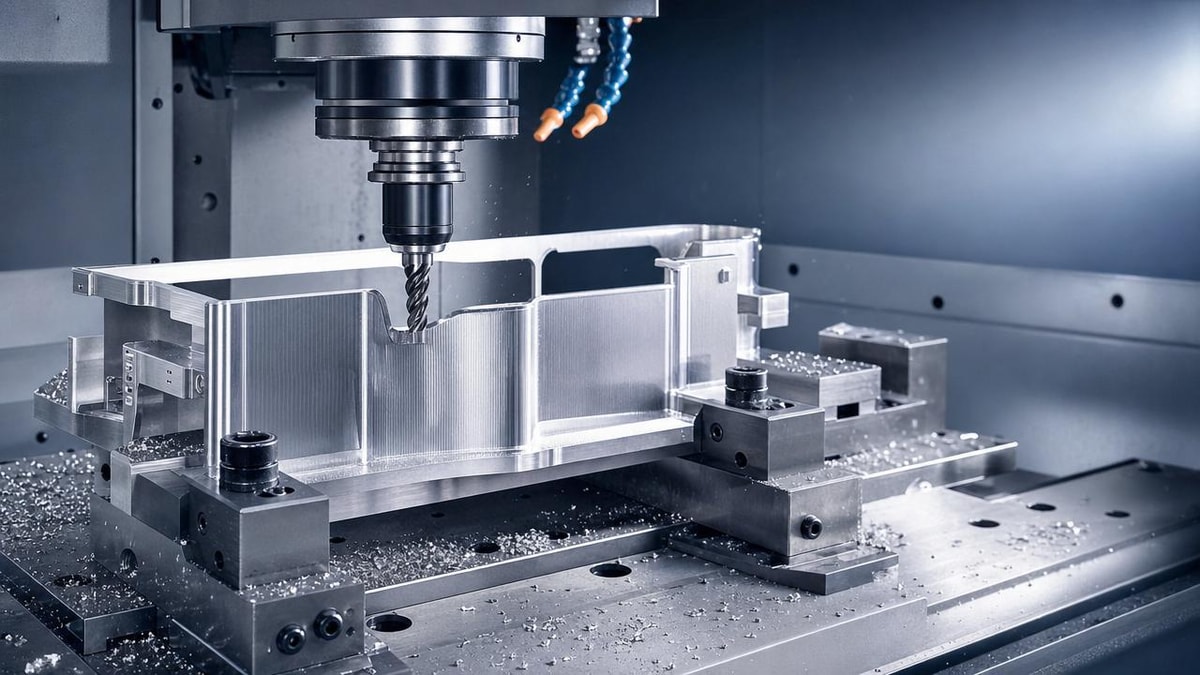
Thin-wall parts often expose the most frustrating CNC milling issues, especially chatter that ruins surface finish, accuracy, and tool life. For machine operators and shop users, understanding why vibration appears in light, flexible features is the first step toward stable cutting. This guide explores the common chatter problems that show up in thin walls and how to reduce them in practical production.
Why does CNC milling chatter become worse in thin-wall machining?
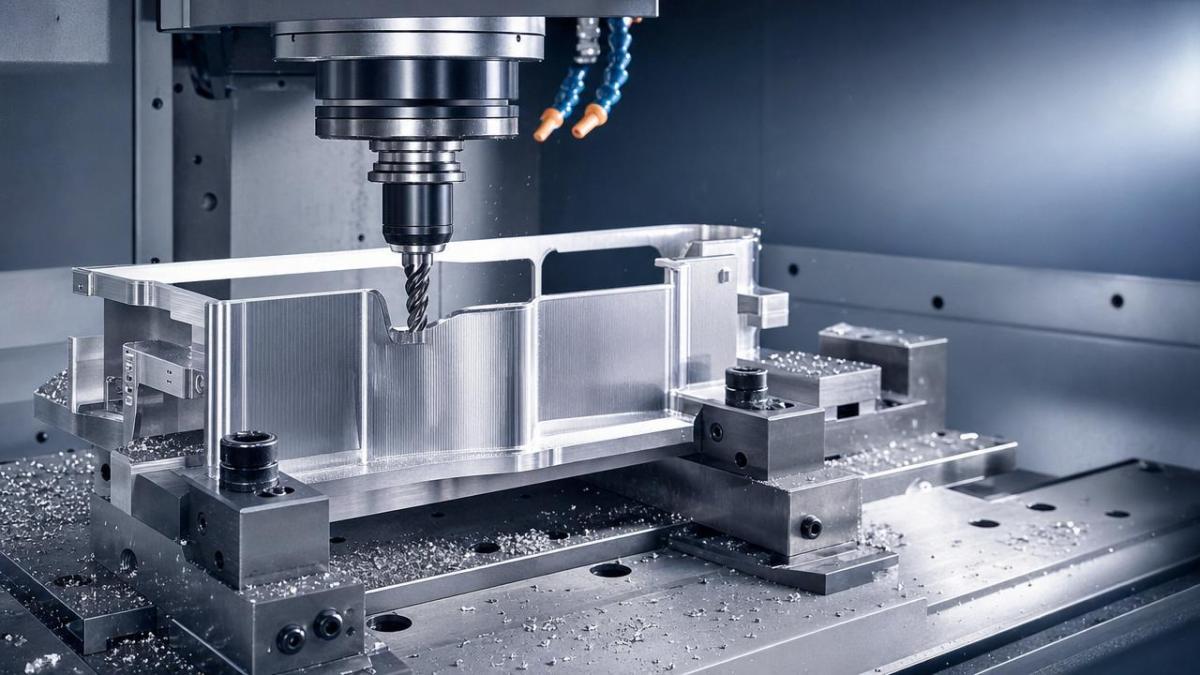
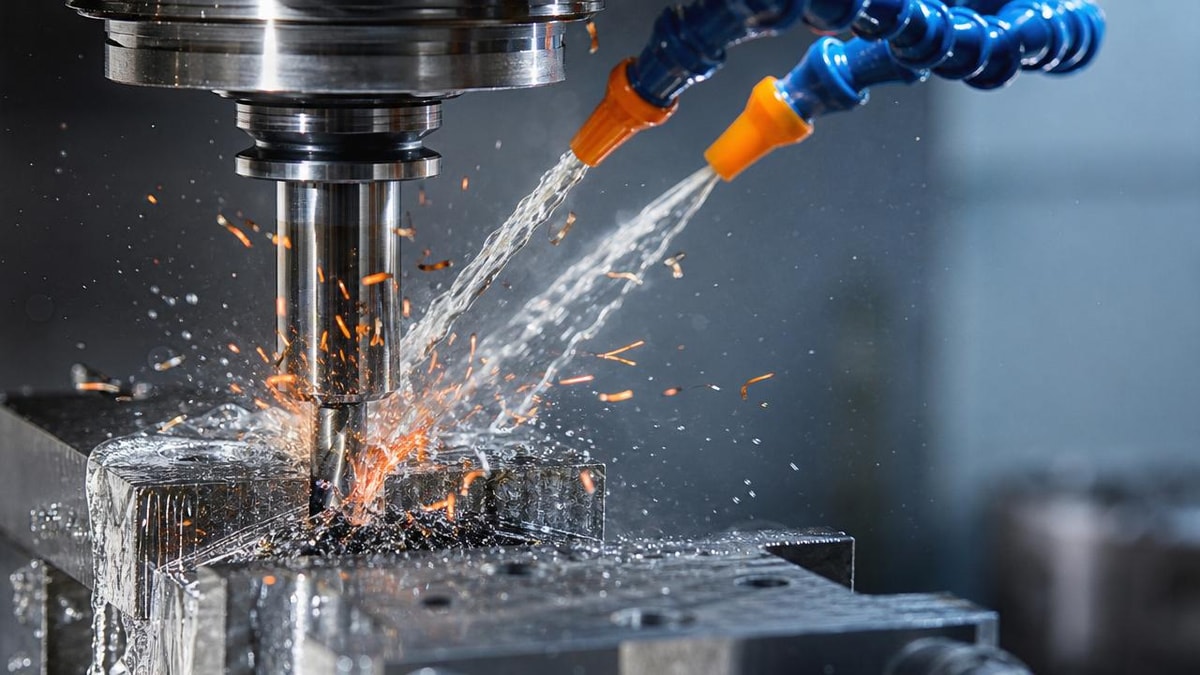
In CNC milling, chatter is a self-excited vibration that grows when cutting forces, tool dynamics, spindle behavior, and part stiffness interact in an unstable way. Thin walls are especially vulnerable because they do not resist side loads well. As material is removed, the wall becomes less rigid, so the same cutter path that was stable at the start of the operation may become unstable near the end.
Operators often notice a clear pattern. The first passes sound normal, spindle load looks acceptable, and chip evacuation is clean. Then the wall starts ringing, the surface turns wavy, and dimensional drift appears. This is common in aerospace ribs, electronic housings, energy equipment covers, and lightweight structural components where wall thickness and residual stiffness change quickly during the cut.
The challenge is not only machine power. A powerful machine can still produce poor results if the setup, tool overhang, radial engagement, and toolpath strategy do not match the flexible geometry. In modern precision manufacturing, thin-wall CNC milling requires a system view: machine, holder, cutter, fixturing, toolpath, and material behavior must work together.
Main vibration sources operators should check first
- Low part rigidity caused by unsupported wall height, long free edge length, or material removal sequence that leaves a weak section too early.
- Tool deflection from excessive stick-out, small shank rigidity, worn cutting edges, or using too many flutes for a poor chip evacuation condition.
- Spindle and holder issues such as runout, insufficient clamping torque, poor balance at high speed, or taper contamination.
- Unstable cutting parameters, especially spindle speeds that match resonance zones, radial widths of cut that are too large, or feed rates that cause edge rubbing instead of clean shearing.
What chatter looks like in thin walls during CNC milling
Not every bad sound is chatter. Thin-wall problems can come from simple deflection, built-up edge, chip recutting, or workholding slip. Distinguishing the symptoms helps the operator make faster adjustments instead of changing too many variables at once.
The following table compares common symptoms seen in CNC milling of thin walls and the most likely causes. This kind of shop-floor diagnosis is useful when surface finish problems appear suddenly on a part that looked stable in roughing.
The key point is that chatter in thin-wall CNC milling is rarely caused by one factor alone. A slight tool overhang problem may be manageable in a rigid pocket, but the same condition can become severe when finishing a tall, flexible wall. That is why symptom-based troubleshooting is faster than changing parameters blindly.
Which machining conditions make thin walls unstable faster?
Operators working across automotive, aerospace, electronics, and general precision manufacturing see the same pattern: instability grows when the process removes support before the wall can be finished under controlled conditions. Toolpath planning matters as much as spindle speed.
High-risk process conditions
- Full-depth side milling with large radial step-over. This creates high lateral force and lets the wall spring away from the tool.
- Long tool projection chosen for reach convenience rather than stiffness. Even a small increase in overhang can noticeably reduce stability.
- Finishing after the surrounding support material has already been removed. The wall then behaves like a tuning fork.
- Low feed with high spindle speed that causes rubbing. Many operators slow feed to “protect” the wall, but this can worsen vibration and finish.
- Poor clamping support below the thin feature, especially on large plates, housings, or frame-like components.
Material behavior also matters
Aluminum thin walls often show chatter because the parts are light and flexible, while high spindle speeds can excite unstable frequencies. Stainless steel adds another problem: cutting forces and heat can rise quickly, and any rubbing makes the wall distort more. Titanium and heat-resistant alloys are even more sensitive because force levels stay high while rigidity remains low.
For shops serving multiple industries, this means the same CNC milling strategy should not be copied from one material or wall geometry to another. What works on a short aluminum wall may fail completely on a taller stainless bracket or a deep aerospace rib.
How to reduce chatter in thin-wall CNC milling step by step
A stable process usually comes from several moderate improvements, not one dramatic change. The best operators reduce vibration by controlling engagement, preserving rigidity as long as possible, and matching tool design to the wall condition.
Practical process adjustments
- Reduce radial width of cut before reducing axial depth too aggressively. A lighter side load often helps more than a shallow cut.
- Use climb milling where appropriate to improve chip formation and reduce rubbing on flexible walls.
- Leave uniform stock for finishing. Uneven stock forces the tool to cut harder in local zones, which can trigger chatter.
- Change spindle speed in small increments if chatter starts. A speed increase or decrease of several percent can move the cut away from a resonance band.
- Keep the tool as short as possible and confirm holder cleanliness, runout, and clamping condition before blaming the program.
- Consider multiple semi-finishing passes on tall walls rather than one heavy finishing pass.
Sequencing matters more than many users expect
In thin-wall CNC milling, roughing should preserve support material for as long as possible. If the wall is opened too early, every later cut becomes less stable. Many experienced programmers use staged wall reduction, alternating sides or leaving temporary ribs, tabs, or backing stock that can be removed near the end.
Finishing passes should also be planned around wall stiffness. For example, finishing from the most supported region toward the least supported region often gives better control than the reverse. Small details like cutter exit direction and corner smoothing can also reduce excitation.
What tool, holder, and setup choices usually work better?
Tooling selection is one of the fastest ways to improve thin-wall CNC milling, especially when operators inherit a process that already has a stable machine but inconsistent results. The best setup is not always the largest tool. It is the combination that keeps cutting sharp, controlled, and repeatable.
The table below compares common setup choices used in CNC milling for thin walls. It can help operators and production planners judge which changes are worth testing first when cycle time, finish quality, and scrap risk are all under pressure.
For many users, the most cost-effective improvement is not buying a new machine. It is tightening setup discipline: shorter tools, better holder maintenance, cleaner tapers, smarter support, and more suitable cutter geometry. These changes often reduce scrap and improve surface finish faster than chasing aggressive cycle time gains.
How should operators judge trade-offs between cycle time, finish, and scrap risk?
Thin-wall CNC milling is full of trade-offs. A faster path may save minutes but create rework. An ultra-light finishing pass may protect the wall but increase rubbing if feed is too low. Shops need a decision method that matches production reality, not theory alone.
A practical decision checklist
- Start from the part requirement. If tolerance and finish are tight, prioritize stability over pure removal rate.
- Measure where the instability begins. If chatter appears only near final thickness, focus on sequencing and support rather than roughing parameters.
- Record spindle speed, radial engagement, wall height, and tool projection during successful and failed runs. This builds a useful shop database.
- Compare total cost, not only cycle time. Scrap, rework polishing, tool wear, and machine downtime can outweigh a few extra cutting seconds.
In digital manufacturing environments, this type of process tracking becomes even more valuable. Whether a shop supplies automotive batches, aerospace structures, or electronics frames, stable CNC milling of thin walls supports repeatability, delivery control, and better use of machine capacity.
FAQ: common thin-wall CNC milling questions from operators
Should spindle speed always be reduced when chatter starts?
No. Lower speed is not always the right answer. Chatter often depends on a resonance relationship, so either increasing or decreasing speed can help. The practical approach is to test moderate speed changes while keeping chip load meaningful. If feed drops too much, the tool may rub and the finish can get worse.
Is a lighter finishing cut always safer for thin walls?
Not always. A very light cut can reduce force, but it can also create rubbing if the cutter edge is not slicing properly. Stable thin-wall CNC milling needs enough chip thickness for clean cutting. The better solution is often lower radial engagement with a sharp tool and controlled support, not simply a tiny finish pass.
What should be checked first when only one area of the wall chatters?
Check local support, wall height change, toolpath engagement, and stock allowance variation in that zone. Local chatter often points to geometry-driven instability rather than a general machine problem. Corners, entry points, or the last unsupported section of the wall are frequent trouble spots.
Can workholding changes solve chatter without changing the program?
Sometimes yes, especially when the wall is moving under load. Added backing support, better jaw contact, fixture damping, or leaving temporary support material can greatly improve results. However, if the toolpath creates sudden engagement spikes or the cutter is too long, fixturing alone will not solve the full problem.
Why choose us for CNC milling process support and sourcing guidance?
For professionals in the global CNC machine tool and precision manufacturing sector, reducing chatter in thin walls is not only a programming issue. It affects tooling cost, part quality, delivery reliability, and machine utilization. Our platform focuses on practical manufacturing insight across CNC machines, tooling systems, automation trends, and international supply capability, helping users connect process problems with workable solutions.
You can contact us for support on topics that matter during real production and purchasing decisions:
- Parameter confirmation for thin-wall CNC milling, including spindle speed, feed strategy, and engagement direction.
- Tool and holder selection guidance based on wall geometry, material, and machine type.
- Workholding and process sequencing suggestions for flexible parts, housings, ribs, covers, and structural components.
- Production planning discussions covering delivery timing, sample support, customization needs, and quotation communication.
- General consultation on machine tool sourcing, precision manufacturing trends, and cross-border supply information relevant to CNC milling users and operators.
If your current thin-wall process suffers from noise, finish variation, or unstable accuracy, share your wall thickness, material, machine type, and tooling condition. A focused review of those details often reveals whether the biggest gain will come from setup changes, cutter selection, parameter adjustment, or process re-sequencing.
PREVIOUS ARTICLE
Recommended for You
 Industrial Robotics payback depends on one hidden variableManufacturing Market Research Center
 Shaft Parts machining problems linked to concentricity lossCNC Machining Technology Center
 Production Process changes that quietly raise defect ratesCNC Machining Technology Center
 Industrial Automation projects stall without process mappingCNC Machining Technology Center
 CNC metal cutting heat issues behind poor surface finishCNC Machining Technology Center
 High precision lathe claims that deserve a closer lookMachine Tool Industry Editorial Team


Aris Katos
Future of Carbide Coatings
15+ years in precision manufacturing systems. Specialized in high-speed milling and aerospace grade alloy processing.
▶
CNC Programming errors that cause repeat dimension driftCNC Machining Technology Center▶
CNC milling chatter problems that show up in thin wallsCNC Machining Technology Center▶
CNC production delays often start with setup planningCNC Machining Technology Center▶
CNC metalworking mistakes that lead to scrap partsCNC Machining Technology Center▶
CNC Programming Errors That Lead to Scrap on Repeat JobsCNC Machining Technology Center
Mastering 5-Axis Workholding Strategies
Join our technical panel on Nov 15th to learn about reducing vibrations in thin-wall components.

Providing you with integrated sanding solutions
Before-sales and after-sales services
Comprehensive technical support